

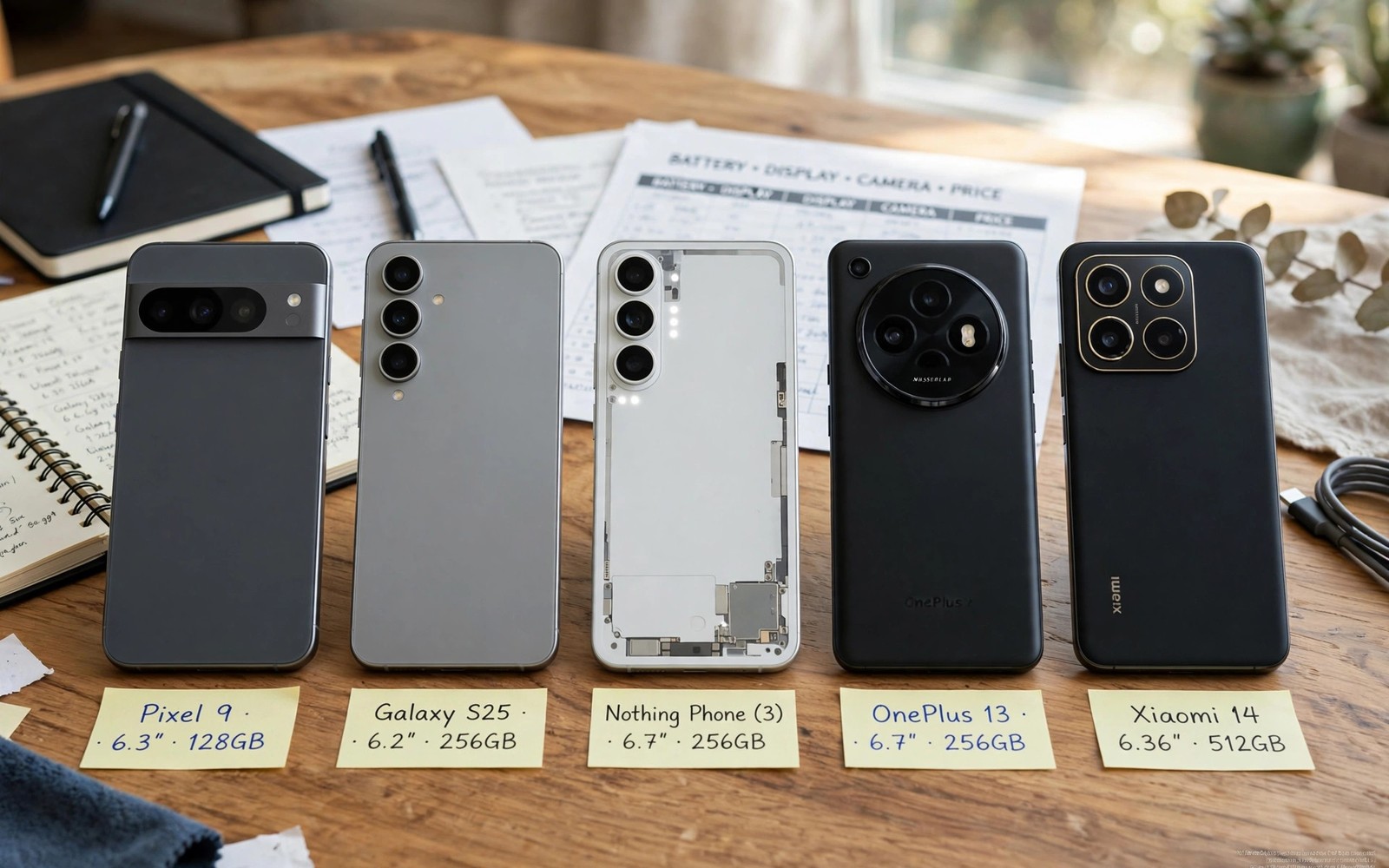
Ranking phone brands by value exposes a simple truth that flagship prestige and smart spending rarely point to the same maker.
Value means more than low price. It combines purchase price and software support and durability and camera quality and resale value. A cheap phone with short support can cost more over three years than a pricier phone that lasts longer.
This ranking explains the criteria clearly so you can adjust it for your own priorities. It focuses on overall value rather than on any single flagship model.
How Value Is Judged Here
Software support carries heavy weight in this ranking. Long updates protect security and improve cameras over time. A brand with short support forces earlier replacement even when hardware still works.
Build quality and repair costs also matter. A phone that survives drops and offers affordable repairs delivers better value than a fragile phone with expensive service. Check repair pricing in your region before you judge durability claims.
Resale value completes the picture. Brands with strong resale return more money when you upgrade. That return lowers total ownership cost even when the initial price looks high.
Brands That Struggle on Value
Brands at the lower end of value often combine high prices with short support or expensive repairs. Some prestige brands charge flagship prices while offering midrange update periods. That combination hurts long term value.
Other low value brands flood the market with many similar models and abandon older ones quickly. Buyers of those models face uncertain updates and scarce accessories. A low launch price cannot compensate for early abandonment.
Check update history rather than launch promises for any brand you consider. Past behaviour predicts future support better than marketing claims at launch.
Brands That Deliver Strong Value
Strong value brands balance price and support and camera quality. They offer midrange models with flagship features and flagship models with long support. Their software stays clean enough to feel fast for years.
Value leaders also maintain broad accessory and repair networks. Easy repair and widely available cases reduce ownership friction. A phone that is easy to maintain stays valuable longer.
Consider regional differences carefully. A brand that leads on value in one country may lag in another due to pricing and warranty and network support. Always judge value in your own market.
How to Apply This Ranking to Your Purchase
Start with your budget and your must have features. Filter brands by software support length first. Then compare camera samples and battery life within the remaining brands. That order prevents a cheap phone with poor support from winning on price alone.
Test the exact model rather than trusting brand rank alone. Individual models vary within every brand. A strong brand can release a weak model and a weak brand can release a surprising value winner.
Factor in ecosystem costs. Watch and earbud compatibility and accessory prices affect total cost. A brand that locks you into expensive accessories may lose its value edge quickly.
python3 - << 'PY'
brands = [("Brand A", 799, 5), ("Brand B", 499, 3), ("Brand C", 649, 4)]
for name, price, years in brands:
    print(name, "cost per year:", round(price / years))
PY
The code above is an original illustration for estimating cost per year of software support from price and update years. It helps you compare total value rather than launch price alone.
Value Across Price Tiers
Budget tier value comes from brands that offer clean software and decent cameras at low prices. Those brands win by avoiding flagship features that budget buyers rarely use. A budget phone with long support beats a budget phone with a flashy feature and short support.
Midrange tier value comes from brands that borrow flagship cameras and displays at half the price. Midrange phones now offer the best balance for most buyers. They combine strong daily performance with reasonable prices and good support.
Flagship tier value comes from brands that offer long support and strong resale. A flagship that lasts five years with updates costs less per year than a midrange phone replaced every two years. Total years of use decides flagship value more than launch price.
Compare tiers by yearly cost rather than by launch price alone. Divide price by expected years of comfortable use. That calculation often reveals that a midrange phone offers the lowest yearly cost for average users.
Red Flags in Brand Promises
Vague update promises signal weak value. A brand that promises updates without specifying years or frequency may deliver far less than buyers expect. Demand specific update years before trusting a value claim.
Rapid model churn signals weak support. A brand that releases dozens of similar models yearly often abandons older models quickly. Fewer models with longer support usually indicate better value focus.
Poor repair networks also signal weak value. A brand with scarce parts and expensive repairs costs more over time. Check repair availability in your region before committing to an unfamiliar brand.
Overly aggressive preinstalled software signals a brand that monetises users after sale. Heavy sponsored apps reduce usable storage and daily satisfaction. Clean software remains a strong value indicator across brands.
Brand Ecosystems and Hidden Costs
Brand ecosystems create hidden costs through accessories and services that work best within one brand. A watch and earbuds and tablet from the same brand may offer features that disappear when you mix brands. Those features feel free at purchase but they lock you into future purchases from the same brand. Calculate ecosystem lock in cost when comparing brands by value.
Service subscriptions also affect brand value because some brands bundle cloud storage and music and support services that others sell separately. A brand with generous bundled services may offer better total value even at a higher phone price. Compare bundled services alongside phone prices for a fair value ranking.
Trade in programmes differ by brand and affect upgrade costs greatly. A brand with strong trade in values returns more money at upgrade time and lowers total ownership cost. Check trade in values for your current phone across brands before choosing a new brand.
Long Term Brand Reliability
Long term reliability emerges from repair data and user reports over several years rather than from launch reviews. A brand that looks excellent at launch may develop widespread faults after two years of use. Search for long term reliability reports before trusting a new brand with a multi year purchase.
Software stability over time also affects reliability because buggy updates can degrade a good phone quickly. Brands with careful update testing preserve daily reliability better than brands that rush updates. Read update feedback from early adopters before installing major updates on a phone you depend on.
Customer support quality matters when faults occur because a helpful support team resolves problems quickly while poor support turns minor faults into major frustrations. Check support reputation in your region before choosing a brand. That reputation predicts your experience when something goes wrong.
Checking Brand Support Before Buying
Check security patch dates for the exact model you want because patch recency reveals support quality better than promises. A model with patches from last month signals active support. A model months behind signals neglect even when the brand advertises long support.
Check community forums for recurring faults on the model because widespread faults appear in user reports long before official acknowledgements. A model with many identical fault reports deserves caution regardless of brand reputation. That research takes minutes and prevents regret.
Check accessory availability in your region because cases and screen protectors for niche models may be scarce. A phone without available protection accessories faces higher damage risk daily. Accessory scarcity also signals weak market presence.
Check trade in values for the brand because strong trade in values indicate market confidence in the brand. Weak trade in values signal that the market expects rapid depreciation. That market signal predicts your future upgrade cost.
Check warranty service locations near you because a warranty that requires shipping abroad costs time and money. Local service centres resolve faults faster and with less risk. That practical factor outweighs minor specification differences.
Common mistakes
The biggest mistake is ranking brands by flagship prestige alone. Prestige does not guarantee value. A midrange model from a value brand often beats a flagship from a prestige brand on total cost.
Another mistake is ignoring resale value. A phone that holds value returns money at upgrade time. That return can outweigh a higher initial price. Brand shoppers should also check the clean software comparison of which brand has the cleanest bloatware free operating system because software affects long term satisfaction.
FAQ
Does the best value brand change yearly?
Yes value rankings shift as prices and update policies change. Revisit rankings at purchase time rather than relying on old lists.
Should I buy a brand I have never used?
Yes when its support and camera and repair record look strong. Test the exact model in a store before committing to an unfamiliar brand.
Is the cheapest brand always best value?
No cheapest brands often cut support and durability. Value balances price against years of useful life.
Conclusion
The best value brand is the one that gives you long support and solid cameras and durable build and decent resale at a price you can afford. Your concrete next step is to divide the price of any shortlisted phone by its promised update years and compare that yearly cost before you buy. Shoppers should also compare the clean software guide on which brand has the cleanest bloatware free operating system and the discounted flagship guide on flagships that dropped in price making them crazy value and the switcher review of iPhone 16 versus top Android flagships for a full picture.

