

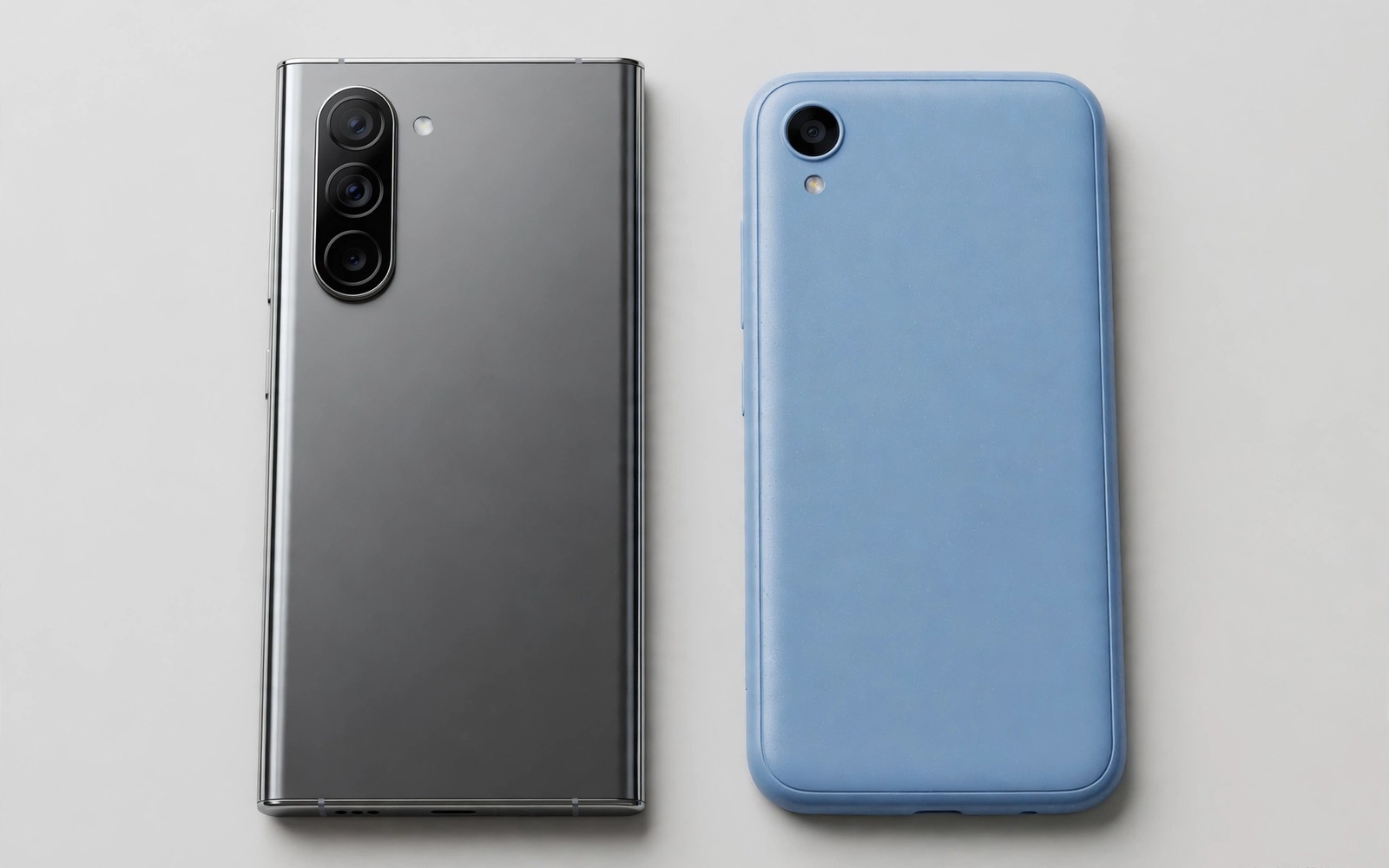
Price tags tell only part of the phone story. A flagship costs about twice as much as a strong mid-range phone. The real question is whether daily use feels twice as good. For many buyers the answer is no. Mid-range phones now cover the basics with real polish.
This comparison breaks down the parts that matter most. It covers speed and camera and battery and screen and software support. It also flags the areas where flagships still justify their price. Readers who love photography can compare camera flagships to see how far top cameras have come. Value means getting the features you use at a price you accept.
Speed In Everyday Use
Modern mid-range chips handle social apps and browsing and maps with ease. App launches feel fast. Scrolling feels smooth on high refresh screens. Only heavy gaming and long video exports expose the gap. Flagship chips finish those tasks faster and stay cooler under load.
RAM and storage speed also shape daily feel. Flagships often pair faster storage with more RAM. That helps heavy multitaskers who keep many apps open. Light users will rarely notice the difference. For email and chat and video streaming a mid-range phone feels nearly identical.
Camera Quality Gap
Cameras show the clearest flagship advantage. Flagship main cameras capture more detail in low light. Their portraits look cleaner and their video stays steadier. Mid-range cameras have improved a lot in daylight. Bright outdoor shots can look close to flagship quality on a small screen.
Zoom and night mode still separate the tiers. Mid-range phones often use weaker zoom lenses or none at all. Night shots show more noise and less detail. Buyers who shoot mostly in daylight will be happy with mid-range results. Buyers who shoot concerts and night streets should pay for a flagship camera.
| Aspect | First Option | Second Option |
|---|---|---|
| Price | About 1000 dollars | About 500 dollars |
| Everyday speed | Fastest chips and storage | Fast enough for common apps |
| Camera | Best low light and zoom | Good daylight and basic zoom |
| Battery | Strong but power hungry | Often longer in real use |
| Support | Longest update promises | Shorter promises on many models |
Battery Life And Charging
Battery life often favors mid-range phones. Efficient chips and large batteries stretch through long days. Flagships push brighter screens and faster chips that drain power quicker. Many mid-range phones now last longer than flagships in real use. That surprises buyers who assume price equals endurance.
Charging speed varies by brand more than by price tier. Some mid-range phones charge faster than flagships from famous brands. Wireless charging still favors flagships in most lineups. Readers can study charging speed tests for real refill times. Battery health over years matters too and both tiers now offer battery care settings.
Screen And Build Quality
Screens have closed the gap fast. Mid-range phones now offer bright OLED panels with smooth refresh rates. Colors look rich and text looks sharp. Flagships still win on peak brightness and adaptive refresh tuning. Outdoor readability in harsh sun favors flagship panels.
Build quality differs in materials and water resistance. Flagships use stronger glass and metal frames. Many offer higher water resistance ratings. Mid-range phones use plastic frames more often. A good case closes much of that gap for careful owners.
- List the features you use every single day.
- Test the camera in low light before you judge it.
- Check the update promise in years and not in vague words.
- Compare battery life in real use and not only battery size.
- Add case and accessory costs to the total price.
Software Support And Updates
Software support now decides long term value. Some brands promise many years of updates for flagships and fewer for mid-range models. A phone with short support may feel old fast. Security patches protect banking apps and personal data. Buyers should check the update promise before they buy.
Extra software features also differ. Flagships get new AI tools first. Mid-range phones may get them later or never. Clean software matters more than feature count for most users. A smooth stable system beats a long feature list that lags.
adb shell dumpsys battery
adb shell cat /sys/class/power_supply/battery/capacity
# Check battery health data on Android
adb shell dumpsys batterystats --reset
The commands above come from standard Android developer tooling for battery inspection. They only read battery data and they change no setting on the phone.
Who Should Pay More
Power users should pay for a flagship. Mobile gamers and video creators and heavy photographers gain real benefits. Frequent travelers gain from better cameras and stronger water resistance. People who keep phones for five years gain from longer support and stronger build.
Most other buyers should save the money. A 500 dollar phone covers calls and photos and video and work apps with ease. The saved money buys accessories and cases and a better data plan. Value buyers should compare total cost over the years they will own the phone.
Display Differences That Matter Daily
Display quality affects every interaction with a phone. Flagship panels reach higher peak brightness for sunny days. Mid-range panels have narrowed the gap but still dim sooner outdoors. Color accuracy on good mid-range screens now rivals flagships closely. Refresh rate smoothness feels similar at 120Hz on both tiers. Only side by side outdoor tests reveal the remaining brightness gap clearly.
Screen durability also differs by tier in subtle ways. Flagships use newer tougher glass generations. Mid-range phones use older glass that scratches easier. Screen replacement costs run higher for flagship curved panels. Flat mid-range screens repair cheaper and faster. Buyers who drop phones often should factor repair prices into tier choice. A cheaper phone with a cheaper repair can win total cost easily.
Storage Speed And Multitasking Feel
Storage speed shapes app installs and photo saves. Flagships use faster storage that loads large games quicker. Mid-range storage has improved but still lags in sustained writes. Video recording at high resolution stresses storage most. Casual users rarely notice storage speed in daily tasks. Gamers and creators notice it during large downloads and exports.
RAM size matters more than RAM speed for multitasking. Flagships often ship with more RAM as standard. Mid-range phones may reload apps sooner when switching tasks. Heavy multitaskers feel this difference many times daily. Light users who focus on one app feel no penalty. Buyers should match RAM to their real multitasking habits rather than marketing numbers.
Connectivity And Call Quality
Connectivity differences hide beneath spec sheets. Flagship modems hold weak signals slightly better. Mid-range modems perform well in strong coverage areas. Rural users gain most from flagship modem tuning. City users on strong networks notice no difference at all. Wi-Fi speed also favors flagships with newer radios and antenna designs.
Bluetooth and accessory support stay similar across tiers. Both tiers support modern earbuds and watches well. Ultra wideband features remain flagship only on many brands. Car key and precise tracking features need that hardware. Buyers who use digital car keys should check tier support carefully. Most other users can ignore this difference entirely.
Accessories And Ecosystem Costs
Ecosystem costs add up beyond the phone price. Flagship buyers often buy premium cases and chargers. Mid-range buyers can use the same accessories for less total spend. Watch and earbud pairing works equally well across tiers. Brand ecosystem lock in affects both tiers similarly. Switching brands costs time regardless of tier chosen.
Trade in values favor flagships at resale time. A flagship may return more money after two years. Total ownership cost narrows when trade in is counted. Mid-range phones still win total cost in most calculations. Buyers should estimate resale value for their exact model. Carrier deals can flip the math for specific models and regions.
When Mid-Range Beats Flagship
Mid-range phones win for buyers who value simplicity and savings. They cover calls and photos and video and work without fuss. Battery life often beats flagships in the same daily routine. Lighter weight and cheaper repairs add comfort. The saved money can fund travel or accessories or savings goals.
Flagships win for buyers who push phones hard daily. Creators and gamers and photographers use flagship headroom constantly. Long support promises also favor flagships for five year owners. Everyone between these extremes should test both tiers in hand. Personal use patterns decide value better than any review score. Choose the tier that fits life rather than status.
Warranty And Repair Differences
Warranty terms differ between flagship and mid-range lines. Flagships sometimes include longer premium support options. Mid-range warranties usually cover standard periods only. Accidental damage plans cost extra on both tiers. Repair network quality matters more than warranty length alone.
Screen repair prices scale with panel technology. Flagship curved OLED repairs cost far more than flat mid-range panels. Battery replacements stay affordable across tiers. Buyers who break screens often should favor cheaper repairs. Total risk cost can erase flagship prestige quickly.
Camera Software Features By Tier
Camera software features trickle down unevenly across tiers. Flagships receive new AI editing tools first. Mid-range phones may receive them months later or never. Night mode quality gaps persist through software tuning. Portrait features on mid-range phones have improved greatly though.
Video features show tier gaps most clearly. Flagship video stabilization and HDR video lead noticeably. Mid-range video suffices for social sharing and memories. Creators who publish video professionally need flagship tools. Casual creators can thrive with mid-range video today.
Network And Future Proofing
Future network support differs subtly by tier. Flagships support more 5G bands and newer Wi-Fi standards. Mid-range phones cover common bands well in most regions. Future band refarming could disadvantage older mid-range models. Long term owners should check band lists carefully.
Wi-Fi 7 and ultra wideband remain flagship leaning features. Most users gain little from these features today. Smart home users may benefit from newer radios sooner. Buyers should not pay flagship prices for future features they may never use. Practical current needs outweigh speculative future specs.
Decision Framework For Buyers
A simple framework clarifies tier choice for most buyers. List must have features versus nice to have features honestly. Price the cheapest phone that covers must haves fully. Compare that phone against flagships on nice to haves only. Pay extra only for nice to haves used weekly or more.
Test both tiers with personal SIM cards when possible. Real apps and photos reveal differences better than reviews. Return windows protect buyers who test thoroughly. Friends with both tiers offer honest daily insights. Framework discipline prevents marketing driven overspending reliably.
Final Verdict
A flagship is better but it is rarely twice as good. The extra money buys camera reach and peak speed and longer support. It does not double everyday joy for most buyers. A strong mid-range phone delivers most of the experience for half the price.
Buyers who want top cameras should still read value flagships for flagship power at lower prices. Everyone else should pocket the savings. Spend on the tier that matches real use and not on specs that stay idle.

