

Cell signal in remote wilderness areas fades for clear physical reasons. Hills block radio waves. Forests absorb them. Distance weakens them. A phone that works well in a city may struggle on a ridge. Outdoor devices fight these problems with better antennas and smarter radios. This guide explains what helps and what habits keep you connected longer.
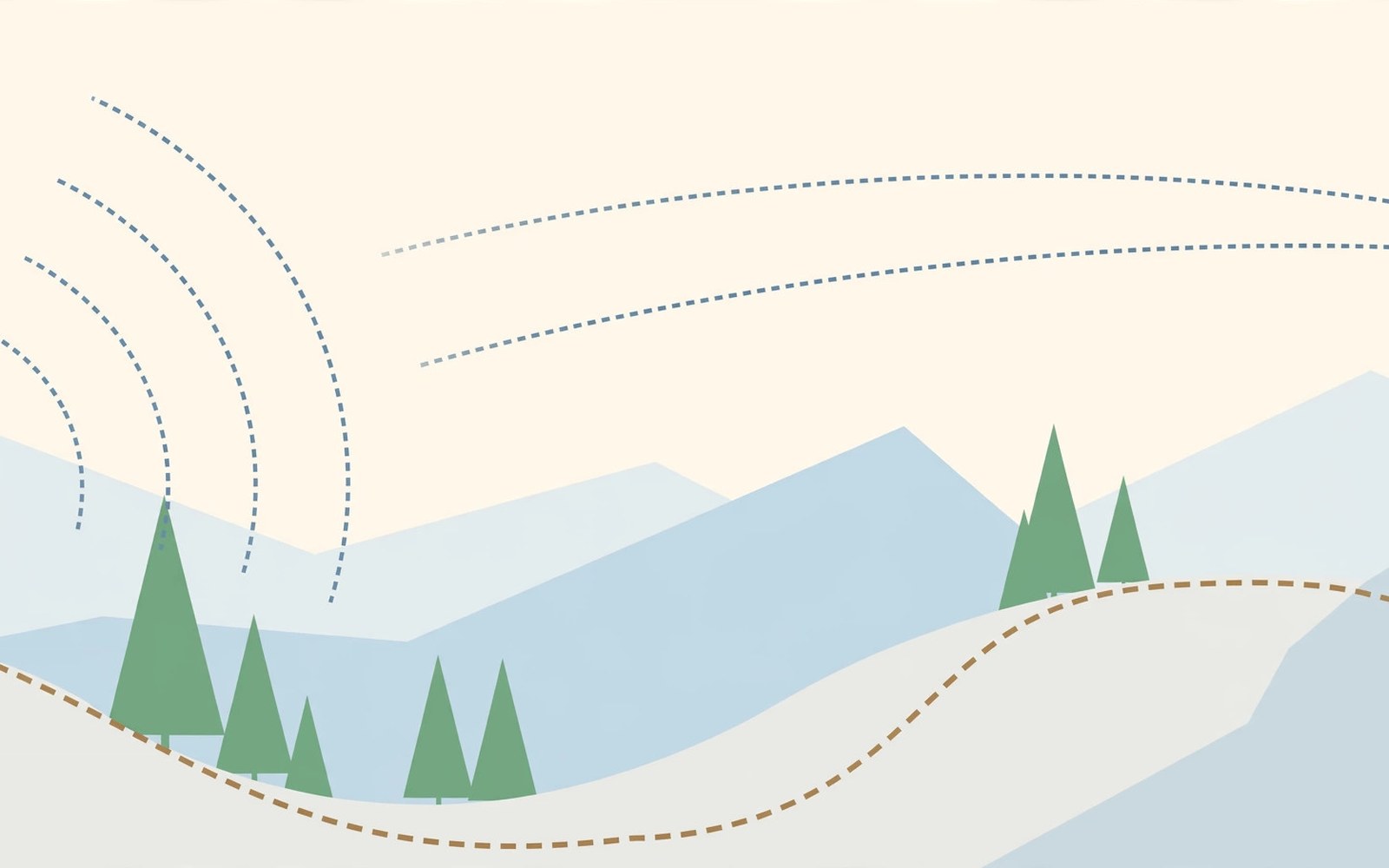
Radio waves travel in straight lines at mobile frequencies. A hill between you and a tower blocks the direct path. The signal may still arrive by reflection off other surfaces. Reflected signals are weaker and less stable. A phone with a sensitive receiver can use those weak reflections. The satellite SOS features for remote trails provide a backup when even reflections fail. Use both tools together for the safest remote plan.
Signal behaviour also changes with weather and season. Rain absorbs radio waves slightly. Wet foliage absorbs more signal than dry foliage. Snow on trees adds further loss. Summer leaves block more signal than winter bare branches. A route that holds signal in winter may lose it in summer. Plan seasonal differences into remote trip communications. A summer trip needs more check in points than a winter trip on the same route.
Antennas and receiver sensitivity
Antenna design decides how well a phone catches weak signals. A larger antenna area generally catches more signal. Rugged phones have room for larger antennas inside thick frames. Metal frames can shield antennas when design is poor. Good makers place antennas at edges with plastic breaks. Those breaks let radio waves reach the antenna.
Receiver sensitivity measures how weak a signal the phone can still use. A sensitive receiver holds calls at lower signal levels. It also drains less battery while searching. Cheap phones often use weaker receivers to cut cost. Check owner reports for rural signal performance before you buy. Lab specs rarely publish receiver sensitivity in useful terms.
Frequency bands and rural coverage
Low frequency bands travel further and pass through trees better. High frequency bands carry more data but fade fast in wilderness. Rural towers often use low bands for wide coverage. A phone that lacks those low bands will lose rural signal first. Check the band list for your carrier and region. A phone missing one key rural band is a poor wilderness choice.
Carrier choice matters as much as phone choice. One carrier may cover a valley while another covers none of it. Ask local hikers and rangers which carrier works in your area. Carry a second SIM from a different carrier when trips are remote. Dual SIM phones let you switch networks without swapping cards. That flexibility can restore signal when one network fades.
adb shell dumpsys telephony.registry 2>/dev/null | grep -i -m 5 'signal\|mServiceState'
adb shell settings get global airplane_mode_on
adb shell cmd connectivity get-mobile-data-enabled 2>/dev/null || echo data-check-done
Attribution: the snippet above is an original example prepared for this article. It follows a standard public pattern for Android device checks and it does not copy code from any vendor site.
Position height and body blocking
Height helps signal a great deal. Climbing a few metres up a slope can restore a lost connection. Standing on a ridge beats standing in a valley floor. Hold the phone away from your body during a weak signal call. Your body absorbs radio waves and weakens reception. Hold the phone high and still for best results.
A backpack can block signal when the phone sits deep inside it. A chest pocket keeps the phone near open air. A hip belt pocket works well on trails. Avoid metal cases in weak signal areas. Metal cases shield antennas and cut reception. Use a plastic or rubber case for wilderness trips. Small placement choices add up to real signal gains.
Battery drain during signal search
A phone searching for signal uses full radio power. That search drains battery fast. In a dead zone the phone may search for hours and drain a full battery. Switch to flight mode when you know signal is gone. Flight mode stops the search and saves power. Turn signal back on at high points or at planned check times.
Use scheduled check ins rather than constant searching. Turn on signal at ridge tops and at camp. Send messages during those windows. Turn flight mode back on between checks. This habit stretches a giant battery over many days. It also reduces frustration from constant failed searches.
Offline maps messages and call habits
Download offline maps before you lose signal. Offline maps need GPS only and GPS works without mobile signal. Save the route area at several zoom levels. Test offline navigation before departure. A map that fails offline is useless in wilderness.
Text messages need far less signal than calls or data. A short text may send when a call fails. Use texts for check ins in weak areas. Keep messages short and factual. Avoid photos and videos when signal is weak. Large files fail and waste battery on retries. Send one short text and wait for delivery confirmation.
External antennas boosters and repeaters
External antennas can help vehicles in remote areas. A roof antenna on a truck catches signal above ground clutter. A booster amplifies weak signal inside a vehicle. Boosters need a donor signal to amplify. They cannot create signal where none exists. They help at the edge of coverage rather than in true dead zones.
Check local rules before using a booster. Some regions restrict booster power and bands. A poor booster can interfere with networks and draw fines. For hikers a small passive antenna patch rarely helps much. Spend money on a better phone and a better carrier first. Add boosters only for vehicle based work at coverage edges.
Weather seasons and terrain effects on signal
Wet leaves absorb radio energy at mobile frequencies. A forest after rain can cut signal by a large margin. A dry forest on a clear day passes signal better. Check signal at the same spot in wet and dry conditions when you scout a route. Wet condition results give the safe planning baseline. Dry condition results flatter the route.
Temperature inversions can carry signals further than normal. A cool morning layer can reflect signals over ridges. That effect is unreliable and it fades by midday. Do not plan critical calls around inversion gains. Plan around normal conditions and treat inversion gains as a bonus.
Snow cover changes ground reflection patterns. Fresh snow can reflect signals in helpful directions. Deep snow can also bury a phone in a pack and block signal entirely. Keep the phone near the top of a pack in snow. A phone buried under snow and gear loses signal fast. Placement matters more in winter.
Coastal and lake areas often hold signal better than inland valleys. Water surfaces reflect signals over longer paths. A lakeside camp may hold signal while a valley camp a kilometre away holds none. Use water proximity as a signal planning factor. A short walk to a lakeshore may restore contact when a valley camp fails.
Urban fringe areas show a different pattern. Signal fades gradually with distance from town. Rural fringe users can often regain signal with a short walk to higher ground. Deep wilderness users may need kilometres of travel for the same gain. Know your distance to coverage before departure. A map of last known coverage points helps planning.
Dual SIM strategies for remote workers
Dual SIM phones let remote workers carry two carriers at once. One carrier may cover a valley while the other covers a ridge. The phone can switch data to the stronger carrier automatically on some models. Manual switching works on all dual SIM models. Set the primary SIM to the carrier with the best local coverage. Set the secondary SIM to a different carrier for backup. That pairing covers more ground than any single carrier plan. Roaming agreements can add a third network option in some regions.
Dual SIM use also helps when one carrier suffers an outage. Outages happen during storms and maintenance windows. A second carrier keeps messages flowing during the outage. Test both SIMs at your work area before relying on them. A backup SIM from a carrier with no local coverage adds nothing. Local coverage knowledge decides backup value. Ask colleagues which carriers work at each site. Their experience beats coverage maps for remote planning.
Common mistakes
The biggest mistake is leaving the phone searching all day in a dead zone. Constant searching drains the battery and leaves nothing for an emergency. Another mistake is using a metal case in weak signal areas. Metal shielding can kill the last usable signal.
A third mistake is relying on live maps without an offline copy. Live maps fail exactly when you need them most. Download offline maps before every remote trip. A fourth mistake is buying a phone without checking rural bands. A missing low band can make an otherwise good phone useless off road.
A fourth mistake is assuming signal strength on a map app equals usable signal. Map bars show tower presence rather than call quality. A single bar may support texts but fail calls. Test texts and calls separately in weak areas. Text success does not guarantee call success.
Frequently asked questions
Why does signal vanish in valleys?
Radio waves travel in straight lines and hills block the direct path. Valleys sit in radio shadow behind ridges. Reflected signals may still reach you weakly. Climbing higher often restores a usable signal.
Do rugged phones get better signal than normal phones?
Often yes because they have room for larger antennas. The gain depends on design and bands rather than rugged branding alone. Check rural owner reports for your exact model.
Should I keep searching for signal all day?
No. Use flight mode between planned check ins. Searching in a dead zone drains battery fast. Check signal at high points and at camp instead.
Conclusion
Cell signal in remote wilderness areas depends on antennas and bands and position and habits together. No single feature guarantees coverage in deep valleys. Smart placement and offline preparation and scheduled check ins keep you connected as long as possible. The chemical resistant devices for industrial plants adds useful context for this choice. The solar charging for off grid trips adds useful context for this choice.
Your concrete next step is to download offline maps for your next route today. Then check your phone bands against your carrier rural bands. Pack a second SIM from another carrier when the trip is truly remote.
Mark signal check points on your route map before the next trip. Note where signal held and where it failed on past trips. That personal coverage map beats any carrier map for your exact routes. Share it with your group before departure.

