

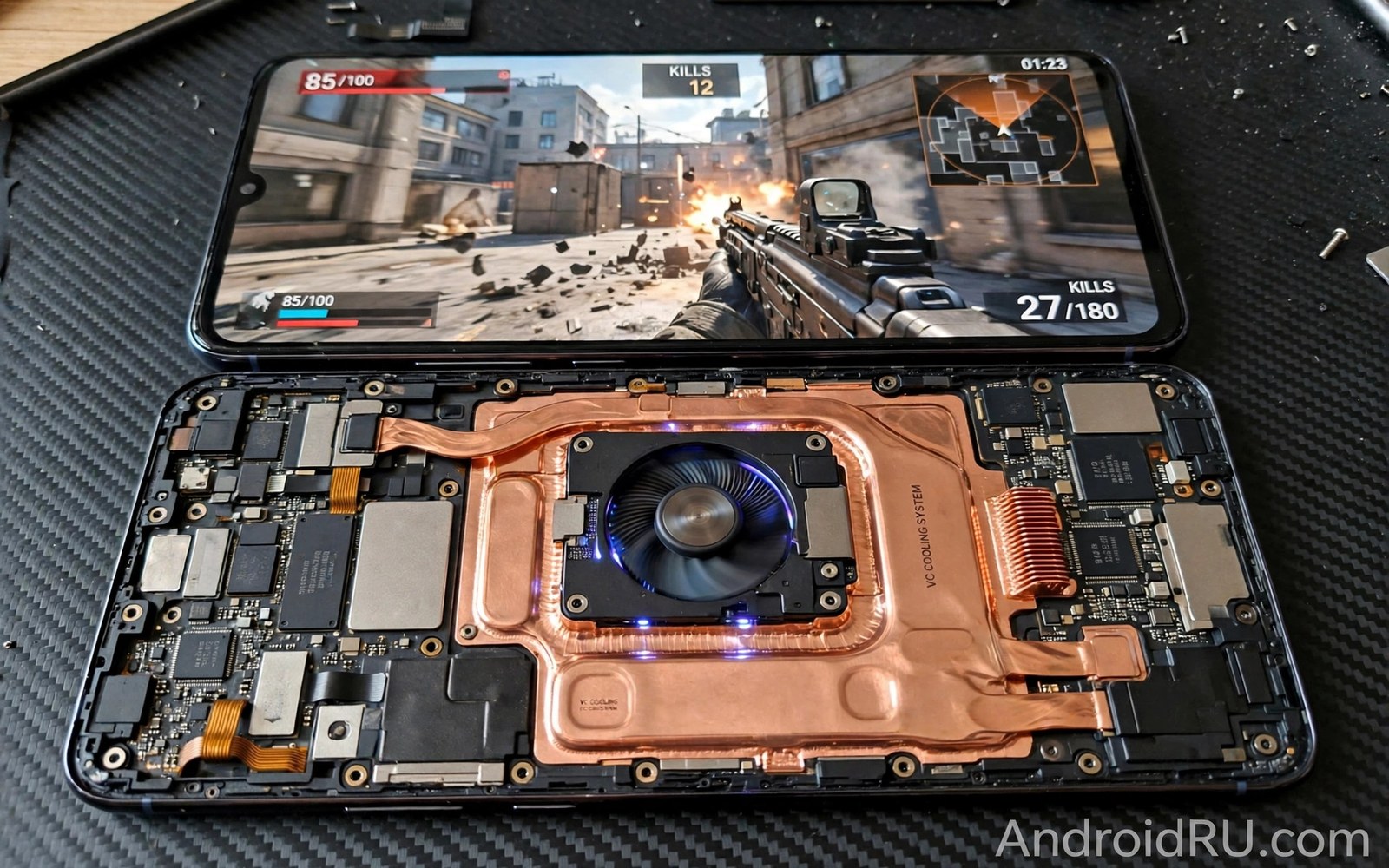
active internal cooling fans in gaming phones matters when you play for more than a few minutes at a time and when heat and controls start to shape every match. An internal fan sounds small but it changes how a phone handles heat because it moves hot air out of the body. This article explains active fan cooling inside a gaming phone in plain steps so you can test it yourself before you spend money. You will learn what to check and what to ignore and how frame rate in the second half of a session reveals the truth in a normal session.
Internal fans work with vapor chambers and graphite layers and together they form a cooling path that passive designs cannot match alone. For a closer look at shoulder buttons for mobile gaming, see shoulder buttons for mobile gaming and test the same idea during your next long session so you can judge it from your own results and not from a claim alone. This kind of direct comparison saves money and it also prevents a purchase that looks strong on paper and feels weak in a real match.
Start with your own habits and not with a flagship list because a fan removes heat instead of only spreading it and that keeps the chip near peak speed for longer. If you play short casual rounds then active fan cooling inside a gaming phone may matter less than battery life and comfort. If you play ranked matches for hours then active fan cooling inside a gaming phone can decide whether your phone stays fast and steady. Write down your longest session and your main game before you read the sections below.
Why phones throttle without a fan
A phone chip slows down when heat passes a safe limit and that slowdown shows as frame drops. This point shapes daily play more than a spec sheet suggests because a fan removes heat instead of only spreading it and that keeps the chip near peak speed for longer. Test it in your own routine and watch how frame rate in the second half of a session changes over a full session. Keep notes on frame rate in the second half of a session so your next choice rests on evidence and not on habit.
A slim body traps heat and passive layers can only spread it for a short time. Players notice this first during long matches when frame rate in the second half of a session starts to drift. A small change here often beats a bigger upgrade elsewhere because a fan removes heat instead of only spreading it and that keeps the chip near peak speed for longer. Keep notes on frame rate in the second half of a session so your next choice rests on evidence and not on habit.
Long sessions push heat past that limit and that is when a fan earns its value. Think about your longest session and ask whether frame rate in the second half of a session held up from start to finish. The answer tells you more than a benchmark score because a fan removes heat instead of only spreading it and that keeps the chip near peak speed for longer. Keep notes on frame rate in the second half of a session so your next choice rests on evidence and not on habit.
How an internal fan moves heat out
A fan pulls cool air in through a vent and pushes hot air out through another vent. Think about your longest session and ask whether frame rate in the second half of a session held up from start to finish. The answer tells you more than a benchmark score because a fan removes heat instead of only spreading it and that keeps the chip near peak speed for longer. Keep notes on frame rate in the second half of a session so your next choice rests on evidence and not on habit.
The airflow cools the vapor chamber and the frame so the chip can hold speed. Use this as a buying check and not as a marketing claim because a fan removes heat instead of only spreading it and that keeps the chip near peak speed for longer. Repeat the same test on two phones and compare frame rate in the second half of a session under equal conditions. Keep notes on frame rate in the second half of a session so your next choice rests on evidence and not on habit.
Fan speed often rises with temperature and it may drop when the phone cools down. This point shapes daily play more than a spec sheet suggests because a fan removes heat instead of only spreading it and that keeps the chip near peak speed for longer. Test it in your own routine and watch how frame rate in the second half of a session changes over a full session. Keep notes on frame rate in the second half of a session so your next choice rests on evidence and not on habit.
Frame drops and heat in plain terms
A frame drop happens when the chip cannot finish a frame in time. This point shapes daily play more than a spec sheet suggests because a fan removes heat instead of only spreading it and that keeps the chip near peak speed for longer. Test it in your own routine and watch how frame rate in the second half of a session changes over a full session. Keep notes on frame rate in the second half of a session so your next choice rests on evidence and not on habit.
Heat throttling cuts chip speed and it makes those late frames harder to finish. Players notice this first during long matches when frame rate in the second half of a session starts to drift. For a closer look at clip-on coolers for gaming phones, see clip-on coolers for gaming phones and compare it with what you see on your own phone in the same kind of session. A small change here often beats a bigger upgrade elsewhere because a fan removes heat instead of only spreading it and that keeps the chip near peak speed for longer. Keep notes on frame rate in the second half of a session so your next choice rests on evidence and not on habit.
A fan delays throttling and it keeps late frames closer to early frames. Think about your longest session and ask whether frame rate in the second half of a session held up from start to finish. The answer tells you more than a benchmark score because a fan removes heat instead of only spreading it and that keeps the chip near peak speed for longer. Keep notes on frame rate in the second half of a session so your next choice rests on evidence and not on habit.
Noise and dust trade-offs
A fan adds a soft whir that you may hear in a quiet room. Think about your longest session and ask whether frame rate in the second half of a session held up from start to finish. The answer tells you more than a benchmark score because a fan removes heat instead of only spreading it and that keeps the chip near peak speed for longer. Keep notes on frame rate in the second half of a session so your next choice rests on evidence and not on habit.
Headphones remove most fan noise during play and speakers may not. Use this as a buying check and not as a marketing claim because a fan removes heat instead of only spreading it and that keeps the chip near peak speed for longer. Repeat the same test on two phones and compare frame rate in the second half of a session under equal conditions. Keep notes on frame rate in the second half of a session so your next choice rests on evidence and not on habit.
Dust can enter vents over time so keep vents clear and avoid dusty pockets. This point shapes daily play more than a spec sheet suggests because a fan removes heat instead of only spreading it and that keeps the chip near peak speed for longer. Test it in your own routine and watch how frame rate in the second half of a session changes over a full session. Keep notes on frame rate in the second half of a session so your next choice rests on evidence and not on habit.
Fan plus vapor chamber as a team
A vapor chamber spreads heat across a wide area inside the phone. This point shapes daily play more than a spec sheet suggests because a fan removes heat instead of only spreading it and that keeps the chip near peak speed for longer. Test it in your own routine and watch how frame rate in the second half of a session changes over a full session. Keep notes on frame rate in the second half of a session so your next choice rests on evidence and not on habit.
A fan then removes heat from that area instead of letting it soak the frame. Players notice this first during long matches when frame rate in the second half of a session starts to drift. A small change here often beats a bigger upgrade elsewhere because a fan removes heat instead of only spreading it and that keeps the chip near peak speed for longer. Keep notes on frame rate in the second half of a session so your next choice rests on evidence and not on habit.
Together they handle longer sessions than either part alone. Think about your longest session and ask whether frame rate in the second half of a session held up from start to finish. The answer tells you more than a benchmark score because a fan removes heat instead of only spreading it and that keeps the chip near peak speed for longer. Keep notes on frame rate in the second half of a session so your next choice rests on evidence and not on habit.
blocks = [60, 60, 59, 58, 57, 56]
first = sum(blocks[:2]) / 2
last = sum(blocks[-2:]) / 2
print('First blocks fps:', first)
print('Last blocks fps:', last)
print('Drop fps:', round(first - last, 1))
if first - last > 5:
    print('Result: cooling may be the limit')
else:
    print('Result: cooling holds steady')
The code compares early and late frame blocks so a slow heat driven drop becomes easy to spot. The snippet above is an original example written for this article and it is meant for learning and for simple local checks on your own device. Run it only on data you own and stop if a reading looks wrong because a bad input gives a bad result.
Testing a fan phone yourself
Play the same game for forty minutes with the fan on and then with the fan off. Think about your longest session and ask whether frame rate in the second half of a session held up from start to finish. The answer tells you more than a benchmark score because a fan removes heat instead of only spreading it and that keeps the chip near peak speed for longer. Keep notes on frame rate in the second half of a session so your next choice rests on evidence and not on habit.
Record frame rates in ten minute blocks and compare the last block with the first. Use this as a buying check and not as a marketing claim because a fan removes heat instead of only spreading it and that keeps the chip near peak speed for longer. Repeat the same test on two phones and compare frame rate in the second half of a session under equal conditions. Keep notes on frame rate in the second half of a session so your next choice rests on evidence and not on habit.
Repeat the test in the same room temperature for a fair result. This point shapes daily play more than a spec sheet suggests because a fan removes heat instead of only spreading it and that keeps the chip near peak speed for longer. Test it in your own routine and watch how frame rate in the second half of a session changes over a full session. Keep notes on frame rate in the second half of a session so your next choice rests on evidence and not on habit.
When a fan does not help
A fan cannot fix a game that is poorly optimized for your phone. This point shapes daily play more than a spec sheet suggests because a fan removes heat instead of only spreading it and that keeps the chip near peak speed for longer. Test it in your own routine and watch how frame rate in the second half of a session changes over a full session. Keep notes on frame rate in the second half of a session so your next choice rests on evidence and not on habit.
A fan cannot fix weak Wi-Fi because lag looks like a frame problem. Players notice this first during long matches when frame rate in the second half of a session starts to drift. A small change here often beats a bigger upgrade elsewhere because a fan removes heat instead of only spreading it and that keeps the chip near peak speed for longer. Keep notes on frame rate in the second half of a session so your next choice rests on evidence and not on habit.
A fan also cannot help if the battery is low and the system caps speed to save power. Think about your longest session and ask whether frame rate in the second half of a session held up from start to finish. The answer tells you more than a benchmark score because a fan removes heat instead of only spreading it and that keeps the chip near peak speed for longer. Keep notes on frame rate in the second half of a session so your next choice rests on evidence and not on habit.
Care and long term use
Keep vents free of lint and check them each month. Think about your longest session and ask whether frame rate in the second half of a session held up from start to finish. The answer tells you more than a benchmark score because a fan removes heat instead of only spreading it and that keeps the chip near peak speed for longer. Keep notes on frame rate in the second half of a session so your next choice rests on evidence and not on habit.
Avoid blocking vents with a thick case that seals the back. Use this as a buying check and not as a marketing claim because a fan removes heat instead of only spreading it and that keeps the chip near peak speed for longer. Repeat the same test on two phones and compare frame rate in the second half of a session under equal conditions. Keep notes on frame rate in the second half of a session so your next choice rests on evidence and not on habit.
If fan noise grows loud or rough then seek service before dust damage grows. This point shapes daily play more than a spec sheet suggests because a fan removes heat instead of only spreading it and that keeps the chip near peak speed for longer. Test it in your own routine and watch how frame rate in the second half of a session changes over a full session. Keep notes on frame rate in the second half of a session so your next choice rests on evidence and not on habit.
Common mistakes
Testing only the first five minutes when heat has not built up yet. This point shapes daily play more than a spec sheet suggests because a fan removes heat instead of only spreading it and that keeps the chip near peak speed for longer. Test it in your own routine and watch how frame rate in the second half of a session changes over a full session. Keep notes on frame rate in the second half of a session so your next choice rests on evidence and not on habit.
Blocking vents with a case and then blaming the fan for poor cooling. Players notice this first during long matches when frame rate in the second half of a session starts to drift. A small change here often beats a bigger upgrade elsewhere because a fan removes heat instead of only spreading it and that keeps the chip near peak speed for longer. Keep notes on frame rate in the second half of a session so your next choice rests on evidence and not on habit.
Confusing network lag with heat throttling and buying cooling for a Wi-Fi problem. Think about your longest session and ask whether frame rate in the second half of a session held up from start to finish. The answer tells you more than a benchmark score because a fan removes heat instead of only spreading it and that keeps the chip near peak speed for longer. Keep notes on frame rate in the second half of a session so your next choice rests on evidence and not on habit.
Frequently asked questions
Do internal fans drain battery fast?
They use some power. The drain is small next to the screen and chip. A stable frame rate often matters more than that small cost. In short, judge active fan cooling inside a gaming phone by frame rate in the second half of a session in your own sessions and not by a single headline number.
Are fan phones waterproof?
Many fan phones lose full water resistance because vents open the body. Check the rating for your exact model before you trust it near water. In short, judge active fan cooling inside a gaming phone by frame rate in the second half of a session in your own sessions and not by a single headline number.
Can I replace a broken fan myself?
No. Fan repair needs service tools and it can void support. Use warranty or a repair shop with phone experience. In short, judge active fan cooling inside a gaming phone by frame rate in the second half of a session in your own sessions and not by a single headline number.
Conclusion
An internal fan is worth it when your sessions run long and your phone now drops frames after heat builds up. For a closer look at high refresh rate gaming screens, see high refresh rate gaming screens and test the same idea during your next long session so you can judge it from your own results and not from a claim alone. This kind of direct comparison saves money and it also prevents a purchase that looks strong on paper and feels weak in a real match.
Your concrete next step is simple and it takes one evening. Pick your main game and play one full session while you watch frame rate in the second half of a session. Note the moment when comfort or speed changes and then decide whether active fan cooling inside a gaming phone deserves a place in your next purchase. That single test gives you a clear answer that no advertisement can replace.

