

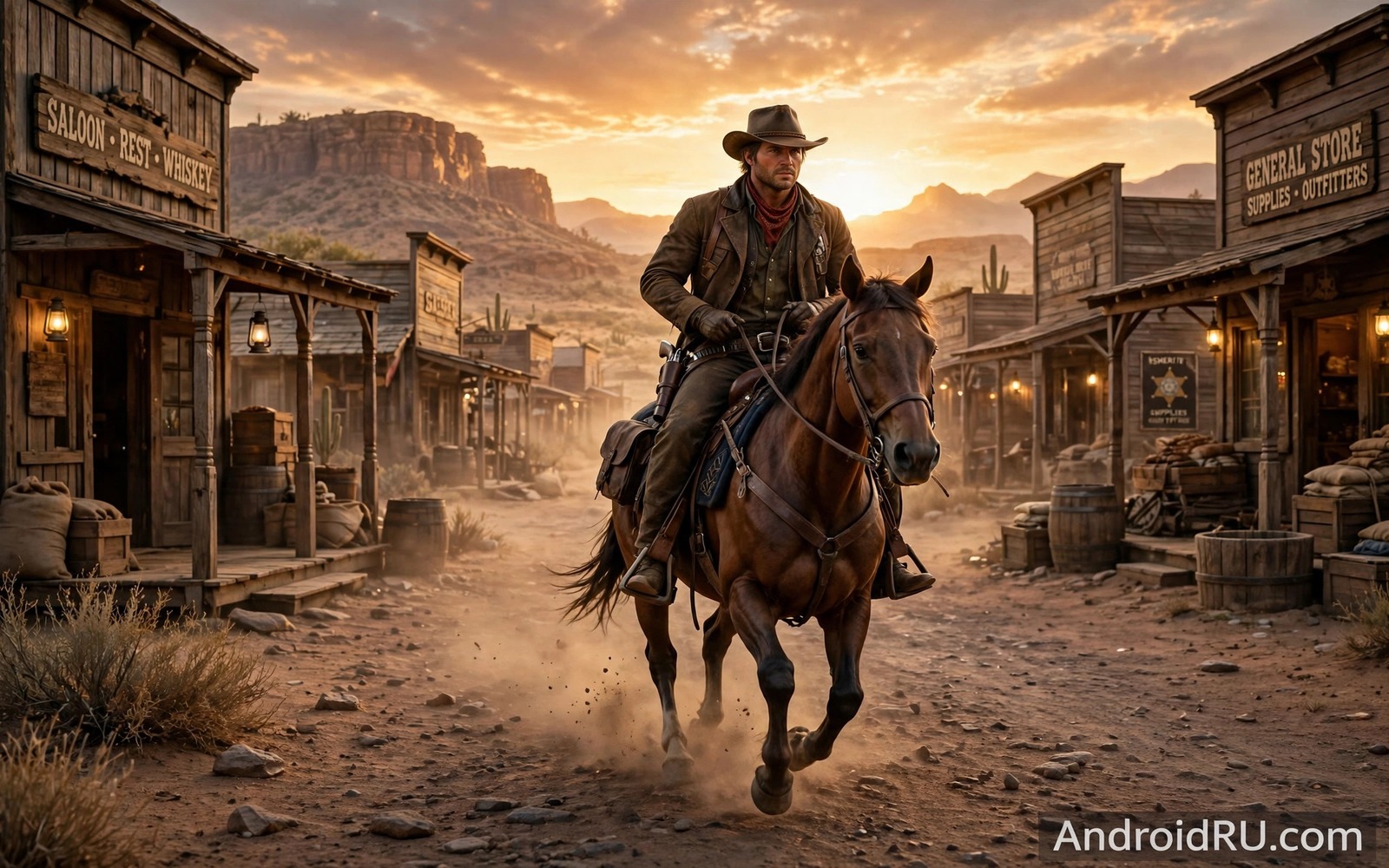
Western-style RPGs for mobile come from a design tradition that prizes player choice. You shape your character and your story through decisions that ripple across the whole game. A quest can end in five different ways. A companion can leave you over a moral choice. That freedom defines the genre.
Western RPGs differ from their Japanese cousins in tone and structure. They favour open worlds and branching dialogue and character builds you design yourself. If you enjoy those freedoms then sandbox adventures share the same spirit and you can explore them through this guide to sandbox RPGs: sandbox RPGs giving players ultimate freedom. This guide explains what makes western-style RPGs special on mobile.
Choice and consequence as the core
A western RPG treats your decisions as story material. Sparing an enemy can create an ally chapters later. Betraying a faction can close whole quest lines permanently. These consequences make replays meaningful since a different moral path reveals a different game.
Dialogue systems carry much of this weight. Branching conversations let you persuade or intimidate or lie. Skill checks gate some options behind your build choices. A charismatic character opens doors that a warrior must break down. Both paths feel valid because the game respects both builds.
Character builds you design yourself
Western RPGs rarely force a fixed hero on you. You choose attributes and skills and perks that shape combat and dialogue alike. A stealth build solves problems quietly. A heavy build solves them loudly. A clever build talks its way past both approaches.
Build freedom demands planning. Spreading points across every skill leaves you weak everywhere. Focus on a core identity and add one backup skill for flexibility. Save a respec option for the late game when you understand which systems matter most.
Open worlds and exploration rewards
Exploration is its own reward in western RPGs. A cave off the main road may hide a unique weapon or a tragic side story. The best games scatter these discoveries densely so wandering never feels wasted. Map markers help but the joy comes from finding places yourself.
Side quests often rival the main story in quality. A villager’s problem can unfold into a multi hour saga with real moral weight. Do not rush the main quest. The side content is where western RPGs prove their depth and where your choices matter most.
Mobile adaptations and controls
Western RPGs on mobile face control challenges. Complex menus and inventory systems need touch friendly redesigns. Good ports enlarge buttons and simplify sorting. Bad ports shrink a PC interface onto a phone and hope your fingers are tiny.
Cloud saves help a lot since western RPGs run long. Play on a tablet at home and continue on a phone during travel. Controller support transforms the experience for action heavy western RPGs. A controller turns a clumsy touch experience into a comfortable couch game. For players who love classic adventures, older ports offer similar depth and you can explore them through this guide to classic RPG ports: classic PC and console RPG ports.
Morality systems beyond good and evil
Western RPGs often reduce morality to a simple good versus evil scale, yet the best ones move beyond that binary entirely. Complex morality tracks reputation with individual factions, so an action can please one group while angering another without any universal judgment. A decision that helps starving villagers might steal from merchants, and both consequences feel real because neither side is simply evil. This factional approach mirrors real moral complexity better than any karma meter.
Judge a western RPG’s morality by whether it lets you be wrong in interesting ways. A game that punishes every selfish choice with immediate disaster teaches obedience rather than ethics. A game that lets selfish choices succeed with long term costs teaches consequence. The latter respects your intelligence and creates stories worth retelling, because your failures become as memorable as your victories. Seek games that trust you with genuine moral freedom.
Companions with their own agendas
Western RPG companions shine when they pursue goals of their own rather than serving as your entourage. A companion who disagrees with your choices and argues passionately feels alive. A companion who leaves over a betrayal creates a story beat no scripted quest can match. These moments work because companions have independent values, which turns party management into relationship management rather than stat optimization.
Build relationships deliberately by learning what each companion values before making major decisions. Some companions prize loyalty above all else, while others prize freedom or justice or wealth. A choice that pleases one may alienate another, which forces genuine tradeoffs. That tension is the heart of western RPG party design, and players who embrace it discover richer stories than players who try to please everyone at once.
Exploration rewards and hidden content
Western RPGs hide their best content off the main path, rewarding players who explore with unique quests and gear and stories. A seemingly empty cave may contain a journal that reframes the whole main plot. A remote village may offer a quest chain longer than some games’ main stories. These discoveries feel earned because the game never marked them, which makes exploration itself a skill worth developing.
Explore systematically by clearing each region before moving on, rather than rushing toward quest markers. Talk to every villager with a name, because named characters usually hide something worth finding. Read books and notes scattered through the world, since they often point toward secrets that no marker reveals. This patient approach doubles your playtime, yet it feels like discovery rather than grinding because every find surprises you.
Modding western RPGs on mobile
Modding transforms western RPGs on PC, yet mobile players face far tighter limits. Most mobile ports lack official mod support, which blocks the community content that extends PC versions for decades. Some ports allow limited modifications through file access, though newer Android restrictions complicate even that. Understanding these limits before buying prevents disappointment when a beloved PC mod cannot follow you to mobile.
Workarounds exist for determined players, including cloud saves that transfer characters between modded PC versions and mobile ports. That approach lets you enjoy mods at home while continuing cleanly on mobile, though it requires care to avoid version conflicts. Check community forums for your specific game before attempting transfers, because each title handles saves differently. Modding on mobile remains imperfect, yet creative players still find ways to extend their favourite worlds.
Western RPGs and player identity
Western RPGs let players express identity through character creation in ways few genres match. Appearance and background and voice and values all combine into a hero that reflects the player behind the screen. That expression matters deeply to players who rarely see themselves as heroes in mainstream media, because creating yourself as a protagonist is itself a powerful experience. Games with flexible creation tools earn loyalty that fixed heroes cannot.
Use character creation as storytelling rather than optimization, because a hero with quirks and flaws creates better stories than a perfect build. Choose a background that interests you even if its bonuses look weak. Pick dialogue options that fit your character rather than options that maximize rewards. That role playing discipline turns a good western RPG into a personal saga that no other player experiences identically.
Dialogue systems and player expression
Dialogue systems in western RPGs range from simple good versus evil choices to complex wheels that track tone and intent separately. The richest systems let you express personality through word choice, so a sarcastic hero and a sincere hero experience different reactions even when choosing similar outcomes. That expressiveness turns conversations into gameplay rather than exposition, because your words shape relationships as surely as your sword shapes battles.
Use dialogue systems expressively rather than optimally, because chasing the best reward for every conversation flattens your character into a reward calculator. Choose lines that fit your hero’s personality even when they cost you gold or favour, since those costs create stories worth remembering. A hero who always says the profitable thing is not a character but a spreadsheet, and western RPGs reward players who treat dialogue as identity rather than income.
Plan a western RPG character build
A build plan stops wasted skill points. This plain text template works in any notes app. Fill it before you spend your first points and revisit it every ten levels.
CHARACTER: name / core identity in one line
MAIN SKILLS: three skills to max first
BACKUP SKILL: one flexible skill for surprises
DIALOGUE FOCUS: persuade / intimidate / lie
GEAR GOAL: weapon type / armor style
RESPEC PLAN: save respec for level 20 review
This build template is an original planning tool written for this guide. It uses no data from any specific game. Its purpose is to force a clear identity before points scatter. A character with a core identity feels strong and distinct. A character without one feels average at everything and memorable at nothing.
Common mistakes
The biggest mistake is rushing the main quest. Western RPGs reward wandering and side content heavily. Players who sprint to the ending miss the best writing and the best gear. Slow down and let the world breathe.
Another mistake is hoarding every item. A bloated inventory wastes time in menus. Sell or stash gear you will never use. Keep only items that fit your build or carry real sentimental value.
FAQ
What is the difference between western and Japanese RPGs?
Western RPGs emphasize player choice and open worlds and custom characters. Japanese RPGs often emphasize linear stories and fixed parties and stylized presentation. Both traditions produce great games.
Are western RPGs good on phones?
Yes with good ports. Turn-based and dialogue heavy western RPGs suit touch well. Action heavy ones benefit greatly from a controller.
How long is a typical western RPG?
Main stories run twenty to sixty hours. Full completion can exceed a hundred hours. Side content often equals the main story in size.
Conclusion
Western-style RPGs for mobile reward curiosity and conviction. Make choices that fit your character and accept their consequences. Explore side roads and build a hero that feels like yours alone.
Your next step is to start one western RPG and write a one line identity for your character before you play. Let that identity guide your choices for the first ten hours. If open freedom calls to you then sandbox RPGs extend the same spirit even further and you can explore them through this guide to sandbox RPGs: sandbox RPGs with ultimate freedom.

