

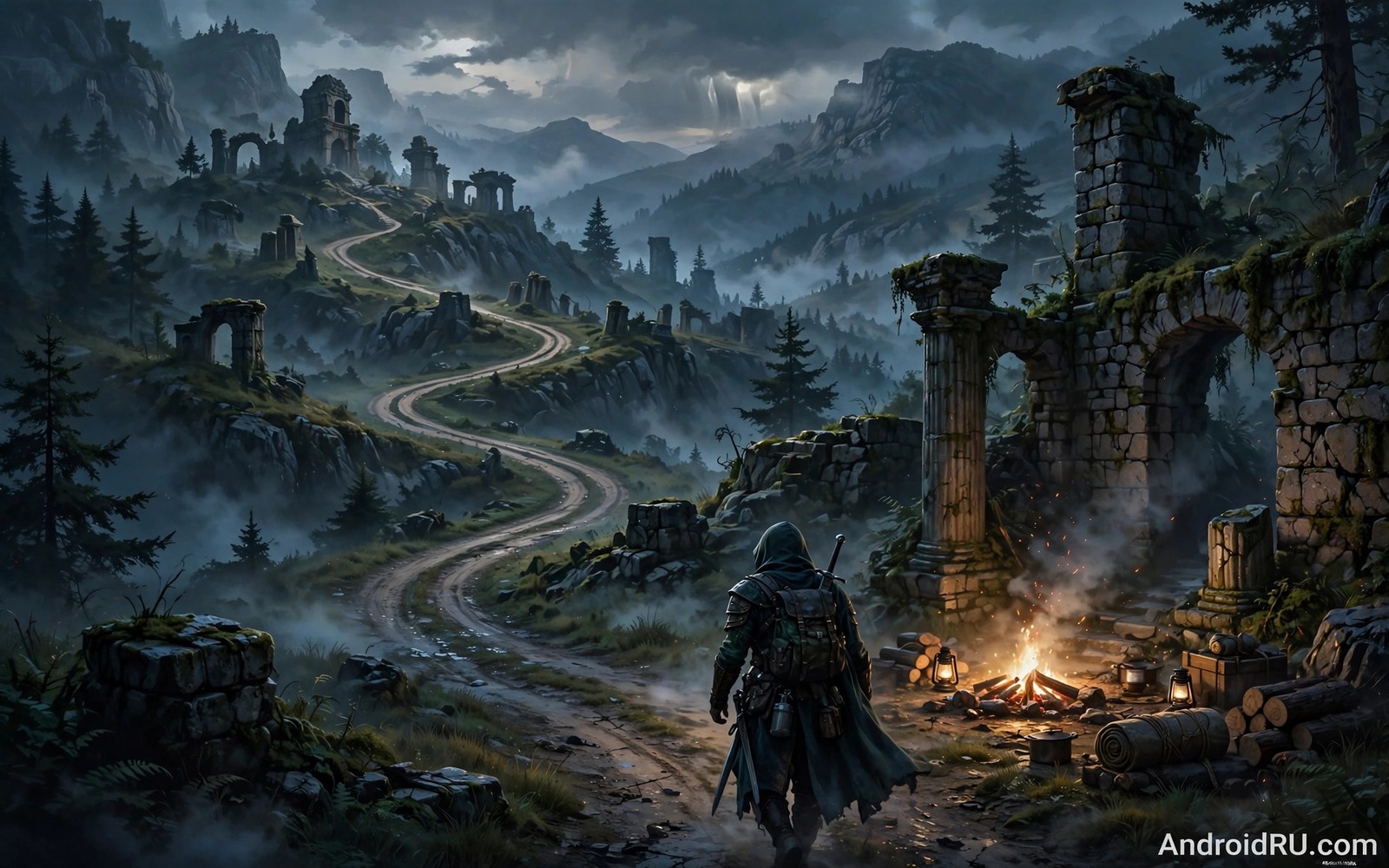
Offline story-driven RPGs are the perfect travel companions. They need no connection and no server and no daily login pressure. You open the game and the story waits exactly where you left it. That freedom makes them ideal for flights and commutes and quiet evenings.
A strong offline RPG respects your time and your attention. Its story unfolds through choices and characters rather than timers and events. If you enjoy classic adventures then older ports share this same spirit and you can explore legendary titles through this guide to classic PC and console RPG ports: classic PC and console RPG ports. This guide explains what makes offline story RPGs special and how to choose the right journey.
Why offline play changes the story
Online games design around retention tricks. They use daily rewards and limited events to pull you back. Offline games design around the story itself. A chapter ends when it should end. A quest matters because the writing matters rather than because a timer expires.
Offline play also removes server shutdown risk. An online game can vanish when its servers close. An offline game stays on your device as long as you keep it installed. Your saves and your progress belong to you. That permanence matters for long stories you may replay years later.
Story structures that work on mobile
Choice driven stories suit phones well. You make a decision and watch consequences unfold across chapters. Branching paths reward replays since a second run reveals scenes you missed. Short chapters also help. A chapter that takes twenty minutes fits a commute while a two hour chapter does not.
Character writing matters more than graphics in this genre. A memorable companion or a sharp villain carries a modest looking game far. Look for reviews that praise writing specifically. Pretty screenshots mean little if dialogue feels flat after the first hour.
How to judge an offline RPG before buying
Check the store listing for the words online required. Some games advertise single player but still need a connection for saves or verification. True offline games state it clearly or reviewers confirm it. Also check total playtime claims against player reviews since marketing often inflates hours.
Try the opening chapter carefully. The first hour reveals writing quality and control comfort and pacing. If the opening drags or the controls fight you then the next twenty hours will not fix it. Refund windows exist for a reason. Use them without guilt when a game misleads you. Players who love solo stories sometimes also enjoy text heavy adventures and you can explore that style through this guide to choice-driven narrative games: text-based and choice-driven narrative RPGs.
Storage, saves, and backup habits
Offline RPGs vary in size from a few hundred megabytes to several gigabytes. Download over Wi-Fi before a trip. Keep your saves safe by enabling any cloud backup the game offers. Some games store saves locally only and a lost phone means a lost story.
Back up saves manually when possible. Copy save folders to a computer or cloud drive after major chapters. This habit takes two minutes and saves weeks of progress. Treat a long RPG save like a document you care about because that is exactly what it is.
Pacing a long story across weeks
Long offline stories fail when players binge them like television, because fatigue dulls even great writing. Pace yourself by treating chapters like episodes with natural stopping points. Play one chapter per sitting and let the story settle overnight, and you will remember characters and motives far better than a player who rushes ten chapters in a weekend. Memory is part of enjoyment, since a story you remember moves you more than a story you merely finished.
Breaks also protect you from burnout during slow middle chapters, which exist in nearly every long RPG. A slow chapter feels tedious when binged but thoughtful when savoured alone. If a chapter drags, take a day away rather than forcing through it, because returning fresh often reveals craft that fatigue hid. The game waits patiently for you, which is the entire point of offline play, so use that patience as a feature rather than fighting it.
Characters that carry a modest game
A single great companion can carry an otherwise ordinary RPG, because players return for people rather than systems. Strong companions have clear desires that sometimes conflict with yours, which creates tension and memorable scenes. Weak companions exist only to agree with you, which feels hollow after a few hours. When choosing an offline RPG, read reviews specifically about its cast, since a beloved cast predicts enjoyment better than graphics or combat scores.
Pay attention to how companions change across the story, because growth separates great writing from decoration. A companion who starts arrogant and learns humility through shared hardship feels real. A companion who stays identical from start to finish feels like furniture. The best offline RPGs let your choices shape companion growth, so your version of a character differs from another player’s version. That personalization is why fans discuss these games for years after finishing them.
Difficulty and accessibility in story games
Story RPGs should let players tune difficulty without shame, because the story is the point rather than the challenge. Good games offer story modes that reduce combat friction while keeping narrative consequences intact. Bad games lock story behind brutal difficulty spikes that force grinding, which punishes players who came for writing rather than combat mastery. Check difficulty options before buying, especially if you play for story above all else.
Accessibility options matter just as much, including text size and speed controls and colourblind modes. A game with tiny unscalable text excludes players who would otherwise love it. A game with adjustable text speed respects both fast readers and slow readers. These features cost developers little yet decide whether a story reaches its full audience. Favour games that include them, because that care usually extends to the writing itself.
Replay value in branching stories
Branching stories earn replays only when branches genuinely diverge, and honest divergence is expensive to write. A game with three truly different endings offers more replay value than a game with twenty endings that differ only in final dialogue lines. Judge replay claims by asking how much content changes between paths, not by counting endings on a store page. Community guides usually document this honestly within weeks of release.
Plan replays around different character personalities rather than completion checklists, because a new personality reveals new scenes naturally. Play a diplomat first and a warrior second, and the same world responds differently to each. That approach turns a second run into a fresh story rather than a chore. It also respects your time, since you replay for discovery rather than for a percentage counter.
Offline RPGs as digital keepsakes
An offline RPG you finish becomes a keepsake in a way online games rarely do, because its world stays frozen exactly as you left it. Years later you can reopen it and find your character standing where you said goodbye, with your choices intact. That permanence gives offline stories an emotional weight that live service games cannot match, since live games change and close and erase your history without asking.
Treat finished offline RPGs like books on a shelf rather than apps to delete for space. Keep your favourites installed or at least keep their saves backed up, because returning to them later often surprises you. A story that moved you at twenty may move you differently at thirty, and that second reading is a gift only offline games reliably offer. Space is cheap compared with the memories these worlds hold.
Music and atmosphere in offline RPGs
Music shapes offline RPG atmosphere more than many players admit, because a great soundtrack turns walking through a town into a memory rather than a chore. Composers for story games write themes that evolve with the plot, so a melody you first hear in a peaceful village returns transformed during a tragic battle. That musical storytelling adds emotional depth that visuals alone cannot achieve, and it rewards players who play with sound on.
Play story RPGs with headphones when possible, because phone speakers flatten the dynamic range that gives music its power. Quiet moments lose their intimacy through tiny speakers, while battle themes lose their impact. If headphones are impractical, then play in a quiet room and raise the volume slightly above normal. Sound design deserves the same attention as writing, since both carry the story together toward the player.
Back up an offline RPG save
This command copies a local save folder to your computer when the game uses accessible storage. Replace the example path with your game’s actual folder before running it.
adb pull /sdcard/Android/data/com.example.offlinerpg/files/saves/ ~/rpg-save-backup/
du -sh ~/rpg-save-backup/
These commands use the standard Android Debug Bridge from the official platform tools. The first command copies the save folder to your computer. The second shows the total size so you can confirm the backup is real. Games that store saves in restricted folders need their own backup option instead. Check the game’s settings menu for cloud or export features first.
Common mistakes
The biggest mistake is starting five offline RPGs at once. Long stories need memory of characters and plot threads. Juggling several at once blurs every story. Finish one journey before you start the next and each story will land properly.
Another mistake is ignoring save backups. Players lose phones or reset devices and discover too late that saves lived only on the device. A two minute backup after each major chapter prevents that heartbreak completely.
FAQ
Do offline RPGs have in-app purchases?
Some do but many are one time purchases. Check the store listing before buying. A fair offline RPG sells the full story once or sells clearly labelled expansions.
Can I play offline RPGs on a plane?
Yes. That is their main advantage. Download the game fully before departure and disable any online verification steps in advance if the game offers them.
How long is a typical offline story RPG?
Most run fifteen to forty hours for a main story. Completionist runs can double that. Player reviews give more honest numbers than store pages.
Conclusion
Offline story-driven RPGs offer the purest single player experience on Android. No timers and no servers and no pressure. Just a story and your choices and a world that waits patiently for your return.
Your next step is to pick one offline RPG and play its opening chapter tonight without distractions. If the writing hooks you then commit to it fully and back up your saves. For more solo adventures with a different flavour, try text-based and choice-driven narrative RPGs that put words at the centre: choice-driven narrative RPG games.

