

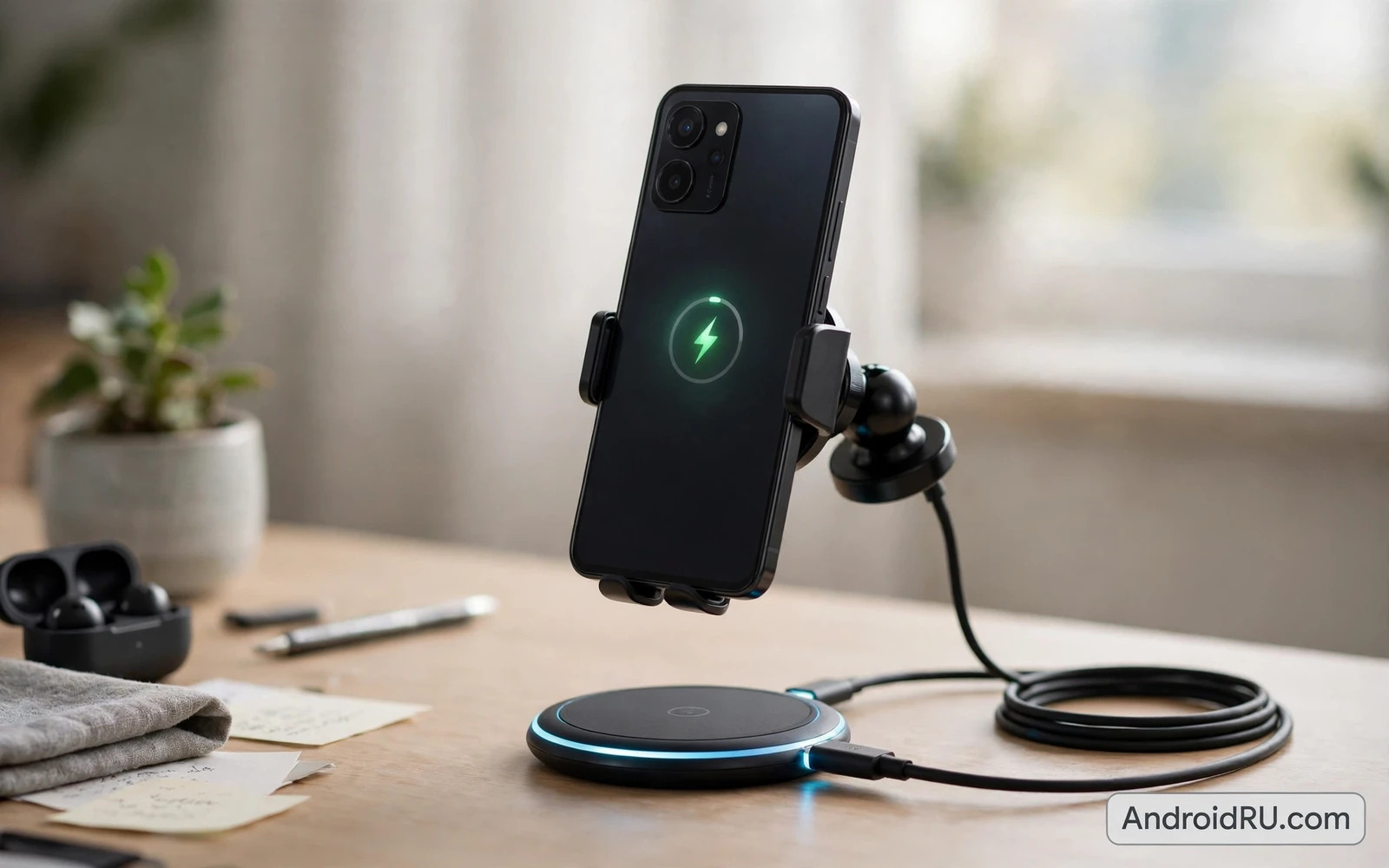
Magnetic mounting systems hold a phone with magnets rather than clamps. A magnetic ring on the phone or case meets a magnet in a mount. The hold feels effortless. The phone snaps into place with one hand. The same magnets can affect wireless charging nearby. This guide explains how magnetic mounts interact with wireless charging. It also explains how to keep both systems working well together.
Wireless charging sends power through a coil in a charging pad. A receiving coil in the phone captures that power. Alignment between coils decides efficiency. Perfect alignment charges fast and cool. Poor alignment charges slow and warm. Magnets help alignment when placed correctly. A magnet ring around the coil can center the phone on the pad. A magnet placed over the coil can block power transfer. Placement is the whole story. A well placed magnet system improves charging. A poorly placed magnet system harms charging.
Alignment Heat And Case Thickness
Alignment gains are the main benefit of magnetic mounts on chargers. A magnetic charger snaps to the same spot every time. Consistent placement removes daily alignment guesswork. Consistent placement reduces heat from misalignment. Heat is the enemy of battery health over time. A cooler charge preserves battery capacity longer. Check charge temperature during a test charge. Check charge speed during the same test. Compare magnetic and non-magnetic placement on the same pad. A clear gain confirms good magnet placement. A clear loss signals magnet interference. Car mounts combine magnets and charging in one product and the holder guide in Best Car Mounts and Wireless Charging Holders for Android shows how car mounts balance hold strength with charging alignment.
Case thickness and material shape magnetic performance. A thin case passes magnetic force well. A thick rugged case weakens magnetic hold. A metal plate inside a case can block wireless charging fully. A magnetic ring designed for charging leaves the coil zone clear. A generic metal plate often covers the coil zone. Check case and ring design together. Test charging through the exact case you use daily. Test mount hold with the exact case too. A system that works without a case may fail with a thick case. Test the full stack before travel. A full stack test prevents surprises on the road.
Magnets Safety And Accessory Compatibility
Magnet safety concerns focus on cards and medical devices. Magnetic stripes on cards can weaken near strong magnets. Keep card slots away from strong mount magnets. Keep medical devices at the distance their maker advises. Phone makers design mount magnets to stay within safe everyday limits. Third-party magnets vary in strength. Prefer rings and mounts from reputable makers. Check magnet strength claims against real hold tests. A mount that holds on smooth roads may fail on rough roads. A mount that holds a light phone may fail with a heavy large phone. Test hold on your own roads before trusting it fully. Wireless pad standards shape charger choice and the comparison in Wireless Charging Pads Comparison: Qi vs Qi2 Standards explains how modern pad standards use magnets for alignment.
Accessory compatibility extends beyond chargers. Magnetic wallets attach to the same ring system. Magnetic stands use the same ring for desk viewing. Magnetic car mounts use the same ring for driving. One ring can serve many mounts. That shared system is convenient. That shared system also concentrates wear on one ring. Inspect the ring monthly for peeling. Inspect the ring for bending after drops. Replace a worn ring before it fails during driving. Keep a non-magnetic backup mount for critical trips. A backup mount removes risk when a ring wears out unexpectedly. MagSafe style accessories for Android follow similar ring logic and the adapter guide in Best MagSafe Accessories for Android Phones using Adapters shows how adapter rings bring magnetic systems to Android phones.
Setup Tests And Buying Sense
Test a magnetic charging setup in four steps. Fit the ring and case first. Snap the phone to the charger second. Time a charge from a low level third. Note heat and speed fourth. Repeat the test without magnets for comparison. A good magnetic setup matches or beats the plain setup. A poor magnetic setup charges slower or hotter. Return poor setups promptly. Keep packaging until tests pass. Buy rings made for wireless charging specifically. Avoid generic plates that cover coils. Choose mount strength for your phone weight. Choose charger power for your daily routine. Magnetic mounts can make wireless charging easier and more reliable. Careful placement turns magnets from a risk into a genuine daily convenience.
Desk magnetic mounts bring the same alignment logic to workspaces. A desk stand holds a phone upright for video calls. A desk charger powers the phone during calls. Magnetic alignment keeps the phone centered on the desk pad. Centered placement keeps charging steady during calls. Test desk mount hold with a cased phone. Test desk charger speed with the same case. Note whether notifications vibrate the phone off alignment. Vibration can shift weak magnetic holds slowly. A strong desk magnet resists vibration shifts. A weak desk magnet needs frequent recentering. Desk reliability matters during long work calls.
Bedside magnetic charging suits night routines well. A magnetic pad guides a sleepy hand to the right spot. A magnetic stand shows the time at a glance. A dim indicator light suits bedroom darkness. A bright indicator light disturbs sleep. Cover bright lights with a small shade if needed. Keep metal objects away from the bedside pad. Keys near a pad can stick to magnets unexpectedly. Keep cards away from the bedside pad too. A tidy bedside zone prevents magnetic surprises at night. A tidy zone also speeds morning pickup. Night charging should feel effortless and safe.
Travel magnetic kits pack flat and light for trips. A foldable magnetic stand fits a laptop bag easily. A thin magnetic ring stays on the phone case permanently. A travel pad charges through the same ring system. Test the travel kit before departure week. Test hold strength with travel case thickness. Test charging speed with travel pad power. Pack a non-magnetic cable as backup. Backup cables cover hotel pad failures. Backup cables cover ring wear during trips. A tested travel kit removes charging stress abroad. An untested kit creates hotel room frustration.
Wireless charging efficiency losses deserve honest attention. Magnetic alignment reduces loss from poor placement. Magnetic materials near coils can add loss themselves. Net efficiency depends on ring design quality. A charging-designed ring nets a gain. A generic plate nets a loss. Measure charge time for a fixed battery gain. Compare magnetic setup time with plain setup time. Compare heat during both setups. Numbers from your own tests beat marketing claims. Own tests use your case and your pad. Own tests reflect your daily reality. Honest measurement guides smart accessory choices.
Future magnetic standards may unify phone accessory systems. Shared ring sizes could span many phone brands. Shared ring sizes could span chargers and mounts. Shared sizes would simplify accessory shopping greatly. Shared sizes would reduce duplicate ring purchases. Buyers should still check ring compatibility today. Today systems vary by maker and model. Today testing beats assuming compatibility. Keep receipts until cross-device tests pass. Future unity may arrive gradually. Gradual unity rewards buyers who test rather than assume. Test today. Enjoy unity later when it truly arrives.
Battery health habits pair with magnetic charging choices. Heat remains the main battery aging factor. Aligned magnetic charging reduces heat from misalignment. Overnight charging at full power adds heat too. A scheduled charge limit can reduce overnight stress where phones offer it. A cool room improves overnight charging health. A ventilated bedside spot improves health further. Remove thick insulating covers during long charges. Monitor battery health trends monthly. Note any sudden heat increase during charges. Investigate heat increases promptly. Magnetic convenience plus cool charging protects long term battery life.
Office workers who use magnetic desk chargers should test whether desk vibrations from typing shift phone alignment during the day because a phone that starts centered can drift slowly across a smooth desk surface while a stronger magnetic ring holds alignment steady through hours of typing and phone notifications.
Drivers who rely on magnetic car mounts should test hold strength on their roughest regular road before trusting the mount on a highway because a mount that holds on smooth city streets can release a phone on a pothole-filled rural road while a mount tested on that rough road gives a driver confidence during every journey.
Photographers who use magnetic mounts for phone video should check whether magnets interfere with phone stabilization during movement because a mount that holds firmly but transmits vibration can still ruin smooth footage while a mount with damping plus magnetic hold gives steadier video than a rigid magnetic mount alone.
Households with several magnetic accessories should label rings and mounts by strength and purpose because a weak desk ring used in a car can drop a phone on the first bump while a strong car ring used on a desk can make removal awkward and a simple label system prevents strength mix-ups across the house.
Test magnetic charging with your daily case and no other changes. Place the phone on the pad exactly as each morning. Note charge start time carefully. Note charge completion time carefully. Repeat the test without the magnetic ring. Compare times honestly between setups. Compare phone temperature honestly between setups. A magnetic setup should match plain setup closely. A magnetic setup that lags badly needs a different ring. A magnetic setup that runs hotter needs repositioning. Own tests beat store demonstrations reliably.
Inspect magnetic rings monthly for wear and bending. Check ring edges for peeling first. Check ring centers for bending second. Check adhesive layers for lifting third. Replace rings that peel at any edge. Replace rings that bend after drops. Keep a spare ring in a drawer ready. A spare ring prevents driving without a mount suddenly. A spare ring also prevents charging without alignment suddenly. Monthly inspection takes less than a minute. A minute monthly protects daily convenience greatly.
Teach household members how magnetic mounts work safely. Show them correct snap positions clearly. Show them how to remove phones gently. Warn them about card placement near magnets. Warn them about medical device distances clearly. Keep strong magnets away from young children. Store spare magnets in a labeled box. A labeled box prevents accidental card damage. Shared knowledge keeps magnetic convenience safe for everyone. Safe convenience lasts longer than careless convenience.

