

Clean Software As A Feature
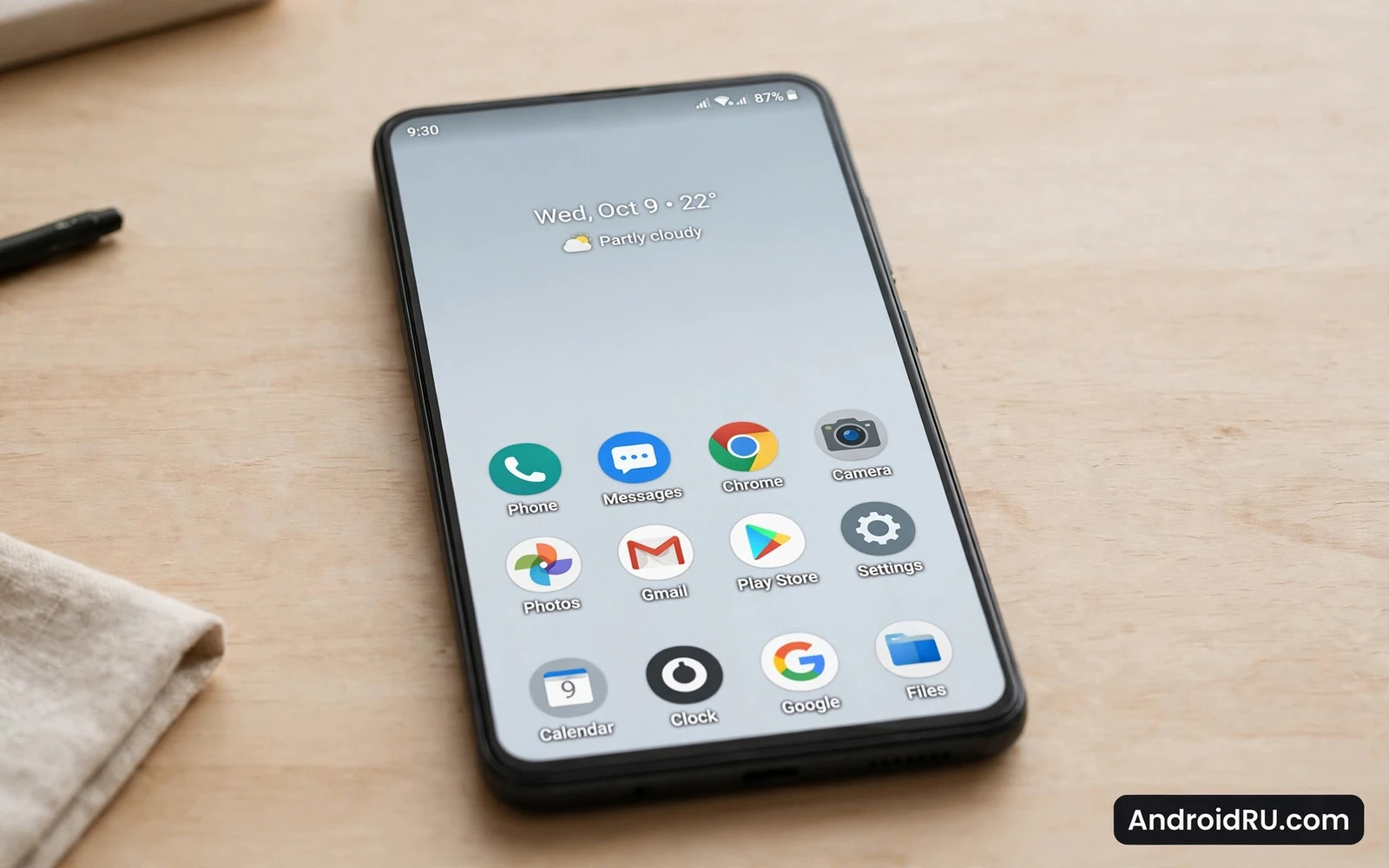
Pure stock Android appeals to buyers who want the operating system as Google designed it without heavy skins and without duplicate apps. The interface feels calm and consistent and updates usually arrive sooner because less custom software needs adapting. Performance benefits too because fewer background services compete for memory and battery. Stock Android does not mean bare Android and modern stock devices still include strong cameras and smart features. The trade-off is fewer brand specific extras so buyers who love deep customisation may miss some manufacturer tools. For many users the clean and fast and predictable experience wins.
This article explains best devices running pure stock Android experience in plain language and it focuses on practical choices rather than on marketing claims. Good design hides complexity and the best devices make hard technology feel simple without removing the settings that advanced users need. Real world performance depends on the whole system working together and a strong processor cannot rescue weak cooling or weak antennas or weak power management. When two devices look similar on paper the difference often sits in sensor quality and in microphone quality and in antenna tuning that never appears in a short advertisement.
What Stock Android Means
Stock Android means an interface close to the Android Open Source Project design with Google apps as the core set. Icons and menus and settings follow familiar patterns across devices. That familiarity makes switching phones easier because learned habits transfer without relearning a new skin. Compatibility deserves a careful check because a device that works well with one phone or one account or one home system may struggle with another setup. Comfort during long sessions is a practical test and not a luxury because eye strain and neck strain and hand fatigue all grow when a device fights the user. A calm buying process beats a rushed one because a short wait for reviews and for price history and for software feedback often prevents an expensive mistake. Before spending money it helps to list the three tasks that matter most and to judge every option against those tasks rather than against a long list of extras. A sensible buyer compares total ownership cost rather than launch price alone because accessories and repairs and replacements and subscriptions all add to the real cost. The comparison at Samsung Galaxy S Series vs Google Pixel Which Flagship to Buy helps because it keeps the focus on reliability and support rather than on launch excitement alone.
Update Speed And Security
Devices with light software layers usually receive system updates and security patches faster. Faster updates matter because they close vulnerabilities and add features sooner. Buyers should still check the promised update duration because a clean device with short support loses its advantage quickly. Clear controls and readable text and predictable menus help every user and they help older users and busy users and users in bright light most of all. Charging speed and battery health pull in opposite directions and the smartest designs balance fast top ups with gentle charging when time allows. Testing a device in a shop for a few minutes rarely reveals how it behaves after a long day of real notifications and travel and media playback. Compatibility deserves a careful check because a device that works well with one phone or one account or one home system may struggle with another setup. Comfort during long sessions is a practical test and not a luxury because eye strain and neck strain and hand fatigue all grow when a device fights the user.
Performance And Battery Benefits
A lean software layer leaves more memory and more battery for user apps. Animations feel smoother and background drain drops. The gain is largest on mid-range hardware where every megabyte of memory and every background process counts during heavy multitasking. Future proofing is not about chasing every new standard and it is about choosing open connections and proven formats that will still work with the next phone you buy. Many buyers regret a purchase because they chased one impressive number while ignoring weight and grip and screen readability in the conditions where they live. Software support shapes the long term value of a device because security fixes and stability fixes and compatibility fixes keep a good device useful after newer models arrive. Clear controls and readable text and predictable menus help every user and they help older users and busy users and users in bright light most of all. Charging speed and battery health pull in opposite directions and the smartest designs balance fast top ups with gentle charging when time allows. A related hardware comparison at Google Tensor Chips Explained Are They Fast Enough shows how the same buying questions change when the screen size and the price bracket change.
Bloatware And Duplicate Apps
Heavy skins often duplicate core apps with a second gallery and a second messages app and a second store. Stock devices avoid that clutter and storage stays free for photos and apps that the owner actually chooses. Less clutter also means fewer confusing choices when opening a photo or a link. A product that receives regular updates and honest changelogs is usually a safer long term bet than a flashier product that goes quiet after launch. A feature that looks strong on a specification sheet can still feel weak in daily use when software polish and battery behaviour and heat control are missing. A device that is easy to set up and easy to charge and easy to carry will get used far more often than a powerful device that feels awkward in daily life. Future proofing is not about chasing every new standard and it is about choosing open connections and proven formats that will still work with the next phone you buy. Many buyers regret a purchase because they chased one impressive number while ignoring weight and grip and screen readability in the conditions where they live.
Customisation Without A Heavy Skin
Stock Android still supports launchers and icon packs and widgets and Material You theming. Users can reshape the home screen deeply without changing the underlying system. That balance suits buyers who want personal style without sacrificing update speed or stability. The right question is not which device wins a benchmark and it is which device stays fast and cool and reliable during the tasks that you actually repeat every day. Small design decisions add up over months of use and a comfortable fit or a clear display or a reliable connection can matter more than a headline feature. Durability is about more than surviving a drop because hinges and ports and buttons and coatings all wear down through repeated daily handling. A product that receives regular updates and honest changelogs is usually a safer long term bet than a flashier product that goes quiet after launch. A feature that looks strong on a specification sheet can still feel weak in daily use when software polish and battery behaviour and heat control are missing. A helpful companion read is Top Smartphone Brands Ranked by Software Support Duration because it frames the choice around real tasks rather than around marketing claims alone.
Camera And Feature Trade-Offs
Manufacturer skins sometimes add advanced camera modes and device specific tools that stock devices lack. Stock camera apps have improved greatly and third party camera apps can close many gaps. Buyers who depend on a specific manufacturer camera feature should test the stock alternative before switching. Good design hides complexity and the best devices make hard technology feel simple without removing the settings that advanced users need. Real world performance depends on the whole system working together and a strong processor cannot rescue weak cooling or weak antennas or weak power management. When two devices look similar on paper the difference often sits in sensor quality and in microphone quality and in antenna tuning that never appears in a short advertisement. The right question is not which device wins a benchmark and it is which device stays fast and cool and reliable during the tasks that you actually repeat every day. Small design decisions add up over months of use and a comfortable fit or a clear display or a reliable connection can matter more than a headline feature.
Who Should Choose Stock Android
Stock Android suits buyers who value speed and simplicity and timely updates above brand extras. It also suits buyers who keep phones for years because clean software ages gracefully. Power users who enjoy custom ROMs may still prefer stock as a stable base for further tinkering with proper backups and care. The best choice is rarely the most expensive option and rarely the cheapest option because balance across comfort and speed and support matters more than any single highlight. Battery behaviour changes with heat and with age and with usage patterns so a fair judgement needs weeks of normal use rather than a single first impression. Privacy settings deserve the same attention as hardware because microphones and cameras and location data all need clear controls that a normal person can actually find. Good design hides complexity and the best devices make hard technology feel simple without removing the settings that advanced users need. Real world performance depends on the whole system working together and a strong processor cannot rescue weak cooling or weak antennas or weak power management.
Quick Checklist Before You Decide
- Check promised years of system updates and security patches before buying.
- Test the stock camera against your daily photo needs in varied light.
- Try a third party launcher if you want deeper home screen customisation.
- Confirm that your banking and work apps run cleanly on the stock build.
- Remove or disable any preinstalled apps you do not use on day one.
- Back up data before changing launchers or system settings in bulk.
Final Thoughts
The smartest approach is to start from daily tasks and to test comfort and readability and battery behaviour before trusting any single claim. A device that fits those tasks will feel right long after the excitement of unboxing fades. Take time to compare support history and accessory availability and real owner feedback. That patience turns a risky purchase into a confident one and it keeps the focus on value that lasts.

