

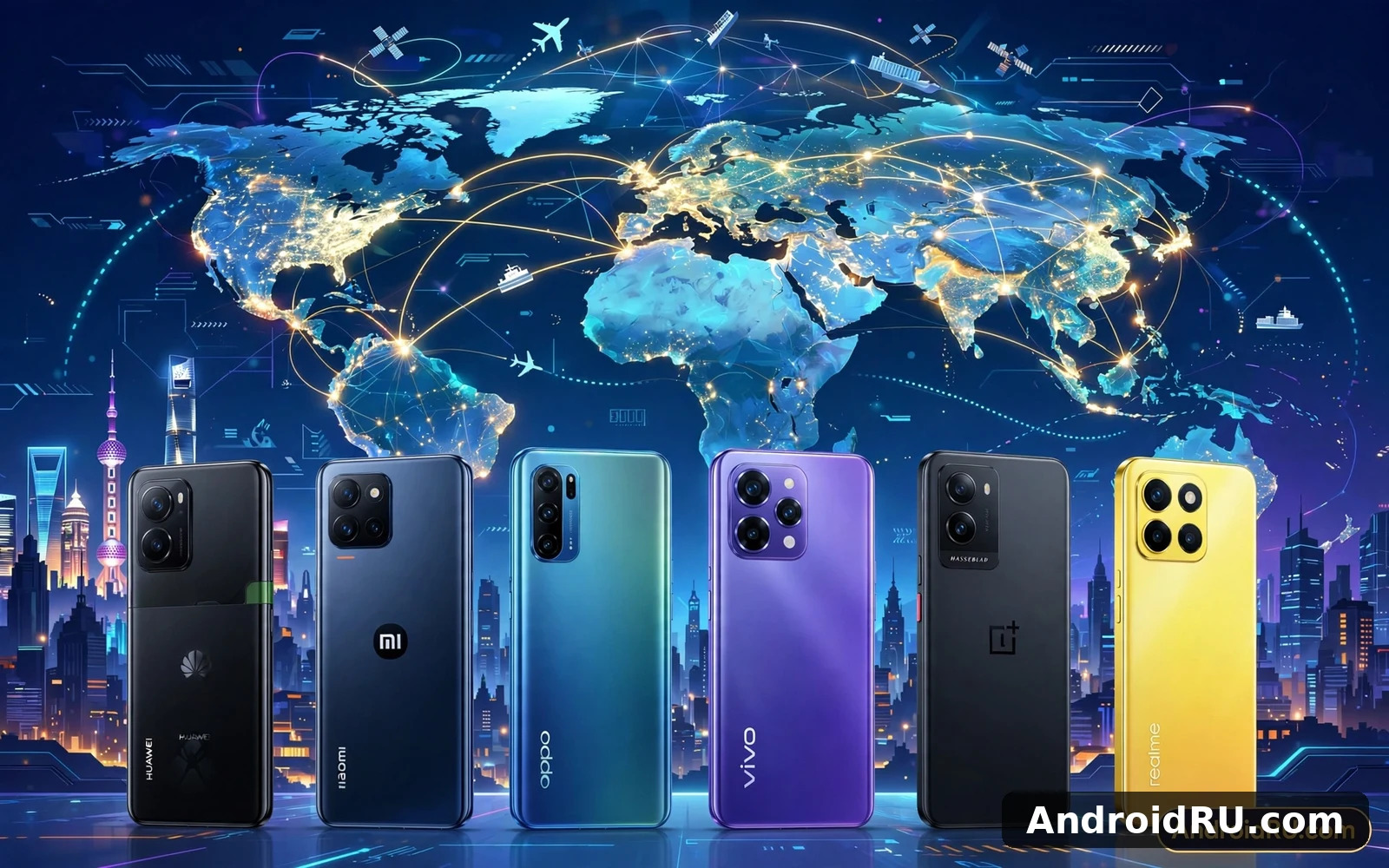
Top Chinese Smartphone Brands Expanding Globally
Chinese smartphone brands have moved from strong home market players to familiar names on shelves across Europe and Asia and Latin America and beyond. Their rise rests on aggressive value, because buyers get strong processors and fast charging and capable cameras at prices that undercut older global rivals. I bought my first Xiaomi in 2019 expecting a compromise, and three years later it was still the phone I recommended to friends who wanted value without regret.
Global expansion also demands local service and local network support and software that feels polished outside China. Brands that invest in those areas win loyal buyers, while brands that only export hardware struggle with trust. This guide explains the forces behind the expansion, names the brands that matter, and tells you what to check before choosing a global model from a Chinese brand.
Value as the Entry Ticket to Global Markets
Value opened global doors, because many buyers compare camera quality and battery life and charging speed before brand history. Chinese brands often deliver flagship style hardware at mid-range prices, and that value proposition forces rivals to improve while giving buyers more choice at every price level. A calm buying process beats a rushed one, because a short wait for reviews and for price history and for software feedback often prevents an expensive mistake.
Before spending money, list the three tasks that matter most and judge every option against those tasks rather than against a long list of extras. A sensible buyer compares total ownership cost rather than launch price alone, because accessories and repairs and replacements and subscriptions all add to the real cost. Practical buyers often benefit from Best Value for Money Android Smartphones of the Year since it separates features that change daily life from features that only sound impressive.
Why Value Wins First and Trust Wins Second
A low price gets a brand onto the shelf, but trust keeps it there. The brands that survived globally are the ones that built service networks, honoured warranties, and shipped timely updates. A brand that sells on price alone fades when the next cheaper brand arrives, while a brand that earns trust keeps its buyers for the next phone too.
Total Ownership Cost Beats Launch Price
Add the case, the charger, the repair cost, and the resale value to the launch price before you compare. A phone that costs 100 dollars less at launch but loses 150 dollars more in resale is the expensive choice. A phone with a local repair centre is cheaper to own than a phone that must be shipped abroad for a screen replacement.
Top Chinese Smartphone Brands Expanding Globally
Eight brands lead the global push, and each one wins in a different way. The list below names each brand, what it does best, who it suits, and where it falls short, so you can match the brand to your priorities rather than to its advertising.
Xiaomi: The Value Leader With the Widest Range
Xiaomi is the largest Chinese brand globally, and its range covers everything from 150-dollar Redmi phones to 1,000-dollar flagships, giving it the widest price range of any phone maker. The company built its name on flagship hardware at mid-range prices, and its global models now ship with clean software, full Google services, and multi-year update promises on the higher lines.
Xiaomi Pros, Cons, and Verdict
Pros: widest price range of any Chinese brand, strong cameras at every level, fast charging across the range, and a huge accessory market. Cons: budget models still carry ads in some system apps in certain regions, and update speed varies between the Redmi and Xiaomi lines. Who it is for: buyers who want maximum hardware for their money and do not mind spending ten minutes turning off a few settings. Verdict: the safest default choice among Chinese brands, and the one to beat on value.
Redmi, Poco, and Xiaomi: Three Lines, One Brand
Redmi covers budget and mid-range, Poco covers performance-first phones for gamers and power users, and the Xiaomi line covers flagships. The lines share parts and software, so a Redmi buyer gets the same core experience as a Xiaomi buyer with fewer premium touches. Pick the line by budget, not by brand loyalty.
Oppo: Cameras and Design for the Mainstream
Oppo built its global name on camera quality and slim design. Its Reno line targets mainstream buyers who want a good camera and a phone that feels premium, while its Find X flagships compete directly with Samsung and Apple on imaging. Oppo’s global software is clean, its charging is among the fastest in the industry, and its retail presence across Southeast Asia and Europe keeps growing.
Oppo Pros, Cons, and Verdict
Pros: excellent portrait photography, very fast charging, slim and light designs, and strong retail support in Asia and Europe. Cons: flagship prices have risen close to Samsung levels, and the software update record varies by region. Who it is for: buyers who prioritise camera quality and design over raw performance. Verdict: the best choice for photography-first buyers who want a phone that looks as good as it shoots.
SuperVOOC Charging Changes Daily Habits
Oppo’s fast charging fills a battery in about thirty minutes on many models, and that speed changes how you use the phone. A ten-minute top-up before leaving the house becomes genuinely useful, and the battery health management behind that speed keeps the cell healthy over two years of daily fast charging.
Vivo: Imaging Ambition With Optics Partnerships
Vivo invests heavily in imaging, including partnerships with optics specialists and large sensors and advanced processing and optical zoom. Its X series targets photography enthusiasts, while its V series brings strong cameras to the mid-range. Vivo’s global models ship with full Google services and a clean interface, and its night mode competes with the best in the industry.
Vivo Pros, Cons, and Verdict
Pros: superb night photography, strong portrait modes, good battery life, and a clean global software layer. Cons: weaker presence in North America and Western Europe, and slower updates on budget models. Who it is for: photography enthusiasts who shoot in low light and want a phone that excels after dark. Verdict: the camera specialist of the Chinese brands, and the one to pick when night shots matter most.
Night Mode and Portrait Photography
Real world photo tests matter more than sensor claims, because processing style shapes the final image. Vivo’s processing favours natural skin tones and restrained sharpening, which suits portraits and night scenes. Test the camera in a shop at low light before you decide, since daylight tests hide the differences that matter.
OnePlus: Flagship Speed for Enthusiasts
OnePlus began as an enthusiast brand selling flagship speed at a lower price, and it still targets buyers who care about performance and clean software. Its phones ship with fast displays, fast charging, and a light interface, and its global models now benefit from Oppo’s service network and supply chain. The brand has moved upmarket in price, but it still undercuts Samsung and Apple at the flagship level.
OnePlus Pros, Cons, and Verdict
Pros: fast and smooth performance, clean software, strong community support, and fast charging. Cons: camera quality trails the best imaging brands, and prices have risen close to flagship levels. Who it is for: enthusiasts who want speed and a clean interface and do not need the best camera. Verdict: the performance pick among Chinese brands, and the one that feels fastest in daily use.
OxygenOS and the Enthusiast Community
OnePlus software stays close to stock Android, with useful additions rather than heavy changes. The community around the brand is unusually active, and that community produces guides and accessories that make the phones easier to live with. For a wider view of the hardware trade-offs behind this topic open Flagship Killers: High Performance Phones at Low Prices and compare the priorities that matter in a different device class.
Realme: Young, Fast, and Aggressively Priced
Realme grew from Oppo’s budget line into an independent brand aimed at young buyers. Its phones offer strong processors, fast charging, and bold designs at prices that undercut rivals by 20 to 30 percent. Realme’s global expansion moved fast across India, Southeast Asia, and Europe, and its number series brings flagship-style features to the mid-range.
Realme Pros, Cons, and Verdict
Pros: aggressive pricing, strong performance for the price, fast charging, and bold designs. Cons: software polish trails the bigger brands, and long term update support is shorter on budget models. Who it is for: young buyers and gamers who want maximum performance per dollar. Verdict: the best value for performance-first buyers, and the brand to watch in the mid-range.
GT Series and the Performance Bet
Realme’s GT line puts a flagship chip in a mid-range body, and that bet pays off for gamers and power users. The trade-off is camera quality and update length, so pick GT when performance matters more than photography, and pick the number series when you want balance.
Honor: The Comeback Brand With Google Services
Honor split from Huawei in 2020 and rebuilt itself as an independent brand with full Google services. Its Magic series competes at the flagship level, while its number series covers the mid-range. Honor’s global models ship with clean software, long battery life, and strong cameras, and its service network keeps expanding across Europe and Asia.
Honor Pros, Cons, and Verdict
Pros: full Google services, long battery life, clean software, and strong build quality. Cons: smaller app ecosystem of its own, and brand recognition still trails Xiaomi and Oppo in some markets. Who it is for: buyers who want a balanced flagship with long battery life and no compromises on services. Verdict: the quiet achiever among Chinese brands, and the one that improves fastest year over year.
Magic Series and Battery Life
Honor’s Magic phones ship with large batteries and efficient chips, and they regularly last two days on a charge. That battery life is the brand’s signature strength, and it matters more in daily use than any benchmark number. Extra perspective comes from Best Budget Smartphones Under 300 High Specs Low Cost where the same kind of practical testing reveals what holds up after months of everyday use.
Huawei: Great Hardware, Limited Services
Huawei builds some of the best phone hardware in the world, with superb cameras, long battery life, and premium design. Its global models lost access to Google services in 2019, and that loss limits their appeal outside China. Huawei’s own app store and services keep improving, but buyers who rely on Google apps should think carefully before choosing a Huawei phone for use outside China.
Huawei Pros, Cons, and Verdict
Pros: superb cameras, excellent battery life, premium design, and strong hardware engineering. Cons: no Google services on global models, limited app availability, and uncertain future in some markets. Who it is for: buyers inside China, or buyers outside China who do not depend on Google apps. Verdict: the best hardware with the biggest caveat, and a brand to choose with open eyes rather than by habit.
AppGallery and the Google Gap
Huawei’s AppGallery covers the most popular apps, but banking apps and niche tools may be missing. Check whether your five most-used apps are available before you buy, because a missing banking app is a daily problem while a missing game is not.
ZTE and Nubia: Niche Picks With Real Strengths
ZTE and its gaming sub-brand Nubia occupy a niche: the RedMagic gaming phones offer built-in cooling fans, shoulder triggers, and high refresh displays at prices that undercut dedicated gaming phones. ZTE’s Axon line covers the mainstream with strong cameras and clean software, and both lines ship globally with Google services.
ZTE and Nubia Pros, Cons, and Verdict
Pros: unique gaming features such as built-in fans, strong value, and clean software. Cons: smaller service network, slower updates, and weaker camera performance than the big brands. Who it is for: mobile gamers who want dedicated gaming hardware without paying flagship prices. Verdict: the specialist pick for gamers, and the brand to choose when gaming features matter more than camera quality.
RedMagic and the Gaming Niche
A built-in cooling fan sounds like a gimmick until you play for an hour without throttling. RedMagic phones sustain high frame rates longer than phones that rely on passive cooling alone, and that advantage is real in competitive play. The trade-off is a thicker phone and a fan that needs cleaning.
Cameras and Imaging Ambitions Across Chinese Brands
Imaging has become a central battleground, and Chinese brands invest heavily in large sensors and advanced processing and optical zoom. Partnerships with optics specialists and strong night modes help global models compete with established camera leaders. Real world photo tests matter more than sensor claims, because processing style shapes the final image.
Testing a device in a shop for a few minutes rarely reveals how it behaves after a long day of real notifications and travel and media playback. Compatibility deserves a careful check, because a device that works well with one phone or one account or one home system may struggle with another setup. Comfort during long sessions is a practical test and not a luxury, because eye strain and neck strain and hand fatigue all grow when a device fights the user.
What to Test in the Camera Before You Buy
Test low light first, then portrait mode, then zoom. Low light separates the best cameras from the rest, portrait mode shows processing style, and zoom shows optical quality. Take the same three photos on two phones and compare them on a computer screen, not on the phone screen, because the phone screen flatters every photo.
Processing Style Matters More Than Megapixels
A 200-megapixel sensor with harsh processing produces worse photos than a 50-megapixel sensor with gentle processing. Look at skin tones, look at night skies, and look at fine detail such as hair and leaves. The brand whose processing you like is the brand whose camera you will enjoy.
Fast Charging as a Signature Strength
Very fast wired charging became a signature strength for several Chinese brands, and it changes daily habits by making short top ups genuinely useful. Battery health management and heat control sit behind that speed, and global buyers should still check the included charger because some regions receive a slower charger in the box.
Charging speed and battery health pull in opposite directions, and the smartest designs balance fast top ups with gentle charging when time allows. Software support shapes the long term value of a device, because security fixes and stability fixes and compatibility fixes keep a good device useful after newer models arrive. Clear controls and readable text and predictable menus help every user, and they help older users and busy users and users in bright light most of all.
What Charger Ships in Your Region
Check the box contents for your exact region before you buy, because the same phone can ship with a 120W charger in one market and a 65W charger in another. The difference is real in daily use, and a missing fast charger costs extra to buy separately. If the budget question feels unresolved then Top Smartphone Brands Ranked by Software Support Duration offers a clear look at where mid-range value actually comes from in practice.
Battery Health Behind the Speed
Fast charging generates heat, and heat ages a battery. The best designs split the battery into two cells, charge each at a lower rate, and slow down when the phone is hot. Ask how the brand protects battery health, and check whether the phone offers a gentle overnight charging mode.
Software and Global Services
Global software needs full language support and familiar app stores and reliable updates. Brands that run a clean global software layer with timely security patches earn trust faster. Buyers should check update history for the exact global model, because a brand with a good record in one region may lag in another.
A device that is easy to set up and easy to charge and easy to carry will get used far more often than a powerful device that feels awkward in daily life. Future proofing is not about chasing every new standard, and it is about choosing open connections and proven formats that will still work with the next phone you buy. Many buyers regret a purchase because they chased one impressive number while ignoring weight and grip and screen readability in the conditions where they live.
Update History for the Exact Global Model
Check the update history of the exact model you plan to buy, not the brand in general. A brand can support its flagships for four years while its budget phones get one year, and the difference decides whether the phone stays safe and useful. Look for a written update promise before you buy.
Global Software vs China Software
A phone made for China may run different software, lack Google services, or miss network bands. Buy the global version from an authorised seller in your country, and confirm the model number matches the global variant. An imported China model can be cheaper and harder to live with.
After Sales Service and Trust
Service networks decide whether a brand feels safe to buy outside its home market. Repair centres and spare parts and warranty handling matter most when a phone breaks. A brand with local partners and clear warranty terms will reassure buyers far more than a brand that relies only on online support.
Durability is about more than surviving a drop, because hinges and ports and buttons and coatings all wear down through repeated daily handling. A product that receives regular updates and honest changelogs is usually a safer long term bet than a flashier product that goes quiet after launch. A feature that looks strong on a specification sheet can still feel weak in daily use when software polish and battery behaviour and heat control are missing.
Finding the Nearest Authorised Repair Option
Before you buy, search for the nearest authorised repair centre and check its reviews. A brand with a repair centre in your city is a safer buy than a brand that requires shipping the phone abroad. Ask about screen replacement cost and turnaround time, because those two numbers decide the real cost of an accident.
Warranty Terms Worth Reading
Read the warranty before you buy, not after the phone breaks. Check whether the battery is covered, whether water damage is covered, and whether the warranty is valid in your country when the phone was bought elsewhere. A warranty that only works in the country of purchase is worth little to a traveller.
What Global Buyers Should Check Before Deciding
Global buyers should confirm network band support and warranty coverage and update policy before importing or buying a regional variant. A model made for one market may miss bands or services in another market, and checking those details in advance prevents the most common disappointment with global purchases.
Privacy settings deserve the same attention as hardware, because microphones and cameras and location data all need clear controls that a normal person can actually find. Good design hides complexity, and the best devices make hard technology feel simple without removing the settings that advanced users need. Real world performance depends on the whole system working together, and a strong processor cannot rescue weak cooling or weak antennas or weak power management.
Quick Checklist Before You Decide
- Confirm network bands and warranty coverage for your country before buying.
- Check the update history of the exact global model rather than the brand in general.
- Verify what charger ships in the box in your region.
- Test camera output in low light as well as daylight before deciding.
- Find the nearest authorised repair option before you need it.
- Compare total value including service rather than launch price alone.
Network Bands: The Check Most Buyers Skip
A phone that misses your carrier’s main 5G band will feel slow even with a flagship chip. Check the band list for the exact model against your carrier’s published bands, and confirm with the seller that the model is the global variant. This one check prevents the most common disappointment with imported phones.
Frequently Asked Questions About Chinese Smartphone Brands
Are Chinese smartphones safe to use outside China?
Yes, global models from established brands ship with full Google services, standard Android security, and local warranties. Buy the global variant from an authorised seller, check the update policy, and treat the phone like any other Android device. The safety question is about the seller and the model, not about the country of origin.
Which Chinese brand offers the longest software support?
Xiaomi, Oppo, and Honor now promise three to four years of major updates and four to five years of security patches on their flagship and upper mid-range models. Budget models get less, so check the promise for the exact model you plan to buy rather than trusting the brand average.
Do Chinese phones work with my carrier?
Global models do, provided you buy the variant made for your region. Check the network bands for the exact model against your carrier, and avoid importing a China-only model, which may miss bands and services. An authorised local seller removes that risk.
Why are Chinese phones cheaper than Samsung and Apple?
Lower marketing spend, thinner margins, and huge production volumes keep prices down, along with direct online sales that skip retail markups. The hardware is often equal or better at the same price, while the trade-off is usually a shorter update promise or a smaller service network. Compare total ownership cost, not just launch price.
The market will keep adding new models and new claims, and the fundamentals will stay the same. Comfort and battery life and software support and repairability decide whether a device earns its place in daily life. Judge every new option against those fundamentals and ignore noise that does not change how the device feels at seven in the morning or late at night. That discipline is the real buying skill, and it works for every brand on the shelf.

