

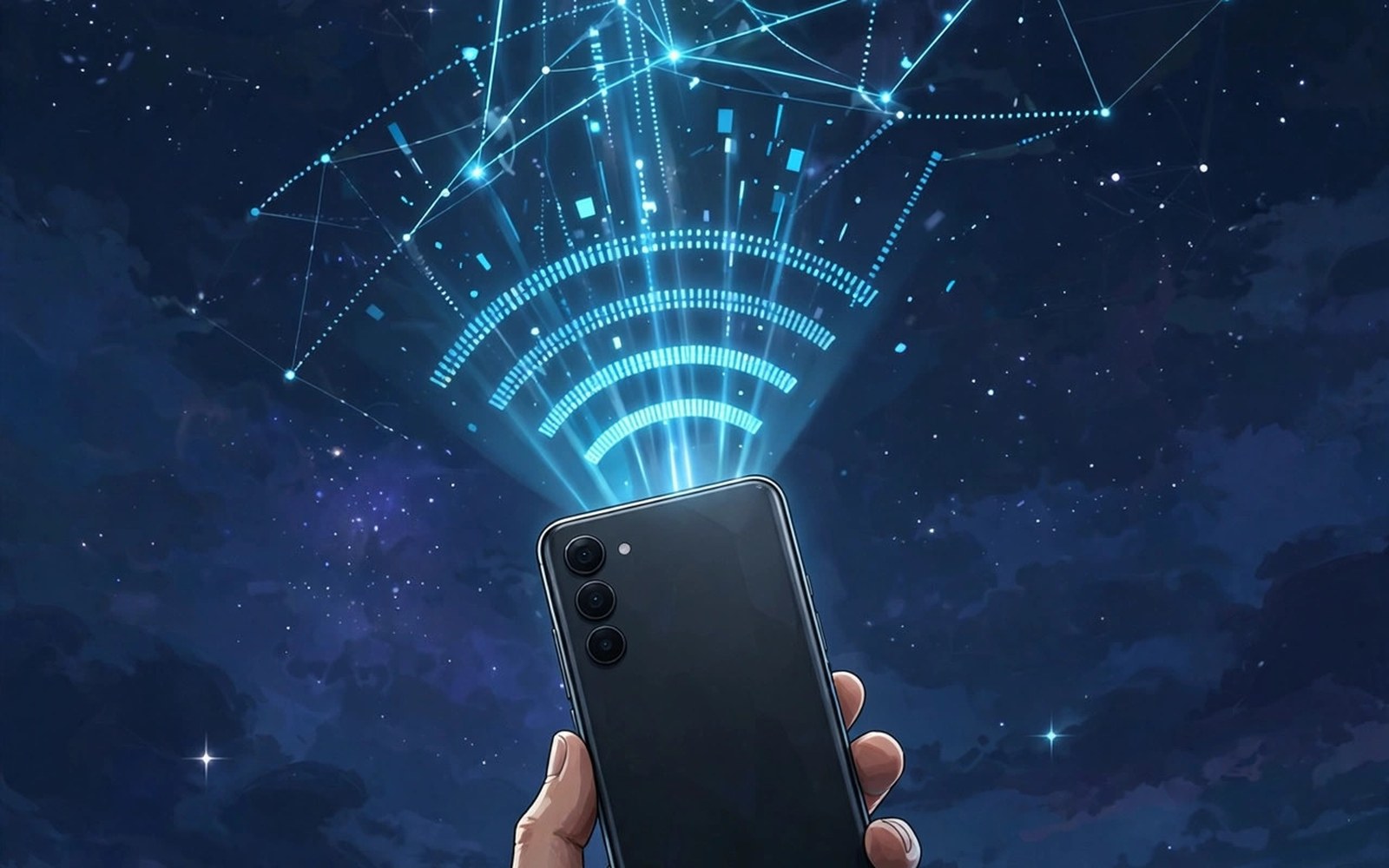
Satellite phones promise help beyond cell towers. Emergency SOS can summon rescue without signal. Two way messaging keeps loved ones informed. Coverage and cost limits shape real value. Not every satellite phone works the same way.
This comparison covers SOS and messaging and coverage and costs. It helps hikers and travelers and rural workers choose wisely. Readers who face weak signal daily can also compare signal reception for tower coverage picks. Satellite is a safety net and not a phone replacement.
Emergency SOS Basics
Emergency SOS sends distress signals via satellite. Users answer quick questions about their emergency. Location data travels with the message to rescuers. Clear sky views speed up satellite connections. Trees and canyons can delay or block signals.
SOS services connect to emergency dispatch centers. Some regions route messages through relay centers first. Response times vary by location and service load. SOS features have already saved lives in remote areas. Every outdoor traveler should know how to trigger SOS.
Two Way Messaging Features
Two way messaging extends satellite beyond emergencies. Users can text family when cell service vanishes. Messages travel slowly compared to normal texts. Character limits keep messages short and focused. Location sharing helps family track remote travelers.
Some brands limit satellite messaging to emergencies only. Others allow casual check in messages too. Subscription rules differ by brand and region. Free periods may expire after a set time. Buyers should check long term messaging costs early.
| Aspect | First Option | Second Option |
|---|---|---|
| SOS | Fast guided emergency setup | Emergency only with slow setup |
| Messaging | Two way family texts | SOS only no casual texts |
| Coverage | Wide populated region cover | Limited regional cover |
| Cost | Long free SOS period | Paid plan from day one |
| Hardware | Dedicated satellite antenna | No satellite hardware |
Coverage And Sky Views
Satellite coverage depends on constellations overhead. Most services cover many populated regions today. Polar and ocean coverage varies by provider. Mountains and dense forests block satellite views. Users must point phones toward open sky for best results.
Connection setup takes patience in the field. Phones guide users to aim at satellites. Moving during connection can break the link. Practice in safe areas builds confidence for emergencies. Never rely on satellite as the only safety plan.
Costs And Subscriptions
Satellite costs confuse buyers because models differ. Some brands include SOS free for years. Others bundle satellite into paid plans. Messaging subscriptions add monthly costs after trials. Roaming travelers face extra regional rules.
Total safety cost includes phone price plus service fees. Budget travelers should compare multi year costs. Free SOS alone may satisfy casual hikers. Frequent remote workers need full messaging plans. Read service terms before trusting coverage claims.
- Practice satellite setup in a safe open area.
- Check coverage for your travel regions.
- Compare multi year service costs honestly.
- Carry a power bank for satellite searches.
- Pack backup safety gear for serious trips.
Hardware And Antenna Needs
Satellite phones need special antennas and radios. Standard phones cannot gain satellite features by software alone. Antenna placement affects sky connection speed. Cases rarely block satellite signals noticeably. Metal accessories near antennas can interfere slightly.
Battery drain rises during satellite searches. Phones scan longer when satellites are scarce. Power banks become essential for remote trips. Readers planning long trips can check battery life champions for endurance picks. Satellite hardware adds cost and complexity to phones.
adb shell dumpsys location | grep -i -m 5 provider
adb shell cmd location providers
# Inspect location providers for SOS use
adb shell settings get secure location_mode
The commands above come from standard Android developer tooling for location inspection. They only read location data and they change no setting on the phone.
Limits And Realistic Expectations
Satellite messaging cannot replace normal calls. Voice calls over satellite remain rare on phones. Data speeds stay far below cellular levels. Photos and video rarely travel over satellite links. Weather and terrain affect reliability daily.
Users should carry backup safety gear for serious expeditions. Personal locator beacons offer dedicated rescue links. Satellite phones complement beacons rather than replace them. Honest expectations prevent dangerous overconfidence. Safety planning beats gadget reliance every time.
Satellite SOS Success Stories
Satellite SOS stories demonstrate real world value vividly. Hikers lost in mountains summoned help without cell signal. Boaters in distress contacted rescuers from open water. Car crash victims in remote areas reached emergency services. These stories motivate satellite adoption strongly. Success depends on clear sky and correct SOS use.
Rescue coordination through satellite messaging takes patience. Users must stay put and follow responder instructions. Battery conservation during rescue waits matters hugely. Satellite check ins reassure families during delays. False alarms waste rescue resources and should be avoided. Training and practice prevent panic during real emergencies.
Satellite For Remote Workers
Remote workers gain safety and coordination from satellite links. Field researchers check in from study sites daily. Construction crews in remote areas coordinate logistics. Energy workers in isolated plants stay connected. Satellite messaging reduces isolation risks for lone workers. Employers increasingly require satellite devices for remote staff.
Work messaging over satellite suits short status updates. Detailed work coordination still needs cellular or Wi-Fi. Satellite links cannot support video calls or large files. Workers should plan communication around satellite limits. Scheduled check ins create predictable safety routines. Satellite tools complement radios and beacons for work safety.
Satellite Coverage By Region
Regional coverage differences affect satellite value greatly. North America and Europe enjoy broad satellite coverage. Remote ocean regions have thinner coverage. Polar expeditions face unique satellite geometry challenges. Providers publish coverage maps that users should verify. Travelers should confirm coverage for exact destinations before departure.
Regulatory approvals limit satellite services in some countries. Governments restrict satellite communications in certain regions. Travelers crossing borders may lose satellite access. Service terms describe regional restrictions in detail. Users should research regulations for destinations carefully. Satellite features never guarantee global coverage everywhere.
Satellite Versus Personal Locator Beacons
Personal locator beacons offer dedicated rescue signaling. Beacons transmit distress on emergency frequencies reliably. Batteries last years in standby for beacons. Phones offer messaging plus SOS in one device. Beacons lack two way messaging for most models. Serious expeditions often carry both phones and beacons.
Beacon registration links devices to owner identities. Rescue centers receive owner details instantly. Phone SOS services gather details through questionnaires. Beacon simplicity suits panic situations well. Phone versatility suits varied communication needs. Redundancy through both devices maximizes remote safety.
Choosing Satellite Phones For Travel
Travel satellite choices should match trip types closely. Day hikers need SOS plus occasional check ins. Multi day trekkers need messaging and battery endurance. Ocean sailors need marine coverage and waterproofing. Desert travelers need heat tolerance and dust resistance. Trip specific needs should drive satellite phone selection.
Rental satellite devices suit infrequent travelers economically. Buying satellite phones suits frequent remote travelers. Rental services include service plans temporarily. Purchase plus subscription costs favor regular users. Travelers should compare rental versus purchase totals. Infrequent users save money renting for single trips.
Satellite Messaging Etiquette
Satellite messaging etiquette matters for limited bandwidth. Short messages preserve battery and satellite capacity. Essential information should lead every message. Location updates reassure families efficiently. Casual chatting wastes satellite resources unnecessarily.
Scheduled check ins reduce family anxiety predictably. Daily check in times create reassuring routines. Emergency messages should override schedules immediately. Contacts should know satellite delays beforehand. Etiquette ensures satellite links serve safety first.
Satellite For Disaster Response
Disasters destroy terrestrial networks frequently. Satellite phones restore communications for responders. Coordination messages guide rescue efforts effectively. Affected residents contact families through satellite links. Disaster agencies deploy satellite terminals widely.
Consumer satellite phones complement professional disaster gear. Personal devices help individuals during outages. Network congestion affects satellite capacity during disasters. Priority access favors emergency responders. Civilians should use satellite sparingly during crises.
Satellite Privacy Considerations
Satellite messages travel through provider infrastructure. Location data accompanies SOS messages necessarily. Providers store message metadata under privacy policies. Users should review provider data practices. Encryption levels vary across satellite services.
Emergency location sharing outweighs privacy concerns typically. Casual satellite messaging deserves privacy scrutiny. End to end encryption remains limited for satellite texts. Users should avoid sensitive details in satellite messages. Privacy aware travelers balance safety against exposure.
Satellite Battery Management
Satellite battery management differs from cellular use. Searching for satellites drains power faster. Successful connections use bursts of transmission power. Failed searches waste battery without results. Users should attempt connections in open sky only.
Power banks become essential for satellite trips. Solar chargers supplement power on long expeditions. Battery conservation modes extend satellite availability. Turning off satellite searching preserves power. Smart battery habits maximize safety windows.
Final Verdict
Satellite SOS is a genuine safety breakthrough for remote users. Two way messaging adds real peace of mind for families. Costs and coverage limits still shape the best pick. Casual city users gain little from satellite features.
Adventurers should choose proven SOS plus messaging. Readers comparing rugged longevity can also see long-term reliability for durable picks. Satellite safety rewards preparation. Learn the feature before you need it.

