

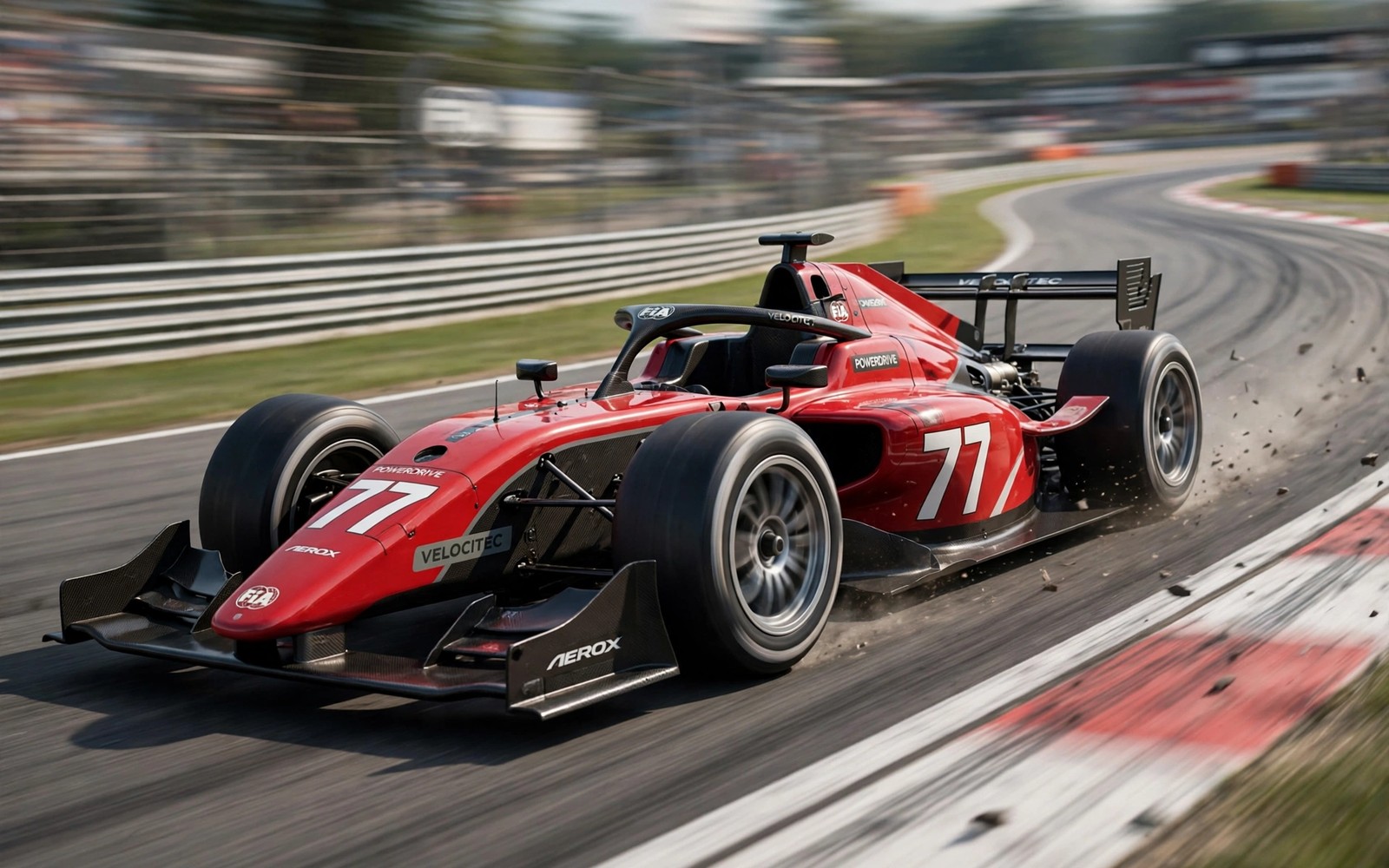
Mobile track physics have improved so much that comparisons with console racing feel fair now. Phones simulate grip and collisions and weight transfer in real time. Consoles still offer more processing power and finer simulation steps. This guide explains where phones match consoles and where gaps remain.
Physics simulation quality depends on calculation steps per second. More steps produce smoother and more accurate car behaviour. Consoles run more steps with stronger processors and cooling. Phones balance steps against battery life and heat limits. demolition derby games
Players feel physics through steering response and slide behaviour. Good mobile physics feel predictable even with fewer steps. Bad mobile physics feel floaty or twitchy regardless of graphics. Feel matters more than technical step counts for enjoyment. This guide focuses on feel first.
Physics discussions often confuse realism with enjoyment incorrectly. Realistic physics can feel tedious without good game design. Enjoyable physics prioritise predictable fun over raw accuracy. Game design translates physics into player experience thoughtfully.
Grip modelling on phones versus consoles
Grip models decide how tyres hold roads during cornering and braking. Console models often simulate each tyre separately with complex data. Mobile models often simplify tyre data for performance reasons. Simplified models still feel good when tuned carefully. Tuning quality matters as much as model complexity.
Wet weather exposes grip model differences most clearly. Console games model puddles and aquaplaning in finer detail. Mobile games often use simpler wet grip multipliers instead. Simpler wet models still challenge drivers meaningfully. Expect less nuance in mobile wet racing overall.
Suspension modelling affects bump handling across platforms noticeably. Console suspensions simulate travel and damping deeply. Mobile suspensions often simplify to spring rates only. Simplified suspensions still feel good with careful tuning. Tuning quality bridges simulation gaps effectively.
Collision and damage differences
Console games simulate collisions with detailed deformation and parts damage. Mobile games often simplify collisions to protect frame rates. Simplified collisions still punish reckless driving fairly. Visual damage may look less detailed on phones. Gameplay consequences remain clear in both cases.
Barrier collisions feel different across platforms for similar reasons. Console barriers absorb impact with nuanced force feedback. Mobile barriers often stop cars more abruptly. That abruptness can frustrate players used to console feel. Learn mobile collision timing through practice laps. retro low-poly racing games
Aerodynamic modelling differs in downforce calculations across platforms. Console games model front and rear downforce separately. Mobile games often use single downforce values. Single values still create speed sensitive handling. Nuance differences matter mainly to expert tuners.
adb shell settings put global animator_duration_scale 0.5
adb shell cmd game mode performance com.example.racer
adb shell dumpsys gfxinfo com.example.racer framestats
The commands above are adapted from public platform documentation for Android settings and game performance tools. They are included here as a teaching example for measuring physics smoothness and not as copied game code.
Frame timing and input response
Frame timing shapes how physics feels in your hands directly. Console games often hold sixty frames with stable timing. Mobile games may vary frame timing under heat and load. Variable timing makes physics feel inconsistent during long races. Stable phone settings reduce this gap greatly.
Touch input adds latency compared to console controllers in some cases. Modern phones reduce touch latency impressively each year. Controllers on phones close the remaining gap further. Competitive mobile players should test controller options seriously. Input method affects physics feel as much as simulation steps.
Tyre wear modelling adds strategy to long races significantly. Console games model wear per tyre with temperature. Mobile games often use simple overall wear rates. Simple wear still forces pit strategy decisions. Strategy depth remains accessible on mobile.
Track surface detail compared
Console tracks model bumps and cambers in fine detail. Mobile tracks simplify surface detail to save processing power. Simplified surfaces still include major bumps and elevation changes. Minor surface texture differences matter mainly to expert drivers. Casual and intermediate players notice little difference.
Kerbs illustrate surface detail gaps clearly in both platforms. Console kerbs unsettle cars with realistic force patterns. Mobile kerbs often act as simple grip changes instead. Learn mobile kerb behaviour per game through testing. Kerb knowledge transfers only partly between platforms. watercraft racing games
Force feedback quality differs between console wheels and phone setups. Console wheels offer detailed road texture feedback. Phone wheels offer simpler feedback through Bluetooth. Simpler feedback still communicates grip loss usefully. Feedback clarity matters more than detail count.
Where mobile physics already win
Mobile physics win on accessibility and quick session design. Short races with good physics suit daily play better than long console sessions. Touch and tilt controls offer unique input styles consoles lack. Gyroscope steering feels natural for many mobile players. Innovation in controls compensates for raw power gaps.
Mobile games update physics through patches more frequently in many cases. Developers tune handling based on large mobile player data. That rapid tuning improves feel over a game lifetime. Console patches follow slower certification processes often. Mobile agility benefits players over time.
Sound design compensates for physics simplification on mobile. Engine and tyre sounds communicate grip limits clearly. Good audio helps players feel physics through ears. Sound quality deserves attention in mobile comparisons. Audio bridges feel gaps surprisingly well.
Test physics feel fairly across platforms
Fair physics tests need similar cars and tracks across platforms. Different cars hide physics differences behind tuning. Similar content reveals platform handling honestly. Choose comparable content before judging physics.
Test physics in time trial without traffic interference. Traffic adds variables unrelated to core physics. Clean laps isolate handling feel effectively. Time trial testing suits physics comparisons best.
Record lap times and subjective feel notes separately. Lap times measure performance objectively. Feel notes capture predictability and fun subjectively. Both measures matter for physics conclusions. Numbers alone miss enjoyment factors.
Repeat tests after control calibration on each platform. Uncalibrated controls distort physics impressions badly. Calibration ensures fair input comparisons. Fair tests respect input differences honestly.
Keep improving after the basics
Advanced physics comparisons use telemetry data when games provide it. Telemetry shows steering inputs and grip levels over laps. Data reveals handling differences that feel alone cannot quantify. Compare telemetry across platforms for similar corners. Data driven comparisons avoid subjective bias effectively. Telemetry literacy grows with sim racing experience. Data supplements feel rather than replacing it entirely.
Physics modding communities on some platforms tune handling beyond defaults. Mods adjust grip and suspension values for realism. Mobile games rarely support modding officially. Console and PC mods offer physics experimentation. Mod knowledge informs appreciation for default tuning choices. Understanding mods deepens physics discussions beyond surface impressions.
Future mobile hardware will narrow physics gaps further each generation. Improved cooling allows sustained high simulation rates. Faster processors support finer tyre models. Battery improvements reduce throttling during long races. Hardware progress benefits mobile physics steadily. Patience rewards mobile racers as devices improve yearly.
Common mistakes
The mistake is expecting identical physics feel across platforms. Mobile and console games tune handling for different inputs and hardware. Judge mobile physics on mobile terms and not console memories. Fair comparison respects platform differences honestly.
Another mistake is blaming physics for control or settings problems. Wrong sensitivity makes good physics feel terrible quickly. Calibrate controls before criticising physics models. Settings fixes solve many supposed physics complaints.
A further mistake is judging physics from graphics quality alone. Beautiful graphics do not guarantee good physics. Simple graphics can hide excellent handling models. Judge physics through driving feel and lap consistency.
Frequently asked questions
Will mobile physics ever match console physics?
Mobile hardware improves yearly and the gap shrinks steadily. Power and cooling limits will keep some gap for years. Feel parity already exists in many well tuned mobile games. Raw simulation depth remains a console strength for now.
Mobile hardware improves yearly and the gap shrinks steadily. Power and cooling limits keep some gap for years. Feel parity exists in many well tuned mobile games. Raw simulation depth remains a console strength.
Should I play racing games on phone or console?
Phones suit short sessions and portable play with good physics. Consoles suit long sessions and deepest simulation experiences. Many players enjoy both platforms for different moods. Platform choice should follow lifestyle and not prestige.
Phones suit short sessions and portable play with good physics. Consoles suit long sessions and deepest simulation. Many players enjoy both platforms for different moods. Platform choice should follow lifestyle and not prestige.
Do controllers make mobile physics feel console like?
Yes controllers improve input precision and reduce touch latency noticeably. Force feedback wheels add road feel consoles offer. Controller play closes much of the feel gap. Physics steps still differ but feel improves greatly.
Controllers improve input precision and reduce touch latency. Force feedback wheels add road feel consoles offer. Controller play closes much of the feel gap. Physics steps still differ but feel improves greatly.
Conclusion
Mobile track physics compare well with console titles for most players. Grip and collisions simplify for performance but feel predictable when tuned well. Frame stability and input method shape feel strongly. Judge mobile games on their own strengths.
Your next step is practical this week. Play the same track type on phone and console if you own both. Note grip and kerb differences without judging harshly. Then tune phone settings for stability and enjoy mobile strengths.
Test one comparable car on both platforms this month if possible. Note feel differences without platform loyalty bias. Enjoy each platform for its genuine strengths. Fair comparisons improve your appreciation of both.

