

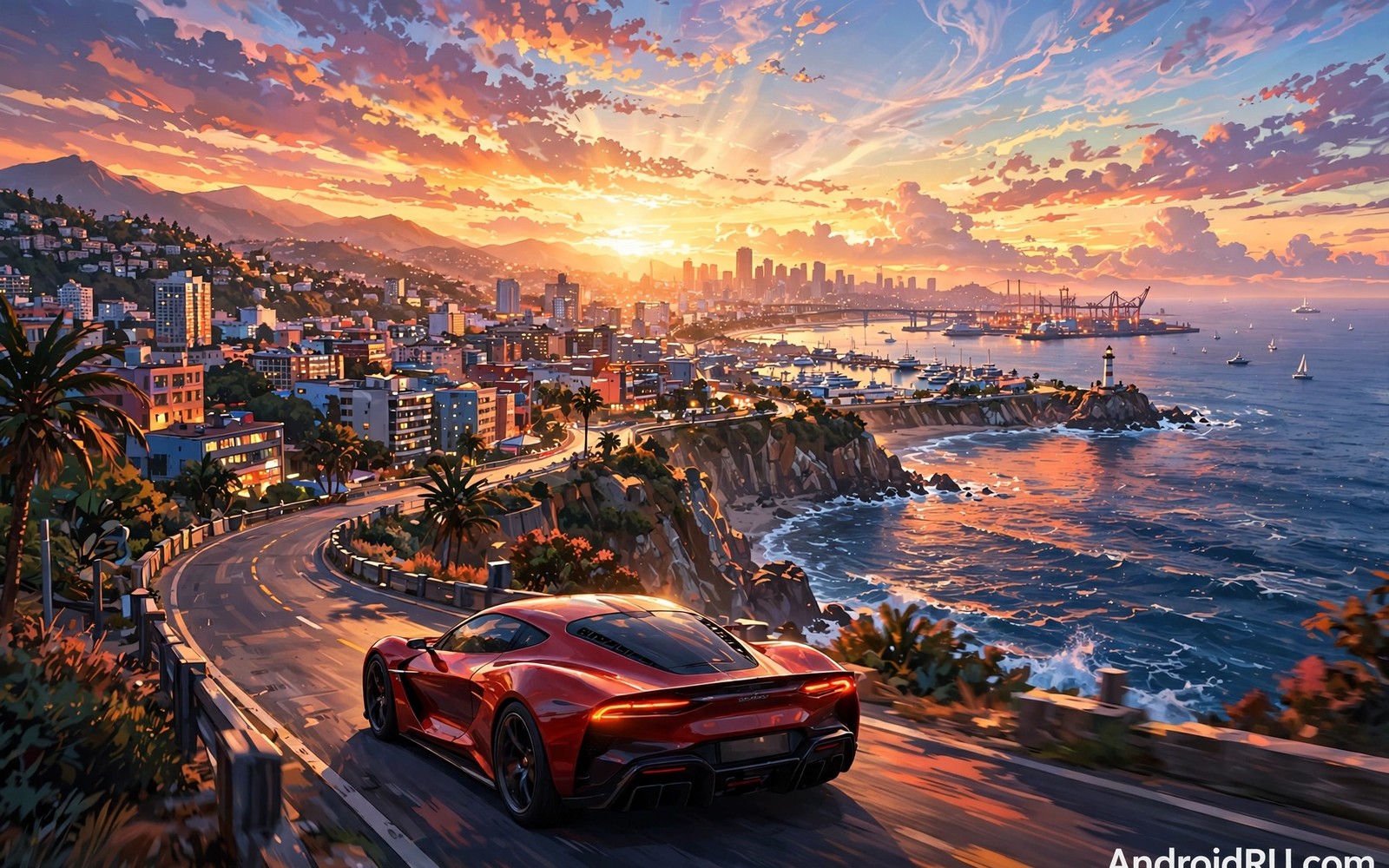
Open-world driving games give you a whole city or countryside to explore without a race timer forcing every turn. You can cruise coastal roads or chase side missions or simply find hidden viewpoints. That freedom is the main attraction for many mobile players. This guide helps you pick worlds that stay fun after the first hour.
A great open world feels alive even when you ignore missions completely. Traffic flows naturally and side streets hide surprises worth finding. Weather and day cycles change the mood of familiar roads. Those details turn driving itself into the reward. motorbike racing games
Mobile open worlds vary hugely in size and density. Some maps look large but feel empty after ten minutes. Others pack every district with activities and secrets. Learn to spot the difference before you spend hours downloading. This guide shows you what to check first.
Photo modes in open-world games reward exploration with shareable memories. Capture sunset drives and hidden viewpoints during free cruising. Photo collections document your personal map over time. Sharing photos with friends extends open-world enjoyment beyond solo play.
What makes an open world feel alive
Traffic behaviour is the first test of a living open world. Cars should change lanes and stop at lights and react to your driving. Pedestrians should cross streets and gather in busy areas. Dead traffic makes even a huge map feel like a parking lot. Watch traffic for five minutes before you judge a world.
Sound and lighting add life that map size alone cannot provide. Engine echoes in tunnels and rain on the roof change how roads feel. Sunset light across a coastal road can make a simple drive memorable. Good audio design rewards slow cruising as much as fast racing. Turn sound on for exploration sessions.
Dynamic weather changes open-world driving conditions hour by hour. Rain reduces grip on city streets noticeably. Fog hides distant landmarks and junctions. Weather variety keeps familiar roads feeling fresh. Adapt driving style to weather rather than fighting it.
Explore with purpose and not at random
Random driving burns out quickly even in great worlds. Set small goals like finding a mountain viewpoint or a hidden beach road. Those goals give structure without race pressure. You will discover districts you would otherwise rush past. Purpose turns wandering into adventure.
Use the in game map to mark interesting places as you pass them. Return later with a better car for photo spots or stunt jumps. Marking spots saves time and builds a personal tour of the world. Over days your map becomes a diary of favourite roads. That personal map is the real progression of open world play. drifting simulators
Collectibles hidden across open worlds reward thorough exploration richly. Hidden jumps and viewpoints hide in side streets and rooftops. Collectible hunting gives structure to free driving sessions. It also reveals districts that missions never visit. Hunt collectibles in one district at a time.
adb shell settings put global wifi_scan_always_enabled 1
adb shell cmd game mode performance com.example.openworld
adb shell dumpsys gfxinfo com.example.openworld framestats
The commands above are adapted from public platform documentation for Android settings and game performance tools. They are included here as a teaching example for testing open-world smoothness and not as copied game code.
Balance missions with free cruising
Missions unlock cars and districts and new activities in most open world games. Free cruising builds familiarity with roads and shortcuts. Both matter for long term fun in equal measure. Alternate one mission with one free drive session. That rhythm keeps the game fresh for weeks.
Side activities like taxi jobs or delivery runs teach map knowledge gently. They pay well and rarely demand perfect driving. They also reveal shortcuts that help in later races. Treat side jobs as tours with rewards attached. You will learn the city without studying it.
Traffic density varies by district and time of day realistically. Downtown areas jam during rush hours in game. Suburbs stay quieter for relaxed cruising sessions. Time based traffic adds life to city exploration. Plan cruising routes around traffic patterns for enjoyment.
Pick cars for exploration and not just speed
Fast supercars struggle on dirt roads and steep hills in open worlds. A balanced car with good suspension suits mixed terrain far better. Off-road vehicles open mountain trails that supercars cannot reach. Keep at least two cars ready for different districts. Variety unlocks more of the map than speed alone.
Fuel and damage systems change exploration strategy in realistic open worlds. Plan fuel stops on long countryside routes before departure. Repair damage after rough trails to avoid breakdowns far from town. Those systems add tension to simple drives. They reward planning over reckless speed. truck driving simulators
Car meets and social hubs appear in some open-world driving games. Meeting other players cars adds social fun to exploration. Car shows reward visual customisation efforts. Social features extend open-world life beyond solo missions. Visit hubs when you want variety from driving alone.
Keep performance smooth in big worlds
Big open worlds stream new districts as you drive and that taxes phones hard. Lower draw distance slightly when stutter appears on fast roads. Keep texture quality medium for a good balance of beauty and speed. Close background apps before long exploration sessions. Smooth driving matters more than distant detail.
Download full map data over Wi-Fi before long trips away from home. Streaming maps over mobile data can stutter and cost data allowance. Check storage space because open world maps grow with updates. Free space keeps streaming smooth during fast drives. Preparation prevents mid drive frustration.
Map updates add new districts and roads over a game lifetime. Returning players find fresh areas after long breaks. Update sizes can be large for open-world games. Download updates over Wi-Fi before exploration sessions. Fresh districts reward returning players generously.
Tour one district per week
A district per week tour structure prevents open-world burnout. Choose one district each Monday for focused exploration. Drive every road in that district slowly across the week. Mark favourite spots and shortcuts as you discover them.
District tours reveal details that fast travel hides completely. Side alleys hide shops and jumps and viewpoints. Slow tours build genuine map knowledge over months. That knowledge helps missions and races later significantly.
Photograph five spots per district during your weekly tour. Photo goals give purpose to slow driving sessions. Compare district photos at month end for favourites. Personal favourites become regular cruising routes over time.
Share district tour highlights with friends who play the same game. Shared discoveries spark conversations and new route ideas. Friends may reveal spots you missed in toured districts. Social exploration multiplies open-world enjoyment naturally.
Keep improving after the basics
Advanced open-world players create personal challenges that extend game life enormously. Personal challenges might include driving every road without fast travel. They might include photographing every viewpoint in one district. They might include completing deliveries without any vehicle damage. Self imposed challenges transform familiar maps into fresh adventures. Share personal challenges with friends for friendly competition. Community challenges often inspire new ways to enjoy old maps. Creativity extends open worlds beyond developer missions effectively.
Map knowledge eventually becomes a social asset in multiplayer open worlds. Experienced players guide friends through shortcuts and hidden areas. Guiding others reinforces your own knowledge surprisingly well. Teaching routes forces you to articulate knowledge clearly. Articulated knowledge sticks better than passive familiarity. Help new players explore rather than racing ahead alone. Social exploration builds lasting gaming friendships around shared worlds.
Open-world updates sometimes rework districts and traffic systems significantly. Reworked districts deserve fresh exploration even for veteran players. New traffic patterns change familiar cruising routes. Updated scenery adds photo opportunities in old areas. Revisit updated districts slowly after major patches. Fresh eyes reveal changes that patch notes omit. Update exploration keeps long term worlds feeling alive.
Common mistakes
The common mistake is racing through every district at top speed on day one. You miss hidden roads and viewpoints that make the world special. Slow down in new districts and look around. Exploration rewards patience far more than speed records.
Another mistake is ignoring the map and mission markers completely. You can wander for hours without unlocking cars or districts. Check mission options after each free drive session. A short mission often opens a whole new area to explore.
A further mistake is fast travelling everywhere instead of driving roads. Fast travel skips the exploration that defines open-world games. Drive at least one new road per session. Discovery happens on roads that fast travel ignores.
Frequently asked questions
Are open-world games too big for phones?
No modern phones handle large maps well with streaming and smart detail settings. Download maps over Wi-Fi and keep storage free for smooth play. Lower draw distance if you notice stutter on fast roads. Most open worlds run well on mid range devices today.
Modern phones handle large open worlds with streaming technology well. Download maps over Wi-Fi and keep storage free. Lower draw distance when stutter appears on fast roads. Mid range devices run most open worlds smoothly today.
Can I play open-world games offline?
Many open-world games support offline play after the first map download. Check offline mode in the game settings before a trip. Some live events and multiplayer features need a connection. Single player exploration usually works fine without internet access.
Many open-world games support offline exploration after map downloads. Live events and multiplayer need connections. Single player cruising usually works offline fine. Check offline mode before travel without internet access.
How long does it take to explore a full map?
A medium map takes ten to fifteen hours of relaxed driving to explore well. Larger maps can take thirty hours or more with side missions. There is no rush to finish exploration quickly. Enjoy districts one at a time over many sessions.
Medium maps take ten to fifteen relaxed hours to explore thoroughly. Larger maps take thirty hours or more with missions. Exploration has no deadline worth rushing. Enjoy districts slowly across many sessions.
Conclusion
Open-world driving games reward curiosity more than lap times or race wins. Find living traffic and set small exploration goals. Balance missions with free cruising and keep cars suited to each district. The world becomes yours one road at a time.
Your next step is easy tonight. Open an open-world game and drive one new district slowly without any mission active. Mark three spots you want to revisit tomorrow. That short drive will show you why open worlds stay popular.
Start a district tour this Monday with a single neighbourhood. Drive slowly and photograph five favourite spots. Repeat weekly until the whole map feels familiar. Open worlds reward patient explorers richly.

