

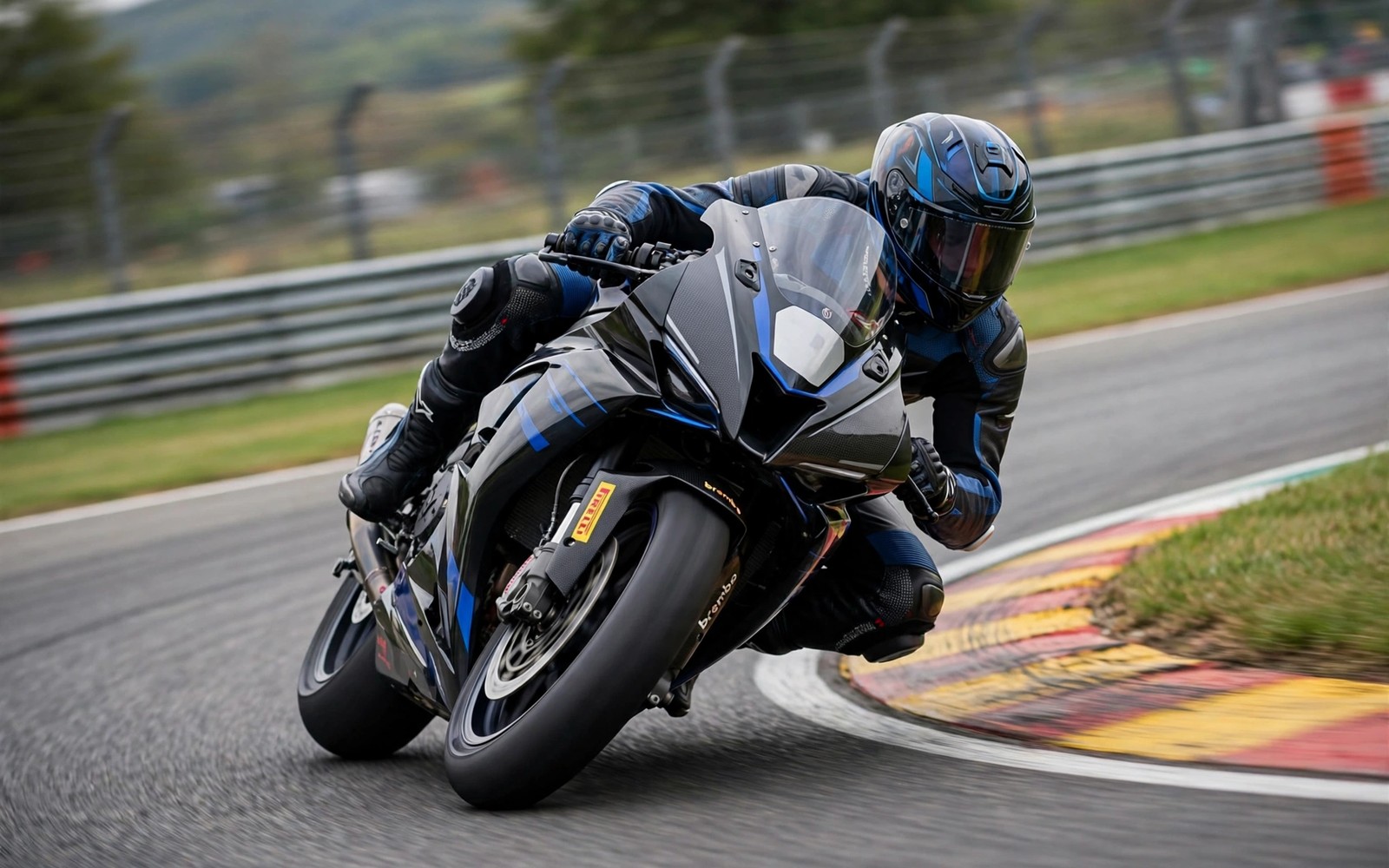
Motorbike racing games capture a thrill that car games cannot copy. Leaning into a corner at speed feels exposed and precise at the same time. Braking feels sharper because the bike responds to every small input. This guide helps thrill seekers pick great bike games and ride them well.
Bike games demand smoother inputs than car games in almost every situation. A sudden steering jerk can unsettle the bike and cost a race. Smooth throttle and early braking win more races than brave late braking. Patience feels strange at first for thrill seekers. It becomes the fastest habit you can build. drifting simulators
Different bike games focus on different thrills for different players. Some games recreate road racing on real circuits. Others focus on street stunts and traffic weaving. A few focus on motocross jumps and dirt tracks. Pick the thrill that matches your mood before you download.
Bike racing history adds appreciation for modern mobile bike games. Road racing legends pioneered leaning techniques still used today. Learning bike history deepens respect for realistic physics. History also explains why certain circuits matter to riders.
Learn leaning before you chase speed
Leaning is the core skill of every motorbike game worth playing. Lean early and smoothly before the corner and not during it. Late leaning forces harsh corrections mid corner. Those corrections cost grip and often cause crashes. Early lean keeps the bike stable through the whole turn.
Body position matters in realistic bike games with rider movement. Shifting weight inside the corner helps the bike turn with less lean angle. That technique preserves tyre grip for acceleration on exit. Practice weight shift on one corner until it feels automatic. Then apply it across a full lap.
Lean angle limits depend on tyre grip and road surface strongly. Dry asphalt allows deeper lean angles safely. Wet roads demand upright riding and gentle inputs. Learn surface limits through practice crashes in safe modes. Crash knowledge in games transfers to caution in real riding discussions.
Brake earlier than car games teach you
Bikes stop differently from cars because weight shifts forward under braking. Hard braking can lift the rear wheel and reduce stability fast. Brake upright and in a straight line whenever possible. Release brakes gradually as you lean into the corner. That release keeps grip balanced across both tyres.
Rear brake use needs care in bike games with separate brake controls. Too much rear brake locks the wheel and slides the bike sideways. A light rear brake steadies the bike into slow corners. Learn rear brake feel in free practice without rivals around. Rushing this skill causes many early crashes. truck driving simulators
Slipstreaming behind rivals adds speed on long straights significantly. Tuck behind a rival bike to reduce wind resistance. Overtake at the last moment before braking zones. Slipstream tactics decide many close bike races. Timing overtakes after slipstreams takes practice.
adb shell settings put system accelerometer_rotation 0
adb shell cmd game mode performance com.example.bike
adb shell dumpsys gfxinfo com.example.bike framestats
The commands above are adapted from public platform documentation for Android settings and game performance tools. They are included here as a teaching example for testing bike game smoothness and not as copied game code.
Choose bikes for your riding style
Light bikes turn quickly and suit tight twisty circuits best. Heavy bikes hold speed well on long straights and fast circuits. Middleweight bikes suit most players learning bike physics. Start middleweight and specialise after twenty races. Your lap times will guide the next bike choice honestly.
Engine character matters as much as top speed on paper. Some bikes deliver power smoothly across the rev range. Others deliver sudden power that can spin the rear tyre on exit. Smooth power suits new riders and wet tracks well. Aggressive power suits experts chasing lap records on dry tracks.
Bike setup includes rider weight position adjustments in advanced games. Forward weight improves front grip under braking. Rearward weight improves traction under acceleration. Balance weight for track corner types. Setup experimentation teaches bike dynamics deeply.
Master traffic and stunt modes safely
Traffic weaving modes test reactions and lane choice at high speed. Look far ahead and plan two lanes at once when possible. Sudden lane changes cause crashes more than speed itself. Keep a safety gap beside large vehicles at all times. Near misses give points but crashes end runs instantly.
Stunt modes reward wheelies and stoppies and jumps with style points. Practice stunts in free mode before ranked stunt events. Learn landing balance before you chain multiple tricks together. A clean single stunt beats a crashed combo every time. Style grows from control and not from recklessness. Bluetooth wheel controllers
Motocross bike games add jumps and dirt surfaces to bike skills. Dirt landings demand different body positioning than road racing. Jump timing matters more than top speed on motocross tracks. Dirt bike variety refreshes road racing fans. Try motocross after road basics feel solid.
Tune bikes for stability first
Suspension tuning changes bike behaviour more than engine upgrades for beginners. Softer suspension absorbs bumps and keeps tyres in contact with the road. Stiffer suspension suits smooth circuits with fast direction changes. Change suspension in small steps and test over full laps. One change at a time keeps results clear.
Tyre choice affects grip in wet and dry conditions very differently. Soft tyres grip well but wear fast in long races. Hard tyres last longer but need gentle warm up laps. Match tyre choice to race length and weather conditions. A wrong tyre choice ruins an otherwise perfect race strategy.
Stunt bike games reward balance and timing over race position. Wheelie balance requires constant throttle adjustments. Stoppie control demands progressive front brake pressure. Stunt skills improve general bike control surprisingly. Practice stunts in safe free modes first.
Train bike skills in stages
Stage one training focuses on smooth leaning and braking only. Use assists fully and ride one circuit repeatedly. Ignore lap times during stage one completely. Comfort with bike behaviour matters more than speed initially.
Stage two training reduces assists gradually over two weeks. Turn off one assist at a time and adapt. Each assist removal reveals handling details previously hidden. Gradual removal prevents overwhelming frustration during learning.
Stage three training adds rivals and race pressure slowly. Start with easy AI rivals and short races. Increase difficulty as clean finishes become regular. Race pressure exposes habits that solo practice hides. Pressure training completes bike skill development.
Stage four training explores bike tuning and setup choices. Tune suspension after handling feels predictable. Tune gearing after tracks feel familiar. Tuning knowledge builds on solid riding foundations. Premature tuning confuses learning with setup variables.
Keep improving after the basics
Advanced bike riders study slow motion replays of their own crashes carefully. Crash replays reveal input mistakes that felt correct during races. Common replay revelations include late braking and abrupt lean changes. Each revelation becomes a specific practice target for next sessions. Targeted practice fixes crash causes faster than general riding. Replay study feels tedious but accelerates improvement dramatically. Make replay review a weekly habit after ranked sessions.
Group riding in multiplayer bike games demands communication and predictability. Hold consistent lines during group formation riding. Signal intentions through positioning rather than sudden moves. Predictable riding prevents multi bike pileups effectively. Group etiquette matters as much as individual speed. Respectful group riders earn invitations to better groups. Reputation in bike communities grows through consistent clean riding.
Bike maintenance knowledge enhances simulator enjoyment for enthusiasts. Tyre wear patterns reveal riding style problems clearly. Suspension settings reflect track surface demands accurately. Engine tuning choices affect power delivery character strongly. Mechanical understanding deepens appreciation for simulator systems. It also improves setup decisions during competitive events. Curious riders become faster riders through mechanical literacy.
Common mistakes
The biggest mistake is braking hard while already leaning into a corner. That combination overloads the front tyre and causes a fall. Brake before the corner and lean after braking finishes. Trail braking is an advanced skill for later practice only.
Another mistake is choosing the fastest bike before learning basic control. Fast bikes punish small errors with big crashes. A middleweight bike teaches leaning and braking with forgiveness. Speed without control never wins championships in bike games.
A further mistake is leaning hard immediately after braking zones end. Abrupt transitions unsettle bikes and waste exit speed. Blend braking release and leaning smoothly together. Smooth transitions preserve grip through entire corners.
Frequently asked questions
Are motorbike games harder than car games?
Yes bike games punish rough inputs more harshly than car games do. Leaning and braking need smoother timing on two wheels. That challenge makes progress feel more rewarding over time. Start with assists on and reduce them as skill grows.
Bike games punish rough inputs more than car games generally. Leaning and braking need smoother timing on two wheels. That challenge makes progress feel rewarding over time. Start with assists and reduce them gradually.
Do I need tilt controls for bike games?
No touch controls work well for bike games with good steering design. Tilt controls feel natural for leaning on flowing circuits. Test both methods for several days before deciding. Comfort and consistency matter more than method loyalty.
Touch controls work well for bike games with good steering design. Tilt controls feel natural for leaning on flowing circuits. Test both methods for several days before deciding. Comfort and consistency matter more than method loyalty.
Which bike game suits beginners best?
Beginner friendly bike games offer assists and forgiving physics and clear tutorials. Look for games with gradual difficulty and free practice modes. Avoid hardcore simulators until basic leaning feels natural. Fun early wins keep new riders motivated.
Beginner bike games offer assists and forgiving physics and tutorials. Look for gradual difficulty and free practice modes. Avoid hardcore simulators until leaning feels natural. Fun early wins keep new riders motivated.
Conclusion
Motorbike racing games reward smooth leaning and early braking above raw courage. Learn one bike and one circuit before chasing speed records. Tune for stability and practice traffic reading daily. Thrills grow safer and faster together with good habits.
Your next step is concrete for tonight. Pick one bike game and ride ten laps on a single circuit with assists on. Focus only on early braking and smooth leaning. Turn one assist off tomorrow once those laps feel calm.
Follow staged training instead of jumping straight into hard races. Each stage builds on previous comfort levels. Patience through stages produces confident riders faster than rushed practice. Enjoy the learning curve itself.

