

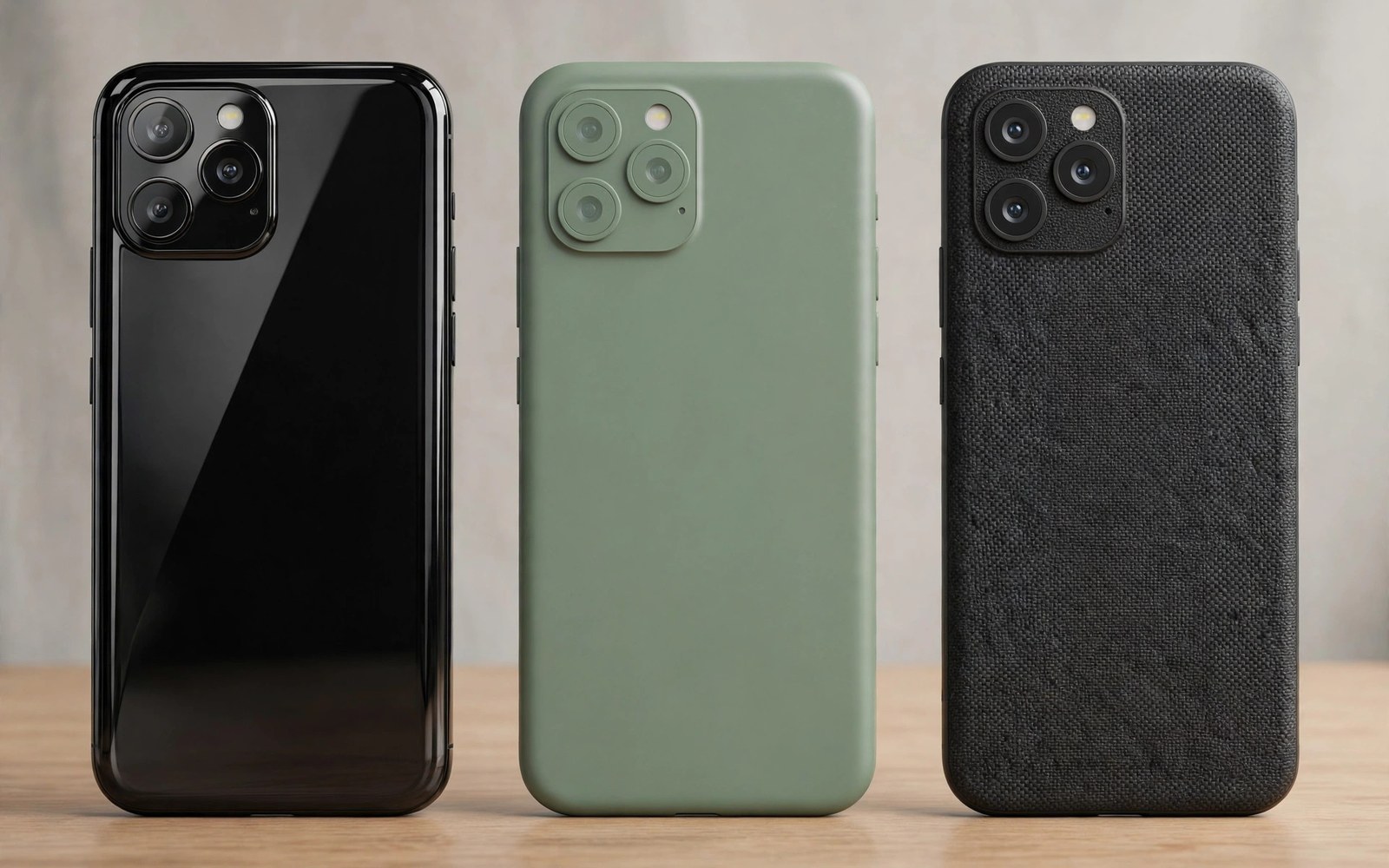
Phone backs face drops and scratches daily. Materials decide how damage shows. Ceramic feels premium and heavy. Glass looks sleek and fragile. Plastic feels light and tough. Each material trades beauty for durability differently.
This comparison tests drop survival and scratch resistance and grip and weight. It helps buyers pick a back that matches their lifestyle. Readers who drop phones often can also check screen shape choices for safer display picks. Back material affects repair costs for years.
Ceramic Strength And Feel
Ceramic backs feel dense and premium in hand. They resist scratches better than glass in daily use. Keys and coins mark ceramic less visibly. Ceramic also adds noticeable weight to phones. Heavy phones tire hands during long use.
Ceramic shatters under hard drops despite scratch strength. Impact resistance trails tough plastics clearly. Repair costs for ceramic backs run high. Wireless charging works fine through ceramic. Signal passes through ceramic without major loss.
Glass Beauty And Fragility
Glass backs enable premium looks and wireless charging. Frosted glass hides fingerprints well. Glossy glass shows smudges within minutes. Glass feels cool and smooth in hand. Designers love glass for color depth and shine.
Glass cracks easily in corner drops. Even toughened glass fails on hard floors. Back glass repairs cost a large share of phone value. Cases protect glass well but hide its beauty. Careful users can enjoy glass for years with a case.
| Aspect | First Option | Second Option |
|---|---|---|
| Scratch resistance | Best in daily use | Moderate with coatings |
| Drop survival | Shatters on hard drops | Flexes and survives drops |
| Weight | Heaviest premium feel | Lightest comfortable feel |
| Repair cost | Highest replacement cost | Lowest replacement cost |
| Grip | Secure matte texture | Good matte texture |
Plastic Toughness And Value
Plastic backs survive drops far better than glass or ceramic. They flex on impact instead of cracking. Scratches show more easily but rarely affect function. Plastic feels less premium to many buyers. Modern matte plastic looks and feels much better than old glossy plastic.
Plastic keeps phones light and comfortable. Signal passes through plastic with ease. Wireless charging works through plastic backs. Repair costs stay low when plastic breaks. Value buyers gain most from plastic durability.
Grip And Daily Handling
Grip decides drop risk before materials matter. Matte finishes grip better than glossy ones on any material. Ceramic feels secure thanks to weight and texture. Glass feels slippery especially when hands are dry. Plastic with texture grips surprisingly well.
Wet hands change grip rankings fast. Glass becomes very slippery when wet. Matte plastic and ceramic hold better in rain. Case choice outweighs back material for grip. Buyers should test grip with dry and damp hands in store.
- Test grip with dry hands and damp hands.
- Check back repair price before buying.
- Weigh the phone with your usual case on.
- Inspect scratch visibility under bright light.
- Decide if you use a case every day.
Weight And Comfort
Weight differences show up over long days. Ceramic adds the most weight to a phone. Glass sits in the middle for weight. Plastic keeps phones lightest by a clear margin. Pocket comfort favors plastic strongly.
Balance also shifts with back material. Heavy backs can make phones feel top heavy. Light backs pair well with large batteries. Long reading sessions favor lighter phones. Weight sensitive buyers should prioritize plastic or thin glass.
adb shell dumpsys battery | grep -i temperature
# Check device temperature during wireless charging
adb shell dumpsys power | grep -i -m 3 wireless
The commands above come from standard Android developer tooling for power inspection. They only read power data and they change no setting on the phone.
Repair Costs And Longevity
Repair costs separate materials sharply. Plastic back replacement is cheap and fast. Glass back replacement costs much more. Ceramic back replacement costs most and takes longer. Warranty rarely covers back damage from drops.
Long term looks also differ by material. Ceramic keeps a fresh look longest if it avoids drops. Glass shows cracks that spread over time. Plastic shows scratches but stays usable. Readers planning years of use can review long-term reliability for brand durability. Cases extend life for every material.
Wireless Charging Through Materials
Wireless charging works through all three back materials. Plastic offers the least interference for wireless power. Glass transmits wireless power efficiently too. Ceramic transmits power well despite density. Metal backs would block wireless charging entirely. Material choice rarely limits wireless charging speeds practically.
Case materials affect wireless charging more than back materials. Thick cases slow wireless charging noticeably. Metal plates for car mounts block wireless charging. Magnetic cases designed for wireless charging work best. Users should test wireless charging with cases installed. Back material concerns should not drive wireless charging decisions.
Heat Dissipation By Back Material
Heat dissipation differs by back material subtly. Metal backs would spread heat best but block signals. Plastic insulates heat more than glass or ceramic. Glass and ceramic feel cooler initially due to thermal mass. Sustained gaming warms all materials eventually. Internal cooling design matters more than back material for thermals.
Hot backs feel uncomfortable during long gaming sessions. Plastic backs warm evenly and feel less shocking. Glass backs can feel hot at concentrated spots. Ceramic backs absorb heat slowly then stay warm longer. Users sensitive to heat should test gaming warmth in store. Back material heat differences remain modest in practice.
Fingerprint Visibility And Cleaning
Fingerprint visibility frustrates owners of glossy backs. Glossy glass shows prints within minutes of handling. Matte glass hides prints far better. Ceramic matte finishes resist visible prints well. Plastic matte finishes hide prints best of all materials. Cleaning frequency drops with matte finishes significantly.
Oleophobic coatings reduce prints temporarily on glass. Coatings wear off over months of use. Reapplying coatings is impractical for most owners. Cases eliminate fingerprint concerns entirely. Users who use phones caseless should favor matte finishes. Fingerprint visibility affects daily satisfaction more than expected.
Environmental Impact Of Materials
Environmental impact varies across back materials. Plastic production uses fossil resources but enables recycling. Glass production demands high energy for melting. Ceramic firing also consumes substantial energy. Recycled materials now appear in some phone backs. Brands disclose recycled content inconsistently across models.
Longevity affects environmental impact most strongly. Durable phones that last years beat fragile ones environmentally. Repairable designs reduce waste more than material choice. Buyers should prioritize longevity over material green claims. Trade in and recycling programs extend material life cycles. Responsible disposal matters for every material type equally.
Choosing By Lifestyle Profile
Lifestyle profiles simplify material choice greatly. Office users with cases can choose any material safely. Construction workers should choose tough plastic backs. Fashion users may accept glass fragility for beauty. Outdoor adventurers need plastic toughness and light weight. Parents of young children benefit from plastic durability too.
Budget priorities also shape material value. Plastic phones cost less to buy and repair. Premium materials add cost without functional gains. Value buyers should embrace plastic confidently. Premium buyers should enjoy ceramic or glass knowingly. Material pride should never outweigh repair budget realities.
Material Feel In Cold And Heat
Material feel changes with temperature noticeably. Metal-like ceramic feels cold initially in winter. Glass feels cool and slick in air conditioning. Plastic feels neutral across temperatures comfortably. Cold hands grip matte plastic most securely.
Hot climates warm all materials during outdoor use. Glass and ceramic retain heat longer after sun exposure. Plastic cools faster when moved to shade. Users in extreme climates notice these differences daily. Material temperature rarely decides purchases alone though.
Case Free Use By Material
Case free use tests material confidence directly. Plastic owners go caseless most comfortably. Glass owners fear drops constantly without cases. Ceramic owners balance beauty against drop risks. Caseless beauty showcases materials best daily.
Scratch risks without cases vary by material. Ceramic resists scratches best caseless. Glass scratches moderately without protection. Plastic scratches visibly but functionally survives. Caseless users should choose ceramic or plastic.
Material And Signal Performance
Signal performance varies subtly by back material. Plastic allows signals through most freely. Glass allows signals through well too. Ceramic allows signals with minimal interference. Material differences pale beside antenna design importance.
Metal decorative elements can interfere with signals. Large metal camera plates affect antennas slightly. Designers tune antennas around material choices. Users rarely notice material signal effects. Antenna engineering matters far more than back material.
Sustainability Of Phone Backs
Sustainability considerations grow for material choices. Recycled plastic backs reduce virgin material use. Recycled glass appears in some premium phones. Ceramic recycling remains limited currently. Longevity outweighs material sustainability claims.
Repair friendly backs reduce waste most effectively. Plastic backs enable cheap repairs and longer life. Glass backs often require full replacements. Ceramic backs complicate recycling processes. Buyers should favor repairable designs overall.
Final Verdict
Plastic wins durability and value for most buyers. Ceramic wins scratch resistance and premium feel. Glass wins looks but loses on repair costs. Case users can enjoy any material safely.
Buyers who skip cases should choose plastic or ceramic. Readers comparing build choices can also see fingerprint scanner tech for front design trade-offs. Material should match lifestyle and not marketing alone.

