

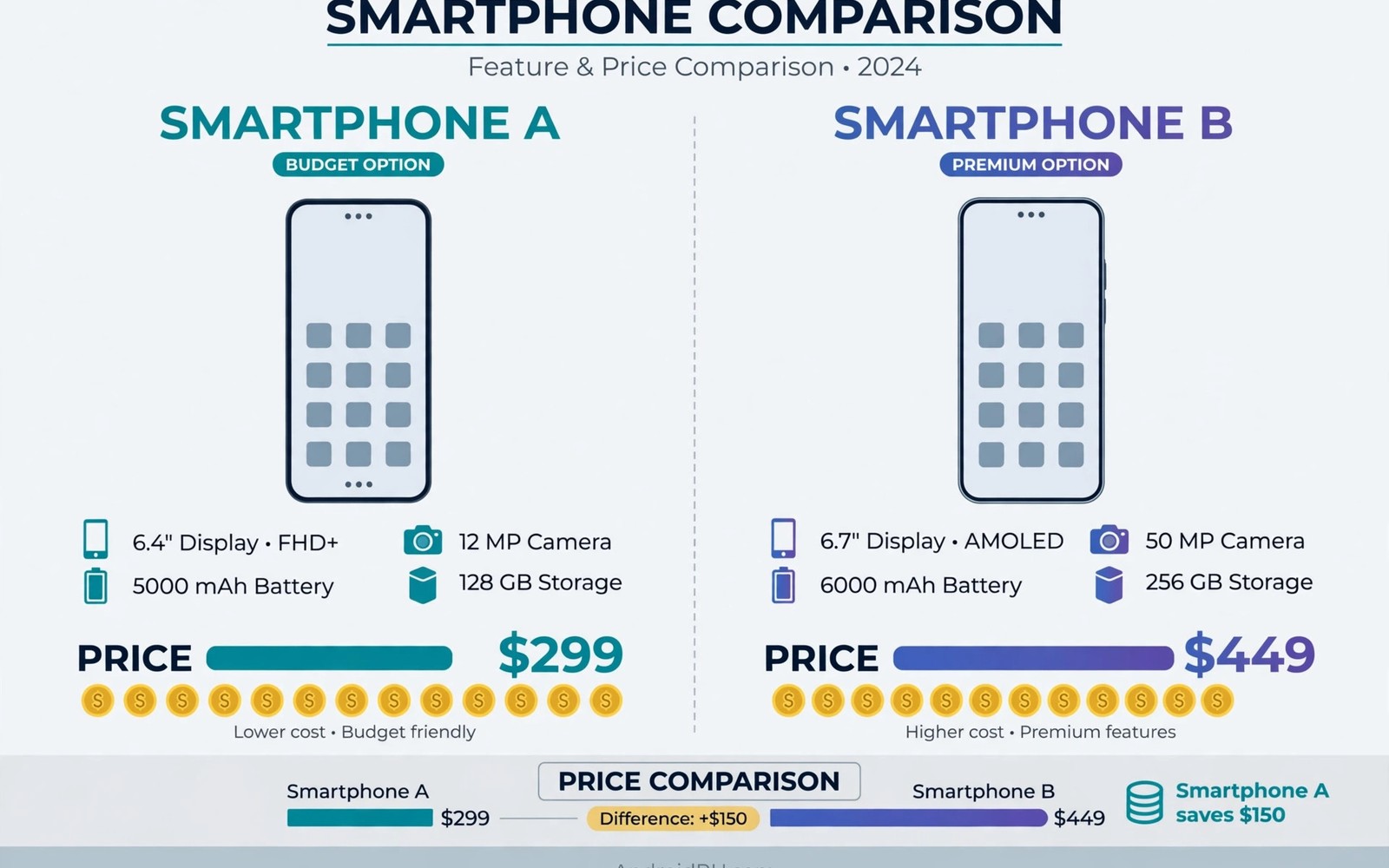
Carrier deals and unlocked deals look very different at first glance. A carrier may offer a flagship for a tiny monthly payment or even free with a plan. An unlocked phone demands full payment upfront but leaves you free to choose any plan. The true winner depends on total cost over two or three years. Headline monthly prices hide the full story in both cases.
Start by adding every cost you will actually pay over the whole commitment period. Include monthly plan charges and device payments and activation fees. Include the value of any trade-in credit and how it is paid. A deal that looks cheap monthly can cost more overall than a plain unlocked purchase. For launch bonus tactics read trade-in bonus tactics and see how trade-in timing changes the math.
How Carrier Deals Really Work
Carrier deals usually spread the phone cost across monthly bill credits. You pay the plan charge plus a device charge and then receive a monthly credit. The credit often lasts twenty four or thirty six months. Leaving early can cancel remaining credits and leave a balance due. That lock-in is the real price of many headline offers.
Some carrier deals require a premium plan tier to qualify. A cheaper plan you would otherwise choose may not unlock the full discount. The gap between plan tiers over two years can exceed the phone saving. Always compare the required plan with the plan you actually need. A free phone on an expensive plan is rarely free.
How Unlocked Deals Really Work
Unlocked phones give you freedom to switch carriers whenever a better plan appears. You can choose a low cost plan that fits your real data use. You can also sell the phone later without carrier restrictions. That flexibility has real cash value over several years. Freedom also lets you travel with local SIM options more easily.
The drawback is the upfront cost which can feel steep. A flagship price paid at once strains many budgets. Unlocked deals during sales can soften that blow substantially. Waiting for a holiday sale often brings the unlocked price close to carrier totals. Patience turns the unlocked route into a strong value choice.
Total Cost Comparison Method
Build a simple total for each option over the same period. Use twenty four months as a standard comparison window. Add plan charges and device payments and fees for the carrier route. Add the unlocked phone price plus your chosen plan charges for the unlocked route. Subtract trade-in credits only when they are paid as real value you can use.
Include the resale value of the phone at the end of the window. An unlocked phone usually resells more easily because it works on any network. A carrier phone may still be locked when you try to sell it. Resale differences of even a small amount change close comparisons. A fair total includes resale rather than ignoring it.
Trade-In Credits And Bill Credits
Bill credits spread savings thinly over many months. They look generous in advertising but they tie you to one carrier. A direct discount on an unlocked phone gives you the saving immediately. Immediate savings carry no lock-in risk and no early exit penalty. Weigh certainty against headline size when you compare these forms.
Trade-in values also differ between routes in ways that matter. A carrier may inflate trade-in value but pay it only as monthly credits. An unlocked seller may pay less but pay it at once. Immediate cash is more flexible than a long credit stream. Check the payout method before you celebrate a large trade-in number.
Plan Flexibility And Data Needs
Your data use decides how much plan flexibility is worth. Light users gain most from cheap plans that carriers rarely promote with deals. Heavy users may already need a premium plan so the carrier requirement costs little extra. Match the required plan to your real use rather than advertised perks. Unused perks such as streaming bundles add no value when you never use them.
Family plans change the comparison again because lines share costs. A carrier family deal may offer strong per line savings. An unlocked route with a low cost family plan can still compete. Calculate the family total rather than a single line figure. The best route for one person is not always best for a household.
Coverage And Network Freedom
Carrier deals tie you to one network even when coverage weakens in your area. Moving house or changing commute can change which network serves you best. An unlocked phone lets you switch networks without device penalties. That freedom protects you against coverage changes over two years. Network quality varies by location so local experience matters more than national claims.
Check coverage maps and ask neighbours about real signal strength. A cheap plan on a weak network costs you time and missed calls. A slightly pricier plan on a strong network may be better value overall. Test a new network with a prepaid SIM before you commit long term. A short test prevents a long regret.
A Simple Total Cost Calculator
Use the short script below to compare carrier and unlocked totals side by side. Enter monthly plan costs and device costs for the same period. The script prints both totals so the cheaper route is clear. Adjust the period to match the actual commitment length. Simple arithmetic beats marketing claims when both totals use the same window.
months = 24
carrier_total = (55 + 20 - 20) * months
unlocked_total = 699 + 25 * months
print(f"Carrier total: {carrier_total}")
print(f"Unlocked total: {unlocked_total}")
print("Lower total wins for this period")
The snippet above is a generic example created for illustration only. It uses placeholder plan and device figures with no carrier data. Replace every number with quotes you received yourself before deciding. The comparison is only fair when both routes use the same months and the same data needs.
Family Plan Math In Detail
Family plans complicate carrier comparisons because per line costs fall with more lines. A carrier family deal may look strong for four lines but weak for two. Calculate the total for your exact line count rather than advertised per line figures. Advertised figures often assume four lines or more. Your household size decides the real per line cost.
Line mix matters because some lines need more data than others. A teenager streaming video needs more data than a light calling parent. Family plans with shared data pools suit mixed use well. Per line unlimited plans may waste money on light users. Match plan structure to each member usage honestly.
Adding a line later can change carrier deal eligibility. Some deals require all lines to join at once. Others allow gradual additions without losing credits. Ask about future line additions before signing. A plan that punishes growth costs more as families change.
Roaming Costs In Carrier Totals
Roaming charges can dwarf device savings for frequent travellers. Carrier plans differ sharply in included roaming destinations. A cheap domestic plan may charge heavily abroad. Unlocked phones with local travel SIM options avoid many roaming fees. Travellers should price roaming into carrier totals explicitly.
Some carrier deals include roaming perks that look generous but cover few countries. Check the included country list against your actual travel destinations. A perk covering countries you never visit has zero value. A local SIM abroad often beats any roaming perk on cost. Real travel patterns decide roaming value.
Electronic SIM support on unlocked phones simplifies travel further. You can add a local data plan without removing your home SIM. Carrier locked phones may restrict electronic SIM use during the term. That restriction removes a key travel saving. Freedom to use travel SIM options is worth pricing into totals.
Early Exit Penalties Explained
Early exit penalties turn carrier savings into a trap for movers. Leaving before the credit term ends cancels remaining credits. You may owe the remaining device balance in full immediately. That balance can exceed the savings you already received. Calculate exit cost before signing any carrier deal.
Life changes such as moving abroad can force early exit unexpectedly. A carrier deal that assumes stable residence for three years is risky for mobile people. Unlocked purchases carry no exit penalty at all. Stability of your life plans should influence the route choice. Uncertain futures favour unlocked freedom strongly.
Some carriers allow device payoff without penalty after a minimum period. Check the minimum period and payoff calculation in writing. A payoff option softens the lock-in risk somewhat. It rarely removes the risk entirely. Written payoff terms are essential before you commit.
Refurbished Carrier Phones
Carriers sometimes offer refurbished phones at lower monthly costs. Refurbished carrier units may still be locked to that carrier. The lock removes the resale advantage of unlocked refurbished phones. Check lock status before accepting a refurbished carrier offer. A locked refurbished phone combines two limitations at once.
Warranty on refurbished carrier phones may come from the carrier rather than the maker. Carrier warranties can be convenient through local stores. They may also be shorter than manufacturer warranties. Compare warranty length and claim process carefully. A convenient claim process has real value when faults appear.
Refurbished carrier deals suit buyers who already plan a long stay. They suit poorly buyers who may switch soon. The monthly saving must exceed the lock-in cost over the term. Calculate that comparison with honest exit assumptions. A refurbished carrier deal is a niche win rather than a universal one.
Network Quality Testing
Test network quality before committing to a carrier deal. A prepaid SIM on the carrier network reveals real coverage. Test at home and work and commute routes. Signal bars alone do not show data speed. Speed tests at key locations give honest coverage pictures.
Test during peak hours as well as quiet hours. Congested networks slow dramatically in evenings. A carrier fast at noon may crawl at dinner time. Peak testing reveals congestion honestly. Your daily experience depends on peak performance most.
Ask neighbours about carrier experience in your building. Building materials affect indoor signal strongly. A carrier excellent outdoors may fail indoors nearby. Local experience beats national coverage maps. Neighbour reports are valuable coverage evidence.
Device Insurance Choices
Carrier deals often include insurance offers at checkout. Insurance costs add up monthly over two years. Compare insurance cost against repair costs realistically. A careful user with a good case may not need insurance. Insurance value depends on your breakage history.
Credit card purchase protection may overlap carrier insurance. Overlapping cover wastes money on duplicate protection. Check card benefits before accepting carrier insurance. A card benefit may already cover early damage. Overlap awareness saves monthly fees.
Insurance claim processes vary in speed and hassle. Some insurers replace quickly while others delay. Read claim reviews before accepting insurance. A slow insurer frustrates when you need a phone urgently. Claim speed matters as much as coverage amount.
Final Verdict Framework
Choose the carrier route when you already need the required plan and you will stay for the full term. Choose the unlocked route when you value freedom or cheap plans or frequent switching. Recompute the total whenever a new offer appears because small changes flip close calls. For seasonal timing help read wireless earbuds sale picks and align your purchase with the strongest sale window. For accessory value checks read free accessory bundle value before you add any bundle to the total.
Neither route wins for every buyer in every situation. The winner is the route with the lowest honest total for your use and your plans. Ignore headline monthly figures and trust your own arithmetic. A careful total turns a confusing choice into a clear one. Your next phone deal should save money across years rather than just on day one.

