

Google Pixel 5 Review: Design, Battery Life and Usability
Some phones chase attention with bright colours, huge camera bumps and screens that spill over the edges. The Google Pixel 5 took the opposite path. Released on 15 October 2020, it arrived as a quiet, compact phone that put comfort, clean software and a dependable camera first. It did not try to be the loudest phone in the room, and that restraint is exactly why people still talk about it years later.
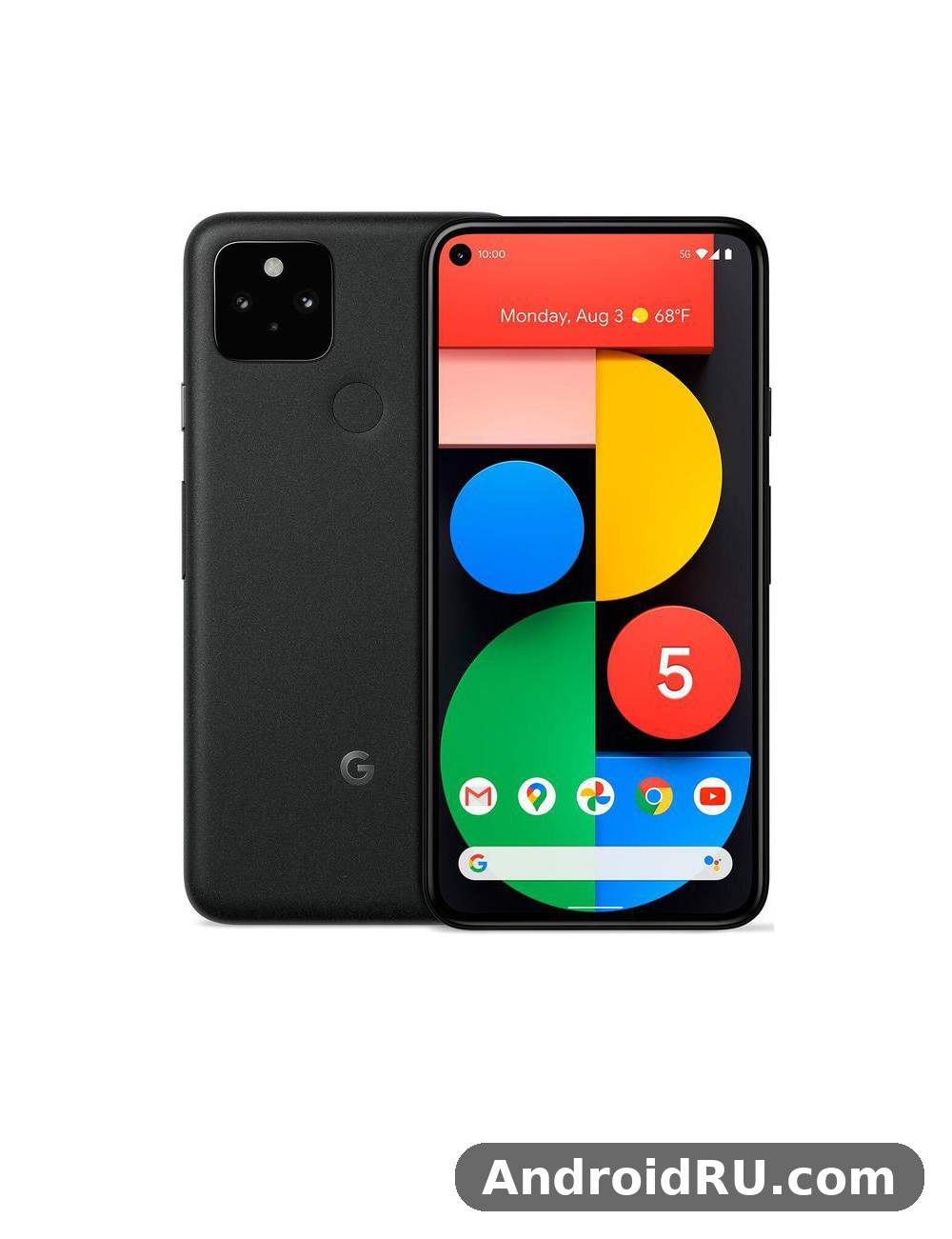
At first glance the Pixel 5 looks plain, almost too plain for a flagship of its time. Pick it up, though, and the appeal becomes clear. The aluminium body feels warm and solid, the 6.0-inch screen is easy to reach across, and the whole phone slips into a pocket without a fight. For anyone tired of oversized handsets, the Google Pixel 5 battery life, the Pixel 5 camera quality and the simple day-to-day feel of the phone are the three things that matter most, and this review looks at all three in detail.
This article also covers the complete Pixel 5 specifications, a side-by-side look at close rivals, and the practical questions buyers still ask: how long the battery really lasts, whether the phone still makes sense in 2026, and who should buy one second hand. Every figure here comes from the published specifications for the model released in October 2020, with Android 11 on board at launch and Android 14 as its final major update.
Design That Fits in One Hand
The Pixel 5 design story starts with size. At 144.7 mm tall, 70.4 mm wide and 8 mm thick, with a weight of about 151 grams, it is noticeably smaller and lighter than most phones sold in 2020. That matters more in daily life than any benchmark number. A phone this size can be used one-handed on a crowded train, held for a long video call without a tired wrist, and carried in a jacket pocket without dragging it down. Google clearly aimed the Pixel 5 at people who wanted a phone that disappears into the day rather than dominating it.
The front is almost all screen. A small hole-punch camera sits in the top-left corner of the 6.0-inch OLED panel, and the bezels are slim and even on all four sides. There is no notch, no curved glass spilling over the edges, and no gimmick fighting for attention. The flat display also makes screen protectors easy to fit and keeps accidental touches at the edges to a minimum, a small detail that owners of curved-screen phones will appreciate right away.
Colour choices stayed simple: Just Black and Sorta Sage. The sage green finish, a soft muted green with a matte texture, became the signature look of the phone. Both finishes share the same understated character. This is a phone for people who prefer a tool over a fashion statement, and the design holds up well because it never leaned on a trend that could date quickly.
Aluminium Body and Everyday Grip
The Pixel 5 aluminium body gives the phone a firm, cool-to-the-touch feel that plastic phones cannot match. Google coated the metal with a thin bio-resin layer, so the surface feels soft and slightly textured rather than slippery. The result is a Pixel 5 compact phone with a 90Hz OLED display that stays comfortable to hold for long stretches, even without a case. Fingerprints show less on the matte finish than on glossy glass backs, and the phone survives the usual knocks of pocket life with fewer visible marks.
One clever detail hides under that coating. The aluminium shell has a cut-out behind the wireless charging coil, covered by the resin layer, so the metal body does not block wireless charging. It is a neat piece of engineering: the phone keeps the strength and feel of metal while still supporting 12W wireless charging and reverse wireless charging for accessories. Few phones of this era managed that combination.
The power button and volume rocker sit on the right edge, within easy reach of a thumb. The power button has a slightly different texture and, on the Sorta Sage model, a subtle green tint, so it can be found by feel alone. The bottom edge holds a USB-C port and a speaker, while the top edge is clean. There is no 3.5 mm headphone jack, so wired headphones need a USB-C adapter or a Bluetooth pair, which was already the direction most flagship phones had taken by 2020.
Durability is helped by Pixel 5 IP68 water resistance, which covers dust and water resistance. In plain terms, the phone is built to survive a splash, a rainy walk or a brief accidental dip, though no rating makes a phone waterproof in every situation and water damage is still something to avoid. Gorilla Glass 6 protects the front, and the aluminium frame adds rigidity that helps the phone resist bending in a tight pocket.
Display and the 90Hz Difference
The Pixel 5 display is a 6.0-inch OLED panel with a resolution of 1080 x 2340 pixels and a 90Hz refresh rate. The Pixel 5 screen size is 6 inches diagonally, and that resolution gives a sharpness of around 432 pixels per inch, so text looks crisp and photos show fine detail without any visible pixel grid. OLED technology brings deep blacks, because individual pixels switch off completely, and strong contrast that makes movies and photos look rich, especially in a dark room.
The Pixel 5 display refresh rate of 90Hz is the feature most people notice first. Scrolling through a news feed, a social timeline or a long web page feels visibly smoother than on a standard 60Hz screen. Animations open and close with less stutter, and the whole interface feels more responsive, even though the underlying processor is a mid-range chip rather than a top-tier one. The Pixel 5 90Hz OLED display was a meaningful step up in 2020, and it remains a pleasant daily feature now.
Colour reproduction leans accurate rather than oversaturated. Google offers display modes that let the user choose between natural, boosted and adaptive colour, so the screen can be tuned to taste. The adaptive mode adjusts to the content on screen, while the natural mode suits photo editing and anyone who wants colours to look true to life. Viewing angles are wide, with little colour shift when the phone is tilted, which helps when sharing a photo or a video with someone sitting beside you.
Brightness and Outdoor Use
Outdoor visibility is solid for a phone of this age. The OLED panel reaches brightness levels that keep text readable in bright daylight, and the high contrast of OLED helps in sunlight where washed-out LCD panels struggle. Automatic brightness adapts quickly when moving from indoors to outdoors, and the screen stays legible under a cloudy sky or in a bright office. In very harsh direct sunlight the panel cannot match the peak brightness of newer flagship screens, so shading the display with a hand still helps on the brightest days, but for normal outdoor use, maps, messages and photos remain easy to see.
Night use is another quiet strength. The OLED panel can dim very low without the grey glow that LCD screens show in the dark, and the dark theme across Android turns most menus black, which saves power and is easier on the eyes late at night. The always-on display option shows the time, date and notification icons without waking the full screen, and it uses very little power because only a few pixels are lit.
Screen Size and One-Handed Reach
The 6.0-inch size hits a sweet spot for Pixel 5 one-handed use. Most people can reach the top of the screen with a small shift of grip, and the notification shade can be pulled down with a swipe on the rear fingerprint sensor, a classic Pixel gesture that saves a stretch. The keyboard is easy to thumb-type on, and the phone balances well in the hand rather than feeling top-heavy, which is a common complaint with larger glass phones.
For reading, the screen is large enough for long articles and ebooks without constant scrolling, and the 19.5:9 aspect ratio suits video well, with only small black bars on most clips. Split-screen multitasking works, though the narrower width means two apps side by side feel tighter than on a 6.7-inch device. That is the trade-off of a compact phone, and for buyers who value pocketability over a tablet-sized screen, it is a trade worth making.
Fingerprint Sensor and Buttons
The Pixel 5 fingerprint sensor sits on the back of the phone, centred just below the camera module. The placement is natural: the index finger lands on it the moment the phone is picked up, and unlocking becomes a single motion rather than a separate step. The sensor is fast and reliable, working with dry or slightly damp fingers in most cases, and it doubles as a gesture pad for pulling down notifications.
Rear placement has its fans and its critics. It cannot unlock the phone while it lies flat on a desk, which in-display sensors can do, but it is consistent and avoids the hit-and-miss accuracy that early in-display sensors suffered from. Face unlock is not present on the Pixel 5, so the fingerprint sensor and the PIN or pattern are the main ways in, and the sensor is accurate enough that most owners rarely think about it, which is the best compliment a security feature can earn.
The physical buttons feel firm, with a clear click and no wobble. The volume rocker is a single long button, and the power button sits above it, easy to distinguish by texture. Accidental presses are rare because the buttons sit flush enough not to catch on a pocket lining, yet proud enough to find without looking. Small details like this add up across months of daily use.
Battery Life in Real Daily Use
Battery life is the area where the Pixel 5 quietly beats many phones that cost more. The 4080mAh battery is not the largest on paper, but the combination of a power-efficient Snapdragon 765G chip, a 1080p display and clean Android software means the phone sips power rather than gulping it. Google rated the phone for up to 48 hours with Extreme Battery Saver switched on, and while that mode limits background activity, the headline points to a real strength: this phone was built to last a day and then some.
In normal Pixel 5 daily use, with messaging, email, maps, music streaming and a couple of hours of social apps, the Pixel 5 commonly ends the day with charge to spare. Lighter users, who mostly call, text and browse, often report reaching bedtime with 30 to 40 percent remaining, and some stretch to a second morning on a single charge. Heavier use, such as hours of video streaming, navigation with the screen on, or a long video call, will drain the battery faster, but the phone still tends to reach the evening without an emergency top-up, which is the practical test most buyers care about.
The Pixel 5 battery life story also benefits from adaptive battery features. Android learns which apps are used often and limits background activity for the rest, so a rarely opened app does not keep waking the phone. The always-on display, the 90Hz refresh rate and 5G connectivity each add a small drain, and owners who want maximum endurance can turn the refresh rate down to 60Hz or switch off 5G in areas where the signal is weak, since a phone hunting for a faint 5G signal uses more power than one settled on a strong 4G connection.
How Long Does the 4080mAh Battery Last?
Putting a single number on Pixel 5 battery life is tricky, because usage patterns vary so much, yet the pattern across owner reports is consistent. A typical day of mixed use, including around four to five hours of screen-on time, usually leaves the phone above 20 percent by late evening. Screen-on time is the most useful yardstick: the Pixel 5 commonly delivers five to seven hours of screen-on time on Wi-Fi, and a little less on mobile data, which is strong for a compact phone with a 4080mAh cell.
Video playback is efficient thanks to the OLED panel and the hardware video decoder in the Snapdragon 765G. An hour of streamed video at moderate brightness typically uses roughly a tenth of the battery, so a long flight or train journey is manageable without a power bank. Gaming is the heaviest load, with demanding 3D titles draining the battery noticeably faster and warming the phone, though casual games and puzzles have a much smaller effect.
Standby drain is low, which matters overnight. Left unplugged with Wi-Fi on and a few notifications coming in, the Pixel 5 usually loses only a few percent across eight hours, so the morning alarm is never a gamble. That low idle drain is one reason the phone earned a reputation as a reliable daily companion rather than a phone that needs babysitting with chargers and power banks.
Battery health after years of use is a fair question for anyone buying a Pixel 5 second hand in 2026. Lithium batteries lose capacity with age and charge cycles, so a Pixel 5 that has been charged daily since 2020 will not hold quite what it did when new. A battery health check, where available, or a simple test of a full day of normal use, is worth doing before buying a used unit. A fresh battery replacement, where offered by a repair shop, can restore much of the original endurance.
Charging: 18W Wired and 12W Wireless
Pixel 5 charging speed is 18W wired over USB-C with USB Power Delivery. That is modest next to the 30W, 65W or faster charging seen on later phones, and a full charge from empty takes around an hour and a half with a suitable charger. A short top-up still helps: roughly half an hour on the charger adds a useful chunk of charge, enough for several hours of light use, so a quick plug-in while getting ready in the morning is a practical routine.
The phone ships with a USB-C to USB-C cable in the box, and it works with standard USB-PD chargers. Using a higher-wattage PD charger will not push the phone past its 18W limit, so there is no need to buy a special high-power brick for this model. The USB-C port also supports data transfer and USB On-The-Go for accessories, and the Pixel 5 charging speed of 18W wired keeps heat low, which is kinder to long-term battery health than very fast charging.
Pixel 5 wireless charging runs at up to 12W with a compatible Qi charger, and the Pixel Stand accessory adds features such as a photo frame mode and quick access to Google Assistant routines while the phone charges. Placing the phone on a charging pad at a desk or bedside table turns charging into a habit rather than a chore, and the phone is easy to grab and put back without fumbling for a cable. Wireless charging is slower than wired charging and generates a little more heat, so it suits overnight or desk use rather than a rushed top-up.
Reverse Wireless Charging in Practice
Pixel 5 reverse wireless charging, which Google calls Battery Share, lets the Pixel 5 act as a charging pad for other devices. Place a pair of Pixel Buds, another Qi-compatible phone or a smartwatch on the back of the Pixel 5, switch Battery Share on, and power flows from the phone to the accessory. The transfer is slow, at a few watts, so it will not refill a dead phone quickly, but it is genuinely useful for topping up earbuds on a journey or giving a friend’s phone a small boost.
Battery Share switches off automatically when the Pixel 5 battery drops low, so the phone does not drain itself flat helping another device. It also pauses while the Pixel 5 itself is charging on a cable in some situations, which keeps the logic simple. For owners of wireless earbuds, this is one of those features that gets used more often than expected, especially while travelling, where one charger and one phone can look after several small devices.
Battery Habits That Help
A few simple habits stretch Pixel 5 battery life further without changing how the phone is used. Keeping screen brightness on automatic, rather than pinned at maximum, saves a noticeable amount of power, because the display is the largest single drain. Turning off the always-on display overnight, or scheduling it, helps too, as does limiting location access for apps that do not need it running in the background.
Adaptive Battery and Battery Saver are worth leaving on. Adaptive Battery learns usage patterns over a few days, while Battery Saver, which can be set to switch on automatically at a chosen percentage, trims background sync, vibration and some visual effects. Extreme Battery Saver goes further, pausing most apps and keeping only the essentials running, which is ideal for a long day away from a charger or a festival weekend.
Software updates also play a role. Android 14, the final major update for this model, includes power management improvements over Android 11, so keeping the phone on its latest available software is one of the easiest ways to keep battery behaviour healthy. Clearing out apps that are no longer used, and checking the battery usage screen to spot an app causing Pixel 5 battery drain in the background, usually finds the culprit faster than any third-party battery app.
Usability and Clean Android Software
Usability is where the Pixel 5 makes its strongest case. The phone runs clean Android without the duplicate apps, heavy skins or advertising that fill many other handsets. Menus are simple, settings are where they are expected to be, and the interface stays fast because there is little extra software competing for resources. For people who want a phone that simply works, without learning a new layout or dismissing pop-ups, the Pixel 5 software experience is a genuine selling point.
The compact size feeds into usability too. Reaching the notification shade, typing with one thumb, and carrying the phone in a small pocket all feel natural. The haptic feedback is precise, with a short, crisp vibration for key presses and gestures, and the stereo speakers, using the earpiece and a bottom-firing speaker, are clear enough for video calls and casual video watching, though they lack the bass of larger phones.
Call quality is strong, with clear microphones and good noise handling, and the Pixel 5 call screening feature, which lets Google Assistant answer unknown callers and show a live transcript, remains one of the most practical Pixel-only tools. Spam call handling, Hold for Me in supported regions, and live captioning for media all add small daily conveniences that do not appear on a specification sheet yet shape how the phone feels to live with.
Android 11 to Android 14
The Pixel 5 launched with Android 11 and received updates through to Android 14, which is its final major Android version. That update path brought several visible changes: Android 12 introduced the Material You design with larger, rounded interface elements and colours drawn from the wallpaper, Android 13 refined privacy controls and notification permissions, and Android 14 added further battery and accessibility improvements. The phone therefore feels far newer in software than its 2020 launch date suggests.
Security updates continued beyond the major version updates, and Pixel phones have traditionally received timely monthly patches while in support. Buyers in 2026 should check the current patch level on any used unit, since the phone is now beyond its guaranteed update window and will not receive new Android versions. The software on the final build is stable and complete, but anyone who needs the newest Android features or the longest future support should weigh that against the low second-hand price.
The update experience itself is part of the Pixel appeal. Updates arrive directly from Google, without waiting for a manufacturer skin or a carrier-branded delay, and the A/B partition system installs them in the background, so the phone only needs a quick restart to finish. That smooth update process is one reason the Pixel 5 Android 14 update felt painless compared with the long waits owners of other brands often face.
Pixel-Only Features Worth Using
Several Pixel-only features make the phone feel smarter than its hardware suggests. Call Screen answers unknown numbers, asks the caller to state their purpose, and shows a transcript in real time, so spam calls can be dismissed without picking up. Recorder transcribes conversations on the device, which is useful for interviews, lectures and meetings, and the transcription works without an internet connection.
Live Caption adds captions to any video or audio playing on the phone, including podcasts and voice messages, which helps in noisy places or for accessibility. Now Playing identifies songs heard nearby and keeps a history, without sending recordings away from the device. The Personal Safety app can detect a possible car crash and offer to call emergency services, and it can share location with chosen contacts during a solo journey.
Google Assistant is deeply integrated, with quick access from a squeeze of the phone sides in earlier Pixels replaced here by a long press of the power button or a voice command. Assistant can read messages aloud, control smart home devices, set reminders and answer questions, and its voice typing, where supported, is fast and accurate. These features run on the Titan M security chip, which stores sensitive data such as passwords and payment information in dedicated hardware.
Performance With Snapdragon 765G
The Snapdragon 765G is an octa-core chip built on a 7 nm process, with one fast Kryo 475 Prime core, one Kryo 475 Gold core and six efficiency cores, paired with an Adreno 620 graphics processor. On paper it sits below the Snapdragon 865 that powered many 2020 flagships, yet in daily use the difference is smaller than the numbers suggest. Apps open quickly, scrolling stays smooth at 90Hz, and the clean software means the chip is not fighting background bloat.
The “G” in the name marks the chip as tuned for gaming, with slightly higher graphics clocks and driver support for smoother play in supported titles. Casual games run without fuss, and popular competitive titles play at sensible settings. Demanding 3D games at maximum graphics will push the chip and warm the phone, and frame rates will dip sooner than on a flagship chip, but the Pixel 5 was never aimed at hardcore mobile gamers, and for the audience it serves, the Pixel 5 Snapdragon 765G performance is well matched to the phone.
The 5G modem is integrated into the Snapdragon 765G platform, which helps power efficiency compared with the separate 5G modems used in some rivals. Pixel 5 5G sub-6 support covers the widespread form of 5G in most countries, covering cities and towns with good indoor reach. It does not support the very short-range mmWave 5G found in a few markets, so peak speeds in those specific locations will be lower, but for everyday 5G use, downloads, streaming and video calls, sub-6GHz is the band that matters most.
Gaming and Everyday Apps
Everyday apps are where the Pixel 5 feels at home. Messaging, email, banking, maps, music and photo apps all launch promptly and switch without delay. The 8GB of RAM keeps several apps in memory, so returning to a browser tab or a map does not force a reload. Web pages render quickly, and the 90Hz screen makes even simple scrolling feel polished, which lifts the whole experience beyond what the chip specifications alone would suggest.
Gaming on the Pixel 5 is best at balanced settings. Titles such as casual puzzle games, card games and popular battle royale games at medium graphics run smoothly, and the compact body is easy to hold for a long session. Long gaming sessions will warm the upper part of the phone and use the battery faster, so a case with good grip helps, and lowering the graphics settings a notch usually restores a steady frame rate without hurting the look of the game much.
8GB RAM and Multitasking
Pixel 5 8GB RAM is generous for a phone of this class and helps the Pixel 5 age well. Switching between a navigation app, a music app and a messaging app happens without reloading, and split-screen use, while tight on a 6.0-inch display, works without stutter. Pixel 5 128GB storage holds a large photo library, offline maps and a good set of apps, though there is no microSD slot, so storage cannot be expanded. That single storage option means buyers should check how much space a used unit has free, and use cloud backup or a computer transfer for large video files.
Storage speed is UFS 2.1, which is fast enough for app installs and photo saving, though not as quick as the UFS 3.0 storage in some rivals. In practice the difference shows up mainly in large file transfers and heavy game installs, not in opening everyday apps. The fixed 128GB capacity suits most users, and the lack of a microSD slot keeps the body sealed for the IP68 rating, which is a fair exchange for a phone built to survive splashes.
Cameras: Small Hardware, Strong Software
Google has long proved that camera quality depends as much on software as on sensor size, and the Pixel 5 is a clear example. The rear camera setup uses two lenses: a 12.2MP main camera with optical image stabilisation and a 16MP ultrawide camera. There is no telephoto lens, so zoom is digital, yet the photos the phone produces, especially in low light, regularly embarrassed phones with larger sensors and longer specification lists.
The main camera uses a Sony IMX363 sensor with large 1.4-micron pixels and an f/1.7 aperture, paired with dual-pixel autofocus. Large pixels gather more light, which helps in dim restaurants, evening streets and indoor rooms. Optical stabilisation keeps the lens steady for longer exposures, and the software then combines several frames into one clean image. The result is a Pixel 5 camera quality that holds up well in 2026 for social photos, family pictures and travel snaps.
Computational photography does the heavy lifting. HDR+ captures a burst of underexposed frames and merges them, keeping bright skies and dark shadows in the same shot. Night Sight extends this to very dark scenes, turning a barely visible street into a clear photo with natural colours. Portrait mode uses software depth mapping to blur the background, and the ultrawide lens adds a new perspective for landscapes and tight interiors. The camera app itself is simple, with modes laid out in a single row and settings kept to a minimum, so taking a good photo rarely needs more than a tap.
Main Camera and Night Sight
The 12.2MP main camera is the workhorse of the Pixel 5. In daylight it produces sharp photos with accurate colours, good dynamic range and natural skin tones. The HDR+ processing avoids the over-sharpened, over-saturated look that some phones apply, so photos look close to what the eye saw. Detail holds up when cropping, and the dual-pixel autofocus locks on quickly, even on moving subjects such as children or pets.
Pixel 5 Night Sight is the feature that made Pixel cameras famous, and on the Pixel 5 it remains impressive. In a dark street or a dimly lit room, Night Sight takes a series of short exposures and merges them, brightening shadows without turning the photo into a washed-out daylight fake. Colours stay believable, noise stays low, and text on signs remains readable. Handheld use works for exposures of a few seconds, and placing the phone on a stable surface unlocks Pixel 5 astrophotography mode for longer exposures of the stars, where the phone can capture the night sky in surprising detail.
Pixel 5 portrait mode benefits from the dual-pixel data and the software depth map. Edge detection around hair and glasses is generally good, and the blur looks natural rather than painted on. The phone also offers a portrait lighting adjustment after the shot, and the 12.2MP main camera with Night Sight handles indoor portraits well, where many phones struggle with warm artificial light. For family photos and everyday portraits, the main camera is the lens that will be used most, and it rarely disappoints.
Ultrawide Camera and Video
The Pixel 5 ultrawide camera covers a 107-degree field of view, which is wide enough for a group photo in a small room, a sweeping landscape, or a tall building photographed from close range. Ultrawide photos show a little softness at the corners, which is normal for this type of lens, and the colours match the main camera closely, so switching between lenses in the same scene does not produce a jarring change in tone.
Pixel 5 video recording reaches 4K at 30 frames per second, and 1080p at up to 60 frames per second, with electronic and optical stabilisation working together. The stabilisation is smooth enough for walking shots, and the cinematic pan mode slows panning for a steadier look. Audio is recorded in stereo, and the phone handles wind noise reasonably well for a compact device. Video quality is good rather than class-leading: colours are natural, exposure adjusts smoothly, and the lack of a telephoto lens means zoomed video relies on digital cropping, which softens detail at longer ranges.
The ultrawide lens also supports video, which is useful for action shots and for filming in tight spaces. Slow-motion video, time-lapse and a stabilised cinematic mode round out the options, and the simple interface means switching between photo and video is a single swipe. Readers who want to compare how later Pixels built on this foundation can look at the Google Pixel 6 Review: Photo Quality, Video and Performance, which covers the next generation of Pixel camera hardware and processing.
Selfie Camera and Portrait Mode
The front camera is an 8MP unit with an f/2.0 aperture and a fixed focus, set into the hole-punch cut-out. Selfies are sharp in good light, with natural skin tones and good detail, and the portrait mode on the front camera blurs the background convincingly for a single lens. In low light the front camera relies on the screen to light the face, which works for a quick shot but cannot match the rear Night Sight results.
Video calls are a strength, thanks to the clear microphone, the stable front camera and the compact size that makes holding the phone for a long call comfortable. The front camera records 1080p video at 30 frames per second, which is enough for calls and short clips, and the wide field of view fits two people into a selfie without an awkward stretch. Beauty modes are subtle by default, avoiding the plastic-skin look that some phones apply, and the results suit social profiles and video messages alike.
Full Specifications
The table below gathers the complete Pixel 5 specifications in one place. Figures are the published specifications for the model released on 15 October 2020. Where a detail varies by region, such as 5G bands, the common international configuration is shown, and buyers should check the official page for the exact variant sold in their country.
Google Pixel 5 Full Specifications Table
| Feature | Specification |
|---|---|
| Model | Google Pixel 5 |
| Release date | 15 October 2020 |
| Display | 6.0-inch OLED, 1080 x 2340 pixels, 90Hz refresh rate, HDR10+, Gorilla Glass 6 |
| Processor | Qualcomm Snapdragon 765G, octa-core, 7 nm |
| Graphics | Adreno 620 |
| RAM | 8GB |
| Storage | 128GB, no microSD card slot |
| Rear camera | 12.2MP main, f/1.7, dual-pixel autofocus, optical image stabilisation; 16MP ultrawide, f/2.2, 107-degree field of view |
| Front camera | 8MP, f/2.0, fixed focus, 1080p video at 30fps |
| Video recording | 4K at 30fps, 1080p at 60fps, gyro electronic stabilisation |
| Battery | 4080mAh, non-removable |
| Charging | 18W wired USB Power Delivery, 12W wireless Qi charging, reverse wireless charging (Battery Share) |
| Operating system | Android 11 at launch, final major update Android 14 |
| Connectivity | 5G sub-6GHz, 4G LTE, Wi-Fi 802.11ac, Bluetooth 5.0, NFC, GPS, USB-C 3.1 |
| Sensors | Rear fingerprint sensor, accelerometer, gyroscope, proximity, compass, barometer, ambient light |
| Water resistance | IP68 dust and water resistance |
| Body | Aluminium with bio-resin coating, Gorilla Glass 6 front |
| Dimensions | 144.7 x 70.4 x 8.0 mm |
| Weight | About 151 grams |
| Colours | Just Black, Sorta Sage |
| SIM | Nano-SIM and eSIM |
| Security | Titan M security chip, rear fingerprint sensor |
| Audio | Stereo speakers, no 3.5 mm headphone jack |
The specification list shows a deliberate balance rather than a race for the biggest numbers. The Snapdragon 765G, 8GB of RAM and 128GB of storage were mid-range flagship choices in 2020, while the 90Hz OLED display, the IP68 rating, wireless charging and the Pixel camera software were flagship features. That mix is why the phone still feels complete: nothing essential is missing, and the features that are present are well executed.
Connectivity, Sensors and Extras
Connectivity covers the essentials for a 2020 flagship and still serves well now. Wi-Fi 802.11ac handles home networks at full speed, Bluetooth 5.0 connects headphones, watches and car systems reliably, and NFC supports contactless payments through Google Pay, which works with the Titan M chip for secure transactions. GPS, GLONASS, Galileo and BeiDou positioning give accurate navigation, and the USB-C 3.1 port supports fast data transfer as well as charging.
The dual SIM setup, with a physical nano-SIM and an eSIM, is handy for travellers or for separating work and personal numbers on one phone. The eSIM can hold a second plan without a second plastic card, and switching between plans is done in settings. 5G support covers sub-6GHz bands, which are the common bands in most countries, and the phone falls back to 4G LTE smoothly where 5G is not available, without a noticeable pause.
Sensors include the usual accelerometer, gyroscope, compass and proximity sensor, plus a barometer and an ambient light sensor. The rear fingerprint sensor is the main biometric, and the Titan M chip keeps payment data, passwords and lock-screen credentials in dedicated hardware. Stereo speakers use the earpiece and a bottom speaker, and the phone supports the main audio codecs for Bluetooth headphones, so wireless listening is straightforward.
Google Pixel 5 vs Pixel 4a 5G vs Pixel 6
The Pixel 5 sits between two close relatives, and the choice between them depends on what matters most. The Pixel 4a 5G shares the same Snapdragon 765G chip and the same main camera, but comes in a larger plastic body with a bigger screen and no wireless charging or water resistance. The Pixel 6, released a year later, brings a new design, the first Google Tensor chip, a larger 6.4-inch display and a new 50MP main camera, but it is bigger, heavier and was priced higher at launch.
Against the Pixel 4a 5G, the Pixel 5 justifies its higher original price with the aluminium body, the IP68 rating, the 90Hz display, wireless charging and the larger 4080mAh battery. The 4a 5G has a 6.2-inch screen and a 3885mAh battery, so it is slightly larger and lasts a little less long, though it keeps a headphone jack that the Pixel 5 lacks. For buyers who want the most compact phone and the toughest body, the Pixel 5 is the better pick; for buyers who want the lowest price and a headphone jack, the 4a 5G still makes sense.
The Pixel 5 vs Pixel 6 debate turns on size and camera. The Pixel 6 camera, with its 50MP main sensor, captures more detail and handles zoom better, and the Tensor chip adds features such as Magic Eraser and faster on-device speech processing. The Pixel 5 answers with a smaller, lighter body, a rear fingerprint sensor that many owners prefer to the early in-display sensor on the Pixel 6, and a simpler, more pocket-friendly shape. Owners who value one-handed use often stay with the Pixel 5, while owners who want the newest camera and the longest software support lean towards the newer model.
What Changes Between the Three Models
| Feature | Pixel 4a 5G | Pixel 5 | Pixel 6 |
|---|---|---|---|
| Display | 6.2-inch OLED, 60Hz | 6.0-inch OLED, 90Hz | 6.4-inch OLED, 90Hz |
| Processor | Snapdragon 765G | Snapdragon 765G | Google Tensor |
| RAM / storage | 6GB / 128GB | 8GB / 128GB | 8GB / 128GB or 256GB |
| Main camera | 12.2MP + 16MP ultrawide | 12.2MP + 16MP ultrawide | 50MP + 12MP ultrawide |
| Battery | 3885mAh, 18W wired | 4080mAh, 18W wired, 12W wireless | 4614mAh, 30W wired, 21W wireless |
| Water resistance | None | IP68 | IP68 |
| Body | Plastic, 168 grams | Aluminium, 151 grams | Glass and aluminium, 207 grams |
| Fingerprint sensor | Rear | Rear | In-display |
| Launch Android | Android 11 | Android 11 | Android 12 |
| Final major update | Android 14 | Android 14 | Android 16 |
The table makes the Pixel 5 position clear. It is the compact, durable middle ground: the same camera and chip as the 4a 5G, with the build quality, display smoothness and wireless charging of a flagship, in a body smaller than either rival. The Pixel 6 wins on camera detail, charging speed and update length, but gives up the one-handed size that defines the Pixel 5. Readers comparing the wider Pixel family can also check the Google Pixel 6 Pro Review: Daily Performance and Key Features for the larger Tensor model, and the Google Pixel 4 XL Review: Screen Quality, Cameras and Charging for the bigger phone the Pixel 5 replaced in spirit.
Which One Makes Sense Now
Pixel 5 price in 2026 varies with condition and battery health, so the decision is mostly about price and size. A used Pixel 5 often costs less than a used Pixel 6, and for buyers who want a compact second phone, a travel phone or a simple daily handset, the saving is worth it. The Pixel 6 is the better buy for anyone who photographs often, wants the longest remaining software support, or needs faster charging. The Pixel 4a 5G suits buyers on the tightest budget who do not mind plastic and a 60Hz screen.
Software support is the main reason to think carefully. The Pixel 5 and the Pixel 4a 5G both end at Android 14, while the Pixel 6 continues further, so a buyer planning to keep the phone for three more years should weigh that difference. For a one- or two-year purchase, or as a secondary device, the Pixel 5 remains a sensible choice, especially when the price is low and the battery is healthy. A 4080mAh battery that comfortably lasts a full day and a camera that still produces reliable photos are the two facts that keep the Pixel 5 relevant long after its launch.
Pros and Cons
No phone is perfect, and the Pixel 5 is no exception. Its strengths cluster around size, battery, software and camera, while its weaknesses are the familiar trade-offs of a compact mid-range flagship: modest charging speed, no telephoto lens and a chip that was never the fastest on the market. Weighing the two sides honestly is the best way to decide whether the phone fits a particular buyer.
What We Like
- Compact, light aluminium body that is genuinely comfortable to use one-handed and easy to carry.
- Strong Pixel 5 battery life from the 4080mAh cell, with low standby drain and a full day of normal use.
- Excellent Pixel 5 camera quality for the price, with Night Sight, HDR+ and a useful 16MP ultrawide lens.
- Clean Android software with Pixel-only features such as Call Screen, Recorder transcription and Live Caption.
- 90Hz OLED display that makes scrolling and animations feel smooth without hurting battery life much.
- IP68 water resistance, 12W wireless charging and reverse wireless charging in a metal body.
- Rear fingerprint sensor that is fast, accurate and easy to find by touch.
- 5G sub-6GHz support and 8GB of RAM, which help the phone stay usable for everyday tasks.
The list shows why the phone earned loyal owners. Each strength touches daily life directly: the size makes the phone pleasant to hold, the battery removes range anxiety, the camera delivers in low light, and the software stays out of the way. Few phones at this price combine all four, and the combination is greater than any single feature on its own.
What Could Be Better
- 18W wired charging is slow by modern standards, and a full charge takes around an hour and a half.
- No telephoto camera, so zoom beyond 2x relies on digital cropping and loses detail.
- Snapdragon 765G is a mid-range chip, and heavy 3D games at maximum settings will show its limits.
- No microSD slot and only one storage option at 128GB, so heavy video users must manage space.
- No 3.5 mm headphone jack, so wired headphones need a USB-C adapter or a Bluetooth connection.
- No face unlock, and the rear fingerprint sensor cannot unlock the phone while it lies on a desk.
- Software support ends at Android 14, so the phone will not receive new Android versions.
- Speakers are clear but lack bass, and the 6.0-inch screen feels small for split-screen work.
Most of these drawbacks are trade-offs rather than faults. The slow charging and the mid-range chip keep the price and the heat down, the missing telephoto lens keeps the camera module small, and the fixed storage keeps the body sealed for water resistance. Buyers who need fast charging, long zoom or the newest Android version should look at a newer model, and the Google Pixel 4 Review: Display Quality, Speed and Daily Use shows how the earlier Pixel generation handled the same balance of size and power. For the audience the Pixel 5 was built for, the cons are manageable and well understood before purchase.
Who Should Buy the Google Pixel 5?
The Pixel 5 suits a clear type of buyer: someone who wants a small, well-made phone with a great camera and clean software, without paying flagship money. It is a good fit as a main phone for light to moderate users, as a second phone for travel, or as a first smartphone for someone who values simplicity over raw power. The compact size also appeals to buyers with smaller hands, to runners and cyclists who carry a phone in a pocket or armband, and to anyone who has grown tired of phones that need two hands and a large bag.
Photography fans on a budget will find a lot to like. Night Sight, the ultrawide lens and the reliable main camera cover most everyday scenes, from family gatherings to holidays, without needing a separate camera. The clean software appeals to people who dislike heavy manufacturer skins, and the Pixel-only features, from Call Screen to Recorder, add practical value that does not show up in a specification table.
Best Fit for Compact Phone Fans
Compact phone fans are the natural audience for the Pixel 5. The market for small phones has shrunk year by year, and the Pixel 5 is one of the last well-rounded compact Android phones with a flagship-level camera and water resistance. If pocketability and one-handed use top the wish list, few phones at this price match it, and the 151-gram weight makes it easy to forget the phone is even there until it is needed.
Buyers coming from a larger phone should try holding a Pixel 5 before deciding, because the smaller screen is the biggest adjustment. Reading and video are still comfortable, but split-screen multitasking and large spreadsheets feel tighter. For most daily tasks, though, the smaller screen is a fair price for the comfort, and the 90Hz refresh rate keeps the experience feeling modern rather than cramped.
Who Should Look Elsewhere
Heavy gamers should look at a phone with a faster chip, a larger battery and better cooling, because the Snapdragon 765G will show its limits in demanding titles and the 4080mAh cell will drain quickly under sustained load. Buyers who record a lot of 4K video or store large offline libraries should also consider a phone with more storage or a microSD slot, since 128GB fills up faster than expected once video is involved.
Anyone who needs the longest possible software support should choose a newer Pixel instead. The Pixel 5 ends at Android 14, and while the final software is stable, it will not gain new Android features. Readers weighing that choice can compare with the Google Pixel 7 Review: Design, Software and Camera Quality, which covers a newer Pixel with a longer update promise and a larger screen. For buyers who keep a phone for four or five years, that extra support can matter more than the compact size.
More About the Pixel 5: Price, Specs and Everyday Questions
These extra answers cover the questions readers ask most about the Pixel 5, from price and specifications to the camera, battery life and everyday use.
Pixel 5 Price, Release Date and Specifications
The Pixel 5 specs cover a Snapdragon 765G chipset, 8GB of RAM and a 4,080 mAh battery, which we cover in detail in the specifications section above. The Pixel 5 storage options are limited to 128GB, with no larger tier offered. A Pixel 5 trade in can cut the cost of your next phone, and the value depends on the phone’s condition and storage size. The Pixel 5 price in USA started at $699 for the base model at launch. The Pixel 5 price and specifications together explain the value case: you pay for the camera and the clean software, so buy at a low used price. The Pixel 5 specifications and price are both covered above, so compare them with the previous Pixel before deciding. The Pixel 5 price in India varies by retailer and storage option, so check local listings for the current street price.
Pixel 5 Camera, Display and Performance
The Pixel 5 night mode, known as Night Sight, brightens low-light photos without a flash and keeps detail in the shadows. A Pixel 5 camera test in low light shows the Night Sight processing keeping detail without harsh noise. The Pixel 5 display quality is strong for its class, with good brightness outdoors and accurate colours. This Pixel 5 performance review finds everyday speed smooth, with the chipset only showing its limits in long gaming sessions. This Pixel 5 camera review finds the main sensor reliable in most light, with the supporting lenses adding real flexibility. The Pixel 5 night sight photos keep detail in dark scenes without a flash, which is where this phone beats many rivals. The Pixel 5 call screen feature screens unknown callers for you and shows a live transcript before you answer.
Pixel 5 Battery Life and Charging
The Pixel 5 overheating reports mostly involve long gaming sessions or hot weather, and the phone slows down to protect itself. In a Pixel 5 battery life test with mixed use, browsing, video and messaging, the phone gets through a full day with charge to spare. This Pixel 5 battery review finds a full day of use realistic, with heavier days needing an evening top-up. The Pixel 5 wireless charging speed is slower than wired charging, so use a pad overnight and a cable when you are in a hurry. A Pixel 5 battery drain overnight fix starts with checking battery use in Settings, then turning off background data for the worst apps. A Pixel 5 overheating problem fix starts with closing heavy apps and moving out of direct sun, then checking for a software update. Does Pixel 5 have wireless charging? Yes, it works with standard Qi chargers and pads. A Pixel 5 battery health check starts in Settings, under Battery, where usage by app shows what is draining the phone.
Pixel 5 SIM, Security and Everyday Use
The Pixel 5 eSIM support lets you add a second line without a physical SIM card, which is handy for travel. The Pixel 5 software update support runs for 3 years from launch, covering security patches and feature drops. The Pixel 5 dual SIM setup pairs a physical nano-SIM with an eSIM, so you can keep two numbers on one phone. To learn how to take a screenshot on Pixel 5, press the power and volume-down buttons together, then find the image in Photos. The Pixel 5 fingerprint sensor not working usually means a dirty sensor or a poorly registered finger, so clean the area and re-register your finger.
The Pixel 5 eSIM setup runs through Settings, then Network and internet, then SIMs, where you can add a plan by scanning a QR code. The Pixel 5 dual SIM support combines a nano-SIM with an eSIM, so two numbers can share one phone. Does Pixel 5 support 5G? Yes, on most carriers, using sub-6GHz and mmWave bands where they are available. Is Pixel 5 waterproof? Not fully, no phone is truly waterproof, but the IP68 rating covers rain, splashes and brief immersion.
Pixel 5 Accessories, Repairs and Buying Advice
A Pixel 5 screen protector is worth fitting, because it guards the display against scratches and small drops. A Pixel 5 case adds grip and drop protection, and clear cases show off the phone’s colour. Is Pixel 5 worth buying? For most buyers the answer is yes only as a cheap used phone, because the camera still holds up even though software support has ended or is nearly over. The Pixel 5 pros and cons are simple: the camera and software are strong, while charging speed and gaming power lag behind rivals. This Pixel 5 full review covers the camera, display, performance, battery and software, so you can judge the whole phone. The Pixel 5 screen replacement cost varies by repair shop and region, so get a quote before booking a repair.
Frequently Asked Questions
These are the questions buyers ask most often about the Pixel 5, answered with the published specifications and the long-term owner experience in mind. They cover buying in 2026, battery life, charging and updates, which are the four topics that decide most purchases.
Is the Google Pixel 5 still worth buying in 2026?
Yes, for the right buyer and at the right price. The Pixel 5 still offers a compact aluminium body, a 90Hz OLED display, a dependable 12.2MP camera with Night Sight, and clean Android 14 software. It suits light to moderate users, compact phone fans and anyone who wants a reliable second phone. Buyers should check battery health on a used unit, confirm the phone is not carrier locked, and accept that software support ends at Android 14. At a low second-hand price, with a healthy battery, the Pixel 5 remains good value; at a price close to a used Pixel 6 or Pixel 7, the newer model is the better buy.
How long does the Google Pixel 5 battery last?
The 4080mAh battery commonly lasts a full day of mixed use, with five to seven hours of screen-on time on Wi-Fi and a little less on mobile data. Light users often end the day with 30 to 40 percent remaining, while heavy video streaming, navigation or gaming will drain it faster. Standby drain is low, usually only a few percent overnight. Battery Saver and Extreme Battery Saver can stretch the phone to a second day when needed, and keeping the software on its latest build helps power management stay efficient.
Does the Google Pixel 5 support wireless charging?
Yes. The Pixel 5 supports 12W wireless charging with a compatible Qi charger, despite its aluminium body, thanks to a cut-out behind the charging coil covered by the resin coating. It also supports reverse wireless charging, called Battery Share, which can top up earbuds, a watch or another Qi-compatible phone from the back of the Pixel 5. Wired charging runs at 18W over USB-C with USB Power Delivery, and a full wired charge takes around an hour and a half.
Will the Google Pixel 5 get more Android updates?
No. The Pixel 5 launched with Android 11 and its final major update is Android 14. Google provided monthly security updates during the support window, but the phone will not receive new Android versions beyond Android 14. The final software is stable and complete, with Material You design, privacy controls and Pixel features included, so the phone remains usable, but buyers who need the newest Android features or the longest future support should choose a newer Pixel model instead.
Does the Google Pixel 5 have a microSD card slot?
No. The Pixel 5 comes with 128GB of internal storage and no microSD slot, so storage cannot be expanded. The 128GB capacity suits most users for apps, photos and offline maps, but heavy video recording and large game installs can fill it up. Regular cloud backup, transferring videos to a computer, and removing apps that are no longer used are the practical ways to keep space free on this model.
The Pixel 5 earns its reputation the quiet way. It never had the fastest chip, the biggest screen or the longest zoom, yet it combined the pieces that shape daily life into a small, durable package: a comfortable aluminium body, a smooth 90Hz OLED display, a battery that lasts the day, a camera that shines after dark, and clean Android software that stays out of the way. Years after its October 2020 release, that balance still makes sense for buyers who value usability over spectacle.
For anyone shopping second hand, the checks are simple: confirm the battery holds a full day, test the rear fingerprint sensor and both cameras, check that the screen has no burn-in, and confirm the phone runs Android 14 with its latest available security patch. A clean, well-kept Pixel 5 at a fair price is a clean Android experience with long software support in a size that is increasingly hard to find, and for compact phone fans, that is reason enough to give it a serious look.

