

Google Pixel 4 XL Review: Screen Quality, Cameras and Charging
The Google Pixel 4 XL arrived in October 2019 as Google’s big-screen flagship, and years later it still sparks the same debate it did at launch: a phone with one of the best cameras of its generation, a fast 90Hz OLED screen, and a battery that asked buyers to make compromises. It was the last Pixel to carry the Soli radar, the first to drop the fingerprint sensor entirely, and one of the most characterful phones Google ever shipped. That mix of bold ideas and rough edges is exactly why people still search for it today.
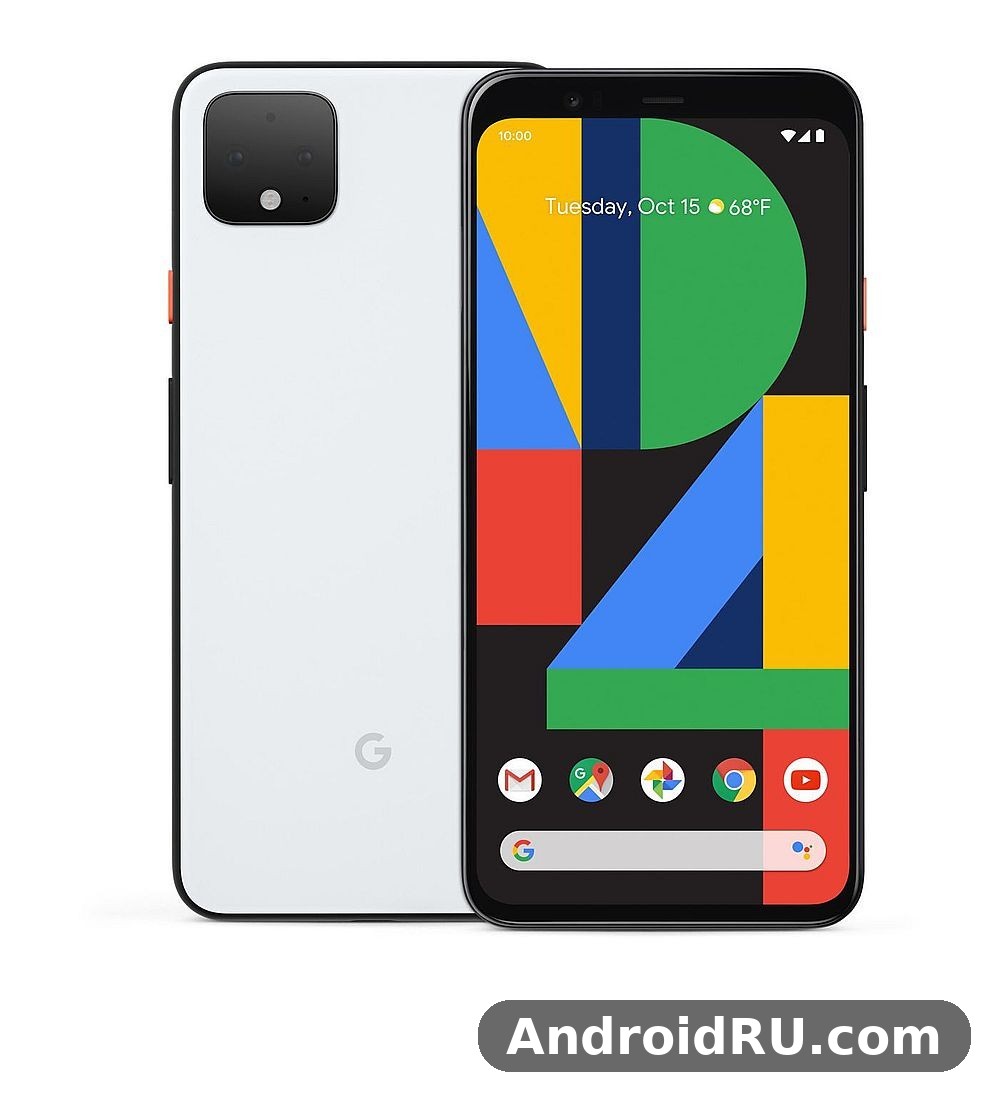
This review looks at the three things the title promises — screen quality, cameras, and charging — and then widens the lens to design, performance, software, and the full specification sheet. The goal is practical: if you are weighing a used Pixel 4 XL in 2026, or comparing it with the smaller Pixel 4 and the older Pixel 3 XL, you should finish this page knowing where it shines, where it falls short, and what it will cost you in daily use.
A quick note on framing. The Pixel 4 XL is a released phone from 2019, not a rumour or a leak, and its story is complete: it launched on Android 10 and its final official update was Android 13. That matters, because much of the buying decision now comes down to software support, battery health on a used unit, and whether the camera still earns its reputation against newer mid-range phones.
Screen Quality: A 6.3-Inch 90Hz OLED That Still Feels Smooth
The centrepiece of the Pixel 4 XL is its 6.3-inch OLED display with a 1440 x 3040 resolution and a 90Hz refresh rate. On paper that combination was a flagship statement in 2019: sharp text, deep blacks, and motion that looks a step smoother than the 60Hz panels most phones still used. In practice, the Google Pixel 4 XL screen quality holds up well for reading, video, and browsing, because the high resolution keeps small text crisp and the OLED panel delivers the contrast that makes photos and dark interfaces look rich.
The 90Hz refresh rate is the screen’s defining feature. Pixel 4 XL 90Hz OLED display behaviour is worth understanding before you buy. The phone does not hold 90Hz all the time; it drops to 60Hz in dim light and in some apps to save power, and early software made that switching more aggressive than owners liked. A later update let the high refresh rate stay on more often at lower brightness. The result is a screen that feels fluid when you scroll through a feed or a long article, and ordinary when it decides to save battery. If you have only ever used 60Hz phones, the difference is easy to notice in the first hour. If you are coming from a modern 120Hz phone, 90Hz feels like a comfortable middle ground rather than a revelation.
What the 90Hz Display Does in Daily Use
Scrolling is where the refresh rate earns its keep. Long web pages, social feeds, and app drawers move with less judder, and the touch response feels a touch more immediate. Games that support high refresh rates benefit too, though the catalogue of 90Hz games in 2019 was small and the phone’s thermal limits meant long sessions could push the frame rate down. For everyday use — email, maps, messaging, reading — the smoothness is a quiet quality-of-life gain rather than a headline feature, and that is probably the right way to judge it.
Resolution is the other half of the story. At 1440 x 3040 across 6.3 inches, the pixel density sits around 537 pixels per inch, which is higher than most phones sold today at this size. Fine print in documents, small interface text, and detailed photos all look clean, with no visible pixel structure at normal viewing distance. The panel is a P-OLED unit, so viewing angles are good and colours stay consistent when the phone is tilted, with only a mild shift at extreme angles that most owners never notice.
Brightness, Colour and the Big Forehead
Pixel 4 XL display brightness outdoors is adequate rather than outstanding. Peak brightness lands in the region of 400 to 450 nits in typical use, with a boost in bright sunlight, which is enough for maps and messages on a sunny day but a step behind the brightest panels of later years. Under direct sun the screen stays readable, though reflections on the glass are more visible than on phones with stronger anti-reflective coatings. Indoors and at night the panel is a pleasure: deep blacks, controlled brightness steps, and a night mode that keeps the screen comfortable without washing colours out.
Colour handling follows Google’s usual approach. The default Natural profile aims for accuracy, while the Adaptive and Boosted profiles add saturation for people who prefer punchier images. Video looks good in either mode, and photos taken on the phone’s own camera look natural on the screen rather than artificially vivid. One design detail divides opinion to this day: the large forehead bezel at the top of the display. It houses the front camera, the time-of-flight sensor, and the Soli radar, and it means there is no notch or hole punch interrupting the screen. Some people love the clean rectangle; others see wasted space next to the slim chin at the bottom. Either way, the forehead is the price of the face unlock system, and it is worth deciding whether you mind it before you buy.
90Hz or 60Hz: The Battery Trade-Off
Every discussion of Pixel 4 XL battery drain with 90Hz enabled comes back to the same trade-off. The higher refresh rate draws more power, and on a 3,700 mAh battery that cost is real. Owners who forced 90Hz on all the time reported shorter days, while those who let the phone manage the rate got closer to a full day of moderate use. The sensible approach is to leave the automatic switching on and accept that the phone will choose smoothness when it can afford it and endurance when it cannot. If battery life is your top priority, dropping to 60Hz manually is a legitimate option, and the screen still looks sharp — you lose the fluid motion, not the resolution.
Design, Build and the Soli Radar
The Pixel 4 XL is a glass and metal phone with a soft-touch matte finish on the back, a polished frame, and a square camera module in the top corner that became the visual signature of the Pixel 4 line. It feels solid in the hand at 193 grams, with a size of 160.4 x 75.1 x 8.2 mm that puts it firmly in large-phone territory. One-handed use is possible for short tasks, but reaching the top of the screen needs a hand shift, and the phone is best thought of as a two-handed device for typing and camera work.
Build quality is a strong point. The matte glass resists fingerprints far better than the glossy backs of its rivals, the buttons have a firm click, and the orange power button on the white and orange models adds a small splash of character. The phone carries an IP68 rating for dust and water resistance, so rain and accidental splashes are not a worry, though it is not designed for swimming or prolonged submersion. There is no headphone jack — Google had already moved on from it — so wired listening needs a USB-C adapter or USB-C headphones, and most owners will use Bluetooth earbuds instead.
Glass, Metal and the Orange Accent
Google sold the Pixel 4 XL in three colours: Just Black, Clearly White, and the limited Oh So Orange finish that became the most recognisable of the three. The orange model pairs a vivid back with a black frame and a contrasting power button, and it still stands out in a sea of black slabs. The white model keeps the same black frame, which gives the phone a two-tone look from the front. Whichever colour you find on the used market, the matte back ages gracefully, picking up fewer visible scratches than glossy glass, though a case is still wise for a phone with glass on both sides.
Stereo speakers sit at the top and bottom of the phone, and Pixel 4 XL speaker quality is genuinely good for its era: clear dialogue in videos, enough volume for a kitchen or a desk, and a reasonable amount of bass for a phone. The earpiece doubles as one channel, which is why calls sound full, and the bottom-firing speaker handles the rest. It will not replace a small Bluetooth speaker, but for podcasts, video calls, and YouTube it is more than adequate.
Face Unlock and the Soli Radar
The Pixel 4 XL has no fingerprint sensor at all. Instead it uses face unlock backed by the Soli radar chip, a small sensor that detects when your hand is reaching for the phone and wakes the face unlock system before you even look at it. In practice the system is fast: pick the phone up, glance at it, and it is open, often before you have consciously registered the lock screen. It works in the dark, works at odd angles, and works with glasses and hats, because it builds a depth map of the face rather than relying on a flat photo.
Pixel 4 XL face unlock with the Soli radar also powered Motion Sense, a set of air gestures that let you wave a hand over the phone to skip a music track, silence a call, or dismiss an alarm. The gestures worked, but they were limited in number and never grew into the broader system Google had hinted at, and later Pixels dropped Soli entirely. The radar also had regulatory limits in some countries, where Motion Sense was disabled. For a buyer in 2026 the honest summary is this: face unlock is the star, Motion Sense is a curiosity, and the absence of a fingerprint sensor means you cannot fall back to a finger when face unlock is inconvenient — for example, when the phone is lying flat on a desk and you want to check a notification without picking it up.
Cameras: The Dual Rear System That Defined the Pixel 4 XL
If the screen is the first thing you notice, the camera is the reason most people remember the Pixel 4 XL. The rear system pairs a 12.2-megapixel main camera with optical image stabilisation and a wide f/1.7 aperture with a 16-megapixel telephoto camera offering 2x optical zoom. It was Google’s first dual rear camera on a Pixel, and it arrived with the computational photography that had already made the single-camera Pixel 3 famous. The result is a camera that still produces excellent photos in 2026, especially in difficult light, even though newer phones have moved on in resolution and zoom range.
The main camera’s strength is consistency. Point it at a scene and the photo usually comes out well exposed, with natural colours and plenty of detail, without needing to adjust settings or tap through modes. Google’s HDR+ processing merges several frames into one, which tames bright skies and lifts shadows in the same shot. That processing is invisible to the user — you press the shutter and the phone does the work — and it is the reason so many Pixel 4 XL camera samples from low light still look good years later. The phone does not chase the most saturated or most sharpened image; it aims for a believable one, and that restraint ages well.
The 12.2MP Main Camera
Pixel 4 XL camera samples in low light show where the main sensor earns its keep. The large aperture and optical stabilisation let the phone gather more light per shot, and Night Sight stacks exposures to produce bright, detailed images in scenes where the naked eye struggles. Street scenes at night, dim restaurants, and evening portraits all come out usable, with controlled noise and colours that stay true rather than turning orange under street lighting. It is not magic — very dark scenes still show grain, and moving subjects can blur — but for a phone from 2019 the low-light output remains competitive with many mid-range phones sold years later.
Daylight photography is the camera’s comfort zone. Landscapes hold detail from foreground to horizon, skies keep their gradation instead of blowing out to white, and foliage renders with texture rather than turning into a green smear. The 12.2-megapixel resolution is modest by modern standards, and heavy cropping will show its limits, but for sharing online, printing at normal sizes, and viewing on a screen, the files are more than sufficient. Dynamic range is the quiet hero here: the phone routinely saves both the bright window and the dark room in the same frame, which is the difference between a snapshot and a keeper.
The 16MP Telephoto and 2x Zoom
The telephoto camera gives the Pixel 4 XL a genuine 2x optical zoom, and Google’s Super Res Zoom extends that to usable digital zoom well beyond 2x by combining multiple frames. Portraits benefit most: the longer focal length flatters faces, the background blur looks natural, and the phone’s depth mapping separates hair and glasses from the background better than many single-camera rivals of the time. For travel photography the zoom is practical too — a detail on a building, a sign across the street, a performer on a stage — all become reachable without walking closer.
Zoom quality holds up to about 4x or 5x in good light, after which softness creeps in. That is a fair result for a 2x optical base, and it compares well with phones that relied on digital zoom alone. The telephoto sensor is smaller and slower than the main sensor, so in dim light the phone often prefers to crop from the main camera instead, which is the right call for image quality even if it feels like a compromise. Knowing that behaviour helps set expectations: the zoom is a daylight tool first and a low-light tool second.
Front Camera, Portraits and Night Sight
The front of the phone carries an 8-megapixel camera alongside a time-of-flight sensor that helps with depth mapping and face unlock. Pixel 4 XL front camera selfies are sharp and natural, with good skin tones and a portrait mode that blurs the background convincingly. The wide field of view fits groups without a selfie stick, and the depth sensor helps the phone keep the edge of hair and clothing separate from the background. Video calls look clean, and the front camera handles backlit scenes — a bright window behind you — better than many rivals, thanks to the same HDR processing as the rear camera.
Night Sight deserves its own mention because it changed what people expected from a phone camera at night. Where older phones produced dark, noisy images after sunset, the Pixel 4 XL could produce a bright, detailed photo of a city street, a campsite, or a dimly lit room. Astrophotography mode, which arrived with the Pixel 4 line, takes the idea further: mount the phone on a tripod, point it at the sky, and it captures stars that the eye can barely see. It is a niche feature, but it shows how far computational photography had come, and it remains a fun reason to take the phone out on a clear night.
Astrophotography and Super Res Zoom
Astrophotography mode works by taking a long series of exposures — up to several minutes in total — and stacking them into a single image of the night sky. The results can show the Milky Way, constellations, and far more stars than a single handheld shot could capture. It needs a tripod or a stable surface and a dark sky, so it is not an everyday tool, but it is the kind of feature that turns a phone into a conversation piece. Super Res Zoom, meanwhile, is the everyday counterpart: it quietly improves every zoomed shot by aligning and merging frames, so the 2x and 3x photos you take on holiday look sharper than a simple digital crop would. Together the two features sum up the Pixel 4 XL camera philosophy — clever software doing work that the hardware alone could not.
Performance and Software: Snapdragon 855 and Clean Android
The Pixel 4 XL runs on the Qualcomm Snapdragon 855, paired with 6GB of RAM and either 64GB or 128GB of storage. In 2019 that was a flagship combination, and in 2026 it remains capable for the tasks most people actually do: messaging, browsing, maps, streaming, photography, and light gaming. Apps open quickly, multitasking between a handful of apps is smooth, and the clean Android interface keeps the phone feeling responsive in a way that heavier software skins sometimes do not. The 6GB of RAM is the honest limit — heavy multitaskers who juggle a dozen apps and a big game will see apps reload more often than on a modern phone with 8GB or 12GB — but for ordinary use it is enough.
Pixel 4 XL Snapdragon 855 performance in games is solid for its age. Popular titles from its era run well at high settings, and the 90Hz display makes supported games feel fluid. Sustained gaming is where the limits show: the chip warms up under a long session, the frame rate can dip, and the battery drains quickly. Short bursts of play are fine; a two-hour session is where you will notice the phone getting warm and the battery meter moving faster than you would like. For a buyer who games occasionally rather than competitively, that is an acceptable trade.
Snapdragon 855 and 6GB of RAM in 2026
Judged against the phones of 2026, the Snapdragon 855 is a mid-range performer rather than a flagship one, and that is exactly how it should be treated. Everyday tasks feel fast because the software is light and the storage is quick, but demanding apps, large photo edits, and the newest games will take longer than on a current chip. The practical test is simple: if your day is built around communication, media, and photography, the phone keeps up. If your day is built around heavy gaming or 4K video editing, a newer phone will serve you better. The 128GB storage option is the one to look for on the used market, because 64GB fills up fast once you count the system, a photo library, and a few large apps — and there is no microSD slot to expand it.
Storage deserves a careful look before you buy used. Pixel 4 XL 64GB versus 128GB storage is a real decision, not a footnote, because the phone has no microSD card slot and no way to add space later. The 64GB model leaves roughly 50GB usable after the system, which is workable if you stream music and video and back photos up to the cloud, but tight if you keep offline maps, large games, and years of photos on the device. The 128GB model costs more on the used market and is worth the difference for most buyers. Either way, check the storage health and the battery health of any used unit before paying, because a phone of this age can hide a tired battery behind a clean screen.
Android 10 to Android 13: The Update Story
The Pixel 4 XL launched on Android 10 and received updates through Android 13, which was its final major version. That update history is both a strength and a limit. On the strength side, the phone got three major Android versions and years of monthly security patches, which is more than most Android phones of its era received. On the limit side, Pixel 4 XL software update support has ended, so it no longer receives new Android versions or monthly security patches from Google. Apps will keep working for a long time — the Play Store still supports Android 13 — but the phone will gradually fall behind on new features and, over time, on security fixes.
For a buyer in 2026 that means a clear-eyed choice. If you want a secondary phone, a camera-first device, or a cheap way into the Pixel photography experience, the ended support is a manageable trade. If you want a primary phone that will stay current for years, a newer Pixel is the better buy. That comparison is where the wider Pixel family comes in: the Google Pixel 5 Review: Design, Battery Life and Usability covers the successor that traded the radar for a fingerprint sensor and a bigger battery, and it is a useful next read if the update question matters to you.
Battery Life and Charging: 3,700 mAh, 18W Wired and 11W Wireless
Battery life is the Pixel 4 XL’s most debated feature, and the honest answer is that it depends heavily on how you use the phone. The 3,700 mAh battery is modest for a 6.3-inch phone with a 90Hz display, and heavy users — long video sessions, navigation, gaming, and a bright screen — will reach the charger before bedtime. Moderate users, with a mix of messaging, browsing, calls, and photography, can expect a full day with a small reserve, especially if the display is left on automatic refresh rate and brightness. The phone is not a two-day device, and anyone promising that is overselling it.
The numbers behind that judgement are straightforward. Pixel 4 XL battery life of 3,700 mAh has to drive a large, high-resolution, high-refresh screen and a flagship chip, and the maths was tight even in 2019. Screen-on time in mixed use typically lands in the range of four to six hours, with the lower end for heavy use and the higher end for lighter days. Standby drain is well controlled — the phone sips power overnight — so the battery you lose is the battery you spend on the screen. If you buy used, remember that a battery of this age may hold less than its original capacity, and a fresh battery transforms the experience more than any setting tweak.
How Long the 3,700 mAh Battery Lasts
A typical day breaks down like this. A morning of messages, news, and a commute with maps and music takes roughly a quarter of the battery. A working day of email, calls, and browsing takes another third. An evening of video and photography takes the rest. Heavy camera days — a day out taking photos and using Night Sight — drain faster, because the camera and the processing behind it are power-hungry. The adaptive battery feature helps by learning which apps you use and limiting background activity for the ones you do not, and it is worth leaving on. So is adaptive brightness, which keeps the screen no brighter than it needs to be.
There are practical ways to stretch the day. Turning the refresh rate down to 60Hz, keeping brightness on automatic, and limiting background data for apps you rarely open all add up to a meaningful gain. Battery Saver mode, which kicks in at low charge, extends the remaining hours by limiting background work and visual effects. None of these steps turns the phone into a battery champion, but together they are the difference between reaching the charger comfortably and watching the percentage fall in the late afternoon.
18W Wired and 11W Wireless Charging
Charging tops out at 18W wired and 11W wireless, and there is no faster option. The Pixel 4 XL supports 18W wired charging over USB Power Delivery, and Pixel 4 XL 18W fast charging time from empty to full takes roughly an hour and three quarters with the supplied charger. A half-hour top-up delivers about half a charge, which is enough to get through an evening, and the phone’s charging curve slows as it approaches full to protect the battery. There is no faster wired option — 18W is the ceiling — so if you are used to a modern phone that fills in half an hour, the Pixel 4 XL will feel unhurried.
Wireless charging runs at up to 11W with a compatible Pixel Stand or other Qi charger, which is convenient for a desk or a bedside table but slower than the wired connection. Pixel 4 XL wireless charging at 11W is best thought of as an overnight or desk-top habit rather than a quick top-up tool: set the phone down while you work, pick it up fuller than you left it. The phone also supports reverse wireless charging in a limited form through Battery Share, letting it top up earbuds or another phone slowly — a handy trick in a pinch, though it drains the Pixel’s own modest battery quickly. The charger in the box was an 18W USB-C unit, and any good USB Power Delivery charger of 18W or more will work the same way.
Full Specifications
The specification sheet below gathers the Pixel 4 XL’s hardware in one place. It is the reference section of this review: if you are comparing the phone with a rival, checking whether it has a feature you need, or confirming a detail before buying used, this is where to look. The headline figures are the 6.3-inch 1440p 90Hz OLED display, the Snapdragon 855 with 6GB of RAM, the dual rear camera with 2x telephoto zoom, the 3,700 mAh battery with 18W wired and 11W wireless charging, and the Soli radar face unlock system with no fingerprint sensor.
| Feature | Google Pixel 4 XL |
|---|---|
| Display | 6.3-inch P-OLED, 1440 x 3040, 90Hz, HDR support, ~537 ppi |
| Chipset | Qualcomm Snapdragon 855 (7 nm), octa-core |
| Graphics | Adreno 640 |
| RAM | 6 GB |
| Storage | 64 GB or 128 GB, UFS 2.1, no microSD slot |
| Rear cameras | 12.2 MP main (f/1.7, OIS, dual pixel PDAF) + 16 MP telephoto (f/2.4, 2x optical zoom, OIS) |
| Front camera | 8 MP (f/2.0) + time-of-flight sensor |
| Video | 4K at 30 fps, 1080p at up to 120 fps, gyro-EIS |
| Battery | 3,700 mAh, non-removable |
| Charging | 18W wired (USB Power Delivery), 11W wireless (Qi), Battery Share |
| Security | Face unlock with Soli radar, no fingerprint sensor |
| Water resistance | IP68 dust and water resistant |
| Connectivity | 5G: no; 4G LTE, Wi-Fi 5, Bluetooth 5.0, NFC, GPS, USB-C 3.1 |
| SIM | Nano-SIM + eSIM |
| Sensors | Soli radar, accelerometer, gyroscope, proximity, compass, barometer, ambient light |
| Audio | Stereo speakers, no 3.5 mm headphone jack |
| Dimensions | 160.4 x 75.1 x 8.2 mm |
| Weight | 193 g |
| Build | Glass front and back, aluminium frame, Gorilla Glass 5 |
| Operating system | Android 10 at launch, final official update Android 13 |
| Colours | Just Black, Clearly White, Oh So Orange |
| Release date | 22 October 2019 |
Connectivity, Sensors and Audio
Connectivity on the Pixel 4 XL is a snapshot of 2019 flagship standards. There is no 5G — the Snapdragon 855 generation predated mainstream 5G in Google’s phones — so the phone tops out at fast 4G LTE, which remains perfectly usable for streaming, calls, and browsing in most places. Wi-Fi 5 covers home and office networks, Bluetooth 5.0 handles headphones and wearables, and NFC supports contactless payments through Google Pay. The USB-C 3.1 port handles charging and data, and the dual SIM setup — a physical nano-SIM plus an eSIM — lets you carry two numbers, which is useful for travel or for separating work and personal lines.
The sensor list is where the phone stands apart from its peers. Alongside the usual accelerometer, gyroscope, compass, and barometer sits the Soli radar, a sensor no other mainstream phone of the era offered. The radar enables the fast face unlock and the Motion Sense gestures, and it is the reason the forehead bezel is as large as it is. The time-of-flight sensor on the front assists with depth mapping for portraits and face unlock. Together these sensors make the Pixel 4 XL one of the most sensor-rich phones Google ever built, even if some of the features they enabled never reached their full potential.
Audio is handled by stereo speakers and Bluetooth, with no headphone jack in sight. Pixel 4 XL headphone jack missing is a fact buyers should accept before purchase: wired headphones need a USB-C adapter, and the adapter in the box was a basic one. Bluetooth audio quality is good, with support for the common codecs of the era, and the stereo speakers are strong enough that many owners rarely reach for headphones at home. Call quality is clear, with noise reduction that keeps voices intelligible on a busy street, and the three-microphone array does a decent job of separating speech from background noise.
Google Pixel 4 XL vs Pixel 4 vs Pixel 3 XL
The Pixel 4 XL makes most sense when placed next to its closest relatives: the smaller Pixel 4, which shares its chip, cameras, and radar, and the Pixel 3 XL, the big Pixel it replaced. The three phones tell a clear story of Google’s priorities in 2018 and 2019 — better cameras and faster screens, at the cost of battery size and the fingerprint sensor. If you are choosing between them on the used market, the differences below matter more than the similarities.
| Feature | Pixel 4 XL | Pixel 4 | Pixel 3 XL |
|---|---|---|---|
| Display | 6.3-inch OLED, 1440p, 90Hz | 5.7-inch OLED, 1080p, 90Hz | 6.3-inch OLED, 1440p, 60Hz |
| Chipset | Snapdragon 855 | Snapdragon 855 | Snapdragon 845 |
| RAM | 6 GB | 6 GB | 4 GB |
| Rear cameras | 12.2 MP + 16 MP telephoto 2x | 12.2 MP + 16 MP telephoto 2x | 12.2 MP single |
| Front cameras | 8 MP + time-of-flight | 8 MP + time-of-flight | 8 MP + 8 MP wide |
| Battery | 3,700 mAh, 18W wired, 11W wireless | 2,800 mAh, 18W wired, 11W wireless | 3,430 mAh, 18W wired, 10W wireless |
| Security | Face unlock, Soli radar, no fingerprint | Face unlock, Soli radar, no fingerprint | Fingerprint sensor, no face unlock |
| Water resistance | IP68 | IP68 | IP68 |
| Launch OS | Android 10 | Android 10 | Android 9 |
| Final OS | Android 13 | Android 13 | Android 12 |
| Weight | 193 g | 162 g | 184 g |
Pixel 4 XL or the Smaller Pixel 4?
The choice between the two Pixel 4 models comes down to size and battery. The Pixel 4 XL has the larger, sharper screen and the larger battery, and in daily use the difference is obvious: the XL lasts noticeably longer and is kinder to tired eyes. The smaller Pixel 4 is easier to hold and pocket, but its 2,800 mAh battery is small even by 2019 standards, and heavy users will struggle to reach the evening. For most buyers the XL is the better pick, and the price gap on the used market is usually small. The Google Pixel 4 Review: Display Quality, Speed and Daily Use goes into the smaller phone in detail if you are drawn to its compact size.
Against the Pixel 3 XL, the Pixel 4 XL is a clear step forward in cameras and screen smoothness, and a step sideways in battery and security. The 3 XL keeps its fingerprint sensor, which many people prefer, and its battery is only slightly smaller, but its single rear camera lacks the telephoto zoom and its 60Hz screen feels less fluid. The 3 XL also stopped at Android 12, one version earlier than the 4 XL. If the telephoto camera and the 90Hz display matter to you, the 4 XL wins. If you want a fingerprint sensor and the lowest used price, the 3 XL still has a case to make.
Pros and Cons
Every phone is a set of trade-offs, and the Pixel 4 XL’s trade-offs are unusually clear. Its strengths are concentrated in the camera, the screen, and the software experience; its weaknesses are concentrated in the battery, the charging speed, and the end of software support. Weighing the two lists against your own priorities is the fastest way to decide whether this phone belongs in your pocket or on someone else’s shelf.
What the Pixel 4 XL Does Well
The camera still delivers. The 12.2MP main camera with Night Sight and the 16MP telephoto with 2x zoom produce photos that hold up against newer mid-range phones, especially in low light. Portraits look natural, dynamic range is strong, and the processing stays restrained rather than overcooked.
The 6.3-inch 1440p 90Hz OLED display is sharp, smooth, and pleasant for reading and video. The matte glass back and solid build feel premium, the stereo speakers are good, and the IP68 rating adds peace of mind. Clean Android with no bloatware keeps the phone feeling fast, and the face unlock system — when it works in your hands — is genuinely quick and works in the dark.
Where the Pixel 4 XL Falls Short
Battery life is the headline weakness. The 3,700 mAh cell is small for the screen it drives, and heavy users will need a midday top-up. Charging is slow by modern standards: 18W wired and 11W wireless mean a full charge takes well over an hour. There is no fingerprint sensor as a fallback, no microSD slot, no headphone jack, and no 5G. Software support has ended at Android 13, so the phone will not get new Android versions or monthly security patches. The large forehead bezel looks dated next to modern hole-punch designs, and Motion Sense never became the feature Google promised.
The used-market picture adds its own cautions. Pixel 4 XL overheating issues were reported by some owners during long gaming sessions and hot weather, and the battery in any unit you buy today is at least several years old. Check the battery health, test the face unlock, inspect the screen for burn-in, and confirm the phone is not carrier-locked before you pay. A clean, well-kept unit with a fresh battery is a different proposition from a tired one, and the price should reflect that.
Who Should Buy the Pixel 4 XL in 2026
The Pixel 4 XL suits a particular kind of buyer in 2026. If you love photography and want the Pixel camera experience — Night Sight, natural portraits, reliable HDR — at the lowest possible price, this phone delivers it. If you want a secondary phone for travel, a media device for the house, or a clean Android handset for a teenager’s first phone, the XL’s screen and camera make it a strong cheap option. It also suits collectors and Pixel fans who appreciate the Soli radar as a piece of phone history, and anyone who prefers a phone with no notch and no hole punch in the display.
It does not suit everyone. If you need all-day battery without thinking about it, a phone that will receive updates for years, 5G, or fast charging, look elsewhere. The Google Pixel 6 Review: Photo Quality, Video and Performance shows what the next generation of Pixel cameras brought, and the Google Pixel 6 Pro Review: Daily Performance and Key Features covers the larger flagship that followed it. For buyers on a tighter budget who still want current software, the Google Pixel 10a Review: Camera Quality, Battery and Value is worth reading before you decide — a newer budget Pixel may cost more up front and save you more in the long run through updates and battery life.
Best for Photography Fans on a Budget
For the photography-first buyer, the Pixel 4 XL’s case is simple: no other phone at its used price takes low-light photos this reliably, and the telephoto zoom adds a creative option that single-camera budget phones lack. Pair it with cloud backup for your photos, keep a charger at your desk, and the camera will reward you every day. For everyone else, the buying advice is to weigh the camera against the battery and the ended support, and to buy the 128GB model with a verified healthy battery — or to spend a little more on a newer Pixel and skip the compromises altogether.
More About the Pixel 4 XL: Price, Specs and Everyday Questions
These extra answers cover the questions readers ask most about the Pixel 4 XL, from price and specifications to the camera, battery life and everyday use.
Pixel 4 XL Price, Release Date and Specifications
The Pixel 4 XL price at launch was $899 for the base model, and it has since fallen at many retailers during sale events. The Pixel 4 XL specs cover a Snapdragon 855 chipset, 6GB of RAM and a 3,700 mAh battery, which we cover in detail in the specifications section above. Questions about the Pixel 4 XL release date come up often, because this model launched alongside the rest of its Pixel generation. The Pixel 4 XL storage starts at 64GB, with larger options available for buyers who keep a lot of photos and video on the phone. The Pixel 4 XL RAM is 6GB, which is enough for smooth multitasking and keeping apps open in the background. The Pixel 4 XL processor is the Snapdragon 855 chipset, which handles everyday apps and photography well.
The Pixel 4 XL storage options are 64GB and 128GB. A Pixel 4 XL trade in can cut the cost of your next phone, and the value depends on the phone’s condition and storage size. The Pixel 4 XL full specifications are listed in the specifications section above, from the display and chipset to the cameras and battery. The Pixel 4 XL price and specifications together explain the value case: you pay for the camera and the clean software, so buy at a low used price. The Pixel 4 XL specifications and price are both covered above, so compare them with the previous Pixel before deciding. The Pixel 4 XL price in India varies by retailer and storage option, so check local listings for the current street price.
Pixel 4 XL Camera, Display and Performance
The Pixel 4 XL Android software is clean, with no duplicate apps and no heavy skin over the system. The Pixel 4 XL night mode, known as Night Sight, brightens low-light photos without a flash and keeps detail in the shadows. The Pixel 4 XL video recording reaches 4K, with stabilization that keeps handheld clips smooth. The Pixel 4 XL portrait mode blurs the background behind your subject and works well for people and pets. A Pixel 4 XL camera test in low light shows the Night Sight processing keeping detail without harsh noise. The Pixel 4 XL display quality is strong for its class, with good brightness outdoors and accurate colours.
This Pixel 4 XL performance review finds everyday speed smooth, with the chipset only showing its limits in long gaming sessions. The Pixel 4 XL camera quality stands out in low light, where Night Sight keeps photos bright without a flash. This Pixel 4 XL camera review finds the main sensor reliable in most light, with the supporting lenses adding real flexibility. The Pixel 4 XL astrophotography mode works best on a tripod, capturing stars and the night sky over several minutes. The Pixel 4 XL night sight photos keep detail in dark scenes without a flash, which is where this phone beats many rivals. The Pixel 4 XL call screen feature screens unknown callers for you and shows a live transcript before you answer.
Pixel 4 XL Battery Life and Charging
In a Pixel 4 XL battery life test with mixed use, browsing, video and messaging, the phone gets through a full day with charge to spare. This Pixel 4 XL battery review finds a full day of use realistic, with heavier days needing an evening top-up. The Pixel 4 XL wireless charging speed is slower than wired charging, so use a pad overnight and a cable when you are in a hurry. A Pixel 4 XL battery drain overnight fix starts with checking battery use in Settings, then turning off background data for the worst apps. A Pixel 4 XL overheating problem fix starts with closing heavy apps and moving out of direct sun, then checking for a software update. Does Pixel 4 XL have wireless charging? Yes, it works with standard Qi chargers and pads. A Pixel 4 XL battery health check starts in Settings, under Battery, where usage by app shows what is draining the phone. How long does Pixel 4 XL battery last? Most owners get a full day from the 3,700 mAh cell, with lighter use stretching into a second day.
Pixel 4 XL SIM, Security and Everyday Use
The Pixel 4 XL eSIM support lets you add a second line without a physical SIM card, which is handy for travel. The Pixel 4 XL IP68 rating means the phone is protected against dust and immersion in water up to 1.5 metres for 30 minutes. The Pixel 4 XL dual SIM setup pairs a physical nano-SIM with an eSIM, so you can keep two numbers on one phone. To learn how to take a screenshot on Pixel 4 XL, press the power and volume-down buttons together, then find the image in Photos. The Pixel 4 XL eSIM setup runs through Settings, then Network and internet, then SIMs, where you can add a plan by scanning a QR code. The Pixel 4 XL dual SIM support combines a nano-SIM with an eSIM, so two numbers can share one phone. Does Pixel 4 XL support 5G? No, this model is 4G LTE only, since it launched before Google added 5G to the Pixel line. Is Pixel 4 XL waterproof? Not fully, no phone is truly waterproof, but the IP68 rating covers rain, splashes and brief immersion.
Pixel 4 XL Accessories, Repairs and Buying Advice
A Pixel 4 XL screen protector is worth fitting, because it guards the display against scratches and small drops. A Pixel 4 XL case adds grip and drop protection, and clear cases show off the phone’s colour. The Pixel 4 XL accessories worth considering are a case, a screen protector and a USB-C charger, since the box has no charger. Is Pixel 4 XL worth buying? For most buyers the answer is yes only as a cheap used phone, because the camera still holds up even though software support has ended or is nearly over. The Pixel 4 XL pros and cons are simple: the camera and software are strong, while charging speed and gaming power lag behind rivals. This Pixel 4 XL full review covers the camera, display, performance, battery and software, so you can judge the whole phone. The Pixel 4 XL screen replacement cost varies by repair shop and region, so get a quote before booking a repair.
Frequently Asked Questions
Does the Pixel 4 XL still get software updates?
No. The Pixel 4 XL launched on Android 10 and its final official update was Android 13, and Google no longer provides monthly security patches for it. Apps from the Play Store still work on Android 13, and the phone remains usable, but it will not receive new Android versions or security fixes. Buyers who need long-term update support should consider a newer Pixel instead.
Is the Pixel 4 XL battery good?
The 3,700 mAh battery gives a full day of moderate use — messaging, browsing, calls, and some photography — but heavy users will need to charge before bedtime. Screen-on time typically lands between four and six hours depending on brightness, refresh rate, and workload. A used unit may hold less than its original capacity, so battery health is the first thing to check before buying.
Does the Pixel 4 XL have a fingerprint sensor?
No, it does not. The Pixel 4 XL relies entirely on face unlock, backed by the Soli radar and a time-of-flight sensor. The system is fast and works in the dark, but there is no fingerprint fallback, which means unlocking the phone while it lies flat on a desk requires picking it up or typing a PIN.
Is the Pixel 4 XL waterproof?
The phone carries an IP68 rating, which means it is protected against dust and can survive immersion in shallow water for a limited time under lab conditions. In practice that covers rain, splashes, and accidental drops in water, but it is not designed for swimming, and water damage is not covered by warranty. Treat the rating as insurance against accidents, not an invitation to take the phone underwater.
How fast does the Pixel 4 XL charge?
Wired charging runs at 18W over USB Power Delivery, taking roughly an hour and three quarters from empty to full, with about half a charge in the first half hour. Wireless charging runs at up to 11W with a compatible Qi charger, which is slower and best suited to overnight or desk charging. There is no faster charging option on this phone, so a modern fast charger will not speed it up beyond 18W.

