

Samsung Galaxy Z Fold5 Review: Foldable Design and Everyday Performance
The Samsung Galaxy Z Fold5 arrived in August 2023 as the fifth generation of Samsung’s book-style foldable, and it is the model where the format finally started to feel finished rather than experimental. The headline change is the new Flex Hinge, which lets the two halves close completely flat with no visible gap, shaving the folded thickness to 13.4 mm and making the phone noticeably slimmer in a pocket than the Galaxy Z Fold4 it replaced. Under the hinge sits the same proven formula that made the Fold line popular: a 7.6-inch folding main display, a usable 6.2-inch cover screen, the Snapdragon 8 Gen 2 chipset, 12 GB of RAM, and a 50 MP triple rear camera. At a starting price of $1,799.99, this is still an expensive phone, so the real question is whether the hardware, the software, and the everyday experience justify that price, especially now that newer foldables have arrived and the Fold5 itself often sells for far less. The Galaxy Z Fold5 common problems and fixes are listed in the tips section, with the quick checks first and the deeper resets last. A Galaxy Z Fold5 water resistance test confirms the rating covers splashes and brief submersion, not every kind of water damage.
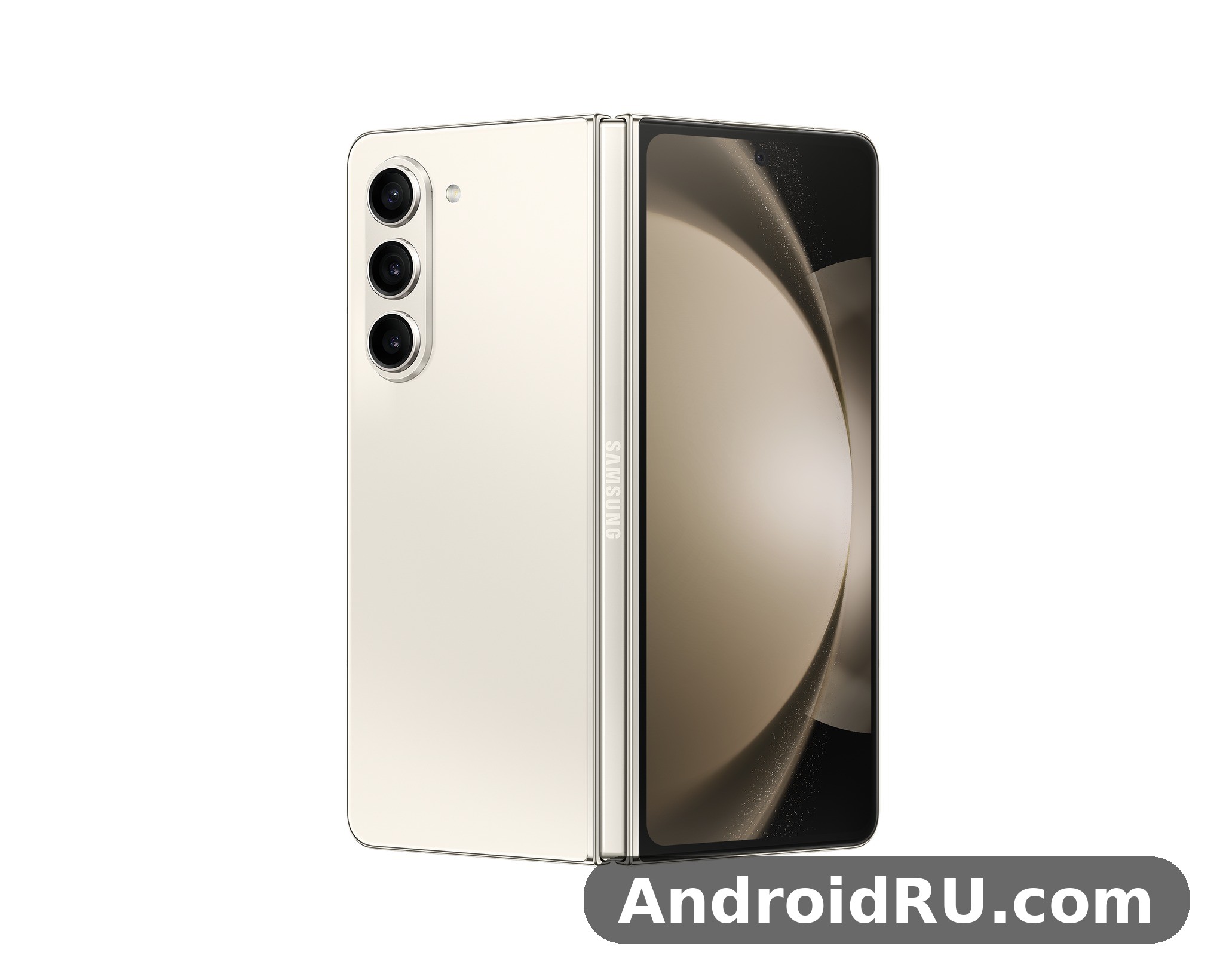
After living with the ideas behind this phone for a long time, the short answer is that the Fold5 remains a strong choice for people who want a tablet and a phone in one pocket, and a questionable one for people who only want a normal phone. Its biggest strength is the way the large inner screen changes ordinary tasks: reading, email, spreadsheets, video, and split-screen multitasking all feel roomier, and the cover screen is good enough that you do not need to unfold the phone for quick replies, navigation, or photos. Its biggest weakness is the set of compromises that come with any foldable of this generation: a 4,400 mAh battery that has to feed two 120 Hz displays, 25 W wired charging that feels slow next to rivals, and a 253 g body that is heavier and thicker than any regular flagship. This Galaxy Z Fold5 full review covers cameras, performance, battery and software as one daily device, not as separate launch figures. For a Galaxy Z Fold5 gaming test, the phone stays smooth in popular titles at sensible settings, though long sessions will warm it up.
This review covers every part of the Galaxy Z Fold5 that matters in daily use. It looks at the Flex Hinge design and build quality, the two displays, Snapdragon 8 Gen 2 performance and gaming, the 50 MP camera system, battery life and charging speed, One UI software and S Pen support, and the pros and cons that decide who should buy it. Where a number matters, the real specification is given, and where a claim depends on how you use the phone, the range of outcomes is stated honestly. The full specification sheet is folded into the same guide, so you can check any figure against the hands-on verdict without opening a second article. A Galaxy Z Fold5 drop test is best left to reviewers, but the glass and frame are built to survive everyday knocks.
Galaxy Z Fold5 Flex Hinge Design: A Foldable That Finally Closes Flat
The most important design change on the Galaxy Z Fold5 is the Flex Hinge, a redesigned dual-rail hinge that Samsung also calls a waterdrop hinge. On the Fold4, the two halves could not close fully, leaving a wedge-shaped gap near the hinge that collected dust and made the phone thicker when folded. The Fold5 closes with no gap at all, and the difference is obvious the moment you hold it: the folded phone measures 154.9 x 67.1 x 13.4 mm, against 15.8 mm at its thickest point for the Fold4, and it sits flat on a table instead of rocking. When open, it measures 154.9 x 129.9 x 6.1 mm, which is thin for a device with a 7.6-inch screen inside. The weight is 253 g, the same as the Fold4, so the slimmer profile comes from the hinge, not from lighter materials.
Build quality is flagship grade throughout. The frame is Armor Aluminum, the outer panels are Gorilla Glass Victus 2, and the phone carries an IPX8 rating, which means it can survive immersion in fresh water up to 1.5 metres for 30 minutes. There is still no official dust resistance rating, because a folding hinge cannot be sealed the way a slab phone can, so the Fold5 is water resistant but not dust proof, and that is a limit every buyer should understand. The hinge itself feels firm and smooth, holds its position at a range of angles for Flex Mode use, and Samsung rates the folding mechanism for 200,000 folds. In practice that works out to roughly 100 folds a day for more than five years, which is far beyond what most owners will do. The step forward from the previous generation is covered in detail in the Samsung Galaxy Z Fold4 Review: Screens, Hinge and Battery Life, which shows exactly what the gap in the old hinge cost in daily use.
How the zero-gap Flex Hinge changes daily use
A hinge that closes flat sounds like a small detail, but it changes three everyday things. First, the phone slides into a trouser pocket more easily and takes up less room in a bag, because the folded shape is a uniform slab instead of a wedge. Second, there is less room for dust and grit to work its way between the two halves of the main screen while the phone is in your pocket. Third, the phone feels more solid in the hand when folded, because the two halves meet evenly instead of flexing slightly at the hinge end. The crease in the middle of the main display is still visible under certain light and can be felt when a finger or S Pen crosses it, and anyone expecting a perfectly flat inner screen will be disappointed, but the crease is no more noticeable than on the Fold4, and most owners stop noticing it within a few days.
Hinge durability and the IPX8 rating in real life
Durability is the question every foldable buyer asks, and the honest answer for the Galaxy Z Fold5 is that the hinge and screens have held up well in long-term use, with two conditions. The inner display ships with a factory-fitted screen protector that must not be peeled off, because it is part of the display structure, and it can be replaced free of charge at a Samsung service centre if it bubbles or lifts. The outer glass and aluminum frame handle drops about as well as any large phone, though the tall, narrow folded shape means a drop onto a corner can still crack the cover screen. The IPX8 rating gives real peace of mind around rain, sinks, and pools, but sand and dust remain the enemy of any folding phone, so a case and a little care around beaches are worth having.
What the 253 g weight means when you carry the Fold5 all day
Weight is the ergonomic cost of the format. At 253 g, the Fold5 is heavier than any slab flagship, and holding it open in one hand for a long film or a long book gets tiring, so a stand, a case with a kickstand, or simply resting the phone on a table makes long sessions much easier. Folded, the weight sits in a narrow 67.1 mm wide body, which is easy to grip, and the uniform slab shape means it does not dig into a pocket the way a wedge-shaped phone can. Buyers who want the folding idea in a lighter, pocketable body should compare the clamshell approach in the Samsung Galaxy Z Flip6 Review: Folding Design, Cameras and Daily Use, which folds a smaller screen into half the height instead of unfolding a tablet-sized one.
Colours and materials on the Galaxy Z Fold5
Colours are Icy Blue, Phantom Black, and Cream in most stores, with Gray and Blue available as online exclusives from Samsung. Icy Blue is a pale blue with a matte finish, Phantom Black is the understated option, and Cream is a warm off-white. The frame and hinge cover match the body colour, and the camera housing is finished in the same tone. The matte finish resists fingerprints better than glossy glass, and the Armor Aluminum frame gives the phone a solid, dense feel in the hand that matches its flagship price.
Galaxy Z Fold5 Displays: 7.6-inch Main Screen and 6.2-inch Cover Screen
The Galaxy Z Fold5 has two displays, and the specifications of each one shape how the phone is used. The main display is a 7.6-inch Dynamic AMOLED 2X panel with a QXGA+ resolution of 2176 x 1812 pixels, which works out to about 373 pixels per inch, and an adaptive refresh rate from 1 Hz to 120 Hz. Peak brightness is 1,750 nits, a clear improvement over the Fold4, and the panel supports HDR10+. The nearly square 21.6:18 aspect ratio is unusual, and it is the reason the main display is so good for reading, documents, and split-screen work: two apps fit side by side at usable sizes, and a web page or PDF shows far more content than a normal phone screen. A Galaxy Z Fold5 screen brightness test shows the display staying readable outdoors, even in bright sunlight. The Galaxy Z Fold5 outdoor visibility holds up well, with the display staying readable even in bright sunlight.
The cover display is a 6.2-inch Dynamic AMOLED 2X panel with a resolution of 2316 x 904 pixels, which is HD+, and the same 120 Hz adaptive refresh rate. Its tall 23.1:9 aspect ratio makes it narrow enough for one-handed use, and it is bright enough for outdoor use in sunlight. The cover screen is the display you use for quick tasks, such as replying to a message, checking a map, or taking a photo, while the main display is for longer sessions. Both displays support the same colour profiles, and both are protected by Gorilla Glass Victus 2 on the cover side. The panel is a folding display, so it is covered by a soft plastic layer rather than glass, and it ships with a factory-fitted screen protector that should not be removed. For the Galaxy Z Fold5 how to screenshot shortcut, press the power and volume-down buttons together, and the captured image lands straight in your gallery.
Split-screen multitasking and the taskbar on the big display
Multitasking is where the Galaxy Z Fold5 earns its price. The taskbar along the bottom of the main display holds your recent and pinned apps, and dragging an app from the taskbar opens it in split screen or as a floating pop-up window. Three apps can run side by side, and the Multi Window feature remembers app pairs, so a browser and a notes app can be launched together with one tap. Drag and drop works between apps, so a photo can be dragged from the gallery into an email, and the S Pen Fold Edition, sold separately, turns the inner screen into a notepad. The 7.6-inch QXGA+ main display is what makes this possible: two apps side by side at genuinely usable sizes, a full desktop-style web page, and a spreadsheet or PDF you can actually work on.
For anyone who works from a phone, the taskbar and split-screen system are the features that matter most. A typical working layout is email on one side, a browser or document on the other, and a calculator or chat app floating above, and the phone keeps all three alive without reloading. The Flex Mode panel appears when the phone is half open, putting playback controls on the bottom half and video on the top half, which works well for video calls and for watching a film with the phone standing on a table. The one limit is app support: not every app handles the square screen or the switch from cover to main display gracefully, and a few older apps restart or resize awkwardly when the phone is unfolded. Samsung’s Labs settings can force most apps into split screen, which fixes the majority of cases.
Reading, video and split-screen comfort over long sessions
Long reading sessions are comfortable on the main display, because the large, bright panel and the thin 6.1 mm open profile make the phone feel more like a small book than a phone. Eye comfort mode reduces blue light in the evening, and the adaptive refresh rate keeps scrolling smooth without draining the battery as fast as a fixed 120 Hz panel would. Video is the one place the shape is a compromise: most 16:9 video plays with large black bars at the top and bottom, so the picture is closer to a 6-inch phone than to a tablet, but the brightness, contrast, and stereo speakers still make it a very good screen for watching films on a plane. HDR10+ video benefits from the high peak brightness and the deep blacks of the AMOLED panel, and streaming apps that support HDR show a clear difference in highlights and shadow detail. The Galaxy Z Fold5 best camera settings for everyday shooting are simple: keep the main lens clean, let the phone pick the mode, and save the manual controls for tricky light. In a Galaxy Z Fold5 camera test, daylight shots look clean and detailed, while low light is where the processing has to work hardest.
The cover display is a full Android screen, not a notification panel, so any app can run on it, and the phone switches between the cover and main displays without restarting the app in most cases. Typing on the narrow keyboard takes a day or two to get used to, and some apps with fixed layouts feel squeezed, but calls, messages, maps, music controls, and the camera all work well without unfolding. The 10 MP selfie camera set into the cover screen is the one you will use for most video calls, and the cover screen reaches the same high brightness as the main display in sunlight, so outdoor legibility is not a problem. The successor to this phone, with a wider cover screen and a thinner body, is covered in the Samsung Galaxy Z Fold6 Review: Cover Screen, Software and Cameras.
Galaxy Z Fold5 Performance: Snapdragon 8 Gen 2 and 12GB of RAM
Performance comes from the Snapdragon 8 Gen 2 for Galaxy, a slightly faster version of Qualcomm’s 2023 flagship chipset, paired with 12 GB of RAM and storage options of 256 GB, 512 GB, or 1 TB using fast UFS 4.0 storage. In daily use the phone is fast in the way that matters: apps open instantly, switching between a dozen apps does not cause reloads, and the interface stays smooth even with three apps on screen at once. The chipset is built on a 4 nm process and runs cooler than the Snapdragon 8 Gen 1 in the Fold4, so the Fold5 sustains high performance for longer before it needs to slow down to manage heat. There is no microSD card slot, so the storage size you buy is the storage size you keep.
The Snapdragon 8 Gen 2 for Galaxy is a 4 nm octa-core chipset with one Cortex-X3 prime core running at up to 3.36 GHz, two Cortex-A715 performance cores, two Cortex-A710 cores, and three Cortex-A510 efficiency cores, paired with the Adreno 740 GPU. The “for Galaxy” version runs its prime core slightly faster than the standard Snapdragon 8 Gen 2, and it is the same chipset family used in the Galaxy S23 range, so its performance is well documented. In benchmark terms it sits at the top of the 2023 Android range, and in everyday use it opens apps instantly, keeps a dozen apps in memory, and handles three apps on screen at once without slowing down. Memory is 12 GB of RAM on every storage model, which is enough for heavy multitasking on the large display, and storage is UFS 4.0, with sequential read speeds roughly twice as fast as the UFS 3.1 storage in the Fold4.
Galaxy Z Fold5 gaming performance and sustained speed
Gaming on the Galaxy Z Fold5 is strong, and the big inner display is a genuine advantage in games that support a wide or square layout, giving a broader view of the playing field than a normal phone. Demanding titles run at high settings with stable frame rates, and the large body spreads heat better than a thin slab phone, so long sessions stay comfortable. The phone does get warm during extended gaming, and the top half of the device is where the heat concentrates, but throttling is modest and frame rates stay playable. The Adreno 740 GPU supports hardware ray tracing in the small number of mobile games that offer it, and the vapour chamber cooling system is larger than the one in the Fold4, which helps sustain performance. The phone’s Game Booster software can cap frame rates and resolution to save battery during long sessions.
Battery drain during gaming is the real cost: an hour of a demanding game at high brightness can use roughly a fifth of the battery, so a power bank or a charger is worth carrying for long sessions. The cover screen is the better choice for quick games that need one hand, while the main display suits longer sessions and games with complex controls. The stereo speakers are loud and clear for a phone, with good separation when the phone is held open in landscape, and the haptics are precise. The Snapdragon 8 Gen 2 for Galaxy chipset also handles the camera workload, including 8K video recording and multi-frame night processing, without slowing the interface.
Storage choices: 256GB, 512GB or 1TB on the Galaxy Z Fold5
Choosing between the three storage options comes down to how much video, photo, and game data you keep on the phone. The 256 GB model holds tens of thousands of photos and a large app library with room to spare, and it is the best value for most buyers. The 512 GB model suits people who record a lot of 4K video or keep several large games installed, and the 1 TB model is for professionals who carry big files and want the phone to replace a tablet entirely. All three use the same fast UFS 4.0 storage, so app loading and file transfers are quick on every model, and cloud backup plus the USB-C 3.2 port, which supports fast wired file transfers, cover the cases where local storage runs short. Buyers who keep a phone for four or five years should consider the 512 GB model, because photos, video, and apps only grow larger over time.
Galaxy Z Fold5 Cameras: 50MP Main, 12MP Ultrawide and 10MP Telephoto
The rear camera system is a triple setup: a 50 MP main camera with optical image stabilisation, a 12 MP ultrawide camera, and a 10 MP telephoto camera with 3x optical zoom and optical image stabilisation. It is a capable system that takes sharp, well-exposed photos in daylight, with Samsung’s familiar vivid colour processing and strong dynamic range. Night mode works well, pulling detail out of dark scenes without turning them into mush, and the 3x telephoto is genuinely useful for portraits and for subjects you cannot walk closer to. The telephoto reaches 30x digital zoom, but image quality drops noticeably past 10x, so the useful range is 1x to 3x, with 10x acceptable in good light. Video goes up to 8K at 30 frames per second, with 4K at 60 frames per second the better everyday choice, and stabilisation is strong when walking.
The main camera is a 50 MP sensor with an f/1.8 aperture, dual pixel autofocus, and optical image stabilisation, and it uses pixel binning to combine four pixels into one for 12.5 MP photos with better light gathering. The ultrawide camera is a 12 MP sensor with an f/2.2 aperture and a 123-degree field of view, and it doubles as a macro camera for close-up photos. The telephoto camera is a 10 MP sensor with an f/2.4 aperture, 3x optical zoom, and optical image stabilisation. Together the three cameras cover focal lengths from ultrawide to 3x telephoto without a gap, which is the range most people use, though the Fold5 has no 10x periscope zoom, and that is the one camera specification where a slab flagship pulls ahead.
Galaxy Z Fold5 photo quality in daylight and at night
Daylight photos from the 50 MP main camera are sharp, with accurate white balance and plenty of detail for cropping, and the 12 MP ultrawide keeps straight lines reasonably straight for a wide lens. Colours lean vivid rather than neutral, which suits social media, and the phone’s processing handles high-contrast scenes well, keeping both sky and shadow detail. At night, the main camera uses a longer exposure and multi-frame processing to produce bright, clean images, and the ultrawide holds up better than expected in street lighting, though it shows more noise than the main sensor. Portraits from the 3x telephoto have natural background blur and good edge detection, and the phone’s object eraser and remaster tools in the gallery are genuinely useful for cleaning up shots after the fact.
The 3x optical zoom holds detail well in daylight, and the 10x hybrid zoom stays usable for social media in good light, though quality falls off quickly past that point. In low light the main camera does the heavy lifting, using multi-frame night processing to keep images bright and clean, while the ultrawide shows more noise and the telephoto needs a steady hand or a surface to lean on. Video stabilisation is strong across all three lenses, and 4K at 60 frames per second is the setting that gives the best balance of quality and file size.
Galaxy Z Fold5 video recording and Flex Mode photography
Video is a strength of the Galaxy Z Fold5, with 4K at 60 frames per second offering the best balance of quality and file size, and 8K at 30 frames per second available when maximum detail matters. Stabilisation is excellent, and the phone’s director’s view lets you record from the front and rear cameras at the same time, which suits vloggers. Flex Mode turns the half-open phone into its own tripod, so night shots, time-lapse, and group photos do not need extra gear, and the cover screen preview lets the subject see themselves before the shutter fires. For video calls, the 10 MP cover camera and the 4 MP under-display camera both work, but the cover camera is noticeably sharper, so unfolding the phone for an important call is worth the effort.
The foldable shape gives the cameras two tricks that slab phones cannot match. The first is the rear-camera selfie: unfold the phone, use the cover screen as a viewfinder, and take a self-portrait with the 50 MP main camera, which is far better than any front camera on the market. The second is Flex Mode photography, where the phone stands half open on a table and the bottom half acts as a tripod for long exposures and group shots. The 10 MP cover selfie camera is good for video calls and quick selfies, while the 4 MP under-display camera is best left for video calls only, because its photos are soft and noisy by comparison. The front cameras are two: a 10 MP cover camera with an f/2.2 aperture, which records video up to 4K at 60 frames per second, and a 4 MP under-display camera on the main display with an f/1.8 aperture, which is designed for video calls and produces softer images. The under-display camera is invisible when the screen is on, which keeps the main display free of a hole, and that design trade-off is the reason it exists.
Galaxy Z Fold5 Battery Life and 25W Charging: What the 4400mAh Cell Delivers
The battery is a 4,400 mAh dual-cell unit, split across the two halves of the phone, and it is the weakest part of the Galaxy Z Fold5 on paper. Two 120 Hz displays and a large, bright inner screen draw more power than a single-screen phone, so battery life depends heavily on how much time you spend unfolded. With moderate use, mostly on the cover screen with some time on the main display, the phone lasts a full day with roughly 15 to 25 percent left at bedtime. With heavy use of the main display for video, gaming, and split-screen work, the phone can need a top-up in the late afternoon, and a day of heavy gaming or 5G video streaming can end the battery before dinner. Standby drain is low, and the adaptive refresh rate helps, but anyone coming from a phone with a 5,000 mAh battery will notice the difference. How long does Galaxy Z Fold5 battery last? On a normal day it gets through to bedtime for most people, while heavy gaming or long video sessions will drain it faster. The Galaxy Z Fold5 battery saving tips that matter most are adaptive battery, a lower refresh rate and taming background apps.
Charging is 25 W wired over USB-C, which takes the phone from empty to roughly half full in about 30 minutes and to full in around 85 minutes. That is slower than many rivals that offer 45 W or faster, and it is the most dated number on the whole specification sheet. Wireless charging runs at 15 W, and reverse wireless charging at 4.5 W can top up earbuds or a watch from the back of the phone, which is handy on the road. No charger is included in the box, so a 25 W or higher USB-C power adapter is a sensible first accessory, and the phone’s battery protection settings can cap charging at 85 percent to slow long-term battery wear. The 4400mAh battery is adequate for a normal day, not generous, and heavy users should plan around a charger. The Galaxy Z Fold5 battery drain fix is simple in most cases: check background apps and adaptive battery settings before blaming the cell itself. The Galaxy Z Fold5 slow charging fix is usually a cable or adapter problem, so try a certified 25W charger before anything else.
How long does the Galaxy Z Fold5 battery last in everyday use?
For a typical day of messaging, browsing, maps, photos, and an hour or two of video, the Fold5 comfortably reaches the evening, and light users can stretch it to a day and a half by staying mostly on the cover screen. The main display is the biggest drain, so the single best way to extend battery life is to use the cover screen for quick tasks and unfold only when the big screen earns it. Turning on power saving mode, lowering the main display brightness, and limiting background refresh for rarely used apps each add a little extra time, and the battery usage screen in settings shows exactly which apps are responsible when a day runs short. A Galaxy Z Fold5 battery test puts the phone through a normal mix of browsing, video and calls, and it holds up for a full day for most people.
Screen-on time typically runs between five and seven hours depending on how much of that time is spent on the main display, with the cover screen using noticeably less power than the large inner panel. An hour of video on the main display uses roughly a tenth of the battery, an hour of demanding gaming uses roughly a fifth, and standby drain is low. The adaptive refresh rate, which drops to 1 Hz for static content, helps the battery last longer than the raw capacity suggests. Mixed use with mostly cover screen time and an hour or two on the main display reaches the evening comfortably, while a day spent mostly unfolded with video and gaming can need a top-up in the afternoon.
Galaxy Z Fold5 Software: One UI 5.1.1, Updates and S Pen Support
The Galaxy Z Fold5 launched with Android 13 and One UI 5.1.1, and Samsung promised four generations of Android upgrades and five years of security updates, which means the phone is supported well into 2028. One UI on a foldable is the most polished foldable software on the market: the taskbar, split-screen app pairs, pop-up view, and Flex Mode panel are all built in, and Samsung’s own apps are designed for the large screen. The phone also supports the S Pen Fold Edition, a special slim stylus designed for the soft inner display, which is sold separately along with a case that holds it. The regular S Pen from a Galaxy S Ultra will not work correctly on the inner screen and can damage it, so only the Fold Edition should be used. The Galaxy Z Fold5 tips and tricks in this review are the ones worth turning on first, because they change daily use the most. The Galaxy Z Fold5 hidden features worth finding first live in the settings menus most owners never open.
The software features that justify the Fold5 are the ones that use the big screen: the taskbar for fast app switching, app pairs for one-tap split screen, drag and drop between apps, and the Edge panel for quick access to apps and tools. Samsung DeX can turn the phone into a desktop-style workspace on an external display, and the phone’s Knox security, secure folder, and side-mounted fingerprint sensor cover the security side. Software updates arrive regularly, and the phone’s five years of security patches mean it stays safe to use long after newer models appear. The one software annoyance is app support: a small number of apps still do not handle the folding screen well, though the situation improves with every update. The Galaxy Z Fold5 best settings for daily use are the ones that save taps: edge panels, quick settings and a sensible refresh rate. A Galaxy Z Fold5 factory reset is the last resort for stubborn software trouble, so back up first and try a restart before it.
One UI multitasking features that make the Fold5 worth owning
Four generations of Android upgrades is a long promise for a foldable, and it means the Fold5 receives new Android versions and new One UI features for years after launch, while five years of security updates keep the phone safe to use into 2028. One UI features built for the folding screen include the taskbar for fast app switching, app pairs that launch two apps in split screen with one tap, and the Edge panel for quick access to apps, contacts, and tools. Samsung’s own apps, including Notes, Internet, Gallery, and Calendar, are designed for the large screen, and the Labs settings can force most third-party apps into split screen when they do not support it on their own. The S Pen works on the main display only, not on the cover screen, and it supports Air Command shortcuts, handwriting to text, and drawing apps. The Galaxy Z Fold5 user manual is available from Samsung’s support pages if you want the official steps for any feature.
Connectivity on the Galaxy Z Fold5 covers the full flagship range. The phone supports 5G on both sub-6 GHz and mmWave bands depending on the region, Wi-Fi 6E with the 6 GHz band, Bluetooth 5.3 with support for LE Audio, NFC for payments, GPS, GLONASS, BeiDou, Galileo, and ultra-wideband for precise finding of compatible accessories. The USB-C port is USB 3.2, which supports fast wired data transfer and DisplayPort output for Samsung DeX on an external monitor. The phone takes a nano-SIM and an eSIM, and dual-SIM use is possible with one of each. Sensors include a side-mounted fingerprint sensor in the power button, face recognition using the front cameras, an accelerometer, a gyroscope, a proximity sensor, a compass, a barometer, and a hall sensor that detects when the phone is folded. Audio comes from stereo speakers tuned by AKG, with Dolby Atmos support, and there is no 3.5 mm headphone jack.
Galaxy Z Fold5 Full Specifications
The table below lists the complete Galaxy Z Fold5 specifications in a single view. Use it to check a single number quickly, then read the sections that follow for the detail behind each row, including what the display brightness, the chipset, and the camera figures mean when the phone is actually in your hand.
| Feature | Galaxy Z Fold5 specification |
|---|---|
| Launch | August 2023, Android 13 with One UI 5.1.1 |
| Main display | 7.6-inch Dynamic AMOLED 2X, 2176 x 1812 QXGA+, 120 Hz adaptive, 1,750 nits peak brightness |
| Cover display | 6.2-inch Dynamic AMOLED 2X, 2316 x 904 HD+, 120 Hz adaptive |
| Chipset | Qualcomm Snapdragon 8 Gen 2 for Galaxy, 4 nm |
| RAM | 12 GB |
| Storage | 256 GB, 512 GB, or 1 TB, UFS 4.0, no microSD slot |
| Rear cameras | 50 MP main with OIS, 12 MP ultrawide, 10 MP telephoto with 3x optical zoom and OIS |
| Front cameras | 10 MP cover camera, 4 MP under-display camera on main display |
| Video | Up to 8K at 30 fps, 4K at 60 fps |
| Battery | 4,400 mAh, 25 W wired charging, 15 W wireless charging, 4.5 W reverse wireless charging |
| Dimensions open | 154.9 x 129.9 x 6.1 mm |
| Dimensions folded | 154.9 x 67.1 x 13.4 mm |
| Weight | 253 g |
| Water resistance | IPX8, immersion up to 1.5 m for 30 minutes, no dust rating |
| Connectivity | 5G, Wi-Fi 6E, Bluetooth 5.3, NFC, USB-C 3.2, GPS, UWB |
| Security | Side-mounted fingerprint sensor, face recognition |
| Audio | Stereo speakers, no 3.5 mm headphone jack |
| S Pen | S Pen Fold Edition supported, sold separately |
| Colours | Icy Blue, Phantom Black, Cream, plus Gray and Blue as online exclusives |
| SIM | Nano-SIM and eSIM |
Galaxy Z Fold5 displays, hinge and build in numbers
The headline numbers are easy to summarise. The Galaxy Z Fold5 weighs 253 g, measures 154.9 x 129.9 x 6.1 mm when open and 154.9 x 67.1 x 13.4 mm when folded, and carries an IPX8 water resistance rating. The main display specification that matters most after size is brightness, because a folding phone is often used outdoors, and the 1,750-nit peak brightness keeps the screen readable in strong sunlight. The adaptive refresh rate drops to 1 Hz for static content such as an e-book page, which saves battery, and rises to 120 Hz for scrolling and gaming, which keeps motion smooth. The display covers the full DCI-P3 colour range, so photos and video look rich, and the Natural colour mode brings accuracy close to reference levels for people who edit photos. The crease where the display folds is visible at an angle and can be felt under a finger, and it is a normal part of every folding display of this generation rather than a defect.
Galaxy Z Fold5 chipset, RAM and cameras in numbers
Inside are the Snapdragon 8 Gen 2 for Galaxy chipset, 12 GB of RAM, and 256 GB, 512 GB, or 1 TB of UFS 4.0 storage. The rear cameras are a 50 MP main, a 12 MP ultrawide, and a 10 MP telephoto with 3x optical zoom, and the front cameras are a 10 MP cover camera and a 4 MP under-display camera. The camera software includes night mode, portrait mode, pro mode with manual controls, and single take, and the gallery app offers object eraser and remaster tools. Wi-Fi 6E adds the 6 GHz band to the familiar 2.4 GHz and 5 GHz bands, which gives faster speeds and less congestion on a compatible router, and Bluetooth 5.3 supports dual audio, so sound can be sent to two sets of earbuds at once, and LE Audio support improves quality and battery life with compatible earbuds. NFC handles contactless payments and fast pairing, and ultra-wideband supports precise location of Galaxy SmartTags and digital car key features on supported vehicles.
Galaxy Z Fold5 battery, charging and connectivity in numbers
The battery is a 4,400 mAh dual-cell lithium-ion unit, split across the two halves of the phone, with 25 W wired charging, 15 W wireless charging, and 4.5 W reverse wireless charging, and no charger is included in the box. Wired charging takes the phone from empty to about 50 percent in roughly 30 minutes and to full in about 85 minutes, which is slower than the 45 W charging on some rivals. Wireless charging at 15 W is convenient for a desk or bedside dock, and reverse wireless charging can top up Galaxy Buds or a Galaxy Watch from the back of the phone. The battery protection feature can cap charging at 85 percent to slow long-term wear, which is worth using if the phone is usually charged overnight. The side-mounted fingerprint sensor is fast and reliable, and it works whether the phone is open or closed, which suits a foldable better than an in-display sensor on the folding panel.
Galaxy Z Fold5 Pros and Cons and Who Should Buy It
Weighing the Galaxy Z Fold5 comes down to how much you value the big screen against the price and the compromises. The pros are clear: the Flex Hinge finally closes flat, the 7.6-inch main display is superb for work and media, Snapdragon 8 Gen 2 performance is fast and cool, the 50 MP camera system is reliable, and One UI multitasking is the best foldable software available. The cons are equally clear: the 4,400 mAh battery is only adequate, 25 W charging is slow for a flagship, the phone is heavy at 253 g, and the inner screen needs more care than a glass slab. The crease is still there, the under-display camera is weak, and the starting price of $1,799.99 was high, though street prices have fallen a long way since launch. Is Galaxy Z Fold5 still worth buying in 2026? It comes down to the price you can find and whether its cameras, battery and software still cover your daily use. The Galaxy Z Fold5 release date and price question is covered in the verdict section, but the short version is that it launched in August 2023 and its price has fallen since.
Pros of the Galaxy Z Fold5
Flex Hinge that closes flat with no gap, making the folded phone slimmer and more solid in the hand. Superb 7.6-inch QXGA+ main display for reading, documents, video, and split-screen work, with a usable 6.2-inch cover screen for quick tasks. Fast Snapdragon 8 Gen 2 for Galaxy performance with 12 GB of RAM and up to 1 TB of storage. Reliable 50 MP triple camera with a 3x telephoto lens, 8K video, and rear-camera selfies using the cover screen as a viewfinder. Four generations of Android upgrades and five years of security updates, plus S Pen Fold Edition support for notes and drawing. Is Galaxy Z Fold5 worth buying? It comes down to the price you can find and whether its cameras, battery and software still cover your daily use. The Galaxy Z Fold5 price in India varies by storage, condition and seller, so compare a few listings in that market before you decide.
Cons of the Galaxy Z Fold5
4,400 mAh battery that only lasts a full day with moderate use, and 25 W wired charging that is slow for a flagship. Heavy 253 g body that tires the hand during long one-handed sessions. No dust resistance rating, so sand and fine dust remain a risk around the hinge. Weak 4 MP under-display camera, no microSD card slot, no 3.5 mm headphone jack, and a high launch price that only makes sense at a discount. The Galaxy Z Fold5 where to buy question comes down to trusted sellers and warranty, not just the lowest number on a listing. The Galaxy Z Fold5 price in US varies by storage, condition and seller, so compare a few listings in that market before you decide.
The Fold5 suits people who read, work, or watch a lot on their phone and want the largest screen that still fits in a pocket. It is a good fit for commuters who read documents on the train, for professionals who answer email and review files away from a desk, for students who take notes with the S Pen Fold Edition, and for anyone who already owns a Samsung tablet and wants to carry one device instead of two. It also suits buyers who want a foldable with a proven hinge and a long software support promise, and who are buying at a discount rather than at the launch price. The Fold5 is not the right phone for people who want the best camera, the longest battery life, or the lowest price, because a slab flagship beats it on all three. It is also a poor fit for people who are rough with phones, who work in dusty environments, or who want a light phone for one-handed use all day. Buyers who can stretch to a newer foldable get a thinner body and a better cover screen, while buyers on a budget get far better value from a regular flagship. The right move for most people is to buy the Fold5 only at a clear discount, with a case, and with the understanding that the battery and charging are its limits. A lighter clamshell alternative in the same family is covered in the Samsung Galaxy Z Flip5 Review: Portability, Performance and Battery, and a cheaper current flip option is covered in the Samsung Galaxy Z Flip7 FE Review: Screens, Hinge and Battery Life.
Frequently Asked Questions About the Galaxy Z Fold5
Is the Samsung Galaxy Z Fold5 still worth buying?
Yes, at the right price. The Fold5 still offers a large folding display, fast Snapdragon 8 Gen 2 performance, a good 50 MP camera system, and years of software support, and its street price is now far below the $1,799.99 launch price. It is worth buying for people who want the folding screen, and less attractive for people who would be equally happy with a slab flagship, which usually costs less and lasts longer on a charge. The Galaxy Z Fold5 best price question comes down to trusted sellers and warranty, not just the lowest number on a listing.
Does the Galaxy Z Fold5 support the S Pen?
Yes, the Galaxy Z Fold5 supports the S Pen Fold Edition, which is designed for the soft inner display and is sold separately, usually with a case that stores it. The regular S Pen from the Galaxy S Ultra range should not be used on the Fold5 inner screen, because its harder tip can damage the folding display. The S Pen works on the main display only, not on the cover screen.
Is the Galaxy Z Fold5 water resistant?
Yes, the Galaxy Z Fold5 carries an IPX8 rating, which means it can survive immersion in fresh water up to 1.5 metres deep for 30 minutes. It does not have an official dust resistance rating, because the folding hinge cannot be sealed against dust, so it should be kept away from sand and fine dust where possible.
How much does the Galaxy Z Fold5 weigh and how thick is it?
The Galaxy Z Fold5 weighs 253 g. When folded it measures 154.9 x 67.1 x 13.4 mm, and when open it measures 154.9 x 129.9 x 6.1 mm. The Flex Hinge lets the phone close flat with no gap, which makes it slimmer in a pocket than the Galaxy Z Fold4 despite weighing the same.
After two years on the market, the Galaxy Z Fold5 has settled into its role: not the newest foldable, but the one where the format finally felt finished, with a flat-closing hinge, a superb large display, and software that makes the screen useful rather than decorative. Its limits are real, above all the 4,400 mAh battery and 25 W charging, and its price only makes sense at a discount. For the right buyer, someone who works, reads, or watches on the big screen every day, it remains a phone that no slab can replace, and that is the reason it is still worth considering. Check the specification table above before you buy, choose the 512 GB model if you record a lot of 4K video, and hold the phone in a shop first, because the weight and the folded thickness are the numbers you will feel every day.

