

Samsung Galaxy Z Fold4 Review: Screens, Hinge and Battery Life
The Galaxy Z Fold4 arrived in August 2022 as Samsung’s fourth-generation book-style foldable, and it was the model where the folding phone stopped feeling like an experiment. At launch it cost $1,799.99 in the United States, a price that placed it far above every conventional flagship of its year, yet it sold on a simple promise: a phone that opens into a 7.6-inch tablet. Four years later this phone is no longer the newest foldable Samsung sells, and used or discounted units now change hands for a fraction of that launch price, which makes a fresh look worthwhile. This review tests the two screens, the hinge, the Snapdragon 8+ Gen 1 chip, the 50MP camera system and the 4,400 mAh battery the way people actually use them, and it answers the question that matters most in 2026: does a 2022 foldable still make sense when newer foldables exist? How long does Galaxy Z Fold4 battery last? On a normal day it gets through to bedtime for most people, while heavy gaming or long video sessions will drain it faster. The Galaxy Z Fold4 common problems and fixes are listed in the tips section, with the quick checks first and the deeper resets last.
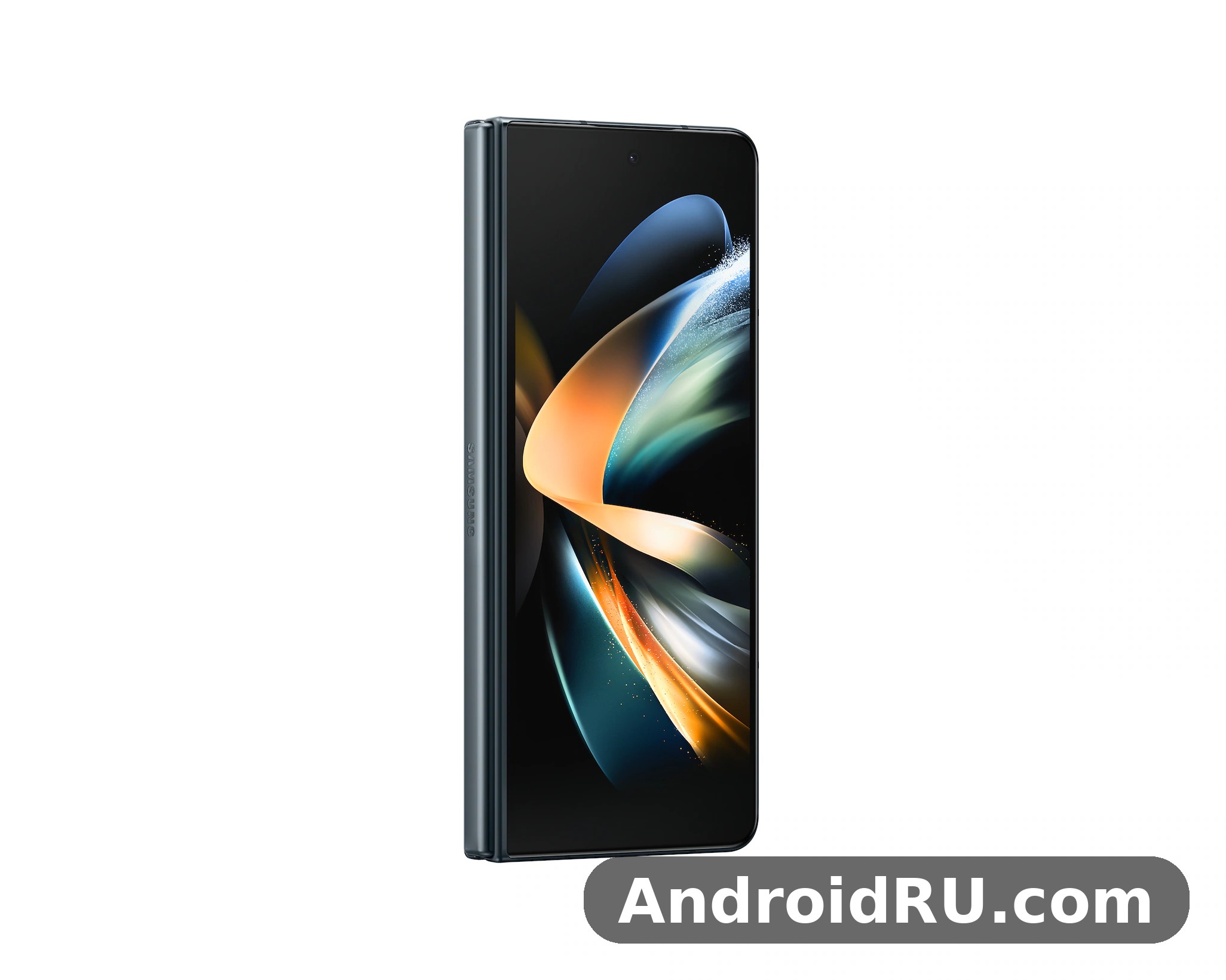
Short answer first: the Fold4 still delivers the core folding experience, a large inner display for reading, video and split-screen work, a usable cover screen for quick tasks, and a camera system borrowed from the Galaxy S22 family. Its limits are equally clear: the battery is modest for a device with two screens, charging stops at 25W, and the crease and the narrow cover display remind you that this is an earlier generation. The sections below work through each part of the phone in turn, with the real figures behind every claim, and the specification table near the end gathers every number in one place. A Galaxy Z Fold4 screen brightness test shows the display staying readable outdoors, even in bright sunlight. The Galaxy Z Fold4 battery saving tips that matter most are adaptive battery, a lower refresh rate and taming background apps.
It also helps to see where this phone sits in the family. The compact flip foldable from the following year takes the same software in a pocket-sized shape, as covered in Samsung Galaxy Z Flip5 Review: Portability, Performance and Battery, and the contrast is instructive: the Flip is built around portability, while this phone is built around screen size. Buyers who are unsure which shape fits their life should decide first whether they want a phone that disappears into a pocket or a phone that opens into a tablet, because that single choice shapes everything else.
The Two Screens: 7.6-Inch Main Display and 6.2-Inch Cover Screen
Two screens define this phone, and they are the reason to buy it. Open the phone and you get a 7.6-inch QXGA+ Dynamic AMOLED 2X display with a 2176 x 1812 resolution and an adaptive refresh rate that moves between 1Hz and 120Hz depending on what is on screen. Close it and you get a 6.2-inch cover display with a 2316 x 904 resolution and its own 120Hz refresh rate. Both panels are bright, colourful and sharp, and both make the phone feel like two devices sharing one body. The inner panel is the star: reading long articles, editing documents, watching video and playing games all feel closer to a small tablet than to a phone, and the extra width makes split-screen multitasking genuinely useful instead of cramped. A Galaxy Z Fold4 water resistance test confirms the rating covers splashes and brief submersion, not every kind of water damage. The Galaxy Z Fold4 outdoor visibility holds up well, with the display staying readable even in bright sunlight.
Main display quality, 120Hz refresh and the crease
The main display is a pleasure to use for hours at a time. Text is crisp at the QXGA+ resolution, colours are vivid without looking artificial, and the adaptive 120Hz refresh rate keeps scrolling smooth while saving power on static pages. HDR10+ video looks rich, with deep blacks that only an AMOLED panel can deliver, and the panel stays readable outdoors in bright light. The crease down the centre of the folding display is still there, and you can feel it when a finger crosses the middle of the screen, yet it fades from attention within a day or two of use. It is most visible when the screen shows a plain light background at an angle, and least visible when you are watching video or reading, which is how the phone is used most of the time. Samsung also fitted a 4MP under-display camera in the top right of the inner panel, a sensor hidden beneath the pixels that takes soft, low-detail selfies but keeps the display free of a punch hole. For video calls on the big screen it is acceptable, and for serious selfies the cover camera is the better tool. The Galaxy Z Fold4 battery drain fix is simple in most cases: check background apps and adaptive battery settings before blaming the cell itself. The Galaxy Z Fold4 slow charging fix is usually a cable or adapter problem, so try a certified 25W charger before anything else.
The under-display camera: what it is good for
The 4MP under-display camera exists to keep the inner display clean, and it should be judged on that job. Light must pass through the display to reach the sensor, so photos are softer than those from a normal selfie camera, with less detail and more haze in bright light. For video calls it is fine, because the other person sees a small window, and for selfies it is not the right tool. Use the 10MP cover camera, or the rear cameras with the cover screen as a preview, whenever photo quality matters. The Galaxy Z Fold4 best camera settings for everyday shooting are simple: keep the main lens clean, let the phone pick the mode, and save the manual controls for tricky light. For the Galaxy Z Fold4 how to screenshot shortcut, press the power and volume-down buttons together, and the captured image lands straight in your gallery.
Cover screen: 6.2 inches of fast, narrow phone
The cover screen is where this phone spends most of its day. At 6.2 inches with a tall 23.1:9 aspect ratio it is narrower than the display on a normal phone, which changes how the phone feels in the hand. Notifications, calls, music controls, quick replies and navigation all work well here, and the 120Hz refresh rate makes the small panel feel just as responsive as the big one. Samsung widened this display slightly compared with the Fold3, and the change is noticeable: keys are a little larger, web pages show a little more text per line, and the screen no longer feels quite so much like a remote control. It is still a compromise, though, and the compromise shows up most when typing long messages or watching video without opening the phone. A Galaxy Z Fold4 battery test puts the phone through a normal mix of browsing, video and calls, and it holds up for a full day for most people. In a Galaxy Z Fold4 camera test, daylight shots look clean and detailed, while low light is where the processing has to work hardest.
Typing and one-handed use on the cover screen
Typing on the cover screen takes a short adjustment period. The keyboard is narrow, so thumbs travel less but keys are smaller, and fast typists will make more mistakes here than on a regular flagship. The narrow body is a real advantage in the other direction: the folded phone is easy to hold, easy to reach across with one thumb, and easy to slip into a pocket despite weighing 263 grams. Most owners settle into a rhythm, quick tasks on the cover screen, long tasks on the inner display, and that rhythm is exactly how Samsung designed the phone to be used. If you plan to type long emails or documents, open the phone and use the inner keyboard or a stylus instead. This Galaxy Z Fold4 full review covers cameras, performance, battery and software as one daily device, not as separate launch figures. A Galaxy Z Fold4 drop test is best left to reviewers, but the glass and frame are built to survive everyday knocks.
Hinge Design, Build Quality and IPX8 Water Resistance
The Fold4 is built from Armor Aluminum with Gorilla Glass Victus+ on the cover display and the back panel, and the whole device carries an IPX8 water resistance rating, which means it can survive immersion in fresh water. That rating is rare among folding phones and it removes one of the biggest worries about owning a foldable. The hinge is slimmer and lighter than the one on the Fold3, the phone folds flat enough to feel solid in the hand, and the mechanism holds the phone open at a range of angles for hands-free video calls and media viewing. At 263 grams the phone is heavy, roughly the weight of two light phones, and at 14.2 to 15.8 mm thick when folded it is twice as thick as a normal flagship. Those numbers are the price of the folding design, and they are worth accepting only if you will actually use the big screen every day.
How the hinge feels after months of folding
A hinge is judged by feel, and this hinge feels precise. It opens with a smooth, damped motion, snaps firmly into its fully open position, and stays put at half-open angles without drifting. Samsung rates the mechanism for hundreds of thousands of folds, and in daily use the action stays consistent for months, with no wobble developing in the open position. The gap between the two halves when folded is smaller than on the Fold3, though a thin sliver of light still passes through near the hinge, and dust can find its way in there. That gap disappeared entirely on the later Fold5 with its new hinge design, which is one of the clearest differences between the two generations. For a buyer in 2026 the question is whether the older hinge bothers them enough to pay more for the Fold5, and for most people the answer is no: the hinge still works exactly as it should.
Dust, the crease and long-term durability
Durability is the honest weak point of every early foldable, and this phone is no exception. The IPX8 rating covers water only, so there is no official dust resistance, and the folding display uses a soft plastic layer that can be marked by sharp objects or fingernails if you press hard. Samsung includes a pre-applied screen protector on the inner display that should be left in place, and replacing it through a service centre is the safe option when it wears out. The crease does not get worse with normal use, and the display itself has proved reliable for most owners across several years. Buyers looking at a used unit should check the hinge action, look for any bright lines along the crease, and confirm that the inner protector is intact before paying. The later generation with a gapless hinge is covered in Samsung Galaxy Z Fold5 Review: Foldable Design and Everyday Performance, which shows how Samsung refined the same hinge idea a year later.
Checking a used Fold4 before you pay
Open and close the phone slowly and listen for grit or uneven resistance, then open it flat and look at the crease under a plain white screen at an angle. Check that the inner protector has no lifting edges, test the side fingerprint sensor with a registered finger, and open the camera app to confirm that all three rear lenses switch cleanly. A unit that passes those checks is usually a safe buy, while a unit with a bright line along the crease or a lifting protector deserves a lower price or a pass.
Snapdragon 8+ Gen 1 Performance With 12GB of RAM
Every Fold4 ships with the Snapdragon 8+ Gen 1, a 4nm chip built by TSMC, paired with 12GB of RAM in all storage variants. That combination matters more on a foldable than on a normal phone, because this phone is expected to run two or three apps at once on a tablet-sized screen while keeping a second display ready. In practice the chip handles that workload without complaint: apps open quickly, switching between a browser, a notes app and a video call is smooth, and the phone rarely stutters even with several apps kept alive in memory. The Snapdragon 8+ Gen 1 also fixed the heat problems of the earlier Snapdragon 8 Gen 1, so the phone stays cooler during long sessions and holds its performance for longer before throttling. Storage is UFS 3.1 in 256GB, 512GB and 1TB options, and there is no microSD slot, so buyers should choose a size with room to grow, especially since photos, videos and offline maps fill storage quickly on a device made for media. For a Galaxy Z Fold4 gaming test, the phone stays smooth in popular titles at sensible settings, though long sessions will warm it up.
Gaming, multitasking and heat
Gaming on this phone is one of its quiet strengths. The large inner display gives games more room than any normal phone, the Adreno 730 graphics handle demanding titles at high settings, and the 120Hz refresh rate keeps motion smooth. The phone warms up during a long gaming session, as every thin phone does, but the heat stays manageable and the chip holds frame rates well. Multitasking is where the hardware earns its price: the taskbar introduced with Android 12L keeps favourite apps one tap away, two apps can share the screen side by side, a third can float above them, and dragging content between windows works with many apps. People who buy this phone for work, for example for reading documents while taking notes, or for watching a video while answering messages, will feel the benefit daily. If raw speed is the priority, the newer Fold6 with its Snapdragon 8 Gen 3 is faster, yet the Fold4 remains fast enough for everything except the most demanding future games.
Storage options: 256GB, 512GB and 1TB
Storage comes in three sizes, 256GB, 512GB and 1TB, all using fast UFS 3.1 storage and all paired with 12GB of RAM. There is no microSD card slot, so the storage size chosen at purchase is final, and buyers who record a lot of 4K video or keep large offline media libraries should choose 512GB or more. The 256GB model suits most people, while the 1TB model is aimed at heavy media users and professionals who carry large files. The SIM setup is a nano-SIM slot plus eSIM support, with dual-SIM use depending on region and carrier.
Cameras: 50MP Main, 12MP Ultrawide and 10MP Telephoto
The camera system is the biggest single upgrade this phone received over the Fold3, and it borrows its hardware from the Galaxy S22 family. The rear array holds a 50MP main camera with an f/1.8 lens and optical image stabilisation, a 12MP ultrawide camera, and a 10MP telephoto camera with 3x optical zoom. There are two selfie cameras: a 10MP sensor in the cover display and the 4MP under-display sensor inside. Flex Mode turns the folded phone into its own tripod for hands-free photos and video, and the cover screen can act as a preview so the rear cameras can be used for selfies. For a foldable, this is a strong camera setup, and it closes most of the gap to a normal flagship.
Daylight photos and the 50MP main sensor
In daylight the 50MP main camera produces detailed, colourful photos with good dynamic range, and pixel-binned 12MP output keeps noise low while holding on to fine detail. Colours lean slightly vivid, in the usual Samsung style, which suits landscapes, food and travel photos, and the ultrawide camera keeps the same colour character so switching lenses does not change the look of a scene. The 3x telephoto lens is genuinely useful for portraits and for subjects you cannot walk closer to, and it holds detail well in good light. Video recording reaches 8K at 24 frames per second and 4K at 60 frames per second, with stabilisation that smooths out walking footage. The camera system is not at the level of the newest Ultra flagships, but for everyday photos, holidays and family moments it delivers results that hold up well in 2026.
Night mode, zoom and video
Night mode brightens dark scenes without turning them into flat, noisy images, and the main camera keeps detail in shadows that older foldables lost entirely. The ultrawide camera is the weakest lens after dark, with softer edges and more noise, and the 3x telephoto holds up better than expected thanks to stabilisation. Digital zoom stretches to 30x, which is usable for reading a distant sign but not for photos worth keeping. Video is a strength: 4K footage looks stable and clean, the phone can record with the front and rear cameras in Director’s View, and Flex Mode makes it easy to prop the phone on a table for a steady shot. People who film often will appreciate the large inner display as a viewfinder, which makes framing and reviewing clips easier than on any slab phone.
Selfie cameras and the rear-camera selfie trick
The 10MP cover selfie camera takes detailed selfies with good skin tones, while the 4MP under-display camera is softer and is best kept for video calls. A neat trick is using the rear cameras for selfies with the cover screen as a preview, which gives far better quality than any front camera on the phone. That trick works for group photos too, because the cover screen lets everyone in the frame see themselves before the shutter fires. It is one of those small foldable advantages that owners use far more often than they expect to.
Battery Life: 4,400 mAh in Real Daily Use
The 4,400 mAh battery is the most honest compromise on this phone. Two screens, a large inner display and a powerful chip all draw power, and the battery capacity is smaller than the 5,000 mAh cell in most conventional flagships of the same year. In real daily use, a moderate user who mixes the cover screen for messages and calls with the inner display for reading and video can expect a full day, usually ending the evening with a small reserve. A heavy user who spends hours on the inner display, plays games, or records long video will need a top-up before bedtime. Screen-on time varies widely with the mix of displays, but most owners report between five and seven hours depending on brightness, refresh rate and how much time the big screen stays open. That is acceptable for a foldable, and it is noticeably better than the Fold3, yet it is clearly a step behind newer foldables with larger cells.
Screen-on time with one screen and two screens
Battery life depends on which screen is doing the work. The cover display sips power and can carry a day of calls, messages and notifications on its own, while the inner display is the hungry one, and an afternoon of video or split-screen work on the big panel drains the battery visibly faster. The adaptive refresh rate helps by dropping to low rates on static content, and the 120Hz mode costs some endurance compared with locking the display to 60Hz. Power-saving habits make a real difference here: keeping brightness moderate, using the cover screen for quick checks instead of opening the phone for every notification, and turning off the always-on display overnight all add up.
Charging: 25W wired, 15W wireless, 4.5W reverse
Charging is limited to 25W wired, and Samsung says a 25W charger takes the battery to about 50 percent in around 30 minutes, which is slow beside the 45W charging on later Samsung flagships. Wireless charging runs at 15W and reverse wireless charging at 4.5W can top up earbuds or a watch in a pinch. No charger is included in the box in most regions, so buyers need a USB Power Delivery charger to reach the full 25W speed. A full charge from empty takes well over an hour, so the practical habit is to top up during the day rather than waiting for the battery to run flat.
Software: Android 12L, One UI 4.1.1 and Multitasking
This phone launched with Android 12L and One UI 4.1.1, a version of Android built with large screens in mind, and Samsung promised four generations of Android upgrades for the phone, so it has moved well past its launch software. Owners should check the settings menu for the latest version on their unit, because update availability varies by region and carrier. The interface is the heart of the folding experience: the taskbar keeps recent and favourite apps along the bottom of the inner display, Flex Mode splits the screen into a viewing area and a control area when the phone is half open, and multi-window support lets two apps run side by side with a third floating above. The S Pen Fold Edition works on the inner display for notes, sketching and signing documents, though it is sold separately and there is no slot in the phone to hold it. The Galaxy Z Fold4 tips and tricks in this review are the ones worth turning on first, because they change daily use the most. The Galaxy Z Fold4 hidden features worth finding first live in the settings menus most owners never open.
Taskbar, Flex Mode and split-screen work
The taskbar is the single software feature that changes how this phone is used. It sits at the bottom of the inner display and shows pinned apps plus recent apps, so switching between a browser, a document and a chat takes one tap instead of a trip through the app switcher. Dragging an app from the taskbar to the side of the screen opens it in split view, and saved app pairs can reopen two apps together with one tap. Flex Mode turns the half-open phone into a small laptop shape, with video on the top half and playback controls on the bottom, or a camera viewfinder on top and camera controls below. These features take a few days to learn, and owners who invest that time get far more from the phone than owners who treat it as a normal handset that happens to open. The Galaxy Z Fold4 best settings for daily use are the ones that save taps: edge panels, quick settings and a sensible refresh rate. A Galaxy Z Fold4 factory reset is the last resort for stubborn software trouble, so back up first and try a restart before it.
S Pen Fold Edition support
Only the S Pen Fold Edition should be used on the folding display: standard S Pen models made for other Galaxy phones have a harder tip that can damage the soft screen layer. Samsung sells cases with a built-in S Pen holder for owners who carry the stylus daily. For note-takers, the combination of a large inner display and a stylus is the closest a phone gets to a paper notebook, and it is a genuine reason to choose this phone over a slab flagship. The earlier book-style foldable is covered in Samsung Galaxy Z Fold3 5G Review: Folding Design, Cameras and Daily Use, and the comparison shows how much the camera, the taskbar and the hinge improved in a single generation.
Connectivity, sensors and security
Connectivity covers 5G on sub-6GHz and mmWave bands, with exact band support varying by region and model, plus LTE, Wi-Fi 6E, Bluetooth 5.2, NFC for payments, and GPS with GLONASS, Galileo and BeiDou. Wi-Fi 6E adds the 6GHz band for faster speeds on compatible routers, and Bluetooth 5.2 supports high-quality audio codecs for wireless earbuds. The USB-C 3.2 port handles charging, data and DisplayPort video output, so the phone can drive an external monitor through Samsung DeX. Security relies on a side-mounted fingerprint sensor built into the power button, which works reliably whether the phone is open or closed, plus face recognition using the cover camera. Stereo speakers tuned by AKG deliver clear, loud sound for video on the big display, and there is no 3.5mm headphone jack. The Galaxy Z Fold4 user manual is available from Samsung’s support pages if you want the official steps for any feature.
Full Specifications for the Galaxy Z Fold4
The table below gathers the core specifications in one place. Figures are the official launch specifications, and where a figure varies by region or by storage option, the range is shown. Use this table to compare this phone with other phones at a glance, then read the sections above for the detail behind each row. The numbers confirm the review: a large folding display, a flagship chip with generous memory, a versatile triple camera, and a battery that is modest for a device with two screens. The Galaxy Z Fold4 full specifications are listed in full in the specifications section below, from display and chipset to cameras and battery.
| Specification | Galaxy Z Fold4 |
|---|---|
| Launch | August 2022, Android 12L with One UI 4.1.1 |
| Dimensions (unfolded) | 155.1 x 130.1 x 6.3 mm |
| Dimensions (folded) | 155.1 x 67.1 x 14.2 to 15.8 mm |
| Weight | 263 g |
| Build | Armor Aluminum frame, Gorilla Glass Victus+ |
| Water resistance | IPX8 |
| Main display | 7.6-inch QXGA+ Dynamic AMOLED 2X, 2176 x 1812, 120Hz adaptive, HDR10+ |
| Cover display | 6.2-inch HD+ Dynamic AMOLED 2X, 2316 x 904, 120Hz adaptive |
| Chipset | Qualcomm Snapdragon 8+ Gen 1, 4nm |
| RAM | 12GB |
| Storage | 256GB, 512GB or 1TB, UFS 3.1, no microSD slot |
| Rear cameras | 50MP main (f/1.8, OIS) + 12MP ultrawide + 10MP telephoto 3x optical zoom |
| Front cameras | 10MP cover camera + 4MP under-display camera |
| Video | 8K at 24fps, 4K at 60fps |
| Battery | 4,400 mAh, dual-cell |
| Wired charging | 25W USB-C |
| Wireless charging | 15W wireless, 4.5W reverse wireless |
| Connectivity | 5G, LTE, Wi-Fi 6E, Bluetooth 5.2, NFC, USB-C 3.2, GPS |
| Positioning | GPS, GLONASS, Galileo, BeiDou |
| SIM | Nano-SIM + eSIM (varies by region) |
| Security | Side-mounted fingerprint sensor, face recognition |
| Audio | Stereo speakers, no 3.5mm headphone jack |
| S Pen | S Pen Fold Edition supported, sold separately, no slot in the phone |
| Software | Android 12L, One UI 4.1.1, 4 OS updates promised |
| Colours | Graygreen, Phantom Black, Beige, Burgundy |
| Launch price | $1,799.99 |
Dimensions, weight and build in context
When folded, this phone is a tall, narrow handset that fits easily in a hand and a pocket, though its thickness is double that of a normal flagship. When open, it becomes a small tablet with a near-square 7.6-inch display that suits reading, documents and video. The hinge leaves a small gap between the two halves when folded, narrower than on the Fold3 but still visible, and the gap disappeared entirely on the Fold5 with its redesigned hinge. The frame is Armor Aluminum, the cover display and back panel use Gorilla Glass Victus+, and the hinge is slimmer and lighter than the one on the Fold3. Buyers comparing size and weight across the range should remember that the 263-gram weight is the first thing a new owner notices, and it is worth accepting only if the big screen will be used every day.
Displays and cameras at a glance
Both displays refresh at up to 120Hz and drop to low rates when nothing moves, which balances smoothness against battery life. The panels are bright enough to read in direct sunlight, and HDR10+ support gives video extra range in highlights and shadows. The rear camera system borrows its hardware from the Galaxy S22 family, and the 50MP main sensor, the 12MP ultrawide and the 10MP telephoto with 3x optical zoom together cover landscapes, portraits and distant subjects. Digital zoom reaches 30x, though image quality drops sharply past the optical range. The previous flip generation offers a useful contrast in camera priorities, as shown in Samsung Galaxy Z Flip4 Review: Cover Screen, Software and Cameras, where portability mattered more than zoom reach.
Pros and Cons of the Galaxy Z Fold4 and Who Should Buy It in 2026
After weighing the screens, the hinge, the cameras and the battery together, this phone comes out as a strong foldable with clear, honest trade-offs. The list below gathers the points that matter most to a buyer in 2026, including the limits that a newer foldable removes. The Galaxy Z Fold4 release date and price question is covered in the verdict section, but the short version is that it launched in August 2022 and its price has fallen since. Is Galaxy Z Fold4 still worth buying? It comes down to the price you can find and whether its cameras, battery and software still cover your daily use.
What we liked
- Large 7.6-inch inner display that turns reading, video and split-screen work into a tablet-like experience.
- Versatile 50MP main camera with 3x optical zoom, a real step up from the Fold3 and close to a normal flagship.
- IPX8 water resistance, a rare and reassuring feature on a folding phone.
- Strong multitasking with the taskbar, Flex Mode and S Pen Fold Edition support for notes and sketching.
- Snapdragon 8+ Gen 1 with 12GB of RAM stays fast and cool enough for gaming and heavy multitasking.
What could be better
- The 4,400 mAh battery is modest for a two-screen phone, and heavy users will need a daytime top-up.
- Charging stops at 25W wired, which feels slow beside newer Samsung flagships.
- The narrow cover screen makes typing long messages harder than on a normal phone.
- At 263 grams and up to 15.8 mm thick when folded, the phone is heavy and thick in a pocket.
- The visible crease and the soft inner display need more care than a glass slab phone.
Who should buy it in 2026
This phone is best bought at a discount in 2026, and that single fact decides who it suits. It suits readers, travellers and multitaskers who want the big screen for documents, video and split-screen work but do not want to pay the price of the newest foldable. It suits note-takers who will use the S Pen Fold Edition, and it suits anyone who wants a folding phone as a second device or a first taste of the form factor. Is Galaxy Z Fold4 worth buying? It comes down to the price you can find and whether its cameras, battery and software still cover your daily use. The Galaxy Z Fold4 price in India varies by storage, condition and seller, so compare a few listings in that market before you decide.
Who should look at a newer model instead
It does not suit buyers who need the longest battery life, the fastest charging, or the newest camera hardware, and it does not suit people who dislike heavy phones. Anyone choosing between generations should know the differences: the Fold5 adds a gapless hinge and the Snapdragon 8 Gen 2, and the Fold6 is lighter, wider on the cover screen and adds newer AI features, so buyers who can stretch their budget get a visibly more refined phone. Readers weighing a compact foldable against this larger shape should also check Samsung Galaxy Z Flip6 Review: Folding Design, Cameras and Daily Use, which shows how the flip line refined the pocket-sized idea in the same era. For most people the honest advice is simple: buy this phone if the price is low and the condition is good, buy a newer foldable if the budget allows, and skip it if battery life is your top priority.
Frequently Asked Questions About the Galaxy Z Fold4
These are the questions buyers ask most often about this phone, answered with the real figures from the specification sheet and from daily use. The Galaxy Z Fold4 pros and cons are summed up near the end of this review, with the strongest points first and the trade-offs stated plainly. The Galaxy Z Fold4 where to buy question comes down to trusted sellers and warranty, not just the lowest number on a listing.
Is the Galaxy Z Fold4 still worth buying in 2026?
Yes, at the right price. This phone still offers a large folding display, a capable 50MP camera system, IPX8 water resistance and strong multitasking, and discounted or used units cost far less than the $1,799.99 launch price. It is worth buying for readers, multitaskers and first-time foldable owners, but buyers who want the best battery life, the newest chip or the most refined hinge should look at the Fold5 or Fold6 instead. The Galaxy Z Fold4 price in US varies by storage, condition and seller, so compare a few listings in that market before you decide. The Galaxy Z Fold4 best price question comes down to trusted sellers and warranty, not just the lowest number on a listing.
How long does the Galaxy Z Fold4 battery last?
For a moderate user the 4,400 mAh battery lasts a full day, usually with a small reserve in the evening. Heavy use of the inner display, gaming or long video recording shortens that to the point where a top-up is needed before bedtime. Most owners see between five and seven hours of screen-on time depending on brightness and on how much time the big screen stays open.
Does the Galaxy Z Fold4 support the S Pen?
Yes, this phone supports the S Pen Fold Edition on the inner display, but the stylus is sold separately and there is no slot in the phone to hold it. Standard S Pen models designed for other Galaxy phones should not be used on the folding display, because they can damage the soft screen layer.
Is the Galaxy Z Fold4 water resistant?
Yes, this phone carries an IPX8 rating, which means it can survive immersion in fresh water under controlled conditions. The rating does not cover dust, and the phone should not be taken swimming or exposed to soapy or salty water, since those conditions fall outside the rating.
What are the full dimensions and weight of the Galaxy Z Fold4?
The phone measures 155.1 x 130.1 x 6.3 mm when open and 155.1 x 67.1 x 14.2 to 15.8 mm when folded, and it weighs 263 grams. The thickness varies when folded because the two halves do not sit perfectly flat, and the weight is roughly double that of a light conventional phone.
Does the Galaxy Z Fold4 have expandable storage?
No, this phone has no microSD card slot, so the storage size chosen at purchase is final. It comes in 256GB, 512GB and 1TB versions, all with 12GB of RAM and fast UFS 3.1 storage, and buyers who record a lot of video should choose 512GB or more.
What charging speeds does the Galaxy Z Fold4 support?
This phone supports 25W wired charging over USB-C, 15W wireless charging, and 4.5W reverse wireless charging for accessories such as earbuds and watches. Samsung says a 25W charger takes the battery to about 50 percent in around 30 minutes, and no charger is included in the box in most regions.
This phone was the foldable that made the form factor feel ready for everyday life, and four years later its big screen, versatile cameras and strong multitasking still hold up. Its battery, charging speed and narrow cover display show its age, and the Fold5 and Fold6 improve on all three, yet at a discounted price it remains the most affordable way to get a full-size folding Samsung with a flagship chip and a proper camera system. Buy it for the screen and the multitasking, accept the battery compromise with eyes open, and check the hinge and the inner display carefully before paying for a used unit.

