

Samsung Galaxy Z Fold8 Review: Foldable Design and Everyday Performance
The Galaxy Z Fold8 has not launched yet, so this preview works from leaks, supply-chain reports and the pattern set by earlier Fold models rather than a finished retail unit. That distinction matters, because every figure below should be read as an expectation, not a confirmed specification. Samsung has not published an official Z Fold8 specification sheet at the time of writing, and the details that circulate online disagree on several points, from thickness to camera hardware. What follows gathers the most consistent reports, explains where they agree and where they conflict, and sets out what daily life with a large foldable of this kind is likely to feel like if those reports prove close to the truth. The Galaxy Z Fold8 geekbench score in leaks is only an estimate, so treat the number as a guide until retail units are tested. The Galaxy Z Fold8 antutu score in leaks is only an estimate, so treat the number as a guide until retail units are tested.
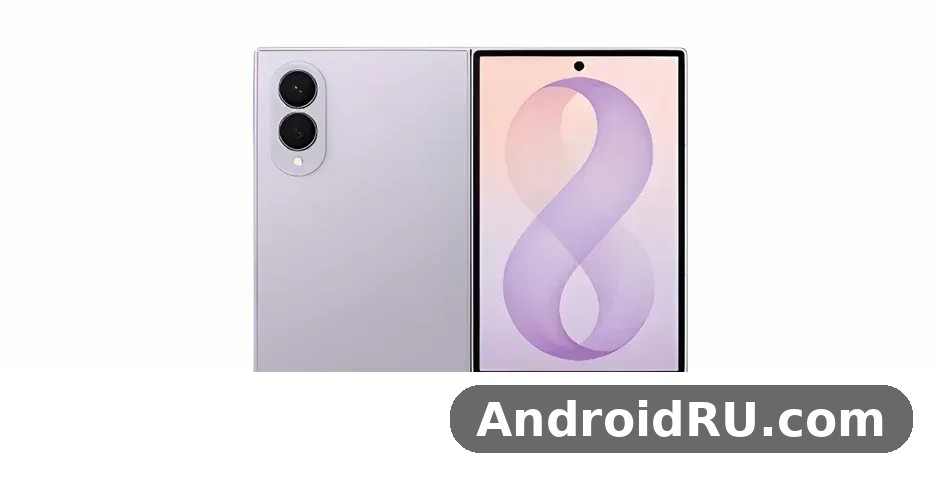
Readers who arrive here usually ask one practical question: should I wait for this phone, or buy a current foldable or a conventional flagship now? The honest answer depends on how much you value a tablet-sized screen that folds into a pocket, how often you split your screen between two apps, and how comfortable you are with a first wave of rumours. A foldable is not simply a bigger phone. It changes how you read, type, watch video, take notes and carry a device through a working day. This preview looks at the reported design, the two displays, the expected chipset, the camera system, battery behaviour, software and price, and it keeps returning to that daily-use question.
If pocketability matters more to you than a tablet-sized screen, the clamshell alternative deserves a look too, and the Samsung Galaxy Z Flip8 Review: Portability, Performance and Battery covers that smaller folding phone from the same leak-based point of view, so you can weigh a phone that folds in half against one that opens into a tablet before you decide which shape fits your pocket and your week.
For the numbers that are still moving, the companion specification guide collects the reported dimensions, chipset, memory and connectivity details in one place, with the same caution about unconfirmed figures. Keep both views in mind if you want the narrative picture here and the specification view beside it, because a foldable is judged twice: once on how it feels in the hand, and once on the numbers on its sheet.
Samsung Galaxy Z Fold8 expected design and hinge changes
Most reports agree on the direction of travel for the Z Fold8 design: thinner when folded, thinner when open, lighter in the hand, and closer to a normal phone when closed. Earlier Fold models narrowed the gap between the two halves and reduced the visible crease, and the Z Fold8 is widely expected to continue that work rather than start again. Leaks cited by several outlets point to a folded thickness in the region of 8 to 9 millimetres and an unfolded thickness close to 4 millimetres, though those numbers come from case makers and early renders, not from Samsung. Treat them as a range, not a promise.
The hinge is the part that decides whether a foldable feels refined or fragile in daily use. Reports suggest a revised hinge with fewer visible parts, a flatter fold and less dust ingress, plus a crease that is shallower under the finger even if it never disappears completely. If you have used a Fold before, you will know the crease is most visible in reflected light and least noticeable when the screen shows bright content. A shallower crease would help most when reading long documents and scrolling, which is where many owners spend their time. The cover screen is also expected to grow slightly wider, which would make typing with one hand less cramped and reduce the need to open the phone for quick replies.
Materials are likely to stay in familiar territory: an aluminium frame, glass on the outer panels, and a water-resistant rating in line with recent Fold models. Some reports mention a titanium frame, but that detail is not yet confirmed, and Samsung has used titanium on its Ultra phones rather than on every Fold. Colour options are also unconfirmed at this stage, with the usual black, silver and blue shades appearing in early speculation. The safest way to judge the design is to wait for official images and, if possible, to hold a display unit in a shop after launch, because renders exaggerate thinness and hide the weight distribution that matters when a phone is open for an hour. Compared with the previous generation, the Samsung Galaxy Z Fold7 Review: Screens, Hinge and Battery Life shows how far the Fold line had already come on screens and hinge feel, and the Fold8 is expected to build on that base rather than replace it.
How the Z Fold8 could feel different in the hand
Weight and balance matter more than a single thickness number. A foldable that is light on paper can still feel top-heavy when open, and a phone that is slim when folded can feel wide when the cover screen is in use. Reports that point to a weight below 220 grams would be a welcome change if they hold, because the current generation sits close to that line and long reading sessions make every gram count. A wider cover display would also change the grip, spreading the weight across the palm and making the closed phone feel less like a remote control and more like a regular handset.
Think about how you actually hold a phone through a day. A Fold spends much of its life folded, in one hand, checking messages and maps, and then opens for the longer jobs. If the folded phone is thinner and the cover screen wider, the first half of that day gets easier. If the open phone is lighter, the second half gets easier too. Both changes are small on a specification sheet and large in the hand, which is why the design reports matter more than they first appear to. A phone you carry every day is judged by its weight at 9 pm, not by its thickness on a launch slide.
Durability questions buyers should ask before launch
Foldable durability has improved a great deal, yet it still raises fair questions. How many folds is the hinge rated for, what does the warranty cover for the inner display, and how much does a screen repair cost outside warranty? Those answers are not yet confirmed for the Z Fold8, and they belong on any pre-order checklist. Look for the official water and dust rating, the hinge cycle rating, and the repair pricing page once Samsung publishes them. A phone that folds every day deserves that extra check, especially if you plan to keep it for three or four years.
Dust is the quiet enemy of a folding phone. A hinge that folds flat leaves less room for grit to work its way in, and a better seal around the mechanism should help, but no foldable is fully dust-proof in the way a slab phone can be. If you work outdoors, on a building site, or at the beach, that matters. Ask the shop about the repair programme too, because a folding display costs far more to replace than a flat one, and the price of that repair is part of the true cost of owning the phone.
What the water and dust rating will tell you
The official rating, once published, will tell you whether the phone can survive rain, a splash, or a brief drop in water, and how much dust protection the hinge actually has. Recent Fold models carried a rating in line with their generation, and the Fold8 is expected to match or improve on that. Do not assume the rating of the previous model carries over unchanged. Read the new rating when it appears, and remember that water resistance fades with wear, so a rating is a starting point, not a guarantee for year three.
Warranty and repair costs to confirm at launch
Before you pre-order, find three numbers: the hinge cycle rating, the warranty cover for the inner display, and the out-of-warranty screen replacement price. Those three figures decide whether the phone is a safe four-year purchase or a careful two-year one. Samsung has offered screen care plans on earlier Fold models, and the terms for the Fold8 will appear at launch. A foldable bought without that check is a gamble, and the check takes ten minutes.
Samsung Galaxy Z Fold8 cover display and main foldable screen rumours
Two screens define this phone, and the rumours treat them as a pair. The cover display is expected to measure around 6.5 inches, up slightly from the previous generation, with a wider aspect ratio that makes maps, messages and web pages easier to read without opening the device. The main display is expected to stay close to 8 inches when open, with a high refresh rate up to 120Hz, strong peak brightness for outdoor use, and support for the S Pen on the inner panel in some reports. None of those figures is official yet, so the useful question is not the exact diagonal but the experience: a cover screen you can live on for quick tasks, and an inner screen that rewards longer sessions. A Galaxy Z Fold8 screen brightness test will only be meaningful once retail units exist, so treat early numbers as provisional. The Galaxy Z Fold8 outdoor visibility in leaks should be fine, with the display described as bright enough for outdoor use.
Brightness and reflection handling are likely to matter more than resolution in real use. A foldable used outdoors, on a train, or beside a window needs a bright panel that stays readable at an angle. Recent Samsung foldables have handled this well, and the Z Fold8 is expected to keep a bright adaptive display with a variable refresh rate that drops when you read static text and rises when you scroll or play games. That behaviour saves battery and keeps motion smooth, which is the combination most owners notice after a week. The inner screen is also expected to keep an under-display camera, which keeps the panel clean for video but usually trades some selfie sharpness for that clean look.
For readers comparing screen sizes across the range, the wider cover display is the change that could shift daily habits. If the closed phone becomes comfortable for typing, browsing and navigation, you will open it less often, which saves time and reduces wear on the hinge. If it stays narrow, the inner screen does most of the work and the cover screen remains a quick-check panel. Early renders lean toward the wider option, and that would bring the Fold closer to a normal phone when closed, which is exactly what many long-term Fold owners have asked for. The same question of screen quality at a lower price runs through the Samsung Galaxy S20 FE 5G Review: Design, Battery Life and Usability, where a good display and honest battery life mattered more than a flagship badge, and the Fold8 will be judged by the same practical test.
What to expect from the inner display for reading and video
An 8-inch inner display turns a phone into a small tablet for reading, split-screen work and video. Expect a nearly square aspect ratio that suits two apps side by side, with black bars above and below most video. That is normal for a foldable and it is a trade-off worth accepting if you read PDFs, edit documents or follow a recipe while a timer runs. Text should stay sharp at normal viewing distance, and the panel is expected to support HDR video, which helps with contrast in films and shows. Check the official display specifications for peak brightness and colour coverage once they appear, because those two numbers tell you more than the diagonal alone. The Galaxy Z Fold8 expected camera in leaks points to a familiar main sensor with better processing, rather than a big megapixel jump.
Reading on the inner screen is where the Fold earns its keep. A full page of a document fits without constant zooming, a web article reads like a paperback page, and a comic or magazine spreads out the way it should. Video is a mixed picture: the picture is large and bright, but widescreen films leave bars top and bottom, so the usable image is smaller than the diagonal suggests. That is the price of a nearly square screen, and most owners accept it gladly because reading and working matter more to them than cinema framing.
Cover screen use cases that save you opening the phone
Quick replies, boarding passes, music controls, navigation and contactless payment all work well on a cover screen, and a wider panel would make each of them less fiddly. Try to picture your own top five quick tasks and ask whether the closed phone handles them. If the answer is yes for most of them, the Fold earns its place as a daily phone rather than a device you open for everything.
Inner screen use cases that justify the fold
Split-screen email and calendar, side-by-side browsing and notes, large spreadsheets, comic reading and video calls with notes open beside them are the tasks that justify the fold. If none of those sounds like your week, a conventional flagship may serve you better for less money, and that is a fair conclusion to reach before you spend foldable money.
Samsung Galaxy Z Fold8 chipset and everyday performance expectations
Performance reports centre on a flagship Qualcomm Snapdragon chip, widely expected to be a Snapdragon 8 Elite class processor or its successor, possibly in a version tuned for Galaxy devices. Samsung has used tuned Snapdragon chips in recent Fold models, and the pattern points the same way for the Z Fold8, though the exact chip name and clock speeds are not yet confirmed. Memory is expected to start at 12GB of RAM, with storage options that may include 256GB, 512GB and 1TB, but those tiers are also unconfirmed and could vary by region.
In daily use, a chip of this class should handle the tasks that define a Fold: two or three apps on screen at once, video calls while browsing, photo editing on the large display, and demanding games at high settings. The question is not whether it can run those tasks on day one, but how it sustains them. Foldables have less room for cooling than a thick slab phone, so sustained performance depends on heat management as much as raw speed. Reports have not settled how Samsung will handle thermals in a thinner body, and that is one reason to wait for independent sustained-performance tests after launch rather than trusting a launch-day benchmark alone.
Storage speed and RAM management also shape the feeling of speed. Fast storage keeps large apps and photo libraries responsive, and generous RAM keeps split-screen apps alive when you switch between them. If the base model ships with 12GB of RAM, that should be enough for most multitasking, while heavier users who keep many apps open may prefer a higher storage tier if it also brings more RAM. Check the official memory options for your region before you decide, because Samsung has varied RAM by storage tier in the past. Fold models have not offered a microSD slot in recent years, so the storage you buy at launch is the storage you keep, and that makes the tier choice worth a careful thought rather than a quick tap.
Will the Z Fold8 handle gaming and multitasking without throttling?
Short gaming sessions should be smooth on a flagship chip, with high frame rates in popular titles and a large screen that makes controls easier to reach. Longer sessions are the real test, because heat builds up and the phone may reduce performance to stay cool. The inner display gives games more room, but it also gives heat fewer places to go. Look for post-launch tests that measure frame rates after 20 and 30 minutes, not just in the first five, and pay attention to how warm the hinge area feels. That sustained picture tells you more about everyday gaming than any single benchmark score.
Multitasking is the safer bet. Split-screen apps, a taskbar, and pop-up windows are software features that do not stress the chip the way a long gaming session does, and the Fold line has handled them well for years. If your day is built around documents, email, and calls rather than games, the performance story is simple: the chip will be fast enough, and the screen is the part that changes your day.
RAM and storage tiers to confirm before you buy
Confirm the RAM for the storage tier you plan to buy, the storage options in your region, and whether the phone supports expandable storage. Choose a tier that leaves room for photos, video and offline maps over the life of the phone, because a foldable kept for three or four years will collect far more than you expect in the first month. A 256GB base may suit a light user who streams everything, while a heavy photo and video user will be glad of 512GB or 1TB by year two.
Samsung Galaxy Z Fold8 cameras: what leaks suggest so far
Camera leaks for the Z Fold8 are less settled than the design reports. Several outlets expect a triple rear camera led by a high-resolution main sensor, possibly around 200 megapixels, with an ultrawide and a telephoto lens beside it. Other reports suggest Samsung will keep a 50-megapixel main sensor and improve processing instead. Both paths are plausible, and neither is confirmed, so treat the megapixel count as open. What matters more is the lens combination: a useful ultrawide for landscapes and interiors, and a telephoto with at least 3x optical zoom for portraits and distant subjects. A foldable that lacks a strong telephoto feels incomplete at this price, and buyers should check that detail in the official specifications.
The inner screen camera is expected to remain an under-display unit, which prioritises a clean display over selfie detail, while the cover screen camera should deliver sharper video calls. That split is sensible: most video calls happen on the cover screen or with the phone open on a stand, and the rear cameras handle serious photos. Software will do a lot of the work, with night processing, portrait modes and Galaxy AI editing tools expected to carry over from recent Samsung flagships. If you take many low-light photos, wait for sample images from independent reviewers rather than launch slides, because processing changes year to year and sample galleries reveal more than a sensor list.
Compared with the best camera phones in the same price range, the Fold has traditionally traded a little camera hardware for the folding mechanism. The Z Fold8 may narrow that gap, but it is unlikely to match a dedicated camera flagship on every lens. That trade-off is honest and worth naming: you buy a Fold for the screen and the multitasking first, and the cameras second. If photography is your top priority, compare the reported camera set with the display and daily-use picture in the Samsung Galaxy Note20 Ultra 5G Review: Display Quality, Speed and Daily Use, because that older flagship shows how much a strong camera and a large screen mattered together, and the Fold8 will be measured against the same mix of screen and camera quality.
Main, ultrawide and telephoto: which lens matters most?
For most people the main camera does the heavy lifting, from family photos to food and travel shots, and it needs to be fast, reliable and good in mixed light. The ultrawide matters when space is tight, and the telephoto matters when you cannot walk closer. A 3x telephoto covers portraits well, while a 5x lens helps with travel and events. Check which zoom the official sheet lists, and look for sample photos at each zoom level before you judge the system as a whole.
Megapixels alone do not decide photo quality. Sensor size, lens quality, optical stabilisation and image processing all shape the result, and Samsung processing changes from year to year. A 200-megapixel sensor can capture fine detail in good light, while a larger 50-megapixel sensor can perform better in low light. Without the official sensor sizes, the honest summary is that the rear camera is expected to be a capable triple set, likely led by a high-resolution main camera, with an ultrawide for tight spaces and a telephoto for portraits and distance. Wait for sample photos from independent reviewers, especially in low light and at each zoom level, before judging the system.
Video recording expectations to confirm
Video recording is expected to include 4K at 60 frames per second, with 8K recording possible on the main camera, though that is also unconfirmed. Stabilisation, slow-motion options and front-camera video quality are not yet confirmed in detail, so check the official video specifications for frame rates, stabilisation modes and maximum resolution before you judge the camera for video work. The large inner screen doubles as a generous viewfinder, and flex mode lets the phone stand half open as its own tripod, which is a genuine advantage for video calls and time-lapse shots that slab phones cannot copy without an accessory.
Samsung Galaxy Z Fold8 battery life and charging expectations
Battery reports for the Z Fold8 point to a capacity in the region of 4,400 to 5,000 mAh, with some leaks suggesting a modest increase over the previous generation and others suggesting Samsung will hold capacity steady to keep the phone thin. No official figure exists yet, so the range is the honest answer. A larger inner display draws more power, which means a Fold needs a bigger battery than a slab phone to last the same day, and a thinner body makes that harder. Battery chemistry and software efficiency could help close the gap, but they cannot rewrite physics. The Galaxy Z Fold8 battery saving tips that matter most are adaptive battery, a lower refresh rate and taming background apps. The Galaxy Z Fold8 expected battery in leaks suggests a full day of use, though real endurance will only be clear once retail units are tested.
Charging is expected to stay at 25W wired charging in most reports, with wireless charging and reverse wireless charging also expected. That wired speed would feel slow beside rivals that charge at 45W or higher, and it is one of the most common complaints about recent Fold models. If Samsung keeps 25W, a full charge will take well over an hour, and a quick top-up before leaving the house will add less than a faster rival would. Check the official charging figure at launch, and think about whether overnight charging covers your routine or whether you often need a fast midday boost. The Galaxy Z Fold8 screen on time will depend on brightness and refresh rate, so expect it to vary from day to day. The Galaxy Z Fold8 charging speed reported in leaks is 25W wired, which would be unchanged from the previous generation.
In practice, battery life on a foldable depends on how often the inner screen is open. A day of mostly cover-screen use should last comfortably, while a day of long inner-screen reading, video and split-screen work will drain the battery faster. Adaptive refresh rate, dark mode on the large panel, and sensible brightness settings all help. Wait for independent battery tests that separate cover-screen days from inner-screen days, because a single blended number hides the difference that matters to real owners.
How long should the Z Fold8 last on a heavy day?
A heavy day for a Fold owner might include two hours of video, an hour of navigation, several video calls and constant messaging. On that kind of day, expect to reach the evening with a low battery unless the capacity increase proves real. Carrying a small power bank or topping up during lunch is a practical habit for foldable owners, and it is worth planning for until independent tests show otherwise. Light and medium days should be fine, with the phone lasting from morning to bedtime without anxiety.
What charging speed should buyers expect?
Most reports point to 25W wired charging, which would mean a full charge in well over an hour. That is the figure to confirm first, because it affects daily routine more than a small capacity increase. If you often need a fast top-up before leaving the house, a faster rival or a habit of overnight charging may suit you better. Wireless charging is expected to be slower still, and best suited to overnight use on a stand. Reverse wireless charging for earbuds and a watch is also expected, which is handy on a trip even if it is not a daily feature.
Samsung Galaxy Z Fold8 Full Specifications
The table below collects the reported specifications in one place. Every Z Fold8 figure in this table is expected or reported, not official, and the table will need updating once Samsung publishes the real sheet. Use it for comparison and planning, not as a buying contract. Two points in the table deserve emphasis. First, the battery and chipset rows carry the widest ranges, because those are the details where leaks disagree most. Second, the S Pen row is the clearest example of a feature that should not be assumed: some leaks mention it, others do not, and the official sheet is the only place that settles it. Does Galaxy Z Fold8 have headphone jack? Reports so far point to no 3.5mm jack, so plan on USB-C audio or wireless earbuds. The Galaxy Z Fold8 detailed specifications are listed in the specifications section, though the leaked figures may still change before launch.
| Specification | Galaxy Z Fold8 (expected) | Status |
|---|---|---|
| Cover display | About 6.5 inches, AMOLED, up to 120Hz | Reported, not confirmed |
| Main display | About 8 inches, foldable AMOLED, up to 120Hz | Reported, not confirmed |
| Dimensions folded | About 155-160 x 68-73 x 8-9 mm | Reported range, not confirmed |
| Dimensions unfolded | About 4 mm thick | Reported, not confirmed |
| Weight | Below 220 g expected | Reported, not confirmed |
| Chipset | Flagship Snapdragon, tuned for Galaxy | Expected, not confirmed |
| RAM | 12GB expected | Reported, not confirmed |
| Storage | 256GB, 512GB, 1TB expected | Reported, not confirmed |
| Rear cameras | Triple set, main sensor 50MP or 200MP reported | Unconfirmed |
| Front cameras | Cover camera plus under-display inner camera | Expected, not confirmed |
| Battery | 4,400 to 5,000 mAh reported range | Reported range, not confirmed |
| Charging | 25W wired expected, wireless charging expected | Reported, not confirmed |
| Connectivity | 5G, Wi-Fi 7 expected, Bluetooth, NFC, USB-C | Expected, not confirmed |
| Software | Latest One UI on Android, long update promise expected | Expected, not confirmed |
| S Pen | Support not yet confirmed | Not yet confirmed |
Specification ranges are not a flaw in this guide, they are the accurate picture before launch. A guide that picks one number and hides the disagreement would look cleaner and be less truthful. Keep the range in mind when you compare the Z Fold8 with phones that have official sheets today, and note the specifications that matter to you so you can check them one by one when the official announcement lands. The Galaxy Z Fold8 expected specs below are based on leaks and reports, so expect the final sheet to change before launch.
Dimensions, weight and build in detail
Dimensions are among the most reported Z Fold8 details, yet they remain unconfirmed. Leaks from case makers and renders point to a folded size close to 155 to 160 millimetres tall, 68 to 73 millimetres wide, and 8 to 9 millimetres thick, with an unfolded thickness near 4 millimetres. Weight reports cluster below 220 grams, with some suggesting a figure closer to 210 grams. Those numbers would make the Z Fold8 thinner and lighter than the previous Fold, and closer to a conventional flagship when closed. Compare the folded measurements with your current phone, because that is how you will carry it, and compare the unfolded measurements with a small tablet, because that is how you will use the inner screen.
Connectivity, sensors and security
Connectivity is expected to include 5G, Wi-Fi 7, Bluetooth 5.4 or newer, NFC for payments, ultra-wideband for precise finding, and USB-C for charging and data. Satellite messaging is reported in some leaks and absent in others, so it is not yet confirmed. Dual SIM support is expected, with a physical SIM and eSIM combination varying by region. Check the official sheet for the 5G bands in your country, the Wi-Fi standard, and the Bluetooth version, because those details decide compatibility with your network, your router and your accessories.
Sensors are expected to include an accelerometer, gyroscope, proximity sensor, ambient light sensor, compass and barometer, plus the hinge angle sensor that lets the phone work in flex mode, propped half open like a small laptop. Flex mode is useful for video calls, time-lapse photos and watching video hands-free. Security is expected to include a side-mounted fingerprint sensor and face unlock, with Samsung Knox protection underneath.
What 5G bands and Wi-Fi 7 mean for buyers
The headline standards matter less than the bands and the router in your home. A phone that supports your carrier’s 5G bands will hold a signal where it counts, and Wi-Fi 7 only helps if your router speaks it too. Check the band list for your country on the official sheet, and check the Bluetooth version if you rely on wireless earbuds, because audio stability and efficiency improve with each generation.
How to check the full sheet when it appears
When Samsung publishes the sheet, note the folded height, width and thickness, the unfolded thickness, the weight in grams, the RAM per storage tier, the camera zoom, and the charging speed. Compare those numbers with your current phone and with a tablet you already own, and if possible hold a display unit before ordering. Numbers on a page cannot tell you how a hinge feels or how weight sits in the hand.
Samsung Galaxy Z Fold8 software, multitasking and Galaxy AI features
Software is where a Fold earns its price, and the Z Fold8 is expected to launch with the latest version of One UI on top of Android, with a long update promise in line with recent Samsung flagships. Seven years of updates has become the pattern for Samsung flagships, though the exact promise for the Z Fold8 is not yet confirmed. Multitasking should remain the centrepiece: a taskbar for quick app switching, split-screen with up to three apps, pop-up windows, and app pairs that open two apps together with one tap. Those features are already strong on current Fold models, and the Z Fold8 is expected to refine them rather than replace them. The Galaxy Z Fold8 software update schedule has not been announced yet, so the safest guide is the promise Samsung gave the previous generation. The Galaxy Z Fold8 One UI features worth watching are the Galaxy AI tools, which Samsung has been expanding with every launch.
Galaxy AI features are expected to include live translation, transcription, photo editing helpers and writing assistance, carried over from recent Samsung phones and adapted for the large screen. The large display makes AI summaries and translations easier to read beside the source material, and split-screen note-taking benefits from having a document on one side and notes on the other. S Pen support on the inner display is reported in some leaks and absent in others, so do not assume it is included. If stylus input matters to you, confirm it in the official specifications and check whether the pen is included or sold separately. The stylus story has a long history on Samsung phones, and the Samsung Galaxy Note10+ Review: Screen Quality, Cameras and Charging is a useful reminder of how much a pen once defined a Samsung flagship, even though the Fold8 treats it as an open question rather than a headline feature.
Multitasking settings worth setting up on day one
Once the phone is yours, set up app pairs for the combinations you use most, pin your frequent apps to the taskbar, and turn on the gesture or edge panel that suits your hand. Spend ten minutes arranging those shortcuts and the Fold will feel faster every day, because the large screen rewards preparation in a way a small screen does not. Save an app pair for email and calendar, another for browser and notes, and a third for the two apps you use together on trips, and the phone starts to feel like a small desk rather than a large phone. A Galaxy Z Fold8 factory reset is the last resort for stubborn software trouble, so back up first and try a restart before it. How to update Galaxy Z Fold8? Once it launches, the usual One UI path applies: Settings, then software update, then download and install.
Software support and update promise to confirm at launch
Check the official update promise, the launch Android version, and the One UI version before you buy. A foldable kept for four years needs software support that lasts that long, and Samsung has been generous here in recent years. Confirm the number rather than assuming it, and note the security update schedule alongside the major version promise. Also check which Galaxy AI features are available in your region and language, because some AI features roll out by market and the launch list is not always the final list. How to reset Galaxy Z Fold8? Back up first, then use Settings to run a factory reset, which returns the phone to its out-of-the-box state.
Samsung Galaxy Z Fold8 price, release date and colours reported so far
Price and timing are the least certain parts of this preview. Reports point to a launch in the second half of 2026, possibly in July or August, following the usual summer Unpacked pattern, but Samsung has not confirmed a date. Pricing leaks suggest a starting price close to the previous generation, in the region of $1,800 to $2,000 in the United States, with regional prices varying widely. Those figures are unconfirmed and could move with storage tiers, exchange rates and launch offers. Trade-in deals and pre-order bonuses have softened Fold prices in the past, and they may do so again, so the headline price is rarely the price most buyers pay. The Galaxy Z Fold8 price and release date details are still unconfirmed, so the safest move is to wait for Samsung’s announcement. When will Galaxy Z Fold8 be released? Samsung has not confirmed a date yet, so watch for an official announcement rather than trusting any single leaked date.
Colour reports are thin at this stage, with the usual dark and light shades expected alongside one bolder option. Storage tiers are also unconfirmed, though 256GB as a base with 512GB and 1TB above it is the most repeated pattern. If you plan to buy at launch, watch for the official announcement, the pre-order window, and the trade-in values for your current phone, because those three details decide the real cost more than the headline figure. Do not place a deposit or order based on a leak alone, and be wary of retailers listing the phone before Samsung announces it. The Galaxy Z Fold8 expected release date is still unconfirmed, so treat every reported date as a rumour until Samsung announces it. Should I wait for Galaxy Z Fold8? If your current phone still works, waiting costs nothing; if you need a phone now, the current generation is the safer buy.
A short comparison helps put the reported Fold against its closest Samsung rivals on the points buyers actually compare. The figures for the Z Fold8 are expectations, while the other models are the current flagships that many buyers will weigh against it. Is Galaxy Z Fold8 released yet? No, it has not launched yet, so everything in this review is based on leaks and reports rather than a finished retail unit. The Galaxy Z Fold8 expected price is still based on leaks and reports, so expect the final figure to move once Samsung confirms it.
| Feature | Galaxy Z Fold8 (expected) | Galaxy S26 Ultra | Galaxy S26+ |
|---|---|---|---|
| Main display | About 8 inches, foldable, 120Hz expected | Large flat display, 120Hz | Large flat display, 120Hz |
| Cover display | About 6.5 inches, wider than before | Single display only | Single display only |
| Chipset | Flagship Snapdragon, not yet confirmed | Flagship Snapdragon | Flagship Snapdragon |
| RAM | 12GB expected | 12GB or more | 12GB |
| Battery | 4,400 to 5,000 mAh reported range | Larger slab battery | Large slab battery |
| Cameras | Triple rear set, details unconfirmed | Flagship quad camera set | Flagship triple camera set |
| Best for | Multitasking and large-screen reading | Photography and S Pen use | Daily speed and balance |
Samsung Galaxy Z Fold8 pros and cons and who should wait for it
The expected strengths are clear: a large inner display for work and reading, a cover display that may finally feel like a normal phone, flagship performance, and software that makes split-screen genuinely useful. The expected weaknesses are also clear: a high price, a battery that may not grow much, charging that may stay slow, and cameras that may trail the best slab flagships. Neither side is a surprise, and both follow the pattern of earlier Fold models. The value of the Z Fold8 depends on whether the large screen solves a real problem in your week. The Galaxy Z Fold8 release date has not been confirmed yet, so this review works from leaks and reports instead of a launch-day fact sheet. The Galaxy Z Fold8 launch date has not been confirmed by Samsung yet, so treat every reported date as a rumour until the official announcement.
Large foldable display for multitasking is the main reason to choose this phone, and it changes how you work on the move. A thinner design should make the phone easier to carry and hold for long sessions. Flagship performance should keep split-screen apps and games running smoothly. The high price is the counterweight, because foldables cost far more than slab flagships, so the screen must earn that premium for you. Battery and charging questions remain, since capacity and wired speed are not yet confirmed, and both need independent testing. Foldable durability and repair costs deserve a place in your decision too, because a hinge and a folding display are more complex than a fixed screen, so ask about the warranty, the repair price and the water resistance rating once Samsung publishes them, and factor those answers into the total cost of ownership. The Galaxy Z Fold8 rumours around this phone agree on the broad strokes, even if the smaller details still conflict. The Galaxy Z Fold8 leaks so far agree on the broad shape of the phone, even if the finer details still disagree.
Who should wait for the Z Fold8
Wait for the Z Fold8 if you read, edit or compare documents on your phone every day, if you travel with a tablet today and would like one device instead of two, or if your current Fold is two or more generations old. Waiting also makes sense if your current phone still works and you can afford to see the official sheet, the independent battery tests, and the real repair prices before you spend foldable money.
Who should buy a different phone instead
Buy a current phone instead if you need a new device now, if photography is your top priority, or if the price would stretch your budget. A discounted current Fold or a slab flagship will serve most people well, and the Z Fold8 will still be there later, with real reviews and real battery tests to judge it by. There is no penalty for waiting when the phone has not launched yet, and there is a real penalty for buying on a rumour and finding the battery or the camera falls short of what you hoped.
Samsung Galaxy Z Fold8 review FAQ
Is the Samsung Galaxy Z Fold8 released yet?
No, the Galaxy Z Fold8 has not been released, and Samsung has not published official specifications. Everything in this preview comes from leaks and reports, so treat dates, prices and specifications as expectations until the official announcement. Check the Samsung official site at launch for the confirmed details, and treat any shop listing before that announcement as a placeholder rather than a real product.
What is the expected Samsung Galaxy Z Fold8 price?
Reports point to a starting price close to the previous Fold, roughly $1,800 to $2,000 in the United States, but that figure is not confirmed and regional prices will differ. Trade-in offers and pre-order bonuses may lower the real cost, so wait for the official pricing for your country before budgeting, and compare the price of the storage tier you actually want rather than the base model alone.
Will the Galaxy Z Fold8 support the S Pen?
S Pen support on the inner display is reported in some leaks and not mentioned in others, so it is not yet confirmed. Earlier Fold models supported the S Pen on the inner screen with a compatible pen, often sold separately. Confirm this in the official specifications if stylus input matters to you, and check whether the pen is included in the box or sold as an accessory.
How good will the Galaxy Z Fold8 battery life be?
Battery life is not yet confirmed, with reported capacity ranging from about 4,400 to 5,000 mAh. Expect a full day on light and medium use, and a tighter evening on heavy inner-screen days. Independent battery tests after launch will give the clearest answer, especially tests that separate cover-screen and inner-screen use, because the two screens drain power at very different rates.
Should I wait for the Z Fold8 or buy a Galaxy S26 Ultra now?
Wait if the large folding screen would change how you work every day and your current phone still works. Buy the S26 Ultra now if photography, battery life or a lower price matters more, or if you need a phone immediately. The Ultra is a proven flagship, while the Fold8 is still a set of reports waiting for confirmation, and that difference should decide the timing for most buyers.
The bottom line is simple: the Z Fold8 looks like a refinement of a strong idea rather than a fresh start, with a thinner body, a wider cover screen and flagship performance leading the list of expected changes. If those reports prove accurate, it will be the most usable Fold yet for people who live on a large screen. If the battery and charging reports prove disappointing, it will still be a capable foldable, just one that asks you to charge thoughtfully and pay a premium for the form factor. Wait for the official announcement, read independent reviews, hold the phone if you can, and then decide with real numbers in front of you.

