

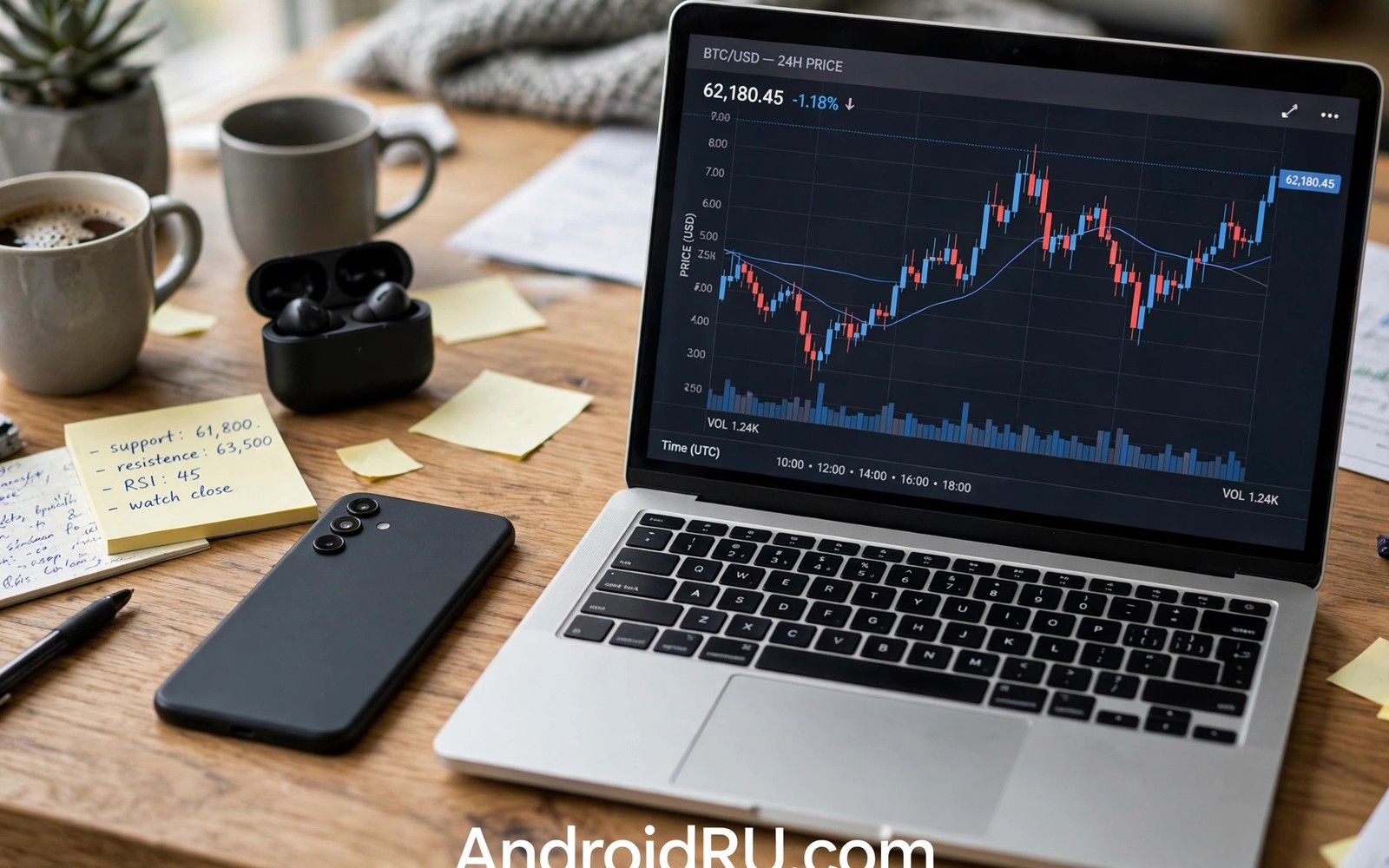
A price tracker turns guesswork into evidence when you shop for an Android phone. It records prices over weeks and months and shows them as a clear chart. You can see launch prices and gradual declines and sudden sale dips in one view. That history tells you whether a sale banner shows a real bargain or a normal price. Shoppers who use trackers buy with confidence instead of hope.
Start by choosing one tracker and learning its features before sale season begins. Add your shortlist models and set alerts at prices you would actually pay. Check the chart weekly so you learn the normal range for each model. A familiar range makes a genuine drop easy to spot. For scam protection alongside tracking read carrier versus unlocked savings and keep fake discount tactics in mind.
How Price Trackers Collect Data
Trackers gather prices from public product pages at regular intervals. They store each reading with a date so the chart reflects real changes over time. Some trackers cover many stores while others focus on one large retailer. Coverage matters because a price drop at one store may not appear elsewhere. A tracker with broad coverage gives a fairer view of the market.
Data quality varies between trackers so cross checking is wise. A tracker may miss a short flash sale that lasts only a few hours. It may also record a price for the wrong storage variant by mistake. Always confirm the exact model and storage size on the chart. A careful check prevents a tracker error from becoming your buying error.
Reading A Price Chart Correctly
A price chart has time along the bottom and price up the side. Look for the highest point and the lowest point and the current point. The gap between the current price and the lowest price shows how much room remains. A price near the historic low is usually a strong buying signal. A price near the historic high is a signal to wait unless you need a phone urgently.
Watch the shape of the line rather than a single day value. A steady decline suggests the model is ageing and further drops may follow. A flat line suggests stable demand and a sale may be needed to move prices. A sudden spike may reflect a stock shortage rather than a real value change. Shape plus context gives a smarter reading than any single number.
Setting Alerts That Actually Help
Alerts work best when they match a price you researched in advance. Set the alert slightly above your dream price so you catch early drops. Set only a few alerts so your inbox stays useful rather than noisy. Too many alerts cause fatigue and you may ignore the important one. Review your alerts monthly and remove models you no longer want.
Choose alert channels you actually check every day. Email alerts suit shoppers who check mail often. App notifications suit shoppers who react faster on their phone. Test one alert early to confirm it arrives correctly. A missed alert during a short sale can cost you the exact deal you waited for.
Comparing Trackers And Stores
No single tracker covers every store perfectly so use two when a purchase matters. Compare their charts for the same model and storage size. Agreement between trackers increases your confidence in the data. Disagreement tells you to check the store pages directly. Direct checking takes minutes and removes doubt before you spend.
Stores also differ in delivery cost and warranty handling. A tracker shows product price but rarely shows total checkout cost. Add delivery and any required accessories before you compare offers. A slightly higher product price with free delivery can beat a lower price with steep fees. Total cost is the only fair comparison across stores.
Avoiding Tracker Traps
Trackers can create a false sense of precision when data is thin. A model with few readings may show a low price from a single unusual listing. That listing may have been a pricing error or a refurbished unit. Check how many readings support the low point before you trust it. A low supported by many readings over days is far more reliable.
Trackers also cannot judge phone quality or seller trust. A cheap listing from a poor seller may look attractive on a chart. Seller rating and warranty terms still matter after the price check. Use the tracker for price evidence and use reviews for trust evidence. Both checks together produce a safe purchase decision.
Tracking Refurbished And Older Models
Older models show the clearest tracker patterns because they have long histories. You can see launch price and each major drop after new releases. That pattern helps you predict the next drop with reasonable confidence. Refurbished models need extra care because condition grades change the price. Compare only the same condition grade across listings for a fair view.
Older flagships often beat new mid-range phones on camera and build quality. A tracker helps you find the moment when that flagship falls into your budget. Wait for a price that matches mid-range rivals before you commit. For deal timing ideas read trade-in bonus tactics and plan around launch and holiday windows. A patient tracker user often gains flagship quality without flagship cost.
A Simple Tracker Log Script
Use the short script below to log prices you check manually. It stores the date and model and price in a simple text file. A manual log complements an online tracker when coverage is thin. Review the file weekly to spot trends yourself. The script uses only basic file handling so it is easy to audit.
from datetime import date
model = "Android phone target"
price = 549
with open("price_log.txt", "a") as f:
    f.write(f"{date.today()} {model} {price}\n")
print("Price logged for review")
The snippet above is a generic example created for illustration only. It contains placeholder values and no store or tracking service data. Replace the model and price with your own observations before use. The log is a personal aid and not a substitute for checking live store pages.
Tracker Accuracy For New Models
New models have thin tracker histories that mislead early readers. A chart with only a few weeks of data shows noise as if it were trend. Early prices may reflect launch stock shortages rather than real value. Wait for at least a month of readings before drawing conclusions. Thin data deserves cautious interpretation rather than confident action.
Launch bundles complicate tracker readings for new models. A tracker may record phone only prices while stores sell bundles. Bundle value differences distort apparent price moves. Check whether tracker readings include bundle items. A bundle aware reading prevents false drop signals.
Some trackers backfill launch prices from announcement data. Backfilled points may not reflect actual selling prices. Look for the data source notes on your tracker. Real selling prices matter more than announced prices. A chart built on real sales is the only chart worth trusting.
Tracker Alerts Versus Manual Checks
Alerts automate watching but manual checks add judgement. An alert fires on price alone without context about seller or variant. Manual checks let you verify seller trust before acting. Use alerts as a trigger for manual verification rather than a buy command. That two step process catches errors that automation misses.
Manual checks also reveal bundle changes that trackers miss. A store may keep price steady while improving the bundle. That improvement is a real saving invisible to price alerts. Weekly manual browsing of shortlist pages catches bundle improvements. Automation plus manual review beats either method alone.
Set a weekly manual check routine even with alerts active. Fifteen minutes each week keeps you familiar with the market. Familiarity helps you judge an alert instantly when it arrives. An unfamiliar shopper hesitates while stock sells out. Routine builds the speed that flash deals demand.
Sharing Tracker Data With Family
Families can share tracker lists to avoid duplicate research. One person can watch flagship models while another watches mid-range models. Shared notes prevent two people buying the same phone twice. A shared list also spreads alert coverage across more models. Coordination turns individual tracking into household savings.
Shared data needs clear ownership to avoid confusion. Assign each model to one watcher who owns its alerts. The owner reports drops to the group promptly. Clear ownership prevents missed alerts from diffusion of responsibility. A simple shared document works better than informal chats.
Privacy matters even in family tracking. Share only model names and prices rather than account details. Each person should keep their own store accounts separate. Shared research should never mean shared passwords. Good coordination protects both savings and security.
When Trackers Disagree Sharply
Sharp tracker disagreement usually signals a data problem worth investigating. One tracker may follow a different variant or store. Another may have stale data from a failed crawl. Identify the differing source before trusting either chart. Direct store checks resolve most disagreements quickly.
Variant confusion is the most common cause of sharp disagreement. Storage size or colour or region may differ between tracker entries. Confirm exact model numbers on both trackers. A single digit difference in a model number can mean a different phone. Exact matching is the foundation of tracker trust.
Stale data appears when a tracker fails to crawl a store for days. A stale low price may have ended long ago. Check the last updated timestamp on every chart you trust. A timestamp older than a day deserves a direct store check. Freshness is as important as accuracy in price data.
Tracker Data Export And Backup
Exporting tracker data protects your research from service shutdowns. A tracker service may close or change pricing without warning. Exported charts and lists preserve months of work. Export monthly in a simple format you can read later. A backup habit costs minutes and saves hours.
Exported data also enables custom analysis in spreadsheets. You can chart price drops against sale events yourself. Custom charts reveal patterns that tracker views hide. Spreadsheet skills turn raw exports into buying insight. Personal analysis complements tracker automation well.
Share exported summaries with family buyers when relevant. A shared export helps relatives buy the same model wisely. Shared data should exclude account credentials entirely. Model and price data alone are safe to share. Family sharing multiplies tracker value safely.
Tracker Limitations For Bundles
Trackers struggle with bundle price changes over time. A store may change bundle contents while keeping price steady. Tracker charts show no change despite value shifting. Manual bundle checks catch content changes. Bundle aware shoppers check contents as well as prices.
Gift card bundles complicate tracker readings further. A phone price plus gift card is not a phone only price. Trackers rarely separate card value from phone price. Calculate true cost manually for gift card bundles. Manual math remains essential for bundle heavy sales.
Trade-in bundles also distort tracker comparisons. A price with trade credit differs from a standalone price. Trackers may record the headline price without trade context. Note trade requirements alongside tracked prices. Context notes prevent false bargain signals.
Final Tracker Habits
Check your tracker weekly and update your target prices as models age. Remove alerts for phones you no longer want so signals stay sharp. Share nothing sensitive with a tracker beyond the models you follow. Keep your budget written down so a chart never tempts you beyond it. For value comparisons across deal types read wireless earbuds sale picks before you choose a carrier or unlocked path.
Price tracking rewards steady habits more than constant watching. A weekly check and a clear target price beat daily anxiety. Real deals stand out clearly against a known history. Fake discounts fade quickly when the chart tells the truth. Your next phone purchase can be calm and evidence based from start to finish.

