

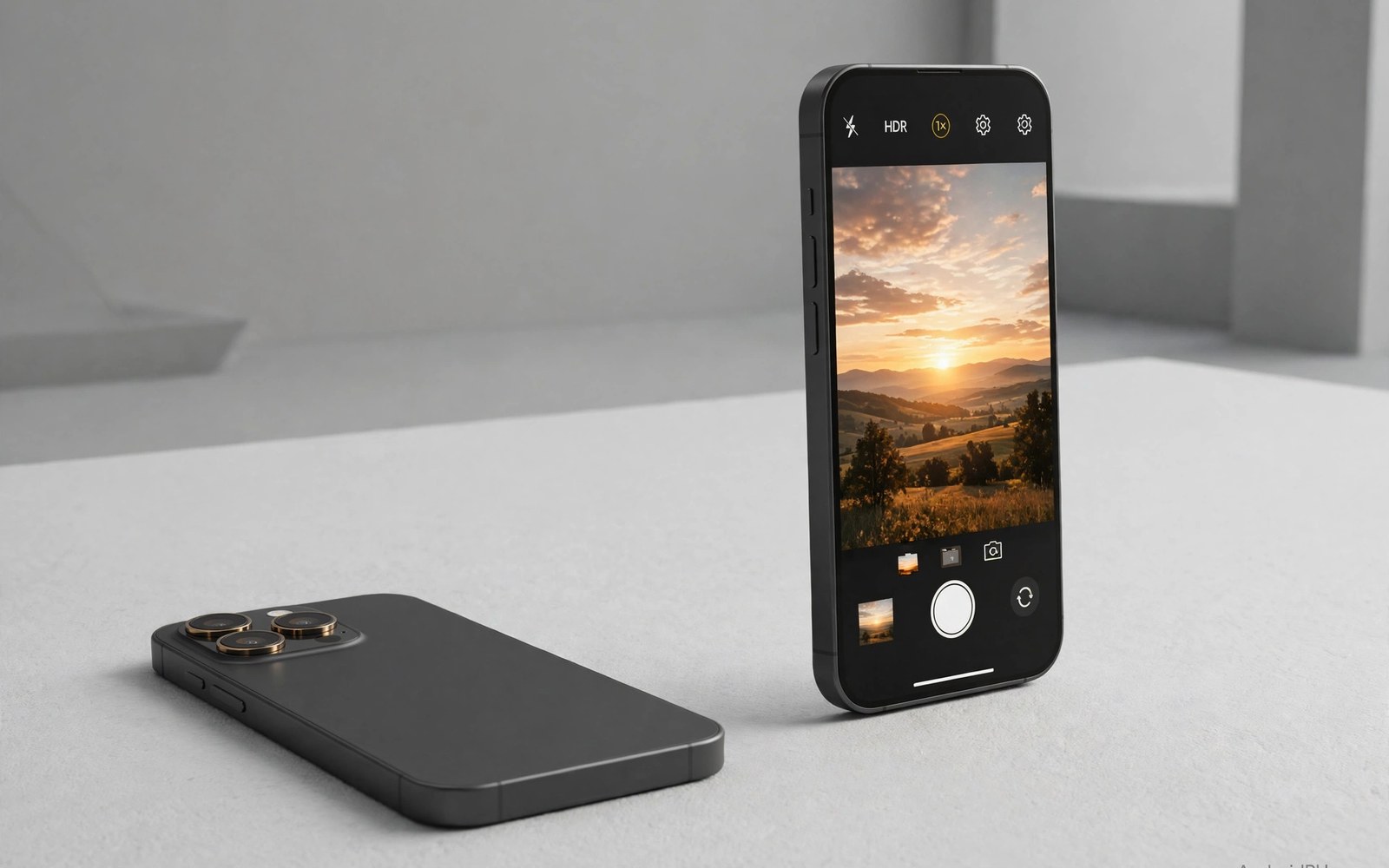
Two camera flagships dominate every photo debate. One leans on powerful hardware and huge zoom reach. The other leans on smart software and fast image processing. Both take superb photos in good light. The differences show up when light drops and when distance grows.
This comparison tests daylight detail and night mode and portraits and video and selfies. It also weighs ease of use for people who just want to point and shoot. Readers weighing a photo-first phone against a gaming device can also compare gaming phones and camera flagships before they decide. The goal is a clear winner for each shooting style rather than one vague champion.
Main Camera Hardware Compared
The Ultra approach starts with a large sensor and a high resolution main camera. Big sensors gather more light. High resolution gives room to crop without losing sharp detail. The Pixel approach uses a strong main sensor too. It then adds heavy software tuning to squeeze out clean color and balanced exposure.
Hardware alone never tells the full story. Lens quality and sensor size and processing speed all shape the final image. The Ultra wins on raw flexibility because it offers more lenses and more shooting modes. The Pixel wins on consistency because most shots look right on the first try.
Zoom Reach And Detail
Zoom is where the two phones split apart most clearly. The Ultra offers long optical zoom that keeps distant subjects sharp. Buildings and wildlife and stage performers stay detailed at ranges where digital zoom turns mushy. The Pixel offers solid zoom too. It relies more on software to rebuild detail at high magnification.
For everyday zoom the gap is small. A two times or three times zoom shot looks great on both phones. At ten times zoom and beyond the Ultra pulls ahead in most scenes. Travel photographers and concert fans will feel that edge on every trip.
| Aspect | First Option | Second Option |
|---|---|---|
| Main camera | Large sensor and high resolution | Strong sensor and smart processing |
| Zoom | Long optical reach | Software assisted zoom |
| Night mode | Detail in very dark scenes | Clean shadows and natural tones |
| Portraits | More lens and blur control | Natural edges and skin tones |
| Video | Manual controls and zoom audio | Smooth stabilization and voice focus |
Low Light And Night Mode
Night shooting rewards patience and steady hands. Both phones brighten dark scenes without turning night into fake daylight. The Pixel often produces cleaner shadows and more natural skin tones in dim restaurants. The Ultra often captures more detail in very dark streets and keeps highlights under control.
Long shooting days drain batteries fast and make power planning part of photography. Readers can check charging speed tests to see how fast each power level refills a phone. Night mode speed also matters. A phone that needs four seconds per shot will miss candid moments. Both flagships now process night shots fast enough for casual use.
Portrait Mode And Skin Tones
Portrait mode separates the subject from the background with a soft blur. The Pixel has long led this field with natural edge detection around hair. Faces look warm and true to life in most light. The Ultra gives more control over blur strength and lens choice. That control suits users who like to fine tune every shot.
Skin tone accuracy deserves close attention. Over smoothing can make faces look plastic. Over sharpening can make skin look harsh. The Pixel tends to keep skin natural with gentle processing. The Ultra can look sharper but sometimes pushes contrast too far. Trying both cameras in a store with a real face in frame is the best test.
- Shoot the same scene on both phones before you buy.
- Test night mode in a dim room rather than a bright store.
- Check zoom at the distance you actually shoot from.
- Look at skin tones on a real face and not a test chart.
- Record a short walking video to judge stabilization.
Video Recording And Stabilization
Video quality now matters as much as still photos for many buyers. Both phones record sharp 4K video with smooth stabilization. Walking shots look steady without a gimbal. Panning shots stay smooth when the user moves slowly. The Ultra adds more manual video controls and higher zoom during recording.
Audio quality in video often gets ignored until playback. Wind noise and crowd noise can ruin an otherwise great clip. Both phones use multiple microphones to reduce wind hiss. The Pixel voice focus mode helps vloggers in noisy streets. The Ultra zoom audio feature can follow a distant subject with clearer sound.
adb shell dumpsys media.camera
adb shell cmd camera list
# Save camera feature output for review
adb shell dumpsys media.camera > camera-features.txt
The commands above come from standard Android developer tooling for camera inspection. They only read camera feature data and they change no setting on the phone.
Selfies And Front Camera
Front cameras decide how good video calls and selfies look. Both flagships offer wide front lenses that fit groups into frame. Autofocus on the front camera helps when the phone sits at arm’s length. The Pixel front camera excels at natural color in mixed light. The Ultra front camera excels at detail and wider group shots.
Selfie processing styles differ in a useful way. One phone favors a clean natural look straight from the camera. The other favors a sharper punchier look that pops on social feeds. Neither style is wrong. Personal taste should decide this category more than any test chart.
Daylight Detail And Color Science
Daylight shots reveal how each camera handles fine texture and natural color. Leaves and brickwork and fabric show whether processing preserves detail or smears it into smoothness. The Ultra main sensor captures dense detail that survives cropping for large prints. The Pixel processing keeps textures clean while avoiding harsh sharpening halos around edges. Both phones produce images that look superb on phone screens and social feeds. Differences appear mainly when images are viewed at full size on large monitors.
Color science splits opinions in a useful way. One camera favors vivid saturated color that pops instantly on social media. The other favors restrained natural color that matches what the eye saw at the scene. Neither approach is objectively wrong for every user. Travel photographers often prefer punchier color for landscapes and street scenes. Portrait shooters often prefer natural color for skin and clothing. Buyers should compare sample photos from both cameras in the same light before they commit to a style.
Dynamic Range In Harsh Light
Harsh midday light tests dynamic range harder than any other condition. Bright skies and dark shadows coexist in the same frame. Good HDR merges several exposures into one balanced image. The Pixel HDR pipeline handles skies gracefully and keeps cloud detail visible. The Ultra HDR pipeline recovers shadow detail strongly while holding highlights steady. Both phones avoid the washed out skies that plagued older cameras.
Backlit portraits expose HDR weaknesses quickly. Faces in shade can turn dark against bright windows. Both flagships brighten faces without blowing out backgrounds badly. The Pixel often keeps face brightness more even across varied skin tones. The Ultra often preserves background color more richly in the same scene. Users who shoot into the sun often should test backlit samples from both phones. Real scenes matter more than laboratory charts for this test.
Action Shots And Moving Subjects
Moving subjects separate fast cameras from slow ones. Children and pets and sports rarely pose patiently. Shutter lag decides whether a moment is captured or missed. Both flagships offer fast shutters in good light. The Pixel motion mode can freeze action with smart frame selection. The Ultra burst shooting captures long sequences for picking the perfect frame.
Autofocus tracking keeps moving subjects sharp across frames. Eye detection locks onto people and animals quickly. Both systems track runners and cyclists well in daylight. Low light action remains hard for every phone camera. Faster shutter speeds in dim gyms introduce noise that processing must clean. Action shooters should favor the phone with quicker focus lock in their typical venues.
Editing Tools And Photo Workflow
Built in editing tools extend camera value after capture. Magic eraser tools remove distractions from busy scenes. Both brands offer object removal with mixed success on complex backgrounds. Portrait relighting tools adjust face brightness after shooting. RAW capture gives advanced users full control in desktop editors. The Ultra RAW options suit photographers who edit every keeper carefully.
Cloud backup and sharing speed shape workflow too. Large high resolution files consume storage quickly. Both brands offer cloud plans with similar pricing tiers. Local backup to a computer avoids monthly fees entirely. Photographers should plan storage before buying a high resolution camera phone. A great camera with full storage frustrates faster than a modest camera with room to shoot.
Long Term Camera Value
Camera software updates can improve photo quality over years. Brands refine processing through updates after launch. Night mode and portrait quality have improved on older flagships this way. Hardware limits still cap ultimate quality gains. Sensor size and lens quality never change through software. Buyers should value launch camera quality more than promised future improvements.
Resale value also reflects camera reputation strongly. Phones praised for cameras hold value better at trade in. Camera leaders attract buyers in the used market. A phone with a weak camera depreciates faster even if other specs stay strong. Long term owners should weigh camera staying power alongside battery health. A great camera remains useful long after chips feel slow.
Night Portraits And People In Dim Light
Night portraits test face detection in near darkness. Both phones brighten faces while keeping backgrounds moody. The Pixel often renders skin more evenly under street lights. The Ultra often preserves background lights as pleasing orbs. Users who shoot friends at night should compare samples from dim bars and streets. Real faces reveal processing differences faster than landscapes.
Flash use changes night portraits dramatically. Both phones offer gentle fill flash options. Natural night mode usually beats harsh flash for atmosphere. Portrait lighting effects can relight faces after capture. These tools help casual shooters rescue dim shots. Serious shooters should still seek better ambient light when possible.
Ultrawide And Macro Shooting
Ultrawide lenses capture architecture and group scenes. Both flagships offer wide lenses with good daylight detail. Edge distortion appears on both but software corrects much of it. Low light ultrawide shots show more noise than main camera shots. Users should expect softer ultrawide results at night on either phone.
Macro shooting divides the two approaches clearly. One phone uses a dedicated macro mode with close focus. The other crops from high resolution main sensors. Dedicated macro lenses capture tiny subjects with more detail. Cropped macro shots stay convenient for casual close ups. Insect and flower photographers should test macro modes directly.
Storage And Sharing For Photographers
High resolution photos consume storage at alarming rates. RAW files multiply storage needs several times over. Cloud backup plans become almost mandatory for heavy shooters. Both brands offer storage tiers at similar prices. Local drives provide cheaper long term archives for careful users.
Sharing speed affects social photographers daily. Large files upload slower on weak networks. Compression options reduce file sizes for sharing. Original quality uploads preserve detail for printing. Photographers should balance sharing speed against quality needs. Storage planning prevents frustrating full phone warnings during trips.
Choosing Based On Shooting Habits
Shooting habits should decide this camera battle finally. Social shooters who post daily favor effortless pleasing photos. Travel photographers favor zoom reach and versatile lenses. Portrait lovers favor natural skin and reliable face focus. Video creators favor stabilization and audio quality most.
No single camera wins every habit category. Buyers should rank their top three shooting situations honestly. Test both cameras in those exact situations when possible. Rental or borrowed phones give realistic trial experiences. Store demos under bright lights mislead buyers often. Real habit testing prevents expensive camera regret.
Final Verdict
For most people the Pixel Pro is the easier camera to love. It delivers pleasing photos with little effort in almost every scene. For photographers who want reach and control the Ultra is the stronger tool. Its zoom and manual options open shots that the Pixel cannot match.
Budget also shapes this choice and value flagships shows how much camera quality a lower price can still deliver. Pick the Pixel for effortless everyday photos. Pick the Ultra for zoom and creative control. Either phone will beat older flagships by a wide margin.

