

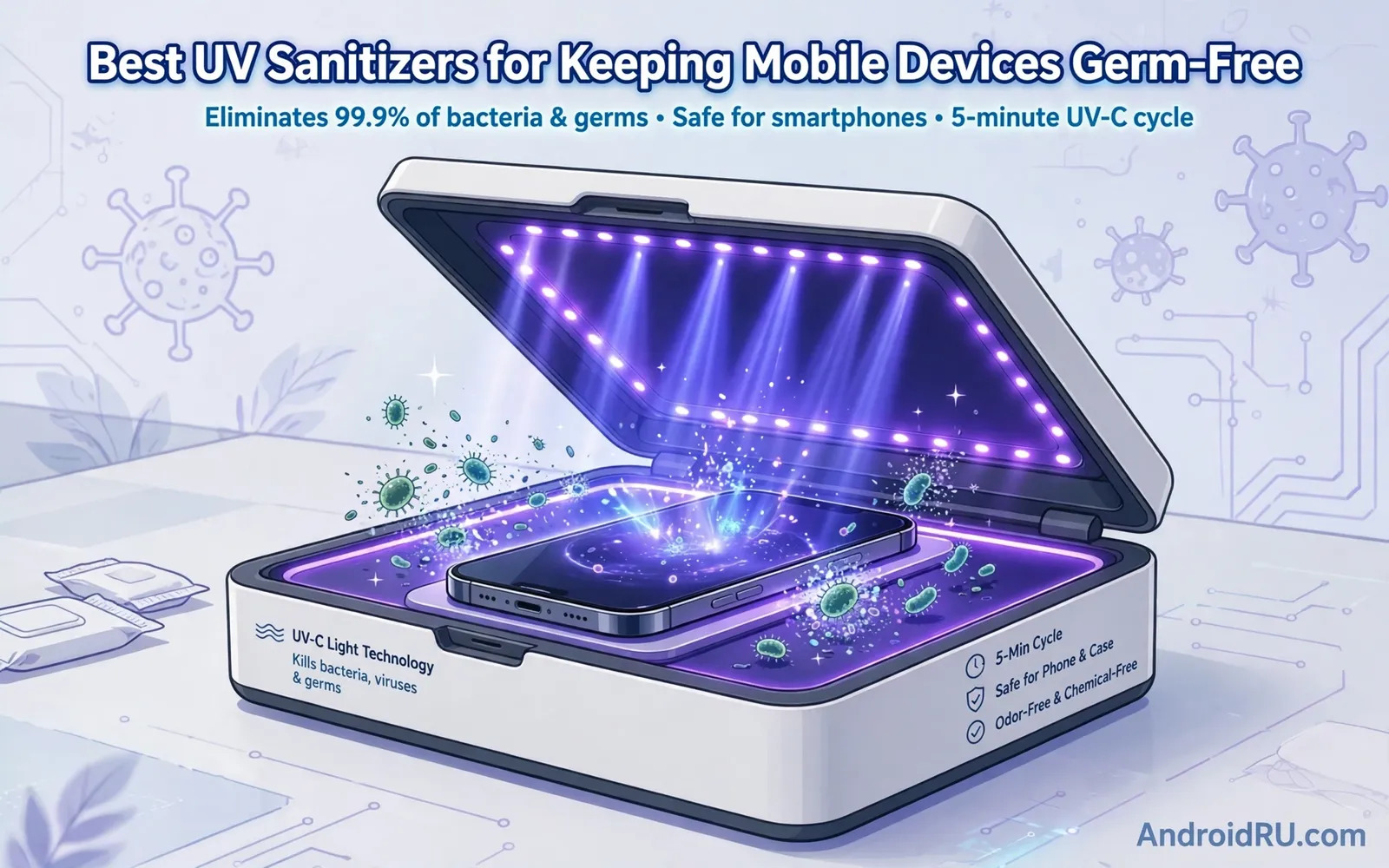
Why Phones Deserve Hygiene Attention
A phone touches hands and faces and tables and pockets all day and accumulates microbes from every surface it meets. Users then press that same phone against ears and cheeks during calls. Cleaning with a cloth removes visible grime but reaches only surfaces that hands can wipe easily. A UV sanitizer box offers a hands-free method that exposes the whole device to ultraviolet light at once. The appeal is convenience and consistency because a box sanitises during charging or during a routine break without scrubbing every edge and port.
UV sanitising complements cleaning rather than replacing it. Visible dirt and grease can shield microbes from light and reduce effectiveness. A phone caked in grime should be wiped first and sanitised second. UV light also cannot repair a cracked screen or remove scratches or improve battery life. It addresses one hygiene dimension while cloth cleaning and case care address others. Readers choosing protective accessories alongside hygiene can explore thin and minimalist cases for a sleek phone feel because a cleanable case supports a hygienic routine.
How UV Sanitising Works In Simple Terms
Ultraviolet light in the germicidal range damages the genetic material of many bacteria and viruses and reduces their ability to reproduce. A sanitizer box places lamps around the device so light reaches front and back surfaces. Cycle time and lamp placement and interior reflectivity affect how evenly light covers the phone. A short cycle in a poorly designed box may leave shadowed edges less treated than flat surfaces. A longer cycle in a well designed box treats surfaces more evenly. No home box can guarantee complete sterilisation and buyers should distrust any product that promises total germ elimination.
UV light type matters for safety and effectiveness. Germicidal UV-C light harms eyes and skin with direct exposure so a safe box must prevent light leakage during operation. Interlocks that switch lamps off when the lid opens protect users. Never look directly into a running UV box and never defeat safety interlocks. Some boxes use different wavelengths marketed as safer but effectiveness varies by wavelength and dose. Check that the product explains its wavelength and cycle honestly rather than hiding behind vague sanitising language. Readers weighing case protection can review waterproof pouches and cases for underwater shooting for sealed accessory ideas that also suit hygiene routines in wet environments.
Choosing A Sanitizer Box For Phones And Accessories
Size decides whether the box fits your phone with its case and your earbuds and your watch together. A box sized only for a bare small phone frustrates owners of large phones. Charging support adds value because a box that charges while sanitising turns hygiene into a nightly routine rather than a separate chore. Wireless charging inside a box suits phones with wireless charging while a cable port suits other devices. Interior material matters because reflective interiors distribute light more evenly than dark absorbent interiors.
Cycle indicators and automatic shutoff improve usability because users should not guess when a cycle finishes. A box with a clear timer and a lid interlock and a sturdy hinge will survive daily use better than a flimsy box with vague controls. Consider whether the box also sanitises small items such as keys and earbuds and cards because multi-item use increases value. Avoid boxes that claim medical sterilisation for home use because home UV boxes support hygiene rather than clinical sterilisation. Honest marketing is a quality signal in this category.
- Box size fitting large phones with cases attached
- Charging support so sanitising becomes a nightly routine
- Lid interlock preventing UV exposure during operation
- Reflective interior for even light coverage front and back
- Clear cycle timer and automatic shutoff for easy use
Safe Use Routine And Device Compatibility
Wipe visible dirt from the phone before sanitising and remove thick cases that block light from edges if the maker advises removal. Place the phone flat inside the box and close the lid fully before starting a cycle. Wait for the cycle to finish before opening the lid. Sanitise once daily or after high exposure situations such as travel and hospitals and shared use rather than running endless cycles. Excessive UV exposure can age some plastics and coatings over time so moderation protects both hygiene and device materials.
Check compatibility with your phone materials and coatings before frequent use. Some makers warn against prolonged UV exposure for certain finishes. When in doubt use shorter cycles and wipe cleaning as the main method. Keep the box away from children and pets because UV light harms eyes even though a safe box contains it during normal use. Store the box on a stable surface and inspect the lid seal and interlock regularly. A damaged lid should be repaired or replaced before further use because safety depends on containment.
Limits And Honest Expectations
UV sanitizers reduce microbes on exposed surfaces but they cannot sanitise inside ports and under buttons and beneath a tightly fitted case. Shadowed areas receive less light and remain less treated. A phone used by a sick person still needs careful handling and hand hygiene because surface treatment does not address airborne transmission or close contact risks. UV sanitising is one layer in a hygiene routine alongside hand washing and sensible device sharing habits. Overreliance on a box while neglecting hand hygiene creates false confidence.
Scientific claims deserve scrutiny because test conditions vary. A laboratory test on a flat surface under ideal light differs from a phone with a textured case in a home box. Look for clear test descriptions rather than dramatic percentage claims without context. A product that explains its limits honestly deserves more trust than a product that promises perfection. Hygiene improves with consistent sensible routines rather than with a single dramatic purchase.
Care And A Practical Hygiene Checklist
Clean the box interior gently following maker guidance because dust on lamps and reflectors reduces light output. Replace lamps or the whole box when the maker indicates end of life because UV output declines with age. Keep the box dry and away from heat sources. Combine UV cycles with regular cloth wiping and case cleaning for a complete routine. Inspect the phone during hygiene sessions for cracks or damage because a cracked device harbours grime in crevices that light and cloth both struggle to reach.
Readers choosing screen protection that survives frequent cleaning can explore choosing the best screen protector comparing tempered glass and TPU for a wipe-friendly surface. A protector gives cleaning a replaceable layer and supports a hygienic routine without wearing the phone screen itself. Build hygiene into a daily habit and the phone stays cleaner with little extra effort.
- Wipe visible dirt before running a UV cycle
- Close the lid fully and wait for the cycle to finish
- Sanitise daily or after travel and shared use only
- Inspect lid interlock and lamps regularly for safety
UV Sanitizer Use In Shared And Public Settings
Shared settings such as offices and schools and gyms increase device hygiene importance because phones pass between hands and surfaces more often. A UV box in a shared space should have clear usage instructions and a lid interlock that every user understands. Wipe devices before sanitising because shared devices often carry visible grime from many users. Avoid sharing a phone immediately after sanitising if hands remain unwashed because clean surfaces recontaminate quickly through dirty hands. Hand hygiene remains the foundation even in settings with excellent UV equipment.
Public health messaging sometimes overstates UV sanitizer benefits and buyers should stay sceptical of dramatic claims. A box that reduces surface microbes contributes to hygiene but it cannot make a shared device completely safe during illness outbreaks. Ventilation and hand washing and staying home when ill matter far more than any device sanitizer. A balanced view treats UV sanitizing as a helpful supplement rather than a primary defence. Overpromising products undermine trust in genuinely useful hygiene tools when users discover their limits during real outbreaks.
Workplace policies should treat UV boxes as optional hygiene aids rather than mandatory safety equipment unless a qualified health professional advises otherwise. Provide cloth wipes alongside UV boxes so visible dirt can be removed first. Keep boxes clean and maintained because a dusty neglected box in a corner helps nobody. Review usage periodically and replace lamps at maker intervals. A maintained box with honest expectations serves a workplace better than an impressive box bought during a scare and forgotten afterwards.
- Post clear instructions and lid safety notes on shared UV boxes
- Wipe shared devices before UV cycles for better light exposure
- Pair UV use with hand washing as the primary hygiene defence
- Do not present UV boxes as complete protection during outbreaks
- Maintain lamps and interiors on maker intervals in shared spaces
UV Sanitizer Maintenance And Lamp Life
Lamp life determines UV sanitizer effectiveness over time because ultraviolet output declines gradually rather than failing suddenly. A box with an ageing lamp may look identical while delivering weaker treatment. Follow maker guidance on lamp replacement intervals and replace lamps or the box on schedule rather than waiting for visible failure. Keep a note of purchase date and first use date so replacement timing stays clear. A maintained box with a fresh lamp performs consistently while a neglected box offers false confidence through routine without results.
Interior cleanliness affects lamp performance because dust and fingerprints on lamps and reflectors block and scatter light. Wipe interior surfaces gently with a dry soft cloth when the box is unplugged and cool. Never touch UV lamp surfaces with bare hands when the maker warns against it because skin oils can damage lamps. Inspect hinges and lid seals during maintenance because a loose lid compromises safety interlocks. Regular maintenance keeps a UV box both effective and safe for years of daily use.
- Replace lamps on maker intervals before output fades noticeably
- Note purchase and first use dates for replacement timing
- Wipe lamp and reflector dust gently when unplugged and cool
- Inspect lid seals and hinges during every maintenance check

