

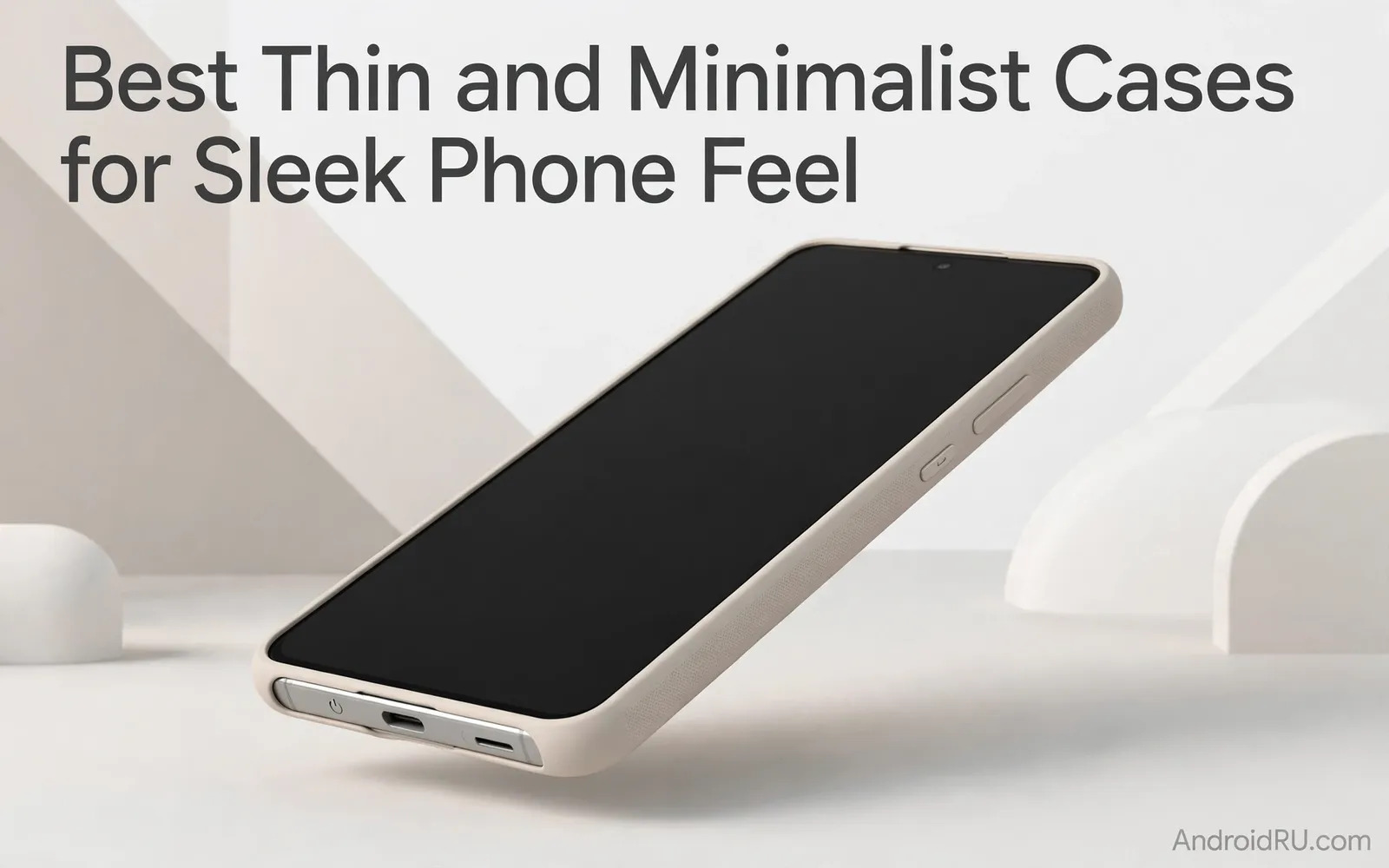
A thin minimalist case protects a phone without hiding its design. Slim cases add grip. Slim cases guard against light scratches. Slim cases soften small bumps. They do not promise survival from high drops. That trade-off suits careful users who value feel. A sleek phone should still feel sleek in a case. This guide explains how to judge thin cases honestly. It also explains where thin protection falls short.
Start with material feel in your hand. A matte finish resists fingerprints. A clear finish shows the phone color and logo. A soft touch finish adds grip without bulk. A hard shell slides into pockets easily. A flexible shell absorbs small shocks better. Hold the case empty first. Flex the edges gently. Check whether buttons stay clicky through the case. Check whether the lip rises above the screen edge. A tiny lip can save a screen from a flat table drop.
Fit Cutouts And Button Feel
Precise cutouts matter more on thin cases than on thick ones. A port cutout must align with your charging cable. A speaker cutout must not muffle sound. A camera cutout must not catch glare from a flash. A raised camera ring adds lens protection without much bulk. Test every button after fitting. Volume buttons should click crisply. The power button should not feel buried. A case that dulls buttons annoys you every single day. Fit quality shows in these small details. A good reference for tougher protection sits in Top Heavy-Duty Protective Cases for Extreme Drop Protection and comparing it with slim options clarifies what you give up for sleek feel.
Edge coverage deserves a close look. Some slim cases cover only the back and sides. Some slim cases add a small front lip. A front lip helps when a phone lands face down on a smooth floor. A front lip can interfere with edge gestures on curved screens. Test swipe gestures after fitting. Test wireless charging through the case. Test magnetic accessories if you use them. A case that blocks charging creates daily friction. Choose a case that passes all your daily tests in the first week.
Grip Color And Long Term Wear
Grip is the hidden value of a thin case. Bare glass phones slip easily. A thin case with texture can prevent many drops before they happen. Smooth glossy cases look premium but grip poorly. Textured sides grip better with dry hands. Textured sides can collect pocket lint over time. Wash a flexible case with mild soap and water. Dry it fully before refitting. Check for yellowing on clear cases after months of sun exposure. Yellowing is normal for many clear materials. Replace a yellowed case when looks matter to you. Screen protection choices pair closely with case choices and the advice in How to Choose the Best Screen Protector: Tempered Glass vs TPU helps you match protector and case as one system.
Color choice affects heat and visibility. Dark cases absorb more sun heat outdoors. Light cases show dirt faster. Clear cases show phone design best. Pattern cases hide scratches better. Pick a color you will still like after six months. A case you dislike gets removed. A removed case protects nothing. Keep a spare slim case for formal settings if you like variety. Rotate cases to check the phone back for trapped grit. Grit under a case can scratch a back panel slowly. Clean the inside of the case during each rotation.
When Thin Is Enough And When It Is Not
Thin cases suit office use and careful pocket carry. Thin cases suit users who rarely drop phones. Thin cases suit phones that already feel large and heavy. Thin cases suit anyone who values pocket comfort highly. Work sites and outdoor trails demand more armor. Young children handling a phone demand more armor. A phone used one-handed on the move may need extra grip aids. Be honest about your own drop history. Past drops predict future drops better than good intentions. Magnetic accessory fit is another daily test and the notes in Best MagSafe Accessories for Android Phones using Adapters show how adapter rings change case compatibility.
Buy the case for your real phone model exactly. A near-fit case misaligns ports and buttons. A near-fit case can press a button constantly. A near-fit case can leave a corner exposed. Check model name and camera layout before ordering. Check seller return terms for fit problems. Keep packaging until fit tests pass. A thin case done well disappears in daily use. That disappearance is the goal. The phone stays sleek. The phone stays grippy. The phone stays protected from everyday wear.
Drop stories reveal case limits better than marketing claims. A pocket-height drop onto wood differs from a waist-height drop onto concrete. A corner impact differs from a flat back impact. A screen-down landing differs from a back-down landing. Thin cases handle low drops onto smooth floors best. Thin cases struggle with high drops onto rough stone. Honest users match case choice to likely drop surfaces. Office floors forgive thin cases. Construction sites punish thin cases. Sidewalks sit between those extremes. Know your daily surfaces before you trust a slim shell.
Wireless charging through thin cases usually works well. Thin materials pass charging power with little loss. Metal decorations can block charging power. Thick magnetic plates can shift alignment. Test charging speed with the case on. Test charging speed with the case off. Compare heat during both tests. A large gap signals case interference. A small gap signals normal variation. Remove decorative metal stickers before blaming a case. Keep the charging coil zone free of thick layers. A thin case should disappear during charging. A case that fights charging fails a daily test.
Button covers on thin cases age with use. Soft button covers can loosen after months of presses. Hard button covers can crack at thin hinge points. Test button travel monthly. Test button click sound monthly. A mushy button signals cover wear. A sharp click signals healthy cover action. Replace a case when buttons feel unreliable. Unreliable buttons cause missed screenshots and volume errors. Unreliable buttons also cause accidental calls. Button health matters as much as drop protection. Daily presses number in the hundreds. Small wear compounds fast.
Pocket lint and dust collect inside any case over time. Lint gathers near camera cutouts first. Dust gathers near port cutouts second. Grit gathers along case edges third. Clean the case interior weekly with a dry cloth. Clean the phone back weekly too. Inspect for trapped sand after beach trips. Inspect for trapped grit after hikes. A single grain can scratch a back panel slowly. A scratched back panel hurts resale value. A clean case preserves both looks and value. Weekly cleaning takes less than a minute. A minute weekly beats a scratched phone permanently.
Style trends for thin cases change each season. Clear cases showcase phone colors best. Frosted cases hide fingerprints better. Solid colors match outfits and moods. Pattern cases express personality strongly. A timeless solid color outlasts seasonal patterns. A seasonal pattern can refresh an old phone cheaply. Rotate a fun case for weekends. Rotate a sober case for workdays. Rotation keeps an old phone feeling fresh. Rotation also spreads wear across two cases. Two cases last longer than one case used daily. Variety plus durability beats a single perfect case.
Resale value links closely to case habits. A phone kept in a case shows fewer scratches. A phone kept in a case shows cleaner edges. A phone kept in a case photographs better for resale listings. Keep the original box beside the case habit. Keep screen protection beside the case habit. Photograph the phone before first case fitting. Photograph the phone at resale time too. Clean photos prove careful ownership. Careful ownership commands better resale prices. A thin case pays for itself at resale time. A thin case also pays daily in grip and comfort.
Users who switch phones often should choose thin cases with widely available model fits rather than rare limited designs because a case for a popular model is easier to replace after damage while a case for a rare model can take weeks to replace and a phone without a case during that wait faces far higher scratch risk in daily pockets and bags.
Photographers who use thin cases should check whether the case lip protects the camera lenses during table placement because a case with no camera lip lets lenses touch table surfaces directly while a case with a small raised camera ring keeps lenses clear of grit and crumbs and that small ring costs almost nothing in bulk or weight.
Users in dusty workplaces should clean thin cases more often than office users because dust that collects under a case edge can act like sandpaper during normal movement while a quick weekly wipe removes that dust before it scratches a back panel and a dusty workplace routine protects resale value far better than any premium case material alone.
Gift buyers choosing a thin case for someone else should confirm the exact phone model and the preferred finish before ordering because a beautiful case for the wrong model is useless while a case in a disliked finish will sit unused in a drawer and a short confirmation message prevents both disappointments with almost no extra effort.
Inspect a thin case for cracks after every noticeable drop. Check corners first because corners absorb impact first. Check edges second because edges flex during drops. Check the camera ring third because rings crack under pressure. Check button covers fourth because covers tear at hinges. A small crack can spread across a case quickly. A spreading crack exposes phone edges gradually. Replace cracked cases promptly rather than waiting. A prompt replacement costs little. A delayed replacement risks phone damage greatly. Regular inspection protects both case and phone.
Match thin case texture to your hand moisture level. Dry hands slip on glossy surfaces easily. Damp hands grip glossy surfaces better temporarily. Textured surfaces grip dry hands reliably. Textured surfaces also grip damp hands reliably. Matte surfaces balance grip and pocket slide well. Frosted surfaces hide fingerprints effectively. Smooth surfaces show fingerprints immediately. Choose texture by your most common hand condition. Choose texture by your pocket type too. Tight pockets prefer smooth slides. Loose pockets tolerate textured grips well.
Store spare thin cases flat and away from sunlight. Sunlight yellows clear cases over months. Sunlight fades colored cases over months too. Heat warps thin shells slowly. Cold makes thin shells brittle temporarily. A drawer at room temperature suits spare cases best. Keep spare cases in their original sleeves. Sleeves prevent scratches between stored cases. Label spare cases by phone model clearly. Clear labels prevent grabbing a wrong model case. A well stored spare case stays ready for instant use.

