

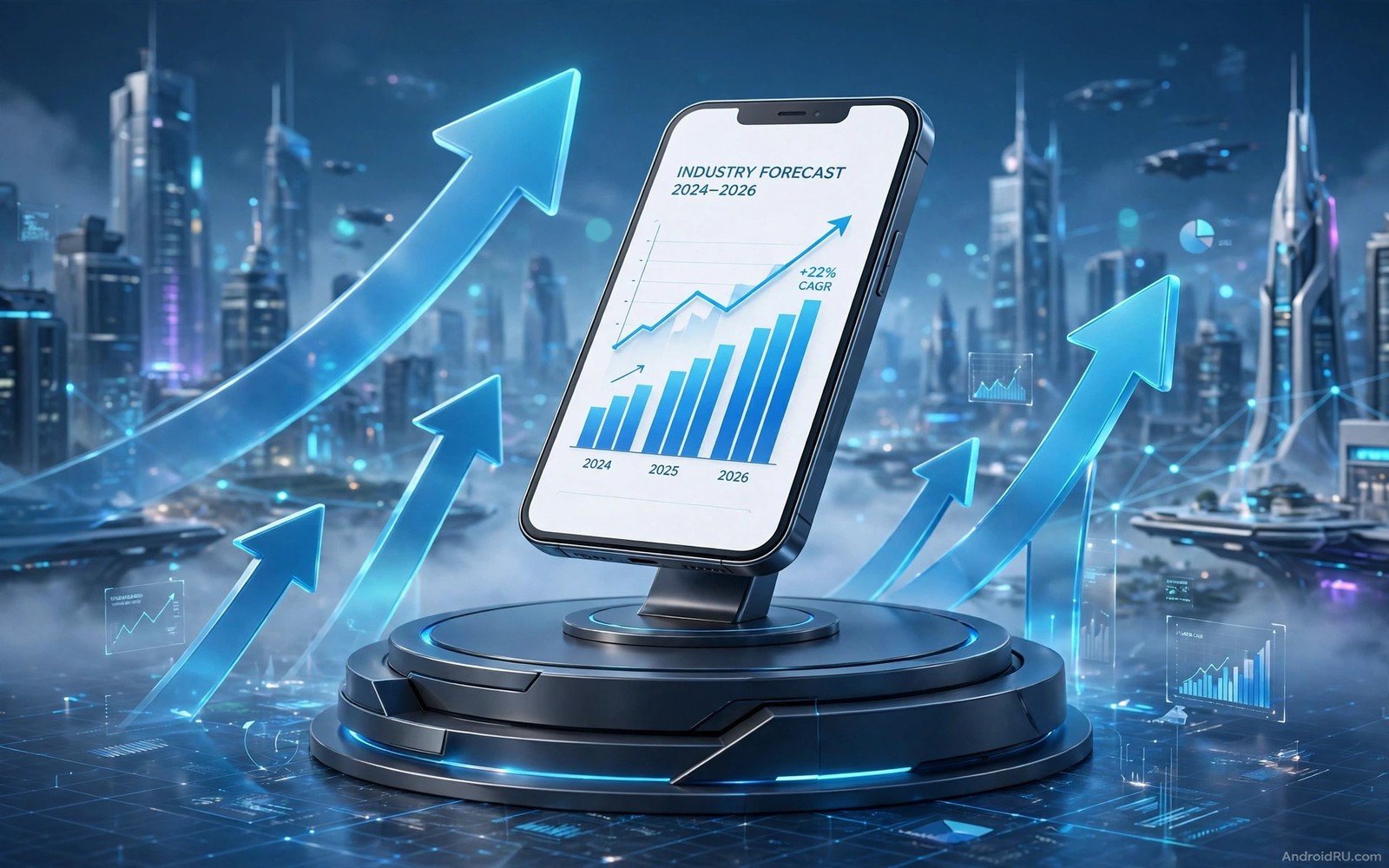
Predicting the smartphone industry over five years is risky because technology and regulation and consumer habits change quickly. Still, several trends are strong enough to shape the next five years with reasonable confidence. AI will become more central. Foldables will become more mainstream. Support periods will lengthen. Prices will split into clearer tiers. Repairability will matter more.
Predictions are useful when they help a buyer decide whether to upgrade now or wait. A prediction that foldables will improve may convince a user to wait one more year. A prediction that support will lengthen may convince a user to buy a current phone with a long promise. Use predictions as planning tools rather than as guarantees.
AI phones become the default
AI features will move from flagship extras to standard tools on mid range phones within five years. On device transcription and translation and photo enhancement will become expected rather than impressive. That shift will happen because neural chips become cheaper and models become smaller. A mid range phone in five years may offer AI features that today require a flagship.
AI differentiation will shift from raw capability to trust and usefulness. A phone that offers AI features with clear privacy controls will win over a phone that offers more features with vague data policies. Users will ask which AI tasks run locally and which need a server. That transparency will become a selling point.
Foldables move from niche to mainstream choice
Foldable phones will become a mainstream choice within five years as prices fall and durability improves. A foldable that costs only slightly more than a flagship slab phone will attract users who want a larger screen for work and media. Hinges will become more reliable and creases less visible. Software will handle folding states more smoothly.
Foldables will not replace slab phones completely because many users prefer a simple and durable flat phone. Foldables will become one of several normal choices rather than a novelty. A buyer in five years may choose between a slab and a foldable based on work needs rather than on price alone.
Longer support and longer phone life
Support periods will lengthen as regulation and competition push makers toward seven years of updates for many models. Longer support will make phones last longer and reduce waste. It will also change buying habits because a user can keep a phone for five years without security worries. That longevity will favour makers with strong update records.
Longer support also requires durable hardware because a phone with a weak battery or a fragile screen cannot last seven years even with software updates. Makers will need to improve battery replacement and repair options alongside software promises. A phone that receives updates but cannot be repaired will still fail early for many users.
Price tiers become clearer
Price tiers will become clearer as budget phones improve and flagship prices stay high. A budget phone in five years may offer a good display and decent camera and long battery life. A flagship will offer the best camera and fastest chip and most advanced AI. A mid range phone will offer a balance that satisfies most users.
That clarity helps buyers because a budget phone will no longer feel like a severe compromise for basic tasks. A user who mainly calls and messages and browses can choose a budget phone without frustration. A user who photographs professionally or games heavily will still benefit from a flagship. Choice will match needs more closely.
Repairability and sustainability gain importance
Repairability will gain importance as users keep phones longer and as regulations require spare parts and repair guides. A phone that is easy to repair will cost less over its life. A phone that is hard to repair will lose value faster. Sustainability claims will face more scrutiny because users will check repair scores and recycled materials.
Makers that design for repair from the start will gain an advantage. A modular battery and a standard screw system and available parts make repair practical. A sealed design with glued parts makes repair expensive even if the maker claims sustainability. Real repairability will separate genuine efforts from marketing.
What predictions could be wrong
Predictions can fail when a new technology disrupts expectations. A breakthrough in battery chemistry could change phone design overnight. A new form factor such as glasses could reduce phone importance faster than expected. A regulation change could accelerate or slow a trend. Readers should treat predictions as scenarios rather than certainties.
A useful approach is to prepare for several scenarios rather than betting on one. A buyer who chooses a phone with long support and good repairability will benefit in most scenarios. A buyer who chases a single prediction may regret a purchase if that prediction fails. Flexibility beats certainty in a fast changing market.
How to plan a purchase for five years
Planning for five years starts with update length and battery health and storage needs. A phone with seven years of updates and a replaceable battery and ample storage will age better than a phone with a short promise and fixed storage. A phone with a strong camera and a good display will also age better because those features matter every day.
Budget for accessories and repairs as part of a five year plan. A good case and a screen protector extend phone life. A battery replacement after three years can restore a phone that otherwise feels old. Those small investments make a long term plan realistic rather than theoretical.
Predictions for app stores and developers
App stores will face more competition and regulation over the next five years. Alternative stores and payment options may become more common in some regions. Developers may gain more choice in how they distribute apps and collect payments. Users may gain more stores to choose from but they will also need to judge store safety more carefully.
Developers will also face AI tools that help write and test apps faster. Those tools could lower the barrier for new developers and increase app variety. They could also increase low quality apps if vetting does not keep pace. Store quality and discovery will become more important as app numbers grow.
Predictions for connectivity and 5G
Connectivity will improve as 5G coverage expands and satellite features become more common. A phone in five years may offer satellite messaging as a standard feature for emergencies. That feature could help travellers and rural users stay connected when terrestrial networks fail. It will not replace normal mobile data for daily use.
Data plans may also change as networks become faster and more efficient. Unlimited plans could become more common while premium plans offer priority speed. Users should check coverage in their own area rather than trusting national coverage maps. Real coverage determines whether new connectivity features help daily life.
Common mistakes
People often buy a phone based on a single prediction such as foldables taking over completely. That narrow bet can lead to disappointment if the prediction unfolds slowly. A balanced purchase considers several trends together.
- Buying a foldable solely because predictions say foldables will dominate.
- Ignoring update length and repairability when planning for five years.
- Assuming that AI features will stay exclusive to flagships for many years.
- Choosing a budget phone without checking whether it will receive updates.
- Expecting every prediction to happen on the same timeline.
A careful buyer uses predictions to prioritise durable features such as support and repair and battery. Those features help in almost every future scenario.
Frequently asked questions
Will foldables replace slab phones in five years?
Foldables will become more common but they are unlikely to fully replace slab phones in five years. Many users prefer simple and durable flat phones. Foldables will become a normal choice alongside slab phones.
Choose a foldable if a larger screen helps your work or media use. Choose a slab if durability and price matter more.
Will AI make phones more expensive?
AI may add cost initially but neural chips and efficient models will become cheaper over time. Mid range phones will gain AI features that today require a flagship. Competition will keep prices in check for most users.
Check which AI features run locally and which need a subscription. Subscription costs can add up even if hardware prices stay stable.
How long should a phone last in five years?
A phone bought today with long support could last five years or more with a battery replacement. Hardware durability and repair options will decide real lifespan. Software updates alone do not guarantee five years of good use.
Plan for a battery replacement after three years and use a case to protect the screen. Those steps extend life significantly.
Conclusion
The next five years will bring AI as a default and foldables as a mainstream choice and longer support and clearer price tiers and stronger repairability. Those trends will help buyers who prioritise durable features and clear privacy controls. Predictions will not all happen on schedule but the direction is clear. A phone bought with long support and good repair options will serve well in most futures. Related coverage includes ultimate outlook on future Android technology and MicroLED smartwatch screens and future Android neural APIs.
Take one concrete next step today. Check your current phone update end date and battery health. Use that information to decide whether to upgrade now or to extend your current phone with a battery replacement.
A final check helps a buyer plan wisely. Ask whether a new phone offers at least five years of updates and a realistic repair path. If it does not, then a different model may serve you better over five years.
# Check update and battery information on a connected Android device
adb shell getprop ro.build.version.security_patch
adb shell dumpsys battery | grep health
The commands above were written for this guide to show a simple way to check security patch date and battery health on a connected device. They are general diagnostic examples and they do not modify the phone.

