

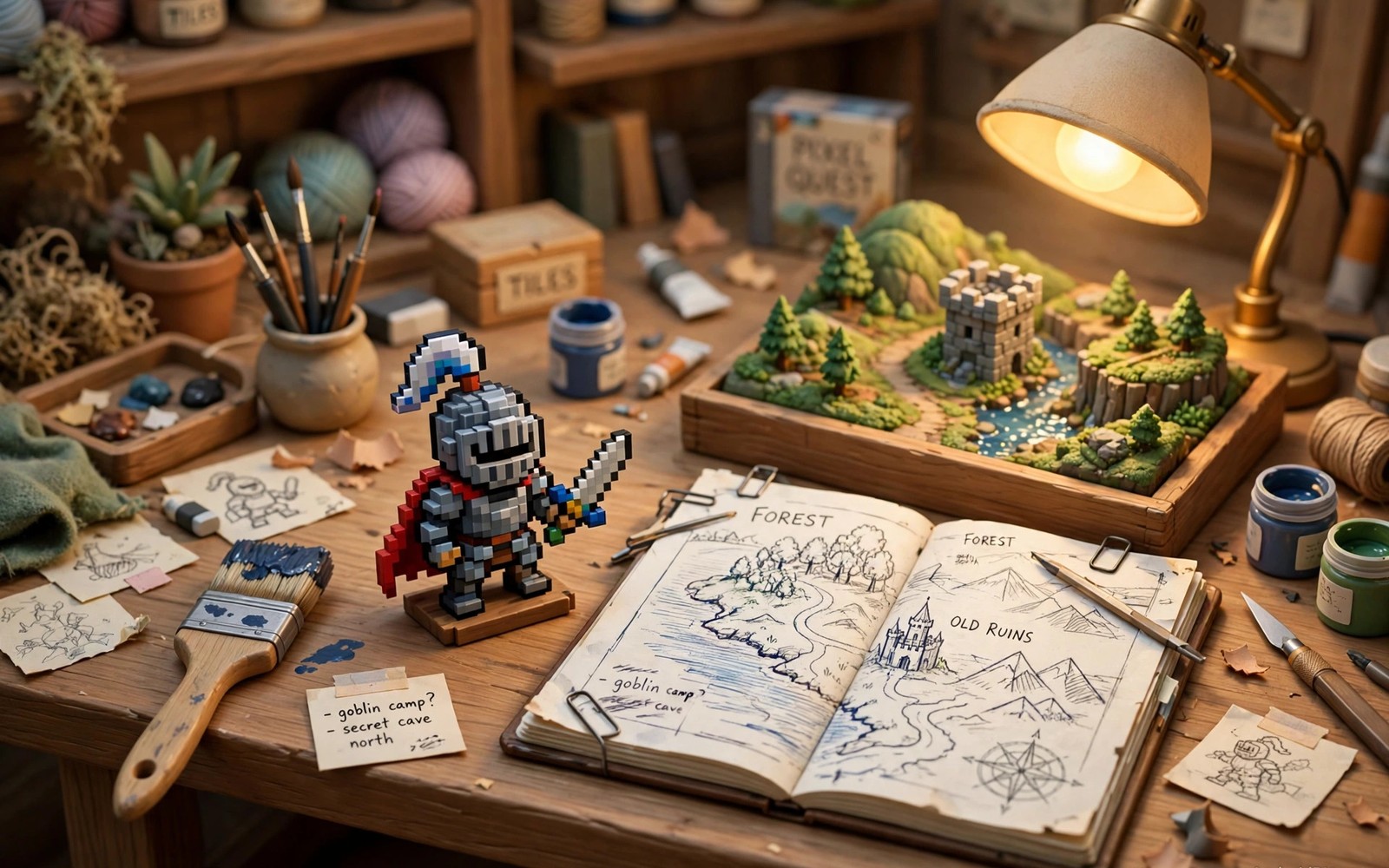
Indie RPGs on Google Play prove that small teams can outplay big studios. A handful of developers with a clear vision can craft a world that feels personal and strange and alive. These games take risks that large publishers avoid. That risk is exactly why they matter.
Independent RPGs often focus on one strong idea. A unique combat system or a strange setting or a story told in an unusual way. They may lack blockbuster graphics but they rarely lack soul. This guide shows you how to find the best indie RPGs and support the people who make them. Fans of solo journeys will also enjoy story rich offline adventures and you can browse those through this guide to offline story-driven RPGs: offline story-driven RPGs.
Why indie RPGs feel different
Small teams make personal games. A designer who loves old school dungeon crawlers will build one with care. A writer with a strange story will tell it without committee approval. That direct line from creator to player shows in every detail from dialogue to level design.
Indie games also experiment with structure. Some remove grinding entirely and focus on story. Others blend genres in ways big studios consider too risky. That experimentation keeps the genre fresh. Even failed experiments teach the industry something useful.
How to find good indie RPGs
The Play Store front page favours big titles so you must dig deeper. Search by specific mechanics rather than broad terms. Terms like turn-based and roguelike and pixel art surface smaller games. User reviews from players with long playtimes are gold since they reveal depth beyond the opening hour.
Follow indie showcases and small press coverage. Festivals and indie bundles highlight games before algorithms notice them. Community forums also help. A game with a passionate small community often beats a game with a large indifferent one.
What to expect from small teams
Indie RPGs may launch with rough edges. A small team cannot test on every phone model. Updates may arrive slower than big studio patches. In return you often get direct developer communication. Many indie developers answer players personally and shape updates around real feedback.
Price models tend to be fairer. Many indie RPGs charge once and deliver a complete game. That model suits players tired of energy systems and summon banners. A one time purchase also means the game usually works offline and stays playable for years.
Supporting indie developers
Buying the game is the biggest support. Leaving a thoughtful review helps more than you think since store algorithms weigh reviews heavily. Sharing a game with a friend who loves the genre can change a small team’s fortunes completely.
Avoid piracy for indie titles especially. A big studio loses little from one pirated copy. A small team may depend on every sale to fund its next game. If money is tight then wishlist the game and buy it on sale rather than pirating it. Players who enjoy creative freedom may also love open ended adventures and you can explore those through this guide to sandbox RPGs: sandbox RPGs giving players freedom.
How indie RPGs get funded
Indie RPG funding shapes the games you play more than most players realize, because money sources decide creative freedom. Self funded developers answer to nobody, which allows strange and personal games, yet they risk everything on each release. Crowdfunded developers answer to backers, which provides money and community, yet it also creates promises that constrain design. Publisher funded indies gain stability, yet they may face pressure to add monetization that betrays their vision.
Understanding funding helps you judge a game fairly, because a crowdfunded game that misses its original scope may still deserve patience rather than anger. Backers funded a dream, not a guarantee, and development always surprises its creators. Support funding models that respect developers, whether that means backing a campaign or buying at launch. Your money votes for the kind of industry you want, so spend it on models that treat creators like artists rather than content machines.
Early access and unfinished indie RPGs
Early access lets players buy indie RPGs before completion, which funds development while inviting feedback. The best early access games improve dramatically through player input, with developers who communicate openly and update regularly. The worst ones stall forever, leaving buyers with fragments that never become full games. Telling them apart early requires checking update history and developer communication rather than trusting store promises.
Buy early access only when the current version already entertains you, because the finished game may never arrive. Treat the purchase price as payment for what exists today, not as an investment in a future version. If the game improves later, then that improvement is a bonus rather than an owed debt. This mindset protects you from disappointment and rewards developers who actually deliver, since they earn your continued attention honestly.
Indie RPGs and representation
Indie RPGs often represent people and stories that big studios ignore, because small teams create from personal experience rather than market research. Games about specific cultures and identities and struggles reach players who rarely see themselves in blockbuster titles. That representation matters deeply to those players, and it enriches the genre for everyone by introducing perspectives that mainstream design would never attempt.
Seek out indie RPGs from creators whose experiences differ from yours, because they offer stories you cannot find elsewhere. Approach them with curiosity rather than expecting familiar tropes, since unfamiliar stories reward open minds most. Supporting diverse creators also expands the market for everyone, because success proves that audiences want more than one kind of hero. The genre grows stronger with every new voice it welcomes.
The long tail of indie support
Indie RPGs often receive support long after launch, with developers adding content for years out of love rather than profit. A game that launched quietly may grow into something remarkable through steady updates, which rewards players who return periodically. Check a game’s update history before dismissing an old title, because its current version may differ completely from its launch version. Patient players discover hidden gems this way.
Support long tail development by revisiting games you enjoyed and leaving updated reviews when they improve. Developers notice returning players, and updated reviews help new buyers discover mature games that launch reviews misjudge. Your attention after launch matters as much as your purchase at launch, because sustained interest funds continued creativity. A community that stays engaged keeps its favourite games alive far beyond commercial logic.
From player to creator
Many indie RPG fans eventually dream of making their own game, and the genre welcomes newcomers more warmly than most. Free engines and tutorials lower the barrier dramatically, while game jams offer deadlines and community that turn ideas into playable prototypes. Your experience as a player already taught you what works, because every hour spent in RPGs built intuition about pacing and balance and story that formal study struggles to teach.
Start small if creation calls to you, because a tiny finished game teaches more than a huge unfinished dream. Build one dungeon or one town or one quest, and finish it completely. That finished fragment proves you can create, and it becomes the foundation for larger work. The indie RPG community needs your voice too, and the best time to start is now rather than after another year of waiting for permission.
Pixel art and retro aesthetics
Pixel art remains a beloved indie RPG aesthetic, because it evokes classic games while allowing small teams to create detailed worlds affordably. Good pixel art uses limited palettes deliberately, with each colour chosen to convey mood and readability. Bad pixel art hides behind nostalgia, using muddy sprites that confuse combat and exploration. Judge pixel art by clarity during busy scenes rather than by charm in screenshots, since readability decides long term enjoyment.
Retro aesthetics also carry gameplay implications, because pixel art games often embrace older design values like challenging combat and minimal handholding. That combination attracts players who miss classic difficulty, yet it can alienate newcomers expecting modern convenience. Try retro indie RPGs with an open mind, appreciating their deliberate throwback choices as artistic decisions rather than limitations. The best retro games honour the past while learning from it.
Track indie RPGs on your wishlist
A simple wishlist tracker stops good indie games from vanishing into the store. This plain text template works in any notes app. Review it during every sale season.
GAME: title / price now / sale price target
WHY: mechanic or story hook in one line
STATUS: wishlist / bought / finished
REVIEW: left a review? yes-no
NEXT: buy when price drops below target
This wishlist template is an original tool written for this guide. It tracks no real store data. Its purpose is to turn vague interest into a buying plan. Sale seasons reward patient players. A written target price stops impulse buys and helps you support developers at a price you can afford.
Common mistakes
The biggest mistake is judging an indie RPG by its screenshots alone. Modest graphics can hide brilliant systems and writing. Read reviews that discuss gameplay depth before you dismiss a game for simple art. Some of the best RPGs look plain in still images.
Another mistake is expecting big studio polish. Indie games may have small bugs or slower updates. Judge them by creativity and heart rather than by marketing budgets. A fair standard keeps your expectations honest and your discoveries frequent.
FAQ
Are indie RPGs usually paid or free?
Most quality indie RPGs are paid once. That model funds complete games without aggressive monetization. Some offer free demos or lite versions to try first.
Do indie RPGs work offline?
Many do since they avoid server based monetization. Check the store listing for online requirements before buying for travel.
How do I know an indie RPG is finished?
Check recent updates and player reviews. A game with steady updates and positive recent reviews is usually in good shape. Abandoned games show long update gaps and frustrated reviews.
Conclusion
Indie RPGs on Google Play reward curious players. Dig past the front page and read deep reviews and give small teams a chance. You will find strange and wonderful games that big studios would never dare to make.
Your next step is to search the store tonight for one mechanic you love and wishlist three indie RPGs that match it. Buy one on the next sale and leave a review after finishing it. If open ended freedom appeals to you then sandbox RPGs offer another creative frontier and you can explore them through this guide to sandbox RPGs: sandbox RPGs with ultimate freedom.

