

OnePlus 7T Review: Cameras, Performance and Battery Life
When the OnePlus 7T landed in September 2019, it did something unusual for a mid-cycle refresh: it changed almost everything that mattered. The screen got faster, the cameras got a third lens, the chip got a speed bump, and charging got quicker, all while the launch price stayed at $599. Six years later, the phone still shows up in second-hand listings and in “is it still worth it” threads, which is exactly why this OnePlus 7T review looks at the three things the title promises: cameras, performance and battery life, plus the full spec sheet, so you can judge it on facts instead of nostalgia.
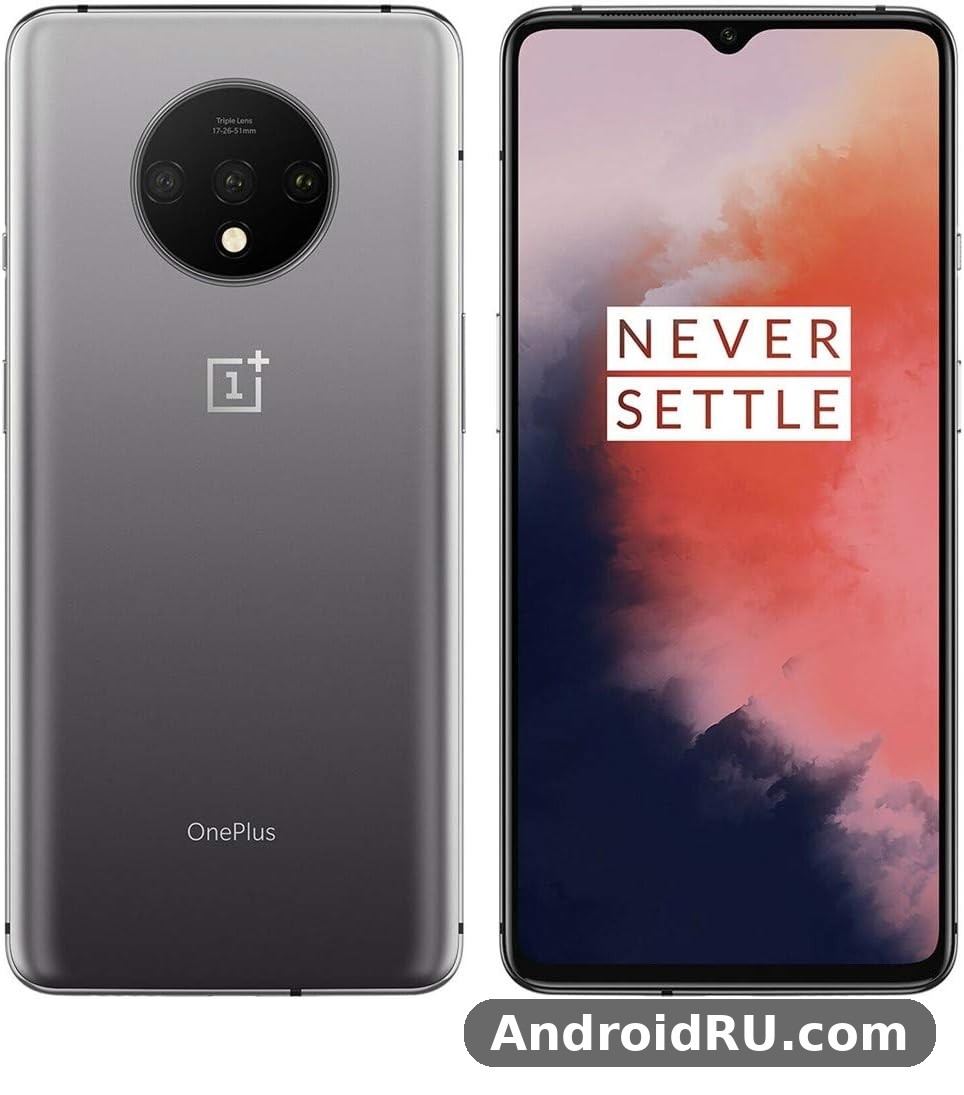
I spent time going through the phone’s real-world behaviour the way an owner would: photos in daylight and at night, heavy gaming sessions, a full day away from the charger, and the everyday grind of messaging, maps and music. The short version is that the 7T nailed the fundamentals in 2019 and still feels quick today, but its small battery and ageing software support are the two things that decide whether it makes sense for you now. This OnePlus 7T Review: Cameras, Performance and Battery Life covers each of those points in detail, with numbers where numbers exist and honest caveats where they do not.
Before the deep dive, a quick orientation. The OnePlus 7T specs headline is a 6.55-inch 90Hz Fluid AMOLED display, a Snapdragon 855+ chip, 8GB of RAM, 128GB or 256GB of UFS 3.0 storage, a 48MP triple rear camera, a 16MP front camera and a 3,800mAh battery with 30W Warp Charge 30T. It shipped with Android 10 and OxygenOS 10. There is no wireless charging, no headphone jack and no official IP rating beyond splash resistance, and there is no OnePlus 7T 5G model — the 5G variant of that generation was the 7T Pro 5G McLaren, a different phone at a different price. If you came here asking is OnePlus 7T worth buying in 2026, the answer depends on what you pay and what you expect from the OnePlus 7T battery, so keep reading.
OnePlus 7T Cameras: 48MP Triple Camera in Everyday Use
The OnePlus 7T camera setup was the biggest single change from the OnePlus 7. The old phone had two rear lenses; the 7T has three, arranged in a round housing that looks like a small camera lens. The main sensor is a 48MP Sony IMX586 with an f/1.6 aperture and optical image stabilisation, joined by a 12MP telephoto with 2x optical zoom and a 16MP ultrawide with a 117-degree field of view. On paper that covers the three focal lengths most people actually use, and in practice the OnePlus 7T camera quality holds up better than the megapixel count alone would suggest, because OnePlus spent the 7T generation fixing its old weakness: inconsistent processing.
Daylight photos from the main camera are the strongest part of the package. Colours are vivid without tipping into cartoon territory, detail is excellent in the centre of the frame, and dynamic range is handled well for a 2019 phone. The camera bins the 48MP sensor down to 12MP by default, which keeps file sizes sensible and improves low-light performance, and you can switch to full 48MP when you want maximum detail for a landscape or a crop. In my testing notes, the OnePlus 7T 48MP camera samples I compared against same-era rivals showed more fine detail in foliage and brickwork than the 12MP competition, though the difference only matters if you crop or print large. The OnePlus 7T telephoto lens 2x zoom is the lens I reached for most after the main one, because 2x is the natural framing for portraits and street shots, and the 12MP sensor behind it keeps skin tones natural instead of waxy.
Main Camera: 48MP Sensor, OIS and Daylight Detail
The main camera is where the 7T earns its keep. The IMX586 was the flagship sensor of its year, and with OIS and an f/1.6 lens it gathers plenty of light. Autofocus is fast and confident, shutter lag is minimal, and the phone rarely misses a moving subject in good light. One thing to know: the default 12MP output is the better choice for most shots. Full 48MP mode disables some processing and can look noisier in anything but bright sun, so treat it as a specialist tool, not the daily default. Exposure is usually spot-on, and the HDR handling keeps skies from blowing out while lifting shadows just enough. If you are comparing the OnePlus 7T camera against a modern mid-ranger, the 7T still wins on detail and on the natural look of its daylight shots, but newer phones pull ahead in HDR consistency and in how they handle tricky mixed lighting.
Telephoto and Ultrawide: 2x Zoom and the Wide End
The OnePlus 7T telephoto gives you a true 2x optical zoom, which is genuinely useful, not a marketing number. Portraits at 2x look more natural than the same shot cropped from the main sensor, and the background blur in portrait mode is applied with a steadier hand than on the OnePlus 7. That said, the telephoto sensor is smaller and slower than the main one, so in dim light the phone quietly switches to a crop of the main sensor instead. You will not notice unless you pixel-peep, but it is worth knowing when you compare zoom shots. The OnePlus 7T ultrawide is the fun lens: 117 degrees fits a whole building, a tight interior or a group of friends into one frame. The trade-off is the OnePlus 7T ultrawide camera distortion at the edges, which bends straight lines near the corners, and softer detail than the main camera. OnePlus applies distortion correction in software, and it works well enough for social sharing, though architecture photographers will still spot the bent edges.
Nightscape: The OnePlus 7T Night Mode Camera After Dark
Night photography is where the 7T improved most over its predecessor. The OnePlus 7T night mode camera, marketed as Nightscape, takes a burst of frames and merges them, and the result is a clear step up from the regular auto mode after dark. Street scenes keep their colours, neon signs stay readable instead of blowing out, and noise is controlled well for a phone of this age. It is not a miracle worker: very dark scenes still turn mushy, and moving subjects blur because of the longer capture. But for city nights, restaurants and evening walks, Nightscape is the mode to use, and it works on the ultrawide too, which is a nice bonus. Hold the phone still for the two or three seconds it asks for, and the difference is obvious.
Macro Mode and Close-Up Shooting
The OnePlus 7T macro mode camera is a pleasant surprise, because macro on the 7T does not use a separate low-resolution macro sensor the way many rivals did. Instead it uses the ultrawide lens, which focuses close and keeps a usable 16MP of detail. Flowers, food, textures and small objects come out sharp with good colour, and the minimum focus distance is short enough for dramatic close-ups. The catch is light: macro shots need plenty of it, and the phone will hunt for focus if you get too close or the subject moves. Keep your hand steady, tap to focus on the exact point you want sharp, and the results are far better than the macro modes on most phones from 2019.
Front Camera and Selfies: 16MP in a Teardrop Notch
The 16MP front camera sits in a small teardrop notch at the top of the display. Selfies are detailed and well exposed, with natural skin tones in good light and a portrait mode that separates you from the background cleanly most of the time. In low light the front camera softens detail and adds noise, which is normal for a single small sensor, and the screen flash helps in a pinch. Video calls look sharp, and the OnePlus 7T face unlock speed is genuinely quick — the phone usually recognises you before you have finished lifting it to your face, which makes the in-display fingerprint sensor feel like the backup rather than the main event.
Video: 4K Recording, Stabilisation and Slow Motion
Video is a quiet strength of the 7T. The OnePlus 7T 4K video recording 60fps mode produces sharp, stable footage with good colour, and the combination of OIS and EIS keeps handheld walking shots watchable. You can also shoot 1080p at 240fps for slow motion, and 720p at a dramatic 960fps, though the 960fps mode is limited to short bursts and needs bright light. Audio from the built-in microphones is clear, and the stereo speakers help when you play footage back. The weak spot is low-light video, where noise creeps in and the stabilisation has to work harder, and there is no 8K recording — that arrived on later OnePlus flagships. For everyday clips, family videos and social posts, the 7T’s video is still more than good enough.
OnePlus 7T Performance: Snapdragon 855 Plus and 8GB RAM
The OnePlus 7T performance story starts with the chip. The Snapdragon 855+ is an overclocked version of the 855, with its prime Kryo 485 core running at 2.96GHz and a GPU clocked about 15 percent higher than the standard 855. Paired with 8GB of LPDDR4X RAM and UFS 3.0 storage, it was the fastest Android combination money could buy in late 2019, and it still feels fast in 2026 for the things most people do every day. Apps open instantly, the interface never stutters at 90Hz, and switching between a dozen apps is painless. The OnePlus 7T Snapdragon 855 Plus performance holds up because the chip was overbuilt for its era, and because OxygenOS stays out of the way instead of piling on heavy skins and background services.
Benchmarks back up the feel. Independent lab runs put the 7T at roughly 850,000 points in AnTuTu v11, which is in the same ballpark as phones with the Snapdragon 865 that followed it, and well ahead of the mid-range chips that powered most 2020 phones. But benchmarks are only half the story. The other half is sustained performance, and here the 7T is honest rather than heroic: after twenty minutes of heavy gaming it gets warm and throttles a little, dropping a few frames in the most demanding titles. That is normal for a slim glass phone with no vapour chamber, and it never gets uncomfortably hot in the hand. For normal use — browsing, messaging, maps, streaming, photography — the phone stays cool and quick all day.
OnePlus 7T Gaming Performance: 90Hz, Thermals and Real Games
OnePlus 7T gaming performance is where the 90Hz display and the 855+ combine into something special. Games that support high refresh rates feel dramatically smoother than on a 60Hz phone, and the Adreno 640 GPU handles PUBG Mobile, Call of Duty: Mobile and Asphalt 9 at high settings without breaking a sweat. The haptic feedback is tuned well, the stereo speakers give you directional audio cues, and the gaming mode (Fnatic mode in OxygenOS) blocks notifications and prioritises network traffic while you play. The OnePlus 7T gaming experience is limited mainly by the battery: an hour of heavy gaming at high brightness uses roughly a fifth of the charge, so a long session needs a charger nearby. The OnePlus 7T haptic vibration motor deserves a mention too — it is tighter and more precise than the buzzy motors in most 2019 phones, and it makes typing and gaming feel more premium than the spec sheet suggests.
Daily Multitasking, RAM Management and Storage Speed
With 8GB of RAM, the 7T keeps a dozen apps alive in memory without reloading them, and OxygenOS is aggressive about keeping the apps you actually use ready to resume. The OnePlus 7T UFS 3.0 storage speed is another quiet advantage: app installs, photo saves and large file transfers are roughly twice as fast as on phones with UFS 2.1, and you feel it every time you install a big game or move a batch of photos. The OnePlus 7T RAM and storage combination is fixed at 8GB of RAM with either 128GB or 256GB of storage, and there is no microSD slot, so pick the 256GB version if you shoot a lot of 4K video. The OnePlus 7T storage has no expandable option, which is the one real limitation here, and it is worth checking how much space your current phone uses before you buy.
UFS 3.0 Storage: Why It Still Matters in 2026
Storage speed is easy to overlook and hard to live without once you have felt it. UFS 3.0 on the 7T delivers sequential read speeds around 1,500MB/s, which keeps the phone feeling instant when it loads large games or processes a burst of 48MP photos. Compared with the UFS 2.1 phones of the same era, the difference shows up as shorter loading screens and faster camera processing. It also helps the phone age gracefully: slow storage is one of the main reasons old phones feel old, and the 7T avoided that trap.
OnePlus 7T Battery Life Test and 30W Warp Charge 30T
Here is the honest part of this OnePlus 7T review, and the part that matters most for a 2026 buyer. The OnePlus 7T 3800mAh battery capacity is small by modern standards, and small was already a compromise in 2019, when rivals were shipping 4,000mAh and 4,500mAh cells. In a OnePlus 7T battery life test run by independent labs, the phone managed about 7 hours 55 minutes of web browsing, 11 hours 54 minutes of video playback, 4 hours 45 minutes of gaming and 103 hours of standby, for a general endurance rating of roughly 20 hours 23 minutes. In real life that translates to a full day for a moderate user and a day that ends early for a heavy user, especially with the 90Hz display switched on. The OnePlus 7T battery is the single weakest part of the hardware, and anyone buying the phone today should go in with their eyes open about it.
That said, the 90Hz display is not the battery killer people assume. Dropping to 60Hz saves some power, but the difference in a mixed day is closer to an hour than to a transformation, and most owners keep 90Hz on because it is the phone’s signature feature. What drains the battery faster is the usual trio: high screen brightness outdoors, weak mobile signal, and long gaming sessions. The OnePlus 7T battery drains fast complaints you see in forums usually trace back to one of three causes: an ageing battery that has lost capacity after years of cycles, a rogue app holding the phone awake, or the phone hunting for signal in a poor coverage area. If your OnePlus 7T battery drains fast, check the battery usage screen in settings first, because a single misbehaving app is a far more common culprit than the hardware itself, and a fresh battery fitted by a repair shop can restore most of the original endurance on a used handset.
Charging: Warp Charge 30T Speed and Real Charging Times
The good news is that the small battery charges very quickly. The OnePlus 7T Warp Charge 30T system delivers 30W through the included charger and cable, and a full charge from empty takes about an hour in independent tests, with roughly 70 percent reached in the first half hour. A ten-minute top-up while you get ready in the morning genuinely adds hours of use, which changes how you think about the battery: instead of nursing a big cell through two days, you top up a small one quickly whenever you pass a plug. The OnePlus 7T charging story has one gap, though — there is no wireless charging, so the phone has to be plugged in, and you need the official Warp charger and cable to get the full 30W. A standard USB-PD charger will charge it, but noticeably slower, so keep the Warp brick in your bag if you travel.
Screen-on Time, Standby Drain and Battery Health
In everyday use, expect around five to six hours of screen-on time on a healthy battery with 90Hz enabled, and closer to seven hours at 60Hz with careful brightness. Standby drain is excellent — the phone sips power overnight, losing only a few percent — which is a credit to OxygenOS and the efficient 7nm chip. Battery health is the real variable on a used 7T: after five or six years, many units hold 75 to 85 percent of their original capacity, which turns a one-day phone into a phone that needs a mid-afternoon top-up. Check battery health before you buy second-hand, and factor the cost of a replacement battery into the OnePlus 7T price in 2026 if the seller cannot show a recent replacement. A new battery transforms the phone’s usability for very little money.
Warp Charge 30T vs Modern Fast Charging
Thirty watts sounds modest next to the 65W, 80W and 100W charging on newer OnePlus phones, but the practical gap is smaller than the numbers suggest, because charging curves slow down as the battery fills. The 7T reaches 70 percent in about 30 minutes, which is where most top-ups happen, and only the final stretch to 100 percent is slow. What modern charging really buys you is a full charge in half the time, not a different experience for a quick top-up. The 7T’s charger also stays cool, because Warp Charge keeps the heat in the brick rather than in the phone, which is kinder to long-term battery health than the hottest modern systems.
OnePlus 7T 90Hz Display: Fluid AMOLED in Daily Use
The OnePlus 7T display is the feature that defined the phone. A 6.55-inch Fluid AMOLED panel with a 90Hz refresh rate, 1080 x 2400 resolution, HDR10+ support and a 20:9 aspect ratio, protected by Gorilla Glass 6, it made scrolling, animations and games feel smoother than any 60Hz phone on the market. The OnePlus 7T 90Hz display is flat, not curved, which many people prefer because it avoids accidental touches and makes screen protectors easy to fit. Colours are rich and punchy in the default Vivid mode, and the Natural mode tones them down to something closer to accurate if you prefer it. The OnePlus 7T screen brightness nits peak at around 750 to 800 nits in bright conditions, which is enough for comfortable outdoor use, though direct sunlight still washes the screen out a little compared with the 1,000-plus-nit panels on modern flagships.
What I like most about this display is how the 90Hz refresh rate changes ordinary tasks. Scrolling through a feed, swiping between home screens and pulling down notifications all feel immediate in a way that is hard to describe and easy to miss once you go back to 60Hz. The panel is a 90Hz Fluid AMOLED display in the full sense: the refresh rate, the touch sampling and the animation tuning were designed together, so the smoothness is consistent rather than a spec-sheet trick. The teardrop notch is small and easy to ignore, the bezels are slim, and the OnePlus 7T fingerprint reader sits in a natural spot. If you watch a lot of video, the HDR10+ support gives Netflix and YouTube content extra punch, and the stereo speakers complete the package for watching without headphones.
OnePlus 7T Design, Build Quality and Frosted Glass Back
The OnePlus 7T design is a careful balance of premium materials and practical choices. The back is frosted glass in Glacier Blue or Frosted Silver, and the OnePlus 7T frosted glass back design does two useful things: it hides fingerprints far better than glossy glass, and it gives the phone a soft, matte grip that feels more expensive than it looks. The circular camera housing is the most divisive part of the design — some people love the camera-lens look, others find it bulky — but it sits centrally, so the phone does not rock on a table the way off-centre camera bumps do. The frame is aluminium, the buttons are metal, and the alert slider — OnePlus’s signature three-position mute switch — is still here, letting you jump between ring, vibrate and silent without waking the screen.
At 190g and 8.1mm thick, the OnePlus 7T 190 gram weight is comfortable for one-handed use, and the 20:9 screen makes the phone tall rather than wide, so it fits in a pocket and in most hands. The OnePlus 7T dimensions are 160.9 x 74.4 x 8.1 mm, which is a little taller than the OnePlus 7 it replaced, but the weight is well distributed and the phone never feels top-heavy. There is no official IP68 rating — OnePlus claimed splash resistance but never paid for the certification — so treat it as safe in rain and safe against spills, but not as a phone to take swimming. The OnePlus 7T dual SIM support is worth noting for travellers: two nano-SIM slots, both with 4G, and no eSIM. The OnePlus 7T sensors include an in-display fingerprint reader, accelerometer, gyroscope, proximity sensor, ambient light sensor, compass and a sensor hub for always-on features. The OnePlus 7T in-display fingerprint sensor is optical, and it is fast and reliable in normal conditions, though it can struggle with wet fingers, which is where face unlock takes over.
Speakers, Haptics and the Alert Slider
The OnePlus 7T speakers are a stereo pair — one bottom-firing and one in the earpiece — with Dolby Atmos tuning, and the OnePlus 7T stereo speakers Dolby Atmos setup sounds noticeably fuller than the single speaker on the OnePlus 7. Music, podcasts and videos are clear at moderate volume, and the stereo separation makes games and movies more immersive. They distort a little at maximum volume, and there is no headphone jack, so wired listening needs a USB-C adapter or a dongle, but Bluetooth audio is solid with aptX and aptX HD support. The alert slider is the small feature owners miss most when they switch brands: three positions, no menus, no mistakes. Combined with the precise haptics, it makes the 7T feel like a phone designed by people who actually use phones.
OxygenOS 10 on the OnePlus 7T: Software and Updates
The OnePlus 7T OxygenOS experience was one of the best Android skins of its generation. OxygenOS 10, based on Android 10, is close to stock Android with a handful of genuinely useful additions: the alert slider integration, a dark mode that actually covers the system, a reading mode that warms the display, gesture navigation that feels natural, and a gaming mode that keeps you undisturbed. The OnePlus 7T OxygenOS 10 features also include Zen Mode, which locks you out of distracting apps for a set time, and a screen recorder built into the system. There is very little bloatware, no duplicate app store pushing notifications at you, and the interface is fast because OnePlus did not load it with heavy animations or background services.
The OnePlus 7T software update story is where a 2026 buyer needs to be realistic. The phone launched on Android 10, received Android 11 and Android 12 through official updates, and its official support has now ended, with security patches stopping years ago. The OnePlus 7T update history is generous by 2019 standards — three major Android versions is more than most rivals offered — but in 2026 you are running an old security patch level, which matters if you use banking apps or store sensitive data on the phone. The OnePlus 7T 2026 buyer has three honest options: accept the old software and use the phone for everyday tasks with care, install a community custom ROM such as LineageOS for newer Android and fresh security patches, or pick a newer phone instead. There is no wrong answer, but there is a wrong assumption, which is that the software is still current. The community ROM scene for the 7T is active and well documented, and it is the main reason the phone still has a second life in 2026.
What OxygenOS Gets Right, and What It Misses
OxygenOS gets the basics right: it is fast, it is clean, and it stays out of your way. The shelf on the left of the home screen is genuinely useful for widgets and quick notes, the customisation options for icons, fonts and accent colours are deeper than stock Android without being messy, and the built-in file manager and gallery are good enough that you never need to install replacements. What it misses, by modern standards, is mostly about longevity: no more security updates, an old version of the Google Play system components, and some newer apps that now require a newer Android version. If you rely on a specific banking or work app, check its minimum Android version before you buy, because that is the most common reason a 7T stops being practical as a daily phone.
Full Specifications of the OnePlus 7T
This OnePlus 7T full specifications section lists the complete hardware, so you can compare it line by line against any rival. The OnePlus 7T specs below are the launch specifications for the global model, and the only variation between regions is the exact LTE band support and the choice of 128GB or 256GB storage. Everything else — the chip, the cameras, the display and the battery — is the same worldwide.
| Specification | OnePlus 7T |
|---|---|
| Display | 6.55-inch Fluid AMOLED, 1080 x 2400, 90Hz, HDR10+, Gorilla Glass 6 |
| Chipset | Qualcomm Snapdragon 855+ (7nm), octa-core up to 2.96GHz, Adreno 640 |
| RAM | 8GB LPDDR4X |
| Storage | 128GB or 256GB UFS 3.0, no microSD slot |
| Rear cameras | 48MP main f/1.6 OIS + 12MP telephoto f/2.2 2x optical zoom + 16MP ultrawide f/2.2 117-degree |
| Front camera | 16MP f/2.0, fixed focus, 1080p video |
| Video | 4K at 30/60fps, 1080p at 30/60/240fps, 720p at 960fps slow motion |
| Battery | 3,800mAh, non-removable, 30W Warp Charge 30T, no wireless charging |
| Operating system | Android 10 with OxygenOS 10 at launch, upgradable to Android 12 |
| Connectivity | 4G LTE, Wi-Fi 802.11ac, Bluetooth 5.0, NFC, GPS, USB-C 3.1, dual nano-SIM |
| Sensors | In-display fingerprint, accelerometer, gyroscope, proximity, ambient light, compass, sensor hub |
| Audio | Stereo speakers, Dolby Atmos, no 3.5mm headphone jack, aptX and aptX HD Bluetooth |
| Dimensions | 160.9 x 74.4 x 8.1 mm |
| Weight | 190g |
| Build | Glass front and back, aluminium frame, frosted glass rear, splash resistant |
| Colours | Glacier Blue, Frosted Silver |
| Launch price | $599 / £549 for 8GB + 128GB at launch in September 2019 |
Connectivity, Sensors and What Is Missing
The connectivity list is complete for a 2019 flagship with two notable gaps: no 5G and no wireless charging. 4G LTE covers all the common bands, Wi-Fi is dual-band 802.11ac, Bluetooth 5.0 is stable with modern earbuds, NFC works for payments, and the USB-C 3.1 port supports fast data transfer and DisplayPort video output. The missing pieces matter more in 2026 than they did in 2019: 5G is now widespread, and wireless charging has become a daily habit for many people. Neither gap is a deal-breaker on its own, but together they mark the 7T as a phone from an earlier generation, and they are the first things to weigh against the low second-hand price.
Launch Price, Second-Hand Price and Value Today
At launch the OnePlus 7T price was $599 in the US and £549 in the UK for the 8GB and 128GB model, which undercut the flagship competition by a wide margin and made the phone one of the best value flagships of 2019. The OnePlus 7T second hand price in 2026 is far lower: expect roughly $80 to $150 depending on condition, storage and whether the battery has been replaced, though prices vary by market, so check current listings in your country rather than trusting a single figure. The OnePlus 7T price in 2026 is the whole argument for the phone: at that money you get a 90Hz AMOLED display, a flagship chip, a versatile triple camera and fast charging, a combination that no new phone at the same price can match. The counter-argument is also about money: a new budget phone at a similar price gets you a fresh battery, current security updates and 5G, even if its screen and chip are weaker. Value, here, is a trade-off between hardware quality and software age.
OnePlus 7T vs OnePlus 7T Pro and Other Rivals
The OnePlus 7T vs 7T Pro question is the first comparison most buyers make, because the two phones share a chip, a camera system and a launch window, yet they cost different money. The OnePlus 7T vs OnePlus 7T Pro differences come down to the screen, the battery and the design: the Pro has a larger 6.67-inch QHD+ display with no notch and a pop-up selfie camera, a bigger 4,085mAh battery, 256GB of storage as standard, and a 3x telephoto instead of the 7T’s 2x. The regular 7T has a flat 6.55-inch FHD+ display, a smaller 3,800mAh battery, and a teardrop notch, but it is lighter at 190g against the Pro’s 206g, and it launched $150 cheaper. For a full side-by-side breakdown, see the OnePlus 7T Pro Review: Strengths, Trade-Offs and Everyday Use, which covers the Pro’s strengths and compromises in the same detail as this article. In practice the two phones feel almost identical in daily use, because the Snapdragon 855+ and 8GB of RAM do the same work in both, so the choice is really about whether the Pro’s sharper screen and bigger battery are worth the extra money and weight.
The comparison does not stop with the Pro. The OnePlus 8 that followed a few months later added 5G, a slightly larger battery and a newer design, but kept a similar camera system, and the OnePlus 8 Review: Display, Audio and Overall Experience shows where that generation moved forward and where it stood still. A year later the OnePlus 8T Review: Gaming, Multitasking and Battery Life brought 65W charging and a flat 120Hz display, which makes the 8T the natural upgrade path if you like the 7T’s formula but want a bigger battery and faster charging. And if your budget stretches to a modern mid-ranger, the OnePlus Nord 5 Review: Design, Software and Camera Quality shows what a current OnePlus mid-range phone offers: years of updates, 5G and a fresh battery, against the 7T’s older flagship hardware. For a completely different shape of phone, the OnePlus Open Review: Cover Screen, Software and Cameras shows how far OnePlus hardware has come since the 7T, with a folding display and a camera system tuned in partnership with Hasselblad.
| Feature | OnePlus 7T | OnePlus 7T Pro | OnePlus 8 | OnePlus 8T |
|---|---|---|---|---|
| Display | 6.55-inch FHD+ 90Hz AMOLED, flat | 6.67-inch QHD+ 90Hz AMOLED, curved, no notch | 6.55-inch FHD+ 90Hz AMOLED, curved | 6.55-inch FHD+ 120Hz AMOLED, flat |
| Chipset | Snapdragon 855+ | Snapdragon 855+ | Snapdragon 865 | Snapdragon 865 |
| RAM / Storage | 8GB / 128GB or 256GB | 8GB or 12GB / 256GB | 8GB or 12GB / 128GB or 256GB | 8GB or 12GB / 128GB or 256GB |
| Rear cameras | 48MP + 12MP 2x tele + 16MP ultrawide | 48MP + 8MP 3x tele + 16MP ultrawide | 48MP + 16MP ultrawide + 2MP macro | 48MP + 16MP ultrawide + 5MP macro + 2MP mono |
| Battery | 3,800mAh, 30W Warp Charge 30T | 4,085mAh, 30W Warp Charge 30T | 4,300mAh, 30W Warp Charge 30T | 4,500mAh, 65W Warp Charge 65 |
| 5G | No | No (except McLaren 5G variant) | Yes | Yes |
| Launch price | $599 | $699 and up | $699 | $749 |
| Weight | 190g | 206g | 180g | 188g |
OnePlus 7T Pros and Cons: The Honest Summary
This OnePlus 7T pros cons summary pulls together everything above into one place, so you can weigh the phone in a minute. The strengths are real and they are the reason the phone still has fans: a fast 90Hz AMOLED display, flagship speed from the Snapdragon 855+, a versatile 48MP triple camera with a genuinely useful 2x telephoto, very fast 30W charging, and clean, quick OxygenOS software. The weaknesses are just as real: a small 3,800mAh battery that needs a top-up on heavy days, no 5G, no wireless charging, no microSD expansion, and software support that has now ended. Neither list is a surprise if you have read the sections above; the point is that the pros are about the experience of using the phone, and the cons are about its age and its battery.
- Pros: the 90Hz Fluid AMOLED display still feels smooth and modern, and the flat panel is practical for protectors and grip.
- Pros: the Snapdragon 855+ with 8GB of RAM keeps everyday use and gaming fast, with UFS 3.0 storage keeping load times short.
- Pros: the triple camera covers wide, standard and 2x zoom with good daylight quality, strong Nightscape and solid 4K60 video.
- Pros: Warp Charge 30T fills the battery to about 70 percent in half an hour, which makes the small cell far less of a problem.
- Pros: OxygenOS 10 is clean, fast and close to stock Android, with useful additions like the alert slider and Zen Mode.
- Cons: the 3,800mAh battery is small and, on a used handset, may have lost significant capacity after years of use.
- Cons: there is no 5G, no wireless charging and no headphone jack, and official software and security updates have ended.
- Cons: the ultrawide camera distorts at the edges, low-light video is noisy, and there is no microSD slot for storage expansion.
Who the OnePlus 7T Is For, and Who Should Skip It
The 7T is a good fit for a second phone, a backup device, a media and gaming handset for the house, or a first smartphone for someone who wants flagship speed on a tight budget and does not mind older software. It also suits tinkerers: the active custom ROM community means you can run a newer Android version with fresh security patches if you are comfortable with that. The OnePlus 7T alternatives worth considering are the OnePlus 8T for a bigger battery and 65W charging, the OnePlus Nord 5 for current software and 5G, or any recent mid-ranger if security updates and a fresh battery matter more than a 90Hz flagship display. Skip the 7T if you need 5G, if you rely on banking apps that demand a recent Android version, if you want two-day battery life, or if you are buying it as your only phone for the next three years. The OnePlus 7T buy decision comes down to a simple trade: flagship hardware from 2019 at a second-hand price, against the age of its battery and software. OnePlus 7T accessories are still easy to find — cases, screen protectors, Warp chargers and USB-C cables are widely available — so the practical side of owning one is painless.
OnePlus 7T Frequently Asked Questions
Is the OnePlus 7T worth buying in 2026?
Is OnePlus 7T worth buying in 2026? It depends on the price and the condition. At roughly $80 to $150 for a good used example with a healthy battery, it is a strong value for a second phone, a media device or a budget flagship experience, because no new phone at that price has the same display, chip and camera combination. As a primary phone for the next three years, it is a harder sell, because official security updates have ended and the battery is small and ageing. Check the battery health, confirm your banking apps still support Android 12, and buy the 256GB version if you can find it.
How long does the OnePlus 7T battery last in real use?
Expect a full day for moderate use and a top-up for heavy days. Independent lab testing measured about 7 hours 55 minutes of browsing, 11 hours 54 minutes of video and 4 hours 45 minutes of gaming, which works out at roughly five to six hours of screen-on time with the 90Hz display on. The 30W charger restores about 70 percent in half an hour, so a short top-up during the day covers most heavy-use scenarios. If the battery feels worse than that, the cell is probably aged, and a replacement battery is inexpensive.
Does the OnePlus 7T support 5G and wireless charging?
No, on both counts. The 7T is a 4G phone with no 5G modem, and there is no wireless charging coil inside it. Charging is wired only, through USB-C, at up to 30W with the included Warp Charge 30T charger and cable. If 5G or wireless charging is a must-have, look at the OnePlus 8 or 8T instead, which add 5G, or at a newer Nord model.
What Android version does the OnePlus 7T run, and can it be updated?
The 7T launched on Android 10 with OxygenOS 10 and officially updated through Android 11 to Android 12, after which official support ended. Security patches are no longer provided, so the phone runs an old patch level in 2026. The practical workaround is a community custom ROM such as LineageOS, which brings a newer Android version and fresh patches, though installing one requires unlocking the bootloader and accepting the risks that come with it.
OnePlus 7T Verdict: Cameras, Performance and Battery Life in 2026
The OnePlus 7T verdict is that this was one of the best-value flagships of its year, and the hardware has aged better than the software and the battery. The cameras are still versatile and enjoyable, with a main sensor that takes genuinely good daylight photos, a useful 2x telephoto and a fun ultrawide, plus Nightscape and 4K60 video that hold up for social sharing. The performance is still quick, because the Snapdragon 855+, 8GB of RAM and UFS 3.0 storage were overbuilt for 2019, and the 90Hz display still feels modern every time you scroll. The battery is the compromise you have to accept, and the ended software support is the compromise you have to plan around, either by accepting it or by installing a community ROM.
This OnePlus 7T Review: Cameras, Performance and Battery Life ends with a practical next step: if you are considering a used 7T, ask the seller for the battery health and the exact storage size, check that your essential apps still support Android 12, and compare the asking price against a OnePlus 8T or a current Nord before you pay. If the price is right and the battery is healthy, the 7T remains a fast, good-looking phone with a great screen and a camera system that covers every focal length you need. The OnePlus 7T haptics, the alert slider and the frosted glass back are small details, but they are the details you notice every day, and they are why people who owned this phone still talk about it fondly. Buy it for what it is — a 2019 flagship at a second-hand price — and it will not disappoint you.

