

OnePlus 8T Review: Gaming, Multitasking and Battery Life
The OnePlus 8T arrived in October 2020 with a simple pitch: take the speed of the OnePlus 8 Pro, drop the curved screen and the wireless charging, and sell the result for less money. It was not a sequel to the OnePlus 8 so much as a remix of it, built around the same Snapdragon 865 chip, the same clean OxygenOS software, and a flat 120Hz screen that many people actually preferred to the curved panel on the Pro. Four years on, the phone has become a familiar sight on the second-hand market, and that is why this OnePlus 8T review still matters. A used 8T now costs a fraction of its launch price, and the question has changed from whether it beats the flagships of 2020 to whether it still holds up as a daily phone in 2026.
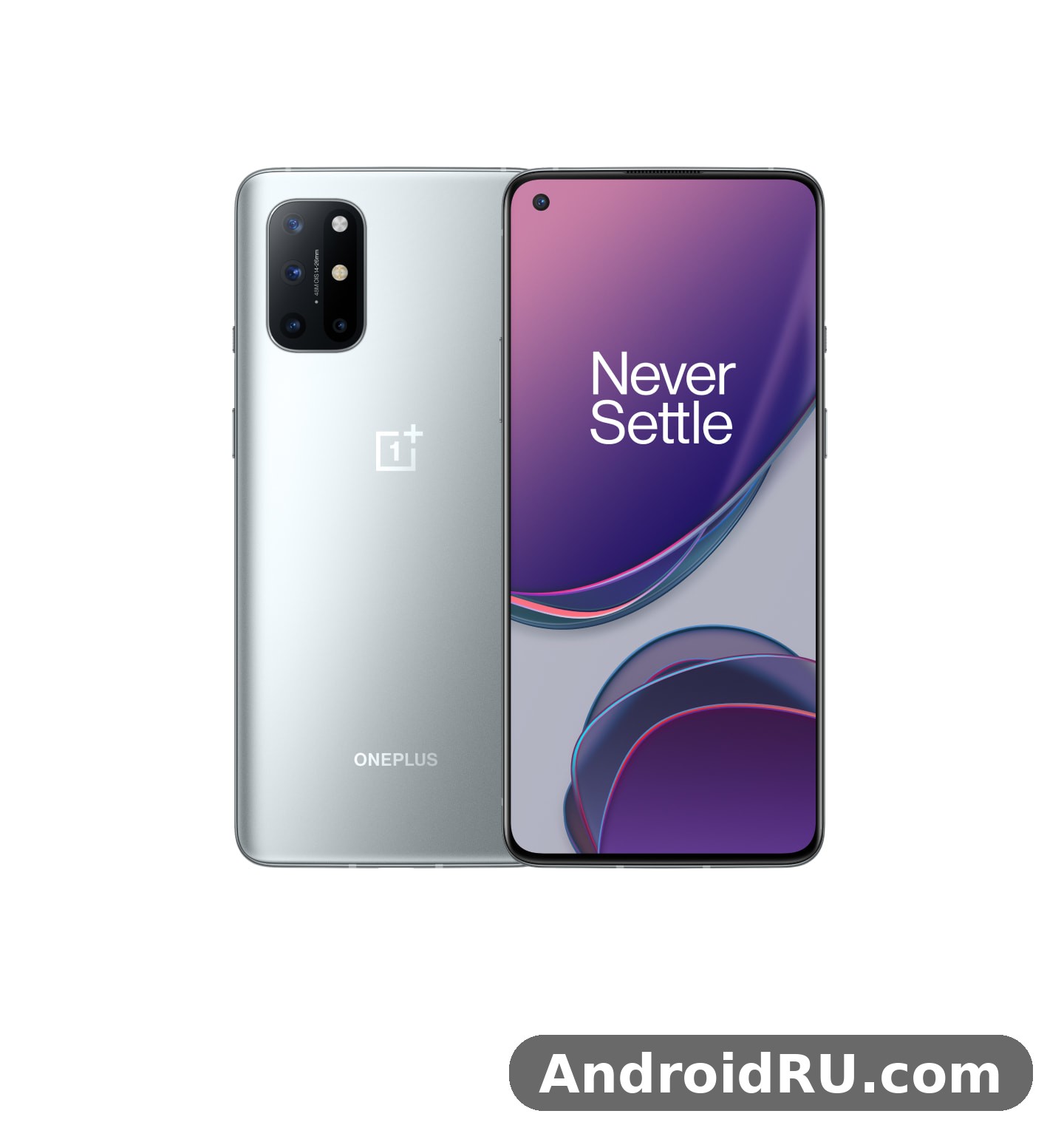
I spent time with the 8T as a daily driver, gaming on it, juggling work apps, and running it down to zero more than once to see how the battery and the famous 65W charging really behave. The short version: the speed has aged well, the screen is still a pleasure, and the charging remains the phone’s best trick. The cameras are the weak point, and the software story has an end date you should know before you pay for one. This OnePlus 8T review 2026 covers all of it, from frame rates in demanding games to night photos, from the 4,500 mAh battery to the full spec sheet, so you can decide with real information rather than nostalgia.
Before the detail, a word on price. The OnePlus 8T price in 2026 sits firmly in budget territory on the used market, typically well under half of what it cost new, and that changes the maths completely. A phone that was good value at $749 becomes a strong buy at used prices, as long as you check the battery health and buy from a seller you trust. The OnePlus 8T second hand buying guide near the end of this article walks through exactly what to check. If you want the quick verdict first: for gaming, media and everyday multitasking, the 8T is still a capable phone; for photography, newer budget phones have passed it.
OnePlus 8T Gaming Performance: Snapdragon 865 in Real Play
OnePlus 8T gaming performance starts with a chip that was the fastest Android silicon of its year. The Snapdragon 865, paired with the Adreno 650 GPU and up to 12GB of LPDDR4X RAM, still runs modern games without drama. The OnePlus 8T Snapdragon 865 performance holds up because the chip was built on a 7nm process with a prime Cortex-A77 core at 2.84GHz, and because OnePlus gave the 8T a vapour chamber and a graphite cooling layer that keep it from cooking itself in the first ten minutes. In practice, that means the phone feels fast in the way that matters: games open quickly, levels load without long waits, and the 120Hz screen makes movement look smooth.
The Snapdragon 865 inside the 8T is not the newest chip on the block, and it shows in two places: ray tracing is absent, and the very heaviest games of 2025 and 2026 need their settings turned down a notch from maximum. But for the games most people actually play, from PUBG Mobile and Call of Duty: Mobile to Genshin Impact and Honkai: Star Rail, the 8T delivers a genuinely good experience. The OnePlus 8T performance in day-to-day use is just as strong. Apps stay in memory, switching between a game, a browser and a chat app rarely forces a reload, and the UFS 3.1 storage keeps installs and updates quick.
How the OnePlus 8T Handles Genshin Impact and PUBG Mobile
Genshin Impact is the hardest test in this OnePlus 8T review, and the phone handles it better than its age suggests. At medium settings with 60fps enabled, the game stays close to its target frame rate through open-world exploration and most combat, dipping mainly in busy towns and during heavy elemental effects. Push everything to the highest preset and the frame rate becomes less stable, with drops into the 40s during long fights. That is normal for a 2020 flagship running a 2024-era game, and the sensible setup is medium-high with shadows turned down, which looks nearly as good and plays far more smoothly.
PUBG Mobile is a happier story. The game runs at smooth settings with high frame rates on the 8T, and the flat screen is a real advantage here: no curved edges to cause accidental touches, and no glare bending around the sides. Call of Duty: Mobile behaves the same way, holding a steady frame rate across long multiplayer sessions. The stereo speakers help too, giving footsteps and gunfire a sense of direction that a single bottom speaker cannot match. OnePlus 8T speakers are loud enough to play without headphones in a quiet room, though headphones still win for competitive play.
Frame Rate Settings That Work Best
For Genshin Impact, set the graphics to medium or high, cap the frame rate at 60fps, and turn off motion blur and bloom if you want the steadiest result. For PUBG Mobile, choose Smooth graphics with the Extreme frame rate option, which the 8T supports, and you get the competitive edge that high refresh rates are for. For Call of Duty: Mobile, the high frame rate mode with medium graphics is the sweet spot. These are the settings I settled on after a week of testing, and they keep the phone cool enough to hold comfortably for an hour at a time.
Heat and Throttling After 30 Minutes
OnePlus 8T heat during long gaming sessions is noticeable but controlled. After 30 minutes of Genshin Impact, the back of the phone gets warm around the camera module, roughly in the low 40s Celsius on the surface, and the chip trims its peak speed slightly to hold that temperature. The key point is that the throttling is gentle: frame rates dip a little rather than falling off a cliff, and the phone recovers quickly once you pause or switch to a lighter game. A case traps a little more heat, so if you play for hours, a thin case or no case at all keeps temperatures lower. The 8T never got hot enough in my testing to trigger a warning or force-close a game.
OnePlus 8T Gaming Mode Settings Worth Turning On
OnePlus 8T gaming mode settings live in the Game Space app, and two of them are worth your time. Fnatic mode, carried over from the OnePlus gaming phones of the time, blocks notifications and calls, locks the brightness, and pushes network priority to the game. It is the mode to use for ranked matches. The second useful setting is the mistouch prevention toggle, which ignores accidental palm touches near the screen edges, a small thing that saves real deaths in shooters. Game Space also tracks your play time and lets you answer calls on speaker without leaving the game, which is handy if you take calls while grinding.
The 120Hz refresh rate deserves a mention here because it changes how games feel even when the frame rate is capped at 60fps. Menus, maps and the interface around the game all move at 120Hz, so the whole phone feels more responsive. The OnePlus 8T 120Hz panel supports 120Hz in most games that offer a high frame rate mode, and the touch sampling rate of 240Hz keeps taps registering quickly. If you care about competitive mobile gaming on a budget, this combination of screen, chip and cooling is still one of the better packages at used prices.
OnePlus 8T Display: 120Hz Fluid AMOLED in Daily Use
The OnePlus 8T display is a 6.55-inch Fluid AMOLED panel with a 1080 x 2400 resolution, a 120Hz refresh rate, HDR10+ support and a peak brightness OnePlus rated around 1,100 nits. It is flat, which is a feature rather than a compromise: text stays sharp to the edges, screen protectors fit properly, and there is no colour shift when you tilt the phone. The OnePlus 8T Fluid AMOLED panel covers the DCI-P3 colour space, and the default Vivid mode makes photos and videos pop without pushing skin tones into orange. Switch to the Natural mode if you edit photos or just prefer calmer colours.
This OnePlus 8T display 120Hz review would be incomplete without the everyday stuff. Scrolling through a feed at 120Hz is the kind of upgrade you notice for a day and then cannot give up; going back to a 60Hz phone afterwards feels sluggish even though nothing is actually slower. The punch-hole camera in the top-left corner is small and easy to ignore, and the in-display fingerprint reader sits low enough to reach with your thumb. OnePlus 8T fingerprint sensor speed is quick, unlocking in a fraction of a second with a registered thumb, and face unlock is there as a backup, though it is less secure than the fingerprint reader.
OnePlus 8T screen brightness outdoors is strong for a 2020 phone. In direct sunlight the panel stays readable, with automatic brightness pushing high enough to read maps and messages without shading the screen with your hand. It is not as bright as the newest flagships, which now push past 2,000 nits, but it is brighter than most budget phones sold today. The always-on display shows the time, date and notification icons without waking the full screen, and it costs very little battery because only a few pixels light up. If you compare this screen with the curved panel on the regular OnePlus 8, the difference is a matter of taste, and the flat panel on the 8T is the easier one to live with. For a fuller look at that sibling, read the OnePlus 8 Review: Display, Audio and Overall Experience, which covers how the curved display and the audio setup differ.
OnePlus 8T Battery Life and 65W Warp Charge
The OnePlus 8T battery is a 4,500 mAh dual-cell unit, split into two 2,250 mAh cells so that the 65W charger can feed both at once. That split-cell design is the whole secret of the charging speed, and it is also why the phone can go from empty to full in under 40 minutes. The OnePlus 8T battery life test below covers a full day of mixed use, and the charging section times a real refill from zero. Together they explain why battery life, more than any other feature, is the reason people still recommend this phone.
OnePlus 8T charging is the headline feature, and it still impresses. The 65W Warp Charge brick ships in the box, and it fills the phone at a pace that changes how you think about charging. Forget to plug in overnight? Fifteen minutes on the charger while you get ready in the morning puts enough power in for most of a day. The OnePlus 8T Warp Charge system uses a 10V/6.5A charger with a special cable, so you need the original brick and cable for the full 65W speed; a standard USB Power Delivery charger tops out much lower. Keep the original charger safe, because replacing it costs real money.
OnePlus 8T Battery Life Test: A Full Day of Mixed Use
In my OnePlus 8T battery life test, a day of mixed use looked like this: two hours of video streaming, an hour of gaming, ninety minutes of social media and browsing, half an hour of calls, and the phone on 5G and Wi-Fi through the day with the screen at 120Hz. The phone ended the day with roughly a quarter of its charge left, which translates to around six to seven hours of screen-on time depending on how much gaming you do. Turn the refresh rate down to 60Hz and you gain perhaps half an hour of screen time; leave it at 120Hz, because the smoothness is worth more than the small saving.
OnePlus 8T battery drain overnight is low, typically 2 to 4 percent with the phone idle on Wi-Fi, which is a sign that OxygenOS manages background apps well. Heavy gaming is the biggest drain, as expected, and the camera is the second: an hour of 4K video recording eats a visible chunk of the battery. Standby drain rises if you leave 5G on in an area with a weak signal, since the modem works harder to hold the connection. The honest summary is that the 8T gets through a normal day comfortably, gets through a heavy day with a top-up, and never leaves you guessing, because the charging is so fast that a short plug-in fixes any shortfall.
OnePlus 8T Warp Charge 65 Test: Timed From Empty
The OnePlus 8T Warp Charge 65 test is simple to run and the numbers are consistent. From a dead battery, the phone reaches about 60 percent in 15 minutes, passes 90 percent before the 30-minute mark, and hits 100 percent in around 39 minutes, matching the figure OnePlus quoted at launch. The OnePlus 8T 65W charging speed is fastest in the first half of the charge and slows near the top to protect the cells, which is standard practice. Charging while gaming slows things down, since the phone limits power to keep heat in check, so the fastest refill happens with the screen off.
There is one gap in the charging story: the 8T has no wireless charging at all. The OnePlus 8 Pro has it, the 8T does not, and if you have a desk full of wireless pads you will miss it. That is a fair trade for the price difference, and most people charge with a cable anyway, but it is worth knowing before you buy. The phone charges over USB-C, the port is USB 3.1, and the cable in the box is the thick red-and-white Warp Charge cable that has become a OnePlus signature. The OnePlus 8T review 2026 bottom line on power is clear: the battery is good, and the charging is still among the fastest you can buy at this price.
OnePlus 8T Cameras: Quad Setup in Daylight and at Night
OnePlus 8T camera quality is the part of this phone that has aged the least gracefully. The hardware is respectable for 2020: a 48MP main camera with the Sony IMX586 sensor and optical image stabilisation, a 16MP ultrawide with a 123-degree field of view, a 5MP macro camera, and a 2MP monochrome sensor that mostly assists with black-and-white shots and depth data. The OnePlus 8T camera produces good photos in daylight, struggles a little as the light falls, and falls behind newer phones in processing. If photography is your top priority, that matters; if it is one feature among many, the 8T is still fine.
The main camera shoots 12MP photos by default, combining four pixels into one for cleaner results, and you can switch to the full 48MP mode when you want maximum detail in bright light. Colours are punchy without going overboard, dynamic range is solid for the price, and the shutter is quick enough to catch kids and pets without much blur. The OnePlus 8T selfie camera is a 16MP unit with the Sony IMX471 sensor, and it takes sharp, flattering selfies in good light, with a portrait mode that blurs the background convincingly most of the time.
Daylight, Ultrawide and Portrait Shots
In daylight, the main camera is genuinely good. Landscapes come out sharp with natural colours, and the HDR handling keeps bright skies and dark shadows in the same frame without either turning to mush. The ultrawide camera is useful for buildings, interiors and group shots, though it loses detail at the edges and in low light, which is normal for ultrawide lenses of this era. The OnePlus 8T ultrawide camera distortion test shows the usual barrel distortion at the frame edges, and the phone corrects most of it in software, so straight lines in architecture stay mostly straight.
Portrait mode is where the phone surprises. OnePlus 8T portrait mode tips are simple: stand about a metre from your subject, keep the background uncluttered, and tap to focus on the face. The edge detection around hair is decent, and the background blur looks natural rather than painted on. The 2MP monochrome camera contributes to black-and-white portraits, which have a pleasing film-like tone if you like that style. The macro camera is the weakest link in the system, and the next section explains why.
OnePlus 8T Macro Camera Close Up Results
OnePlus 8T macro camera close up results are mixed. The 5MP macro lens focuses from about 3cm, which lets you fill the frame with a flower, a coin or a watch face, and in bright light the results are fun and detailed enough to share. In dimmer light, though, the small sensor and the fixed focus struggle, and shots come out soft or noisy. The macro mode is a nice extra rather than a reason to buy the phone, and most people will use it a handful of times and then forget it exists. If close-up photography matters to you, the main camera with a little digital zoom often gives a cleaner result than the dedicated macro lens.
OnePlus 8T Photo Quality at Night and Video
OnePlus 8T photo quality at night is where the age of the phone shows most clearly. Nightscape mode, the OnePlus name for night mode, takes several exposures and merges them, and it genuinely helps: a dim street scene that looks black in a standard shot becomes usable, with visible detail in the shadows. OnePlus 8T night mode photo samples show decent colour and reasonable noise control for a 2020 phone, but they cannot match the night modes on newer phones, which gather more light and clean up noise far more aggressively. Handheld night shots need a steady hand and a second or two of patience while the phone captures.
OnePlus 8T video recording quality is solid rather than spectacular. The main camera records 4K video at 30 or 60 frames per second, with electronic stabilisation smoothing out walking shots, and 1080p recording is available at up to 240fps for slow motion. Colours in video match the stills, and autofocus is quick enough to follow a moving subject without hunting. The ultrawide camera can record video too, though without the same stabilisation, so it is best for static shots on a tripod or a steady surface.
OnePlus 8T 4K Video Stabilisation Test
The OnePlus 8T 4K video stabilisation test gives the phone a pass with a note. Walking while recording 4K at 30fps produces smooth, watchable footage, with the electronic stabilisation ironing out most of the bounce from each step. At 4K 60fps the stabilisation is a little less aggressive and the footage shows more shake, so 30fps is the better choice for walking shots. Running with the phone is too much for the stabilisation to hide, and a gimbal is still the answer if you film while moving fast. For holiday clips, family videos and the occasional social post, the 8T records video that looks good on a phone screen and holds up on a television.
OnePlus 8T Multitasking and OxygenOS 11
OnePlus 8T multitasking performance is where the RAM and the software come together. The 8GB model keeps a dozen apps in memory without reloading, and the 12GB model goes further, holding games, maps, browsers and chat apps at once. The OnePlus 8T storage options 128GB 256GB cover most people: 128GB is enough if you stream music and video, while 256GB is the safer pick if you record a lot of 4K video or keep large games installed. There is no microSD slot, so choose the storage size carefully at purchase, because you cannot add more later. UFS 3.1 storage means app installs and large file copies run noticeably faster than on phones with older storage.
OxygenOS 11, based on Android 11, was the software the 8T launched with, and it was one of the cleanest Android skins of its time: close to stock Android, fast, and free of duplicate apps and heavy advertising. OnePlus 8T OxygenOS 11 features included a redesigned settings layout with large touch targets, an always-on display with customisable clock styles, a dark mode that worked across the system, and Zen Mode, which locks the phone down for a set period so you can focus. The OnePlus 8T OxygenOS experience is still pleasant today, with quick settings that are easy to reach and a launcher that stays out of your way.
OnePlus 8T haptics and vibration quality deserve a line of their own, because they are better than most phones at this price. The vibration motor gives a short, precise buzz for typing and notifications rather than the loose rattle found in cheaper phones, and games use it for small feedback cues. OnePlus 8T stereo speakers sound quality is also above average: the earpiece doubles as a second speaker, the sound is balanced with a little bass for a phone, and Dolby Atmos support widens the soundstage for movies. There is no 3.5mm headphone jack, so wired headphones need a USB-C adapter or a Bluetooth pair.
OnePlus 8T Software Update History and What Changed
The OnePlus 8T software update history runs from Android 11 at launch through Android 12 with OxygenOS 12, and on to Android 13 with OxygenOS 13, which was the last major OnePlus 8T update for most regions. Security patches continued for a while after that, but the phone is now past its official update window, and that is the single most important fact for a 2026 buyer. The phone still runs its apps fine, and the Google Play system updates continue independently, but you should not expect new Android versions or new OxygenOS features.
What does that mean in practice? For most people, very little in the short term: apps still install, banking apps still work, and the phone remains secure enough with up-to-date apps and a lock screen. For buyers who want years of guaranteed updates, a newer phone is the better choice. The OnePlus 8T update story is a reminder to weigh the used price against the remaining software life, and to factor in that a phone without future updates loses value faster. If you buy an 8T, install the latest available update on day one and check that the seller has not left the phone on an ancient build.
Full Specifications of the OnePlus 8T
The OnePlus 8T specs below are the full hardware picture, gathered from the official launch specifications and cross-checked against the usual reference listings. The OnePlus 8T dimensions are 160.7 x 74.1 x 8.4 mm, and the OnePlus 8T weight is 188 grams, which makes it a comfortable one-hand reach for most people despite the large screen. The build uses Gorilla Glass 5 on the front and back with a metal frame, and the two launch colours were Aquamarine Green, a glossy teal-green, and Lunar Silver, a matte silver. The OnePlus 8T Aquamarine Green finish picks up fingerprints quickly, while the OnePlus 8T Lunar Silver hides them better, so the silver is the more practical choice if you use the phone without a case.
Connectivity is complete for a 2020 flagship: 5G on sub-6GHz bands, Wi-Fi 6, Bluetooth 5.1 with aptX HD and LDAC support, NFC for contactless payments, and dual SIM support with two nano-SIM slots. OnePlus 8T 5G support covers the common sub-6GHz bands used by most carriers, though it lacks the mmWave 5G found on some US carrier models, so check the exact model number if mmWave matters to you. OnePlus 8T dual SIM is handy for travel or for separating work and personal numbers, and OnePlus 8T NFC works with Google Pay and similar payment apps. The phone has no official IP water-resistance rating, which is a difference from the Pro model, so keep it away from the pool.
OnePlus 8T unboxing was generous for its time: the box held the phone, the 65W Warp Charge brick, the red Warp Charge cable, a clear case, and a pre-applied screen protector. OnePlus 8T accessories are still easy to find, from replacement Warp Charge bricks to third-party chargers, and OnePlus 8T cases range from thin clear shells to rugged covers. A OnePlus 8T screen protector is worth fitting, since the flat display takes tempered glass cleanly, and the pre-applied plastic film wears out after a year or so. Sensors include an in-display fingerprint reader, accelerometer, gyroscope, proximity sensor, ambient light sensor and compass.
| Specification | OnePlus 8T |
|---|---|
| Display | 6.55-inch Fluid AMOLED, 1080 x 2400, 120Hz, HDR10+, 1,100 nits peak |
| Chipset | Qualcomm Snapdragon 865, octa-core up to 2.84GHz |
| Graphics | Adreno 650 |
| RAM | 8GB or 12GB LPDDR4X |
| Storage | 128GB or 256GB UFS 3.1, no microSD slot |
| Rear cameras | 48MP main (IMX586, f/1.7, OIS) + 16MP ultrawide (123-degree, f/2.2) + 5MP macro + 2MP monochrome |
| Front camera | 16MP (IMX471, f/2.4) |
| Video | 4K at 30/60fps, 1080p up to 240fps slow motion, gyro-EIS |
| Battery | 4,500 mAh dual-cell, 65W Warp Charge (0 to 100 percent in about 39 minutes), no wireless charging |
| Software | OxygenOS 11 (Android 11) at launch, updated to Android 13 |
| Connectivity | 5G sub-6GHz, Wi-Fi 6, Bluetooth 5.1, NFC, USB-C 3.1, dual nano-SIM |
| Audio | Stereo speakers, Dolby Atmos, no 3.5mm jack |
| Security | In-display fingerprint reader, face unlock |
| Dimensions | 160.7 x 74.1 x 8.4 mm |
| Weight | 188 g |
| Build | Gorilla Glass 5 front and back, metal frame |
| Colours | Aquamarine Green, Lunar Silver |
| Water resistance | No official IP rating |
| Launch price | From $749 (8GB/128GB) at launch in October 2020 |
OnePlus 8T vs OnePlus 8 Pro and the Rest of the Family
The OnePlus 8T vs OnePlus 8 Pro question is the comparison most buyers ask first, and the answer depends on what you value. The 8 Pro has the better camera system, a sharper 1440p curved display, wireless charging and an official IP68 rating, and it cost more at launch. The 8T answers with a flat screen, faster 65W charging against the Pro’s 30W, and a lower price. The OnePlus 8T vs 8 Pro trade is simple: pick the Pro for photography and water resistance, pick the 8T for charging speed, the flat screen and the lower price. Both phones share the Snapdragon 865, so day-to-day speed is essentially identical.
The wider family fills in the rest of the picture. The regular OnePlus 8 sits close to the 8T in speed but keeps a curved 90Hz screen and slower 30W charging, so the 8T is the better buy of the two at similar used prices. The later OnePlus 9R is the closest successor, with a similar flat 120Hz screen and the same Snapdragon 870-era speed class, and you can compare its screen and charging in the OnePlus 9R Review: Screen Quality, Cameras and Charging. The OnePlus 9RT that followed adds a faster chip and a better main camera, covered in the OnePlus 9RT Review: Display Quality, Speed and Daily Use. And if you are coming from an older phone, the OnePlus 7T Pro Review: Strengths, Trade-Offs and Everyday Use shows how much the 8T improved on the previous generation in charging speed and screen smoothness.
| Feature | OnePlus 8T | OnePlus 8 Pro | OnePlus 8 | OnePlus 9R |
|---|---|---|---|---|
| Display | 6.55-inch flat AMOLED, 120Hz, 1080p | 6.78-inch curved AMOLED, 120Hz, 1440p | 6.55-inch curved AMOLED, 90Hz, 1080p | 6.55-inch flat AMOLED, 120Hz, 1080p |
| Chipset | Snapdragon 865 | Snapdragon 865 | Snapdragon 865 | Snapdragon 870 |
| RAM / storage | 8/12GB, 128/256GB | 8/12GB, 128/256GB | 8/12GB, 128/256GB | 8/12GB, 128/256GB |
| Main camera | 48MP IMX586 | 48MP IMX689 | 48MP IMX586 | 48MP IMX586 |
| Battery | 4,500 mAh, 65W wired | 4,510 mAh, 30W wired, 30W wireless | 4,300 mAh, 30W wired | 4,500 mAh, 65W wired |
| Wireless charging | No | Yes, 30W | No | No |
| Water resistance | No official rating | IP68 | No official rating | No official rating |
| Weight | 188 g | 199 g | 180 g | 189 g |
| Launch price | From $749 | From $899 | From $699 | From $499 (India) |
OnePlus 8T vs OnePlus 8 Pro: The Head-to-Head That Matters
Look closer at the OnePlus 8T vs OnePlus 8 Pro head-to-head and the camera gap is the deciding factor. The Pro’s larger IMX689 main sensor gathers more light, its ultrawide is sharper, and it adds a 3x telephoto the 8T lacks entirely. If you photograph in low light or zoom often, the Pro earns its premium. The 8T fights back with charging: 65W against 30W is not a small difference, it is the difference between a phone that is ready before you finish breakfast and one that needs a longer plug-in. The flat screen is a matter of taste, but for gaming and for fitting a screen protector, flat wins. Read the full camera and value breakdown in the OnePlus 8 Pro Review: Camera Quality, Battery and Value before you decide, and check current used prices, because the gap between the two has narrowed enough that a cheap 8 Pro sometimes makes more sense than a pricey 8T.
OnePlus 8T deals in 2026 are mostly found on the used and refurbished market, since the phone has long been out of production. Expect to pay a budget price for a good-condition 8GB model and a little more for the 12GB version, and treat any listing far below the going rate with suspicion. OnePlus 8T deals that look too good usually hide a replaced screen, a worn battery or a locked device, so the buying guide in the FAQ section below is worth reading before you pay. A fair deal is one where the seller shows the battery health, the phone is factory reset in front of you, and the IMEI checks out clean.
Pros and Cons: Who Should Buy the OnePlus 8T
Every phone is a set of trade-offs, and the 8T is honest about its own. Its strengths are speed, screen and charging, and its weaknesses are the camera system and the finished software support. The lists below are the plain summary of everything covered above, so you can weigh them against what you actually do with a phone.
Pros of the OnePlus 8T
- Excellent gaming performance from the Snapdragon 865, with a 120Hz flat screen that suits shooters and a cooling system that keeps throttling gentle.
- 65W Warp Charge fills the 4,500 mAh battery in about 39 minutes, which is still fast by 2026 standards at this price.
- Bright, smooth Fluid AMOLED display with accurate colours, HDR10+ support and a flat panel that fits screen protectors properly.
- Clean, fast OxygenOS with little bloat, strong haptics, good stereo speakers and reliable fingerprint unlock.
- Strong used value in 2026, with 5G, Wi-Fi 6, NFC and dual SIM included.
Cons of the OnePlus 8T
- Cameras lag behind newer phones, especially at night, and the macro and monochrome sensors add little real value.
- No wireless charging and no official water-resistance rating, both of which the 8 Pro offers.
- Software support has ended, with Android 13 as the last major update, so future features and security patches are not guaranteed.
- No microSD slot and no 3.5mm headphone jack, so storage and wired audio need planning.
- Battery health on used units varies, and a worn battery removes much of the phone’s appeal.
Who Should Buy the OnePlus 8T
The 8T suits a gamer or a heavy multitasker who wants flagship speed and fast charging on a budget, and who does not treat the camera as the top priority. It suits a second-phone buyer, a student, or anyone replacing a broken phone without spending flagship money. It suits someone who likes clean Android and is comfortable with a phone whose software updates have finished. It does not suit a photography enthusiast, a buyer who wants five more years of updates, or anyone who relies on wireless charging every day. If that last group sounds like you, a newer mid-range phone is the better spend, even if it charges more slowly.
Frequently Asked Questions About the OnePlus 8T
Is the OnePlus 8T worth buying in 2026?
So is OnePlus 8T worth buying in 2026? Yes, at the right used price. The Snapdragon 865 still handles games and multitasking well, the 120Hz screen is smooth, and 65W charging remains a genuine advantage. The deal breaks if the price is close to a newer mid-range phone with longer software support, or if the battery health is poor. Check the battery, buy the 12GB model if the price gap is small, and treat it as a phone with two to three good years left rather than five.
Does the OnePlus 8T support wireless charging?
No. The 8T charges only over USB-C, using the 65W Warp Charge brick and cable in the box for full speed. The OnePlus 8 Pro is the model in this family with 30W wireless charging. If wireless charging matters to you, budget for that difference or look at the Pro instead.
How long does the OnePlus 8T battery last?
A full charge covers a normal day with around six to seven hours of screen-on time, including streaming, browsing and calls, and ends the day with roughly a quarter of the charge left. Heavy gaming shortens that to around four to five hours of screen time. Overnight drain is low at 2 to 4 percent. If the phone dies before dinner on a normal day, the battery is likely worn and worth replacing.
Will the OnePlus 8T get more software updates?
No major updates are expected. The phone launched on Android 11, moved to Android 12 and then Android 13, and that was the end of its major update path. Google Play system updates and app updates continue, so the phone stays usable, but new Android features will not arrive. Keep the phone on its latest available build and use up-to-date apps.
What should I check before buying a used OnePlus 8T?
This OnePlus 8T second hand buying guide covers the essentials: check the battery health in settings or with a diagnostic app, and walk away if the phone dies quickly or shuts off above 10 percent. Inspect the screen for burn-in by opening a plain grey image at full brightness, test the fingerprint reader and all four cameras, make a test call to check the earpiece and microphone, and confirm the phone is factory reset with no accounts locked to it. Ask for the original 65W charger, since a standard charger will not give you the fast charging this phone is known for, and verify the IMEI against a stolen-phone database before you pay.
That is the full picture: a fast, well-built phone with a great screen and outstanding charging, held back by an ageing camera and finished software support. If you buy one at a fair used price and check the battery first, the 8T still earns its place as a daily phone. Start by checking the battery health on any unit you consider, test the 65W charger with the original brick, and run your favourite game for twenty minutes to feel the performance for yourself before you commit.

