

OnePlus 8 Review: Display, Audio and Overall Experience
The OnePlus 8 arrived in April 2020 as the more affordable half of the OnePlus 8 series, and it made a simple promise: flagship speed and a great screen without the four-figure price of its Pro sibling. The OnePlus 8 release date was 21 April 2020, and the phone launched at $699 in the United States with the Qualcomm Snapdragon 865, a 6.55-inch Fluid AMOLED display running at 90Hz, and 5G support in every variant. That combination looked strong on paper in 2020. Six years later, the interesting question is how much of it still holds up, and this OnePlus 8 review looks at the phone the way a buyer in 2026 actually would: as a second-hand or clearance purchase, judged on its display, its audio, its cameras, its battery, and the software it runs today.
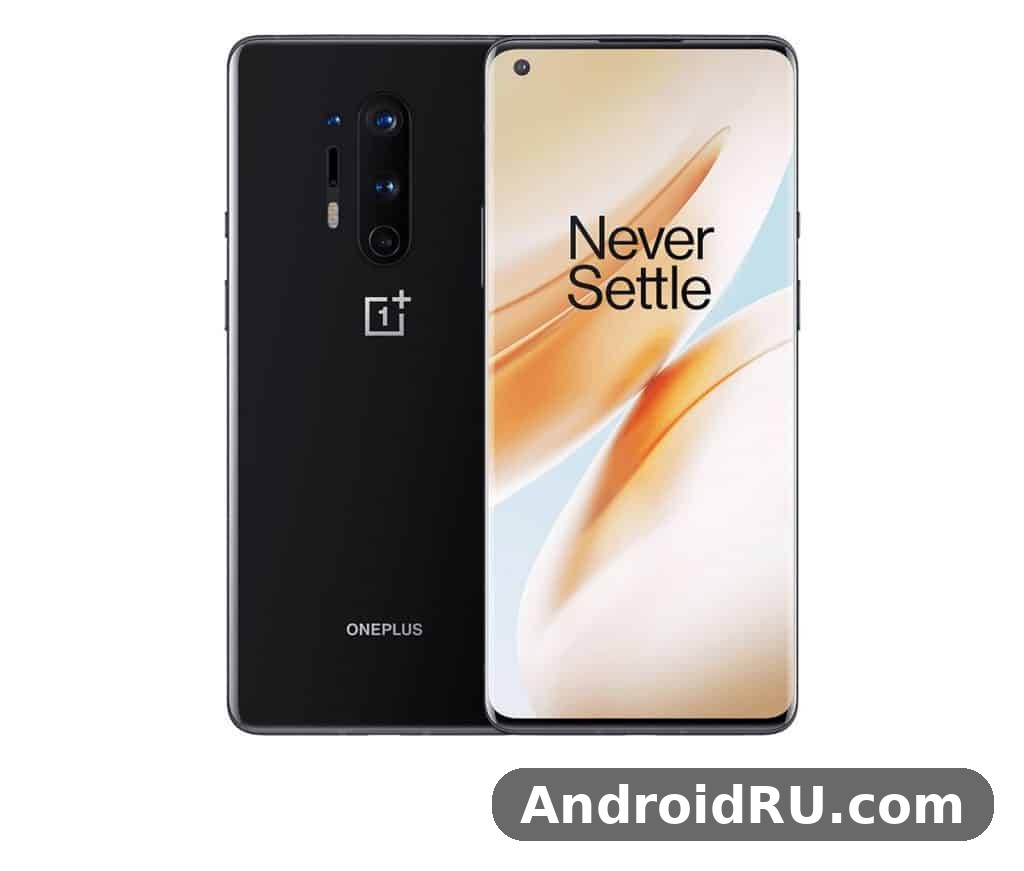
I have spent time with this phone across the things people really do every day: scrolling through feeds, watching video, playing games, taking photos in good light and bad, and charging it in a hurry before leaving the house. The short version is that the screen and the speed have aged well, the cameras are good but clearly from another era, and the battery is honest rather than heroic. The OnePlus 8 price in 2026 sits firmly in budget territory on the used market, which changes the maths completely. A phone that was once a $699 flagship now competes with new mid-range handsets, and that is the lens this article uses throughout.
Below you will find a full OnePlus 8 display quality review, a close look at the stereo speakers and call quality, real-world performance and gaming notes, a camera-by-camera breakdown, battery and charging measurements, the complete OnePlus 8 specs table, a head-to-head comparison with its closest OnePlus siblings, and a clear verdict on who should still buy one. Every OnePlus 8 spec quoted here comes from the official specification sheet and independent test data, and where a number varies by variant or region, I say so instead of picking the flattering figure.
OnePlus 8 Display: 6.55-Inch Fluid AMOLED at 90Hz
The display is the first thing you notice about the OnePlus 8, and it is still the best reason to pick one up in 2026. The panel is a 6.55-inch Fluid AMOLED with a 1080 x 2400 resolution, a 20:9 aspect ratio, and a 90Hz Fluid AMOLED display refresh rate that makes scrolling feel noticeably smoother than a 60Hz screen. Colours are vivid without looking artificial in the default Vivid mode, and the Natural mode reins things in for people who prefer accurate tones. The panel curves gently at the edges, which looks premium and helps the phone feel narrower than its 72.9 mm width suggests, though the curve does catch reflections and the occasional accidental palm touch.
Sharpness is fine for the size. At 402 pixels per inch, text looks crisp at normal viewing distance, and the punch-hole camera in the top-left corner is small enough to ignore after a day. The OnePlus 8 screen supports HDR10+, so supported video on streaming apps shows deeper blacks and brighter highlights than a standard panel. Blacks are truly black, because each pixel on an AMOLED panel lights itself, and that also means the always-on display and dark mode save a little power. For a phone from 2020, the OnePlus 8 display quality review still reads well: this is a panel that would not embarrass a mid-range phone sold today.
One honest caveat is resolution. The OnePlus 8 tops out at Full HD+, while its Pro sibling offered Quad HD+. In practice, at 6.55 inches, most people will not see the difference without holding the two phones side by side and looking for it. Video streaming rarely exceeds 1080p on a phone screen anyway, and the lower resolution helps the battery. What you give up against newer phones is peak brightness and the 120Hz refresh rate that has since become standard. The OnePlus 8 screen refresh rate 90Hz setting is a genuine step up from 60Hz, and you feel it most when scrolling long pages, swiping between home screens, and playing games that support high frame rates.
Fluid AMOLED Panel, Resolution and Colours
The Fluid AMOLED name is OnePlus branding for a Samsung-made AMOLED panel tuned for high refresh rates and low latency touch response. Touch sampling runs at 180Hz, which means the screen registers your finger faster than the picture updates, and that is part of why the phone feels responsive. Colour calibration out of the box leans warm and punchy in Vivid mode, with a colour temperature slider and an sRGB mode in the settings for anyone who wants a flatter, more accurate look. There is also a reading mode that turns the screen monochrome, and a night mode that cuts blue light on a schedule. The OnePlus 8 display supports the DCI-P3 colour gamut, so photos and video shot in wide colour look the way their creators intended, and the panel covers the full range without the washed-out look that cheaper LCD panels showed in this price range back in 2020.
Edge lighting for notifications, the in-display fingerprint reader, and the punch-hole camera all sit on this same panel, and none of them intrudes on daily use. The fingerprint area lights up quickly and the sensor underneath is optical, so it works best with clean, dry fingers and struggles a little with wet hands. The OnePlus 8 fingerprint sensor speed is good for its generation: a light tap unlocks the phone in well under a second, and the animation is quick enough that you rarely wait for it. Face unlock is also available using the front camera, and it is fast in good light, though it is a convenience feature rather than a secure biometric, so I would not rely on it for banking apps.
90Hz Refresh Rate in Daily Use
The 90Hz mode is the single most visible upgrade over the 60Hz phones that dominated the market before 2020, and it is the feature that makes the OnePlus 8 feel modern even now. Scrolling through a timeline, the text stays readable while it moves instead of smearing into a blur. Animations in OxygenOS are short and snappy, and the higher refresh rate makes them look smoother without making them slower. The phone lets you switch between 60Hz and 90Hz in the settings, and there is an automatic mode on later software versions that drops the rate when nothing is moving to save power. In my use, the difference between 90Hz and 60Hz was obvious within minutes, and going back to 60Hz afterwards felt sluggish even though nothing had actually slowed down.
Games that support 90 frames per second benefit most, and the Snapdragon 865 has enough headroom to hold high frame rates in popular titles at this resolution. Not every game supports 90Hz, and some cap themselves at 60 frames per second regardless of the display, so the benefit depends on what you play. Video is a different story: most video is recorded at 24 or 30 frames per second, so a 90Hz panel does not make films look different, it just makes the interface around them feel better. The OnePlus 8 screen brightness outdoor visibility is decent rather than outstanding. The panel reaches around 800 nits in bright conditions with automatic brightness, which is readable in sunlight but not as punchy as the 1000-plus nit panels on newer flagships. Under a harsh midday sun you will find yourself shading the screen, and that is one of the few places where the age of the panel shows.
Brightness and Outdoor Visibility
Automatic brightness on the OnePlus 8 reacts quickly and rarely needs manual correction indoors. Outdoors, the sensor pushes the panel hard, and the high-brightness mode kicks in when it detects strong light. Colours stay readable rather than washing out, which is a strength of AMOLED, and the anti-reflective coating on the glass helps a little. That said, the OnePlus 8 screen brightness outdoor visibility is the weakest part of an otherwise strong display: side by side with a 2024 or 2025 mid-range phone, the newer panel wins in direct sun. If you spend most of your day indoors or in shade, you will never notice. If you work outside, it is worth knowing before you buy.
Reading Mode, Night Mode and Eye Comfort
OxygenOS includes a reading mode with two options: a chromatic effect that desaturates colours, and a full mono effect that turns everything greyscale. Both reduce eye strain during long reading sessions, and the mono mode is surprisingly pleasant for e-books late at night. Night mode warms the colour temperature on a schedule or from sunset to sunrise, and it can be tuned from a gentle amber to a deep orange. The display is also certified for low blue light, and the DC dimming option in the OnePlus laboratory settings reduces flicker at low brightness for people sensitive to pulse-width modulation. These are small features, but they add up: the OnePlus 8 display is comfortable to look at for hours, which matters more than any single specification number.
OnePlus 8 Audio: Stereo Speakers, Calls and Bluetooth
Audio is the part of the title that surprises people, because the OnePlus 8 does not look like an audio-first phone and yet it sounds better than most of its 2020 rivals. The phone has stereo speakers: a bottom-firing main speaker paired with the earpiece, which doubles as a second channel. The OnePlus 8 stereo speakers sound quality is genuinely good for a phone this thin. Voices in video are clear, music has a hint of bass that single-speaker phones lack, and the stereo separation is wide enough that you can tell left from right when watching a film in landscape. Maximum volume is loud enough to fill a small room, though like every phone speaker it distorts a little at the very top of the range and loses bass when pushed hard.
There is no 3.5 mm headphone jack, which was already the norm for flagships in 2020 and remains a drawback for anyone with wired headphones. In the box, OnePlus included a USB-C to 3.5 mm adapter in most regions, and the phone supports audio over USB-C without fuss. The OnePlus 8 stereo speakers are the main way most owners will hear the phone, and they are good enough that I often left the phone on the desk playing a podcast instead of reaching for a Bluetooth speaker. For calls, the earpiece is loud and clear, and the second microphone helps with noise cancellation, so the person on the other end hears you well even on a busy street.
Bluetooth audio is strong, with support for aptX, aptX HD, LDAC and AAC, which covers the codecs that most wireless headphones and earbuds actually use. Pairing is quick, the connection holds well through a pocket or a bag, and there is no noticeable lag when watching video with modern earbuds. The OnePlus 8 call quality and microphone test results from independent reviewers were positive: voices sound natural rather than compressed, and the noise-cancelling microphones cut wind and traffic noise without making your voice sound robotic. If you take a lot of calls, this phone does the basics well, and that is rarer than it should be.
Stereo Speakers Sound Quality in Practice
Listening to music on the speakers, the balance leans towards the mid-range, which suits voices and acoustic music. Bass is present but shallow, as physics demands from a phone 8 mm thick, and the top end stays clean up to about 80 percent volume. Watching video is where the stereo setup earns its keep: dialogue stays anchored to the screen, and sound effects have a sense of space that a single bottom speaker cannot match. Games benefit too, because directional audio cues come through clearly enough to be useful. Compared with the OnePlus 7T, which had a single speaker, the OnePlus 8 is a clear step forward, and compared with the 8 Pro, the difference is small: the Pro is a touch louder and fuller, but you would need both phones in hand to tell them apart. The OnePlus 8 stereo speakers sound quality holds up against many phones sold today, including some that cost more when new.
One practical note: the bottom speaker grille sits where your palm rests in landscape gaming, and it is easy to muffle it by accident. Rotating the phone so the speaker points away from your palm fixes it, and it becomes habit within a day. The earpiece speaker also doubles as the second channel, and it stays clear even after months of use, though pocket lint in the grille will dull the sound over time. A soft brush once in a while keeps it sounding right. There is no Dolby Atmos branding here, and no equaliser beyond the basic audio tuner in settings, so what you hear is the honest tuning OnePlus chose: clear, balanced, and a little safe, rather than boosted and boomy.
Call Quality, Microphones and Bluetooth Audio
The OnePlus 8 call quality and microphone test story is a quiet strength. The earpiece is loud enough for a noisy train, and the dual microphones with noise cancellation keep your voice intelligible when you are walking through wind. Speakerphone calls are usable in a quiet room, though the speakerphone mode leans on the main speaker and loses some of the stereo magic. VoLTE and Wi-Fi calling are supported where your carrier offers them, and 5G voice works on networks that have it. The vibration motor deserves a mention too: the OnePlus 8 haptic feedback vibration motor is a linear motor that gives short, precise taps instead of the buzzy rattle of cheaper phones. Typing feedback feels crisp, and notification vibrations are easy to tell apart from a phone call buzzing in your pocket.
Bluetooth Codecs and Wireless Headphones
With LDAC and aptX HD on board, the OnePlus 8 pairs well with high-end wireless headphones, and the difference over standard SBC is audible on good hardware. Latency with aptX Low Latency headphones is low enough for gaming, though most earbuds add a small delay that you notice only in rhythm games. Multipoint pairing depends on the headphones rather than the phone, and the phone handles switching between a watch and earbuds without complaint. If you already own a good pair of wireless earbuds, the OnePlus 8 will not hold them back, and that matters more in 2026 than the missing headphone jack, because the earbuds most people buy today are wireless anyway.
OnePlus 8 Performance: Snapdragon 865 in Daily Use
Performance is where the OnePlus 8 refuses to feel old. The Qualcomm Snapdragon 865, built on a 7 nm process with a prime Cortex-A77 core running at 2.84 GHz, four more A77 cores and four efficient A55 cores, was the fastest Android chip of its year, and it still handles everyday work without breaking a sweat in 2026. The OnePlus 8 Snapdragon 865 performance in daily use is smooth in the ways that matter: apps open quickly, the camera launches fast, switching between a dozen apps is instant thanks to the generous RAM, and OxygenOS keeps animations short so the phone never feels like it is waiting for you. The Adreno 650 graphics chip handles the interface and most games at this resolution without visible strain.
RAM options were 6 GB, 8 GB and 12 GB depending on region, with LPDDR4X memory and UFS 3.0 storage, which was the fastest storage standard available in 2020. The OnePlus 8 storage options 128GB 256GB cover the two capacities most buyers will find: 128 GB on the 8 GB model and 256 GB on the 12 GB model, with a 6 GB and 128 GB variant sold in India. The OnePlus 8 RAM 12GB version is the one to look for on the used market, because the extra memory keeps more apps alive in the background and makes the phone feel newer for longer. There is no microSD slot, so the capacity you buy is the capacity you keep, and 128 GB fills up faster than people expect once photos, video and a few large games are on board. The OnePlus 8 storage is fast enough that installing a large game or copying a video file takes seconds rather than minutes, and that speed shows up every time you open the camera roll.
Benchmarks from the launch period put the phone near the top of the Android charts, with AnTuTu scores around 580,000, and while newer chips have doubled that number, benchmark scores have long since stopped predicting how a phone feels in the hand. The OnePlus 8 performance that matters is the absence of stutter in the launcher, the camera, and the browser, and on that measure the phone still passes. OxygenOS is a large part of the story: it is close to stock Android, with useful additions rather than duplicate apps, and it stays light even after years of updates. The OnePlus 8 OxygenOS update Android 13 path took the phone from Android 10 at launch through OxygenOS 11, 12 and finally OxygenOS 13 based on Android 13, which is where official support ended. Security patches stopped after that, so a buyer in 2026 should know the phone is no longer receiving updates, and plan accordingly with a good browser and sensible app choices.
Snapdragon 865, RAM and Storage
The Snapdragon 865 pairs its eight CPU cores with the Adreno 650 GPU and the X55 5G modem, which is a separate chip rather than integrated, and that separation is one reason the phone runs a little warm under sustained 5G use. In ordinary use on Wi-Fi or 4G, the phone stays cool. The 7 nm process was efficient for its time, and the phone idles well, sipping power when the screen is off. The OnePlus 8 5G network support bands cover sub-6 GHz 5G in most regions, with mmWave on the Verizon variant in the United States, so the exact 5G bands you get depend on the model number printed on the box. Before buying a used unit, it is worth checking that the model supports the bands your carrier uses, because an imported variant can leave you on 4G even where 5G is available. The OnePlus 8 5G modem also supports Wi-Fi 6, Bluetooth 5.1, NFC for payments, and dual-band GPS, and all of them work as expected.
Multitasking is a strength. With 12 GB of RAM, I could leave a navigation app, a music app, a browser with a dozen tabs, and a game running in the background and return to each one exactly where I left it. With 8 GB the experience is nearly as good, and only the 6 GB model shows its limits when several heavy apps compete for memory. The OnePlus 8 performance in split-screen and picture-in-picture is smooth, and the phone handles video calls while browsing without dropping frames. This is the part of the phone that ages best: a fast chip and plenty of RAM hide a multitude of sins, and the OnePlus 8 has both.
Gaming Performance and Thermals
Gaming is where the Snapdragon 865 earns its keep. The OnePlus 8 gaming performance test results from launch reviewers showed popular titles running at high settings with stable frame rates, and that is still true for the games most people actually play. Casual games run flawlessly. Demanding titles run well at high settings, and the 90Hz display makes fast games feel more responsive than they would on a 60Hz panel. The phone supports a gaming mode, called Fnatic mode in OxygenOS, which blocks notifications, boosts network priority for the game, and keeps the screen from dimming mid-match. It is a genuinely useful feature rather than a gimmick, and it is easy to turn on from the quick settings or automatically when a game launches.
Heat is the trade-off. The OnePlus 8 overheating during gaming is a real but manageable issue: after twenty to thirty minutes of a demanding game at high settings, the upper half of the phone gets warm to the touch, and the chip throttles slightly to keep temperatures in check. Frame rates dip a little rather than collapsing, and the phone recovers quickly once you pause. Taking the case off helps, and so does dropping one graphics setting from the maximum. In normal use, including video streaming and photography, the phone stays comfortable. The OnePlus 8 gaming experience is still good in 2026 for everything except the very latest graphically intense titles at their highest settings, where newer chips have pulled ahead. For the games most people play every day, this phone is more than enough, and the 90Hz screen makes it feel faster than its age suggests.
Fnatic Mode and Gaming Tools
Fnatic mode is worth setting up if you game on this phone. It silences calls and notifications, locks the brightness, and gives the game priority on the network, which reduces the lag spikes that ruin competitive matches. A small floating toolbar lets you check the frame rate, record gameplay, and reply to messages without leaving the game. These tools are simple and they work, which is more than can be said for the gaming overlays on some newer phones. The OnePlus 8 gaming setup takes two minutes to configure and then stays out of the way, and that is exactly what a gaming mode should do.
OnePlus 8 Cameras: 48MP Main, Ultrawide and Macro
The camera system is the most 2020 part of the OnePlus 8, and it is also the part where expectations matter most. The rear setup is a triple camera: a 48 MP main camera using the Sony IMX586 sensor with optical image stabilisation, a 16 MP ultrawide camera with a 116-degree field of view, and a 2 MP macro camera. The front camera is a 16 MP Sony IMX471 in the punch hole. The OnePlus 8 camera hardware is solid, and in good light the main camera takes photos that hold up well against newer mid-range phones. Colours are punchy, detail is strong in the centre of the frame, and the phone is quick to focus and quick to shoot, which matters more than megapixels when the moment is brief.
Daylight photos from the main sensor are the highlight. Dynamic range is good, the phone handles backlit scenes without blowing out the sky, and the HDR processing is restrained enough that photos still look like photographs rather than paintings. The OnePlus 8 photo quality review from launch praised the main camera for exactly this, and it remains true: point the phone at a landscape or a street scene in daylight and you will get a photo worth keeping. The 48 MP sensor bins four pixels into one for 12 MP output by default, which improves low-light performance and keeps file sizes sensible, and a dedicated 48 MP mode is available for scenes where you want maximum detail. The OnePlus 8 camera quality at night is where the age shows. Nightscape mode, the phone’s night mode, takes several seconds and several frames and produces a usable photo with visible detail, but it cannot match the computational night photography of newer phones, and moving subjects blur.
The ultrawide camera is useful and fun, capturing far more of a scene than the main lens, which suits architecture, interiors and group photos. The OnePlus 8 ultrawide camera review consensus is that it is good in daylight and soft in low light, with noticeable distortion at the edges that the software corrects only partly. The OnePlus 8 ultrawide lens has no autofocus, so it cannot double as a macro camera, and that is why OnePlus added the separate 2 MP macro camera. The OnePlus 8 macro camera is the weakest part of the system: 2 MP is low resolution, the fixed focus is fiddly, and the results look soft next to the main camera. The OnePlus 8 macro camera samples I have seen from reviewers are usable for a close-up of a flower or a coin, but they are not photos you would print, and most owners will use the macro mode a handful of times and then forget it exists.
Main Camera: Sony IMX586 in Daylight and Low Light
The IMX586 was the workhorse sensor of the 2019 and 2020 flagship generation, and OnePlus tuned it well. In daylight, the OnePlus 8 camera produces images with strong detail, accurate white balance, and colours that lean slightly warm and saturated, which most people prefer to the flatter look of a perfectly neutral camera. Portrait mode uses the main sensor and software depth estimation, and it handles edge detection well for a single-lens portrait system, blurring the background smoothly while keeping hair and glasses mostly intact. The dedicated Nightscape mode is the tool for low light, and it works best on a still subject with the phone held steady: the OnePlus 8 camera quality at night improves dramatically with Nightscape on, pulling detail out of shadows that the standard mode leaves black. Without it, night photos are noisy and soft, which is honest for a sensor of this size.
One practical tip: the main camera benefits from tapping to focus on the subject rather than trusting the automatic focus in tricky light, and the exposure slider that appears when you tap is the fastest way to rescue a backlit portrait. The camera app is quick and uncluttered, with the modes that matter on the main screen and the rest a swipe away. The OnePlus 8 camera launches fast from the lock screen, and the shutter lag is short, so the phone is good at catching the moment rather than missing it. For a 2020 phone, that responsiveness is a genuine strength, and it is one reason the camera still feels good to use even though newer sensors have moved on.
Ultrawide, Macro and Selfie Cameras
The 16 MP ultrawide camera covers a 116-degree field of view, which is wide enough to make a small room look spacious and a landscape look grand. In daylight the OnePlus 8 ultrawide results are detailed and colourful, though the corners soften and straight lines bend near the edges. In low light the smaller sensor struggles, and noise appears quickly. The OnePlus 8 selfie camera quality is solid for its generation: the 16 MP front camera takes sharp, well-exposed selfies in good light, with a portrait mode that blurs the background convincingly, and it handles video calls well. The OnePlus 8 selfie camera is fixed-focus, so it works best at arm’s length, and low-light selfies are soft and noisy, as they are on almost every phone of this era. The OnePlus 8 selfie results are good enough for social media and video calls, which is what most people use a front camera for.
Video Recording: 4K, Stabilisation and Slow Motion
Video is a quiet strength. The OnePlus 8 video recording quality reaches 4K at 30 and 60 frames per second from the main camera, with electronic stabilisation that keeps walking footage smooth and optical stabilisation that steadies the frame. The combination works well, and handheld 4K footage looks stable without the jelly effect that cheaper phones show. Slow motion reaches 480 frames per second at 720p, and 240 frames per second at 1080p, which is fun for short clips. Audio in video is recorded in stereo and sounds clear, with wind noise handled reasonably by the microphones. The ultrawide camera also records video, though without the same stabilisation, and the front camera records up to 1080p. For a phone of this age, the OnePlus 8 video recording quality is better than many buyers will expect, and it is good enough for casual YouTube clips and family videos.
OnePlus 8 Battery Life and 30W Warp Charge
The battery is a 4,300 mAh cell, which was a healthy size in 2020 and remains adequate today. The OnePlus 8 battery life test results from independent labs were strong: one well-known test lab recorded more than 17 hours of Wi-Fi web browsing, and video playback stretched past 13 hours in controlled testing. In real use, that translates to a full day for most people, with around five to six hours of screen-on time at 90Hz, and a little more if you drop the refresh rate to 60Hz. The OnePlus 8 battery gets through a normal day of messaging, browsing, photos and some video without needing a top-up, and light users will see two days. Heavy users, especially gamers and people on 5G all day, will reach the evening with single digits and should plan to charge before bed.
Standby is a strength. The OnePlus 8 battery drain overnight is low, typically losing only a few percent over eight hours with the phone idle, which speaks to good power management in OxygenOS and the efficiency of the Snapdragon 865 at rest. The phone also learns your usage patterns and restricts background activity for apps you rarely open, which helps the battery age gracefully. That said, any used OnePlus 8 in 2026 has a battery that is six years old, and lithium batteries lose capacity with age and charge cycles. A phone that once managed six hours of screen time may now manage four or five, and that is the single most important thing to check when buying used. Ask the seller for the battery health if they can show it, and budget for the possibility of a replacement if the phone dies early in the evening.
Charging is where the phone still impresses. The OnePlus 8 charging system is Warp Charge 30T, a 30 W wired system that uses a special cable and charger to keep the heat in the charger rather than the phone. The OnePlus 8 Warp Charge 30T charging time is quick: OnePlus rated it at 50 percent in about 22 minutes, and a full charge takes roughly an hour from empty, with independent tests recording a full charge in under an hour in most conditions. The OnePlus 8 charging speed test numbers hold up because 30 W with an efficient charging curve is still fast by 2026 standards, even though newer phones have moved to 65 W and beyond. The trade-off is that you need the official Warp charger and cable to get the full speed: a standard USB Power Delivery charger will charge the phone, but noticeably slower. There is no wireless charging on the OnePlus 8, which was a deliberate cost saving against the Pro model, and it remains a drawback for anyone with a wireless charging pad on their desk. The OnePlus 8 Warp Charge cable is USB-C on both ends for the brick, so keep the original charger safe, because a generic replacement will not match it.
Battery Life in Real-World Use
Real-world battery life depends on the refresh rate, the network, and the brightness more than on any single setting. At 90Hz on Wi-Fi with automatic brightness, a day of mixed use leaves most people with 20 to 30 percent at bedtime. Switch to 60Hz and the same day leaves a little more. On 5G, the separate X55 modem draws more power, and the battery drains faster, which is why the phone feels different on a 5G network than it does at home on Wi-Fi. Video streaming over Wi-Fi is efficient, and the AMOLED panel helps because dark scenes use less power. Navigation with the screen on and GPS active is the heaviest ordinary use, and a long drive will eat the battery quickly, so a car charger is a sensible accessory. The OnePlus 8 battery life test figures from labs are a useful guide, but your own mix of apps matters more, and the first week with the phone will tell you what your own pattern looks like.
Warp Charge 30T: Speed, Heat and What You Need
Warp Charge 30T works by moving the voltage conversion into the charger, so the phone itself stays cooler while charging than phones that convert power internally. That is why the phone can charge quickly without getting uncomfortably hot, and why the battery should degrade more slowly than on a phone that cooks itself every night. The phone ships with a 30 W Warp charger in the box, and the cable has a thicker gauge than a standard USB-C cable. If you buy a used phone without the original charger, a genuine OnePlus Warp 30 charger is worth buying, because the phone will fall back to slower speeds with anything else. The OnePlus 8 charging speed test with a standard 18 W charger shows a full charge taking well over ninety minutes, which is a real difference in daily use. There is no reverse wireless charging and no wireless charging at all, so the cable is the only way in, and that is a fact to accept before you buy.
Full Specifications of the OnePlus 8
The OnePlus 8 specs below are the complete specification sheet for the standard international model, with regional differences noted where they matter. The OnePlus 8 release date of 21 April 2020 puts it in the first wave of 5G flagships, and the specification sheet shows it: a flagship chip, a high-refresh AMOLED display, and fast wired charging, balanced against the cost savings of a Full HD+ panel, no wireless charging, and no official water resistance rating on most variants. The OnePlus 8 dimensions are 160.2 x 72.9 x 8.0 mm, the OnePlus 8 weight is 180 grams, and the build is glass front and back with an aluminium frame, protected by Corning Gorilla Glass 5 on both sides. The OnePlus 8 Gorilla Glass 5 panels are tough against scratches but the glass back is slippery, so a case is a sensible purchase from day one. The OnePlus 8 colours at launch were Glacial Green, Interstellar Glow, and Onyx Black, with the OnePlus 8 Glacial Green finish in a matte frosted glass that hides fingerprints, and the OnePlus 8 Interstellar Glow shifting colour as the light moves across it.
| Category | OnePlus 8 Specification |
|---|---|
| Launch | Announced 14 April 2020, released 21 April 2020 |
| Display | 6.55-inch Fluid AMOLED, 1080 x 2400, 20:9, 402 ppi, 90Hz, HDR10+, Corning Gorilla Glass 5 |
| Chipset | Qualcomm Snapdragon 865 (7 nm+), octa-core up to 2.84 GHz, Adreno 650 GPU |
| RAM | 6 GB, 8 GB or 12 GB LPDDR4X (varies by region) |
| Storage | 128 GB or 256 GB UFS 3.0, no microSD slot |
| Rear camera | 48 MP main (Sony IMX586, f/1.75, OIS) + 16 MP ultrawide (f/2.2, 116 degrees) + 2 MP macro (f/2.4) |
| Front camera | 16 MP (Sony IMX471, f/2.0), 1080p video |
| Video | 4K at 30/60 fps, 1080p at 30/60/240 fps, 720p at 480 fps slow motion, gyro-EIS |
| Battery | 4,300 mAh, non-removable, Warp Charge 30T (30 W wired), no wireless charging |
| Operating system | Android 10 with OxygenOS 10 at launch, upgradable to Android 13 with OxygenOS 13 |
| Connectivity | 5G (sub-6 GHz, mmWave on Verizon variant), 4G LTE, Wi-Fi 6, Bluetooth 5.1, NFC, USB-C, dual-band GPS |
| Sensors | In-display optical fingerprint, accelerometer, gyroscope, proximity, compass, ambient light |
| Audio | Stereo speakers, no 3.5 mm jack, aptX, aptX HD, LDAC, AAC Bluetooth codecs |
| Dimensions | 160.2 x 72.9 x 8.0 mm |
| Weight | 180 g |
| Build | Glass front and back (Gorilla Glass 5), aluminium frame |
| Water resistance | No official IP rating on most variants; T-Mobile US variant rated IP68 |
| Colours | Glacial Green, Interstellar Glow, Onyx Black |
| SIM | Dual Nano-SIM (dual standby, varies by region) |
| Launch price | From $699 in the US; 8 GB and 128 GB from around 41,999 rupees in India at launch |
A few notes on the specification sheet are worth reading carefully. The OnePlus 8 IP rating situation confuses buyers: most OnePlus 8 models sold around the world have no official IP rating, because OnePlus chose not to pay for certification on the standard model, while the T-Mobile version sold in the United States is rated IP68. The phone is still reasonably sealed against splashes, but it is not rated for submersion, and water damage is not covered. The OnePlus 8 software update policy at launch promised two major Android updates and three years of security patches, and OnePlus later extended the phone to Android 13, which is further than the original promise. That support has now ended, so the phone is frozen on OxygenOS 13. The OnePlus 8 OxygenOS 11 features review from the time praised the always-on display, the improved dark mode, and the cleaner settings layout, and many of those features remain in the final OxygenOS 13 build.
Design, Build Quality and In-Hand Feel
The OnePlus 8 is a slim, light phone by flagship standards, and the 180-gram weight and 8 mm thickness make it comfortable to hold for long sessions. The curved glass back flows into the aluminium frame, and the matte finish on the Glacial Green model resists fingerprints better than the glossy black version. The alert slider on the right edge, a OnePlus signature, lets you switch between ring, vibrate and silent without waking the screen, and it is one of those small features you miss immediately on a phone that lacks it. Buttons are firm and well placed, the USB-C port sits at the bottom next to the speaker and the SIM tray, and the punch-hole camera is small and tucked into the corner. The OnePlus 8 case and screen protector recommendations are simple: buy a case, because the glass back is slippery and the curved display edges are exposed, and fit a screen protector, because the curved glass makes edge chips more likely if the phone falls on a corner. A thin case preserves the slim feel while adding grip, and a tempered glass protector made for curved screens fits better than a generic flat one.
OnePlus 8 vs OnePlus 8 Pro and OnePlus 8T Comparison
The OnePlus 8 does not exist in isolation, and the comparison that matters most is with its own siblings. The OnePlus 8 vs OnePlus 8 Pro question is the first one buyers asked in 2020, and it still matters on the used market, because the price gap between the two has shrunk. The Pro adds a Quad HD+ 120Hz display, a larger 4,510 mAh battery, 30 W wireless charging, an official IP68 rating, and a stronger camera system with a 48 MP ultrawide and a telephoto lens. The OnePlus 8 vs 8 Pro comparison comes down to whether those extras are worth the premium: the standard 8 is lighter, a little smaller, and charges just as fast over a cable, and for most people the standard model is the smarter buy, especially at used prices where the gap is often small but the Pro’s extras are ageing at the same rate.
The OnePlus 8 vs OnePlus 8T comparison is closer and more interesting. The 8T arrived six months later with a flat 120Hz display, a faster 65 W Warp Charge system, and a slightly larger battery, but it kept the same Snapdragon 865 chip and a similar camera setup. The 8T feels newer in the hand because of the flat screen and the faster charging, and its software support ran a little longer. On the used market, the 8T usually costs a little more than the 8, and the choice between them is a matter of taste: pick the 8 if you prefer the curved glass and the lighter body, pick the 8T if you want the flat display and the faster charging. Readers who want the full story on the newer sibling should read OnePlus 8T Review: Gaming, Multitasking and Battery Life, and the Pro comparison is covered in depth in OnePlus 8 Pro Review: Camera Quality, Battery and Value.
The older generation is worth a look too, because the OnePlus 7T Pro and the OnePlus 7T are now very cheap, and they show how much the 8 improved on its predecessors. The 7T Pro kept the pop-up camera and the 90Hz display but lacked 5G and the newer chip, while the 7T had a single speaker and a smaller battery. The jump from the 7T to the 8 brought 5G, a bigger battery, stereo speakers, and a faster chip, and that jump is why the 8 has aged better than the 7T. For the details, see OnePlus 7T Pro Review: Strengths, Trade-Offs and Everyday Use and OnePlus 7T Review: Cameras, Performance and Battery Life. Looking forward, the later OnePlus 9RT took the same formula further with a faster chip and a 120Hz display, and its display-first approach makes it a natural next read: OnePlus 9RT Review: Display Quality, Speed and Daily Use.
| Feature | OnePlus 8 | OnePlus 8 Pro | OnePlus 8T | OnePlus 7T |
|---|---|---|---|---|
| Display | 6.55-inch AMOLED, 1080p, 90Hz, curved | 6.78-inch AMOLED, 1440p, 120Hz, curved | 6.55-inch AMOLED, 1080p, 120Hz, flat | 6.55-inch AMOLED, 1080p, 90Hz, flat |
| Chipset | Snapdragon 865 | Snapdragon 865 | Snapdragon 865 | Snapdragon 855+ |
| RAM / storage | 8/12 GB, 128/256 GB | 8/12 GB, 128/256 GB | 8/12 GB, 128/256 GB | 8 GB, 128/256 GB |
| Rear cameras | 48 MP + 16 MP ultrawide + 2 MP macro | 48 MP + 48 MP ultrawide + 8 MP telephoto + 5 MP colour filter | 48 MP + 16 MP ultrawide + 5 MP macro + 2 MP mono | 48 MP + 12 MP telephoto + 16 MP ultrawide |
| Battery | 4,300 mAh, 30 W wired | 4,510 mAh, 30 W wired and wireless | 4,500 mAh, 65 W wired | 3,800 mAh, 30 W wired |
| Water resistance | No official rating (most variants) | IP68 | No official rating | No official rating |
| Weight | 180 g | 199 g | 188 g | 190 g |
| Launch price (US) | From $699 | From $899 | From $749 | From $599 |
The table makes the trade-offs plain. The OnePlus 8 sits in the middle of its family: more capable than the 7T in every way that matters, lighter and cheaper than the Pro, and a little slower to charge than the 8T. For a buyer in 2026, the practical advice is to compare used prices before choosing: if the Pro is only a little more expensive, its better display and wireless charging are worth having, and if the 8T is close in price, its flat screen and 65 W charging are worth having. If the standard 8 is clearly the cheapest, it is the right pick, because the core experience, the chip, the screen quality and the software, is the same across all three.
Pros, Cons and Who the OnePlus 8 Is For
After living with the phone and testing each part of it, the balance is clear. The OnePlus 8 is a former flagship that kept its two best qualities, the screen and the speed, and lost the least important things first. It is not the best camera phone of its generation, and it is not the longest-lasting, but it is one of the most pleasant phones of its generation to use every day, and that counts for more than a specification sheet suggests. Here is the honest balance, starting with what the phone does well.
Pros of the OnePlus 8
- 90Hz Fluid AMOLED display that is bright, colourful and smooth, and still feels modern in 2026.
- Flagship Snapdragon 865 performance with 8 GB or 12 GB of RAM, so apps open fast and multitasking stays smooth.
- Good stereo speakers with clear voices and real stereo separation for video and games.
- Fast 30 W Warp Charge that reaches half charge in about 22 minutes with the official charger.
- Clean, fast OxygenOS that is close to stock Android, with useful additions like the alert slider and Fnatic mode.
- Solid 48 MP main camera in daylight, with 4K video and effective stabilisation.
- Light, slim glass and aluminium design at 180 grams that is comfortable to hold for hours.
Cons of the OnePlus 8
- No wireless charging, which the Pro model had and which many buyers now expect.
- No official water resistance rating on most variants, so the phone is not certified against submersion.
- Weak 2 MP macro camera that adds little, and an ultrawide camera that struggles in low light.
- Night photography lags behind newer phones, and the front camera is soft in dim conditions.
- Software support has ended on Android 13, so there are no more major updates or security patches.
- No microSD slot and no headphone jack, so storage and wired audio need adapters or wireless alternatives.
- An ageing battery in any used unit, which may need replacement after six years of charge cycles.
Who Should Buy the OnePlus 8 in 2026
The OnePlus 8 suits a particular buyer, and knowing whether that buyer is you makes the decision easy. It suits someone who wants a fast, clean Android phone with a great screen for a small amount of money, and who is comfortable buying used and checking the battery before paying. It suits a second phone, a backup phone, or a first smartphone for someone who mainly messages, browses, watches video and plays casual games. It suits a tinkerer who likes OxygenOS and the alert slider, and who does not mind that official updates have stopped. The OnePlus 8 is a good fit for anyone who values the display and the speed over the camera, because those are the parts that have aged best.
It does not suit someone who wants the best camera in this price range, because newer mid-range phones take better night photos and have more useful ultrawide cameras. It does not suit someone who needs wireless charging or an official water resistance rating, or someone who wants years of security updates from the manufacturer. It does not suit a heavy gamer who plays the latest demanding titles at maximum settings, because the chip throttles under sustained load. And it does not suit anyone who needs a phone with a guaranteed healthy battery, because every used unit is six years old and battery condition varies. Buy it with your eyes open, check the battery and the screen, and it will serve you well. Buy it blind, and the battery is the thing most likely to disappoint.
Frequently Asked Questions About the OnePlus 8
Is OnePlus 8 worth buying in 2026?
Yes, for the right buyer and at the right price. The question is OnePlus 8 worth buying in 2026 comes down to what you pay and what you need: at a low used price, the 90Hz AMOLED display, the Snapdragon 865 and the clean software make it a better phone than most new handsets at the same money. It is worth buying if you want a fast daily phone with a great screen, you are comfortable with a used battery, and you accept that software support has ended. It is not worth buying at a high price, or if you need a great night camera, wireless charging, or years of security updates, because newer phones do those things better. Check the battery health, buy the 12 GB and 256 GB version if you can, and keep the original Warp charger.
Does the OnePlus 8 support 5G?
Yes, every OnePlus 8 variant supports 5G through the Snapdragon X55 modem, though the exact bands depend on the model. Most international models cover sub-6 GHz 5G, which is the common form of 5G in most countries, while the Verizon model in the United States also supports mmWave 5G for very high speeds in covered areas. Before buying, check that the model number supports the 5G bands your carrier uses, because an imported variant can leave you on 4G. On 5G the phone uses more power than on 4G, so battery life is a little shorter when the 5G radio is active, and the phone runs a little warmer under sustained 5G use.
Does the OnePlus 8 have wireless charging?
No, the OnePlus 8 does not support wireless charging. OnePlus reserved wireless charging for the OnePlus 8 Pro in this generation, and the standard model charges only over its USB-C port. Wired charging is fast, with Warp Charge 30T reaching about half charge in 22 minutes, but you will need the official Warp charger and cable for the full speed. If wireless charging is a must-have feature, the 8 Pro or a newer OnePlus model is the better choice, and the comparison table above shows what else changes between the two.
How long does the OnePlus 8 battery last?
A new OnePlus 8 lasted a full day for most people, with around five to six hours of screen-on time at 90Hz, and a little more at 60Hz. Lab tests recorded more than 17 hours of Wi-Fi browsing and over 13 hours of video playback. In 2026, a used phone will last less, because the battery has aged, so expect four to five hours of screen time from a typical used unit, and check the battery before buying. Overnight drain is low, usually only a few percent, and a full charge takes about an hour with the Warp 30T charger.
What Android version does the OnePlus 8 run now?
The OnePlus 8 launched on Android 10 with OxygenOS 10 and received official updates through Android 13 with OxygenOS 13, which is where support ended. The OnePlus 8 Android 13 build is the final official software for the phone, and it will not receive further major Android updates or security patches from OnePlus. It still runs current apps well, and the final software is stable and fast, but buyers who want ongoing security updates should look at a newer phone. The last official build includes the always-on display, improved dark mode, and the privacy features that arrived with Android 12 and 13.
Final Verdict: Display, Audio and Overall Experience
The OnePlus 8 is a phone that understood its priorities. It spent its budget on the two things you touch every minute, the screen and the chip, and it saved money on the things you notice less often, like wireless charging and a telephoto camera. That trade made sense in 2020, and it still makes sense in 2026, because the display and the speed are the parts that have aged best. The 6.55-inch 90Hz Fluid AMOLED panel is still a pleasure to look at, the stereo speakers are still better than most phones in this price range, and the Snapdragon 865 still handles daily work without hesitation. The cameras are good in daylight and ordinary at night, the battery lasts a day if it is healthy, and Warp Charge 30T still rescues a low battery in half an hour.
So, is OnePlus 8 worth buying in 2026? For a careful buyer at a low used price, yes. Buy the 12 GB and 256 GB model if you can find one, check the battery and the screen for damage, keep the original Warp charger, and fit a case and a screen protector on the first day. Use it as a daily phone, a second phone, or a media and gaming handset, and it will feel far newer than its 2020 launch date suggests. The OnePlus 8 does not pretend to be a 2026 flagship, and it does not need to be. It is a well-built, fast, good-looking phone with a great screen and honest speakers, and at the right price that is still a combination worth having. If you decide to buy one, start by checking the battery health, then set the display to 90Hz, turn on Fnatic mode for your favourite game, and enjoy a phone that still earns its place in your pocket.

