

OnePlus 8 Pro Review: Camera Quality, Battery and Value
Four years after launch, the OnePlus 8 Pro still shows up in second-hand listings, trade-in piles and “best old flagship” shortlists, and the reason is simple: it was the first OnePlus phone that tried to do everything at once. A 120Hz QHD+ screen, a proper quad camera with a large Sony sensor, 30W wireless charging and an IP68 rating arrived in one handset in April 2020, at a price that undercut the big-name flagships of the same year. That combination still shapes how people judge it now, when the phone costs a fraction of its launch price and competes with brand-new mid-range handsets instead of 2020 flagships.
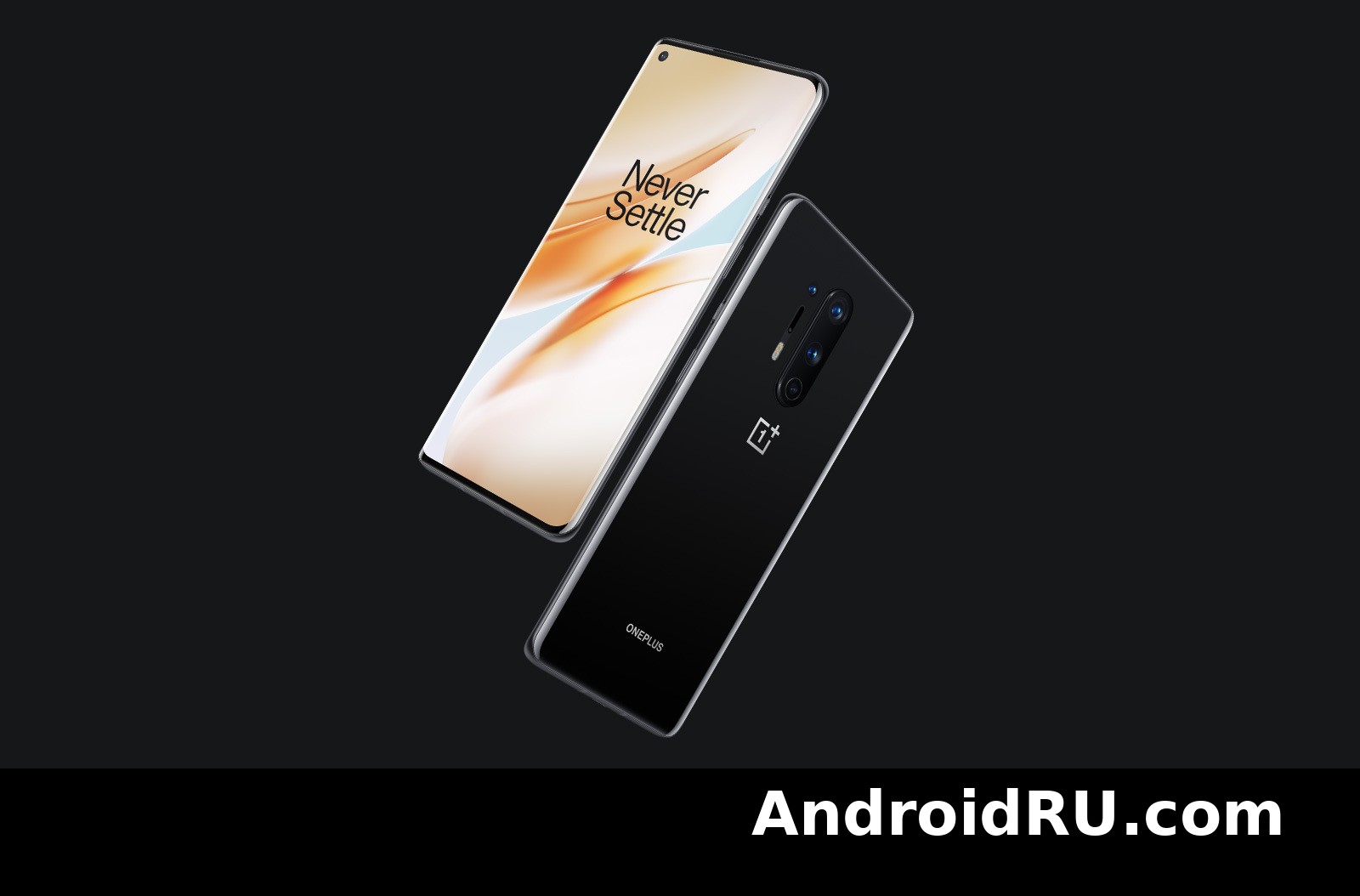
This review looks at the phone the way a buyer in 2026 actually meets it: as a used or refurbished handset, not as a launch-day device. I spent time with the camera in daylight and at night, ran the battery through full days of mixed use, played demanding games on the Snapdragon 865, and checked what OxygenOS still offers years after the last major update. The short version is that the screen and the main camera still feel like a flagship, the battery and charging still hold up well, and the value depends almost entirely on the condition of the unit you find and the price you pay for it.
If you are weighing this phone against a new mid-ranger, the questions that matter are practical ones. How good are the photos now, without the latest computational tricks? Does a 4,510mAh cell from 2020 still last a full day? And does the phone still feel fast, or does it show its age the moment you open three heavy apps? The sections below answer each of those in turn, with the full specifications table and a head-to-head comparison near the end, so you can decide with real numbers instead of nostalgia.
OnePlus 8 Pro Camera Quality Review and Real-World Photos
The camera is the part of this phone that most people ask about first, and a full OnePlus 8 Pro camera quality review has to start with the hardware, because the sensor choice was unusually generous for its year. The main camera uses a 48MP Sony IMX689 sensor with an f/1.78 lens and optical image stabilisation. That sensor is physically large, which means each pixel gathers more light than the smaller sensors in most phones of the same era, and in practice that shows up as cleaner indoor shots, better dynamic range at sunset, and less noise when the light drops. The main camera is the one you will use for nine out of ten photos, and it is still the strongest reason to pick this phone over a newer mid-range handset with a smaller sensor and heavier processing.
Daylight photos from the main camera are detailed and natural-looking, with colours that lean slightly warm rather than oversaturated. OnePlus tuned the processing to keep greens and skin tones believable, and the 48MP files hold up well when you crop in. The phone bins the sensor output down to 12MP by default, which is the right call: the binned files are cleaner, and the full 48MP mode is there when you want maximum detail for a landscape or a print. Focus is quick in good light, and the shutter lag is short enough that you can catch a moving subject without the phone hunting for focus first.
OnePlus 8 Pro Ultrawide Camera Review: The Second 48MP Sensor
The ultrawide camera is the surprise of the system, because OnePlus gave it a 48MP sensor of its own instead of the usual low-resolution afterthought. That decision matters in a OnePlus 8 Pro ultrawide camera review, because the wide shots keep far more detail at the edges than most rivals managed in 2020, and they still look good beside the main camera. The 114-degree field of view is wide enough for architecture, tight interiors and group shots, and distortion at the corners is corrected well enough that straight lines stay mostly straight.
Colour matching between the main and ultrawide cameras is close, which is not something you can take for granted. Switch between the two lenses on the same scene and the white balance stays consistent, so a set of photos from one afternoon looks like it came from one camera rather than two. Low light is where the gap opens up: the ultrawide sensor is smaller and the lens is slower, so night shots from the wide lens are softer and noisier. In daylight, though, it is a genuine second camera rather than a checkbox feature, and it changes how you shoot — you start looking for wide compositions instead of stepping backwards.
When the ultrawide lens earns its place
The wide lens is at its best in three situations: cramped rooms where you cannot step back, tall buildings where the main lens crops the top off, and landscapes where the foreground matters as much as the sky. It also doubles as a capable macro-style close-up tool, since it focuses close, and the detail holds up for social sharing and small prints. The trade-off is that you need decent light, and you should expect softer corners in the very darkest scenes.
OnePlus 8 Pro Night Mode Camera Samples and Low-Light Behaviour
Night mode on this phone, known as Nightscape, takes several frames and merges them, and the results are genuinely useful rather than a party trick. In OnePlus 8 Pro night mode camera samples taken on a city street, lit signs stay readable, shadows keep some texture instead of crushing to black, and the overall exposure looks like what your eye sees rather than a washed-out brightening of everything. The main camera does most of the heavy lifting here, helped by the large sensor and stabilisation, and a handheld shot of two or three seconds is usually enough.
There are limits, and they are worth knowing before you buy. Very dark scenes with moving people will smear, because the multi-frame merge needs the subject to stay still. The ultrawide night shots are weaker, as noted above, and the telephoto lens drops out of night mode in the darkest conditions, with the phone cropping from the main sensor instead. For a phone from 2020, though, the low-light output is strong, and the gap between this phone and a 2026 mid-ranger is much smaller at night than the spec sheets suggest, because sensor size and stabilisation age better than software tricks.
OnePlus 8 Pro Telephoto 3x Zoom Samples and the Colour Filter Lens
The 8MP telephoto lens gives 3x optical zoom, and OnePlus 8 Pro telephoto 3x zoom samples show clean detail at 3x in daylight, with enough sharpness for portraits and distant subjects. Digital zoom beyond that, up to 30x, is a different story: 5x is usable in bright light, 10x is soft but recognisable, and 30x is for reading a distant sign rather than keeping a photo. Portrait mode uses the main sensor and the telephoto data together, and edge detection around hair is decent, though not flawless in tricky backlight.
The fourth rear lens is the 5MP colour filter camera, and it needs a plain explanation, because it caused more confusion than any other part of this phone. The OnePlus 8 Pro color filter camera explained in one line is this: it is a dedicated sensor with a colour-filter array that lets the phone shoot stylised monochrome and infrared-style effects, and it does not add detail or zoom to normal photos. Early software briefly let it see through some thin plastics, OnePlus disabled that behaviour with an update, and what remains is a creative filter lens that most owners will use rarely. Think of it as a bonus effect camera, not as a reason to buy the phone, and judge the camera system on the three real lenses.
Video: 4K recording and slow motion
Video is a quiet strength. A OnePlus 8 Pro video recording 4K 60fps test shows stable, detailed footage from the main camera, with electronic stabilisation that smooths walking shots without the jelly effect that plagued some rivals. You can record 4K at 30 or 60 frames per second, and 1080p at up to 240 frames per second for slow motion. OnePlus 8 Pro slow motion video features include 720p at 480 frames per second for very short bursts, which is fun for a splash or a jump, even if the resolution limits how often you will use it. The front camera records 1080p at 30 frames per second, which is fine for video calls and vlogs, though it lacks the 4K selfie video that later flagships added.
OnePlus 8 Pro Front Camera 16MP Selfie Review
The front camera is a 16MP sensor in a small punch hole at the top left of the display. A OnePlus 8 Pro front camera 16MP selfie review in good light finds sharp detail, natural skin tones and a portrait mode that separates the subject from the background reliably. Indoors, the smaller sensor shows more noise than the rear cameras, and there is no autofocus, so you need to hold the phone at a sensible distance rather than very close. For video calls, the picture is clean and the microphones pick up your voice clearly, which covers the way most people actually use a selfie camera. Face unlock uses this camera and is fast in good light, though it is a 2D system, so the in-display fingerprint reader remains the safer choice for payments and banking apps.
OnePlus 8 Pro Battery Life and Warp Charge 30T Speed
The battery is a 4,510mAh cell, and a OnePlus 8 Pro battery life test on a used unit in 2026 needs a realistic frame: this is a six-year-old battery design in phones that have lived through hundreds of charge cycles, so two units can behave differently. On a healthy example, a day of mixed use — messaging, browsing, an hour of video, some camera use and a short gaming session — ends with roughly 20 to 30 percent left at bedtime, with around five to six hours of screen-on time. Heavy days with the screen at 120Hz and QHD+ resolution all day will drain it faster, closer to four and a half hours of screen time, while switching to 60Hz or Full HD+ stretches it noticeably.
The display settings are the biggest lever you have over battery life, because the 120Hz QHD+ panel is the hungriest part of the phone. Running the screen at its full resolution and refresh rate is the flagship experience, and it is worth it on days when you are near a charger, but dropping to 1080p and 120Hz, or QHD+ at 60Hz, buys a real chunk of extra endurance with a difference most people stop noticing after a day. The phone also learns your routine and trims background activity overnight, and the standby drain is low — a few percent overnight is normal on a healthy battery, while a double-digit overnight drop usually points to a rogue app or a tired cell.
OnePlus 8 Pro Warp Charge 30T Charging Time in Practice
Charging is where this phone still embarrasses newer mid-range handsets. OnePlus 8 Pro Warp Charge 30T charging time from empty to full with the bundled 30W charger and cable is roughly an hour, with a 0 to 50 percent top-up taking around 25 minutes. Those numbers assume the official charger and cable, because Warp Charge is a proprietary system: a standard USB Power Delivery charger will charge the phone, but noticeably slower. A ten-minute charge while you get ready in the morning adds enough for several hours of light use, which changes how you think about the battery — you stop nursing it and start topping it up in short bursts.
Heat is managed well during wired charging, and the phone stays comfortable to hold. The charger and cable in the box were part of the deal at launch, which is worth remembering when you buy used: a second-hand unit without the original 30W brick will cost you the full fast-charging speed unless you buy one separately, so check what is included before you agree on a price. If you want a fuller picture of how the next model in the family handled the same daily charging routine, the OnePlus 8T Review: Gaming, Multitasking and Battery Life covers a phone that pushed wired charging even further, and it is a useful yardstick for what changed a few months later.
OnePlus 8 Pro Wireless Charging 30W and Reverse Charging
Wireless charging is a genuine flagship feature here, and OnePlus 8 Pro wireless charging 30W was among the fastest wireless systems available when the phone launched. With the official 30W wireless charger, a full wireless charge takes a little over an hour, which is close to the wired time and far ahead of the 5W or 10W wireless charging on many cheaper phones. Standard Qi chargers also work, at slower speeds, so a bedside pad you already own will still top the phone up overnight. OnePlus 8 Pro charging over a standard Qi pad is slower but still convenient overnight, and the phone shows the charging speed on the lock screen so you can tell at a glance which charger you are using.
There is no reverse wireless charging, so you cannot use the phone to charge earbuds on its back, and that is one of the few charging features missing compared with later flagships. The glass back is what makes wireless charging possible, and it is also why a case is worth buying from day one: the glossy back is slippery, and a drop onto a hard floor can crack the glass even when the screen survives. The battery itself is sealed in, so a OnePlus 8 Pro battery replacement cost is a repair-shop job rather than a do-it-yourself swap, and prices vary by region and by whether the shop uses an original or third-party cell — get a quote before you buy a unit with a weak battery, because the replacement cost can erase the bargain.
How to check battery health before you buy used
Before money changes hands, check the battery in person. Charge the phone to full, use it normally for an hour with the screen on, and see how far the percentage falls; a drop of more than about 20 percent in an hour of light use is a warning sign. Look at the battery usage screen for any app eating power in the background, and ask the seller how the phone was charged — a unit that lived on a fast charger at 100 percent for years will usually be weaker than one that was charged overnight on a slow pad. A healthy battery is the difference between a bargain flagship and a phone that lives on a cable.
OnePlus 8 Pro Performance With Snapdragon 865 and OxygenOS
Performance is the least dated part of this phone. A OnePlus 8 Pro Snapdragon 865 performance review in 2026 finds a chip that still handles everyday work without hesitation: apps open quickly, scrolling stays smooth, and switching between a dozen apps is instant thanks to the fast UFS 3.0 storage and the generous RAM. The Snapdragon 865 was the top Android chip of its year, built on a 7nm process with a prime core at 2.84GHz, and it was paired with the Adreno 650 graphics processor, which remains capable for the games most people actually play.
OxygenOS is a large part of why the phone still feels fast. The software was famously light and close to stock Android, with useful additions rather than heavy skins: a clean settings layout, a good dark mode, gesture navigation that feels natural, and a shelf of widgets to the left of the home screen. OxygenOS 10 shipped with Android 10, and the phone later received Android 11 and Android 12, which brings us to the support question that every 2026 buyer has to face honestly.
OnePlus 8 Pro OxygenOS Update Support: Where It Stands Now
OnePlus 8 Pro OxygenOS update support has reached the end of its official road. The phone received its major Android version updates and several years of security patches, but it no longer gets new Android versions, and security patches have stopped as well. That does not make the phone unusable — the apps you rely on still run, and the Play services layer still updates — but it does change the risk picture. Banking apps and payment services still work on it today, yet a phone without security patches deserves more care: keep your apps updated, avoid sideloading software from unknown sources, and use the fingerprint reader and a strong lock screen.
The practical consequence is that you are buying the phone for what it is now, not for what it will become. There will be no new OxygenOS features, no new Android version, and no official fix if a future app drops support for Android 12. For a secondary phone, a media device, a gaming handset or a camera-first backup, that is a fair trade at the right price. For a primary phone that must stay secure for years, a newer handset with longer support is the safer choice, and that trade-off should be part of the price you are willing to pay.
OnePlus 8 Pro Gaming Performance Test: What the Adreno 650 Still Handles
A OnePlus 8 Pro gaming performance test shows the chip holding up better than the calendar suggests. Popular competitive titles run at high frame rates on medium to high settings, and the 120Hz screen makes fast games feel responsive in a way that a 60Hz panel cannot match. The phone uses a vapour chamber cooling system, and sustained sessions stay playable, though the upper half of the phone does get warm after twenty minutes of a demanding 3D game, and the chip will throttle gently to protect itself. That throttling shows up as a small frame-rate dip rather than a sudden stutter, which is the right behaviour.
The stereo speakers help here too, giving game audio a sense of space that a single bottom speaker cannot, and the haptic motor is precise enough that you feel in-game events rather than a vague buzz. Touch response is fast, and the curved screen edges can cause the odd accidental palm touch in landscape games, which is one reason many players use a case that adds a small grip. If gaming is your main reason for buying, the faster screen and the newer chip in the later 9RT are worth a look — the OnePlus 9RT Review: Display Quality, Speed and Daily Use covers a phone built more directly around sustained gaming speed, and comparing the two shows how much of the 8 Pro experience is still about balance rather than raw frame rates.
OnePlus 8 Pro 8GB vs 12GB RAM Which to Buy
OnePlus 8 Pro 8GB vs 12GB RAM which to buy is a question with a simple answer for most people: the 8GB model is enough, and the 12GB model is for heavy multitaskers. Eight gigabytes keeps a dozen apps in memory comfortably, and the difference in everyday speed between the two is small. Twelve gigabytes helps if you switch constantly between large games, a camera app, maps and a browser with many tabs, because fewer apps need to reload. The 12GB model was usually paired with 256GB of storage, so it also solved the storage question at the same time, and on the used market the price gap between the two is often small enough that the 12GB version is the better buy when you can find it in good condition.
OnePlus 8 Pro 128GB vs 256GB Storage Choice
The OnePlus 8 Pro 128GB vs 256GB storage choice matters more than the RAM choice, because there is no microSD slot. The 128GB model leaves roughly 105GB free after the system, which is fine if your photos back up to the cloud and you stream music and video, but it fills up quickly if you shoot a lot of 4K video or keep large games installed. The 256GB model leaves around 230GB free and is the safer pick for anyone who keeps media on the phone, and the UFS 3.0 storage is fast in both versions, so app installs and large file transfers feel quick either way.
OnePlus 8 Pro Display, Audio and Everyday Value in 2026
The display is the single best reason this phone still feels like a flagship. A OnePlus 8 Pro 120Hz display review starts with the numbers — a 6.78-inch Fluid AMOLED panel, 3,168 by 1,440 resolution, 120Hz refresh rate, HDR10+ support and a peak brightness around 1,300 nits — and then has to admit that numbers do not capture how smooth it feels. Scrolling through a long page, swiping between home screens and playing a fast game all feel fluid in a way that a 60Hz phone simply does not, and once you have used 120Hz daily, going back feels like wading through mud. The QHD+ resolution keeps text razor sharp, and the curved edges make the phone feel slimmer than its dimensions suggest, even if they also invite the odd accidental touch.
Colour accuracy is strong, with a natural mode that tracks the sRGB standard closely and a vivid mode for people who prefer punchier colours. The panel supports MEMC motion smoothing for video, which inserts extra frames to make 24fps films look smoother — some people love it, some turn it off within a day, and the phone lets you choose per app, which is the right approach. Outdoor visibility is good for a 2020 panel, with the screen staying readable in bright sunlight, though the very brightest 2026 mid-range panels have now caught up and passed it.
OnePlus 8 Pro Screen Flicker at Low Brightness and the Green Tint Story
No honest review of this display can skip its two known quirks, because used buyers still ask about them. OnePlus 8 Pro screen flicker at low brightness is a behaviour of the panel at very low brightness levels, where the refresh rate and dimming can make the screen appear to pulse faintly in a dark room. Most owners never notice it, and those who do usually find that raising the brightness slightly or switching to 60Hz at night makes it disappear. It is a panel characteristic rather than a fault in most cases, and it is worth checking on the exact unit you buy by turning the brightness right down in a dark room before you pay.
The OnePlus 8 Pro green tint display issue was the more famous problem at launch: some early units showed a green cast on dark grey backgrounds at low brightness. OnePlus addressed it with software updates that adjusted the display calibration, and most affected units improved a great deal, though a small number of early panels kept a faint tint in the darkest scenes. When you inspect a used phone, open a dark grey image at low brightness and look at the screen straight on — a clean panel looks neutral grey, and any strong green cast is a reason to negotiate the price down or walk away. Later production units were far less affected, so the manufacturing date matters more than the model name here.
OnePlus 8 Pro Stereo Speaker Sound Quality
OnePlus 8 Pro stereo speaker sound quality is good for a phone of its year, with a proper two-speaker setup: one speaker at the bottom edge and the earpiece acting as the second channel. The sound is loud enough for a kitchen or a hotel room, with clear voices in video and a reasonable sense of width in music, though bass is thin, as it is on almost every phone. Dolby Atmos support is included, and it widens the soundstage noticeably with headphones and adds a little depth to the speakers. There is no headphone jack, so wired listening needs a USB-C adapter or a USB-C headset, and the phone supports high-quality Bluetooth codecs, including aptX HD and LDAC, which matter if you own good wireless earphones.
OnePlus 8 Pro In-Display Fingerprint Speed and Face Unlock
OnePlus 8 Pro in-display fingerprint speed is fast and reliable in normal conditions: the optical sensor under the screen reads a registered finger in well under a second, and it works with a screen protector fitted, provided the protector is not too thick or cloudy. Wet fingers are the weak point, as with most optical sensors — dry your hands and it works, use it with damp hands and it will ask you to try again. Face unlock is quicker still in good light, but it is less secure, so the fingerprint reader is the one to set up for banking apps, and registering the same finger twice at slightly different angles improves the hit rate noticeably.
OnePlus 8 Pro 5G Bands and Connectivity for Daily Use
OnePlus 8 Pro 5G bands and connectivity cover the sub-6GHz 5G networks that most carriers use, along with fast 4G LTE, Wi-Fi 6, Bluetooth 5.1 and NFC for contactless payments. The phone supports dual SIM, which is handy for travel or for keeping a work number and a personal number in one handset, and call quality is clear on both the earpiece and speakerphone. GPS locks quickly and holds a fix well on walks and drives, and the USB-C port supports fast data transfer as well as charging. There is no mmWave 5G on most versions of this phone, which is a detail that matters mainly in a few city centres — for most buyers, the sub-6GHz 5G here is the 5G they will actually use, and the OnePlus 8 Pro 5G experience is a fast, stable connection rather than a headline speed test.
Is OnePlus 8 Pro Worth Buying in 2026?
Is OnePlus 8 Pro worth buying in 2026? It depends on the price and on what you need the phone to do, and the honest answer splits into two clear cases. As a used flagship bought for a modest sum, it is still a strong deal: you get a superb screen, a capable camera system, fast charging, wireless charging and an IP68 rating — a combination that new phones at the same used price cannot match, because they cut the screen, the camera sensor or the wireless charging to hit their price. The OnePlus 8 Pro price in 2026 on the used market varies widely by condition and storage, but healthy 8GB and 128GB examples typically sell for a small fraction of the launch price, and the 12GB and 256GB version costs only a little more, which makes it the sweet spot.
Against a brand-new mid-range phone at full retail price, the calculation changes. A new handset gives you a fresh battery, a warranty, years of software updates and a camera tuned with the latest processing, and those are real advantages that the 8 Pro cannot offer. The value case for the 8 Pro is therefore strongest when you buy it used, check the battery and the screen carefully, and pay a price that leaves room for a battery replacement if needed. The OnePlus 8 Pro IP68 water resistance still matters here too: the phone is rated to survive immersion in up to 1.5 metres of fresh water for 30 minutes, which is a reassurance that most mid-range phones lack, though the rating does not cover salt water, and water damage is not covered by warranty on a used phone, so treat the rating as accident protection rather than an invitation to swim with it.
OnePlus 8 Pro case and screen protector recommendations are simple and worth following from the first day: buy a case with a raised lip around the screen and the camera module, because the curved glass and the protruding camera housing are the two parts most likely to meet the floor, and fit a good screen protector, ideally one designed for curved screens, since a cheap flat protector will lift at the edges and interfere with the fingerprint reader. A OnePlus 8 Pro buy in 2026 is almost always a used-phone deal, and the accessories are part of the real cost, so budget for them alongside the phone. A short OnePlus 8 Pro second hand buying guide appears in the FAQ section below, and it covers the five checks that matter most before you hand over money. For a comparison with a sibling that trades some camera hardware for a newer chip and a flat screen, the OnePlus 9R Review: Screen Quality, Cameras and Charging shows what OnePlus changed a year later, and it helps to read the two reviews side by side before choosing.
Full Specifications
The OnePlus 8 Pro specs below are the full launch specifications for the global model, as sold from April 2020. Two points deserve a note before the table: the RAM and storage combinations were 8GB with 128GB and 12GB with 256GB, with no microSD expansion, and the software shipped as OxygenOS 10 on Android 10, with later updates taking the phone to Android 12. Regional versions vary slightly in 5G bands and in the exact charger included in the box, so check the listing for your region if 5G band support is a deciding factor for you.
| Category | OnePlus 8 Pro specification |
|---|---|
| Launch | Announced April 2020, released April 2020 |
| Dimensions | 165.3 x 74.4 x 8.5 mm, 199 g |
| Build | Glass front and back with Gorilla Glass 5, aluminium frame, IP68 water and dust resistance |
| Display | 6.78-inch Fluid AMOLED, 120Hz refresh rate, 3,168 x 1,440 QHD+ resolution, HDR10+, peak brightness about 1,300 nits, always-on display option |
| Chipset | Qualcomm Snapdragon 865, octa-core up to 2.84GHz, 7nm process, Adreno 650 graphics |
| RAM | 8GB or 12GB LPDDR5 |
| Storage | 128GB or 256GB UFS 3.0, no microSD card slot |
| Rear cameras | 48MP main, Sony IMX689, f/1.78, optical image stabilisation; 48MP ultrawide, 114-degree field of view; 8MP telephoto, 3x optical zoom; 5MP colour filter camera |
| Front camera | 16MP, f/2.45, fixed focus, 1080p video at 30 frames per second |
| Video recording | 4K at 30 and 60 frames per second, 1080p at 30, 60 and 240 frames per second, 720p slow motion at 480 frames per second, electronic stabilisation, Nightscape video mode |
| Battery | 4,510mAh, non-removable |
| Charging | Warp Charge 30T wired at 30W, 30W wireless charging, standard Qi wireless charging supported |
| Operating system | OxygenOS 10 based on Android 10 at launch, later updated to Android 12 |
| Connectivity | 5G sub-6GHz, 4G LTE, Wi-Fi 6, Bluetooth 5.1 with aptX HD and LDAC, NFC, GPS, dual nano-SIM |
| Audio | Stereo speakers with Dolby Atmos, no 3.5mm headphone jack, USB-C audio |
| Security | Optical in-display fingerprint reader, 2D face unlock |
| Sensors | Accelerometer, gyroscope, proximity, ambient light, compass, barometer |
| Colours | Glacial Green, Onyx Black, Ultramarine Blue |
Reading the table as a buyer, three rows matter more than the rest. The display row explains why the phone still feels modern, the camera row explains why the photos hold up, and the battery and charging rows explain why a used example can still serve as a daily phone. The rows that have aged are the software row, because updates have ended, and the storage row, because 128GB without expansion is tight for heavy media users. Everything else on the table — the chip, the RAM, the wireless charging and the water resistance — still reads like a flagship sheet, and that is the core of the value argument for this phone.
OnePlus 8 Pro vs OnePlus 8 and OnePlus 9 Pro Comparison
A comparison is the fastest way to place this phone in its family, because the three handsets share a name and a year but aim at different buyers. The OnePlus 8 Pro vs OnePlus 8 comparison is the one most shoppers actually make: the two phones launched together, the standard OnePlus 8 is smaller, lighter and cheaper, and the Pro adds the 120Hz QHD+ screen, the better camera system, wireless charging and the IP68 rating. The OnePlus 8 Pro vs OnePlus 9 Pro camera comparison is the one that matters for photographers: the 9 Pro brought a newer Hasselblad-tuned camera system and a faster chip a year later, but the 8 Pro keeps the same large main sensor philosophy, and in daylight the gap between the two is smaller than the marketing suggested.
| Feature | OnePlus 8 Pro | OnePlus 8 | OnePlus 9 Pro |
|---|---|---|---|
| Display | 6.78-inch AMOLED, 120Hz, QHD+ | 6.55-inch AMOLED, 90Hz, Full HD+ | 6.7-inch AMOLED, 120Hz, QHD+, LTPO adaptive refresh |
| Chipset | Snapdragon 865 | Snapdragon 865 | Snapdragon 888 |
| RAM and storage | 8GB or 12GB, 128GB or 256GB | 8GB or 12GB, 128GB or 256GB | 8GB or 12GB, 128GB or 256GB |
| Main camera | 48MP Sony IMX689 with stabilisation | 48MP Sony IMX586 with stabilisation | 48MP Sony IMX789 with stabilisation, Hasselblad colour tuning |
| Ultrawide camera | 48MP, 114-degree view | 16MP ultrawide | 50MP ultrawide, freeform lens |
| Telephoto | 8MP, 3x optical zoom | No telephoto lens, 2MP macro instead | 8MP, 3.3x optical zoom |
| Battery | 4,510mAh, 30W wired, 30W wireless | 4,300mAh, 30W wired, no wireless | 4,500mAh, 65W wired, 50W wireless |
| Water resistance | IP68 | No official IP rating on most versions | IP68 |
| Software at launch | OxygenOS 10, Android 10 | OxygenOS 10, Android 10 | OxygenOS 11, Android 11 |
| Best for | Screen, camera and wireless charging at a used price | Lighter phone, same chip, lower cost | Newer camera tuning and faster charging |
The verdict per use case is straightforward. Pick the OnePlus 8 Pro if you want the best screen and camera of the 2020 pair and you value wireless charging and water resistance, and you are buying used at a price well below a new mid-ranger. Pick the standard OnePlus 8 if you want the same chip in a lighter, cheaper phone and you can live with a 90Hz Full HD+ screen, no wireless charging and a simpler camera. Pick the 9 Pro if the camera tuning and the much faster 65W wired charging matter more to you than the lower used price of the 8 Pro, and you are willing to pay the premium. For a closer look at the standard model, the OnePlus 8 Review: Display, Audio and Overall Experience covers the smaller phone in the same depth as this review, and for the newer flagship, the OnePlus 9 Review: Display, Audio and Overall Experience shows what the next generation changed in the display and the daily experience. Reading those two beside this one makes the family picture clear: the 8 Pro was the complete package of its year, and its used price is what keeps it competitive now.
Pros and Cons of the OnePlus 8 Pro
This OnePlus 8 Pro review finds a phone with a clear split between hardware that has aged well and software support that has not, and the pros and cons below are the honest summary of that split. The strengths are all in the parts you touch every day — the screen, the cameras, the charging and the build — while the weaknesses are mostly about the calendar: the software will not move forward, the battery in a used unit is a lottery, and the colour filter camera was never more than a curiosity.
Pros
The display is the headline strength: the OnePlus 8 Pro AMOLED panel pairs a 120Hz refresh rate with QHD+ sharpness and HDR10+ support, and it still feels like a flagship screen years later. The main camera is the second strength, with a large 48MP Sony sensor, stabilisation and a genuinely useful 48MP ultrawide beside it, giving you two high-quality lenses instead of one good lens and a weak companion. Charging is the third strength, with 30W wired charging that fills the phone in about an hour and 30W wireless charging that nearly matches it, so the phone is rarely tethered to a cable for long. The build is the fourth strength, with an IP68 rating, a solid aluminium frame and a premium feel that new mid-range phones at the same used price cannot match. The OnePlus 8 Pro speakers are loud and clear for video and games, the OnePlus 8 Pro fingerprint reader is fast and reliable, and the Snapdragon 865 still handles daily work and gaming without fuss.
Cons
The biggest drawback is the end of software support: no new Android versions and no more security patches, which matters more each year and should be reflected in the price you pay. The second drawback is battery uncertainty — a OnePlus 8 Pro used handset may have a tired cell, and a replacement costs money and a trip to a repair shop, so the battery must be checked before purchase. The third drawback is the colour filter camera, which adds little beyond a novelty effect and takes up space that could have gone to a better telephoto lens. The fourth drawback is the curved screen, which looks elegant but invites accidental touches and makes screen protectors harder to fit, and the fifth is the lack of a headphone jack and a microSD slot, so OnePlus 8 Pro RAM and OnePlus 8 Pro storage choices are fixed at purchase — 8GB or 12GB of RAM and 128GB or 256GB of storage, with no way to expand later. A OnePlus 8 Pro selfie in good light is sharp and natural, but the front camera has no autofocus and no 4K video, which is a small but real gap beside newer phones.
Who the OnePlus 8 Pro Is For
This phone suits a buyer who wants flagship hardware at a used price and is comfortable managing the trade-offs. It fits well as a primary phone for someone who values the screen and the camera above long software support, as a second phone or media device, and as a first big-screen phone for a teenager or a parent who will use it mostly on Wi-Fi. It is a poor fit for anyone who needs guaranteed security updates for work, for buyers who want a warranty and a fresh battery, and for people who shoot a lot of 4K video and need more than 128GB without paying for the 256GB version. If you fall in the first group and you find a clean unit with a healthy battery at a fair price, the phone will serve you well; if you fall in the second group, a newer mid-range handset is the better use of your money.
Frequently Asked Questions About the OnePlus 8 Pro
Is the OnePlus 8 Pro still worth buying in 2026?
Yes, at the right used price, and with the battery and screen checked first. The display, main camera, wireless charging and IP68 rating still beat most new phones at the same used price, but the software support has ended, so you are buying the phone as it is, not as it will become. Pay a price that reflects that, and walk away from units with a weak battery or a green-tinted screen.
How long does the OnePlus 8 Pro battery last on a full charge?
On a healthy battery, expect a full day of mixed use with five to six hours of screen-on time, or around four and a half hours if you run the screen at 120Hz and QHD+ all day with heavy use. A used unit with a degraded cell will fall short of that, so test the battery before you buy, and remember that a short top-up on the 30W charger adds hours of use in minutes.
Does the OnePlus 8 Pro support 5G and wireless charging?
Yes to both. The phone supports sub-6GHz 5G on the bands its regional version covers, along with Wi-Fi 6, Bluetooth 5.1 and NFC, and it supports 30W wireless charging with the official charger as well as standard Qi pads at slower speeds. There is no mmWave 5G on most versions and no reverse wireless charging, so check the band list for your carrier if 5G coverage is a deciding factor.
What should I check before buying a used OnePlus 8 Pro?
Run through five checks: first, test the battery by using the phone for an hour and watching the percentage; second, check the screen at low brightness on a dark grey image for any green tint or flicker; third, test all four rear cameras and the front camera, including night mode; fourth, test the fingerprint reader, face unlock, speakers and charging with the original 30W charger if possible; fifth, confirm the phone is not locked to a carrier or an account, and that the IMEI is clean. A seller who lets you run these checks is a good sign, and a seller who rushes you is a reason to walk away.
Can the OnePlus 8 Pro record 4K video at 60 frames per second?
Yes, the main camera records 4K at 30 and 60 frames per second with electronic stabilisation, and it also offers 1080p slow motion at 240 frames per second and 720p at 480 frames per second for short bursts. The front camera is limited to 1080p at 30 frames per second, so selfie video tops out there, but the rear video quality holds up well for social sharing and casual filming.
That is the short version of the OnePlus 8 Pro 2026 story: a complete flagship from 2020 that still earns its place on a shortlist, provided you buy it with your eyes open. Check the battery, check the screen, pay a used price that leaves room for a case and possibly a battery replacement, and you will get a phone whose screen and camera still feel like they belong in a much more expensive handset. That is the honest answer behind this OnePlus 8 Pro Review: Camera Quality, Battery and Value — a phone whose best parts have aged gracefully, whose limits are plain to see, and whose value in 2026 is real, as long as the price and the condition of the unit in your hand are right.

