

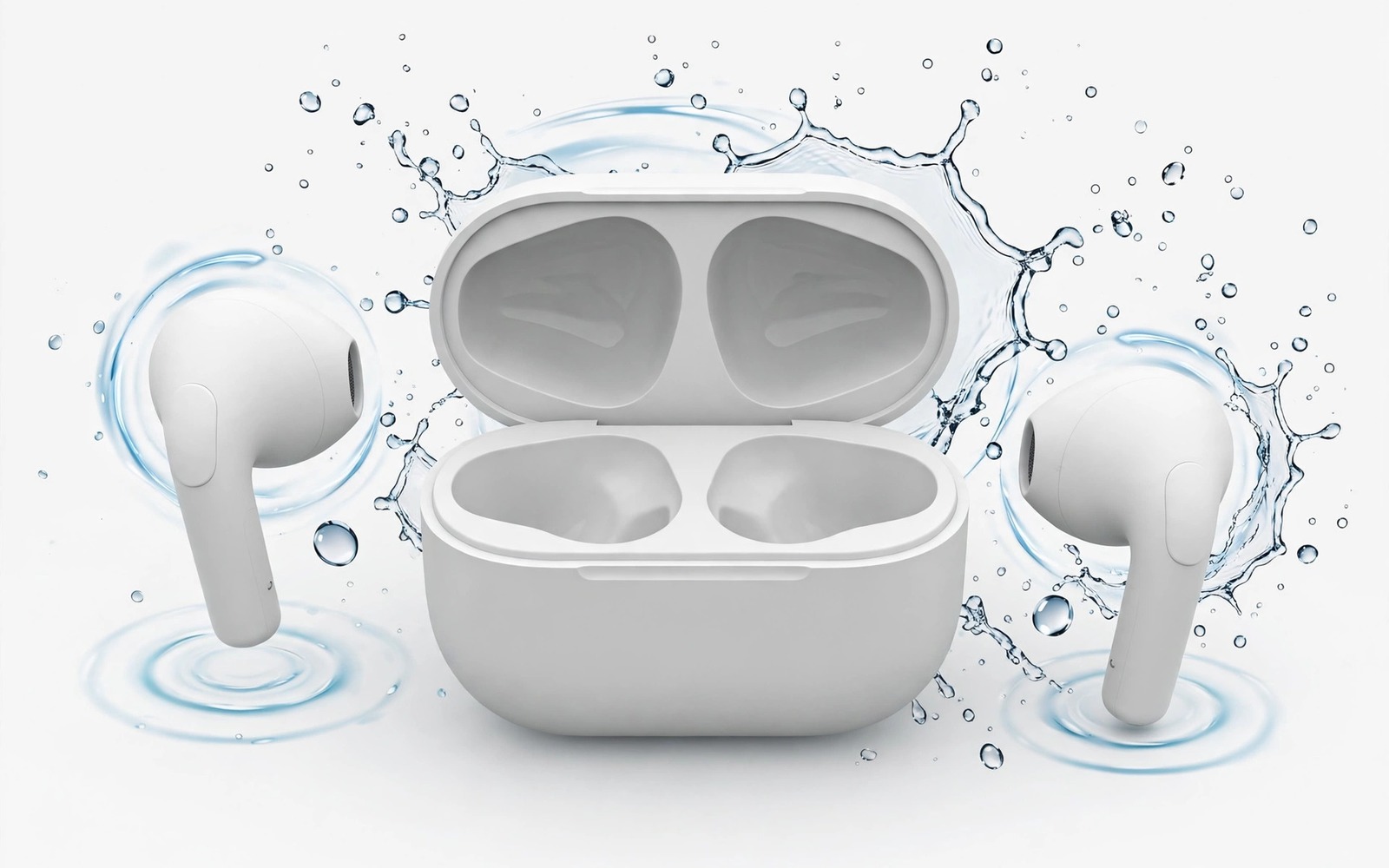
How Water Resistance (IPX4 to IPX7) Protects Earbuds During Sports
Many Android users meet water resistance ratings in everyday listening. A commute, a workout, or a long call can expose a weak point fast. The right knowledge turns a confusing feature into a useful tool. This guide explains water resistance ratings in plain terms, covers how the technology works, and shows the mistakes that waste money or comfort.
Start with your own daily routine rather than a spec sheet. Note where you listen most and for how long each day. Note whether calls matter more than music for your use. Note whether outdoor awareness matters more than silence. Those three facts narrow the choice faster than any feature list.
Each section builds on the last one, so you will finish with a practical routine for daily use and a clear idea of which rating your routine actually needs.
What IPX Ratings Actually Mean
IP ratings describe protection against water in test conditions. The X in IPX means dust protection was not rated in that test, not that dust protection is absent. The number after the X grades water protection from splashes upward. IPX4 handles splashes from any direction for a short test. IPX5 handles water jets at low pressure. IPX6 handles stronger jets for a longer test. IPX7 handles immersion in shallow water, up to 1 metre, for thirty minutes.
Higher numbers do not always include every lower test. A model rated IPX7 may never have been tested against jets, so it can fail a jet test that an IPX5 model passes. Reading the exact rating beats assuming a ladder of protection. A related check is microphone call quality and wind noise fixes, because microphone meshes are often the first place water causes trouble.
IPX4, IPX5, IPX6, IPX7 and IPX8 Compared
| Rating | What it survives | Typical use |
|---|---|---|
| IPX4 | Splashes from any direction | Light rain, gym sweat |
| IPX5 | Low-pressure water jets | Heavy rain, running |
| IPX6 | Powerful water jets | Storms, hose splashes |
| IPX7 | Immersion to 1 m for 30 minutes | Accidental drops in water |
| IPX8 | Deeper immersion, maker-specified | Swimming, maker-tested depths |
IPX8 is the only rating that covers swimming, and only to the depth and time the maker specifies. An IPX7 pair is not a swimming pair. Treat immersion ratings as a safety margin for accidents, not as permission to swim.
Why the Case Rating Matters Separately
Confirm the rating applies to the buds and not only the case, because the two often differ. Many earbuds carry IPX7 while their charging case carries no rating at all. A wet bud stored in an unrated case traps moisture against charging contacts. Air-dry buds before placing them in the case, and keep the case itself dry.
How Sports Use Differs From Lab Tests
Sports use adds sweat and movement beyond a lab water test. Sweat carries salts that can corrode metal contacts over time. Rain adds wind and movement that push water into seams. A secure fit matters because a dropped bud faces impact as well as water. Mesh vents for microphones can trap moisture after a wet run.
The parts inside work as a chain rather than a single magic chip. A weak link limits the whole result. A strong driver cannot rescue a poor seal. A smart processor cannot rescue a blocked microphone. Checking each link in turn gives a fair diagnosis, and it explains why two similar models can sound different. Tuning, fit, and software all sit inside the chain.
Sweat Is More Damaging Than Rain
Fresh water in a lab test is gentle. Sweat is salty, slightly acidic, and it dries into corrosive residue on charging contacts. Wipe buds dry after a sweaty workout and clean the contacts once a week with a dry cloth. Rinse advice from the maker matters more than any generic rule: some makers allow a quick fresh-water rinse, others warn against it. Soap, shampoo, pool chemicals, and sea water all harm seals and coatings that fresh water does not.
Ageing Seals Lose Protection After Drops
Ratings describe a new product in a lab. A seal that survives the test may weaken after a hard fall, and heat from a car dashboard can warp small gaskets. A pair that was IPX7 on day one may not be IPX7 after a year of drops and sun. Treat the rating as a starting point and inspect your pair regularly for cracks, loose tips, and muffled sound after drying.
Choose the Right Rating for Your Routine
Choice starts with a short list of needs rather than a long list of features. Write down the two places where you listen most each day. Write down whether calls, music, or workouts dominate that time. Write down the longest session you need without a recharge. That short list filters most models fast.
Match the Rating to the Sport
Light gym work and walking in drizzle need IPX4. Running in rain and heavy sweating need IPX5 or better. Trail running in storms and outdoor work need IPX6. Only swimming needs IPX8, and only a model the maker explicitly rates for swimming. Buying IPX8 for gym use wastes money that could go to fit or sound quality.
Real Models and Their Ratings
Well-known examples show the range clearly. Samsung Galaxy Buds2 Pro carry IPX7, which covers heavy sweat and accidental immersion. Sony WF-1000XM5 and AirPods Pro 2 carry IPX4, which covers sweat and splashes but not immersion. Jabra Elite 8 Active and Jaybird Vista 2 carry IP68, with dust and water protection rated for rugged outdoor use. The right pick depends on your sport, not on the biggest number. A mid-price pair with a great seal can beat a costly loose pair.
Budget Discipline Keeps the Choice Honest
Set a ceiling before you browse deals or reviews. A deal that pushes you past the ceiling needs a core need to justify it. A cheaper pair that passes every core need beats a costly pair with unused features. Remember tips, cases, and spare parts in the total cost. A pair with cheap replacement tips costs less over two years.
Daily Care Routine for Wet Workouts
Small habits protect sound quality for the full life of the pair. Follow this routine after every sweaty workout or rain run.
- Remove the buds and shake off loose water gently.
- Wipe the shells and tips dry with a soft cloth.
- Let the buds air dry for at least fifteen minutes before casing them.
- Clean sweat from charging contacts once a week.
- Check the speaker mesh for trapped moisture before charging.
- Stop using buds that sound muffled after drying fully.
Never charge wet buds. Water on the contacts can short the charging pins and corrode them. Storing wet buds in a closed case traps moisture for hours. Air drying first keeps seals and contacts healthier for longer. Keep firmware current, because updates often fix audio and pairing bugs that look like water damage.
Settings Worth Reviewing Monthly
Battery optimisation can pause background audio work without a visible warning. Permissions can block discovery or companion app features quietly. Saved device data can hold stale values after a firmware change. Review each area when a fault resists restarts, and reset only the area that matches your evidence. Broad resets cost reconnection time and should stay a later option. Another setting worth knowing is transparency mode for safe outdoor use, which keeps you aware of traffic during wet outdoor runs.
Common Mistakes That Kill Water-Resistant Earbuds
Swimming with earbuds rated only for splashes is the classic mistake. Charging buds while they are still wet is the most damaging one. Assuming a rating lasts forever after drops is the most common one. Rinsing buds with soap after a workout harms the water-repelling coatings. Ignoring the separate rating of the charging case traps moisture where it does the most harm.
Mistakes usually come from rushing the first test. A shop demo rarely matches a commute or a gym session. A single track rarely reveals tuning across music styles. A single day rarely reveals battery or comfort problems. Slow testing across real places prevents most regret. Keep notes for a week before judging a new pair or a new setting. If questions remain, compare your experience with the guide to replacing a lost earbud or charging case, because a shared cause may point to fit or settings rather than a faulty pair.
Frequently Asked Questions About Water Resistance Ratings
Will water resistance ratings suit every listener in the same way?
No single answer fits every ear shape and routine. A design that suits a quiet office may fail on a windy run. A feature that helps calls may matter little for music-only users. Testing in your own places gives the honest answer. Keep the return window in mind while you test.
How much should you spend to get good water protection?
Price helps but it never guarantees a good fit or seal. A mid-price pair with a great seal can beat a costly loose pair. Spend for the features your routine actually needs, and save the rest for tips or a spare case. For sound quality questions beyond water protection, the guide to USB-C DAC amplifiers for modern phones covers the other half of the audio chain.
When should you replace rather than repair a water-damaged pair?
Replace when battery life falls below your daily need despite good care. Replace when one side fails repeatedly after cleaning and resets. Repair or replace a case when it stops charging both buds evenly. Keep a working bud as a backup when only one side fails. A clear fault record helps support decide the right path.
Does warranty cover water damage on rated earbuds?
Usually not. Warranty terms often exclude water damage even for rated models, because lab tests and real use differ. That exclusion reflects the gap between a controlled test and a sweaty, salty, soapy real world. Read the warranty before you buy, and treat the rating as protection against accidents rather than a guarantee.
The Bottom Line: Fit First, Rating Second, Care Always
The best approach to water resistance starts with fit and ends with honest testing. Features matter only when they serve your daily routine. Settings matter only when you test them one at a time. Care matters because small habits protect sound for years.
Use the routine in this guide for a full week. Wipe buds dry after every wet session, air-dry before casing, and clean contacts weekly. That week of real use tells you more than any single demo. Keep what helps and revert what does not help, and your earbuds will survive far more workouts than their rating alone promises.

