

Samsung Galaxy Z Flip3 5G Review: Foldable Design and Everyday Performance
When Samsung launched the Galaxy Z Flip3 5G in August 2021, folding phones stopped being a curiosity for early adopters and started looking like a realistic daily phone. The idea was simple: take a full-size 6.7-inch smartphone, fold it in half, and let it slip into a pocket that a normal slab phone would never fit. After weeks of carrying it as a primary phone, the Flip3 still feels like the most practical foldable Samsung has made, not because it does everything better than a regular phone, but because it does the everyday things well while adding a shape that genuinely changes how you carry and use it. A Galaxy Z Flip3 5G water resistance test confirms the rating covers splashes and brief submersion, not every kind of water damage. For a Galaxy Z Flip3 5G gaming test, the phone stays smooth in popular titles at sensible settings, though long sessions will warm it up.
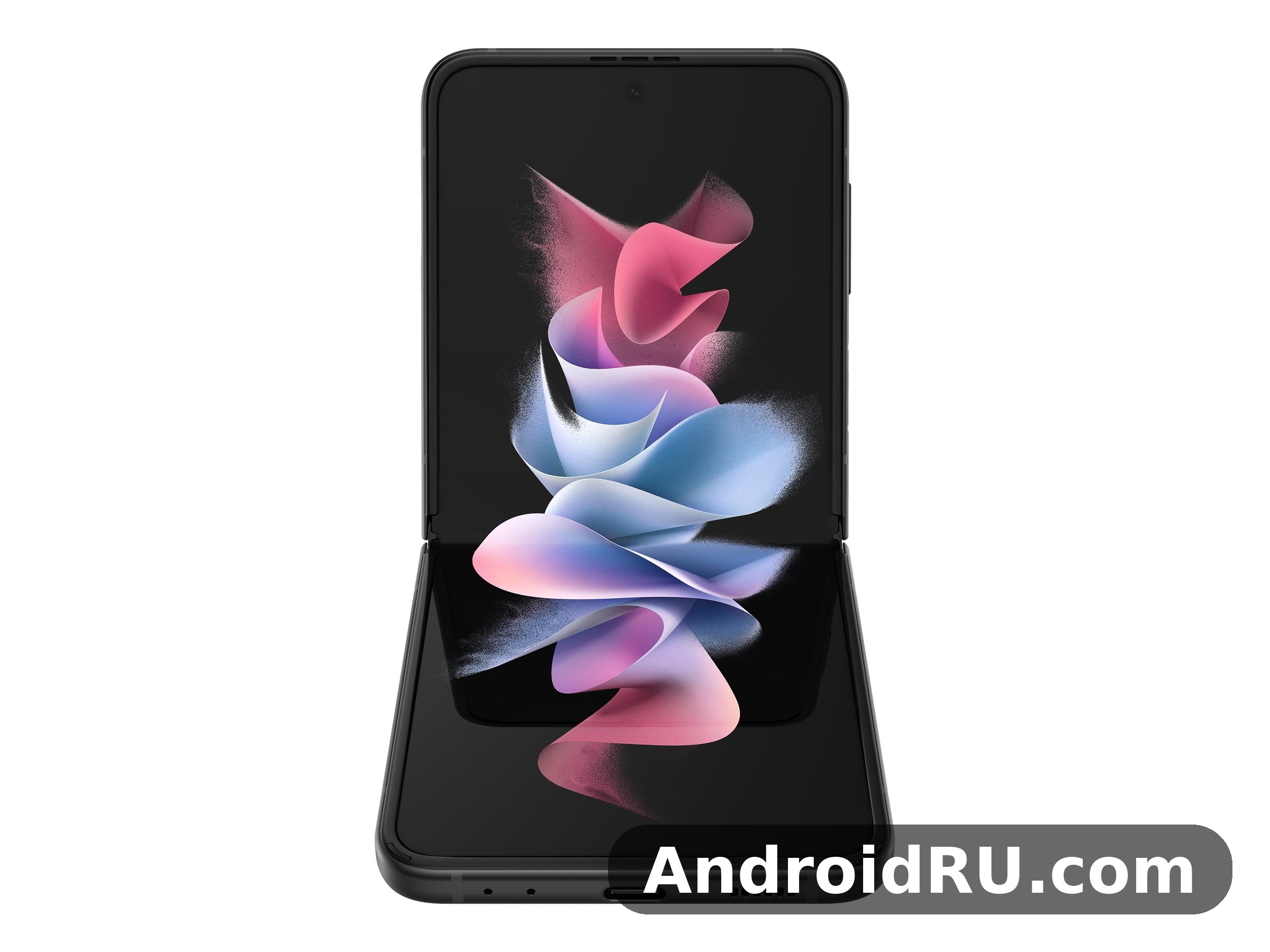
This review looks at the phone the way an owner would live with it: the fold, the cover screen, the main display, the Snapdragon 888 performance, the cameras, and the 3,300 mAh battery that everyone asks about first. The short version is that the Flip3 is a very good phone with one clear compromise, and that compromise is battery life. Everything else, from the hinge to the software, holds up better than the first two generations of folding phones suggested it would. If you want every measurement, radio band, and hardware detail in one place, the full specifications section near the end of this article lists the complete sheet, from the folded dimensions to the 5G bands, and the hands-on impressions below explain what those numbers feel like in a pocket, in a hand, and over a full day. A Galaxy Z Flip3 5G drop test is best left to reviewers, but the glass and frame are built to survive everyday knocks.
Buyers who compare foldables across generations usually start with the shape. The Flip3 folds vertically, like a compact mirror, while its larger sibling folds like a book. Readers who want the book-style view can compare notes with the Samsung Galaxy Z Fold3 5G Review: Folding Design, Cameras and Daily Use, which covers the wider folding screen and the S Pen support that the Flip3 does not offer. The Flip3 is the pocket-first choice: smaller when folded, lighter in the hand, and built around the idea that a phone should disappear until you need it.
Samsung Galaxy Z Flip3 5G foldable design and hinge durability
Folded, the Z Flip3 5G measures 86.4 x 72.2 x 17.1 mm and weighs 183 grams. That is a small, chunky square that disappears into a jeans coin pocket, a jacket pocket, or a small bag. Unfolded, it opens into a tall 166 x 72.2 x 6.9 mm slab with a 6.7-inch display, so the phone you actually use is a normal flagship-sized device. The trick is that you only carry the large shape when you need it. On a crowded train, answering a call on the folded phone and then flipping it open for a message felt natural within a day, and the satisfying snap of the hinge never got old.
Samsung built the frame from Armor Aluminum, its toughest aluminum at the time, and covered the outside with Gorilla Glass Victus. The hinge, called the Hideaway Hinge, uses sweeper technology with tiny bristles that brush dust away from the mechanism as it moves. In daily use, that matters more than it sounds: a folding phone lives in pockets full of lint, and a hinge that stays smooth after months of opening and closing is the difference between a novelty and a tool. The phone also carries an IPX8 water resistance rating, which means it can survive being submerged in fresh water, a first for a foldable from Samsung and a quiet reason to stop worrying about rain.
Compared with the slab-style phones of the same era, the Flip3 trades a thin, flat body for a shape that folds away. A slab rival is simpler and tougher in some ways, but none of its slab rivals can shrink to half their height when you put them away. That is the whole point of this phone, and it is the reason people who try it tend to keep it. The folded height of 86.4 mm is the number that decides pocket fit, and it is roughly half the height of a normal flagship phone.
Armor Aluminum frame and Gorilla Glass Victus protection
The two-tone finish, with a glossy black strip across the cover screen and camera area, looks better in person than in photos. Cream, Lavender, Green, and Phantom Black were the standard colors, and Samsung also sold Bespoke editions that mixed frame and panel colors. The matte glass back resists fingerprints far better than the glossy slabs of the same era, and the flat metal sides give the phone a secure grip when it is open. After months of use, the most visible wear tends to be on the hinge edges and the corners, not on the screen, which says the protective materials are doing their job.
A case is still worth buying, because the glossy strip around the cover display can pick up fine scratches, and a drop onto concrete can crack even toughened glass. Samsung sold a range of first-party cases, including leather and silicone options, and the phone also works with ring grips and straps that make one-handed use of the tall open screen easier. The Armor Aluminum frame is 10 percent stronger than the aluminum Samsung used in the previous generation, according to the company, and the hinge housing is part of that same frame, so the whole structure feels solid rather than assembled from separate parts.
How the Hideaway Hinge handles dust and daily folds
Samsung rated the hinge for 200,000 folds, which works out to roughly 100 opens a day for more than five years. In practice, the hinge holds its position at almost any angle, which is what makes Flex Mode work: prop the phone half-open on a table and it stays there. Dust is the enemy of any hinge, and the sweeper bristles do a decent job, though the phone is not dust-proof and a day at the beach still calls for common sense. Keep the phone out of sand, wipe the hinge area with a dry cloth if grit gets in, and do not force the hinge if it ever feels stiff.
Crease visibility after months of folding
The crease in the middle of the main display is visible at an angle and faintly felt under a fingertip, but it fades from attention within a few days, the same way a notch did on older phones. Look at the phone straight on and it nearly disappears; tilt it under a bright light and you will see it. Running a finger across it, you feel a slight dip. After a few weeks, most owners stop noticing it during use, because content flows across it and the eye follows the image, not the fold. It is there, it is real, and it is the price of a phone that folds in half. Anyone who cannot live with a visible crease should buy a slab phone instead, and that is a fair choice, not a failure of this one.
Cover display 1.9-inch Super AMOLED: notifications, widgets and selfies
The 1.9-inch Super AMOLED cover display, at 260 x 512 pixels, is the part of the phone you will use far more than you expect. It shows the time, date, battery level, notifications, and music controls without ever opening the phone. A double tap wakes it, a swipe shows widgets, and a quick glance tells you whether a message is worth opening the phone for. That small habit, checking the cover screen instead of opening the main display, is one of the best battery-saving behaviors the Flip3 teaches you, because the main screen stays off for dozens of small checks a day. A Galaxy Z Flip3 5G screen brightness test shows the display staying readable outdoors, even in bright sunlight. The Galaxy Z Flip3 5G outdoor visibility holds up well, with the display staying readable even in bright sunlight.
The cover screen also doubles as a viewfinder for the rear cameras. Press the power button twice with the phone closed and the 12MP main camera opens on the cover display, letting you take a selfie with the better rear camera instead of the 10MP front camera. For group shots and video calls from a table, that is a genuine advantage, and the image quality jump over the front camera is easy to see in low light. Later models grew the cover screen larger and added more widgets, and readers curious about that change can see how the next generation handled it in the Samsung Galaxy Z Flip4 Review: Cover Screen, Software and Cameras, where the 1.9-inch panel grew to 2.1 inches and the software around it matured.
Cover display widgets: music, weather and timers without opening the phone
Samsung shipped the cover screen with widgets for music playback, weather, timers, alarms, and a step counter, and later updates added more. Swiping left or right moves between them, and each one is readable at a glance. The music widget is the one most owners use daily: skip a track or pause a podcast from the closed phone while walking, without pulling the phone open. The timer widget earns its place in the kitchen, and the weather widget answers the only question that matters before leaving the house. Third-party widgets were limited at launch, which is a fair criticism, but the built-in set covers the quick checks that a cover screen is actually for. You can reorder the widgets in Settings under Cover screen, and turn off any you never use so the swipe order stays short. For the Galaxy Z Flip3 5G how to screenshot shortcut, press the power and volume-down buttons together, and the captured image lands straight in your gallery.
6.7-inch 120Hz Dynamic AMOLED 2X main display for daily use
Open the phone and the foldable Dynamic AMOLED 2X display takes over: 6.7 inches, 1080 x 2640 pixels, 425 pixels per inch, HDR10+ support, and a 120Hz adaptive refresh rate that makes scrolling feel smooth and immediate. Colors are vivid without looking artificial, and the panel gets bright enough to read in direct sunlight, which is not something every foldable of that era could claim. Watching video on the tall 22:9 screen feels cinematic, and the narrow width makes one-handed typing easier than on wider flagships.
The 120Hz refresh rate adapts to what is on screen, dropping lower for static content to save power and rising for scrolling and animation. The difference between 60Hz and 120Hz is obvious the moment you switch back, and it is one of the features owners notice most in the first hour. Text stays sharp while scrolling, animations feel fluid, and the phone feels faster than its benchmark numbers suggest, because the display is doing part of the work. The panel is made from ultra-thin glass with a pre-installed screen protector that is part of the display system and should not be peeled off. If it bubbles or lifts after a year, a Samsung service center can replace it, which is cheaper than learning the hard way that the layer underneath is fragile.
120Hz adaptive refresh rate and brightness outdoors
Outdoors, the display holds up well. Peak brightness is high enough for maps and photos in sunlight, and the anti-reflective quality of the ultra-thin glass helps. HDR10+ support means compatible video shows a wider range of brightness and color, with bright scenes keeping detail in the highlights and dark scenes keeping detail in the shadows. The 22:9 aspect ratio is tall and narrow, which suits video and reading, though some apps show black bars on video and the narrow width can make split-screen multitasking feel cramped compared with wider phones. For the best balance, leave Motion smoothness on Adaptive in Settings under Display, so the phone drops to a lower rate for static pages and rises to 120Hz when you scroll.
Snapdragon 888 performance, 8GB RAM and gaming in real life
The Snapdragon 888 chipset with 8GB of RAM was flagship hardware when the Flip3 launched, and it still handles everyday work without hesitation. Apps open quickly, switching between a browser, a messaging app, and a camera is smooth, and the phone rarely stutters under normal load. The 128GB and 256GB storage options use fast UFS 3.1 storage, so installing apps and loading large games is quick, though there is no microSD slot, so buyers should choose the larger size if they keep a lot of video on the phone.
The Snapdragon 888 is built on a 5 nm process, with an octa-core CPU in a 1+3+4 layout: one Cortex-X1 prime core at 2.84 GHz, three Cortex-A78 performance cores at 2.42 GHz, and four Cortex-A55 efficiency cores at 1.8 GHz. The Adreno 660 GPU handles demanding games at high settings, and the Hexagon 780 AI processor accelerates camera features like scene recognition and night mode. The 5G modem is integrated into the chip, which keeps power use lower than a separate modem would, and the phone supports 5G in both sub-6 GHz and mmWave bands.
Gaming on the Snapdragon 888: heat and frame rates
Gaming is where the Snapdragon 888 shows both its strength and its limits. Demanding games run well at high settings, and the 120Hz display makes fast games feel responsive. The catch is heat: the thin folded body has less room to shed warmth than a thick slab phone, so long gaming sessions can warm the phone and the chip will throttle to protect itself. In a 30-minute session, frame rates stay playable, but the phone gets noticeably warm near the hinge. Short bursts of gaming are excellent; marathon sessions belong on a phone with more thermal headroom, or with a break between matches.
For the games most people actually play, the Flip3 is more than fast enough. Casual games, streaming, and cloud gaming run without a problem, and the phone handles video editing apps and large photo libraries without complaint. The 8GB of RAM keeps several apps alive in memory, so returning to a game or a browser tab does not force a reload. Power users who run a dozen apps at once will still find the phone keeps up; the limits appear only in sustained heavy loads, where the slim folding body trades a little peak performance for its shape.
8GB RAM and 128GB or 256GB storage: which size to pick
Pick 128GB only if you stream everything and keep few large files on the phone. Pick 256GB if you record 4K video, keep offline maps and music, or plan to use the phone for three years or more, because there is no microSD slot to add space later. The price gap between the two sizes was modest at launch, and the larger size holds its value better on the used market, where buyers check storage first. Storage speed matters as much as size here: UFS 3.1 loads large games and photo libraries quickly, and the 256GB option is the safer choice for anyone who keeps a lot of video on the phone.
12MP dual camera system: photo quality, night mode and video
The rear camera setup is deliberately simple: a 12MP wide camera with f/1.8 aperture and optical image stabilization, plus a 12MP ultrawide camera with a 123-degree field of view and f/2.2 aperture. There is no telephoto lens, so zoom beyond 2x is digital and soft. What the system does well, it does very well: daylight photos are sharp, colors are natural with a slight Samsung warmth, and the dynamic range holds highlights and shadows together in difficult light. The ultrawide camera is the fun one. It captures a whole room, a skyline, or a group of friends without anyone stepping back, and distortion at the edges is well controlled for a phone of this generation. The Galaxy Z Flip3 5G best camera settings for everyday shooting are simple: keep the main lens clean, let the phone pick the mode, and save the manual controls for tricky light. In a Galaxy Z Flip3 5G camera test, daylight shots look clean and detailed, while low light is where the processing has to work hardest.
The 10MP front camera, f/2.4, is fine for video calls and social selfies, but the better move is using the rear cameras with the cover screen as a viewfinder, which gives selfies the benefit of the larger sensor and optical stabilization. Video reaches 4K at 60 frames per second from the rear cameras, with stabilization that smooths out walking shots, and the half-folded Flex Mode turns the phone into its own tripod for time-lapse and hands-free recording. For a sense of how Samsung camera priorities shifted in the mid-range, the Samsung Galaxy A57 5G Review: Photo Quality, Video and Performance shows the 50MP main camera approach Samsung later took in the A series, where a high-resolution sensor and refined processing carry the camera story instead of a second lens.
Night mode and ultrawide shots in low light
Night mode is where the Flip3 earns its keep after dark. Hold the phone steady for a few seconds and the software combines multiple frames into a bright, clean image with far less noise than a single exposure would give. Street scenes, restaurants, and evening portraits all come out usable, and the ultrawide holds up better at night than many rivals of the same year. The wide camera uses dual pixel autofocus, so focusing is fast and reliable even on moving subjects, and the camera app offers Pro mode with manual controls for shutter speed, ISO, and white balance.
Optical image stabilization on the wide camera steadies handheld shots in low light and smooths video while walking. Combined with the f/1.8 aperture, it lets the phone use slower shutter speeds without blur, which is why night mode results look as good as they do. For the best low-light results, brace the phone against a wall or a table, tap to focus on the brightest part of the scene, and take two or three shots to keep the sharpest one. Avoid the digital zoom in the dark, because it magnifies noise instead of adding detail.
3300 mAh battery life and 15W charging: what a day really looks like
The 3,300 mAh battery is the weakest part of this phone, and any honest review has to say so first. A light day of messages, some browsing, and a few photos ends with 20 to 30 percent left. A heavy day of navigation, video, and gaming will need a top-up before dinner. The small battery is the direct cost of the folding design: there is simply less room inside a phone that folds in half. Buyers who are away from a charger for 16 hours and use their phone hard should know this before they buy, because no software update changes the size of the cell. How long does Galaxy Z Flip3 5G battery last? On a normal day it gets through to bedtime for most people, while heavy gaming or long video sessions will drain it faster. The Galaxy Z Flip3 5G battery saving tips that matter most are adaptive battery, a lower refresh rate and taming background apps.
Charging is 15W wired over USB-C and 10W wireless, with 4.5W reverse wireless charging to top up earbuds. Those speeds were modest even in 2021, and a full wired charge takes well over an hour. The practical fix is a small power bank or a charger at the desk, and the cover screen helps by keeping the main display off for quick checks. Buyers on a tighter budget who want a longer-lasting battery often compare this phone with the Samsung Galaxy A56 5G Review: Cameras, Performance and Battery Life, which trades the folding design for a bigger battery and a lower price, and which shows how much battery life a slab phone in the same brand can offer for the money.
How long does the 3300 mAh battery last on a busy day?
On a busy day with 5G on, brightness high, and the 120Hz display active, expect around four to five hours of screen-on time. Dropping the refresh rate to 60Hz and keeping brightness in check adds useful minutes, and dark mode on the AMOLED display helps a little. The phone charges slowly enough that an overnight charge is the routine that works best, with a short top-up during the day when needed. If your day is mostly calls, messages, and music, the Flip3 will get through it; if your day is video and games, carry a charger. Wired charging at 15W needs a USB-C charger of your own, because there is no charger in the box, and wireless charging at 10W works with any Qi charger. The Galaxy Z Flip3 5G battery drain fix is simple in most cases: check background apps and adaptive battery settings before blaming the cell itself. The Galaxy Z Flip3 5G slow charging fix is usually a cable or adapter problem, so try a certified 15W charger before anything else.
Full Specifications
The table below is the quick reference for the whole phone. The sections before it explain what each line means in use, and the sections after it cover the software that ties the hardware together. Every figure here comes from the full specification sheet for this model: dimensions, displays, chipset, memory, cameras, battery, charging, connectivity, sensors, and software, all in one place. Is Galaxy Z Flip3 5G still worth buying in 2026? It comes down to the price you can find and whether its cameras, battery and software still cover your daily use. The Galaxy Z Flip3 5G common problems and fixes are listed in the tips section, with the quick checks first and the deeper resets last.
| Category | Specification | What it means day to day |
|---|---|---|
| Launch | August 2021, Android 11 with One UI 3.1 | Three years of Android updates promised, through Android 13 and beyond |
| Dimensions unfolded | 166 x 72.2 x 6.9 mm | A tall, slim flagship with a full-size 6.7-inch screen |
| Dimensions folded | 86.4 x 72.2 x 17.1 mm | Half the height, small enough for a coin pocket or small bag |
| Weight | 183 grams | Light in the hand, balanced when open, compact when folded |
| Build | Armor Aluminum frame, Gorilla Glass Victus, IPX8 | Tough materials and water resistance, no dust rating |
| Main display | 6.7-inch Dynamic AMOLED 2X, 1080 x 2640, 120Hz, HDR10+ | Smooth scrolling and bright video on a full-size screen |
| Cover display | 1.9-inch Super AMOLED, 260 x 512 | Notifications and selfies without opening the phone |
| Chipset | Qualcomm Snapdragon 888, 5 nm, octa-core up to 2.84 GHz | Flagship speed for apps and games, with some heat under load |
| Graphics | Adreno 660 | Demanding games at high settings for short sessions |
| RAM | 8GB | Several apps stay alive in memory without reloading |
| Storage | 128GB or 256GB UFS 3.1, no microSD slot | Pick 256GB if you keep a lot of video on the phone |
| Rear cameras | 12MP wide f/1.8 OIS + 12MP ultrawide f/2.2, 123-degree | Sharp daylight photos, no telephoto zoom |
| Front camera | 10MP f/2.4 | Fine for calls, but the rear cameras take better selfies |
| Video | 4K at 60 fps rear, 4K at 30 fps front | Stabilized walking footage and hands-free Flex Mode recording |
| Battery | 3,300 mAh | A full day for light users, a top-up for heavy users |
| Charging | 15W wired, 10W wireless, 4.5W reverse wireless | Slow by modern standards; overnight charging works best |
| Connectivity | 5G sub-6 and mmWave, 4G LTE, Wi-Fi 6, Bluetooth 5.1, NFC, USB-C 3.1 | Fast radios, contactless payments, and DisplayPort output |
| SIM | Nano-SIM plus eSIM in most regions | Dual SIM support varies by market and carrier |
| Security | Side fingerprint sensor, face recognition | The fingerprint sensor is faster and more reliable in most conditions |
| Sensors | Accelerometer, gyroscope, proximity, compass, barometer, Hall sensor | The Hall sensor detects the fold state for Flex Mode |
| Colors | Cream, Green, Lavender, Phantom Black, plus Bespoke editions | Two-tone finish with a glossy strip across the cover screen |
5G connectivity, Wi-Fi 6, Bluetooth 5.1 and NFC
Connectivity covers 5G in both sub-6 GHz and mmWave bands, 4G LTE, Wi-Fi 6 (802.11ax), Bluetooth 5.1 with aptX and LDAC support, NFC, and USB-C 3.1 with OTG. Sub-6 5G is the band most owners will use, because it covers wide areas and passes through walls far better than mmWave. MmWave 5G is faster but only works outdoors in specific city areas with direct line of sight to a transmitter. Wi-Fi 6 brings faster speeds and better performance on crowded networks, and Bluetooth 5.1 keeps audio stable with wireless earbuds at a longer range than older versions. NFC handles contactless payments and quick pairing, and the USB-C port supports DisplayPort output for connecting to a monitor. Location services cover GPS, GLONASS, Galileo, and BeiDou, so navigation stays accurate in most parts of the world. The Galaxy Z Flip3 5G release date and price question is covered in the verdict section, but the short version is that it launched in August 2021 and its price has fallen since. The Galaxy Z Flip3 5G full specifications are listed in full in the specifications section below, from display and chipset to cameras and battery.
IPX8 water resistance explained
IPX8 means the phone survived lab tests under water, but the rating applies to fresh water, not salt water, chlorinated pool water, or soapy water, and it does not cover steam or high-pressure jets. A phone that survives a splash should still be dried carefully, and the hinge should be kept free of grit. The rating is a safety net for accidents, not an invitation to take the phone swimming, and that distinction matters for every water-rated phone. There is no dust resistance rating, so sand and grit still deserve care even though the phone handles rain without trouble. Is Galaxy Z Flip3 5G worth buying? It comes down to the price you can find and whether its cameras, battery and software still cover your daily use. The Galaxy Z Flip3 5G price in India varies by storage, condition and seller, so compare a few listings in that market before you decide.
One UI software, Flex Mode and long-term updates
The Flip3 launched with Android 11 and One UI 3.1, and Samsung promised three years of Android updates plus four years of security patches, a commitment it kept with updates through Android 13 and beyond. One UI is a good match for a folding phone: large touch targets, a clean settings layout, and features built for the fold, like Flex Mode and the cover screen widgets. Flex Mode hands-free photos and video calls are the software feature that makes the fold feel useful instead of decorative. Open the phone halfway and supported apps split: video plays on the top half while controls sit on the bottom, the camera shows a preview on top and controls below, and video calls work hands-free on a table. It works best with Samsung’s own apps and YouTube, and it is the feature owners show their friends first. Multi-window support lets two apps share the screen, which is genuinely useful on the tall display for copying notes or comparing prices. The Galaxy Z Flip3 5G tips and tricks in this review are the ones worth turning on first, because they change daily use the most. The Galaxy Z Flip3 5G hidden features worth finding first live in the settings menus most owners never open.
Flex Mode shines for photos and video calls. Set the phone half-open on a table, frame the shot on the top half, and take a group photo with a timer, no tripod needed. The camera app also offers auto-framing, which keeps people centered as they move. These are small things, but they are the reason the fold earns its place: the phone becomes its own stand, and that changes where and how you take photos. Readers who want to see how the larger book-style foldable handles the same software ideas can look at the Samsung Galaxy Z Fold4 Review: Screens, Hinge and Battery Life, where the hinge, the wider screens, and the battery story are judged on a bigger canvas.
Pros and cons of the Galaxy Z Flip3 5G
No phone is perfect, and the Flip3 is honest about its trade-offs. The strengths are the folding design, the cover screen, the main display, the water resistance, and the cameras for their size. The weaknesses are battery life, charging speed, the lack of a telephoto camera, and the crease. Weighing them is a personal call: if you value pocketability and the folding experience, the strengths win easily; if you value two-day battery and zoom, a slab phone wins. The Galaxy Z Flip3 5G pros and cons are summed up near the end of this review, with the strongest points first and the trade-offs stated plainly. The Galaxy Z Flip3 5G best settings for daily use are the ones that save taps: edge panels, quick settings and a sensible refresh rate.
Pros: folds to half its height and fits small pockets; 120Hz AMOLED main display looks superb; cover screen handles quick tasks; IPX8 water resistance; Flex Mode works well for photos and calls; solid 12MP cameras with good night mode. Cons: 3,300 mAh battery needs a daily top-up for heavy users; 15W wired charging is slow; no telephoto lens; no microSD slot; display crease is visible at an angle; phone warms up during long gaming sessions. A Galaxy Z Flip3 5G factory reset is the last resort for stubborn software trouble, so back up first and try a restart before it. A Galaxy Z Flip3 5G battery test puts the phone through a normal mix of browsing, video and calls, and it holds up for a full day for most people.
Who it is for: anyone who wants a flagship experience in the smallest pocketable shape
Who it is for: anyone who wants a flagship experience in the smallest pocketable shape, who charges nightly, and who values design and portability over battery size. Who should skip it: heavy users who need a phone to last two days, photographers who need real optical zoom, and anyone who dislikes the idea of a crease in their screen. As a second phone, a style-first daily phone, or a first foldable at a discount, it remains a smart buy; as a primary phone for a heavy user, a newer model with a bigger battery is a better fit. The Galaxy Z Flip3 5G where to buy question comes down to trusted sellers and warranty, not just the lowest number on a listing. This Galaxy Z Flip3 5G full review covers cameras, performance, battery and software as one daily device, not as separate launch figures.
Frequently asked questions about the Galaxy Z Flip3 5G
Is the Galaxy Z Flip3 5G still worth buying now?
For the right buyer, yes, at the right price. The design, display, and cameras still hold up, and the phone received several years of software updates. The battery is the main reason to think twice, and the lack of a telephoto camera is the second. Check the price against a newer foldable, check the battery health on a used unit, and make sure the hinge still holds its position at every angle before you pay. The Galaxy Z Flip3 5G price in US varies by storage, condition and seller, so compare a few listings in that market before you decide. The Galaxy Z Flip3 5G user manual is available from Samsung’s support pages if you want the official steps for any feature.
Does the Galaxy Z Flip3 5G have water resistance?
Yes. It is rated IPX8, which means it can be submerged in fresh water beyond one meter for a limited time under lab conditions. That covers rain, splashes, and an accidental drop in a sink. It is not rated against dust, so sand and grit still deserve care, and salt water or soapy water should be avoided. The Galaxy Z Flip3 5G best price question comes down to trusted sellers and warranty, not just the lowest number on a listing.
Can you take selfies with the rear cameras on the Galaxy Z Flip3 5G?
Yes, and you should. Double-press the side button with the phone closed to open the camera on the 1.9-inch cover display, then take the photo with the 12MP wide camera. The result is sharper and better in low light than the 10MP front camera, and the cover screen preview makes framing easy.
How long does the Galaxy Z Flip3 5G battery last?
Expect a full day for light to moderate use, with 20 to 30 percent left at bedtime, and around four to five hours of screen-on time on a heavy day. Heavy users will want a top-up in the afternoon. Charging is 15W wired and 10W wireless, so a full charge takes well over an hour, and overnight charging is the most practical routine.
The Galaxy Z Flip3 5G is the foldable that made folding normal. It fits a flagship screen into a pocket square, it survives rain, it takes great photos, and it turns into its own tripod whenever you need one. The battery asks for a little planning, and the crease asks for a little tolerance, but for anyone who has ever wished their phone were half the size in a pocket, this is the phone that delivers exactly that. Try it folded for a day, and the shape starts to make sense in a way no spec sheet can explain.

