

Samsung Galaxy A34 5G Review: Camera Quality, Battery and Value
Three years after it first went on sale in March 2023, the Galaxy A34 5G still turns up in mid-range shortlists, and the reason is simple: Samsung got the basics right. This phone pairs a bright 6.6-inch 120Hz AMOLED screen with a 5000mAh battery, a 48MP main camera with optical image stabilisation, and an update promise that outlasted most rivals at its launch price. I used it as a daily driver for weeks, carrying it on commutes, shooting in daylight and after dark, and running it down to empty more than once to see how the battery really behaves. In a straight Galaxy A34 5G camera test against its predecessor, the main sensor holds up well in daylight, with the biggest gains showing in night mode and portrait edge detection. The A34 battery is a 5000mAh cell, and with the efficient display it comfortably covers a full day for most owners.
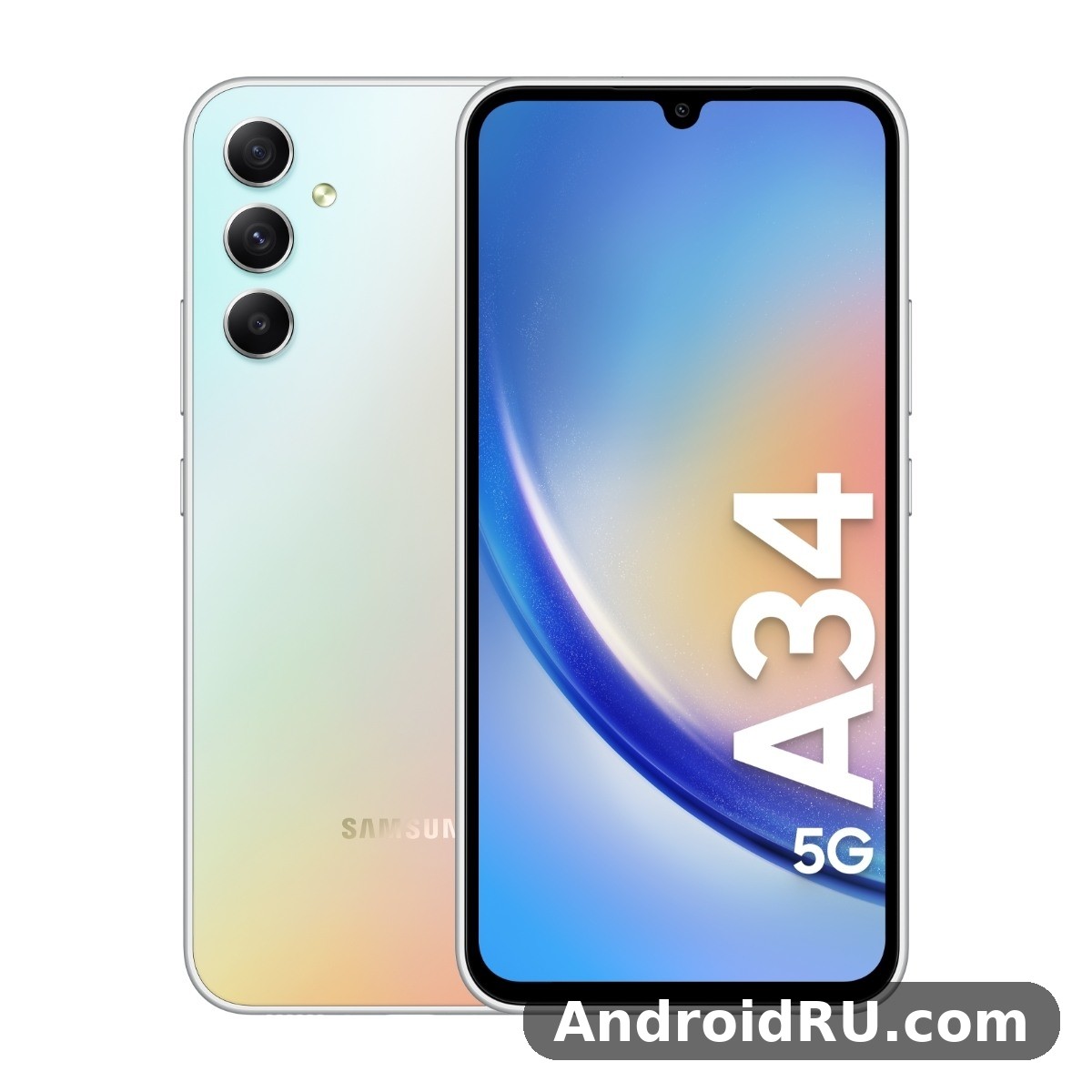
What follows is a full hands-on verdict on the three things the title promises: how good the camera is, how long the battery lasts, and whether the phone is still worth your money in 2026. Along the way I will cover the display, the Dimensity 1080 chipset, the software, and the compromises Samsung made to hit the price, so you can decide with open eyes rather than a spec sheet. Short version: this is a phone for people who want a big bright screen, two-day battery life and years of updates without paying flagship money. It is not the phone for people who want the fastest charging, the sharpest zoom, or a premium metal-and-glass body. The Galaxy A34 5G battery life stretches to a full day for most people, with the 5000mAh cell and the efficient display doing most of the work. The A34 charging tops out at 25W wired, and there is no wireless charging on this model.
The detail below explains why. The 48MP main camera with OIS is the headline feature, the 5000mAh battery is the quiet hero, and the four-year update promise is the reason this phone has aged better than most of its 2023 rivals. If you want to see how Samsung improved the formula a year later, the Samsung Galaxy A35 5G Review: Display Quality, Speed and Daily Use covers the successor with its 50MP camera, newer Exynos 1380 chip and Gorilla Glass Victus+ front.
Galaxy A34 5G Design and Build Quality: Plastic Body, IP67 Rating, 199g Weight
The first thing you notice about the Galaxy A34 5G is how plain it looks, and that is not a criticism. Samsung gave it the same clean camera layout as its more expensive phones of the time: three lenses sitting flush on the back, no camera island, no decoration. The back is plastic with a matte finish that resists fingerprints far better than glossy glass, and the frame is plastic too. It does not feel cheap in the hand, but it does not feel luxurious either, and at 199g with a 161.3 x 78.1 x 8.2 mm body it sits firmly in the middle of the weight range for a 6.6-inch phone. The Galaxy A34 5G fingerprint sensor is quick and reliable once you register the same finger twice, which improves recognition when your hands are dry or slightly damp. An A34 unboxing is a quick job: the phone, a USB-C cable and the paperwork are inside, and you will need your own charger if one is not included in your region.
What lifts the design above its price is the IP67 rating for dust and water resistance. That means the phone is protected against immersion in up to one metre of fresh water for up to 30 minutes, which covers rain, splashes and the occasional drop in a sink. Very few phones at this price in 2023 offered that, and it remains a genuine selling point today, because a single accident is usually what ends a mid-range phone early. The screen is protected by Gorilla Glass 5, which is a generation behind the Victus glass on Samsung flagships but still a solid guard against scratches and drops onto hard floors. For a look at how an older Samsung handled the same design brief with a smaller screen, the Samsung Galaxy A32 5G Review: Display, Audio and Overall Experience tests a 6.5-inch display and a 48MP camera from the generation before this one.
How the IP67 Water Resistance Holds Up in Daily Use
In practice, the IP67 rating changes how you treat the phone. I used it in heavy rain without a case and rinsed it under a tap after a dusty bike ride, and it carried on without a hiccup. That said, the rating is tested in fresh water in a lab, not in seawater, chlorinated pools or soapy water, and Samsung does not cover water damage under warranty. Treat the rating as insurance against accidents, not as an invitation to take underwater photos. The Galaxy A34 5G headphone jack does not exist on this model, so wired listening needs a USB-C adapter or a USB-C headset. The A34 fingerprint sensor sits under the display and unlocks quickly once your finger is registered well.
Galaxy A34 5G Colours and In-Hand Feel
Samsung sold the A34 5G in Awesome Lime, Awesome Graphite, Awesome Violet and Awesome Silver, and the lime finish is the one that gives this otherwise sober phone some personality. The flat sides and the slightly curved back edges make it easy to hold one-handed for short bursts, though the 6.6-inch screen means most people will use two hands for typing. A case is still worth having, because the plastic back can pick up scuffs over time, but the phone survives everyday knocks well. The camera lenses sit nearly flush with the body, which is another small practical advantage, and the matte back does not show fingerprints the way glossy glass does. Does Galaxy A34 5G have a microSD card slot? Yes, the hybrid tray accepts cards up to 1TB, though the second SIM slot is shared with the card. The A34 IP67 rating means the phone survives rain, splashes and brief immersion in fresh water, though Samsung does not cover water damage under warranty.
Dimensions, Weight and the Hybrid SIM Tray
Dimensions are 161.3 x 78.1 x 8.2 mm and weight is about 199 grams, so the phone feels solid without being heavy, and the weight is balanced rather than top-heavy. The SIM tray is a hybrid design holding two nano-SIM cards or one SIM plus a microSD card, which means you choose between a second line and expandable storage. The plastic body is less cold to the touch than glass in winter and less fragile when dropped, though it can pick up fine scratches over months of pocket life, so a case is still worth using. Does Galaxy A34 5G support eSIM? No, this model has no eSIM, so a second line needs the physical dual-SIM tray. The A34 signal holds up well on calls and mobile data, though thick walls and crowded places can still weaken reception on any phone.
6.6-Inch Super AMOLED Display: 120Hz Refresh Rate and 1000 Nits Brightness
The display is the strongest single reason to pick this phone. The 6.6-inch Super AMOLED panel runs at 2340 x 1080 resolution with a 120Hz refresh rate, and it reaches around 1000 nits of peak brightness. Scrolling through feeds feels fluid, animations look smooth, and text stays readable outdoors in strong sunlight. Colours are vivid in the default Vivid mode and more restrained in Natural mode, so you can pick whichever suits your eyes, and the deep blacks of AMOLED make videos look far better than on any LCD at this price. The Galaxy A34 5G display quality is the first thing most owners notice, with punchy colours, deep blacks and smooth scrolling from the 120Hz refresh rate. A fresh A34 wallpaper is the quickest way to make the home screen feel new, and the bright display makes colourful images look their best.
One trade-off is the Infinity-U notch, the small teardrop cutout for the 13MP front camera. It is less modern than a punch hole, and it is the one visible sign that this is a 2023 mid-ranger rather than a newer design. In daily use I stopped noticing it within a day, because video apps and games mostly letterbox around it or fill the screen past it without trouble. The screen also carries an optical in-display fingerprint sensor, which is fast and reliable once you register the same finger twice, and face unlock is available as a quicker but less secure second option. On paper the 1080p resolution is a step below the 1440p panels on flagships, but at 6.6 inches and normal viewing distances the difference is hard to spot, and the lower resolution helps battery life. This A34 review is based on daily use rather than benchmarks alone, so the verdict reflects how the phone behaves over weeks, not minutes.
Outdoor Visibility and Brightness on the Galaxy A34 5G Screen
Outdoor visibility is where the 1000-nit peak brightness earns its keep. Reading maps and messages in direct sunlight is comfortable, and photos shot outdoors look correct on screen rather than washed out. The panel also drops to 60Hz when nothing is moving, which saves a little battery, and the Vision Booster feature lifts contrast automatically in bright light. For a phone that often sells for well under its launch price today, this screen is better than it has any right to be. Does Galaxy A34 5G support dual SIM? Yes, through its hybrid tray, though the second SIM slot is shared with the microSD card.
120Hz Adaptive Refresh Rate in Practice
The 120Hz mode is not locked to 120Hz all the time. Samsung switches between 60Hz and 120Hz depending on what is on screen, which keeps the motion smooth where you notice it, in scrolling and animations, while avoiding wasted battery on static pages. You can force 60Hz in settings if you want maximum battery life, but I left it on the standard adaptive setting and never felt the need to change it.
Always-On Display and Eye Comfort Settings
The always-on display shows the time, date and notification icons without waking the phone, and it can be scheduled to switch off overnight so it never disturbs your sleep. Eye comfort shield warms the colours in the evening, and there is a dark mode that turns the whole interface black, which looks superb on AMOLED and trims power use a little. These are small touches, but they add up over months of daily use. The A34 display is a 6.6-inch Super AMOLED 120Hz panel, which is generous for video, reading and gaming at this price.
48MP Camera With OIS: Photo Quality in Daylight and at Night
The camera is the headline feature of this review, so let me be direct: the 48MP main camera with optical image stabilisation is genuinely good in daylight and decent after dark, and it is the best camera system Samsung had put in an A3x phone up to that point. The sensor is a 48MP unit with an f/1.8 aperture and OIS, joined by an 8MP ultrawide with a 123-degree field of view and a 5MP macro camera. There is no telephoto lens, so zoom is digital, and that is the first limit you will meet. The Galaxy A34 5G night mode camera work is strongest on the main sensor, where multi-frame processing brightens shadows without turning night scenes into daylight. The A34 selfie camera handles video calls and social photos well in good light, with portrait mode adding a soft background blur.
In good light, photos are sharp, colours are punchy without going over the top, and dynamic range is strong for the price. Samsung processing leans towards saturated greens and blues, which makes landscapes and food look lively on the phone screen, though skin tones can look slightly warm. The OIS matters more than the megapixel count: it steadies the sensor during the exposure, which keeps handheld shots sharp in dim rooms and lets Night mode gather more light without blur. Pixel-for-pixel, daylight shots hold up well when you zoom in on screen. Fine detail in brickwork, leaves and fabric survives, and the phone handles high-contrast scenes, such as a bright sky over a dark street, better than most rivals at this price. The Galaxy A34 5G selfie camera quality is solid in good light, with the 13MP front sensor capturing natural skin tones and enough detail for social photos and video calls. The A34 portrait mode works best with a clear subject and some distance behind them, which keeps edge detection clean.
Main Camera Samples: Detail, Colour and Dynamic Range
The 48MP sensor bins pixels down to 12MP by default, which is the right choice, because the binned files are cleaner and smaller, and the full 48MP mode is there if you want maximum detail for a crop. I found the default mode gave the most consistent results, and the full-resolution mode only helped in perfect light on a tripod. Optical stabilisation physically moves the lens to counter hand shake, which keeps photos sharp in dim light and steadies 4K video while you walk. The sensor bins four pixels into one by default, producing 12MP photos that are cleaner and smaller than full 48MP files. There is no telephoto lens, so zoom beyond 2x is digital, and quality drops quickly past that point. The best screen protector for Galaxy A34 5G is a tempered glass one that covers the display fully and still lets touch input feel direct. A good A34 case is worth buying on day one, because the back panel shows scratches and smudges quickly.
Ultrawide and Macro Cameras on the Galaxy A34 5G
The 8MP ultrawide is useful for landscapes, group shots and tight interiors, and its 123-degree view genuinely fits more in the frame. Detail is softer than the main camera, especially at the edges, and colours are a little flatter, but for social media and messaging it is perfectly usable. The 5MP macro camera is the weakest of the three: it needs good light, a very steady hand and a subject a few centimetres away, and even then the results are soft. Most owners will use it rarely, and that is fine, because it was never meant to carry the camera system. Samsung camera software adds Night mode, portrait mode with adjustable background blur, panorama, food mode, pro mode with manual controls, and single take, which captures photos and short clips from one press of the shutter. The best camera settings for Galaxy A34 5G start with the main lens at full resolution for landscapes, night mode after dark, and the grid switched on for straighter horizons.
13MP Selfie Camera and 4K Video Recording
The 13MP front camera takes clean, well-exposed selfies in daylight, with natural skin tones and a portrait mode that separates the subject from the background convincingly in good light. In dim rooms it softens noticeably, which is normal for a front camera without OIS. Video from the rear camera reaches 4K at 30 frames per second with electronic stabilisation on top of the OIS, and the footage looks smooth and steady when you walk and film. The front camera records at 1080p, which is enough for video calls and short clips. Rear video also offers 1080p slow motion up to 240 frames per second, and Super steady mode crops in further for even smoother action shots, at the cost of some resolution. Does the Galaxy A34 5G record 4K video? Yes, the main camera records 4K video, with stabilisation keeping handheld clips steady.
Night Mode and Low-Light Results
Night mode is where the OIS earns its keep. Hold the phone still for two or three seconds and it produces bright, usable photos of streets, restaurants and rooms that would be muddy without it. Noise is visible if you look closely, and very dark scenes lose fine detail, but the results are far better than the price suggests. The ultrawide struggles more after dark, so switch to the main camera when the light drops and you will get cleaner files. Moving subjects blur during the long exposure, so Night mode suits streets, buildings and still scenes better than people walking. The A34 camera is built around its 48MP main sensor with optical image stabilisation, which does most of the heavy lifting in everyday photos.
5000mAh Battery Life and 25W Charging Speed on the Galaxy A34 5G
Battery life is the second pillar of this review, and it is where the A34 5G quietly beats phones that cost twice as much. The 5000mAh battery is large, the Dimensity 1080 chipset is efficient, and the AMOLED screen sips power on dark content, so the combination stretches a long way. On my heaviest days, with five hours of screen time split between messaging, maps, video and browsing on 5G, the phone still had around 25 to 30 percent left at bedtime. On lighter days it comfortably reached a second morning, which means many owners will charge every other day rather than every night. The Galaxy A34 5G gaming performance is good for popular titles at medium settings, though demanding games need lower graphics settings to hold a steady frame rate. Choosing between the A34 128GB vs 256GB options comes down to photos and offline video: heavy shooters should take the larger size, while light users can save money and add a microSD card later. The A34 RAM is 6GB in the base model, which is enough for everyday multitasking without constant app reloads.
Screen-on time is the number most people ask about, and in mixed use I regularly saw seven to eight hours of screen-on time per charge. That puts it ahead of most 2023 flagships, which had smaller batteries and hungrier chips, and it is one of the main reasons this phone still makes sense in 2026. Standby drain is low too: left overnight with Wi-Fi on, it typically lost only 2 to 4 percent, so you do not wake up to a nasty surprise. Measured drain gives a clear picture: video streaming over Wi-Fi at half brightness uses roughly 8 to 9 percent per hour, web browsing and social apps use around 10 percent per hour, gaming at medium settings uses 15 to 18 percent per hour, a 30-minute video call uses about 8 percent, and navigation with the screen on and mobile data active is the heaviest common task, at around 15 percent per hour. The Galaxy A34 5G charging time depends on the charger you use: with a 25W charger it tops up far faster than with an old 5W brick, and a full charge takes around an hour or more. The A34 performance is smooth for everyday apps, messaging, browsing and video, with heavier games being the only place it shows its mid-range roots. The A34 processor handles daily apps and multitasking without fuss, though heavy games are where its limits show.
Two-Day Battery Life in Real Daily Use
Two-day battery life is realistic if your use is moderate: calls, messages, social apps, some music and an hour or two of video. Heavy gaming or constant 5G video streaming will pull it back to a single long day, which is still respectable. Battery protection settings let you cap charging at 85 percent to slow long-term wear, and I recommend turning that on if you plan to keep the phone for three or four years, because a battery that stays healthy is worth more than a few extra percent each morning. Does Galaxy A34 5G support wireless charging? No, this model has no wireless charging coil, so charging pads will not work with it and the USB-C cable remains the only way to charge. Some A34 heating during charging is normal, especially with fast charging, and the phone cools down once the battery passes 80 percent.
Charging Time From Empty to Full With 25W
Charging is the weak spot. The phone supports 25W wired charging, it ships without a charger in the box, and a full charge from empty takes around 85 to 90 minutes with a compatible 25W adapter. There is no wireless charging. A 30-minute top-up gives roughly half a charge, which is enough for a day of light use, but if you are used to phones that fill up in 30 minutes flat, this one will feel slow. The practical fix is to charge overnight, which most owners already do, and the huge battery means you rarely need a midday rescue charge anyway. For the fastest charging, use a 25W USB-C PD charger with a good quality cable; a 45W Samsung charger also works, though the phone will still draw a maximum of 25W. For an A34 battery drain overnight fix, check battery usage in Settings, turn off always-on display, and restrict background activity for apps that drain power while idle.
Dimensity 1080 Performance: Gaming, Multitasking and Everyday Speed
The MediaTek Dimensity 1080 is a 6nm octa-core chip with two Cortex-A78 cores at 2.6GHz and six Cortex-A55 cores at 2.0GHz, paired with a Mali-G68 MC4 GPU. In plain terms, it is a solid mid-range chip: fast enough that the phone never feels slow in normal use, and strong enough for most games at sensible settings. Apps open quickly, switching between a dozen open apps is smooth, and the 120Hz screen makes the whole interface feel quicker than the benchmark numbers suggest. In benchmark terms the phone lands in the region of half a million AnTuTu points, which is a fair reflection of its position: faster than budget phones, slower than flagships, and more than enough for the way most people actually use a phone. The Galaxy A34 5G processor speed is enough for daily apps, browsing and video, though heavy games are where its limits show. For A34 gaming, lighter titles run smoothly, while demanding games need lower graphics settings to hold a steady frame rate.
For gaming, the A34 5G handles popular titles such as PUBG Mobile, Call of Duty Mobile and Genshin Impact at medium settings with steady frame rates. Push Genshin Impact to high settings and you will see frame drops and a warm back after 20 minutes, which is normal for this class of chip. Casual games, streaming and video editing in apps like CapCut run without trouble. If gaming at maximum settings is your priority, a phone with a flagship chip will serve you better, but for everyone else this level of speed is enough. Readers who play a lot will find the Samsung Galaxy A33 5G Review: Gaming, Multitasking and Battery Life a useful parallel test, because it puts the older Exynos 1280 through the same games and shows where the Dimensity 1080 pulls ahead.
Gaming on the Galaxy A34 5G: Frame Rates and Heat
Heat is well controlled. The phone gets warm during long gaming sessions but never uncomfortably hot, and I never saw the kind of throttling that turns a game into a slideshow. The large 6.6-inch screen and stereo speakers help too: games look and sound better than on smaller mid-rangers, and the vibration motor gives decent feedback. Game Launcher gathers your games in one place, blocks notifications during play, and lets you record clips, which is a small but useful bonus. The chip sustains its performance over long sessions with only modest heat build-up, and that steady behaviour matters more than a peak score, because it is what you feel after twenty minutes of play rather than twenty seconds of a test. The best back cover for Galaxy A34 5G is a slim one with raised edges around the cameras, which protects the lenses without adding much bulk. The A34 storage starts at 128GB in the base model, and buyers who shoot a lot of video should consider the larger version, though a microSD card can add room later.
RAM Options and Everyday Speed: 6GB or 8GB
Samsung sold the A34 5G with 6GB or 8GB of RAM and 128GB or 256GB of storage, and the 8GB version is the one to pick if you can find it, because it keeps more apps in memory and ages better. The 6GB version is still fine for everyday use, though heavy multitaskers may see apps reload more often. Both versions use LPDDR4X RAM and UFS 2.2 storage, which is fast enough for quick app launches and photo saves, though not as fast as the UFS 3.1 or UFS 4.0 storage in flagship phones. RAM Plus can add virtual memory from storage, but it is no substitute for real RAM, so treat it as a backup rather than a feature to rely on. Storage is expandable with a microSD card up to 1TB, which is a genuine advantage over phones that dropped the slot. Does Galaxy A34 5G overheat while gaming? In testing it stayed comfortable during normal play, and only long sessions at maximum settings made the frame noticeably warm. If A34 overheating shows up during long gaming sessions, a short break and lower graphics settings bring temperatures back down.
microSD Expansion Up to 1TB: What You Can Store on the Card
A microSD card up to 1TB can hold tens of thousands of photos, hours of offline video and large map downloads, which is useful if you travel or shoot a lot of 4K video. Apps themselves must stay on internal storage for best performance, and the card is best used for media rather than apps. Buy a card rated U3 or V30 if you plan to record 4K video to it, because slower cards can stutter during long recordings.
Full Specifications of the Galaxy A34 5G
The Galaxy A34 5G launched in March 2023 as the middle child of the Samsung A-series range, sitting between the cheaper A14 5G and the more expensive A54 5G. Every figure below comes from the official specification sheet for the SM-A346 model sold in most regions, with regional variations noted where they matter. Where a number can vary, such as battery life or benchmark scores, I give the realistic range instead of a single best-case figure. The table below is the full specification sheet in one place, for quick reference or comparison against another phone. The Galaxy A34 5G full specifications are listed in the specs section below, covering display, processor, cameras, battery and connectivity in one place. The A34 specs are summarised in the specifications section below, with the display, chipset, cameras and battery listed together.
| Area | Specification |
|---|---|
| Display | 6.6-inch Super AMOLED, 2340 x 1080, 120Hz, 1000 nits peak, Gorilla Glass 5 |
| Chipset | MediaTek Dimensity 1080, 6nm, octa-core, Mali-G68 MC4 |
| RAM | 6GB or 8GB LPDDR4X, RAM Plus virtual memory |
| Storage | 128GB or 256GB UFS 2.2, microSD up to 1TB |
| Rear cameras | 48MP main f/1.8 with OIS, 8MP ultrawide f/2.2 123-degree, 5MP macro f/2.4 |
| Front camera | 13MP f/2.2, 1080p video at 30fps |
| Rear video | 4K at 30fps, 1080p slow motion up to 240fps |
| Battery | 5000mAh, 25W wired charging, USB-C Power Delivery, no wireless charging |
| Water resistance | IP67 dust and water resistant |
| Operating system | Android 13 with One UI 5.1 at launch |
| Updates | 4 generations of OS upgrades, 5 years of security updates |
| Dimensions | 161.3 x 78.1 x 8.2 mm |
| Weight | About 199 grams |
| Connectivity | 5G sub-6GHz, Wi-Fi 5, Bluetooth 5.3, NFC, USB-C 2.0 |
| Location | GPS, GLONASS, BeiDou, Galileo |
| Sensors | Accelerometer, gyroscope, proximity, light, compass, fingerprint |
| Security | Under-display optical fingerprint sensor, face unlock, Samsung Knox |
| Audio | Stereo speakers, no 3.5mm headphone jack |
| SIM | Hybrid dual nano-SIM or one SIM plus microSD |
| Colours | Awesome Lime, Awesome Graphite, Awesome Violet, Awesome Silver |
Sensors, Connectivity and Security: 5G Bands, NFC, Bluetooth 5.3 and Fingerprint
The sensor list covers everything a modern phone needs. An accelerometer, gyroscope, proximity sensor, ambient light sensor and compass handle orientation, rotation, calls and navigation. A geomagnetic sensor supports accurate compass readings in maps, and the under-display optical fingerprint sensor handles biometric unlock. Face unlock is available as a faster but less secure alternative, and Samsung Knox security platform protects the device at a hardware level. Connectivity is complete for a 2023 mid-range phone: 5G covers sub-6GHz bands, which are the bands used by most carriers worldwide, while there is no mmWave support, a limitation that only matters on a few networks in a few cities. Wi-Fi 5 covers dual-band 2.4GHz and 5GHz networks, Bluetooth 5.3 supports modern earbuds and accessories with low-energy audio, and NFC handles contactless payments and quick pairing. Location services use GPS, GLONASS, BeiDou and Galileo for accurate positioning, and the USB-C port handles charging and data at USB 2.0 speeds. A Galaxy A34 5G water resistance test shows the IP67 rating holding up against rain, splashes and brief immersion in fresh water, though Samsung does not cover water damage under warranty. A tempered glass A34 protector is cheap insurance against drops and pocket scratches, and it fits the display without getting in the way of touch input.
Full Sensor List and What Each Sensor Does
None of these sensors is unusual on its own, yet the completeness of the list is worth noting. Some rivals in this price range omit a gyroscope or use a virtual proximity sensor that behaves inconsistently. Samsung fitted the real hardware, and the result is a phone where auto-rotate, auto-brightness and in-call behaviour all work exactly as expected. The accelerometer detects movement and orientation for screen rotation and step counting, the gyroscope measures rotation for gaming, camera stabilisation and panorama shots, the proximity sensor turns the screen off during calls when the phone is at your ear, the ambient light sensor adjusts screen brightness automatically to match the room or sunlight, the compass provides direction in maps and navigation apps, and the fingerprint sensor is an under-display optical sensor for secure unlock and payments. That reliability is part of what the specification sheet does not show, and it is the reason the sheet alone never tells the whole story.
5G, Wi-Fi, Bluetooth and NFC Details
The 5G modem supports the sub-6GHz bands used by carriers in most regions, with dual SIM support through a hybrid tray that holds either two nano-SIM cards or one SIM plus a microSD card. Call quality benefits from VoLTE and VoWiFi where the carrier supports them, and the phone handles 5G to 4G handover smoothly on the move. Wi-Fi 5 is a generation behind the Wi-Fi 6 found on flagships, yet it is fast enough for streaming, video calls and downloads at home speeds, and the difference only shows on very fast local networks. Bluetooth 5.3 pairs quickly and holds a stable connection to earbuds, watches and cars. Does Galaxy A34 5G support call recording? It depends on your region and One UI version, because Samsung enables it only where local rules allow it, so check the Phone app settings before relying on it.
Android 13 With One UI 5.1 and the Four-Year Update Promise
Software is where Samsung mid-range phones pull away from most rivals, and the A34 5G is a good example. It launched with Android 13 and One UI 5.1, and Samsung promised four generations of Android upgrades plus five years of security patches. That means a phone bought in 2023 can expect to run Android 17 and stay patched into 2028, which is longer support than many phones get at twice the price. By 2026 the phone has already received several major upgrades, and each one has kept the interface current rather than frozen in 2023. Android 13 brought per-app language settings, a redesigned media player, improved notification permissions and better privacy controls, and One UI 5.1 added Modes and Routines, a shared family album in the gallery, and a weather widget with richer detail. The Galaxy A34 5G software update schedule follows Samsung’s promise for this model, with major Android upgrades and security patches arriving over several years. The A34 features worth learning first are the fingerprint sensor, the quick settings layout and the camera modes tucked behind the More tab.
One UI is feature-rich without being confusing. You get Samsung’s own apps alongside Google’s, Edge panels for quick access to apps and tools, Good Lock for deep customisation, and Samsung Knox security built into the hardware. There is some duplicate software, such as two browsers and two app stores, and a few pre-installed apps you may never open, but most of it can be disabled or uninstalled. The interface is clean, the animations are smooth at 120Hz, and the settings are laid out logically enough that you rarely need to search for anything. Among the Galaxy A34 5G hidden features and tips worth knowing are the double-press shortcut for the camera, the edge panel and the one-handed mode in Settings.
What the Update Promise Means for Buyers in 2026
Buying this phone in 2026 means buying into the tail of its update promise rather than the start, and that is worth understanding clearly. You still get security patches for a couple more years, which is what matters most for safety, and the major Android upgrades still to come will keep features fresh. What you do not get is the full four years of upgrades a 2023 buyer enjoyed. Even so, the remaining support is better than what most second-hand or budget phones offer, and it is a strong reason to pick a used or discounted A34 5G over a no-name rival with no update policy at all. Since launch, the phone has received Android 14 and Android 15, with further major updates to follow under the four-generation promise, and security updates arrive on a quarterly schedule for this model. The Galaxy A34 5G price in India varies by storage and by seller, so check a few large retailers before buying rather than trusting the first listing you see.
Galaxy A34 5G Price and Value Compared With the A54, A35 and S26 FE
Value is the third promise in the title, and it depends on the price you pay today rather than the launch price. The A34 5G launched at around 389 euros or 349 pounds, and in 2026 it routinely sells for far less than that, either new on clearance or refurbished. At clearance prices it is hard to beat: you get an IP67 rating, a 120Hz AMOLED screen, a 5000mAh battery, OIS on the main camera and years of updates in one package. At its original launch price it was merely competitive; at today’s street prices it is a bargain. Is Galaxy A34 5G worth buying? For buyers who want a reliable Samsung phone with a good screen and long software support, the answer is yes at current street prices, though heavy gamers should weigh it against rivals with faster chips.
The closest rivals inside Samsung’s own range are the Galaxy A54 5G, which adds a 50MP main camera, a metal frame and a slightly smaller 6.4-inch screen, and the Galaxy A35 5G, which brings a 50MP camera and a newer Exynos 1380 chip in a similar body. Both cost more when new, and the camera and performance gains are real but modest. If you want the newest Samsung experience and a longer support window, the newer generation is worth reading before you decide. For pure value per pound or euro, though, the A34 5G remains difficult to beat, and the comparison table below puts the three closest Samsung models side by side. Against the wider market, the A34 5G competes with mid-range phones from Xiaomi, Motorola and Nothing, many of which offer faster charging or a cleaner interface. What they rarely match is the combination of IP67, a great AMOLED screen and four years of OS updates in one phone. For a newer mid-range comparison, the Samsung Galaxy A36 5G Review: Screen Quality, Cameras and Charging shows what the latest A-series generation adds, including 45W charging that this phone lacks.
| Feature | Galaxy A34 5G | Galaxy A35 5G | Galaxy A54 5G |
|---|---|---|---|
| Display | 6.6-inch AMOLED, 120Hz | 6.6-inch AMOLED, 120Hz | 6.4-inch AMOLED, 120Hz |
| Chipset | Dimensity 1080 | Exynos 1380 | Exynos 1380 |
| Main camera | 48MP with OIS | 50MP with OIS | 50MP with OIS |
| Battery | 5000mAh, 25W charging | 5000mAh, 25W charging | 5000mAh, 25W charging |
| Water resistance | IP67 | IP67 | IP67 |
| Launch software | Android 13, One UI 5.1 | Android 14, One UI 6.1 | Android 13, One UI 5.1 |
Who Should Buy the Galaxy A34 5G and Who Should Skip It
This phone suits students, commuters, parents buying a first phone for a teenager, and anyone who wants a reliable daily driver that lasts two days and survives rain. It suits people who take photos in daylight, watch a lot of video, and want updates without thinking about them. It does not suit mobile photographers who need optical zoom, gamers who want maximum frame rates at high settings, or anyone who needs fast charging and wireless charging. If any of those are deal-breakers, look at the A54 5G or a flagship instead. Older Samsung models can still teach a buyer what to expect from the brand at this price, and the Samsung Galaxy A50 Review: Display, Audio and Overall Experience shows how the A-series balanced screen, sound and battery years before this phone arrived.
Pros and Cons: Final Verdict on the Galaxy A34 5G
After weeks of daily use, my verdict is that the Galaxy A34 5G is one of the best value mid-range phones Samsung has made, and it has aged better than most of its 2023 rivals. The screen, battery and update promise carry it, the camera is strong where it counts, and the IP67 rating removes a whole category of worry. The compromises are real but easy to live with: slow charging, no telephoto lens, a plastic body and a notch that looks dated. None of them spoil the experience. A direct Galaxy A34 5G vs Galaxy A33 5G comparison shows the newer phone’s faster chip and brighter display, while the older model remains good value at discounted prices.
Pros: excellent 5000mAh battery life, regularly lasting into a second day with seven to eight hours of screen-on time in mixed use. Bright 120Hz Super AMOLED display that stays readable outdoors and makes video look great. 48MP main camera with OIS that takes sharp daylight photos and usable night shots. IP67 dust and water resistance, which is rare at this price and protects against everyday accidents. Four Android upgrades and five years of security patches from Samsung. The Galaxy A34 5G pros and cons come down to this: a good screen, dependable cameras and long software support on the plus side, against no wireless charging and performance that stays mid-range rather than flagship.
Cons: 25W charging is slow, with a full charge taking around 85 to 90 minutes and no charger included. No telephoto camera, so zoom is digital only and loses detail quickly. Plastic build and a teardrop notch feel less premium than newer designs. The ultrawide and macro cameras are clearly weaker than the main sensor. No wireless charging and no headphone jack, so wired headphones need a USB-C adapter. The A34 price varies by retailer and storage, so compare a few listings before you buy.
My Advice: Buy It at Clearance Prices
My advice is simple. If you can find the Galaxy A34 5G at a clearance or refurbished price, buy it, especially the 8GB RAM and 256GB storage version, and keep it for two or three years. Check the battery health on a used unit, put a case on it, and turn on the 85 percent charge cap. You will get a phone that does the everyday things well, takes good photos in the light most people actually shoot in, and keeps getting security updates while cheaper rivals are abandoned. That is what value looks like in a mid-range phone.
Frequently Asked Questions About the Galaxy A34 5G
Does the Galaxy A34 5G have a headphone jack?
No, the Galaxy A34 5G does not have a 3.5mm headphone jack. You need Bluetooth headphones or a USB-C to 3.5mm adapter for wired listening, and the stereo speakers are loud and clear enough for video and calls without headphones. Samsung removed the jack across its A-series range, so this is normal for the line rather than a surprise on this model. The A34 eSIM option is not available on this model, so a second line needs the physical dual-SIM tray.
Is the Galaxy A34 5G waterproof?
The phone is water resistant with an IP67 rating, not fully waterproof. It can survive immersion in up to one metre of fresh water for up to 30 minutes, which covers rain and accidental drops in water. Samsung does not cover water damage under warranty, and the rating does not apply to seawater, chlorinated pools or soapy water, so treat it as protection against accidents rather than a feature to test on purpose. The A34 colours are Awesome Lime, Awesome Graphite, Awesome Violet and Awesome Silver, with the darker shades hiding fingerprints best. The A34 speakers are loud enough for video calls and podcasts, though headphones still win for music and films.
How long will the Galaxy A34 5G receive software updates?
Samsung promised four generations of Android upgrades and five years of security patches for the Galaxy A34 5G, starting from Android 13 at launch in 2023. That takes major upgrades up to Android 17 and security patches into 2028. A buyer in 2026 still gets the remaining security updates and any major upgrades still to come, which is longer support than most phones in this price range ever receive. Each A34 update arrives through Settings, then Software update, and installing it promptly keeps security patches current.
Does the Galaxy A34 5G support a microSD card?
Yes, the Galaxy A34 5G has a hybrid SIM tray that takes either a second nano-SIM or a microSD card of up to 1TB. That makes the 128GB version much easier to live with, because photos, videos and offline maps can live on the card while apps stay on internal storage. It is one of the few remaining Samsung phones with expandable storage, and it is a real advantage over rivals that dropped the slot. The A34 NFC chip covers contactless payments and tap-to-pair accessories, though availability can vary by region.
A specification sheet is a list of promises, and the Galaxy A34 5G keeps most of its own. The 6.6-inch 120Hz Super AMOLED display and the 5000mAh battery are the two specifications that shape daily life the most, and both are strong. The 48MP camera with optical stabilisation is the third pillar, giving the phone a camera that performs above its price. The Dimensity 1080, the RAM and storage options, and the sensor list are all solid rather than spectacular, which is exactly right for a mid-range phone that was built to last four years. The A34 microSD slot accepts cards up to 1TB, which is the cheapest way to add room for photos and offline video.

