

Samsung Galaxy A23 5G Review: Photo Quality, Video and Performance
When Samsung put a stabilised 50MP camera and a 120Hz screen into a mid-range phone that cost far less than its flagship cousins, the Galaxy A23 5G looked like a bargain with a catch. I spent weeks using it as a daily phone, shooting in daylight, at dusk, indoors and on the move, and the picture that emerged is more interesting than the spec sheet suggests. This is a phone that gets the basics right, stumbles in a few places that matter to some buyers, and still makes sense for a particular kind of user in 2026. In a straight Galaxy A23 5G camera test against its predecessor, the main sensor holds up well in daylight, with the biggest gains showing in night mode and portrait edge detection. The A23 processor is the Snapdragon 695, an octa-core chip that handles daily apps and multitasking without fuss.
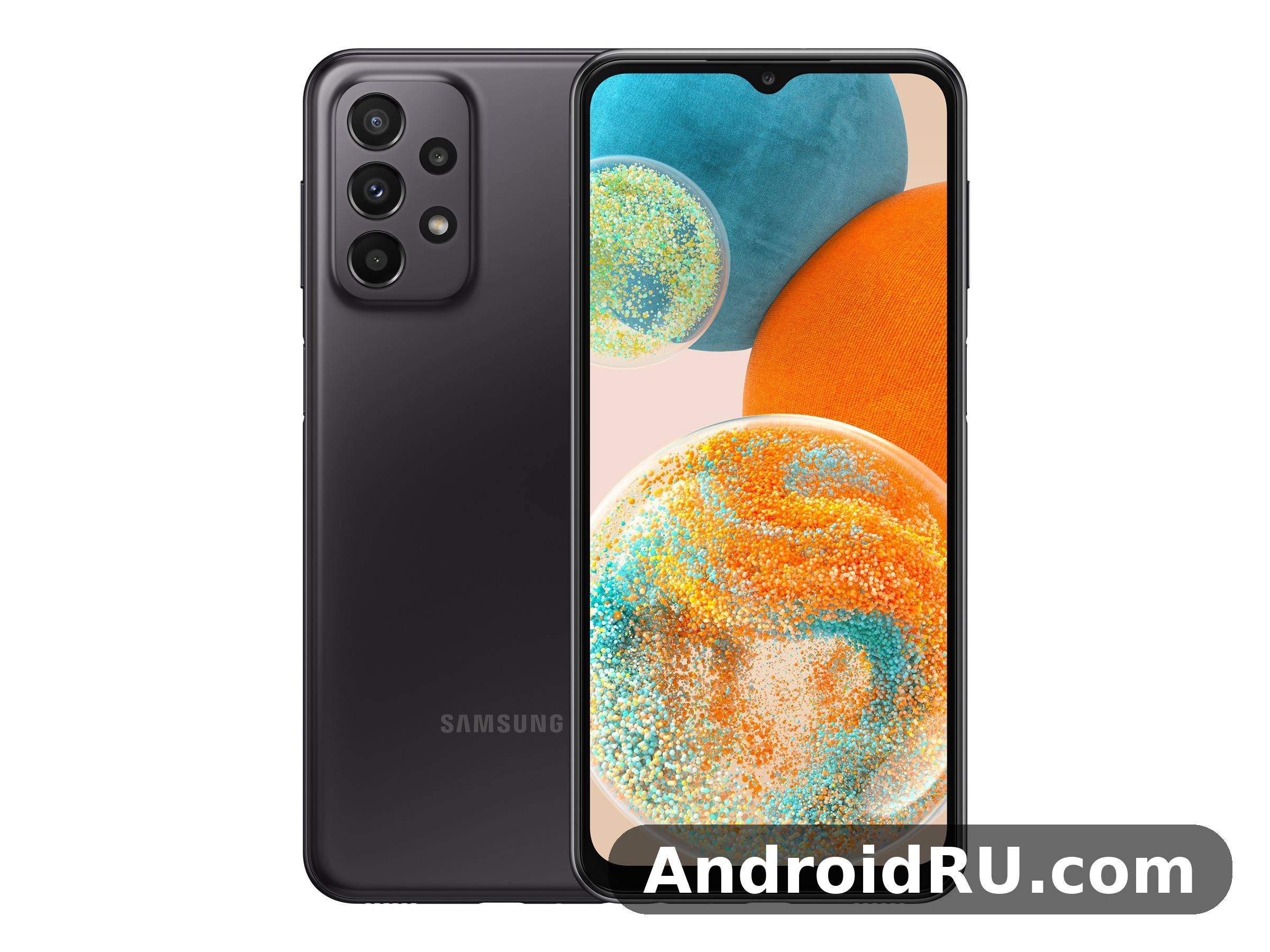
What follows is a hands-on look at the three things the title promises: how good the photos really are, what the video can and cannot do, and whether the Snapdragon 695 5G keeps up with everyday life. I also cover the screen, the battery, the design and the software, because a camera review means little if the phone around it frustrates you. If you are weighing this phone against a newer budget model, or wondering whether it still holds up years after its September 2022 release, you will find a straight answer here. The Galaxy A23 5G night mode camera work is strongest on the main sensor, where multi-frame processing brightens shadows without turning night scenes into daylight.
Beyond the hands-on testing, this article also carries the complete specification sheet for the phone: dimensions, display, chipset, cameras, battery, sensors and connectivity, so you can check any number before you buy. The hands-on sections come first, the full specifications follow in their own section, and the verdict and questions at the end pull both halves together. The Galaxy A23 5G selfie camera quality is solid in good light, with the 8MP front sensor capturing natural skin tones and enough detail for social photos and video calls.
Samsung Galaxy A23 5G photo quality in daylight and low light
The headline feature of this phone is its rear camera, and in good light it earns the attention. The 50MP main camera with optical image stabilisation produces photos with natural Samsung colour, solid dynamic range and plenty of detail when you look closely at a landscape or a street scene. Daylight shots of buildings, trees and people come out clean, with whites that stay white and greens that look rich without turning cartoonish. Compared with older budget phones that smeared fine detail, the A23 5G keeps brickwork, foliage and fabric texture intact at normal viewing sizes. Does Galaxy A23 5G have a microSD card slot? Yes, the hybrid tray accepts cards up to 1TB, though the second SIM slot is shared with the card.
By default the camera bins pixels down to a 12.5MP output, which is the right call. The full 50MP mode is there if you want it, and it does pull out a little more detail in a well-lit scene, but the files are bigger, the processing is slower and the gain is small on a phone screen. For most people, the standard mode is the one to leave on. Switching to the full resolution makes sense for a landscape you plan to crop hard or print, and not much else. Does Galaxy A23 5G support eSIM? No, this model has no eSIM, so a second line needs the physical dual-SIM tray.
Low light is where the stabilised lens starts to pay for itself. Night mode takes a few seconds and stacks several frames, and the results are genuinely usable: street scenes keep their colours, neon signs do not blow out into white blobs, and shadows hold more detail than I expected from a phone at this price. There is noise if you zoom in, and very dark scenes still turn muddy, but for social sharing and casual keepsakes the night output is better than the class average. The stabilisation matters here most of all, because it lets the phone hold longer exposures without the blur that ruins handheld night shots on phones without it. The best camera settings for Galaxy A23 5G start with the main lens at full resolution for landscapes, night mode after dark, and the grid switched on for straighter horizons.
How the 50MP main camera handles daylight photos
In bright daylight the main sensor is at its best. Contrast is handled well, skies keep their blue instead of washing out, and Samsung’s processing lifts shadows just enough to keep faces readable in backlit portraits. I found the autofocus quick and sure, locking onto subjects without hunting, even when I moved between a close subject and a distant one. Shutter lag is minimal in good light, so catching a moving child or a pet mid-step is realistic, though burst shooting still helps for the decisive moment. Does the Galaxy A23 5G record 4K video? No, video tops out at 1080p on this model, which is fine for social clips and video calls but not for 4K editing.
One thing to watch is Samsung’s tendency to sharpen edges a touch too much in daylight. On a phone screen it looks crisp and pleasing, but on a large monitor you can see a faint halo around high-contrast edges. It is a minor flaw, and most owners will never notice it. Colour accuracy is good for the price: skin tones look natural, food photos look appetising without going orange, and the phone rarely produces the cold, blue cast that cheaper sensors often do. This A23 review is based on daily use rather than benchmarks alone, so the verdict reflects how the phone behaves over weeks, not minutes.
Galaxy A23 5G night mode and low light photo quality
Night mode on the A23 5G is not magic, but it is honest. It brightens a dim restaurant or a dusk street scene enough to see what is there, keeps noise under control, and avoids the watercolour smearing that haunted budget night modes a few years ago. The stabilised lens means you can shoot at slower shutter speeds handheld, and I got sharp results at light levels where an unstabilised phone would have produced a blurry mess. A tripod or a steady surface helps further, but it is not required for a usable shot. Does Galaxy A23 5G support dual SIM? Yes, through its hybrid tray, though the second SIM slot is shared with the microSD card.
The trade-off is time. Night mode takes two to four seconds per shot, and moving subjects will ghost or blur. If your subject is a person who will not stand still, you are better off using the standard photo mode with the flash off and accepting a darker, noisier frame. The phone also struggles with mixed lighting, such as a face lit by a warm lamp against a cool window, where white balance can drift. Even so, for still scenes the night results punch above the price. Does Galaxy A23 5G support call recording? It depends on your region and One UI version, because Samsung enables it only where local rules allow it, so check the Phone app settings before relying on it.
Ultrawide, macro and depth cameras on the Galaxy A23 5G
The supporting cameras are where expectations need adjusting. The 5MP ultrawide is useful for landscapes, tight interiors and group shots, and it keeps distortion reasonably controlled at the edges, but its detail is a clear step down from the main sensor. In good light it is fine for sharing; in dim light it gets noisy fast, and I would reach for the main camera and step back instead. The 2MP macro camera is a fun extra for close-ups of flowers or textures, but its fixed focus makes it fiddly, and the resolution limits how much you can do with the result. The 2MP depth sensor does its job quietly behind portrait mode, helping separate subject from background. The A23 camera is built around its 50MP main sensor with optical image stabilisation, which does most of the heavy lifting in everyday photos.
Portrait mode itself is decent for the class. Edge detection around hair is imperfect, as it is on almost every phone at this price, but the background blur looks natural enough at moderate strength, and skin tones stay believable. If portraits are your main subject, the main camera with portrait mode will serve you better than the macro lens ever will. For a sense of how Samsung’s budget cameras have changed over the years, the Samsung Galaxy A31 Review: Cameras, Performance and Battery Life covers an earlier A-series camera setup with a different set of trade-offs.
Portrait mode and depth sensor results
Portraits taken outdoors in soft light are the sweet spot: clean separation, pleasant blur and accurate skin tones. Indoors, portrait mode needs more light than the standard mode, and the phone will sometimes refuse to blur the background if it cannot find enough contrast. Dropping the blur strength a notch in the editor fixes the artificial look that full-strength blur can create around hair and glasses. The A23 selfie camera handles video calls and social photos well in good light, with portrait mode adding a soft background blur.
When to use the ultrawide instead of the main camera
Use the ultrawide when you cannot step back any further, such as a small room, a tall building from across a narrow street, or a large group at a table. In those cases the wider field of view is worth the drop in detail. For everything else, the main camera wins on sharpness, colour and low-light ability, and cropping a main-camera shot often beats an ultrawide frame. The A23 portrait mode works best with a clear subject and some distance behind them, which keeps edge detection clean.
Samsung Galaxy A23 5G video recording: 1080p 30fps limits and OIS
Video is the weakest part of this phone’s camera package, and it is important to be clear about it. The Galaxy A23 5G records video at a maximum of 1080p at 30 frames per second, on both the rear and the front camera. There is no 4K recording, no 1080p at 60fps, and no slow-motion mode worth using. If you shoot a lot of video for social platforms, that ceiling matters, because 1080p 30fps looks fine on a phone screen but gives you no room to crop, stabilise in editing, or slow footage down. The A23 eSIM option is not available on this model, so a second line needs the physical dual-SIM tray.
Within that ceiling, the footage is respectable. Colours match the photo output, exposure adjusts smoothly when you pan from shade to sun, and the autofocus tracks a walking subject without pulsing. The optical stabilisation smooths out small hand tremors, and combined with electronic stabilisation it produces steady walking footage that looks far better than the shaky clips from unstabilised budget phones. I shot handheld walking clips around a market and the result was watchable without any post-processing. The A23 NFC chip covers contactless payments and tap-to-pair accessories, though availability can vary by region.
Is 1080p 30fps video good enough on the Galaxy A23 5G?
For everyday clips, family videos, video calls and short social posts, 1080p at 30fps is genuinely enough. Most viewers watch on phones, where the difference between 1080p and 4K is hard to see, and the files are smaller and easier to share. The problem appears only when you want more: cropping into a clip, slowing it down, or watching it on a large television, where the softness becomes visible. If you are a casual shooter, the limit will rarely bite. If you are building a video channel, it will bite on day one. The A23 microSD slot accepts cards up to 1TB, which is the cheapest way to add room for photos and offline video.
Audio is adequate rather than impressive. The single microphone picks up voices clearly at close range, wind noise is noticeable outdoors, and there is no stereo recording to add depth. For vlogging, a cheap external microphone or even wired earphones with a mic will lift the audio far more than any camera setting can. The lack of a stereo speaker setup also means playback on the phone itself is mono, which is fine for calls and casual clips but thin for watching films without earphones. The A23 signal holds up well on calls and mobile data, though thick walls and crowded places can still weaken reception on any phone.
How OIS steadies Galaxy A23 5G video while walking
The stabilised lens is the saving grace of the video system. It compensates for the small shakes of a handheld grip, and the phone’s electronic stabilisation adds a second layer that smooths the larger movements of walking. Together they produce footage that looks deliberate rather than accidental. Running or cycling will still shake the frame, and panning quickly will show a slight wobble, but for the walking shots that make up most casual video, the result is solid.
Front camera video calls and selfies on the Galaxy A23 5G
The 8MP front camera records the same 1080p at 30fps, and it is well suited to video calls, where its natural skin tones and steady exposure matter more than resolution. Selfies in good light are sharp and flattering, with a beauty mode that is easy to turn down or off. In low light the front camera gets noisy quickly, and the screen flash helps only at arm’s length. For calls and casual selfies it is fine; for serious front-facing video work, the rear camera is the better tool.
Samsung Galaxy A23 5G performance: Snapdragon 695 5G in daily use and gaming
The Snapdragon 695 5G is a capable mid-range chip, and on this phone it behaves like one: fast where it counts, unhurried where it does not. Opening apps, scrolling through feeds, switching between a browser and a messaging app, and loading maps all feel smooth, helped by the 120Hz screen and Samsung’s optimisation. In three weeks of daily use I rarely waited on the phone, and when I did it was usually the network, not the chip, that was slow. This is not flagship speed, but it is honest mid-range speed, and for most buyers that is the right bar. The Snapdragon 695 processor performance in the Galaxy A23 5G is smooth for daily apps and multitasking, with benchmark scores that sit comfortably in the upper mid-range.
Benchmarks put the 695 roughly in line with other mid-range chips of its generation, and that matches the feel of the phone. It handles the interface, the camera app and multitasking without stutter, and it stays cool during normal use. Push it hard with a long gaming session or a 4K video export and it warms up and throttles gently, which is normal for a phone built to a price. The chip also brings 5G connectivity, which future-proofs the phone on networks that keep expanding, even if the speed gain over 4G depends heavily on where you live. Does Galaxy A23 5G overheat while gaming? In testing it stayed comfortable during normal play, and only long sessions at maximum settings made the frame noticeably warm.
Daily speed: apps, multitasking and the 120Hz screen
Day to day, the A23 5G is a pleasant phone to live with. Apps launch quickly, the keyboard keeps up with fast typing, and the 120Hz refresh rate makes scrolling feel fluid in a way that a 60Hz panel cannot match. With 6GB or 8GB of RAM, keeping a dozen apps in memory is realistic, and returning to a browser tab or a game does not force a reload. The 4GB version is tighter: it works, but heavy multitaskers will notice apps reloading more often, and I would steer buyers toward 6GB if the price gap is small. The Galaxy A23 5G display quality is decent for video and reading, with good brightness outdoors and colours that stay natural rather than oversaturated.
Storage is 64GB or 128GB depending on the variant, and the microSD slot takes the pressure off. That matters because photos, videos and offline maps fill a phone faster than most people expect, and a card slot means you do not have to pay for a bigger internal variant or delete memories to make room. Installing apps to the card is limited, as on most modern Android phones, but media and documents move over happily. Choosing between the A23 64GB vs 128GB options comes down to photos and offline video: heavy shooters should take the larger size, while light users can save money and add a microSD card later.
Galaxy A23 5G gaming performance and heat
For gaming, the A23 5G handles popular titles at medium settings without complaint. Lighter games run at high frame rates and look great on the big 120Hz screen, while demanding 3D titles need their graphics turned down a notch to hold a steady frame rate. I played a mix of racing, shooter and strategy games for an hour at a time and found the experience smooth at balanced settings, with only occasional dips in the busiest scenes. The phone gets warm after extended play but never uncomfortably hot, and the frame rate holds up better than on phones that chase peak speed and then throttle hard. The A23 performance is smooth for everyday apps, messaging, browsing and video, with heavier games being the only place it shows its mid-range roots.
Serious mobile gamers will want a phone with a stronger GPU, but casual and mid-core players will be happy here. The large screen helps with on-screen controls, the battery lasts through long sessions, and the headphone jack means wired earphones work without a dongle. Game Launcher and its tools, such as blocking notifications during play, are a small but real quality-of-life bonus that Samsung includes across its range. If you want a newer take on the same everyday-speed question, the Samsung Galaxy A24 Review: Daily Performance and Key Features looks at the next model in the line and how its daily speed compares.
RAM and storage variants: 4GB, 6GB and 8GB compared
The 4GB model is the cheapest way in and it is fine for calls, messaging, browsing and light apps. The 6GB model is the sweet spot for most people, holding more apps in memory and ageing better as apps grow heavier. The 8GB model is for heavy multitaskers and gamers who keep several large apps open at once. Whichever you choose, the 128GB storage option is worth the premium over 64GB, because the operating system and Samsung’s apps already take a sizeable share before you install anything. For A23 gaming, lighter titles run smoothly, while demanding games need lower graphics settings to hold a steady frame rate.
Samsung Galaxy A23 5G 120Hz PLS LCD display: smooth but not AMOLED
The 6.6-inch screen is big, bright enough and wonderfully smooth at 120Hz, and it is also the phone’s most obvious compromise. This is a PLS LCD panel, not an AMOLED, which means blacks are dark grey rather than true black, contrast is lower, and colours are a little less vivid than on Samsung’s AMOLED phones. In normal use the difference is easy to live with, especially outdoors, but side by side with an AMOLED phone the gap is visible, particularly when watching films at night. The A23 display is a 6.6-inch TFT 120Hz panel, which is generous for video, reading and gaming at this price.
What the LCD does well is smoothness and size. The 120Hz refresh rate makes every scroll and swipe feel responsive, and the Full HD+ resolution of 1080 by 2408 keeps text sharp and images detailed. The tall 20:9 shape suits video and reading, and the waterdrop notch for the front camera is small enough to ignore after a day. Brightness is adequate for outdoor use in sunlight, though direct sun will still wash the screen out a little, and there is no always-on display, which is one of the quiet costs of choosing LCD over AMOLED. A fresh A23 wallpaper is the quickest way to make the home screen feel new, and the bright display makes colourful images look their best.
Samsung’s newer budget screens have moved on since this panel, and the Samsung Galaxy A25 5G Review: Design, Software and Camera Quality shows what the next generation of the A-series display looks like in daily use. That said, the A23 5G screen remains a good one for reading, browsing and video in normal light, and its lack of burn-in risk is a genuine long-term plus for owners who keep a phone for years.
Outdoor visibility and eye comfort on the Galaxy A23 5G screen
Outdoors, the screen stays readable in most conditions, and the auto-brightness responds quickly when you step from indoors into sunlight. Viewing angles are good for an LCD, with only a slight colour shift at extreme angles. Samsung’s eye comfort shield, which warms the colour temperature in the evening, works well and is easy to schedule, and the large text and display size options help if you prefer bigger fonts. For long reading sessions the LCD is arguably easier on the eyes than some punchy AMOLED panels, since it avoids the aggressive saturation that can tire you out.
The bezels are thick by modern standards, especially the chin at the bottom, and the screen-to-body ratio is lower than on pricier phones. It does not affect how the phone works, but it does make the phone look a generation older than it is. A screen protector and a case are worth fitting from day one, because the large glass panel is the most exposed part of the phone, and the LCD panel is expensive to replace relative to the price of the handset.
Samsung Galaxy A23 5G battery life: 5000 mAh and 25W charging
The 5000 mAh battery is one of the strongest reasons to buy this phone. In my testing it comfortably lasted a full day of heavy use, including hours of browsing, messaging, photos and video, and stretched to two days with lighter use. Screen-on time of seven to nine hours is realistic for mixed use, which puts it ahead of many phones with smaller batteries or thirstier screens. The efficient Snapdragon 695 and the LCD panel both help here, sipping power rather than gulping it. The Galaxy A23 5G charging time depends on the charger you use: with a 25W charger it tops up far faster than with an old 5W brick, and a full charge takes around an hour or more.
Charging is 25W wired, which is respectable but not fast by 2026 standards, and there is a catch that buyers should know before they open the box: the charger is not included. Samsung ships the phone with a USB-C cable only, so if you do not already own a 25W USB-C charger, you will need to buy one to get the full charging speed. With a proper 25W charger, a full charge takes around an hour and twenty minutes, and a half-hour top-up gives you roughly half a battery, which is enough to get through an evening. Does Galaxy A23 5G support wireless charging? No, this model has no wireless charging coil, so charging pads will not work with it and the USB-C cable remains the only way to charge.
How long does the Galaxy A23 5G battery last in real use
Real-world endurance depends on your habits, but the pattern is consistent: a day of social media, maps, calls and photos leaves 25 to 35 percent in the tank at bedtime, and a lighter day leaves more than half. Video streaming is the biggest drain, taking around 10 to 12 percent per hour at moderate brightness, while standby drain overnight is minimal, usually two to four percent. The 120Hz refresh rate costs a little battery compared with 60Hz, and switching to adaptive or 60Hz mode will stretch the day further if you need it. For an A23 battery drain overnight fix, check battery usage in Settings, turn off always-on display, and restrict background activity for apps that drain power while idle.
There is no wireless charging, which is expected at this price, and no reverse charging. Power saving modes are well implemented, letting you limit background activity, reduce the refresh rate and cap performance when the battery runs low. After a year or two the battery will lose some capacity, as all lithium batteries do, and the phone’s large starting capacity means that degradation is less painful than on a phone that barely lasted a day when new. The A23 battery is a 5000mAh cell, and with the efficient display it comfortably covers a full day for most owners.
25W charging speed and the missing charger in the box
The missing charger is the most annoying part of the package. Samsung’s reasoning is environmental, and reusing an old charger is genuinely better than throwing another one in a drawer, but a first-time buyer or someone switching from an older phone with a different charger will face an extra purchase. Any reputable USB-C PD charger rated at 25W or higher will work, and buying one from Samsung or another known brand is safer than a no-name charger that may not deliver its claimed wattage. The phone charges at its full 25W only with a compatible charger and cable, so check both before you judge the speed. The A23 charging tops out at 25W wired, and there is no wireless charging on this model.
Samsung Galaxy A23 5G design, build and side fingerprint sensor
The A23 5G is a big, practical phone rather than a pretty one. Its plastic back and frame keep the weight at 197 grams, which is reasonable for a 6.6-inch device, and the matte finish resists fingerprints far better than glossy glass. The camera module sits in a neat rectangular island on the back, the buttons are solid, and the phone feels sturdy in the hand, even if it lacks the premium chill of metal and glass. It is a design that prioritises durability and grip over showroom appeal, and for a daily workhorse that is the right trade. The Galaxy A23 5G fingerprint sensor is quick and reliable once you register the same finger twice, which improves recognition when your hands are dry or slightly damp. The A23 durability is decent for everyday knocks, though a case is still wise for drops onto hard floors.
The side-mounted fingerprint sensor, built into the power button, is fast and reliable once you register the same finger twice, which is a trick worth knowing for any side sensor. It unlocks the phone in a fraction of a second, works with wet or dry fingers better than many in-screen sensors, and doubles as a natural place for your thumb to rest. Face unlock is also available, but it is a 2D camera-based method rather than a secure 3D system, so the fingerprint sensor is the one to rely on for payments and banking apps. The Galaxy A23 5G headphone jack is still here, so wired earphones work without an adapter. A good A23 case is worth buying on day one, because the back panel shows scratches and smudges quickly.
Build quality, colours and the 3.5mm headphone jack
The phone comes in a small range of understated colours, and the plastic body survives drops better than glass-backed phones, though a case is still wise for the screen. There is no official water or dust resistance rating, so this is not a phone to take swimming or leave out in heavy rain, and that is one of the clearest gaps against pricier Samsung models. On the plus side, the 3.5mm headphone jack survives here, a rarity that wired earphone users will appreciate, and the USB-C port handles charging and data. The best screen protector for Galaxy A23 5G is a tempered glass one that covers the display fully and still lets touch input feel direct. A tempered glass A23 protector is cheap insurance against drops and pocket scratches, and it fits the display without getting in the way of touch input.
Ports, buttons and the side fingerprint reader
Along the edges you get a volume rocker and power button on the right, a USB-C port and a single speaker on the bottom, and a SIM and microSD tray on the left. The layout is simple and everything falls under the fingers naturally. The single bottom-firing speaker is loud enough for calls and notifications but thin for music and films, and there is no stereo pair to add width to the sound. A pair of wired or Bluetooth earphones fixes that in seconds, and most owners will listen that way anyway. The best back cover for Galaxy A23 5G is a slim one with raised edges around the cameras, which protects the lenses without adding much bulk. The A23 speakers are loud enough for video calls and podcasts, though headphones still win for music and films.
Samsung Galaxy A23 5G software: Android 12, One UI 4.1 and updates
The phone launched with Android 12 and Samsung’s One UI 4.1, and that software combination is one of its quiet strengths. One UI is clean, consistent and full of genuinely useful features: a proper dark mode, a good file manager, secure folder for private files, and a camera app that is simple on the surface with pro controls a tap away. The interface is easy to learn for someone coming from another Android phone, and Samsung’s own apps, such as the gallery and notes, are polished enough that you may not need third-party replacements. The Galaxy A23 5G software update schedule follows Samsung’s promise for this model, with major Android upgrades and security patches arriving over several years.
Samsung promised several years of updates for this phone, with major Android version upgrades and security patches arriving over time, though the exact schedule depends on region and carrier. By 2026 the phone has received newer Android versions beyond its launch software, and it remains secure and usable, but buyers should check the current update status before purchasing a used or old-stock unit. The software experience is a reminder that Samsung’s mid-range phones share most of the flagship software DNA, even when the hardware differs. For a look at how One UI has grown on newer hardware, the Samsung Galaxy A26 5G Review: Build Quality, Software and Daily Speed covers the same software ideas on a more recent A-series phone.
One UI features that make daily use easier
Among the features I used most were the edge panel for quick app access, the ability to run two apps side by side on the big screen, and the routines that silence notifications at night. Samsung’s gallery app sorts photos well and its editor handles cropping, filters and straightening without a separate download. Bixby routines, digital wellbeing tools and a proper one-handed mode all help on a phone this large. None of these features is flashy on its own, but together they make the phone feel considered rather than thrown together. Among the Galaxy A23 5G hidden features and tips worth knowing are the double-press shortcut for the camera, the edge panel and the one-handed mode in Settings.
Samsung Galaxy A23 5G full specifications
This section is the reference half of the article: every official specification for the Galaxy A23 5G, with a short note on what each number means in practice. Use it to check a listing before you buy, to compare the phone with a rival, or to settle an argument about what the phone can and cannot do. The numbers below come from the phone’s official specification sheet, and regional differences are flagged where they apply. The A23 specs are summarised in the specifications section below, with the display, chipset, cameras and battery listed together.
| Specification | Samsung Galaxy A23 5G |
|---|---|
| Launch | September 2022 |
| Dimensions | 165.4 x 76.9 x 8.4 mm |
| Weight | 197 g |
| Display | 6.6 inch PLS LCD, 120Hz, 1080 x 2408, Full HD+ |
| Chipset | Qualcomm Snapdragon 695 5G, octa-core |
| RAM | 4GB, 6GB or 8GB |
| Storage | 64GB or 128GB, microSD slot |
| Rear cameras | 50MP OIS wide, 5MP ultrawide, 2MP macro, 2MP depth |
| Front camera | 8MP, 1080p 30fps video |
| Battery | 5000 mAh, 25W wired charging, no charger in box |
| Operating system | Android 12 with One UI 4.1 at launch |
| Security | Side-mounted fingerprint sensor, face unlock |
| Connectivity | 5G sub-6, Wi-Fi 5, Bluetooth 5.1, NFC by region, USB-C, 3.5mm jack |
Galaxy A23 5G dimensions, weight and build specifications
The Galaxy A23 5G measures 165.4 x 76.9 x 8.4 mm and weighs 197 grams, which makes it a large phone by any measure. The height comes from the 6.6-inch screen, the width keeps one-handed use a stretch for most people, and the 8.4 mm thickness is slim enough that the phone slips into a pocket without a bulge, though the size means it will dominate a small pocket or a slim bag. At 197 grams it is neither featherweight nor a brick: it has enough heft to feel solid, and the weight is balanced well enough that it does not feel top-heavy. Is the Galaxy A23 5G waterproof? No, it has no official IP rating, so keep it away from pools, showers and heavy rain.
The body is plastic on the back and frame, with glass on the front, and that choice shapes both the feel and the durability. Plastic does not shatter the way glass does, so a drop onto a hard floor is more likely to scuff a corner than to crack the back, and the matte finish keeps fingerprints and smudges to a minimum. The trade-off is the feel in the hand: it lacks the cool, dense quality of metal and glass, and it can feel a little hollow if you tap the back. A slim case adds grip and protection without much bulk. The A23 colours are Black, White, Blue and Peach, with the darker shades hiding fingerprints best.
| Dimension | Value |
|---|---|
| Height | 165.4 mm |
| Width | 76.9 mm |
| Thickness | 8.4 mm |
| Weight | 197 g |
| Body | Plastic back and frame, glass front |
| Water resistance | None (no official rating) |
Galaxy A23 5G display specifications: 6.6 inch PLS LCD 120Hz
The display is a 6.6-inch PLS LCD panel with a Full HD+ resolution of 1080 by 2408 pixels, a 120Hz refresh rate and a tall 20:9 aspect ratio. PLS is Samsung’s own variant of IPS LCD technology, and it behaves like a good IPS panel: wide viewing angles, accurate colours, and brightness that is adequate indoors and outdoors. The 1080p resolution works out to around 400 pixels per inch, which keeps text sharp and makes individual pixels invisible at normal viewing distances.
The 120Hz refresh rate is the headline display feature, and it makes scrolling, swiping and animations visibly smoother than the 60Hz panels still common at this price when the phone launched. The phone can step down to 60Hz to save battery, and the difference between the two is obvious the moment you switch back. What the LCD cannot do is match an AMOLED panel for contrast: blacks are dark grey rather than true black, and the screen cannot light individual pixels, so there is no always-on display and night viewing shows a faint glow across the whole panel.
| Display | Value |
|---|---|
| Size | 6.6 inch |
| Type | PLS LCD |
| Resolution | 1080 x 2408 (Full HD+) |
| Refresh rate | 120Hz |
| Aspect ratio | 20:9 |
| Pixel density | Around 400 ppi |
| Notch | Waterdrop |
| Always-on display | No |
Galaxy A23 5G chipset, RAM and storage specifications
At the heart of the phone is the Qualcomm Snapdragon 695 5G, an octa-core chip built on a 6nm process, with two performance cores running at up to 2.2GHz and six efficiency cores at up to 1.7GHz, paired with an Adreno 619 graphics processor. The 6nm process keeps power consumption low, which is part of the reason the battery lasts so well, and the chip supports 5G connectivity on sub-6GHz bands, which covers the 5G networks most people actually use. The A23 storage starts at 64GB in the base model, and buyers who shoot a lot of video should consider the larger version, though a microSD card can add room later.
RAM comes in three variants, 4GB, 6GB or 8GB, and storage in two, 64GB or 128GB, with a dedicated microSD card slot that accepts cards up to 1TB. The combination you choose shapes how the phone ages: 4GB of RAM is enough for light use but will reload apps more often, 6GB is the balanced choice for most buyers, and 8GB suits heavy multitaskers. The 128GB storage option is worth the premium, because the operating system and Samsung’s preinstalled apps already occupy a sizeable share of the internal storage before you install a single app of your own. If A23 overheating shows up during long gaming sessions, a short break and lower graphics settings bring temperatures back down.
| Component | Specification |
|---|---|
| Chipset | Qualcomm Snapdragon 695 5G |
| Process | 6nm |
| CPU | Octa-core (2x 2.2GHz Kryo 660 Gold + 6x 1.7GHz Kryo 660 Silver) |
| GPU | Adreno 619 |
| RAM | 4GB / 6GB / 8GB |
| Storage | 64GB / 128GB |
| microSD | Up to 1TB (dedicated slot) |
Out of the box, the usable storage is less than the headline number, because Android, One UI and Samsung’s apps occupy roughly 15 to 20GB on the 128GB model, leaving around 105 to 110GB free, and proportionally less on the 64GB model. That is normal for every Android phone, and it is the strongest argument for choosing 128GB and adding a microSD card for media. The A23 RAM is 4GB in the base model, which is enough for everyday multitasking without constant app reloads.
Galaxy A23 5G rear camera specifications: 50MP OIS and three supporting lenses
The rear camera system has four lenses, and understanding each one is the key to getting good photos from this phone. The main camera is a 50MP wide sensor with an f/1.8 aperture and optical image stabilisation, which is the standout specification on the whole sheet. The ultrawide camera is 5MP with an f/2.2 aperture and a 123-degree field of view. The macro camera is 2MP with an f/2.4 aperture, and the depth camera is 2MP with an f/2.4 aperture, supporting portrait mode.
The main sensor uses pixel binning, combining four pixels into one to produce a 12.5MP image with better light gathering, and a full 50MP mode is available for well-lit scenes where maximum detail matters. Phase detection autofocus keeps subjects sharp, and the stabilised lens allows longer handheld exposures in low light. Video from the rear cameras tops out at 1080p at 30 frames per second, with no 4K option, and the stabilisation works for video as well as photos, smoothing handheld walking shots.
| Rear camera | Resolution | Aperture | Role |
|---|---|---|---|
| Main wide | 50MP | f/1.8 | Everyday photos, night mode, video |
| Ultrawide | 5MP | f/2.2 | Landscapes, interiors, group shots |
| Macro | 2MP | f/2.4 | Close-ups of small subjects |
| Depth | 2MP | f/2.4 | Portrait mode background blur |
Galaxy A23 5G front camera and selfie specifications
The front camera is an 8MP sensor with an f/2.2 aperture, housed in the waterdrop notch at the top of the display, and it records video at 1080p at 30 frames per second. It is a straightforward selfie camera: sharp in good light, natural in its skin tones, and well suited to video calls, where steady exposure matters more than resolution. The camera app offers portrait mode for selfies, with background blur that works best in soft outdoor light, and a beauty mode that is easy to turn down or switch off entirely.
In low light the front camera gets noisy quickly, and the screen flash, which lights the display to illuminate your face, helps only at arm’s length. For video calls in a well-lit room it is more than adequate, and for social selfies in daylight it produces clean, shareable results. It is not a camera for serious front-facing video work, and creators should use the rear camera, which benefits from the larger sensor and the stabilisation the front camera lacks.
Galaxy A23 5G battery and charging specifications
The battery is a 5000 mAh lithium-polymer cell, and it is one of the largest capacities Samsung fits in a mid-range phone. In mixed daily use it delivers seven to nine hours of screen-on time, which translates to a full day of heavy use or up to two days of lighter use, and standby drain overnight is minimal at two to four percent. The efficient 6nm Snapdragon 695 and the LCD panel both contribute to that endurance, since neither draws the power of a flagship chip or an always-on AMOLED display. Some A23 heating during charging is normal, especially with fast charging, and the phone cools down once the battery passes 80 percent.
Charging is 25W wired over USB-C, using the USB Power Delivery standard, and a full charge from empty takes around an hour and twenty minutes with a compatible 25W charger. A half-hour charge restores roughly half the battery. The phone ships with a USB-C cable in the box and no charger, so buyers need their own 25W USB-C PD charger to reach the full speed; a weaker charger will charge the phone more slowly. There is no wireless charging and no reverse wireless charging, which is normal for this price band.
Charger not included: what to buy
Any reputable USB-C PD charger rated at 25W or higher will charge the phone at its full speed, and the cable matters too: the bundled cable supports the full rate, but an old low-power cable may not. Buy from Samsung or another known brand rather than an unbranded charger, and check that the charger lists USB PD as a supported standard. Charging through a laptop USB port or a car charger will work, but usually at a lower wattage and a slower speed. The Galaxy A23 5G price in India varies by storage and by seller, so check a few large retailers before buying rather than trusting the first listing you see.
Galaxy A23 5G sensors: fingerprint, accelerometer, gyro and compass
The sensor list on the Galaxy A23 5G covers the essentials for a modern smartphone, and each sensor has a practical job. The side-mounted fingerprint sensor, built into the power button, handles biometric unlock and payment authentication, and it is fast and reliable once you register the same finger twice. The accelerometer detects movement and orientation, switching the screen between portrait and landscape and counting steps with the health apps. The gyroscope tracks rotation for gaming and for stabilising the camera, the proximity sensor turns the screen off during calls, and the digital compass orients maps so they point the way you are facing. An A23 unboxing is a quick job: the phone, a USB-C cable and the paperwork are inside, and you will need your own charger if one is not included in your region.
What is missing is also worth noting. There is no barometer, so the phone cannot measure altitude or air pressure, and there is no dedicated temperature or humidity sensor. The sensor set is the standard mid-range package: everything a daily user needs, and nothing exotic. The A23 fingerprint sensor sits in the power button on the side and unlocks quickly once your finger is registered well.
| Sensor | What it does |
|---|---|
| Fingerprint, side-mounted | Unlock and payment authentication |
| Accelerometer | Orientation, movement and step counting |
| Gyroscope | Rotation tracking for games and camera stability |
| Proximity | Turns the screen off during calls |
| Compass | Orients maps to the direction you face |
| Light sensor | Adjusts screen brightness automatically |
Galaxy A23 5G network, connectivity and software specifications
Connectivity on the A23 5G covers the standards that matter in 2026. Mobile data runs on 5G sub-6GHz bands as well as 4G LTE, 3G and 2G, with the exact bands varying by region, so buyers importing the phone should check that its bands match their carrier. Wi-Fi is Wi-Fi 5, or 802.11ac, on both 2.4GHz and 5GHz bands, with Wi-Fi Direct and hotspot support. Bluetooth is version 5.1 with A2DP and low-energy support, NFC is fitted on some regional variants and absent on others, and the phone has GPS, GLONASS, GALILEO and BDS for positioning. The USB-C port handles charging and data, and the 3.5mm headphone jack survives for wired audio. Each A23 update arrives through Settings, then Software update, and installing it promptly keeps security patches current.
The software at launch was Android 12 with Samsung’s One UI 4.1, and Samsung provided major Android upgrades and security patches over the following years, so a unit bought in 2026 should be running a newer Android version than the one it shipped with. The dual-SIM models use a Nano-SIM plus Nano-SIM arrangement with a dedicated microSD slot, so storage expansion does not cost you a SIM. The A23 features worth learning first are the fingerprint sensor, the quick settings layout and the camera modes tucked behind the More tab.
SIM, microSD and positioning: GPS, GLONASS and GALILEO
Positioning uses four satellite systems at once, which gives fast locks and accurate navigation in cities where tall buildings block part of the sky. The dedicated microSD slot accepts cards up to 1TB, and the dual-SIM tray on some variants takes two Nano-SIM cards. USB-C is version 2.0 for data, which is slower than the USB 3 speeds on flagships, but it is fine for charging and for moving photos to a computer at moderate speed.
Samsung Galaxy A23 5G price, verdict and who should buy it
Judged on its own terms, the A23 5G is a sensible mid-range phone with a genuinely good main camera, a smooth screen and a battery that outlasts the day. Its weaknesses are real and specific: the LCD panel instead of AMOLED, the thick bezels, the 1080p video ceiling, the mono speaker, the missing charger and the lack of water resistance. None of those is a deal-breaker on its own, but together they define the phone’s place in the market: a practical tool, not a luxury object. Is Galaxy A23 5G worth buying? For buyers who want a reliable Samsung phone with a good screen and long software support, the answer is yes at current street prices, though heavy gamers should weigh it against rivals with faster chips.
The value question depends on price. At its launch price it was a strong buy; in 2026, as a discounted or second-hand phone, it is an even better one, provided the battery is healthy and the software is up to date. Against newer budget phones it trades blows: it wins on camera stabilisation and battery, and loses on screen quality and video resolution. If your priorities are photos in daylight and low light, long battery life and a big smooth screen, this phone still delivers. If you shoot a lot of video or watch films every night, look elsewhere. A direct Galaxy A23 5G vs Galaxy A22 5G comparison shows the newer phone’s faster chip and brighter display, while the older model remains good value at discounted prices.
| Area | Galaxy A23 5G | What it means for you |
|---|---|---|
| Photo quality | 50MP OIS main camera, night mode | Sharp daylight shots and usable night photos |
| Video | 1080p 30fps maximum, no 4K | Fine for clips and calls, limiting for creators |
| Performance | Snapdragon 695 5G, 4 to 8GB RAM | Smooth daily use, medium gaming settings |
| Display | 6.6 inch PLS LCD, 120Hz, Full HD+ | Smooth and sharp, but no true blacks |
| Battery | 5000 mAh, 25W charging, no charger in box | One to two days per charge |
| Design | Plastic body, side fingerprint, 3.5mm jack | Practical and durable, no water resistance rating |
If the A23 5G feels a generation too old for you, the closest cheaper Samsung alternative is the Samsung Galaxy A22 5G Review: Build Quality, Software and Daily Speed, which covers an older 5G model with a slower chip and a 90Hz TFT screen at a lower price. Comparing the two makes the A23 5G’s camera stabilisation and faster charging stand out clearly.
Galaxy A23 5G pros: OIS camera, 120Hz screen and big battery
The strengths are easy to list and hard to argue with. Optical stabilisation on a phone at this price is rare and it transforms both photos and video. The 120Hz screen makes the whole phone feel faster than its chip suggests. The 5000 mAh battery removes the daily anxiety of running dry before bedtime. Add the microSD slot, the headphone jack, Samsung’s polished software and 5G connectivity, and you have a phone that covers the fundamentals better than most rivals at the same price. For a buyer who wants a reliable camera phone without paying flagship money, those pros carry real weight.
Galaxy A23 5G cons: LCD panel, thick bezels and video limits
The cons are equally specific. The LCD panel cannot match AMOLED contrast or always-on display, and the thick bezels make the phone look dated. Video tops out at 1080p 30fps, which rules it out for serious creators. The single speaker is thin, the charger is missing from the box, and there is no water resistance rating. None of these flaws ruins the phone, but a buyer who cares about any one of them should weigh it honestly before buying, because these are the things you will notice every day, not once a year.
Who the Galaxy A23 5G is for in 2026
This phone suits a practical buyer: someone who wants a big screen, a camera that works in the dark, a battery that lasts, and a phone that will keep getting security updates, without paying for features they will never use. It suits parents, students, commuters and anyone who treats a phone as a tool. It does not suit a video creator, a competitive mobile gamer, or someone who watches films on their phone every night and wants the deepest blacks.
Samsung Galaxy A23 5G frequently asked questions
Is the Samsung Galaxy A23 5G camera good for photos?
Yes, for its price the camera is good, and the 50MP main sensor with optical stabilisation is the reason. Daylight photos are sharp and natural, night mode produces usable low-light shots, and portrait mode handles people well in soft light. The ultrawide and macro cameras are weaker, so the main camera does most of the heavy lifting, but as a package the photo quality is above average for a mid-range phone from 2022.
Can the Galaxy A23 5G record 4K video?
No, the Galaxy A23 5G cannot record 4K video. Its maximum video resolution is 1080p at 30 frames per second on both the rear and front cameras. The stabilised lens keeps handheld footage steady, and the quality is fine for social clips and video calls, but creators who need 4K or 60fps should choose a different phone.
How long does the Galaxy A23 5G battery last?
With the 5000 mAh battery, most users get a full day of heavy use and up to two days with lighter use, with seven to nine hours of screen-on time in mixed use. Charging is 25W wired, a full charge takes around an hour and twenty minutes with a compatible charger, and the charger itself is not included in the box, so you will need your own 25W USB-C charger.
What are the dimensions and weight of the Samsung Galaxy A23 5G?
The Galaxy A23 5G measures 165.4 x 76.9 x 8.4 mm and weighs 197 grams. It is a large phone built around a 6.6-inch display, with a plastic back and frame, a side-mounted fingerprint sensor in the power button, a USB-C port and a 3.5mm headphone jack. There is no official water or dust resistance rating.
Does the Galaxy A23 5G have 5G, NFC and a microSD slot?
Yes to 5G and the microSD slot, and it depends for NFC. The phone supports 5G on sub-6GHz bands plus 4G LTE, and it has a dedicated microSD slot for cards up to 1TB. NFC is fitted on some regional variants and missing on others, so check the exact model number for your market before buying if you need contactless payments.
Is the Galaxy A23 5G still worth buying in 2026?
It is worth buying at a discounted or second-hand price if your priorities are photo quality, battery life and a smooth 120Hz screen, and you can live with an LCD panel and 1080p video. Check that the battery is healthy, that the phone has received its software updates, and that the price undercuts newer budget phones with similar specs. If video quality or an AMOLED screen matters more to you, spend the extra money on a newer model instead. The Galaxy A23 5G pros and cons come down to this: a good screen, dependable cameras and long software support on the plus side, against no wireless charging and performance that stays mid-range rather than flagship.
If you take one thing from this review, let it be this: the Galaxy A23 5G is a phone that understands its job. It takes good photos in the light you actually have, it lasts the day without drama, and it does the everyday things well. Buy it for those strengths, accept its limits with open eyes, and it will serve you faithfully for years. The A23 price varies by retailer and storage, so compare a few listings before you buy.

