

Google Pixel 10 Pro Fold Review: Foldable Design and Everyday Performance
Foldable phones ask a simple question every time you pick one up: does the bigger screen earn its place in your pocket, or does it just add weight and worry? The Pixel 10 Pro Fold is Google’s clearest answer to that question so far. Announced on 20 August 2025 and released on 9 October 2025, it pairs a normal-feeling 6.4-inch cover display with an 8.0-inch folding inner display, runs on the Tensor G5 chip with 16 GB of RAM, and carries the same seven-year update promise as the rest of the Pixel 10 family. The starting price is $1,799, so the stakes are high, and the details matter.
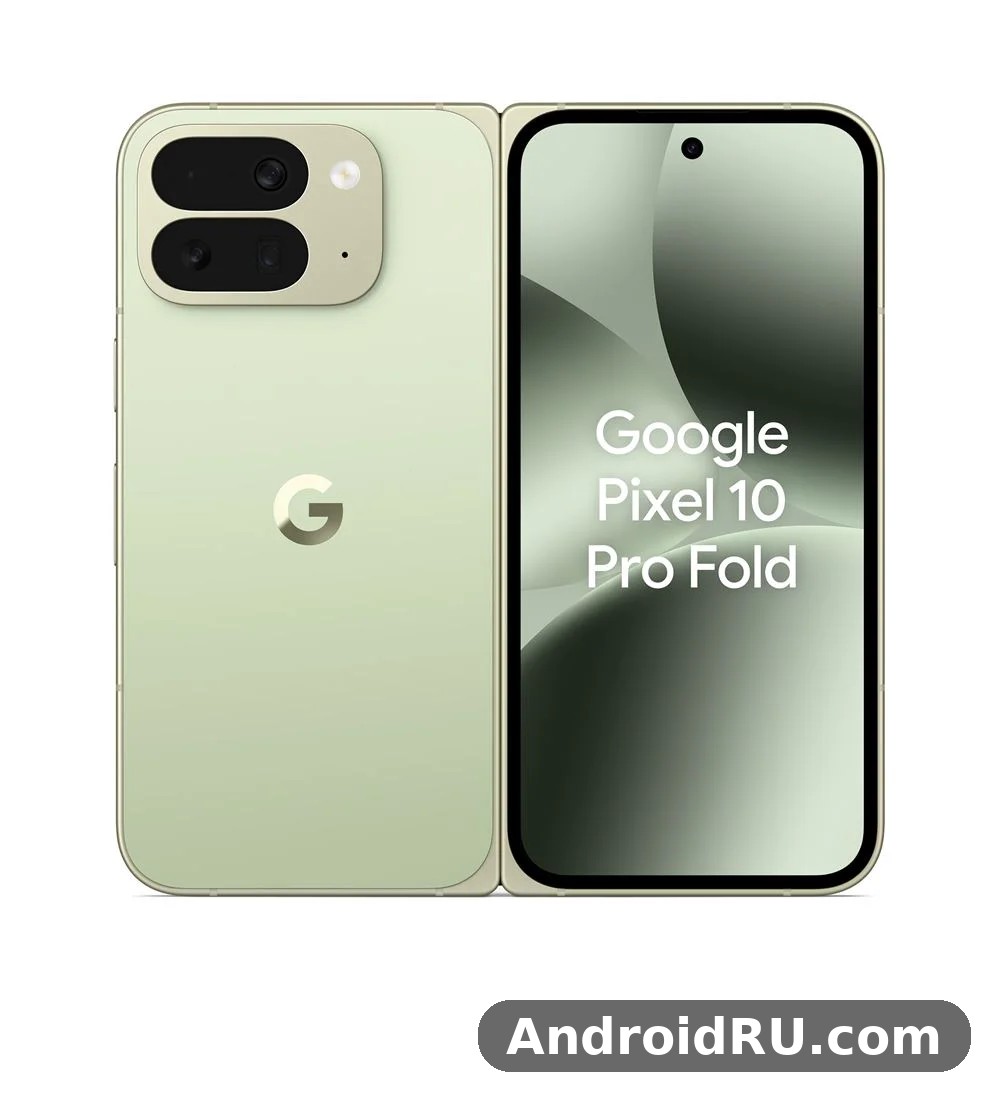
This review looks at the phone the way you would actually live with it. How the hinge feels after weeks of opening and closing. Whether the cover screen is good enough that you leave the big screen folded most of the day. How the cameras hold up against a regular flagship, how long the 5,015 mAh battery really lasts, and where the compromises hide. You will also find the full specifications, a head-to-head comparison with the Pixel 9 Pro Fold and the newer Pixel 11 Pro Fold, and a straight answer to the question of who should buy this phone and who should skip it.
If you are coming from a slab phone, the short version is this: the Pixel 10 Pro Fold works best as a very good normal phone that happens to unfold into a small tablet, not as a tablet you are forced to carry. That distinction shapes almost everything that follows, from the way the software handles two screens to the way the battery behaves on a long day. It is also the reason this phone works well as a first foldable phone: you can live on the cover screen while you learn the folding habits.
Foldable Design and Build Quality in Daily Use
Open the Pixel 10 Pro Fold and the first thing you notice is how little drama there is. The hinge moves with a firm, even resistance, holds its angle across a wide range, and closes flat with no visible gap. Google redesigned the hinge for this generation, and the result feels closer to a well-made laptop hinge than to the springy, slightly nervous hinges on early foldables. It opens with one hand if you have a grip on the edge, though two hands feel more natural when you are walking.
Closed, the phone measures like a thick flagship rather than a brick. At 258 grams it is heavy, and you feel that weight in a jacket pocket and in one-handed use over a long call. The trade-off is honest: a folding 8-inch display, a 5,015 mAh battery and an IP68 rating all have to live somewhere. The aluminium frame and matte glass back give a secure grip, and the camera bar on the back sits in the familiar Pixel style, so the phone lies flat on a table and does not rock when you tap the cover screen.
Pixel 10 Pro Fold folding display durability is the question most buyers ask first, and it is the hardest one to answer from a short test. What can be said from the design is that the inner display is protected by the fold itself when closed, the hinge is rated for daily opening and closing over years of normal use, and the IP68 water and dust resistance is a genuine step forward for a foldable. Few folding phones carry a full IP68 rating, and it changes how you treat the phone in rain, at the beach, or near a sink. You still should not take it swimming, and sand remains the enemy of any hinge, but everyday weather is no longer a reason to leave the phone at home.
How the hinge feels after weeks of use
A hinge tells you the truth about a foldable within a week. A good one stays consistent, with the same resistance on day thirty as on day one, and it does not develop a wobble or a gritty spot halfway through its travel. The Pixel 10 Pro Fold hinge stays consistent, and it holds the phone open at the angles that matter: fully flat for reading and video, half-open like a tiny laptop for video calls and hands-free viewing, and propped on a table for a photo with the timer running. Pixel 10 Pro Fold hinge durability is helped by the gearless design, which has fewer moving parts to trap dust than older geared hinges. An independent Pixel 10 Pro Fold durability test put the hinge area under extreme bending pressure far beyond normal use, which is a reminder that the folding mechanism still deserves more care than a slab phone. Flex mode, as Google calls the half-open posture, works with the camera app, video apps and video calls, which is where the foldable shape stops being a novelty and starts being useful.
The crease is visible if you look for it, especially under a bright light at an angle, and you can feel a faint dip when a fingertip crosses the middle of the inner screen. In normal use, reading an article or watching a video, it fades from attention within minutes. That is the honest verdict on the crease: present, not distracting, and far less noticeable than on the first generations of folding phones.
Size, weight and pocket fit
At 258 grams the Pixel 10 Pro Fold is one of the heavier phones you can buy, and the weight is the first thing people comment on when they pick it up. The cover screen is wide enough for comfortable typing, which is a real improvement over the narrow, remote-control feel of the first Pixel Fold, and the phone fits in a jeans pocket without the top corner digging in. In a jacket pocket it disappears. In a tight trouser pocket it is a snug fit, and you will notice it when you sit down.
One-handed use on the cover screen is workable for calls, messages and quick checks, though reaching the top corner takes a small hand shuffle. Unfolded, the phone is a two-handed device, and that is fine, because the inner screen is for the moments when you have both hands free: reading a long article, comparing two documents, watching a video on a train, or editing a photo with room to see what you are doing. Pixel 10 Pro Fold one-handed use is good enough for daily tasks, and the inner screen is the reward for the extra weight.
Cover Display and Inner Folding Display
The two screens are the heart of this phone, and Google tuned them to feel like one device rather than two phones glued together. The cover display is a 6.4-inch OLED panel with a 120 Hz refresh rate, sharp text, and brightness that holds up outdoors. The inner display is an 8.0-inch folding OLED panel, also at 120 Hz, with a squarer shape that suits reading, browsing and split-screen work. Both screens support HDR content, and colours stay consistent when you move an app from the outer screen to the inner one, which matters more than it sounds: a jarring colour shift every time you unfold would make the whole device feel unfinished. Taken together, the Pixel 10 Pro Fold display setup is tuned so both panels feel like one device rather than two screens with different characters.
Pixel 10 Pro Fold cover display size is the change that makes daily life with this phone feel normal. The original Pixel Fold had a short, wide cover screen that made typing feel cramped. Here the cover screen is tall and wide enough to type on comfortably, scroll a feed without constant zooming, and read notifications at a glance. Many owners will spend most of their day on the cover screen and unfold only when the task earns the bigger canvas, and the phone is built for exactly that pattern.
Cover screen: the phone you use most of the day
The cover screen handles the ordinary work: messages, calls, maps, music controls, quick photos and payments. It wakes fast, the fingerprint sensor in the power button is quick and reliable, and the 120 Hz refresh rate keeps scrolling smooth. Brightness peaks at up to 3,000 nits, which keeps the screen readable in direct sunlight, and the auto-brightness settles quickly rather than hunting up and down as you move between shade and sun.
Typing on the cover screen is comfortable for most hands, and the keyboard does not feel squeezed the way it did on narrower foldables. If you are replying to a long message or writing an email, the cover screen is fine. If you are writing a document or editing a spreadsheet, you will want to unfold, which is exactly the division of labour Google seems to have designed for.
Cover display brightness and outdoor use
Outdoor readability is where cheap screens fail and good ones earn their price. The cover display stays legible in bright daylight, and the anti-reflective quality of the glass helps more than the raw brightness number suggests. Maps stay readable on a sunny street, the camera viewfinder stays visible when you are framing a shot outdoors, and video playback does not wash out the moment you step out of the shade.
Inner screen: an 8-inch canvas that changes how you read and work
Unfold the phone and the 8.0-inch inner display turns the device into a small tablet. Web pages show more of the article and less scrolling, PDFs and ebooks feel like a paperback page, and video fills a generous frame with slim bezels. The 120 Hz refresh rate carries over, so scrolling a long document feels as smooth as on the cover screen, and the panel’s colour and contrast hold up at an angle, which matters when the phone is propped half-open on a table.
Pixel 10 Pro Fold inner display 8 inch size is the spec that shapes the whole experience. Eight inches is large enough for two apps side by side without either feeling squeezed, and that split-screen mode is where the foldable earns its keep. You can keep a map open next to a message thread, a document next to your notes, or a video next to a browser, and drag content between the two halves. The taskbar that appears at the bottom of the inner screen makes switching between recent apps and pinned pairs quick, and once you set up a favourite app pair, opening both with one tap becomes a habit.
Multitasking and split screen on the inner display
Pixel 10 Pro Fold multitasking split screen works best for pairs you use often: email and calendar, browser and notes, maps and messages, or a video and a chat. The divider can be dragged to give one app more room, and apps remember their pairing when you save them. The learning curve is short, about a day, and the payoff is real for anyone who reads, plans, or compares things on their phone. It will not replace a laptop for heavy work, and the software keyboard takes up a large share of the inner screen when typing, but for reading, reviewing and light editing it is a genuine step up from a slab phone.
Tensor G5 Performance and 16 GB of RAM
The Pixel 10 Pro Fold runs on the Tensor G5 chipset, built on a 3 nm process, paired with 16 GB of RAM. That combination is the same foundation as the rest of the Pixel 10 Pro family, and it shows in daily use: apps open quickly, switching between a dozen open apps rarely forces a reload, and the phone stays responsive while a video plays in one half of the screen and a browser loads in the other. Tensor G5 performance on the Pixel 10 Pro Fold is tuned for sustained everyday work rather than short benchmark bursts, and that tuning suits a foldable, where long reading sessions and split-screen use matter more than a two-minute speed test.
Pixel 10 Pro Fold Tensor G5 performance in real tasks is smooth and predictable. Scrolling stays at 120 Hz, the camera app opens fast enough to catch a moment, and photo processing happens in the background without freezing the viewfinder. Heavy games run well at high settings, though the phone warms up during a long gaming session and the frame rate settles a little as the chip manages heat. That is normal for a thin foldable with a large screen, and it is a trade-off worth knowing about if gaming is your main use. For everything else, from navigation to video editing to juggling work apps, the chip and the 16 GB of memory give the phone comfortable headroom.
Storage comes in 256 GB, 512 GB and 1 TB options, with no microSD expansion, so the choice you make at purchase is the one you live with. Pixel 10 Pro Fold storage options 256 GB 512 GB 1 TB cover most buyers, but heavy photo and video shooters should think carefully: 4K video, large games and offline maps fill 256 GB faster than expected, and the 512 GB model is the sensible middle ground for most people. There is no charger in the box, which is now standard for Pixel phones, so budget for a 30 W USB-C charger if you do not already own one.
Everyday speed: apps, switching and split screen
Day to day, the phone feels fast in the ways that count. The app drawer opens instantly, search results appear as you type, and returning to an app you used an hour ago brings it back exactly where you left it. Split screen is where the 16 GB of RAM earns its keep: two apps stay alive side by side without one reloading when you tap the other, and picture-in-picture video keeps playing while you answer a message. The software is Android 16, clean and close to stock, with Pixel features like Call Assist, Recorder transcription and the new Material 3 Expressive design language throughout.
Pixel 10 Pro Fold gaming performance is strong for a foldable. Demanding games run at high detail with steady frame rates for the first stretch of a session, and the large inner display makes games with maps, inventories or touch controls easier to play. The cover display is the better choice for long sessions, since it is easier to hold and the phone stays cooler folded. Cloud gaming and remote play also benefit from the big screen, and a controller over Bluetooth turns the unfolded phone into a capable portable gaming screen.
AI features and seven years of updates
Google’s AI features are woven through the phone rather than bolted on as a separate app. Gemini handles voice commands, summarises long pages, and helps draft replies. Magic Editor and Best Take sit in the Photos app, Call Assist screens unknown callers, and Live Translate works across calls and messages. Pixel 10 Pro Fold Gemini AI features include Magic Cue suggestions, Gemini Live camera sharing and page summaries, while the Pixel 10 Pro Fold Magic Editor tools in Photos sit alongside Best Take for quick fixes after the shot. Some of these features need an internet connection, and a few need the newest software, so check the current feature list on the official product page if a specific tool matters to you.
The update promise is one of the strongest reasons to consider this phone. Pixel 10 Pro Fold seven years of updates means Android version updates, security patches and Pixel feature drops through to 2032, which is longer than most people keep a phone and longer than almost every rival offers. For a $1,799 device, that long support window changes the value calculation: the phone stays current and secure for years, and its resale value benefits from the same promise. Pixel 10 Pro Fold Android 16 update support starts from Android 16 out of the box, with the update clock running from the 2025 launch.
Camera System: 48 MP Main, Ultrawide and 5x Telephoto
The camera system is where the Pixel 10 Pro Fold differs most from a regular Pro flagship, and honesty matters here. The rear setup is a 48 MP main camera, a 10.5 MP ultrawide camera and a 10.8 MP telephoto camera with 5x optical zoom. That is a capable trio, and Google’s computational photography does a lot of heavy lifting, but the sensors are smaller than the ones in the Pixel 10 Pro slab, and the difference shows in the hardest conditions: very low light, fast-moving subjects, and heavy cropping.
In good light the results are excellent. Pixel 10 Pro Fold camera quality in daylight is clean, detailed and true to the Pixel look, with natural skin tones, balanced exposure and colours that need no editing before sharing. The 5x telephoto is the standout: it keeps distant subjects sharp, handles portraits with a natural background blur, and makes the camera genuinely useful at concerts, on walks and at the edge of a sports field. The ultrawide is good for landscapes, interiors and group shots, with the usual slight softness at the edges that every ultrawide shares.
Readers who have followed Pixel cameras for years will recognise the lineage. The computational approach that made the Google Pixel 5a 5G Review: Camera Quality, Battery and Value a favourite for its price still shapes this phone: Night Sight for low light, HDR+ for tricky exposure, and portrait processing that flatters people without turning them into wax figures. The hardware has moved on a long way since then, and the software has kept the same priorities.
Main camera and 5x telephoto in real shooting
The 48 MP main camera shoots at a binned resolution by default, combining pixels for cleaner, brighter images, and it focuses quickly and reliably. Pixel 10 Pro Fold telephoto 5x zoom is the lens you will reach for most after the main camera. At 5x the images stay sharp and detailed, and the digital zoom beyond that holds up to about 10x before softness creeps in. Super Res Zoom helps at longer ranges, and the phone’s stabilisation keeps handheld shots steady at 5x, which is harder than it sounds.
Video is strong too, with 4K recording at up to 60 frames per second, good stabilisation, and Pixel 10 Pro Fold Video Boost is available for cloud-enhanced processing when you want the best possible clip. Audio Zoom and the wind-noise reduction help in outdoor video, and the half-open flex posture lets you prop the phone on a table and record hands-free, which is a small delight that slab phones cannot match.
Night Sight and low-light shooting
Pixel 10 Pro Fold night photography leans on Night Sight, and it works well: handheld night shots come out bright, detailed and surprisingly free of noise, with street lights kept under control rather than blooming across the frame. Pixel 10 Pro Fold Night Sight is the mode to reach for after dark, and it is the reason evening restaurant and street shots come out usable without a tripod. The smaller main sensor means a Pixel 10 Pro slab still pulls ahead in the darkest scenes, with cleaner shadows and more detail, but the Fold is far from embarrassed. For restaurants, evening streets and indoor events, the results are good enough to share without a second thought.
Selfie cameras and video calls on the big screen
There are two 10 MP front cameras, one on the cover display and one on the inner display, and both are fine for video calls and selfies. The clever trick is using the rear cameras for selfies with the cover screen as a viewfinder: unfold the phone halfway, frame yourself on the cover display, and shoot with the main camera. The result is a much better selfie than any front camera can deliver, and it is one of those foldable-only features that feels like a genuine advantage rather than a gimmick.
Video calls on the inner screen are comfortable, with the other person shown large and your own preview tucked to the side. Propping the phone half-open on a desk turns it into its own stand, which is handy for long calls, and the speakers are loud and clear enough for a call in a quiet room without headphones.
Battery Life, 30 W Wired Charging and Wireless Charging
The 5,015 mAh battery is one of the larger batteries in a foldable, and it needs to be: it feeds two displays, and the inner screen draws more power than a slab phone’s single panel. Pixel 10 Pro Fold battery life in mixed use lands at a full day for most people, with the cover screen doing most of the work. A day of messages, maps, browsing, photos and some video leaves a comfortable margin in the evening, while a day spent mostly on the inner screen, streaming video and multitasking, will bring the battery down faster and may need a top-up before bed.
That said, battery life depends heavily on how you use the two screens, and buyers should go in with clear eyes. Heavy inner-screen use, bright outdoor brightness and long gaming sessions are the three things that drain the battery fastest. Adaptive Battery learns your patterns over the first week and trims background activity for apps you rarely open, which helps, and the 120 Hz displays drop their refresh rate when nothing is moving, which saves power during reading. If you are the kind of user who keeps the phone unfolded for hours of video, a charger at your desk is a sensible companion.
Charging is wired at 30 W over USB-C, which takes the phone from empty to about half in roughly 30 minutes and to full in around an hour and a half, and wireless charging is supported through Qi2, including magnetic alignment with compatible chargers. Pixel 10 Pro Fold 30W charging speed is not the fastest on the market, and rivals with 45 W or faster charging will refill quicker, but 30 W is enough for an overnight charge and a useful top-up before heading out. Pixel 10 Pro Fold wireless charging is convenient on a desk or bedside table, and the phone also supports reverse wireless charging for earbuds and other small accessories. Pixel 10 Pro Fold charging covers wired 30 W, Qi2 wireless and reverse wireless in one package, and Pixel 10 Pro Fold Pixelsnap magnetic charging snaps compatible chargers and stands into place so alignment is never a guessing game.
How long the battery lasts in different kinds of day
A light day, mostly cover screen, calls and messages with a little browsing, can end with 30 to 40 percent left. A normal day with mixed screens, some photos and an hour of video ends with a smaller margin, and a heavy day of navigation, video streaming on the inner screen and gaming will need a charge in the evening. Those are ranges, not promises, because signal strength, brightness and app mix all move the numbers. A Pixel 10 Pro Fold battery life test is best read with the screen mix in mind: results swing widely between cover-screen days and inner-screen days, which is why this review quotes ranges rather than a single hour figure. The practical advice is simple: if you know tomorrow is a heavy day, charge overnight and carry a small power bank, just as you would with any flagship.
Long-term battery health is helped by the adaptive charging feature, which slows the charge overnight and finishes just before you wake, reducing wear on the cell. Over two or three years that care adds up, and combined with the seven-year update promise, it supports the idea of this phone as a long-term purchase rather than a one-year experiment.
Google Pixel 10 Pro Fold Full Specifications
Here is the complete specification list for the Pixel 10 Pro Fold, gathered in one place so you can check any detail without hunting through separate pages. Pixel 10 Pro Fold specs full list below covers the displays, chip, memory, cameras, battery, connectivity and software support.
| Feature | Pixel 10 Pro Fold |
|---|---|
| Announced | 20 August 2025 |
| Release date | 9 October 2025 |
| Operating system | Android 16 at launch |
| Software updates | 7 years of Android, security and feature updates |
| Chipset | Google Tensor G5, 3 nm |
| RAM | 16 GB |
| Storage | 256 GB, 512 GB or 1 TB (UFS 4.0, no microSD slot) |
| Cover display | 6.4-inch OLED, 1080 x 2364, 120 Hz, up to 3,000 nits peak brightness |
| Inner display | 8.0-inch folding OLED, 2076 x 2152, 120 Hz, up to 3,000 nits peak brightness |
| Rear cameras | 48 MP main (OIS) + 10.5 MP ultrawide + 10.8 MP telephoto, 5x optical zoom |
| Front cameras | 10 MP on cover display + 10 MP on inner display |
| Video | 4K at up to 60 fps, Video Boost, stabilised recording |
| Battery | 5,015 mAh |
| Wired charging | 30 W USB-C |
| Wireless charging | Qi2 wireless charging, up to 15 W with compatible chargers |
| Reverse wireless charging | Yes, for accessories such as earbuds |
| Water and dust resistance | IP68 |
| Weight | 258 g |
| SIM | Nano-SIM and eSIM (availability varies by region) |
| Connectivity | 5G, Wi-Fi 7, Bluetooth 6.0, NFC, USB-C |
| Security | Fingerprint sensor in power button, face unlock |
| Starting price | $1,799 |
What the specifications mean in practice
A specification table only helps if you know which rows matter. The 16 GB of RAM matters because it keeps two apps alive in split screen without reloading. The 5,015 mAh battery matters because the inner screen is large and power-hungry. The IP68 rating matters because it removes the weather worry that kept many people away from earlier foldables. The 5x telephoto matters because it is the camera feature you will notice most often in daily shooting. The seven-year update promise matters because it spreads the $1,799 price across many years of supported use. The 30 W charging speed is the row where the phone is merely adequate rather than leading, and it is worth knowing before you buy. On connectivity, the Pixel 10 Pro Fold 5G modem, Pixel 10 Pro Fold Wi-Fi 7 radio and Pixel 10 Pro Fold eSIM support cover the current standards, with a nano-SIM tray as well where carriers still use one.
Pixel 10 Pro Fold weight 258 grams is the row that surprises people most when they hold the phone. It is heavier than any slab flagship, and the weight is the price of the folding screen and the large battery. If you carry your phone in a hand or a small pocket all day, try holding one in a shop first. If it lives in a bag or a jacket pocket, the weight fades from attention quickly.
Colours and storage: which version to pick
The phone launched in Moonstone and Jade finishes, with availability varying by region and storage size. Pixel 10 Pro Fold price and availability vary by region: the $1,799 starting price is the US figure, and some regions get only one or two storage sizes. Pixel 10 Pro Fold colors at launch were just these two finishes, and the Pixel 10 Pro Fold Moonstone vs Jade decision is mostly about taste: Pixel 10 Pro Fold Moonstone is the muted grey, while Pixel 10 Pro Fold Jade is the softer green. The 256 GB model suits buyers who stream most media and back up photos to the cloud. The 512 GB model is the sweet spot for most people, with room for games, offline maps and a growing photo library. The Pixel 10 Pro Fold 512GB price sits at $1,919, between the $1,799 base model and the $2,149 top tier. The 1 TB model is for heavy video shooters and anyone who keeps years of photos on the device. The Pixel 10 Pro Fold 1TB model is the one to pick only if you shoot a lot of 4K video or keep years of photos on the device rather than in the cloud. Since there is no microSD expansion, choosing more storage at purchase is the only way to get more later, and the price step between tiers is worth comparing against a cloud storage plan if you are on the fence.
Pixel 10 Pro Fold vs Pixel 11 Pro Fold vs Pixel 9 Pro Fold
Foldable buyers almost always compare across generations, because the differences are about refinement rather than a single headline feature. Pixel 10 Pro Fold vs Pixel 9 Pro Fold is the upgrade question for owners of the earlier model, and Pixel 10 Pro Fold vs Pixel 11 Pro Fold is the question for buyers choosing between the 2025 model and its newer successor. Shoppers also ask about the Pixel 10 Pro Fold vs Galaxy Z Fold 7, and the short answer is that Samsung’s rival is thinner and lighter with a stronger main camera, while Google answers with the bigger battery, the IP68 rating and the lower $1,799 starting price. The table below puts the three generations side by side on the points that matter most.
| Feature | Pixel 9 Pro Fold | Pixel 10 Pro Fold | Pixel 11 Pro Fold |
|---|---|---|---|
| Launch | 2024 | October 2025 | Later generation (see linked review) |
| Chipset | Tensor G4 | Tensor G5 | Newer Tensor generation |
| RAM | 16 GB | 16 GB | Check the linked review for the exact figure |
| Cover display | 6.3-inch OLED | 6.4-inch OLED, 120 Hz | Larger, brighter cover display |
| Inner display | 8.0-inch folding OLED | 8.0-inch folding OLED, 120 Hz | 8.0-inch class folding OLED |
| Rear cameras | 48 MP + 10.5 MP ultrawide + 10.8 MP telephoto 5x | 48 MP + 10.5 MP ultrawide + 10.8 MP telephoto 5x | Improved camera hardware and processing |
| Battery | 4,650 mAh | 5,015 mAh | Larger battery than the 10 Pro Fold |
| Water resistance | IPX8 | IP68 | IP68 |
| Weight | 257 g | 258 g | Similar class, check the linked review |
| Software | Android 14 at launch, 7 years of updates | Android 16 at launch, 7 years of updates | Newer Android version at launch |
| Starting price | $1,799 | $1,799 | Check the linked review for pricing |
Against the Pixel 9 Pro Fold: a refinement, not a revolution
The Google Pixel 9 Pro Fold Review: Portability, Performance and Battery covers the earlier model in detail, and the comparison is kind to the newer phone without making the older one look bad. The Pixel 10 Pro Fold brings the Tensor G5 chip, a bigger 5,015 mAh battery against 4,650 mAh, full IP68 dust and water resistance against the earlier IPX8, and a brighter pair of displays. The camera hardware stays close, so the gains in photos come mainly from the newer chip’s processing and the newer software features.
For Pixel 9 Pro Fold owners, the upgrade is worth it if battery life or dust resistance was a pain point, or if you want the longer runway of updates counted from 2025. If your 9 Pro Fold still feels fast and the battery still gets you through the day, there is no urgent reason to switch: the shape, the screens and the cameras are close enough that the upgrade feels like a refresh rather than a new generation. Is the Pixel 10 Pro Fold worth it as an upgrade from the 9 Pro Fold? For most owners, the honest answer is to wait for a price drop or for the next generation, unless one of the specific improvements solves a problem you actually have.
Against the Pixel 11 Pro Fold: newer against proven
The Google Pixel 11 Pro Fold Review: Folding Design, Cameras and Daily Use is the review to read if you are choosing between the 10 Pro Fold and its successor. The newer model brings a newer Tensor chip, improved cameras and a larger battery, and it will receive updates for longer simply because it launched later. The Pixel 10 Pro Fold answers with a lower price once discounts appear, a proven hinge and display design, and the same core experience: the same screen sizes, the same 16 GB of RAM, the same 5x telephoto approach and the same seven-year update philosophy.
Buyers who want the longest support window and the newest cameras should lean towards the 11 Pro Fold. Buyers who find the 10 Pro Fold at a clear discount, and who plan to keep the phone for three or four years rather than seven, will get most of the experience for less money. Either way, read both reviews before deciding, because the right choice depends on the price you can actually get today, not the launch price on a specification sheet.
Against older Pixel phones: a big step up, with a big price
Coming from an older Pixel, the jump is dramatic. The Google Pixel 3a XL Review: Strengths, Trade-Offs and Everyday Use shows how far the line has come: that phone was a value pick with a single rear camera and a plastic body, while the 10 Pro Fold is a flagship foldable with three rear cameras, two 120 Hz displays and seven years of updates. Even the well-loved Google Pixel 4a 5G Review: Gaming, Multitasking and Battery Life generation, with its single-chip performance and modest battery, feels a world away from the Tensor G5, 16 GB of RAM and 5,015 mAh battery here.
The catch is the price. At $1,799 the 10 Pro Fold costs several times what those older phones cost, and the folding screen is the reason. If you do not need the big inner display, a slab Pixel gives you better cameras per dollar and a lighter pocket. The foldable earns its price only if you will actually use the inner screen every day.
Pros and Cons and Who Should Buy It
Every phone is a bundle of trade-offs, and a foldable bundles more of them than most. Here is the balance sheet after weighing the design, the screens, the performance, the cameras and the battery together. The most talked-about Pixel 10 Pro Fold problems and issues are the visible crease, the 258-gram weight and the slower 30 W charging, rather than anything that stops the phone working day to day.
Pros of the Pixel 10 Pro Fold
- Two excellent displays in one device: a normal-feeling 6.4-inch cover screen for daily tasks and an 8.0-inch inner screen that turns reading, video and split-screen work into a tablet-class experience.
- IP68 water and dust resistance, a first for a Pixel foldable at this level, which removes the weather worry that kept many buyers away from folding phones.
- Seven years of Android, security and feature updates, which makes the high price easier to justify over a long ownership period.
- Versatile cameras with a genuine 5x optical telephoto, strong Night Sight, and the foldable-only trick of using the rear cameras for selfies with the cover screen as a viewfinder.
- 16 GB of RAM and the Tensor G5 chip keep split-screen multitasking smooth, with apps staying alive side by side instead of reloading.
- Clean Android 16 software with useful AI features, Call Assist and the Pixel camera software that has defined the line for years.
Cons of the Pixel 10 Pro Fold
- At 258 grams it is heavy, and the weight is noticeable in a pocket and during long one-handed use.
- Camera sensors are smaller than those in the Pixel 10 Pro slab, so the regular flagship still wins in the darkest scenes and in heavy cropping.
- 30 W wired charging is slower than many rivals, and a full charge takes around an hour and a half.
- The $1,799 starting price is hard to justify if you rarely unfold the inner screen.
- The inner display crease is visible at an angle and faintly felt under a fingertip, even though it fades from attention in normal use.
Who should buy the Pixel 10 Pro Fold
Pixel 10 Pro Fold for productivity is the strongest case for this phone. If you read long documents, compare files, plan travel, or juggle email and a calendar on your phone, the inner screen pays for itself daily. Readers, students, and anyone who works from their phone in short bursts will feel the benefit within the first week. Pixel 10 Pro Fold for photographers is a second good fit, thanks to the 5x telephoto, the large screen for reviewing shots, and the flex posture that works as a built-in tripod for timed photos and video.
Commuters and frequent travellers also suit this phone well: the cover screen handles tickets, maps and messages on the move, and the inner screen turns a train seat or a plane tray into a video and reading setup. If you already live in the Pixel world and want the biggest screen Google makes without carrying a tablet, this is your phone.
Who should skip it
Skip this phone if you want the best possible camera in a Pixel, because the Pixel 10 Pro slab has larger sensors and wins in low light. Skip it if weight bothers you, or if you mostly use your phone one-handed for calls and messages, because the slab is lighter and cheaper. Skip it if you need the fastest charging, or if your budget is tight: a discounted Pixel 10 Pro or a previous-generation foldable gives you most of the experience for far less money. And skip it if you are unsure you will unfold it daily, because an unused folding screen is the most expensive feature you can buy.
Frequently Asked Questions About the Pixel 10 Pro Fold
Is the Pixel 10 Pro Fold worth it at $1,799?
It is worth it if you will use the inner screen every day for reading, multitasking or video, and if you plan to keep the phone for several years, since the seven-year update promise spreads the cost over a long life. It is not worth it if you will mostly use the cover screen, because a slab Pixel gives you better cameras and a lighter phone for less money. The best time to buy is usually a few months after launch, when discounts and trade-in offers bring the price down. Asked as is Pixel 10 Pro Fold worth buying in 2026, the answer stays the same: yes if you will unfold daily and keep it for years, and no if a slab Pixel covers your needs for less, especially once Pixel 10 Pro Fold deals appear after launch.
How long does the Pixel 10 Pro Fold battery last?
Pixel 10 Pro Fold battery life in mixed use is a full day for most people, with the cover screen handling most tasks. Heavy inner-screen use, bright outdoor brightness and long gaming sessions drain it faster, and a heavy day may need an evening top-up. The 5,015 mAh battery is larger than the 4,650 mAh battery in the Pixel 9 Pro Fold, and adaptive battery features help it last longer over months of use.
Is the Pixel 10 Pro Fold waterproof?
The phone carries an IP68 rating, which means it is protected against dust and against immersion in fresh water under the conditions of the rating. In practice that covers rain, splashes and an accidental drop in a sink. It does not mean you should take it swimming or use it in salt water, and the rating can weaken if the phone is dropped or damaged. Treat IP68 as insurance against accidents, not as permission to use the phone underwater.
Does the Pixel 10 Pro Fold have a good camera?
Yes, with one honest qualification. The 48 MP main camera, 10.5 MP ultrawide and 10.8 MP telephoto with 5x optical zoom take excellent photos in daylight and good photos at night, helped by Google’s Night Sight and HDR processing. The qualification is that the Pixel 10 Pro slab uses larger sensors and pulls ahead in the darkest scenes, so photographers who shoot mostly at night may prefer the slab. For everyone else, the Fold’s cameras, including the rear-camera selfie trick, are more than good enough.
When was the Pixel 10 Pro Fold released?
Pixel 10 Pro Fold release date October 2025 is the date to remember: Google announced the phone on 20 August 2025 and released it on 9 October 2025, with Android 16 on board and seven years of updates promised from launch. If you are buying second-hand, check the manufacturing and purchase date so you know how much of that update window remains.
Everyday Tips for Living with the Pixel 10 Pro Fold
A few habits make the foldable experience better from the first week. Set up your favourite split-screen app pairs early, so opening email next to your calendar or maps next to messages takes one tap. Use the cover screen for quick tasks and save the inner screen for work that benefits from space, which also stretches the battery further. Turn on adaptive charging so overnight charging finishes just before you wake, and keep a 30 W USB-C charger at your desk for quick top-ups.
For photos, try the rear-camera selfie mode at least once: unfold the phone, frame yourself on the cover display, and shoot with the main camera. The difference from the front camera is obvious. For video calls, prop the phone half-open on a desk and let the hinge act as a stand. And for reading, try the inner screen with a slightly larger font size and the brightness set to adapt automatically; the 8-inch panel is at its best as a reading device, and a comfortable font makes long sessions easy on the eyes.
Keep the hinge free of sand and grit, wipe the screens with a soft cloth, and use a case that protects the hinge area if you carry the phone in a bag with keys or coins. Pixel 10 Pro Fold cases with hinge cover are worth a look for that reason, and the Pixel 10 Pro Fold accessories worth budgeting for are a 30 W charger and a Pixel 10 Pro Fold screen protector for the cover display. The IP68 rating covers water and dust, but a little care keeps the hinge moving smoothly for years.
Weighing the Pixel 10 Pro Fold pros and cons together, the value question comes back to the same point. The Pixel 10 Pro Fold price starts at $1,799, and that money buys the Pixel 10 Pro Fold IP68 rating, the big folding screen and seven years of updates, none of which a slab phone offers in one package. In Pixel 10 Pro Fold daily use, the cover screen carries the ordinary hours and the unfolded Pixel 10 Pro Fold tablet mode carries the reading, video and split-screen work, and that split is what makes the price defensible for the right buyer.
Foldable phones ask a simple question every time you pick one up: does the bigger screen earn its place in your pocket, or does it just add weight and worry? After weighing the design, the two displays, the Tensor G5 performance, the cameras, the battery and the long update promise, the Pixel 10 Pro Fold earns its place for the people it is built for: readers, multitaskers, travellers and anyone who wants a tablet-class screen without carrying a second device. It is heavy, it is expensive, and its cameras trail the slab Pro in the dark, but for daily use it is the most complete foldable Google has made.
Your next step is simple. If the inner screen sounds like something you would use every day, check the current price and trade-in offers, hold the phone in a shop to feel the 258-gram weight for yourself, and compare it with the Pixel 11 Pro Fold review before you decide. If the cover screen sounds like where you would live, look at the slab Pixel 10 Pro instead and keep the difference. Either way, you will be choosing with clear eyes, and that is the point of a review.

