

Google Pixel 11 Pro Fold Review: Folding Design, Cameras and Daily Use
A foldable phone asks a simple question every time you pick it up: is the bigger screen worth the extra bulk, the extra care, and the extra money? The Pixel 11 Pro Fold answers that question with a familiar Pixel recipe stretched across two displays. It pairs a 6.5-inch cover screen with an 8.0-inch folding inner display, runs on the Google Tensor G6 chip with 16 GB of RAM, and carries a triple 48 MP camera system. It launched at $1,899, which puts it firmly in premium territory, and that Pixel 11 Pro Fold price is the first thing most buyers compare before reading further., so the real test is not whether the hardware sounds good on paper. The real test is whether the folding design, the cameras, and the daily experience hold together over a normal week of calls, messages, photos, video, and work.
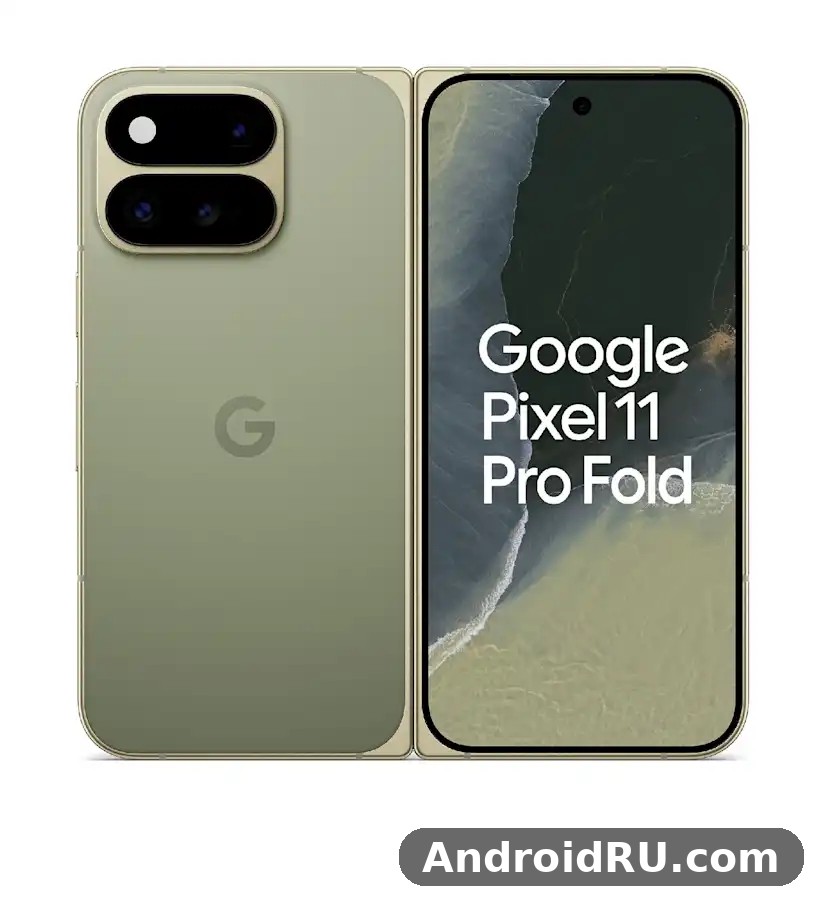
This Pixel 11 Pro Fold review looks at the phone the way a buyer would actually live with it, covering the Pixel 11 Pro Fold specs, the Pixel 11 Pro Fold display on both screens, and Pixel 11 Pro Fold performance in everyday tasks. The folding design comes first, because that is the reason this phone exists. Then come the full specifications, the Tensor G6 performance, the camera system, the 4,806 mAh battery, and a direct comparison with the two foldables that came before it. The aim is practical: who this phone fits, who should skip it, and what to check before spending $1,899 on a phone that folds in half.
One thing to keep in mind from the start is the timeline. The Pixel 11 Pro Fold was announced on 12 August 2026 and released on 20 August 2026 — the Pixel 11 Pro Fold release date buyers kept asking about — so it arrives as a current-generation device with Android 17, and the Pixel 11 Pro Fold Android 17 software is covered by the Pixel 11 Pro Fold software updates promise described below. and a promise of seven years of updates. That long support window matters more on a foldable than on a regular phone, because a foldable is a bigger investment and buyers tend to keep it longer. A phone that costs this much should still feel supported in three or four years, and the update promise is part of the value here.
Google Pixel 11 Pro Fold Folding Design and First Impressions
The first thing you notice about the Pixel 11 Pro Fold is how normal it tries to feel when it is closed, and that first impression is a big part of the Pixel 11 Pro Fold design: a foldable that behaves like a regular phone until you open it. The 6.5-inch cover display is a full phone screen in its own right, and the Pixel 11 Pro Fold cover display size is what makes closed-phone use practical rather than cramped, not a narrow strip you tolerate until you unfold the device. You can answer messages, check maps, take a quick photo, and scroll through a feed without ever opening the phone. That matters, because a foldable that forces you to unfold for every small task gets tiring fast. Here, the closed phone works like a regular Pixel, and the open phone works like a small tablet.
Open it, and the change is immediate. The 8.0-inch inner OLED display with a 120 Hz refresh rate turns the phone into a two-handed device, and the Pixel 11 Pro Fold inner display size is the reason reading, video, and split-screen work feel so different here for reading, video, documents, and split-screen work. Articles get room to breathe. A video fills more of your view. Two apps can sit side by side without feeling squeezed. That is the core appeal of the Pixel 11 Pro Fold folding design: one device that is a phone in the pocket and a larger screen on the desk, the train, or the sofa.
The trade-off is size and weight, and there is no honest way around it. At 239 g, this is a heavy phone — the Pixel 11 Pro Fold weight in grams is the figure pocket-carriers notice first — and at 10.1 mm thick when folded it is noticeably thicker than a flat flagship, so the Pixel 11 Pro Fold folded thickness is worth checking in person. It fits in a pocket, but you will feel it there. It fits in a small bag easily, but in a tight jeans pocket it makes its presence known. Anyone coming from a compact Pixel will feel the difference on day one. Readers who remember the smaller Pixel era may find the contrast useful, and the Google Pixel 3a XL Review: Strengths, Trade-Offs and Everyday Use shows how much Pixel phones have grown since the days when a large Pixel still felt light in the hand.
How the Fold Feels in Daily Use
In daily use, the fold becomes a habit rather than a novelty. You open the phone when a task deserves the bigger screen and leave it closed when it does not. Reading a long article, editing a document, comparing two web pages, or watching a video are open-phone jobs. Replying to a message, checking the time, paying at a till, or taking a quick photo are closed-phone jobs. After a few days, the choice stops feeling deliberate and starts feeling automatic, which is exactly how a foldable should behave.
The hinge is the part you interact with most, and it sets the tone for the whole device. That is why Pixel 11 Pro Fold hinge durability matters to buyers who plan to open and close the phone many times a day, and why the Pixel 11 Pro Fold hinge itself deserves a close look in the shop before you buy. A good foldable hinge opens smoothly, holds its position at different angles, and closes with a satisfying, secure feel. The Pixel 11 Pro Fold is built around that idea: a device you can open one-handed when you need to, prop half-open for a video call, or fold flat for a pocket. The inner display is the part that needs the most care in any foldable, so a Pixel 11 Pro Fold screen protector for inner display use and a case that guards the hinge area are sensible Pixel 11 Pro Fold accessories from the start, and the Pixel 11 Pro Fold best cases and accessories are the ones that protect the hinge and the folding panel without adding much bulk.
Cover Display or Inner Display: Which One You Will Actually Use
Most owners will spend more hours on the cover display than they expect. It is the screen for quick tasks, and quick tasks make up most of phone use. The 6.5-inch OLED cover panel is large enough for typing, navigation, and video, so the inner display becomes a deliberate choice rather than a default. That is a good sign. It means the Pixel 11 Pro Fold works as a phone first and a foldable second, instead of demanding that you unfold it to get anything done.
The inner display earns its place for a smaller set of jobs that it does much better than any flat phone. Reading a PDF, reviewing a spreadsheet, watching a film on a flight, or running two apps side by side all feel different on 8.0 inches. If your day involves a lot of reading or document work, you will open the phone often. If your day is mostly messaging and short checks, you will open it less, and the cover display will carry most of the load. Either way, the two-screen setup gives you the choice, and the choice is the point.
Thickness and Weight in a Pocket
At 10.1 mm folded and 4.8 mm unfolded, the Pixel 11 Pro Fold is thin when open and thick when closed, and that split personality defines how it carries. Open, it feels slim and modern. Closed, it feels dense and substantial at 239 g. A jacket pocket or bag handles it easily. A slim trouser pocket handles it, but you will know it is there. If you carry your phone in a front pocket all day, try the weight in a shop first, because 239 g is something you feel by the end of a long day, and the Pixel 11 Pro Fold dimensions in the hand matter as much as the number on the spec sheet, especially if you are used to a lighter phone.
Google Pixel 11 Pro Fold Full Specifications
The specification sheet for the Pixel 11 Pro Fold is straightforward, and it helps to read it as a whole before judging any single number. The headline figures are the Tensor G6 chipset, 16 GB of RAM, a triple 48 MP camera system, a 4,806 mAh battery, and two OLED displays — with Pixel 11 Pro Fold Tensor G6 power and Pixel 11 Pro Fold RAM doing the heavy lifting for multitasking and on-device features. The phone ships with Android 17, carries an IP68 rating, and is promised seven years of updates. Buyers also ask about Pixel 11 Pro Fold colours when choosing a finish, so check the official listing for the current colour options before ordering. Storage comes in three sizes: 256 GB, 512 GB, and 1 TB. The price starts at $1,899. The table below puts the confirmed figures in one place.
| Feature | Pixel 11 Pro Fold |
|---|---|
| Announced | 12 August 2026 |
| Released | 20 August 2026 |
| Chipset | Google Tensor G6 |
| RAM | 16 GB |
| Storage options | 256 GB, 512 GB, 1 TB |
| Cover display | 6.5-inch OLED |
| Inner display | 8.0-inch folding OLED, 120 Hz |
| Rear cameras | 48 MP main + 48 MP ultrawide + 48 MP telephoto with 5x zoom |
| Battery | 4,806 mAh |
| Wired charging | 30 W |
| Weight | 239 g |
| Thickness | 10.1 mm folded, 4.8 mm unfolded |
| Water and dust resistance | IP68 |
| Operating system | Android 17 |
| Software updates | 7 years |
| Starting price | $1,899 |
What the Spec Sheet Tells You About This Foldable
The spec sheet tells a clear story about priorities. The Tensor G6 and 16 GB of RAM point at multitasking and on-device intelligence, not just raw speed. The triple 48 MP camera system says photography is a first-class feature, not an afterthought on a foldable. The 4,806 mAh battery and 30 W wired charging are practical rather than headline-grabbing, and the IP68 rating is a genuine comfort on a device with a hinge, because water resistance is one of the things buyers worry about most on a folding phone. The 8.0-inch 120 Hz inner display is the centrepiece, and everything else is built to support it.
Two figures deserve a closer look. The first is the 239 g weight, which is the price of the larger battery, the hinge, and the two displays. The second is the 4.8 mm thickness when open, which shows how thin the two halves are once the phone is unfolded. Together they explain the feel of the device: slim in the hand when open, dense and solid when closed. Neither figure is good or bad on its own. What matters is whether the bigger screen earns the extra grams in your daily routine, and that depends on how often you read, watch, or work on the inner display.
Storage Options: 256 GB, 512 GB or 1 TB
Pixel 11 Pro Fold storage choice is one of the few decisions you cannot undo later, so the Pixel 11 Pro Fold storage options explained below are worth reading before you pick a size, so it is worth thinking through before you buy. The 256 GB model suits buyers who stream most of their media, keep photos backed up online, and do not carry a large offline library. It is the sensible starting point for most people, and it keeps the $1,899 starting price as low as this phone gets. The 512 GB model fits buyers who shoot a lot of photos and video, download films for travel, or keep large games installed. The 1 TB model is for heavy creators and travellers who want everything on the device, and the Pixel 11 Pro Fold 1 TB storage price is the part to confirm on the official page, since the larger sizes cost more than the $1,899 starting price, including long video projects and offline media for flights.
Photos from a triple 48 MP camera system add up faster than many buyers expect, especially if you shoot in high resolution or record long video clips. A foldable that doubles as a small tablet also tends to collect more apps, documents, and downloaded files than a regular phone. If you are unsure between two sizes, the larger one is usually the safer choice on a phone you plan to keep for several years, because storage pressure only grows over time. Check the official page for current Pixel 11 Pro Fold price and availability on each storage size, since prices can vary by region and retailer, and watch for Pixel 11 Pro Fold deals around sales events if the starting price feels high.
16 GB RAM and Tensor G6: Why the Combination Matters
Pixel 11 Pro Fold Tensor G6 performance starts with Tensor G6 with 16 GB of RAM, the combination that makes the inner display useful rather than just large, and Pixel 11 Pro Fold multitasking performance is where that combination shows up most. Multitasking on a folding screen needs memory: two apps open side by side, a browser with many tabs, a document open next to a chat, and a camera app waiting in the background all draw on RAM at once. With 16 GB, the phone can keep more of that work live instead of reloading apps every time you switch. The Tensor G6 handles the processing, including the on-device features that Pixel phones are known for, while the RAM keeps the multitasking smooth. On a foldable, that pairing is not a luxury. It is what stops the big screen from feeling slower than the small one.
Tensor G6 Performance and 16 GB RAM for Multitasking
The Google Tensor G6 is the engine of the Pixel 11 Pro Fold, and it is worth being clear about what it is for. Tensor chips are built around the Pixel experience: photography, voice features, on-device intelligence, and smooth daily use, rather than chasing the highest benchmark score in the industry. The Tensor G6 continues that approach, and with 16 GB of RAM behind it, the phone is set up for the kind of mixed workload a foldable invites: messaging while watching a video, reading a document while checking email, or editing a photo while a map runs in the background.
For everyday use, the Pixel 11 Pro Fold feels fast in the ways that matter. Apps open quickly, scrolling on the 120 Hz inner display feels fluid, and switching between apps is smooth. The cover display handles quick tasks without hesitation, and the inner display handles heavier multitasking without stumbling. That consistency across both screens is important, because a foldable that feels fast closed and sluggish open would be a frustrating device. The Tensor G6 keeps both halves of the phone feeling like the same device.
Multitasking on the 8.0-Inch Inner Display
Pixel 11 Pro Fold split screen multitasking is where the Pixel 11 Pro Fold justifies its size. The 8.0-inch inner display gives two apps room to work side by side, which changes how you handle ordinary jobs. You can keep a chat open next to a browser, a note open next to a document, or a video open next to a shopping list. On a flat phone, that kind of split-screen work feels cramped. On this inner display, each app gets enough space to be genuinely usable, and the 120 Hz refresh rate keeps scrolling and switching feeling smooth.
The best way to judge foldable multitasking is to think about your own busiest hour of the day. If that hour involves comparing information from two places, answering messages while reading something, or keeping a reference open while you write, the inner display will save you time and taps. If your busiest hour is a single app at a time, the inner display is a pleasant extra rather than a daily tool, and the cover display will do most of the work. The Pixel 11 Pro Fold for productivity is a real use case, but it is a use case that depends on your habits, not on the spec sheet alone.
Gaming and Heavy Apps on Tensor G6
Gaming on a foldable is a mixed picture, and it is better to be honest about that than to oversell it. The 8.0-inch inner display makes games look large and immersive, and the 120 Hz refresh rate helps motion feel smooth, so Pixel 11 Pro Fold gaming performance is at its best on the inner display for games that suit a bigger view. The Tensor G6 with 16 GB of RAM handles demanding games well, and the larger screen gives you more room for controls and detail. For casual games and longer sessions of strategy or puzzle games, the inner display is genuinely enjoyable.
That said, the folding form brings its own quirks to gaming. The phone is heavier than a flat phone, so long sessions in the hand can tire your wrists. The aspect ratio of the inner display does not suit every game, and some titles will show bars or stretch in ways the developer did not plan for. The cover display is the better choice for quick gaming sessions, while the inner display suits games that benefit from a bigger view. If gaming is your main reason for buying a phone, try your favourite titles on a folding display first, because the experience varies a lot from one game to the next.
Heat and Sustained Use
Heavy use warms any phone, and a foldable is no exception. Long video calls on the inner display, extended gaming, or shooting a lot of photos in warm weather will all raise the temperature of the device. The Pixel 11 Pro Fold spreads that heat across a larger body than a flat phone, which helps, but it is still a slim device with a big screen to power. In practice, short bursts of heavy use are fine, and the phone manages itself well. For very long sessions, giving the phone a break or switching to the cover display for lighter tasks keeps things comfortable. This is normal behaviour for a premium phone, not a flaw unique to this model.
Pixel 11 Pro Fold Cameras: 48 MP Triple System
Pixel 11 Pro Fold camera quality is where Pixel phones have built their reputation, and the Pixel 11 Pro Fold carries that reputation into a folding body. The rear system is a triple 48 MP setup: a 48 MP main camera, a 48 MP ultrawide camera, and a 48 MP telephoto camera with 5x zoom. Having the same 48 MP resolution across all three rear cameras is a meaningful detail, because it means switching between lenses feels consistent. Photos from the ultrawide and the telephoto do not feel like a step down from the main camera in the way they do on phones that pair a strong main sensor with weaker supporting lenses.
The foldable design adds a camera trick that flat phones cannot match. You can use the rear cameras for selfies while watching yourself on the cover display, which gives you the quality of the main camera for front-facing shots and video calls. That is a real advantage for anyone who records video of themselves, takes group photos, or joins a lot of video calls. The cover display becomes a viewfinder for the best cameras on the phone, and that changes what the phone can do for creators and for everyday family photos, and Pixel 11 Pro Fold photos taken this way benefit from the main camera rather than a small front camera, while Pixel 11 Pro Fold video calls gain the same advantage.
Pixel camera quality has always been as much about software as about hardware, and that holds true here. The Tensor G6 powers the computational photography that Pixel phones are known for, from balancing tricky light to sharpening detail and handling night scenes. The result is a camera system that rewards casual shooters: point, shoot, and get a good photo in most conditions without fiddling with settings. Enthusiasts can dig deeper, but the default experience is the point, and the Pixel 11 Pro Fold delivers it across three lenses instead of one.
Main Camera, Ultrawide and 5x Telephoto
The 48 MP main camera is the workhorse. It handles everyday photos, portraits, food, street scenes, and low-light shots, and it is the lens you will use most. The Pixel 11 Pro Fold ultrawide is for the shots the main lens cannot fit: a wide landscape, a tall building from close up, a group photo in a small room, or a dramatic foreground that needs the extra width. Ultrawide photos have a different feel from main-camera photos, and having a 48 MP sensor behind that lens keeps the detail up when you crop or print.
The Pixel 11 Pro Fold 5x telephoto camera is the lens that changes how you shoot at a distance, and the Pixel 11 Pro Fold telephoto is the one to reach for when the main lens cannot get close enough. Five times zoom brings far subjects closer without the soft, smeared look of digital zoom, which matters for travel photography, concerts, wildlife, and everyday moments like a child playing across a park. The Pixel 11 Pro Fold telephoto camera is also useful for portraits, because a longer lens flatters faces and separates a subject from the background in a way a wide lens cannot. If you take a lot of photos while travelling, the telephoto is the lens you will miss most if you switch back to a phone without one.
Taking Photos with the Cover Display
One of the most practical camera features on a foldable is also one of the simplest: the person you are photographing can see themselves on the cover display while you shoot with the rear cameras. That sounds like a small thing until you try to photograph children, a group of friends, or a family portrait. People pose better when they can see the frame, and you get fewer closed eyes and awkward expressions. The cover display turns the back of the phone into a preview screen, and it makes group photos noticeably easier.
The same idea helps with selfies and video. Open the phone partway, prop it on a table, and use the rear cameras with the cover display as a monitor, and you have a small tripod setup without carrying one. For video calls, the larger inner display gives you a bigger view of the other person, while the rear cameras give them a better view of you. Pixel phones have long been strong for camera quality, and the Google Pixel 5a 5G Review: Camera Quality, Battery and Value shows how far back that reputation goes, but the foldable form gives the Pixel 11 Pro Fold camera system a flexibility that earlier Pixels could not offer.
When the Telephoto Earns Its Place
The telephoto earns its place on the days when you cannot walk closer to your subject. A viewpoint across a valley, a stage from the back of a hall, a bird in a tree, or a building detail high above the street are all shots where 5x zoom turns a distant smudge into a real photo. It also earns its place in portraits, where the longer focal length gives a more natural look than the main camera. The habit to build is simple: when a scene feels too far away or too flat, try the telephoto before you give up on the shot. On a phone that costs $1,899, using all three lenses is part of getting your money’s worth.
Battery Life, 30 W Charging and Daily Use
The Pixel 11 Pro Fold has a 4,806 mAh battery, which is a solid capacity for a foldable with two displays to feed. A Pixel 11 Pro Fold battery life test would show the same pattern: battery life on a folding phone depends heavily on how you use it, because the inner display draws more power than the cover display, and a day spent mostly on the 8.0-inch screen will drain the battery faster than a day spent mostly on the cover. That is not a flaw. It is the basic arithmetic of a bigger screen. The question is whether the battery lasts a full day for the way you actually use the phone, and for most people, with mixed use across both screens, it should get through a normal day with room to spare.
Heavy days will test it. A day of navigation, video streaming on the inner display, a long video call, and a lot of photography will push any phone hard, and this one is no different. Lighter days, with mostly messaging and short checks on the cover display, will leave plenty in reserve by bedtime. The honest advice is to think about your heaviest day, not your average day, when judging battery life. If your heaviest day involves hours on the big screen, plan for a top-up in the evening. If it does not, the 4,806 mAh battery will feel comfortable.
Pixel 11 Pro Fold charging is wired at 30 W, which is practical rather than fast by 2026 flagship standards, so Pixel 11 Pro Fold charging habits for heavy days matter more here than on a phone that refills in minutes. A full charge takes a while, so the habit that works best is topping up when you can rather than waiting for the battery to run low. Charge while you work, charge in the car, or charge overnight, and the 30 W speed stops mattering. If you often need a near-full battery in fifteen minutes before heading out, this is the one area where the Pixel 11 Pro Fold feels less generous than some rivals. Check the official page for the latest charging guidance and any compatible charger recommendations.
How Far 4,806 mAh Goes in Real Days
A realistic way to read the 4,806 mAh figure is to split your day between the two screens. Cover-display days are light days: messages, calls, maps, music, and quick checks sip power, and the battery stretches easily. Inner-display days are heavy days: reading, video, documents, and split-screen work use more power, and the battery drains faster. Most owners will have a mix of both, and that mix is what the battery is sized for. A phone that only had to power one screen could last longer on the same capacity, but it could not do what this phone does.
Pixel phones have a long history of battery trade-offs, and older models taught buyers to think about real use rather than the headline number. The Google Pixel 4a 5G Review: Gaming, Multitasking and Battery Life looked at the same question on a much smaller, lighter phone, and the lesson carries over: the battery figure only makes sense next to the screen it powers and the work you ask of it. On the Pixel 11 Pro Fold, the battery is sized for a foldable that does two jobs, and it handles both without demanding a midday charge on a normal day.
Charging Habits That Fit a Foldable
The charging habit that fits this phone best is the boring one: plug in when you stop, not when the battery begs. Keep a charger at your desk, one by the bed, and one in the car, and the 30 W wired charging speed becomes a non-issue. Overnight charging covers most days completely. A top-up during a long video call or a lunch break covers the heavy days. What does not work well is treating a foldable like a phone you charge once every two days, because the bigger screen and the bigger workload make that unrealistic. Foldables reward regular charging, and this one is no exception.
Pixel 11 Pro Fold vs Pixel 10 Pro Fold vs Pixel 9 Pro Fold
The Pixel 11 Pro Fold does not arrive in a vacuum. It follows two foldables that established what a Pixel foldable is, and many buyers will be choosing between the new model and a discounted older one. The Pixel 11 Pro Fold comparison below focuses on what is confirmed about the Pixel 11 Pro Fold and how it differs in approach from its predecessors, without inventing figures for the older models. For exact specifications of the earlier phones, check the official listings, since prices and availability change over time.
| Feature | Pixel 11 Pro Fold | Pixel 10 Pro Fold | Pixel 9 Pro Fold |
|---|---|---|---|
| Chipset | Google Tensor G6 | Previous-generation Tensor | Earlier-generation Tensor |
| RAM | 16 GB | Check the official listing | Check the official listing |
| Rear cameras | 48 MP + 48 MP + 48 MP telephoto 5x | Triple camera system, earlier generation | Triple camera system, earlier generation |
| Cover display | 6.5-inch OLED | Earlier foldable design | Earlier foldable design |
| Inner display | 8.0-inch OLED, 120 Hz | Earlier folding display | Earlier folding display |
| Battery | 4,806 mAh | Check the official listing | Check the official listing |
| Operating system | Android 17 | Earlier Android version at launch | Earlier Android version at launch |
| Software updates | 7 years | Check the official listing | Check the official listing |
| Starting price | $1,899 | Lower now, check current price | Lower now, check current price |
What Changed from the Pixel 10 Pro Fold
The step from the Pixel 10 Pro Fold to the Pixel 11 Pro Fold is a generational one, built around the Tensor G6. The new chip brings the latest Pixel intelligence features and the performance headroom that a foldable needs for heavy multitasking, and the move to a triple 48 MP camera system with a 5x telephoto gives the new model a camera setup that is consistent across all three lenses. The Android 17 software and the seven-year update promise also give the newer phone a longer runway, which matters when you are paying a premium price.
For a deeper look at the model it replaces, the Google Pixel 10 Pro Fold Review: Foldable Design and Everyday Performance covers the previous generation in detail. The practical question for buyers is whether the Tensor G6, the camera changes, and the longer support window are worth the price gap between the two models. If you keep a phone for four or five years, the newer model is the safer long-term choice. If you upgrade every two years anyway, a discounted Pixel 10 Pro Fold may give you most of the foldable experience for less money, and the savings are real.
What Changed from the Pixel 9 Pro Fold
The Pixel 11 Pro Fold vs Pixel 9 Pro Fold comparison shows a larger step, because two generations of Tensor development and camera work sit between the two phones. The Pixel 11 Pro Fold brings the Tensor G6, the triple 48 MP system, Android 17, and the current foldable design, while the Pixel 9 Pro Fold represents the earlier stage of the Pixel foldable line. The Google Pixel 9 Pro Fold Review: Portability, Performance and Battery gives the full picture of that earlier model, and it remains a useful reference for anyone weighing a much cheaper older foldable against the new one.
The honest verdict on the older model is that it still folds, still multitasks, and still takes good photos, but it does so with older silicon, an older camera generation, and fewer years of support ahead of it. For a buyer on a tight budget who wants to try a foldable, that can be enough. For a buyer who wants the best Pixel foldable experience and plans to keep the phone for years, the Pixel 11 Pro Fold is the clearer choice. The gap between the two is not just about speed. It is about how long the phone will keep getting better after you buy it.
Pros and Cons: Who Should Buy the Pixel 11 Pro Fold
Every foldable is a set of trade-offs, and the Pixel 11 Pro Fold is no exception. The right way to judge it is not to ask whether it is perfect, but whether its strengths match your daily life and its weaknesses are ones you can live with. The Pixel 11 Pro Fold pros and cons below are the honest version of that judgement, based on the confirmed specifications, the folding design, and the way the phone is built to be used.
Pros of the Pixel 11 Pro Fold
- Triple 48 MP camera system with a 5x telephoto gives consistent quality across the main, ultrawide, and zoom lenses, and the cover display turns the rear cameras into a selfie and group-photo tool.
- Large 8.0-inch 120 Hz inner display makes reading, video, documents, and split-screen multitasking genuinely better than on any flat phone.
- Tensor G6 with 16 GB of RAM keeps multitasking smooth and powers the Pixel photography and on-device features that define the line.
- Full-size 6.5-inch cover display means the phone works as a normal phone when closed, so you only unfold it when a task deserves the bigger screen.
- Pixel 11 Pro Fold durability, with IP68 water and dust resistance and seven years of Android updates, gives a $1,899 foldable the durability and support window it needs.
- Storage up to 1 TB and a 4,806 mAh battery cover heavy photo libraries, offline media, and full days of mixed use.
Cons of the Pixel 11 Pro Fold
- At 239 g and 10.1 mm thick when folded, it is heavy and thick compared with a flat flagship, and you feel that weight in a pocket all day.
- The $1,899 starting price puts it out of reach for many buyers, and the Pixel 11 Pro Fold value depends entirely on how often you use the inner display.
- Wired charging at 30 W is slower than many rival flagships, so a quick top-up before heading out adds less charge than you might expect.
- The folding inner display needs more care than a flat screen, and repairs on a foldable are typically more expensive than on a regular phone.
- Some apps and games do not make full use of the folding display, so the big-screen benefit varies from one app to the next.
Who the Pixel 11 Pro Fold Fits Best
The Pixel 11 Pro Fold fits best the reader, the traveller, and the multitasker. The Pixel 11 Pro Fold for readers and travellers is at its best here: if you read long articles, review documents, watch video on the move, or juggle two apps at once, the inner display will earn its place in your day. It also fits photographers who want a Pixel camera with a real telephoto lens and the flexibility of using the rear cameras for selfies. Creators who record video of themselves will get more from the cover-display viewfinder than from any flat phone. And buyers who keep a phone for years will value the seven years of updates more than buyers who upgrade annually.
Best Fit: Readers, Travellers and Multitaskers
Readers get the clearest benefit, because an 8.0-inch screen turns reading from a chore into a pleasure. Travellers get the second clearest benefit, because one device covers the phone, the reading device, and the travel camera, with a 5x telephoto for the shots that matter. Multitaskers get the third, because split-screen work on a large inner display saves time every day. If two of those three describe you, this phone is built for your day.
Better to Wait: Light Users and Budget Buyers
Light users should wait or choose differently. If your phone use is mostly messaging, calls, and short checks, a flat Pixel gives you the same camera quality and software for far less money, and it weighs less in your pocket. Budget buyers should also wait, because foldables drop in price over time and the previous generation becomes a bargain. Anyone who is rough with phones, or who worries about the cost of repairing a folding display, should think carefully before spending $1,899 on a device that needs more care than a flat phone.
Pixel 11 Pro Fold Frequently Asked Questions
Is the Pixel 11 Pro Fold worth $1,899?
So is Pixel 11 Pro Fold worth buying? It is worth $1,899 if you use the inner display often enough to justify it. Readers, travellers, multitaskers, and photographers who use the 5x telephoto will get real value from the folding design and the triple 48 MP camera system. Light users who mostly message and make calls will not, and a flat Pixel would serve them better for less money. The seven years of updates help the value case, because the cost spreads across a longer ownership period, but the honest test is simple: picture your busiest day and count how many times the bigger screen would help. If the answer is several times a day, the price makes sense. If the answer is once a week, it does not.
How good is the Pixel 11 Pro Fold battery life?
The 4,806 mAh battery handles a normal day of mixed use across both screens, with the cover display sipping power and the inner display using more. A day of heavy inner-display use, with video, navigation, and photography, will drain it faster, so plan a top-up on those days. A lighter day of mostly messaging and quick checks on the cover display will leave plenty in reserve. Wired charging runs at 30 W, so the best habit is topping up when you stop rather than waiting for a low battery warning. Battery life on a foldable always depends on the balance between the two screens, and this phone is sized for that balance.
Does the Pixel 11 Pro Fold have a good camera for travel photography?
Yes, and Pixel 11 Pro Fold travel photography tips start with the lenses: travel photography is one of its strongest uses. The triple 48 MP system covers wide landscapes with the ultrawide, everyday scenes with the main camera, and distant subjects with the 5x telephoto, so you carry three useful lenses in one pocket. The cover display helps with group photos, because the people in the shot can see the frame, and the rear cameras double as a high-quality selfie camera. The 8.0-inch inner display also makes reviewing photos on the spot easier, so you can check detail and framing without squinting at a small screen. For travellers who want one device for photos, reading, and maps, it is a strong fit.
What is the difference between the Pixel 11 Pro Fold and the Pixel 10 Pro Fold?
The main differences are the Tensor G6 chipset, the triple 48 MP camera system with a 5x telephoto, Android 17, and the seven-year update promise on the newer model. The Pixel 10 Pro Fold is the previous generation, with an earlier Tensor chip and an earlier camera system, but it still delivers the core foldable experience: a cover display for quick tasks and a large inner display for reading and multitasking. The newer model is the better long-term choice if you keep a phone for years. The older model is the better value choice if you upgrade often and find it at a discount. Check the official listings for current prices before deciding, because the price gap changes over time.
Is the Pixel 11 Pro Fold water resistant?
Yes, and Pixel 11 Pro Fold water resistance is a common question for that reason: the Pixel 11 Pro Fold carries an IP68 rating for water and dust resistance, which is a reassuring detail on a phone with a hinge and a folding display, and the Pixel 11 Pro Fold IP68 water resistance rating is what to look for on the spec sheet. An IP68 rating means the phone is built to handle dust and immersion in water under the conditions the rating covers, but it does not make the phone waterproof in every situation. Salt water, soapy water, and high-pressure jets are still risks, and damage from liquids is not something to test on purpose. Treat the rating as protection against accidents, such as rain or a splash, rather than an invitation to take the phone swimming.
How long will the Pixel 11 Pro Fold get Android updates?
The Pixel 11 Pro Fold Android 17 update promise is seven years of updates, starting from its release on 20 August 2026 with Android 17. That long window covers major Android versions, security updates, and Pixel feature updates, and Pixel 11 Pro Fold updates over that window are one of the strongest reasons to choose this phone over a cheaper foldable with a shorter support promise. A seven-year window means the phone you buy today should still be getting updates well into the next decade, which matters when the starting price is $1,899. It also helps resale value, because a phone with years of support left is worth more than one that has stopped receiving updates.
Final Verdict: Is the Pixel 11 Pro Fold Worth Buying?
The Pixel 11 Pro Fold is a confident foldable that knows what it is for. The folding design works because the 6.5-inch cover display handles everyday phone tasks on its own, while the 8.0-inch 120 Hz inner display turns reading, video, and multitasking into something a flat phone cannot match. The Tensor G6 with 16 GB of RAM keeps both screens feeling fast, the triple 48 MP camera system with 5x zoom covers more kinds of photography than most phones, and the seven years of Android updates give a premium purchase a long life. The IP68 rating and the 4,806 mAh battery round out a package that is practical as well as ambitious.
The case against it is just as clear. It is heavy at 239 g, thick at 10.1 mm when folded, and expensive at $1,899, and the 30 W wired charging is slower than the fastest rivals. Those are real drawbacks, and they are the reason this phone is not for everyone. The buyers who will love it are the ones who open the inner display every day and wonder how they worked without it. The buyers who will regret it are the ones who buy the idea of a foldable and then live on the cover display. If you are in the first group, the Pixel 11 Pro Fold is the best Pixel foldable yet, and it is worth the money. If you are in the second group, a flat Pixel will make you happier for far less. The next step is simple: hold one in a shop, open it, read an article on the inner display, take a photo with the telephoto, and feel the weight in your pocket. That five-minute check will tell you more than any review can.

