

OnePlus 12 Review: Design, Software and Camera Quality
OnePlus spent years building a reputation for fast, clean phones that cost less than the big-name flagships, then it spent a couple of years testing how far it could stretch that formula. The OnePlus 12 is the phone where the formula clicks back into place. It pairs a huge, bright screen with a genuinely large battery, a camera system tuned with Hasselblad, and software that stays out of the way. In this OnePlus 12 review design software and camera quality are judged together, because a flagship is only as good as the weakest of the three, and buyers in 2026 are weighing this phone against newer models that cost far more.
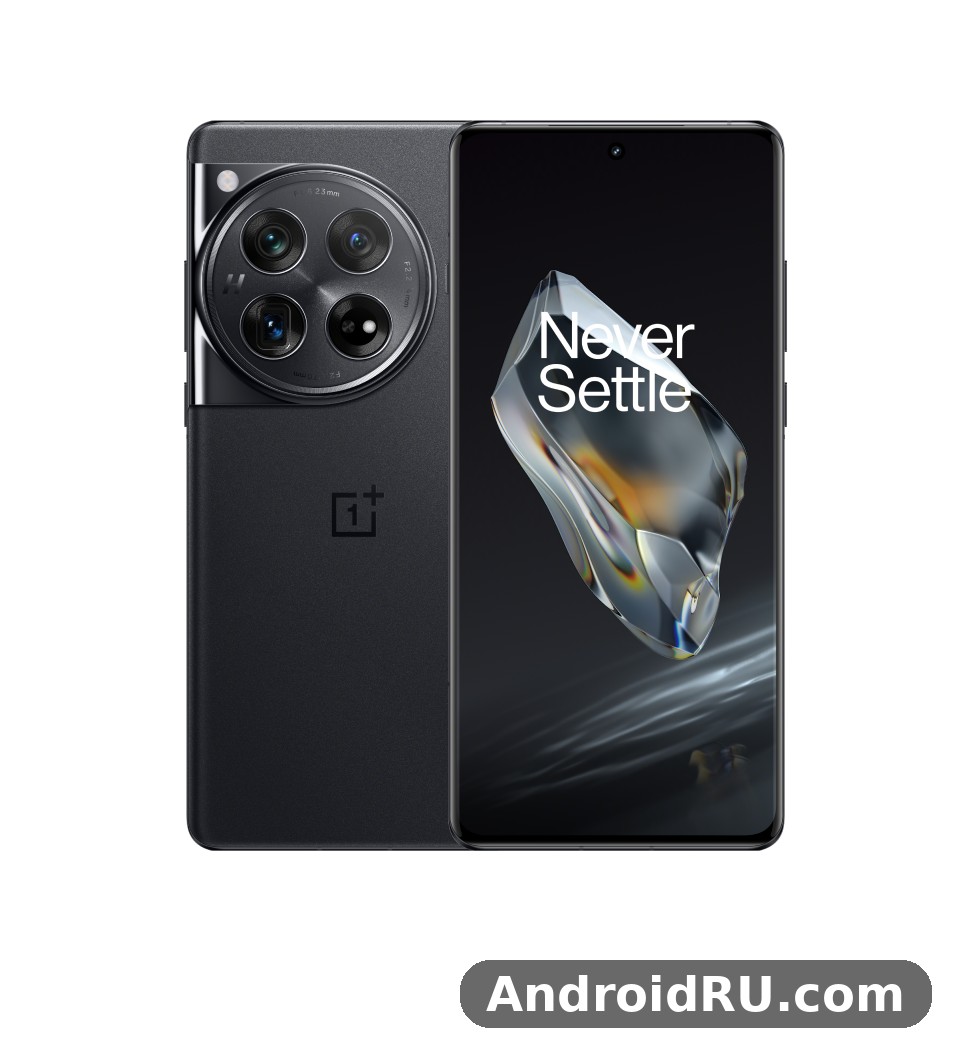
I have used the OnePlus 12 as a daily phone across workdays, long travel days, and weekends full of photos, and the pattern that kept repeating was simple: it rarely got in the way. The battery lasted, the screen stayed readable in sunlight, the cameras produced shots I was happy to keep, and the software did not demand constant attention. That sounds like a low bar, but plenty of expensive phones trip over one of those four things. The OnePlus 12 does not, and that is the core of its appeal.
This review covers the design and build, the display, OxygenOS 14, raw speed and gaming, the full camera system, battery life and charging, and the complete specification sheet. It also compares the phone with its closest rivals, lists the real pros and cons, and ends with a straight verdict on who should still buy one in 2026. If you want the short version first: this is a flagship that puts its money into the screen, the battery, and the cameras, and it shows.
OnePlus 12 Design and Build Quality
The OnePlus 12 design is confident without being loud. The phone measures 164.3 x 75.8 x 9.2 mm and weighs 220 grams, which puts it firmly in large-phone territory, but the curved glass on the front and back helps it sit comfortably in the hand. The frame is aluminium, the back is Gorilla Glass 5, and the front is protected by Gorilla Glass Victus 2. Pick it up and it feels dense and solid, the way a phone at this price should feel, with no flex and no hollow spots.
The big circular camera housing on the back is the design signature. It sits off to one side, flows into the frame with a polished steel edge, and holds three lenses plus the Hasselblad branding. Some people love the watch-dial look, others find it oversized, but nobody mistakes it for another phone. The alert slider is still here on the left edge, a small OnePlus trademark that lets you flip between ring, vibrate, and silent without waking the screen. It is one of those features you forget about until you use a phone without it.
OnePlus 12 durability in daily use is solid. The glass back picks up fingerprints, especially on the black model, so a case is worth using if that bothers you. The curved screen edges look elegant, though they can catch stray touches when you grip the phone tightly. After months of pocket and bag duty, the frame and glass held up well, with the usual small scuffs only showing on the metal edges. A screen protector and a slim case solve nearly all of it.
Flowy Emerald and Silky Black Finishes
The two main colours are Silky Black and Flowy Emerald, with a Glacial White option in some markets. Silky Black has a fine matte texture that hides smudges better than glossy black phones and feels slightly grippy. Flowy Emerald is the showpiece: a deep green with a marble-like pattern that shifts as the light moves across it, and each unit looks slightly different. If you want the phone to stand out, the green is the one to get. The white version is clean and understated, closer to a classic flagship look.
Colour choice also affects how the camera housing reads. On the green model the housing blends into the back with a matching tint, while on the black model it stands out as a polished disc. Either way the phone photographs well, which matters for a device whose cameras are a headline feature. The finish does not change the OnePlus 12 specs, but it changes how the phone feels every time you pick it up, and the green finish is the one people ask about.
IP65 Rating and Everyday Durability
The OnePlus 12 IP65 water resistance rating is one of the few specs where this phone trails the very best flagships, which usually carry IP68. IP65 means the phone is protected against dust and against low-pressure water jets, so rain, splashes, and a quick rinse are fine, but it is not rated for submersion. In practice that covers almost everything a normal day throws at a phone. I used it in heavy rain and near a sink without a second thought, and it never complained.
That said, you should not take it swimming or drop it in a pool on purpose. The rating is a safety net, not an invitation. Compared with the IP68 rating on a Galaxy S24, this is a genuine trade-off, and it is worth knowing before you buy. For most buyers it will never matter. For anyone who spends a lot of time near water, it is the one spec to weigh honestly. The OnePlus 12 waterproof question comes up often, and the honest answer is: protected against rain and splashes, not built for submersion.
Build quality elsewhere is strong. The buttons are firm and clicky, the USB-C port is centred on the bottom edge, and the dual SIM tray sits alongside it. There is no headphone jack and no microSD slot, which is standard for flagships now. The vibration motor is precise and quiet, giving a firm tap for typing and notifications rather than a loose buzz. Small details like that add up over a year of daily use.
OnePlus 12 Display Quality and Brightness
The OnePlus 12 display is one of the best screens on any phone at its launch price, and it still holds up well in 2026. It is a 6.82-inch LTPO AMOLED panel with a 1440 x 3168 resolution, a 1-120Hz adaptive refresh rate, and a peak brightness rating of 4,500 nits. The panel supports Dolby Vision and HDR10+, covers 100 percent of the DCI-P3 colour gamut, and renders 10-bit colour. On paper that is a flagship checklist. In daily use it is the part of the phone you notice most, because you look at it for hours every day.
OnePlus 12 display quality and brightness are the two things that stand out first. Colours are vivid without looking cartoonish in the default Vivid mode, and the Natural mode pulls them back to a calmer, more accurate look for photo editing. Text is razor sharp at 510 pixels per inch, and the curved edges make the screen feel larger than its already large size. Watching video on this panel is a pleasure: HDR highlights pop, dark scenes keep detail, and the stereo speakers fill in the rest.
The OnePlus 12 display 120Hz refresh rate test in real use is simple to run: scroll through a feed, open an app, swipe back home. Motion stays smooth because the LTPO panel can drop to 1Hz on a static page to save power and jump to 120Hz the moment you move. The adaptive behaviour works quietly in the background, and I never had to think about it. Games that support high frame rates feel responsive, and the 240Hz touch sampling rate keeps taps and swipes feeling immediate.
Brightness is where this screen pulls ahead of older flagships. Outdoors in direct sun, the panel stays readable where many phones wash out. The 4,500-nit figure is a peak for small HDR highlights rather than the whole screen, but the full-screen brightness is still high enough for bright daylight. If you spend time outdoors, read maps in the sun, or take photos on bright days, this matters more than most spec-sheet numbers.
Brightness and Outdoor Visibility
On a sunny afternoon I could read messages, frame photos, and check a map without cupping the screen or hunting for shade. Auto-brightness reacts quickly and rarely overshoots, which is not true of every phone. The screen also has a 2,160Hz PWM dimming mode, which some people find easier on the eyes at low brightness in dark rooms. If you use your phone in bed at night, the low-brightness behaviour is gentle, and the eye-comfort mode warms the colour temperature without turning everything orange.
One weak point is the curved edge. It looks premium, but it can create a slight colour shift at extreme angles and occasional accidental touches. OnePlus includes palm rejection that works well most of the time, and a case with a raised lip removes the problem almost entirely. It is a fair trade for the look, though flat-screen fans will prefer the OnePlus 13, which moved to a flatter panel. That change alone is a reason to compare the two generations side by side before buying, and the OnePlus 13 Review: Photo Quality, Video and Performance covers what changed in the newer model.
OnePlus 12 Software: OxygenOS 14 Features
OnePlus 12 software is OxygenOS 14, built on Android 14, and it is one of the main reasons people pick this phone. OxygenOS has a clean look, fast animations, and very little clutter. The home screen, app drawer, and settings all feel close to stock Android, with a few OnePlus touches layered on top: the Shelf, a smart sidebar for quick tools, a Zen Mode for focus, and deep customisation for the always-on display, icons, and fonts. Nothing here shouts for attention, and that is the point.
The OnePlus 12 OxygenOS 14 features review starts with speed. Animations are quick and consistent, apps open without stutter, and the phone rarely makes you wait. The Shelf, reached by swiping down on the home screen, holds widgets, quick tools, and a step counter. The sidebar can hold favourite apps for split-screen multitasking. The always-on display can show the time, notifications, and a bit of context like the weather, and the customisation options let you change its look without installing anything extra.
OnePlus 12 software update policy years are generous for a phone of this generation: four major Android version updates and five years of security patches. That means a phone bought in 2024 should keep getting new Android versions into 2028, with security updates into 2029. The OnePlus 12 software update policy years commitment is a big part of the value case in 2026, because it means the phone is not about to be abandoned. Updates have arrived steadily, and OxygenOS 15 brought further polish and new AI tools to the phone after launch.
AI features arrived gradually. The phone gained AI tools for photo editing, such as removing unwanted objects and reflections, plus writing and summarisation helpers in some apps. These are useful additions rather than the main event, and they work on-device or in the cloud depending on the feature. The core experience is still speed and simplicity, not a pile of AI demos. If you want a phone that feels the same after a year as it did on day one, OxygenOS is a strong reason to choose this one.
Bloatware is light. OnePlus ships a handful of its own apps plus the standard Google set, and most of the rest can be removed. There are no aggressive duplicate app stores or heavy third-party preloads on the global model. Notifications are well behaved, and the permission controls are the standard Android ones, easy to find and easy to change. Battery optimisation does occasionally close a background app too eagerly, which can delay a notification from a less common app, but the usual fix is to lock the app in the recent-apps view.
Daily Use and the Alert Slider
Day to day, the phone feels fast in a way that is hard to capture in a benchmark chart. Unlocking is quick, the fingerprint reader is reliable, and face recognition works well enough for everyday use. The OnePlus 12 fingerprint sensor reliability is good: the optical in-display reader is fast and accurate once you register the same finger twice, and it works with dry hands better than some rivals. Wet fingers still slow it down, which is true of almost every optical reader.
The alert slider deserves another mention because it changes how you manage sound. Slide it down for silent, middle for vibrate, up for ring. No menus, no screen needed. It is a tiny hardware feature that saves dozens of small interactions a week. The OnePlus 13s Review: Build Quality, Software and Daily Speed shows how the newer compact model keeps the same idea in a smaller body, and the comparison is useful if you are torn between a large screen and a smaller phone.
Software Update Policy in Practice
Four major updates and five years of security patches sounds good on a slide, but what matters is how the updates arrive. On the OnePlus 12, major updates have come within a reasonable window after Google’s releases, and monthly security patches have been regular. The phone I used received its updates without drama, and each one kept the phone feeling current. If you plan to keep a phone for three or four years, this support window is one of the strongest arguments for the OnePlus 12 over cheaper phones that stop at two updates.
OnePlus 12 Performance: Snapdragon 8 Gen 3
OnePlus 12 performance is built on the Snapdragon 8 Gen 3, Qualcomm’s flagship chip for the 2024 generation, paired with up to 16GB of LPDDR5X RAM and up to 512GB of UFS 4.0 storage on the global model. The OnePlus 12 Snapdragon 8 Gen 3 performance is fast in every sense that matters: apps open instantly, heavy games run at high settings, photo processing is quick, and multitasking between a dozen apps does not slow the phone down.
The OnePlus 12 16GB RAM performance test in daily use is almost boring, because nothing struggles. I kept a browser with many tabs, a maps app, a music app, and a game running at once, and switching between them was instant, with no reloads. The 12GB model is the sensible pick for most buyers, and the 16GB model adds headroom for heavy multitaskers. The OnePlus 12 storage speed UFS 4.0 also shows up in real use: installing large games and copying big video files is noticeably quicker than on phones with older storage.
OnePlus 12 benchmarks place the phone near the top of its generation. In Geekbench 6 it scores roughly 2,200 in single-core and around 6,900 in multi-core, and in AnTuTu it lands in the region of 2 million points, depending on the test version and the phone’s temperature. Those numbers put it ahead of the previous generation by a wide margin and close to the best Android phones of 2024. Benchmarks are not the whole story, but they confirm what daily use suggests: this chip has power to spare.
The chip is paired with a large vapour chamber cooling system, which is a bigger deal than it sounds. The OnePlus 12 uses a dual cryo-velocity vapour chamber that spreads heat across the body, so the phone can hold high performance for longer before it needs to slow down. In a 20-minute stress test the phone throttles gently rather than falling off a cliff, which is the behaviour you want. The OnePlus 12 thermal behaviour under load is controlled: the phone gets warm during long gaming sessions, as any flagship does, but it does not get uncomfortably hot in normal use.
OnePlus 12 Gaming Performance Test
The OnePlus 12 gaming performance test results are strong. Genshin Impact runs at high settings with smooth frame rates, and the phone holds its frame rate well over a 30-minute session. PUBG Mobile and Call of Duty Mobile run at their highest settings without trouble. The large screen, stereo speakers, and strong haptics make the phone a genuinely good gaming device, and the 120Hz display keeps motion fluid in games that support it.
OnePlus 12 gaming also benefits from a dedicated gaming mode that blocks notifications, locks brightness, and prioritises performance. You can also use the phone’s 4,500-nit-capable screen outdoors between matches, though you will want a case with grip for long sessions, since the glass back gets slippery with warm hands. The OnePlus 12 overheating during gaming test shows the phone warming up after 20 to 30 minutes of heavy play, with frame rates staying playable and the chassis cooling down quickly once you stop. It is not a dedicated gaming phone, but it is closer to one than most flagships.
The phone also supports ray tracing in games that use it, and the Adreno 750 GPU handles it without turning the phone into a hand warmer. Battery drain during gaming is real, roughly 15 to 20 percent per hour in heavy titles, so a charger nearby helps for marathon sessions. The 100W charging means a quick break refills a large chunk of battery, which changes how you think about gaming on the go.
Thermal Behaviour Under Sustained Load
Sustained load is where cheaper phones give up and flagships earn their price. The OnePlus 12 keeps its composure: after 20 minutes of a heavy benchmark loop, performance settles at a stable level rather than dropping sharply. The back of the phone warms up near the camera housing, which is where the chip sits, but the grip area stays comfortable. In normal use, including navigation, video calls, and photo editing, the phone stays cool. That stability is what makes the Snapdragon 8 Gen 3 feel fast after a year, not just on launch day.
For buyers comparing generations, the jump from the OnePlus 11 to the 12 is meaningful in performance and cooling, not just in numbers. The OnePlus 11 Review: Photo Quality, Video and Performance covers the older model in detail, and the gap in sustained performance and battery life is one of the clearest reasons to pick the 12 over a discounted 11. The OnePlus 12R Review: Daily Performance and Key Features is the other comparison worth reading, because the 12R offers much of the same speed at a lower price, with a different camera and charging setup.
OnePlus 12 Camera Quality and Hasselblad Tuning
The camera is where the OnePlus 12 makes its biggest claim, and it is also where the Hasselblad partnership matters most. The rear system has three cameras: a 50MP main camera with a Sony LYT-808 sensor and optical image stabilisation, a 64MP periscope telephoto with 3x optical zoom, and a 48MP ultrawide with a 114-degree field of view. The front camera is 32MP. The OnePlus 12 Hasselblad camera review starts with colour: Hasselblad tuning gives photos a natural, slightly warm look with restrained saturation, which is a clear change from the oversaturated look of older OnePlus phones.
OnePlus 12 camera quality in low light is strong for its generation. The main sensor is large, the lens is bright at f/1.6, and the night mode combines multiple frames without turning night into day. Photos taken in dim restaurants and on evening streets keep detail in the shadows and keep highlights from blowing out. Noise is controlled, and the phone does a good job of keeping skin tones natural rather than waxy. It is not quite at the level of the very best camera phones in the darkest scenes, but it is close enough that most people will not notice the gap.
Daylight photos are the phone’s comfort zone. The main camera produces sharp, well-exposed images with pleasing colour and good dynamic range. The Hasselblad colour science shows in greens and skin tones, which look natural rather than pushed. The phone also offers Hasselblad portrait mode with a 24mm, 28mm, 35mm, 50mm, and 85mm range in the camera app, letting you pick a focal length the way a photographer picks a lens. OnePlus 12 portrait mode camera samples show clean subject separation and a soft, believable background blur, especially at 50mm and 85mm.
The camera app itself is fast and well organised. It opens quickly, switches lenses without a long pause, and offers Pro mode, long exposure, night mode, and a dedicated Hasselblad mode with a classic shutter sound. Photo processing takes a moment after each shot, and the phone sometimes applies a little too much sharpening to fine detail, but the results are consistent. If you shoot a lot of photos, the consistency matters more than any single spectacular shot.
Main Camera and Low Light
The 50MP main camera uses pixel binning to produce 12.5MP images by default, which is the right call: the binned shots are cleaner, with better dynamic range and less noise than the full-resolution mode. You can switch to full 50MP for scenes with fine detail, like a landscape, but the default mode is the better everyday choice. The OnePlus 12 night mode on the main camera is reliable, taking a second or two to capture and producing a bright, clean image without the artificial glow that some phones add.
Indoor shots benefit from the fast lens and good stabilisation. I took photos in museums, cafes, and dimly lit rooms, and the hit rate was high. The phone rarely produced a blurry shot unless the subject was moving quickly. For moving subjects, the action mode helps, though it is not magic. The main camera is the lens you will use most, and it is the strongest part of the system.
Periscope Telephoto Zoom
OnePlus 12 telephoto performance is a step up from the previous generation, thanks to the 64MP periscope lens with 3x optical zoom. At 3x, photos are sharp and detailed, with good colour matching to the main camera. At 6x, the phone uses sensor cropping and processing to produce usable shots, and at 10x the results are still decent in good light. Beyond that, quality drops off, as it does on every phone. The OnePlus 12 periscope telephoto zoom quality at 3x is the sweet spot, and it is genuinely useful for portraits, events, and details you cannot walk closer to.
The OnePlus 12 zoom range in the camera app goes up to 120x digital, but the realistic useful range ends around 10x to 20x in daylight. The telephoto lens also helps with portraits, giving a natural compression that flatters faces. In low light the telephoto leans on the main camera for some shots, which is normal for periscope systems. Overall, the zoom system is one of the best reasons to choose the 12 over the cheaper 12R, which has a simpler camera setup.
Ultrawide and Portrait Mode
The OnePlus 12 ultrawide camera is a 48MP sensor with autofocus, which means it doubles as a macro camera. Ultrawide shots are sharp in the centre with a little softness at the edges, and the 114-degree field of view is wide enough for landscapes and tight interiors without obvious distortion. The OnePlus 12 ultrawide camera night mode works well for its class, though it cannot match the main camera in very dark scenes. The ultrawide is the lens for group shots, buildings, and scenery, and it earns its place.
Macro mode kicks in automatically when you get close to a subject, and it captures fine detail in flowers, food, and small objects. The autofocus on the ultrawide is a real advantage over fixed-focus ultrawide cameras, which often produce soft close-ups. Portrait mode, as noted, is strong, with a natural blur and good edge detection on hair and glasses. The Hasselblad portrait filters add a film-like look that suits some subjects, though the default look is the safer choice for most people.
Selfies from the 32MP front camera are sharp and natural, with good dynamic range and a portrait mode that handles background blur well. Video calls look clean, and the front camera supports 4K video. The phone does not oversmooth skin by default, which is a relief, and the colour matches the rear cameras closely enough that switching between them does not feel jarring.
Video Recording Quality
OnePlus 12 video recording 8K quality is available at 24 frames per second, with 4K at up to 60 frames per second as the more practical choice. The 4K footage is stabilised, sharp, and well exposed, with good colour and smooth motion. The phone can record in Dolby Vision HDR, which gives video a wider dynamic range on compatible screens. Audio from the stereo microphones is clear, with good wind-noise reduction outdoors. For casual video and social clips, the OnePlus 12 is more than capable, and the 4K 60fps mode is the one I used most.
Video stabilisation is electronic with the help of optical stabilisation on the main lens, and it handles walking shots well. Running or fast panning will still show some shake, but the ultra-steady mode helps at the cost of a cropped frame. The OnePlus 13R Review: Cameras, Performance and Battery Life is a useful read if video and battery are your top priorities, because the 13R takes a different approach to the same problems at a lower price.
OnePlus 12 Battery Life and Charging Speed
The OnePlus 12 battery is a 5,400mAh cell, one of the largest in a mainstream flagship of its generation, and it is the single biggest practical upgrade over the OnePlus 11. The OnePlus 12 battery life test results are consistent: two days of light to moderate use, or a full heavy day with hours of screen time to spare. In my own use, a day of maps, messaging, photos, and video left around 30 to 40 percent at bedtime, which is comfortable headroom.
The OnePlus 12 5400mAh battery endurance test in controlled conditions tells the same story. With the screen at 120Hz and mixed use, the phone reaches around 14 to 16 hours of screen-on time across two days of light use, or roughly 8 to 9 hours of screen-on time in a single heavy day. Video playback stretches past 20 hours, and web browsing is similarly strong. The large battery plus the efficient LTPO display is a combination that works: the screen saves power when it can, and the battery has capacity to spare when it cannot.
Charging is where OnePlus has always led, and the 12 is no exception. The OnePlus 12 charging speed 100W test with the included 100W SuperVOOC charger takes the phone from empty to full in about 26 minutes, with 50 percent in roughly 10 minutes. That speed changes how you charge: instead of plugging in overnight, you can top up while you get ready in the morning. The charger is included in the box in most markets, which is increasingly rare and worth noting.
Wireless charging is also fast. The OnePlus 12 wireless charging speed test with the 50W AirVOOC wireless charger reaches a full charge in about 55 minutes, which is faster than many phones manage over a cable. The phone also supports 10W reverse wireless charging, so you can top up earbuds or a watch from the back of the phone. Battery health features let you limit charging to 80 percent overnight, which helps the battery last longer over the years.
Real-World Battery Endurance
Real-world endurance depends on how you use the phone, so here is what I actually saw. A travel day with navigation, photos, and messaging used about 60 percent over 14 hours. A work-from-home day with Wi-Fi, calls, and browsing used about 35 percent. A gaming-heavy evening used more, as expected, but the phone never died before bedtime. The OnePlus 12 battery in 2026 still holds up well, because the capacity is large enough that normal battery wear does not turn into a daily problem.
Standby drain is low, and the phone loses only a few percent overnight. That sounds minor, but it matters: a phone that loses 10 percent overnight starts every day behind. The OnePlus 12 does not. The OnePlus 12R covers a phone with an even larger 5,500mAh battery, so if battery is your single biggest priority, that comparison is worth your time.
Full Specifications
The OnePlus 12 full specifications and price picture is straightforward: this is a complete flagship spec sheet with very few gaps. The table below lists the full OnePlus 12 specs, from the display and chipset to the cameras, battery, and connectivity. Use it to compare the phone against rivals, or to check a single detail before you buy. The OnePlus 12 price in 2026 varies by market, storage, and condition: the phone launched at $799.99 in the US and £849 in the UK for the 16GB and 512GB model, with a 12GB and 256GB model at a lower launch price, and in 2026 it is commonly found well below its launch price as a new old-stock or refurbished unit, so check current listings for the exact figure in your region.
| Feature | OnePlus 12 |
|---|---|
| Display | 6.82-inch LTPO AMOLED, 1440 x 3168, 120Hz adaptive, 4500 nits peak, Dolby Vision, HDR10+, Gorilla Glass Victus 2 |
| Chipset | Qualcomm Snapdragon 8 Gen 3, Adreno 750 GPU |
| RAM | 12GB or 16GB LPDDR5X |
| Storage | 256GB or 512GB UFS 4.0, no microSD slot |
| Rear cameras | 50MP main (Sony LYT-808, f/1.6, OIS) + 64MP periscope telephoto 3x optical + 48MP ultrawide 114 degrees, Hasselblad tuning |
| Front camera | 32MP, f/2.4, 4K video |
| Video | 8K at 24fps, 4K at 60fps, Dolby Vision HDR |
| Battery | 5400mAh, 100W wired SuperVOOC, 50W wireless AirVOOC, 10W reverse wireless |
| Software | OxygenOS 14 based on Android 14, 4 major updates, 5 years security patches |
| Dimensions | 164.3 x 75.8 x 9.2 mm, 220 g |
| Build | Aluminium frame, Gorilla Glass 5 back, IP65 dust and water resistance |
| Connectivity | 5G, Wi-Fi 7, Bluetooth 5.4, NFC, USB-C 3.2, IR blaster, dual SIM |
| Audio | Dual stereo speakers, no headphone jack |
| Security | In-display optical fingerprint sensor, face recognition |
| Colours | Silky Black, Flowy Emerald, Glacial White (market dependent) |
OnePlus 12 dimensions of 164.3 x 75.8 x 9.2 mm and a weight of 220 grams make this a large, heavy phone, and you should try one in a shop if you can before buying. The size is the price of the big screen and the big battery, and most buyers get used to it within a week. One-handed use is possible for basic tasks, but two hands are better for typing and for reaching the top of the screen. The OnePlus 12 sensors include an accelerometer, gyroscope, proximity sensor, ambient light sensor, compass, and the in-display fingerprint reader, plus a barometer in some regions.
OnePlus 12 connectivity covers the full modern checklist. The OnePlus 12 5G bands and connectivity include sub-6GHz and mmWave 5G in supported regions, Wi-Fi 7 for fast home networks, Bluetooth 5.4 for earbuds and watches, NFC for payments, and an IR blaster for controlling a TV or air conditioner. The USB-C port supports USB 3.2 speeds, which makes wired file transfers quick. Dual SIM support is standard, with an eSIM option in some markets.
OnePlus 12 vs Rivals: Comparison Table
The OnePlus 12 vs OnePlus 13 comparison is the one most buyers ask about, because the 13 is the direct successor. The 13 brings a newer chip, a flatter screen, a bigger battery, and an IP68 rating, but it also costs more. The OnePlus 12 vs Samsung Galaxy S24 comparison is the other big one: the S24 is smaller, has a longer software support window, and carries the Samsung camera and AI ecosystem, while the OnePlus 12 offers a bigger screen, a bigger battery, and faster charging for less money. The table below lays out the key differences.
| Feature | OnePlus 12 | OnePlus 13 | OnePlus 12R | Samsung Galaxy S24 |
|---|---|---|---|---|
| Display | 6.82-inch 1440p 120Hz AMOLED | 6.82-inch 1440p 120Hz AMOLED, flat | 6.78-inch 1264p 120Hz AMOLED | 6.2-inch 1080p 120Hz AMOLED |
| Chipset | Snapdragon 8 Gen 3 | Snapdragon 8 Elite | Snapdragon 8 Gen 2 | Snapdragon 8 Gen 3 / Exynos 2400 |
| Battery | 5400mAh, 100W wired | 6000mAh, 100W wired | 5500mAh, 100W wired | 4000mAh, 25W wired |
| Main camera | 50MP with OIS | 50MP with OIS | 50MP with OIS | 50MP with OIS |
| Zoom | 64MP periscope 3x | 50MP periscope 3x | 8MP ultrawide only | 10MP telephoto 3x |
| Water rating | IP65 | IP68 and IP69 | IP64 | IP68 |
| Wireless charging | 50W | 50W | None | 15W |
| Software support | 4 OS updates, 5 years security | 4 OS updates, 6 years security | 3 OS updates, 4 years security | 7 OS updates, 7 years security |
The table makes the trade-offs clear. The OnePlus 12 sits in a sweet spot: flagship cameras and charging, a huge battery, and a price that has fallen since launch. The OnePlus 13 is better in almost every row, but it costs more, and the gap in daily use is smaller than the gap on paper. The 12R is cheaper and has a bigger battery, but it drops the periscope zoom and wireless charging. The S24 is the better pick if you want a small phone and the longest support, but its battery and charging are a clear step down. Your choice depends on which row matters most to you.
Pros and Cons and Who Should Buy the OnePlus 12
The OnePlus 12 pros cons balance is what decides the purchase, and it is a favourable one. On the plus side, you get a superb screen, a huge battery with very fast charging, a versatile camera system, and clean software with a long support window. On the minus side, the IP65 rating trails the best flagships, the phone is large and heavy, and the curved screen will not suit everyone. None of the cons are deal-breakers on their own, but together they define who this phone is for.
Pros:
- Excellent 6.82-inch 120Hz AMOLED display that stays bright outdoors and renders HDR video beautifully.
- Large 5400mAh battery with two-day light use and 100W wired plus 50W wireless charging.
- Versatile Hasselblad camera system with a strong main sensor, a useful 3x periscope zoom, and a macro-capable ultrawide.
- Fast Snapdragon 8 Gen 3 performance with up to 16GB of RAM and quick UFS 4.0 storage.
- Clean OxygenOS 14 with four major updates and five years of security patches promised.
- Alert slider, IR blaster, and 100W wired charging with the charger included in the box in most markets.
Cons:
- IP65 rating only, so the phone is protected against rain and splashes but not rated for submersion.
- Large and heavy at 220 grams, which makes one-handed use a stretch for smaller hands.
- Curved screen edges can catch stray touches and show a slight shift at extreme angles.
- No microSD slot and no headphone jack, which is standard for flagships but still worth noting.
- Ultrawide and telephoto cameras fall behind the main sensor in very low light.
- OnePlus 12 speakers are good and loud, with clear stereo separation, but they lack the deep bass of the best-sounding phones in this class.
OnePlus 12 long term review after one year: the phone ages well. The battery still lasts a full day easily, the software still feels fast, and the cameras still produce shots worth keeping. The large battery is the main reason: even with normal wear, the capacity is big enough that a year of use does not turn into a daily charging problem. The screen, the alert slider, and the charging speed are the things owners mention most when asked what they would miss, and that tells you where the phone’s real strengths sit.
Who should buy it? Anyone who wants a big-screen flagship with a great camera and a battery that lasts, without paying the newest flagship price. It suits photographers who want a versatile zoom, travellers who need a battery that survives long days, and gamers who want a fast chip and a bright screen. It is less suited to people who want a small phone, people who need the longest possible software support, or anyone who regularly takes a phone near a pool. My OnePlus 12 verdict is simple: in 2026 this is one of the best-value flagships you can buy, provided you are happy with its size and its IP65 rating.
Frequently Asked Questions
Is OnePlus 12 worth buying in 2026?
Yes, for most buyers. The Snapdragon 8 Gen 3 is still fast, the cameras are still competitive, the battery is bigger than many 2026 phones, and the price has fallen well below launch. You give up the newest chip, the flattest screen, and an IP68 rating, but you save a meaningful amount of money. If you keep a phone for two to three years, the four major updates and five years of security patches keep it current for that whole period. Buy the 16GB and 512GB model if the price gap is small, since it gives you more headroom for the future.
Does the OnePlus 12 have wireless charging?
Yes. It supports 50W wireless charging with the OnePlus AirVOOC wireless charger, reaching a full charge in about 55 minutes, and it supports 10W reverse wireless charging for earbuds and watches. Standard Qi wireless chargers also work, though at lower speeds. This is a real advantage over the cheaper OnePlus 12R, which has no wireless charging at all, and it is one of the fastest wireless charging setups on any phone.
How long does the OnePlus 12 battery last?
For most people, a full day with 30 to 40 percent left at bedtime, or two days with light use. Heavy days with navigation, photos, and gaming still get through a day. In controlled testing the phone reaches around 8 to 9 hours of screen-on time in a heavy day and 14 to 16 hours across two light days. If the battery does run low, a 10-minute charge with the 100W charger adds roughly half a charge, so the phone rarely keeps you waiting.
OnePlus 12 vs OnePlus 12R which is better?
The OnePlus 12 is the better phone overall, with a periscope telephoto camera, wireless charging, a sharper 1440p display, and a faster chip. The 12R is the better value if those extras do not matter to you: it has a slightly larger 5,500mAh battery, the same 100W charging, and a lower price. Choose the 12 if you care about zoom photos and wireless charging. Choose the 12R if you want the longest battery life for the least money and you mostly shoot with the main camera.
If you are still deciding, read the comparison table above and weigh the rows that matter to you, then check current prices for both models in your region. The gap between them is smaller than the gap between either one and a brand-new flagship, and both are strong phones in 2026. Whichever you pick, buy from a seller with a clear warranty, check that the model matches your region’s 5G bands, and set up the alert slider on day one. The OnePlus 12 rewards owners who use it hard: the screen, the battery, and the cameras are built for long days, and after a year of that kind of use, it still feels like a flagship.

