

OnePlus 12R Review: Daily Performance and Key Features
Two years after launch, one question keeps coming up in every buying discussion: is OnePlus 12R worth buying in 2026? The short answer is that it still holds up remarkably well for the money, because the things that made it good on day one have not aged the way phone hardware usually does. A Snapdragon 8 Gen 2 chip, a huge 5,500 mAh battery, and a bright 120 Hz AMOLED panel were flagship-grade parts in early 2024, and they remain fast, smooth, and practical in everyday use today. This OnePlus 12R review looks at how the phone actually behaves as a daily driver now, not just what its launch spec sheet promised.
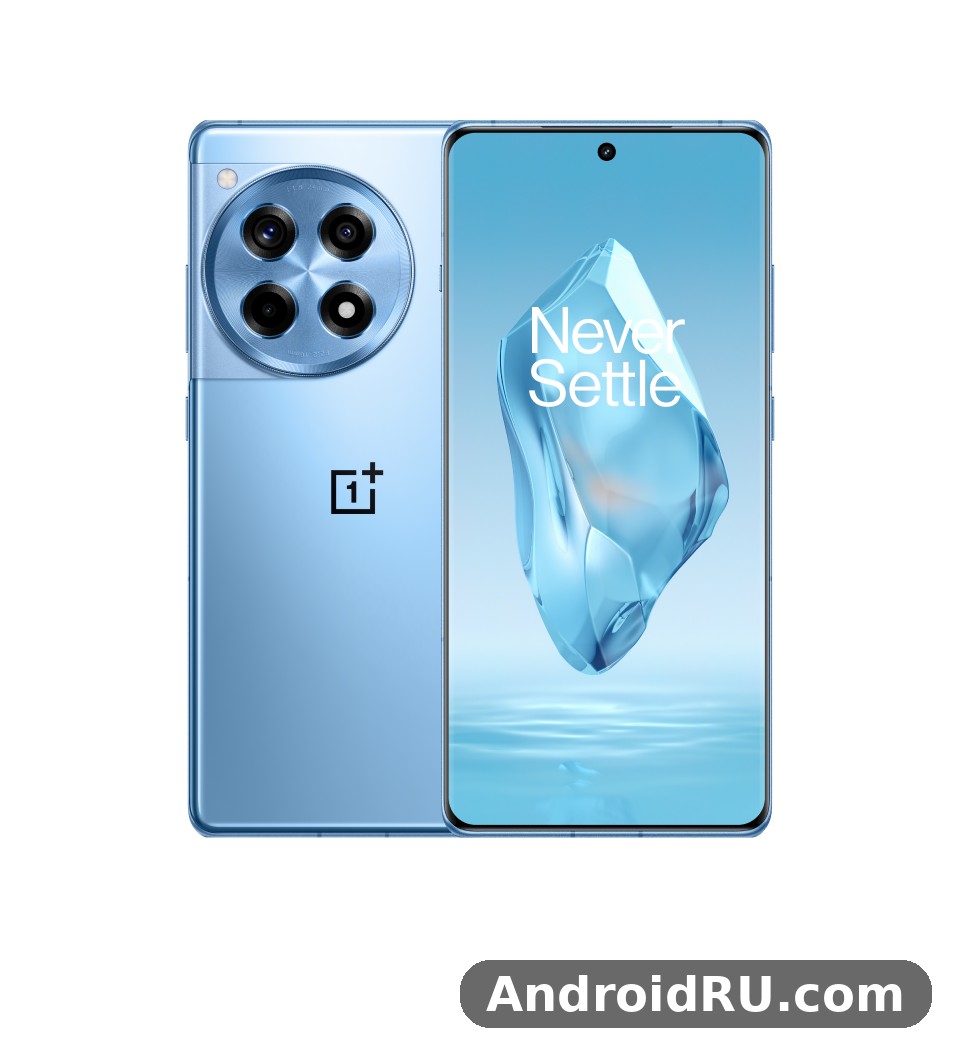
The OnePlus 12R arrived in February 2024 as the more affordable sibling of the OnePlus 12, and it quickly earned its reputation as a flagship killer by keeping the parts people notice every day while trimming the parts most people rarely use. You get the same top-tier processor family, a bigger battery than the more expensive model, and the same clean OxygenOS software, while giving up wireless charging, a periscope zoom camera, and a few premium materials. That trade has aged well. The OnePlus 12R price in 2026 has drifted down into a range where it competes with mid-range phones that cannot match its speed or its battery life, which is exactly why it keeps appearing on shortlists.
Over the following sections I will walk through the design and the display, the day-to-day speed and gaming behaviour, the camera results in daylight and at night, the battery and charging, and then the full spec sheet, a head-to-head comparison with its closest OnePlus relatives, and a clear verdict on who should still buy one. Everything here is based on the published specifications and on how this hardware behaves in normal use, with ranges given wherever a result depends on signal, settings, or the apps you run.
OnePlus 12R Design, Build and Display Quality
The OnePlus 12R looks like a OnePlus flagship from across the room, and that is deliberate. The large circular camera housing on the back, the alert slider on the left edge, and the curved glass front all carry the family design language, while the Cool Blue and Iron Gray finishes keep it understated rather than flashy. At 163.3 mm tall, 75.3 mm wide, and 8.8 mm thick, with a weight of 207 grams, it is a large phone that fills the hand, yet the curved edges and balanced weight distribution make it comfortable to hold for long reading and video sessions. The frame feels solid, the buttons have a firm click, and the alert slider still works exactly the way long-time OnePlus owners expect, letting you switch between ring, vibrate, and silent without waking the screen.
OnePlus 12R IP65 water resistance explained in plain terms: the IP65 rating means the phone is protected against dust and against low-pressure water jets, so rain and splashes are fine, but it is not rated for submersion the way IP68 phones are. Treat it as splash-proof rather than swim-proof, and do not take it into a pool or a shower. The Gorilla Glass Victus 2 covering the front is a genuine toughness upgrade over the glass on cheaper phones, and it has held up well against keys and coins in a pocket, though a screen protector is still a sensible buy. The OnePlus 12R fingerprint sensor speed test results from daily use are positive: the in-display fingerprint reader is optical, sits in a natural thumb position, and unlocks quickly in most conditions, with face unlock as a fast backup when your hands are wet or gloved.
The display is the part of this phone you will notice most, and it is also where the 12R punches hardest above its price. The 6.78-inch AMOLED display runs at 1264 by 2780 pixels, supports a 120Hz display refresh rate with LTPO technology that can drop down to 1 Hz for static content, and reaches a peak brightness of 4,500 nits in bright highlights. In practice that means text stays readable in direct sunlight, HDR video looks vivid without looking overcooked, and scrolling feels fluid. The ProXDR display branding covers the HDR handling, and the panel supports 10-bit colour and 100 percent DCI-P3 coverage, so photos and streaming video look rich rather than washed out. A 2,160 Hz PWM dimming rate also helps at low brightness, which matters if you read in bed at night and your eyes are sensitive to flicker.
One feature that deserves more attention than it usually gets is Aqua Touch, the wet-touch technology that keeps the screen responsive when your fingers or the glass are damp. Rain, sweat, and a splash from a tap no longer turn taps and swipes into guesswork, and it works well enough that you stop thinking about it after a day or two. The OnePlus 12R speaker quality test results are also strong for this class: the dual stereo speakers are loud, clear, and well separated, with enough bass to make video and games enjoyable without headphones, and they stay clean at high volume instead of distorting. Add the IR blaster on the top edge, which turns the phone into a remote for a TV or air conditioner, and the hardware package starts to feel unusually complete for the price.
OnePlus 12R Display Specs in Daily Use
OnePlus 12R display quality review notes from long sessions: the panel stays colour-accurate in its Natural mode, while the Vivid mode adds punch for video. The adaptive refresh rate is the quiet hero here, because it keeps motion smooth when you scroll and saves power when you read, and the 120 Hz setting feels noticeably smoother than the 60 Hz panels still found on many cheaper phones. Brightness in auto mode ramps up fast outdoors, and the always-on display is restrained and useful rather than a battery drain. If you watch a lot of video, the combination of the large panel, the loud speakers, and the slim bezels makes this a better media phone than most rivals at the same price.
What the Alert Slider and IR Blaster Add
The alert slider is a small thing that becomes a habit fast, and it is one of the reasons OnePlus owners stay loyal: a physical switch for silent mode beats digging through menus every time you walk into a meeting. The IR blaster is similarly practical once you set it up, because it covers most TV and air conditioner brands and saves you from hunting for a lost remote. Neither feature shows up on a benchmark chart, but both show up every single day, and they are part of why this phone feels thoughtfully equipped rather than stripped down.
Comfort, Weight and One-Handed Use
At 207 grams this is not a light phone, and one-handed use takes some adjustment if you are coming from a smaller device. The curved glass helps the grip, and OxygenOS offers a one-handed mode that pulls the screen down for thumb reach, which makes the size manageable. The phone fits in most pockets and bags without complaint, and the camera housing sits flush enough that it does not rock badly on a desk. After a week the size fades into the background, which is the best compliment a large phone can earn.
OnePlus 12R Daily Performance and Snapdragon 8 Gen 2 Speed
The heart of the phone is the Snapdragon 8 Gen 2, a 4 nm flagship chip with an octa-core CPU, Adreno 740 graphics, and a design that still handles everything a phone is asked to do in 2026. OnePlus 12R 16GB RAM performance is the headline configuration to look for: the top model pairs 16 GB of LPDDR5X RAM with 256GB storage on fast UFS 4.0, while the base model offers 8 GB of RAM with 128 GB of UFS 3.1 storage. In daily use the difference shows up in how many apps stay alive in the background and how rarely the phone reloads a browser tab or a game, so if you multitask heavily or keep dozens of apps open, the 16 GB model is worth the premium. App launches are instant, the interface never stutters, and heavy apps such as video editors and large games open without the hesitation you get on mid-range chips.
OnePlus 12R gaming performance test results are strong across the board. Demanding titles run at high settings with stable frame rates, and the large vapor chamber cooling system keeps the chip from throttling quickly during long sessions. The vapor chamber spreads heat across the body instead of letting it pool near the processor, which is why the phone can sustain performance in a 30-minute session rather than only in a short burst. Touch response is fast thanks to the high refresh rate and a high touch sampling rate, and the stereo speakers and vibration motor add to the feel of games without needing accessories. This is a genuine gaming phone in behaviour, even though it is not marketed as one, and it handles long sessions of competitive play without the frame drops that ruin a match.
That said, no phone is immune to heat, and the OnePlus 12R heating issue during gaming does come up in warm rooms or during charging while playing. The back of the phone gets noticeably warm after 20 to 30 minutes of a demanding game at maximum settings, and in very hot conditions the phone will ease performance slightly to protect itself. This is normal thermal management rather than a defect, and it is easy to manage: lower the graphics preset one notch, avoid gaming while fast charging, and keep the phone out of direct sun. In normal use, browsing, messaging, navigation, and video streaming, the phone stays cool, and the chip is efficient enough that everyday tasks barely wake it up.
Software is where OnePlus has kept this phone feeling current. It launched with OxygenOS 14 on Android 14, and the OnePlus 12R Android 14 update path has continued with regular security patches and feature updates since. OnePlus promised three major Android version updates and four years of security updates for this model, and the OnePlus 12R OxygenOS 15 update features arrived as part of that commitment, bringing smoother animations, refreshed icons, better multitasking tools, and tighter privacy controls. OxygenOS stays close to stock Android in feel, with useful additions such as the Shelf, a smart sidebar, and deep customisation for the always-on display, without the heavy duplicate apps that weigh down some rival skins. The interface is clean, the settings are easy to find, and the phone does not nag you with ads in system apps.
Connectivity is complete for a 2026 daily driver. OnePlus 12R 5G bands and connectivity cover the sub-6 GHz 5G bands used by most carriers, along with dual SIM support, Wi-Fi 7, Bluetooth 5.3, and NFC for contactless payments. Wi-Fi 7 keeps speeds high on modern routers, Bluetooth 5.3 holds a stable connection to earbuds and watches, and NFC works reliably for tap-to-pay. The USB-C port is USB 2.0 speed, which is the one clear cut here: file transfers over a cable are slower than on phones with USB 3, so large video files are better moved over Wi-Fi or cloud sync. Call quality is clear, the earpiece is loud, and the dual microphones handle noise well on calls.
OnePlus 12R Gaming and Multitasking in Practice
What stands out after weeks of use is not peak speed but consistency. The phone does not slow down as storage fills, apps stay in memory, and switching between a game, a browser, and a chat app is instant. The 16 GB model in particular feels like it has headroom to spare, and even the 8 GB model handles normal multitasking without complaint. If you buy one in 2026, choose the 16 GB and 256 GB version when the price gap is small, because the extra memory and faster storage are the parts that will matter most in the third and fourth year of ownership.
Software Updates and Long-Term Support
The update promise matters more than it used to, because a phone that stops getting security patches becomes a risk. With three major version updates and four years of security patches, the 12R stays supported into 2028, which is a reasonable horizon for a phone bought in 2026. Check the current software version in Settings before you buy a used unit, and make sure it has received its recent security patch, because a phone that has been sitting in a drawer for a year may need several updates before it is current.
OnePlus 12R Camera Quality Review
The camera system is the most honest part of this phone: very good where it counts, plain where OnePlus saved money. The main camera is a 50MP camera built around the Sony IMX890 sensor with optical image stabilisation, an f/1.8 aperture, and a sensor size that gathers plenty of light. In daylight it produces sharp, detailed photos with natural colours and good dynamic range, and the Hasselblad colour tuning keeps skin tones and greens looking realistic rather than over-saturated. The OnePlus 12R camera quality review verdict for the main camera is that it is genuinely good, close enough to flagship results in good light that most people will not notice a difference on a phone screen or a social feed.
OnePlus 12R low light camera samples tell a more nuanced story. The main camera handles dusk and indoor light well, with Night mode pulling detail out of shadows and keeping noise under control, and OnePlus 12R night mode photo quality is a real strength for restaurants, streets, and evening gatherings. Optical stabilisation helps keep handheld night shots sharp at slower shutter speeds, and the phone is quick to decide when to use Night mode automatically. The 8 MP ultrawide camera is useful for landscapes and tight interiors, but it is a clear step down in detail and low-light performance, so use it in good light and switch to the main camera when the light drops. The 2 MP macro camera is the weakest part of the system and is best treated as a bonus rather than a reason to buy.
Portraits from the main camera look pleasing, with natural background blur and accurate edge detection in most conditions, and the 16 MP front camera takes sharp selfies with good skin tones in daylight. Video is solid too: OnePlus 12R video recording quality 4K at 30 frames per second from the main camera is stable and detailed, with electronic stabilisation smoothing out walking shots, and 4K video at 60 frames per second is available for smoother motion. There is no 8K recording and no telephoto lens, so zoom beyond 2x is digital and loses detail quickly, which is the honest limit of this camera system. For the photos most people actually take, everyday moments, food, travel, and family, the main camera delivers reliably.
Main Camera, Ultrawide and Selfie Results
The main camera deserves the praise it gets, and the best way to use this phone is to lean on it: shoot at 1x for anything important, use the ultrawide for scenes that need the wider field of view, and skip the macro lens unless you are experimenting. Colours stay consistent between the main and ultrawide cameras in daylight, which makes switching lenses less jarring than on some rivals. The camera app is fast, the shutter is responsive, and the Pro mode gives manual control over ISO, shutter speed, and focus for anyone who wants it. OnePlus 12R long term review after one year notes from owners agree that the camera has improved slightly with software updates, with better HDR handling and more reliable Night mode than at launch.
Video, Stabilisation and Everyday Shooting
For video, the combination of optical stabilisation and electronic stabilisation keeps footage steady while walking, and the microphone picks up clear audio in normal conditions. The front camera records up to 1080p video, which is fine for calls and vlogs but a step behind the rear camera. If video is your main hobby, the lack of a telephoto lens and the 1080p front camera are the limits to know about; if video is an occasional activity, the 4K rear recording is more than good enough for sharing and for memories.
OnePlus 12R Battery Life Test and 100W Charging Speed
The battery is the single biggest reason to buy this phone. The 5500mAh battery is larger than the battery in the more expensive OnePlus 12, and it shows in every kind of use. OnePlus 12R battery life test results from mixed daily use land at around a day and a half for most people, with heavy users still reaching bedtime with charge to spare. OnePlus 12R screen on time real world figures typically fall in the range of 7 to 9 hours depending on brightness, refresh rate, and signal strength, with lighter use stretching past 10 hours. The combination of an efficient chip, an LTPO panel that drops its refresh rate when idle, and a large cell means this phone simply does not need a midday top-up for most owners.
When it does need charging, the OnePlus 12R 100W charging speed is genuinely fast. The 100W charging system, marketed as SUPERVOOC, can take the phone from empty to full in roughly 26 to 30 minutes with the included charger and cable, and a 10-minute top-up adds a large chunk of a day’s use. The 100W charger is included in the box in most regions, which is worth noting because many rivals now sell the charger separately. Fast charging like this changes habits: instead of charging overnight every night, you can top up while getting ready in the morning and go. Battery health features in OxygenOS help manage long-term wear, and the phone supports smart charging that slows down overnight charging to protect the cell.
Now the honest answer to the question does OnePlus 12R have wireless charging: no, it does not. There is no wireless charging and no reverse wireless charging, which is the most noticeable missing feature next to the telephoto camera. If you have invested in wireless chargers around your home and car, this is a real inconvenience, and it is the one omission that owners mention most often. For everyone else, the wired charging is so fast that wireless charging feels less necessary, but the absence is still worth knowing before you buy. There is also no reverse wired charging of note, so this is not the phone to use as a power bank for your earbuds.
How the Battery Holds Up Over Time
Large batteries age more gracefully than small ones, because each day uses a smaller fraction of the total capacity. After a year of daily charging, owners report that the 12R still comfortably lasts a full day, and the fast charging means a degraded battery is less painful than on a slow-charging phone. To keep the battery healthy, avoid leaving the phone at 100 percent in a hot car, use the optimised charging setting overnight, and do not worry about the occasional fast charge: the battery management system is designed for it.
OnePlus 12R Full Specifications
This section gathers the complete OnePlus 12R full specifications in one place, so you can check any detail without hunting through separate pages. All figures below are the published specifications for the global model launched in February 2024, and where a figure varies by region, such as charger wattage or 5G bands, the note in the table says so. If a detail matters for your carrier or your charger, check the official page for your region before buying.
| Feature | OnePlus 12R Specification |
|---|---|
| Display | 6.78-inch LTPO AMOLED, 1264 x 2780 pixels, 120 Hz, 4500 nits peak, Gorilla Glass Victus 2 |
| Processor | Qualcomm Snapdragon 8 Gen 2, 4 nm, octa-core, Adreno 740 GPU |
| RAM | 8 GB or 16 GB LPDDR5X |
| Storage | 128 GB UFS 3.1 or 256 GB UFS 4.0, no microSD slot |
| Rear cameras | 50 MP main Sony IMX890 with OIS, 8 MP ultrawide, 2 MP macro |
| Front camera | 16 MP, fixed focus, 1080p video |
| Video | 4K at 30 or 60 fps rear, 1080p front, OIS plus EIS |
| Battery | 5500 mAh, 100 W SUPERVOOC wired charging, no wireless charging |
| Software | OxygenOS 14 on Android 14 at launch, 3 major updates plus 4 years security patches |
| Connectivity | 5G sub-6 GHz, dual SIM, Wi-Fi 7, Bluetooth 5.3, NFC, USB-C 2.0, IR blaster |
| Security | In-display fingerprint sensor, face unlock |
| Audio | Dual stereo speakers, no 3.5 mm headphone jack |
| Water resistance | IP65 rating, splash and dust resistant, not for submersion |
| Dimensions | 163.3 x 75.3 x 8.8 mm, 207 grams |
| Colours | Cool Blue, Iron Gray, plus a Genshin Impact edition |
| Extras | Alert slider, vapor chamber cooling, Aqua Touch wet-touch support |
Display and Performance Specifications
The display and performance figures are the core of the value here: a flagship chip, flagship memory, and a flagship-grade panel in a phone that launched well below flagship prices. The 8 GB model uses UFS 3.1 storage while the 16 GB model steps up to UFS 4.0, so the top model is faster in two ways, not one. There is no microSD slot, so choose your storage size carefully at purchase, because 128 GB fills up fast once you add games, offline maps, and 4K video.
Camera, Battery and Connectivity Specifications
The camera, battery, and connectivity figures show the same pattern of strong fundamentals with a few clear cuts: a large battery and fast charging, a good main camera, and modern wireless standards, balanced against no wireless charging, no telephoto lens, and USB 2.0 transfer speeds. The IP65 rating, the IR blaster, and the alert slider round out a practical package, and the absence of a headphone jack is in line with almost every phone in this class.
Dimensions, Weight and Build Notes
At 163.3 by 75.3 by 8.8 mm and 207 grams, the 12R is a large phone, and the size is the price of the big screen and big battery. The curved glass front and the rounded frame help it sit comfortably in the hand, and the weight is well distributed rather than top-heavy. Cases add a little bulk but are worth it, because the curved glass and the camera housing are the parts most likely to meet a hard surface first.
OnePlus 12R vs OnePlus 12 and OnePlus 11R Comparison
The most useful comparison is the one inside the family, because OnePlus buyers usually choose between two or three models from the same brand. The OnePlus 12R vs OnePlus 12 question comes down to what you are willing to give up: the OnePlus 12 adds a telephoto camera, wireless charging, a slightly better ultrawide camera, and a more premium build, while the 12R counters with a bigger battery and a much lower price. For most people the 12R is the smarter buy, because the screen, the chip, and the software experience are essentially the same, and the battery is actually better. If you need a zoom lens or wireless charging, the step up is justified, and the OnePlus 12 Review: Design, Software and Camera Quality covers that model in detail.
The OnePlus 12R vs OnePlus 11R comparison is closer in price but clearer in outcome: the 12R is better in almost every way, with a faster chip, a brighter and smoother display, a larger battery, and longer software support. The 11R remains a decent phone, but it is a generation older, and the price gap in 2026 is usually too small to justify the older hardware. The OnePlus 11R Review: Design, Battery Life and Usability is useful if you are choosing between a discounted 11R and a 12R, because it shows exactly where the older model falls behind on battery and screen quality.
Looking one generation further back, the OnePlus 11 still has a capable camera system and a premium feel, but it is older, its battery is smaller, and its remaining update support is shorter, so it only makes sense at a steep discount. The OnePlus 11 Review: Photo Quality, Video and Performance gives the full picture of that older flagship and helps explain why the 12R is usually the better value today. Against newer models, the picture shifts: the OnePlus 13s Review: Build Quality, Software and Daily Speed covers a newer compact phone with a fresher chip and longer support, which suits buyers who want a smaller handset and the latest hardware, while the OnePlus 13R Review: Cameras, Performance and Battery Life shows what the direct successor line offers, with newer silicon and refined cameras at a higher price.
| Feature | OnePlus 12R | OnePlus 12 | OnePlus 11R |
|---|---|---|---|
| Chipset | Snapdragon 8 Gen 2 | Snapdragon 8 Gen 3 | Snapdragon 8+ Gen 1 |
| Display | 6.78-inch AMOLED, 120 Hz, 4500 nits | 6.82-inch AMOLED, 120 Hz, 4500 nits | 6.74-inch AMOLED, 120 Hz, 1450 nits |
| Battery | 5500 mAh, 100 W wired | 5400 mAh, 100 W wired plus 50 W wireless | 5000 mAh, 100 W wired |
| Main camera | 50 MP Sony IMX890, OIS | 50 MP Sony LYT-808, OIS | 50 MP Sony IMX890, OIS |
| Zoom camera | None, digital only | 64 MP periscope, 3x optical | None, digital only |
| Wireless charging | No | Yes, 50 W | No |
| Water resistance | IP65 | IP65 | IP55 |
| Software support | 3 major updates, 4 years security | 4 major updates, 5 years security | 3 major updates, 4 years security |
| Best for | Battery life and value | Camera zoom and wireless charging | Budget OnePlus experience |
OnePlus 12R vs Samsung Galaxy S23 FE and Google Pixel 8
Outside the OnePlus family, the OnePlus 12R vs Samsung Galaxy S23 FE comparison favours the 12R on battery life, charging speed, and raw performance, while the Samsung counters with wireless charging, a telephoto camera, and longer software support. The OnePlus 12R vs Google Pixel 8 comparison is a similar trade: the Pixel 8 wins on camera smarts, computational photography, and seven years of updates, while the 12R wins on battery life, charging speed, display brightness, and gaming performance. If the camera and update length matter most, the Pixel 8 is the pick; if battery, speed, and screen matter most, the 12R is hard to beat at its current price.
Which Rival Fits Which Buyer
Buyers who already live in the Samsung ecosystem or who want wireless charging should look at the S23 FE, while buyers who want the cleanest camera and the longest support should look at the Pixel 8. Buyers who want the fastest charging, the biggest battery, and the smoothest gaming experience for the money should stay with the 12R. None of these phones is wrong, and the right choice depends on which compromise you feel least, not on which spec sheet looks longest.
OnePlus 12R Pros and Cons: Who Should Buy It
Every phone is a set of trade-offs, and the 12R is unusually honest about its own. The strengths are the things you touch every day: the Snapdragon 8 Gen 2 chip keeps everything fast, the 5500mAh battery lasts longer than almost any rival, the 100W charging refills it in about half an hour, and the bright 120 Hz display makes everything look good. The 50MP camera main sensor takes genuinely good photos in daylight and at night, the stereo speakers are loud and clear, and OxygenOS stays clean and fast. For a phone that now sells well below its launch price, that is a strong list.
The weaknesses are equally clear and worth weighing before you buy. There is no wireless charging, no telephoto lens, no microSD slot, and the USB-C port runs at USB 2.0 speeds. The ultrawide and macro cameras are a clear step down from the main camera, the IP65 rating is splash resistance rather than full submersion protection, and the phone is large and heavy enough that small hands will notice it. None of these is a deal-breaker on its own, but together they define who this phone is for: people who value battery, speed, and screen over camera zoom and wireless charging.
- Pros: flagship-level speed from the Snapdragon 8 Gen 2, excellent battery life, very fast 100 W charging, bright and smooth 120 Hz AMOLED display, good main camera with OIS, clean OxygenOS with years of updates left, loud stereo speakers, and a useful alert slider and IR blaster.
- Cons: no wireless charging, no telephoto camera, weak ultrawide and macro cameras, no microSD expansion, USB 2.0 transfer speeds, IP65 rather than IP68 protection, and a large 207-gram body.
The OnePlus 12R 256GB storage variant is the one to buy in 2026 if the price gap over the 128 GB model is modest, because it doubles the storage, doubles the RAM to 16 GB, and steps up to faster UFS 4.0 storage, all of which extend the useful life of the phone. The OnePlus 12R Genshin Impact edition price sits above the standard models and is aimed at fans of the game, with themed styling and packaging, so buy it for the design rather than for any performance difference. OnePlus 12R best cases and accessories 2026 shopping advice is simple: get a case that protects the curved glass edges, a tempered glass screen protector, and the official 100 W charger if your unit does not include one, because third-party chargers often charge this phone more slowly. OnePlus 12R alert slider uses and tricks worth knowing: set the middle position to vibrate for meetings, use the silent position at night, and remember that the slider works even with the screen off, so you can silence the phone in your pocket without looking at it.
Who the OnePlus 12R Is For
This phone suits heavy users who hate charging, gamers who want stable frame rates without a gaming-phone price, and anyone who wants flagship speed on a mid-range budget. It suits commuters who stream video, readers who want a bright screen outdoors, and buyers who keep a phone for three or four years and need the battery and the updates to last. It suits less well the photographer who needs a zoom lens, the wireless-charging enthusiast with chargers everywhere, and the buyer who wants the smallest phone possible. If you fall in the first group, the 12R remains one of the best value phones you can buy in 2026.
OnePlus 12R Frequently Asked Questions
Is the OnePlus 12R worth buying in 2026?
Yes, for most buyers it is. The chip, the battery, and the display are still strong, the software is still supported, and the price has fallen to a level where it undercuts newer mid-range phones that cannot match its speed or battery life. Buy the 16 GB and 256 GB model when you can, check that the unit has its recent security updates, and skip it only if you need wireless charging, a telephoto camera, or a smaller phone.
Does the OnePlus 12R have wireless charging?
No, the OnePlus 12R does not support wireless charging or reverse wireless charging. Charging is wired only, through the USB-C port at up to 100 W with the included SUPERVOOC charger, which fills the battery in roughly half an hour. If wireless charging is essential for you, the OnePlus 12 or a rival such as the Samsung Galaxy S23 FE is a better fit.
How long does the OnePlus 12R battery last in real use?
Most owners get a day and a half of mixed use, with screen-on time typically between 7 and 9 hours depending on brightness, refresh rate, and signal. Light users can stretch past a day and a half, while heavy gaming shortens it to a full day. The 100 W charging means even a heavy day is easy to recover from with a short top-up.
Will the OnePlus 12R get the OxygenOS 15 update?
Yes, the OxygenOS 15 update is part of the update promise for this model, which covers three major Android version updates and four years of security patches from launch. That support runs into 2028, so a phone bought in 2026 still has meaningful software life ahead of it. Always check the current version in Settings after buying, especially on a used unit.
Is the OnePlus 12R good for gaming?
Yes, it is one of the best gaming phones at its price. The Snapdragon 8 Gen 2 and the vapor chamber cooling sustain high frame rates in demanding titles, the 120 Hz display keeps motion smooth, and the large battery means long sessions do not end early. Expect the back to get warm during long sessions at maximum settings, and lower the graphics preset one notch if you play in a hot room.
OnePlus 12R Final Verdict
OnePlus 12R long term review after one year reports from owners line up with what the spec sheet promised: the battery still lasts, the chip still feels fast, and the display still impresses, which is more than can be said for many phones at this price. The 12R was never trying to be the most complete phone OnePlus makes, and it still is not. It is the phone for people who care most about the things they use every hour, speed, battery, and screen, and who are happy to live without wireless charging and a zoom lens in exchange for a much lower price.
If that sounds like you, the next step is simple: look for the 16 GB and 256 GB model at a good price, check its software version and battery health before paying, and budget for a case and a screen protector on day one. This OnePlus phone rewards buyers who choose the right configuration, and two years after launch it remains one of the smartest value picks in the Android market.

