

OnePlus 13s Review: Build Quality, Software and Daily Speed
Compact flagships are rare in 2025, and that is exactly why the OnePlus 13s stands out. It packs a top-tier chip, a large battery and a proper telephoto camera into a 6.32-inch body that fits in one hand and slips into a small pocket without a fight. This OnePlus 13s review build quality check looks at the phone the way a buyer would use it: in the hand, on a commute, during a long gaming session, and at the end of a heavy day when the battery percentage matters more than any benchmark chart.
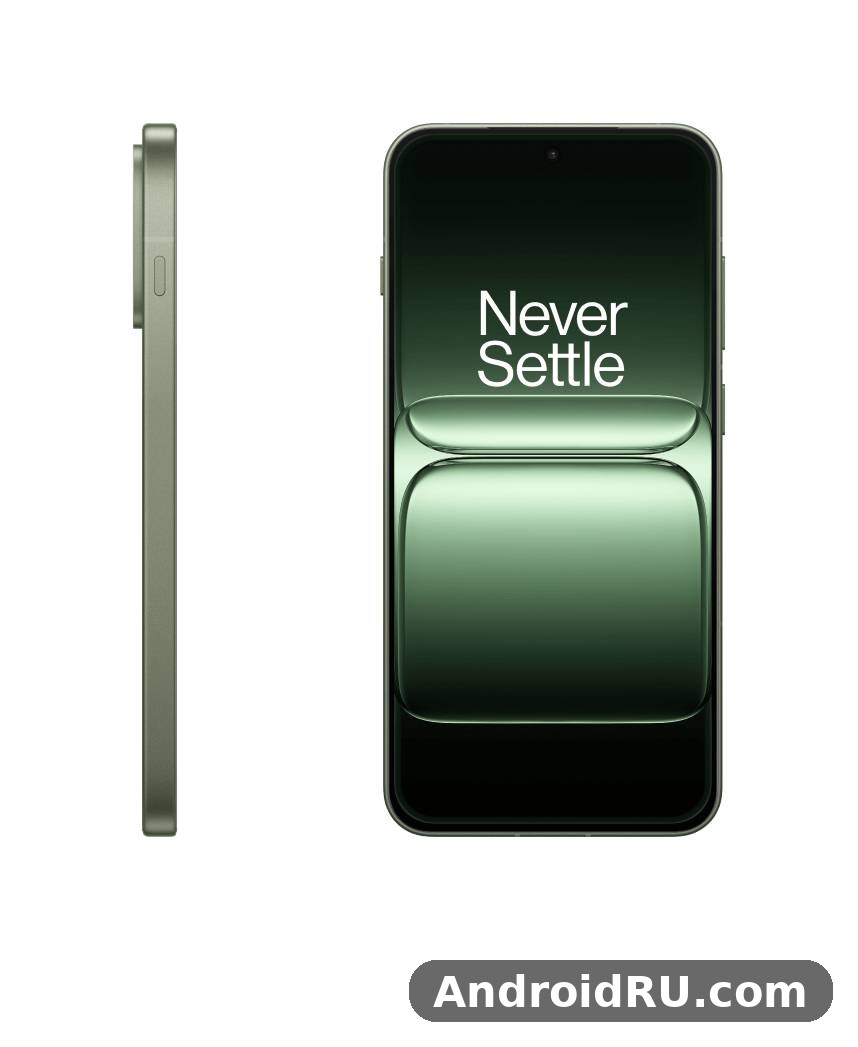
The short version is that OnePlus did not shrink a flagship by cutting the parts that matter. The screen is bright and smooth, the chip is the same class found in phones that cost far more, and the battery is bigger than the one in several larger rivals. The trade-offs are real too: there is no wireless charging, the water rating is IP65 rather than the higher rating on the bigger OnePlus 13, and the camera set skips an ultrawide lens. Whether those trade-offs matter depends on how you use a phone, and this review works through each one in turn.
Readers who want the numbers first can jump to the full specifications table near the end. Everyone else should start with the build, because the size is the whole point of this phone. A OnePlus 13s daily speed test in real use — opening apps, switching between a browser, a chat app and a camera, and coming back an hour later — tells you more about this device than a single synthetic score ever will.
OnePlus 13s Build Quality and Compact Design
Pick the phone up and the first thing you notice is how dense it feels without feeling heavy. At 185 grams and 8.2 mm thick, with a 150.8 mm tall frame, it is noticeably smaller than the OnePlus 13 and most other 2025 flagships. The OnePlus 13s compact phone size weight balance is the reason many buyers will choose it: the aluminium frame is solid, the corners are gently rounded, and the flat display means a screen protector and a case sit cleanly without lifting at the edges.
The back is glass with a soft matte finish that resists fingerprints better than a glossy panel. OnePlus sells the phone in three finishes, and the OnePlus 13s colour options Black Velvet Pink Satin and Green Silk each look different in person: Black Velvet is the quiet, business-like choice, Pink Satin is pale and warm rather than loud, and Green Silk has a subtle sheen that catches light at an angle. The camera module is a small square in the top corner, flush enough that the phone does not rock badly on a desk.
Buttons sit on the right edge, with the volume rocker and power button in easy reach of a thumb. On the left edge, the familiar alert slider is gone. In its place is the new Plus Key, a small customisable button. The OnePlus 13s Plus Key uses include switching sound profiles, launching the camera, starting a voice recording, or opening a favourite app, and it can also trigger the AI Plus Mind feature that saves on-screen content to a searchable Mind Space. It takes a day to stop reaching for a slider that is no longer there, and after that most people either love the shortcut or set it to silent mode and forget about it.
How the frame, glass and grip hold up in daily use
The frame is aluminium, the front is protected by Crystal Shield glass, and the whole package carries an IP65 rating. The OnePlus 13s IP65 water resistance rating means it is protected against dust and against low-pressure water jets from any direction, so rain and splashes are fine, but it is not rated for submersion the way some larger flagships are. In practice that is a sensible match for a phone this size: it survives a wet commute and a kitchen splash, and it should not be taken swimming.
Grip is where the small size pays off twice. One-handed typing is comfortable, the top of the screen is reachable without shuffling the phone in your palm, and the 71.7 mm width means the phone does not dig into a hand on a long call. The matte back helps here too, since it gives just enough friction to hold securely without a case. Add a thin case and the phone is still smaller than most bare flagships.
What to check on day one
Check the Plus Key assignment in Settings, set your preferred sound profile behaviour, and confirm the fingerprint enrolment covers the edges of your thumb. The optical in-display fingerprint sensor is fast, and the OnePlus 13s fingerprint sensor speed in daily use is quick enough that you rarely think about it: a tap, a short vibration, and the home screen is there. Face unlock is available as a quicker option when your hands are wet or gloved, though it is less secure than the fingerprint for payments.
Sound and haptics
The OnePlus 13s speaker quality stereo sound comes from a pair of speakers that stay clear at high volume and give games and videos a sense of width that a single speaker cannot match. Bass is limited, as it is on every phone this thin, but voices stay intelligible and there is no harsh distortion at maximum volume. The haptics are precise rather than buzzy, with a short, firm tap for typing and a stronger pulse for notifications.
OnePlus 13s Display: Small Screen, Big Brightness
The 6.32-inch LTPO AMOLED panel is the heart of this phone. It runs at 2640 by 1216 pixels, which works out to around 460 pixels per inch, so text is sharp and small fonts stay readable. The OnePlus 13s display quality 120Hz AMOLED refresh rate adapts from 1Hz to 120Hz depending on what is on screen, which saves battery when you are reading a static page and keeps scrolling smooth when you are moving through a feed.
Brightness is a genuine strength. The panel reaches around 1600 nits in high brightness mode outdoors, so the screen stays readable in direct sunlight, and it supports HDR10+ and Dolby Vision for video. Colours are vivid by default, with a natural mode in Settings for people who prefer a calmer look. Aqua Touch 2.0 keeps touch working with wet fingers, which matters more than it sounds on a rainy day.
For a small phone, the display is also kind to the eyes at night. High-frequency PWM dimming at up to 2160Hz reduces flicker at low brightness, and the always-on display can show the time, notifications and music controls without waking the whole panel. The flat screen is a practical choice: no curved edges to catch accidental touches, and no colour shift at the sides when you tilt the phone.
Reading, video and outdoor visibility
Reading on this screen is comfortable because the text is dense and the panel is uniform, with no obvious tint at the edges. Video looks strong for the size: HDR highlights pop, dark scenes keep detail, and the stereo speakers fill in the sound. Outdoors, the auto-brightness responds quickly, and the screen stays legible even under a bright sky. If you watch a lot of video, the smaller panel is the one real compromise — a 6.8-inch phone simply shows more — but for a phone you carry everywhere, the trade is easy to accept.
Refresh rate and touch response
The adaptive refresh rate drops low when nothing is moving, which helps the battery, and jumps to 120Hz the moment you start scrolling. Touch sampling is responsive enough for fast games, and the wet-touch support means a sweaty palm during a game does not turn into missed taps. There is no stylus support, which is normal for this class of phone, and the bezels are slim and even on all four sides.
Snapdragon 8 Elite Performance and Daily Speed
The OnePlus 13s runs on the Snapdragon 8 Elite, a 3 nm chip with the Adreno 830 graphics processor, paired with 12GB of LPDDR5X RAM and UFS 4.0 storage. The OnePlus 13s Snapdragon 8 Elite performance is flagship-grade in every sense: apps open instantly, the camera processes photos quickly, and heavy games run at high settings without the stutter that cheaper chips show after ten minutes. This is the same class of silicon found in phones that cost considerably more, and in a smaller body it feels, if anything, faster because there is less to wait for.
Daily speed is where this phone earns its keep. A Snapdragon 8 Elite chip with fast storage means the phone rarely makes you wait: the keyboard appears the moment you tap a text field, photos save without a pause, and switching back to an app you opened an hour ago usually brings it back exactly where you left it. The OnePlus 13s 12GB RAM multitasking holds a browser with a dozen tabs, a maps app, a music app and a chat app in memory at once, and the phone does not reload them aggressively when you switch between them.
Storage is 256GB or 512GB, with no microSD slot, so buyers should pick the larger size if they shoot a lot of 4K video or keep large games installed. The OnePlus 13s storage options 256GB 512GB cover most people at 256GB, but the 512GB model is the safer pick for anyone who keeps several years of photos on the phone. There is no 16GB RAM version of this model, and in practice 12GB is enough for the way most people use a phone.
OnePlus 13s gaming performance test in real games
A OnePlus 13s gaming performance test shows the phone holding high frame rates in demanding titles, with the 120Hz display making fast movement look smooth. The phone uses a large vapour chamber cooling system, and the OnePlus 13s heat during gaming stays under control for typical sessions of 30 to 45 minutes: the back gets warm near the camera module, but it does not become uncomfortable to hold, and frame rates stay steady rather than dropping sharply after the first few minutes.
Longer sessions of an hour or more will warm the phone further, as they do on every compact flagship, and the chip will ease back slightly to protect itself. The OnePlus 13s overheating issue fix, for anyone who does notice throttling, is simple and practical: close background downloads, take the case off for a long session, lower the graphics preset one step, and keep the phone out of direct sunlight while playing. In normal use, including navigation, video calls and photo editing, the phone stays cool and quick.
Benchmarks, in context
Synthetic benchmarks place this phone near the top of the 2025 Android field, but the number matters less than what it buys you: a phone that still feels fast after two years of app updates, and a camera that can process night photos and portrait blur without making you wait. The G1 Wi-Fi chip, a dedicated chip for connectivity, helps keep a game connection stable when the signal is weak, and Wi-Fi 7 support means the phone is ready for newer routers. The OnePlus 13s 5G connectivity WiFi 7 combination covers fast mobile data and fast home Wi-Fi, with Bluetooth 5.4 for headphones and wearables and NFC for contactless payments.
OxygenOS 15 Software and Update Policy
The phone ships with OxygenOS 15 on top of Android 15, and the OnePlus 13s software update policy OxygenOS 15 promise is four major Android updates and six years of security updates. That is a long runway for a phone in this price range, and it means the 13s should stay current well into the next decade of Android versions. OxygenOS itself is clean and fast, with a customisable home screen, a useful shelf, and a settings layout that is easy to search.
Daily use feels polished. Animations are quick without being distracting, the notification shade is clear, and the multitasking view makes it easy to jump between apps. OxygenOS 15 adds AI tools that are genuinely useful rather than decorative: AI search across the phone, writing help, photo editing tools that can remove reflections and sharpen details, and the Mind Space linked to the Plus Key. Some of these tools need an internet connection and a OnePlus account, and the results vary, but none of them get in the way if you ignore them.
One honest note: OxygenOS ships with a handful of pre-installed apps, and some can be removed while others can only be disabled. That is normal for Android phones in 2025, and it takes about ten minutes on day one to tidy the home screen. The software is also where the small screen helps again: one-handed mode, reachable quick settings, and a compact keyboard layout all make the phone easier to use with a single thumb.
Plus Key, AI tools and privacy controls
The Plus Key deserves a second look because it is the most visible software change on this phone. A single press can be set to your most-used action, a double press to another, and a long press to a third, so the button becomes a shortcut for the things you actually do. AI Plus Mind saves whatever is on screen — a ticket, a recipe, a chat — into a searchable space, which is handy when you need to find it again a week later. Privacy controls are straightforward: permissions are shown clearly, the privacy dashboard shows which apps used the camera and microphone, and the private safe keeps sensitive files behind the lock screen.
How long the software support really lasts
Four major updates from Android 15 means the phone should reach Android 19, with security patches for two years beyond that. That schedule depends on OnePlus keeping to its promise, and the company has a reasonable record on its recent flagships. Buyers who keep a phone for three or four years should find the 13s well supported; buyers who change phones every year will not notice the policy at all.
What to set up first
Set up the fingerprint and face unlock, choose your Plus Key actions, turn on automatic updates overnight, and check the battery settings so that the apps you rely on are not put to sleep aggressively. The default settings are sensible, but a quick pass through the display settings — refresh rate, eye comfort, and always-on display — makes the phone feel like yours from the first day.
OnePlus 13s Cameras: Main, Telephoto and Selfie
The camera set is simple and well chosen: a 50MP main camera, a 50MP telephoto camera, and a 32MP front camera. There is no ultrawide lens, which is the most obvious omission, and buyers who shoot wide landscapes or tight interiors will miss it. Everyone else gets two excellent cameras instead of three average ones, and that trade is the right call for a compact phone. The OnePlus 13s camera quality review, in one line, is that daylight photos are sharp and natural, portraits look clean, and the 2x zoom is genuinely useful rather than a gimmick.
The main camera uses the Sony LYT-700 sensor with optical image stabilisation, and it produces photos with accurate colours, good dynamic range, and detail that holds up when you crop in. The OnePlus 13s telephoto camera 2x zoom uses a 50MP sensor with a 2x optical zoom, which is the ideal length for portraits and for picking out a subject across a room or a street. Digital zoom beyond 2x is available up to higher levels, but quality drops noticeably past about 4x, so the 2x setting is the sweet spot.
Portrait mode is a strength. The 50MP camera setup gives portraits a natural background blur, accurate skin tones, and sharp focus on the eyes, and the 2x focal length flatters faces in a way a wide lens cannot. The OnePlus 13s night mode photo samples show the same care: night shots are bright without looking washed out, street lights keep their shape, and noise is controlled well for a phone camera. The phone takes a moment to process a night shot, so hold still for a second after tapping the shutter.
OnePlus 13s front camera selfie quality
The OnePlus 13s front camera selfie quality is strong for video calls and selfies alike. The 32MP selfie camera captures plenty of detail, handles backlight better than many front cameras, and records video at up to 4K at 30 frames per second. Selfie portraits keep the background blur believable, and the screen can act as a fill light in a dark room. If you take a lot of selfies or spend hours on video calls, this front camera is one of the better ones in a compact phone.
Video recording and stabilisation
The OnePlus 13s video recording 4K 60fps support covers the rear cameras, with Dolby Vision HDR available for richer colour and contrast. Stabilisation is effective when walking, and the optical stabilisation on the main camera smooths out small hand movements. Audio from the stereo microphones is clear, and wind noise is reduced reasonably well outdoors. For casual video — holidays, family, a short clip for social media — the 13s is more than capable, and the compact size makes it easy to hold steady with one hand.
Camera strengths in one place
Daylight detail, portrait mode at 2x, and night mode are the three strengths to remember. The main sensor is a Sony LYT-700, the telephoto is a 50MP unit, and the front camera is a 32MP selfie shooter, so the whole set is consistent in quality. The missing ultrawide is the only real gap, and the phone makes up for it with a main camera that crops well and a telephoto that covers the middle distance.
Where the camera could be better
Ultrawide photos are the gap, and so is zoom beyond 4x, where detail softens. Low-light video is decent rather than outstanding, and the phone can take a beat to process a complex night scene. None of these are deal-breakers for most buyers, but they are worth knowing before you buy, especially if you already own a phone with a strong ultrawide lens.
OnePlus 13s Battery Life and 80W Charging
The battery is the surprise of this phone. The OnePlus 13s 5850 mAh battery in a 6.32-inch body is larger than the battery in many bigger phones, and it uses silicon-carbon technology to pack more capacity into a smaller cell. The OnePlus 13s battery life test in mixed daily use — messages, browsing, maps, music, photos, and an hour of video — comfortably lasts a full day, and lighter users will see a second day without reaching for a charger.
Heavy days are covered too. With gaming, 5G data, and the screen at high brightness, the phone still gets through a working day, and the adaptive refresh rate and efficient chip help it stretch further than the raw capacity suggests. The OnePlus 13s 80W fast charging time is fast in practice: the 80W wired charger fills the battery from empty to about half in roughly 20 minutes, and a full charge takes well under an hour, so a short top-up before leaving the house is genuinely useful. Check the current box contents in your region, since charger inclusion varies by market.
There is no wireless charging, which is a deliberate omission to keep the phone slim and the price in check. If you charge wirelessly every night, that will matter; if you charge with a cable, you will not notice. Battery health settings let you limit charging to 80 percent overnight, which helps the battery last longer over years of use, and the phone learns your routine so it finishes charging just before you wake up.
How long the battery lasts by use case
Light use — calls, messages, some browsing — stretches to two days. Typical use — social media, video, maps, and photos — ends the day with charge to spare. Heavy use — gaming, 4K video, and 5G hotspots — still survives a full day for most people. The screen is the biggest drain, so dropping the brightness a notch or letting the adaptive refresh rate do its work makes a visible difference. The 5850 mAh cell is the reason this small phone does not feel like a compromise on endurance.
Charging habits that help
Use the supplied 80W charger or a compatible fast charger for the quickest top-ups, keep the phone cool while charging, and use the overnight charging limit if you plan to keep the phone for years. The USB-C port supports fast data transfer and wired display output is limited, so check the official page for the exact USB specification in your region if that feature matters to you.
Full Specifications
The OnePlus 13s full specifications below cover the parts buyers actually compare: screen, chip, memory, cameras, battery, size, and connectivity. Use the table to check a single number quickly, then read the comparison section to see how those numbers translate into a real choice between OnePlus models. Where a detail varies by region, such as charger inclusion or exact 5G bands, check the official page for your market before buying.
| Feature | OnePlus 13s |
|---|---|
| Display | 6.32-inch LTPO AMOLED, 2640 x 1216, 120Hz adaptive, HDR10+, Dolby Vision, up to 1600 nits high brightness mode |
| Chipset | Snapdragon 8 Elite (3 nm), Adreno 830 graphics |
| RAM | 12GB LPDDR5X |
| Storage | 256GB or 512GB UFS 4.0, no microSD slot |
| Rear cameras | 50MP main, Sony LYT-700, optical image stabilisation; 50MP telephoto, 2x optical zoom |
| Front camera | 32MP selfie camera, up to 4K video at 30 frames per second |
| Video | Rear up to 4K at 60 frames per second, Dolby Vision HDR, electronic and optical stabilisation |
| Battery | 5850 mAh silicon-carbon battery |
| Charging | 80W wired fast charging, no wireless charging |
| Software | Android 15 with OxygenOS 15; 4 major Android updates, 6 years of security updates |
| Dimensions | 150.8 x 71.7 x 8.2 mm |
| Weight | 185 grams |
| Build | Aluminium frame, glass back, Crystal Shield front glass, IP65 rating |
| Connectivity | 5G, Wi-Fi 7, Bluetooth 5.4, NFC, USB-C port, dual SIM |
| Security | In-display fingerprint sensor, face unlock |
| Sensors | Accelerometer, gyroscope, proximity sensor, compass, ambient light sensor |
| Audio | Stereo speakers, no 3.5 mm headphone jack |
| Colours | Black Velvet, Pink Satin, Green Silk |
| Launch price (India) | Around Rs. 54,999 for 12GB and 256GB; around Rs. 59,999 for 12GB and 512GB at launch in June 2025 |
The OnePlus 13s price in India 2026 sits in the upper mid-range flagship band, and street prices move with offers and sales, so check the current price before buying rather than relying on the launch figure alone. For a compact phone with a flagship chip, a large battery and a telephoto camera, the price is competitive against larger rivals that cost more and weigh more. The value case is strongest for buyers who specifically want a small phone: there are very few rivals that offer this combination of size, speed and battery at this price.
Connectivity, sensors and everyday details
Connectivity is complete for a 2025 flagship: dual SIM 5G, Wi-Fi 7, Bluetooth 5.4, NFC for payments, and a USB-C port for charging and data. The G1 Wi-Fi chip helps the phone hold a stable connection in crowded places, and the antenna layout is tuned for a small body, so signal performance is solid in daily use. Sensors cover the usual set — fingerprint, accelerometer, gyroscope, proximity, compass and light — and the phone supports the satellite-free location services most buyers rely on. There is no headphone jack, so wired listening needs a USB-C adapter or a USB-C headset.
OnePlus 13s vs OnePlus 13 and OnePlus 13R Comparison
A OnePlus 13s vs OnePlus 13 comparison starts with size. The OnePlus 13 is the bigger, more complete flagship: a larger 6.82-inch screen, an ultrawide camera, wireless charging, and a higher IP68/IP69 water rating. The 13s is smaller, lighter, and easier to hold, with the same class of chip and a battery that is only slightly smaller. If you want the biggest screen and the fullest camera set, the OnePlus 13 is the pick; if you want a phone that disappears into a pocket, the 13s is the pick. Readers weighing the bigger model should read the OnePlus 13 Review: Photo Quality, Video and Performance for the camera and video detail that sets it apart.
A OnePlus 13s vs OnePlus 13R comparison is closer on price. The 13R is a larger phone with a bigger battery and a lower price in many markets, and it is the better value if screen size matters more than pocket size. The 13s answers with a smaller body, a newer design, the Plus Key, and a more compact feel in the hand. The OnePlus 13R Review: Cameras, Performance and Battery Life covers that rival in depth, including its own camera and battery results, so compare the two side by side before deciding.
| Phone | Screen | Chip | Battery | Cameras | Best for |
|---|---|---|---|---|---|
| OnePlus 13s | 6.32-inch AMOLED, 120Hz | Snapdragon 8 Elite | 5850 mAh, 80W wired | 50MP main + 50MP 2x telephoto, 32MP front | Compact flagship, one-hand use |
| OnePlus 13 | 6.82-inch AMOLED, 120Hz | Snapdragon 8 Elite | 6000 mAh, 100W wired, wireless charging | 50MP main + 50MP ultrawide + 50MP telephoto, 32MP front | Big screen, full camera set |
| OnePlus 13R | 6.78-inch AMOLED, 120Hz | Snapdragon 8 Gen 3 | 6000 mAh, 80W wired | 50MP main + 50MP telephoto + 8MP ultrawide, 16MP front | Large screen at a lower price |
| OnePlus 12 | 6.82-inch AMOLED, 120Hz | Snapdragon 8 Gen 3 | 5400 mAh, 100W wired, 50W wireless | 50MP main + 48MP ultrawide + 64MP telephoto, 32MP front | Previous flagship, now cheaper |
| OnePlus 12R | 6.78-inch AMOLED, 120Hz | Snapdragon 8 Gen 2 | 5500 mAh, 100W wired | 50MP main + 8MP ultrawide + 2MP macro, 16MP front | Value and battery on a budget |
Older models still matter for buyers on a budget. The OnePlus 12 Review: Design, Software and Camera Quality shows a previous flagship that now sells for less and still offers wireless charging and a versatile camera set, while the OnePlus 12R Review: Daily Performance and Key Features covers a value pick that trades the newest chip for a lower price and a large battery. Neither is as compact as the 13s, and neither gets the same update runway, but both are worth a look if the 13s price is above your budget. Looking ahead, the OnePlus 15 Review: Daily Performance and Key Features covers the newer generation that followed the 13 series, and it is the natural next read for anyone who wants to see what changed after the 13s.
Which OnePlus should you pick
Pick the 13s if size is your first priority and you want flagship speed without a large phone. Pick the OnePlus 13 if you want the biggest screen, the ultrawide camera, and wireless charging. Pick the 13R if you want a large screen and a large battery for less money. Pick an older 12-series phone if the budget is tight and you are happy with a shorter update runway. The 13s wins the compact category outright; it does not try to win every category, and that focus is why it works.
Pros and Cons: Who Should Buy the OnePlus 13s
The 13s is a focused phone, and its strengths and weaknesses line up neatly. It is a compact flagship killer in the sense that it offers flagship speed, a flagship-grade main camera, and a large battery in a body that most flagships cannot match for size. It is also a capable gaming phone for its size, with a 120Hz display, a strong chip, and cooling that holds up for typical sessions. The weaknesses are the missing ultrawide camera, the lack of wireless charging, and the IP65 rating rather than a higher submersion rating.
Pros
- Compact 6.32-inch body at 185 grams that is genuinely comfortable in one hand.
- Snapdragon 8 Elite performance with 12GB RAM and UFS 4.0 storage for fast daily use and gaming.
- Large 5850 mAh battery that lasts a full day and charges quickly at 80W.
- Bright LTPO AMOLED display with 120Hz adaptive refresh and HDR support.
- Sharp 50MP main camera and useful 50MP 2x telephoto, plus a strong 32MP selfie camera.
- Long software support: four major Android updates and six years of security updates.
- Customisable Plus Key and clean, fast OxygenOS 15 on Android 15.
Cons
- No ultrawide camera, so wide landscapes and tight interiors are harder to capture.
- No wireless charging, which will matter if you charge that way every night.
- IP65 rating only, so the phone is splash-resistant rather than rated for submersion.
- No microSD slot, so storage choice at purchase is final.
- Compact screen is smaller for video and split-screen work than a 6.8-inch flagship.
Who the OnePlus 13s is for
This phone is for anyone who has been waiting for a small Android flagship that does not feel like a compromise: commuters who want a phone that fits a jacket pocket, buyers with smaller hands, and anyone who values one-handed use over a giant screen. It is also a good pick for gamers who want flagship speed in a phone that does not weigh down a hand during a long session, and for photographers who shoot portraits and street scenes at 2x. It is less suited to buyers who need an ultrawide lens every day, who charge wirelessly, or who want the largest possible screen for video.
So, is OnePlus 13s worth buying in 2026? For a buyer who wants a compact phone with flagship speed, a full-day battery, and a long update promise, the answer is yes, provided the missing ultrawide and wireless charging are acceptable trade-offs. The phone launched in June 2025, so by 2026 it is a proven model with a known price and a known update path, and it still feels fast against newer mid-range phones. Buyers who want the newest generation should compare it with the OnePlus 15 first; everyone else should try the 13s in hand, because the size is the feature that sells it.
Frequently Asked Questions About the OnePlus 13s
Is the OnePlus 13s a compact phone?
Yes. It has a 6.32-inch display, measures 150.8 by 71.7 by 8.2 mm, and weighs 185 grams, which makes it one of the smallest Android flagships of 2025. One-handed use is comfortable, and the phone fits easily in a small pocket or a slim bag.
Does the OnePlus 13s have wireless charging?
No. The phone charges by cable only, at up to 80W wired, and there is no wireless charging coil. A wired top-up is fast, with roughly half a charge in about 20 minutes, but buyers who rely on a wireless pad should factor that in before buying.
How good is the OnePlus 13s battery life?
Battery life is strong for a compact phone. The 5850 mAh battery lasts a full day in typical use and can stretch to a second day with light use, thanks to the efficient Snapdragon 8 Elite chip and the adaptive 120Hz display. Heavy gaming and 5G use will shorten that, but the phone still gets through a working day for most people.
Does the OnePlus 13s have an ultrawide camera?
No. The rear camera set is a 50MP main camera and a 50MP 2x telephoto camera, with no ultrawide lens. The main camera crops well for wider scenes, but buyers who shoot wide landscapes or group photos in tight rooms will miss the ultrawide option.
How many software updates will the OnePlus 13s get?
OnePlus promises four major Android updates and six years of security updates, starting from Android 15 with OxygenOS 15. That should take the phone through several Android versions and keep it secure for years after the major updates end.
The OnePlus 13s is the compact flagship that Android buyers asked for: small in the hand, fast in daily use, and strong on battery life. Its build quality is solid, its software is clean and well supported, and its daily speed holds up under real use rather than only in benchmarks. Try it in hand, check the current price, and weigh the missing ultrawide and wireless charging against the size. If a small phone is what you want, this is one of the best options available, and it earns its place as a daily driver rather than a compromise.

