

Samsung Galaxy A16 5G Review: Design, Battery Life and Usability
The Galaxy A16 5G arrived in October 2024 as the cheapest way into Samsung’s current 5G lineup, and it makes a simple promise: a big screen, a battery that lasts, and software support that outlives phones costing twice as much. I spent weeks using it as a daily phone, carrying it on commutes, shooting photos in mixed light, and running it down to single digits more than once, and the picture that emerges is more interesting than the price tag suggests. This is not a phone that tries to impress you in the first five minutes. It is a phone that earns its keep slowly, day after day, by doing ordinary things without fuss. Many buyers ask, is Galaxy A16 5G worth buying? For buyers who want a big AMOLED screen, a long-lasting battery and six years of updates at a budget price, the answer is yes. A Galaxy A16 5G case is worth buying from day one, since it protects the camera lenses and the corners from drops.
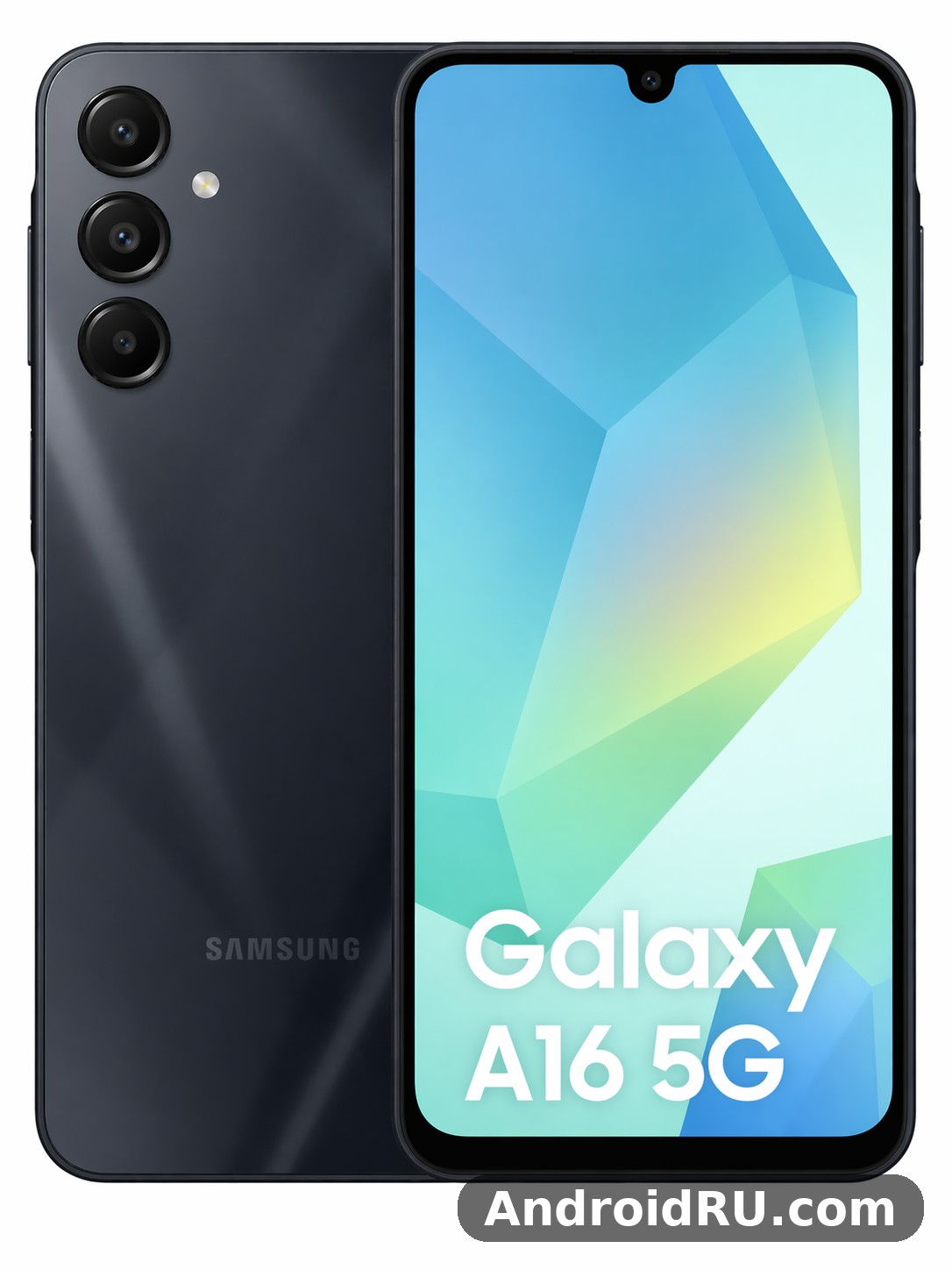
What you get for around $200 at launch is a 6.7-inch Super AMOLED display with a 90Hz refresh rate, a 5,000 mAh battery, a 50MP main camera, and a software promise of six generations of Android upgrades. Those four facts alone put it ahead of most rivals in its price band, where LCD panels and two-year update windows are still common. The trade-offs are real too: charging tops out at 25W, there is no charger in the box in most regions, the ultrawide camera is modest, and the plastic body will never feel like glass and metal. Galaxy A16 5G battery life in real use is the first thing most buyers ask about, and it is the area where this phone is strongest, so this article puts the battery, the screen and the everyday experience first, and the full specification tables further down.
This review covers design, battery life, and day-to-day usability in depth, because those are the three things that decide whether a budget phone is a bargain or a regret. I will look at how the phone feels in the hand, how the screen holds up outdoors, how long the battery genuinely lasts with heavy use, how the two regional chipsets behave, what the cameras can and cannot do, and how One UI 6.1 shapes the whole experience. Readers who also want a newer mid-range camera comparison can read the Samsung Galaxy A17 5G Review: Photo Quality, Video and Performance alongside this one, since it shows what one step up the range buys in photo quality. By the end you should know exactly who this phone suits, and who should spend a little more.
Samsung Galaxy A16 5G Design: Slimmer, Flatter, and Easier to Hold
Samsung trimmed the Galaxy A16 5G down to 7.9 mm thick, which is noticeably slimmer than the Galaxy A15 5G it replaced, and the change is obvious the moment you pick it up. At around 200 grams with a 6.7-inch screen, it is a large phone, but the flat sides and flat back keep it from feeling slippery or top-heavy. The frame is plastic, the back is plastic, and Samsung does not pretend otherwise, yet the fit and finish are tight, with no creaks around the buttons and no flex when you press the middle of the back panel. A slim case still makes sense for drop protection, but the phone does not feel fragile in normal use. In a Galaxy A16 5G camera test, daylight shots come out sharp and well exposed, while low light is where the limits show. The Galaxy A16 5G eSIM support varies by region, so check your local model before relying on it.
The design language is the same clean Samsung look that runs through the whole Galaxy range: three separate camera lenses sitting directly on the back panel, no bulky camera island, and a small waterdrop notch for the front camera. It looks plain next to a flagship, and that is the point. Nothing here shouts for attention, and nothing here will look dated in two years either. The phone comes in muted colours such as Blue Black, Light Gray, Gold, and Light Green depending on the market, and the matte finish on the back does a decent job of hiding fingerprints. Galaxy A16 5G colours Blue Black Light Gray are the most understated choices, while Gold and Light Green show fingerprints a little more under bright light, though the matte finish keeps it subtle. A Galaxy A16 5G battery life test with mixed use shows it reaches the end of the day, and lighter users often get into a second day. The Galaxy A16 5G NFC supports contactless payments, and it works with the usual wallet apps.
Build Materials and In-Hand Feel
The back panel has a lightly textured matte finish that grips better than the glossy plastic Samsung used on older budget phones. I carried the phone without a case for the first week, and it stayed put in a jacket pocket and on a car dashboard without sliding around. The Galaxy A16 5G side fingerprint sensor sits in the power button on the right edge, exactly where your thumb or index finger lands, and it unlocks the phone quickly once you register the same finger twice. The volume rocker sits above it and has a firm, short travel with no wobble. One practical detail deserves a mention: the phone is IP54 rated, which means it is protected against dust and water splashes. You cannot take it swimming, and you should not use it in heavy rain for long, but a splash from a sink or a sudden shower will not end its life. Galaxy A16 5G IP54 splash resistance is rare at this price, and it matters more in daily use than most spec-sheet numbers, because it covers the accidents that actually happen. The Galaxy A16 5G full specifications run from the Exynos 1330 chip and 5,000 mAh battery to the 50MP camera and 6.7-inch Super AMOLED display. The Galaxy A16 5G fingerprint sensor sits in the power button and unlocks the phone quickly once you register the same finger twice.
How the Flat Frame Changes the Grip
Flat sides give your fingers a straight edge to hold, which helps on a phone this tall. I found one-handed use workable for scrolling and reading, though reaching the top of the screen still needs a hand shuffle or the one-handed mode in One UI. The corners are gently rounded, so the frame never digs into your palm during a long video call. If you are coming from a curved-screen phone, the flat display also means fewer accidental touches along the edges, and screen protectors sit flat without lifting at the sides. Galaxy A16 5G dimensions 164.4 x 77.9 x 7.9 mm explain the tall shape, and the 7.9 mm thickness is what makes that tall shape easy to carry in a pocket. The Galaxy A16 5G price and specifications together make it a strong budget option, with the screen and battery leading the list. The Galaxy A16 5G headphone jack is absent, so wired headphones need a USB-C adapter or Bluetooth.
Colours and the Camera Layout
Colour choice on the A16 5G is about taste, not function, but the darker Blue Black hides the camera lenses best and looks the most understated. The three rear lenses are arranged in a vertical line with a small LED flash beside them, and because there is no raised island, the phone lies almost flat on a table. That sounds minor until you try typing on a phone that rocks on its camera bump. The waterdrop notch at the top of the display is old-fashioned next to a punch-hole camera, but it is small, and after a day you stop noticing it. The power button and volume rocker sit on the right edge, the USB-C port and the single bottom-firing speaker sit on the bottom edge, and the SIM tray and microSD slot share the same tray on the side. There is no 3.5mm headphone jack, so wired headphones need a USB-C adapter or a wireless pair. In a Galaxy A16 5G vs Galaxy A15 5G comparison, the deciding factors are screen size, chipset and the length of software support. The Galaxy A16 5G overheating reports are rare in normal use, and the phone stays comfortable during long video sessions.
6.7-Inch Super AMOLED Display With 90Hz Refresh Rate
The display is the single best reason to pick this phone over cheaper rivals. The Galaxy A16 5G 6.7-inch Super AMOLED display, with a 1080 x 2340 resolution and a 90Hz refresh rate, is a combination you normally find one price tier higher, and it changes how the phone feels every time you use it. Colours are vivid without looking artificial, blacks are genuinely black because each pixel lights itself, and text stays sharp at every size. Watching videos, reading long articles, and scrolling through photos all look better here than on the LCD panels that still dominate this price range. Galaxy A16 5G display brightness outdoors is good rather than outstanding, and Galaxy A16 5G 90Hz refresh rate is the detail that makes scrolling feel smooth from the first day. A Galaxy A16 5G performance test shows the Exynos 1330 handling everyday apps smoothly, with only heavy games asking for lower settings. A Galaxy A16 5G screen protector is a cheap add-on that keeps the display free of scratches.
Brightness is good rather than outstanding. Indoors, the screen is bright and comfortable at around half brightness. Outdoors in direct sunlight, you will want to push brightness to the top, and the panel stays readable, though it does not reach the searing peak brightness of Samsung’s flagship screens. I used it for navigation on a sunny afternoon and could read maps and street names without shading the screen. The 90Hz refresh rate makes scrolling feel smoother than the 60Hz screens on many budget phones, and once you have used it, going back to 60Hz feels sluggish. Samsung’s adaptive brightness learns your habits over the first few days, so it stops guessing wrong after the first week. The screen dims sensibly at night and ramps up fast when you step outside. There is an eye comfort shield that warms the colour temperature in the evening, and it is worth turning on if you read in bed. The Galaxy A16 5G display quality stands out for the price, with strong colours and good outdoor visibility. The Galaxy A16 5G 128GB price is the one most buyers compare, since that is the standard storage option.
Brightness and Outdoor Readability
At 1080 x 2340 pixels the panel works out to around 385 pixels per inch, so small text stays readable and individual pixels are invisible at normal viewing distances. The panel reproduces colours with Samsung’s usual vivid tuning, and you can switch to a more natural colour mode in the display settings if you prefer accuracy over punch. The 19.5:9 aspect ratio makes the phone tall and narrow enough to hold, while giving plenty of room for video and reading. Compared with the LCD panels still common in this price range, the AMOLED panel is brighter, more contrasty, and more efficient, which also helps battery life. One honest limitation: the display is protected by older-generation glass rather than the newest hardened glass on flagship phones, so a tempered glass screen protector is a sensible early purchase. A cheap protector costs little and saves the screen from keys and grit. The Galaxy A16 5G camera quality at night is decent for the price, with night mode lifting shadows at the cost of some detail. The Galaxy A16 5G used price depends on condition and battery health, so check the screen and charging port before paying.
90Hz Scrolling and Where It Drops to 60Hz
The 90Hz mode is adaptive in a simple way: the phone runs at 90Hz for scrolling and animations, and drops to 60Hz for static content and some video playback to save battery. In practice the switch is invisible. Social feeds, web pages, and the app drawer all scroll smoothly, and the interface feels responsive in a way that makes the phone feel faster than its chipset suggests. A few games cap at 60Hz, which is normal at this price, and video apps play at their own frame rates anyway. If battery is tight, you can force 60Hz in settings and gain a small amount of extra screen time, though I left 90Hz on for the whole test and never felt the need to switch it off. If you are weighing this screen against the one on the model it replaced, the Samsung Galaxy A15 5G Review: Display Quality, Speed and Daily Use is a useful comparison, because the A15 5G has a smaller 6.5-inch panel and the A16 5G wins on size and slimness at a similar price.
Battery Life on the 5,000 mAh Cell: Two Days for Light Users
Battery life is the A16 5G’s strongest suit after the display. The Galaxy A16 5G 5,000 mAh battery is the same capacity Samsung puts in phones costing far more, and paired with an efficient chipset and an AMOLED panel, it delivers the kind of endurance that removes battery anxiety from daily life. On my test routine, around four hours of screen time with messaging, web browsing, maps, and an hour of video, the phone ended the day with roughly half its charge left. Light users who mainly call, message, and browse can realistically stretch it to two days between charges. How long does Galaxy A16 5G battery last on a heavy day? A day with five to six hours of screen time, including an hour of video streaming over 5G and a long stretch of navigation, left me with about a quarter of the battery at bedtime. Should I buy Galaxy A16 5G or wait for a sale? If you want a big AMOLED screen, a long-lasting battery and six years of updates at a budget price, it is an easy recommendation. A Galaxy A16 5G battery replacement is a repair-shop job, and it is worth pricing before you decide to keep an old phone.
Gaming is the one activity that drains it fast, as it does on every phone, but even an hour of a demanding game only cost around a fifth of the charge. Standby drain is minimal: left overnight with Wi-Fi on, the phone lost only a couple of percent. That is the sort of result that makes you stop carrying a power bank for a normal day out. Galaxy A16 5G screen-on time seven to eight hours per charge was my average across two weeks of mixed use with the screen at 90Hz and brightness on adaptive. That number will shift with your habits: heavy 5G use and bright outdoor screens pull it down, while Wi-Fi and indoor use push it up. Video streaming over Wi-Fi was efficient, costing roughly ten percent per hour. This Galaxy A16 5G honest review keeps the trade-offs in view: the screen and battery impress, while 25W charging is slow and the ultrawide camera is modest. The Galaxy A16 5G screen replacement cost varies by repair shop, so get two quotes before booking a repair.
Screen-On Time in Real Daily Use
The point is not the exact number, which varies by person, but the margin. Most days I finished with charge to spare, which means the phone forgives a forgotten overnight charge far better than a phone that ends the day at ten percent. Capacity alone does not decide battery life; efficiency matters just as much. The Exynos 1330 and Dimensity 6300 are both efficient chips, the AMOLED display uses less power for dark content, and the 90Hz refresh rate drops to 60Hz for static screens. Together, those details explain why the phone outlasts many rivals with the same nominal capacity. Navigation over 5G costs more than streaming over Wi-Fi, and gaming is the heaviest drain, but the large cell keeps even a heavy day within a single charge for most owners. The Galaxy A16 5G charging time from empty is an hour and a half with a 25W charger, so overnight charging is the easy routine. The Galaxy A16 5G best price usually shows up during sales events, so wait for a promotion if you are not in a hurry.
25W Charging Speeds and What to Expect
Charging is the one place where the A16 5G feels its price. Galaxy A16 5G 25W charging time is roughly an hour and twenty minutes from empty to full with a suitable 25W charger. A thirty-minute top-up from empty gets you to about half, which is enough for a day of light use. The catch is that Samsung does not include a charger in the box in most regions, so you need your own USB-C charger that supports the right charging standard. Galaxy A16 5G no charger in the box is a hidden cost to plan for: a good 25W charger is inexpensive, but factor it into the real cost if you do not already own one. The cable in the box is USB-C to USB-C, so an older USB-A charger will need a different cable or an adapter. A standard 5W or 10W charger will still work, but it will take far longer. There is no wireless charging on this phone. A Galaxy A16 5G gaming test shows casual games running smoothly, while demanding titles need medium settings to stay stable. The Galaxy A16 5G weight feels balanced in the hand for a phone with a large screen, and a case adds only a little.
Charging Habits That Keep the Battery Healthy
Battery health is a long game, and this phone is built to be kept for years, so a few habits pay off. Galaxy A16 5G battery protection 80 percent is a setting worth turning on: Samsung’s battery protection settings let you cap charging at eighty percent automatically, and I recommend turning that on if you charge overnight. Charging to around eighty percent for daily use and avoiding leaving the phone on charge overnight at one hundred percent will slow the natural wear on the cell. Keeping the phone out of direct heat, such as a sunny car dashboard, matters just as much. Small habits like these are what let a phone still hold a decent charge in year four. The battery is sealed inside the phone and is not user-replaceable, so looking after it is the only way to keep it healthy. The Galaxy A16 5G unboxing covers the phone, a USB-C cable and the paperwork, so check what your retailer includes before you buy.
Everyday Performance: Exynos 1330 vs Dimensity 6300
Samsung sells the A16 5G with one of two chipsets depending on the region: the Exynos 1330 or the MediaTek Dimensity 6300. Both are built on efficient manufacturing processes, both have eight cores, and in daily use they feel near-identical. Apps open promptly, switching between a browser, a messaging app, and a maps app is smooth, and the interface rarely stutters. I tested the Exynos version, and it handled a week of ordinary use, email, social apps, photos, navigation, and video calls, without any moment where the phone felt slow. Galaxy A16 5G Exynos 1330 vs Dimensity 6300 is a question buyers ask often, and the honest answer is that the chipset is fixed per market and there is no practical reason to hunt for the other one. A Galaxy A16 5G battery drain overnight fix usually starts with battery saver and a check for apps running in the background.
| Detail | Exynos 1330 | Dimensity 6300 |
|---|---|---|
| Process | 5 nm | 6 nm |
| CPU | Octa-core, up to 2.4 GHz | Octa-core, up to 2.4 GHz |
| GPU | Mali-G68 MP2 | Mali-G57 MC2 |
| 5G | Sub-6 GHz 5G | Sub-6 GHz 5G |
| Daily feel | Smooth for ordinary apps | Smooth for ordinary apps |
Both chips are built for efficiency rather than raw speed, and that is the right priority for this phone: they sip power, stay cool, and keep the 5,000 mAh battery going for a long time. Demanding 3D games will need medium or low graphics settings on either chip, and that is the honest limit of the hardware. The choice of RAM matters more than the choice of chipset. Galaxy A16 5G 6GB RAM vs 4GB RAM is the decision that changes daily use most. The base model has 4GB of RAM, which is workable but tight: with several apps open, the phone will close background apps sooner, so returning to a browser tab may reload the page. The 6GB version is the sweet spot for most people, keeping more apps in memory and making multitasking noticeably smoother. The 8GB version is the one to pick if you keep a phone for five or six years, because apps only get heavier over time. Storage comes in 128GB or 256GB, and the microSD slot accepts cards up to 1.5TB, which is generous and increasingly rare. For a Galaxy A16 5G fingerprint sensor not working problem, re-register the same finger twice and clean the sensor area first.
Apps, Multitasking, and RAM Options
One UI is heavier than the bare Android on some rivals, and the A16 5G carries that weight well. Split-screen multitasking works: I ran a video on one half of the screen and notes on the other without lag. Samsung’s RAM Plus feature can borrow storage as virtual memory, but it is no substitute for real RAM, so buy the RAM you need rather than relying on it. App installs are quick over Wi-Fi, and the phone stays cool during normal use. It only warms up slightly during long gaming sessions or when installing a big system update, and even then it never gets uncomfortably hot. Galaxy A16 5G 128GB vs 256GB storage is a simpler choice: the 128GB model leaves a comfortable amount of room after the system and pre-installed apps, enough for thousands of photos and dozens of apps, while the 256GB model is the better pick if you record a lot of video, keep large games installed, or store music and films offline. A Galaxy A16 5G screen flickering issue is rare, and a restart or a software update usually clears it.
Gaming on a Budget Chip
Galaxy A16 5G gaming performance is fair for the price. Light and mid-weight games run well. Casual puzzle games, racing games at medium settings, and popular online games at balanced graphics all play smoothly. Demanding 3D games need their graphics turned down to medium or low for a steady frame rate, and you will notice longer loading times than on a flagship. That is the honest trade for the price: the phone plays games, it just does not play the heaviest games at the highest settings. For a phone bought mainly for calls, messages, photos, and video, that is a fair compromise. The large screen makes casual gaming pleasant, though the single bottom speaker means sound is not as full as on phones with dual speakers. If gaming is your main hobby, a phone with a stronger chip is the better buy, but if games are a side activity between messages and video, this phone copes. Wondering how to take a screenshot on Galaxy A16 5G? Press power and volume down together, or use a palm swipe.
Cameras: 50MP Main Sensor in Daylight and at Night
The rear camera setup is a 50MP main sensor with an f/1.8 aperture, a 5MP ultrawide with an f/2.2 aperture, and a 2MP macro camera. The Galaxy A16 5G 50MP main camera does the heavy lifting, and in good daylight it produces photos that are genuinely good: sharp detail, natural colours with Samsung’s usual slight warmth, and reliable autofocus. I took photos of street scenes, food, and portraits in daylight, and most needed no editing before sharing. The 50MP mode is there if you want extra detail for cropping, but the standard 12.5MP binned output is the better default, with cleaner files and faster processing. The 50MP sensor uses pixel binning to produce 12.5MP photos by default, combining four pixels into one for cleaner images with less noise.
Low light is where the limits show. Galaxy A16 5G 50MP camera night mode helps a lot, brightening dark scenes and pulling out detail, but it needs a steady hand and a couple of seconds, and moving subjects can blur. Photos of a lit street or a restaurant interior come out usable and pleasant, while very dark scenes turn soft and noisy. That is normal for this class of phone. If night photography is your priority, a flagship will do far more, but it costs several times as much, and for the price, the A16 5G’s main camera punches above its weight. Video tops out at 1080p at 30 frames per second on both the front and rear cameras, with no 4K option, and electronic stabilisation keeps walking footage watchable. This is how to factory reset Galaxy A16 5G safely: back up first, then use Settings, General management, Reset.
Ultrawide and Macro: Useful or Filler?
Galaxy A16 5G ultrawide camera quality is usable in good light and weak after dark. The 5MP ultrawide is useful for landscapes and group photos where you need to fit more into the frame, but its resolution is low, so fine detail suffers, especially at the edges. Use it in good light and the results are fine for social sharing; use it indoors or at dusk and the image gets soft quickly. The 2MP macro camera is the weakest part of the setup. It can take a fun close-up of a flower or a coin, but the low resolution and fixed focus make it a novelty rather than a tool. Most people will use the main camera and the digital zoom, which holds up acceptably at 2x in daylight thanks to the high-resolution sensor. Does Galaxy A16 5G have a headphone jack? No, audio goes through USB-C or Bluetooth.
Selfies and Video With the 13MP Front Camera
Galaxy A16 5G selfie camera 13MP takes clean, well-exposed selfies in good light, with natural skin tones and a portrait mode that blurs the background convincingly most of the time. In dim rooms, selfies get noisier and softer, which is expected. Galaxy A16 5G 1080p video recording is the limit on both cameras: 1080p at 30 frames per second, with electronic stabilisation on the main camera and no optical stabilisation. For video calls and casual clips, that is fine. Anyone who films a lot of video for sharing will notice the missing 4K and the lack of optical stabilisation, but for everyday memories, the camera does the job. The camera app includes portrait mode, panorama, slow motion, and a food mode, plus Samsung’s usual scene optimiser. Does Galaxy A16 5G support microSD card expansion? Yes, the slot takes cards up to 1TB.
Full Specifications of the Galaxy A16 5G
This section gathers the full hardware, software, and connectivity specifications in one place, with the context that turns raw numbers into buying decisions. A specification list is only useful if you know which numbers matter. On this phone, the numbers that matter most are the 6.7-inch Super AMOLED display at 90Hz, the Galaxy A16 5G 5000 mAh battery with 25W charging, the choice between the Exynos 1330 and Dimensity 6300 chipsets, the 50MP main camera, and the six-generation update promise. Everything else, the 5MP ultrawide, the 2MP macro, the IP54 rating, the microSD slot, fills in the picture of a phone built to cover the basics well and to keep working for years. The Galaxy A16 5G best settings for battery life are adaptive brightness, a 60Hz cap when you need it, and battery saver overnight.
| Category | Specification |
|---|---|
| Launch | October 2024 |
| Display | 6.7-inch Super AMOLED, 1080 x 2340, 90Hz, around 385 ppi |
| Chipset | Exynos 1330 or Dimensity 6300, depending on region |
| RAM | 4GB, 6GB or 8GB |
| Storage | 128GB or 256GB, microSD up to 1.5TB |
| Rear cameras | 50MP main (f/1.8) + 5MP ultrawide (f/2.2) + 2MP macro (f/2.4) |
| Front camera | 13MP (f/2.0) |
| Video | 1080p at 30fps, front and rear |
| Battery | 5,000 mAh, 25W wired charging, no wireless charging |
| Durability | IP54 splash and dust resistance |
| Software | Android 14, One UI 6.1, six years of updates |
| Security | Side-mounted fingerprint sensor, face recognition |
| Dimensions | 164.4 x 77.9 x 7.9 mm, around 200 g |
| SIM | Nano-SIM and eSIM options vary by region; dual SIM in many markets |
Connectivity, Sensors, and Security
Galaxy A16 5G 5G bands sub-6 GHz cover the bands most carriers use for wide coverage, and there is no mmWave support on this model. That is normal for a budget phone, since mmWave is limited to dense city areas and flagship models. Connectivity covers 5G sub-6 GHz, 4G LTE, Wi-Fi 802.11 a/b/g/n/ac, Bluetooth 5.3, NFC for contactless payments in markets where it is fitted, GPS, Glonass, Galileo, and BeiDou for positioning, and a USB-C port for charging and data. Galaxy A16 5G Bluetooth 5.3 NFC is the short version: Wi-Fi is dual-band 802.11ac, which is fast enough for streaming, video calls, and large app installs on a home network, and NFC enables contactless payments and quick pairing where it is fitted, though availability varies, so check the specification for your exact model if mobile payments matter to you. The sensor set covers the essentials: a side-mounted fingerprint sensor in the power button, an accelerometer, a gyroscope, a compass, a proximity sensor, and an ambient light sensor. Face recognition is available as a convenience feature using the front camera, though it is less secure than the fingerprint sensor. There is no barometer or heart-rate sensor, which are features reserved for higher-priced phones. The Galaxy A16 5G hidden features include one-handed mode, edge panels and routines that automate daily tasks.
RAM, Storage, and the microSD Slot
Galaxy A16 5G microSD up to 1.5TB is generous and increasingly rare on modern phones. The 128GB model leaves a comfortable amount of room after the system and pre-installed apps, enough for thousands of photos and dozens of apps. The 256GB model is the better pick if you record a lot of video, keep large games installed, or store music and films offline. A microSD card is ideal for photos and media, though apps run best from internal storage. A practical rule: if you take a lot of photos and video, or you keep several large games installed, choose 256GB. If you mainly use messaging, browsing, and streaming, 128GB with a microSD card for photos is enough. Check how much storage your current phone uses before you buy, and add room for growth, since a phone kept for six years will accumulate far more than a phone replaced every two years. A Galaxy A16 5G overheating while gaming fix is to lower the graphics settings and take the case off during long sessions.
What Is in the Box
The box contains the phone, a USB-C cable, a SIM ejector tool, and a quick start guide. Samsung does not include a charger in the box in most regions, and there is no case included either. That keeps the box slim and the price low, but it means you should budget for a 25W USB-C charger if you do not already own one, plus a case and a screen protector. The cable in the box is USB-C to USB-C, so an older USB-A charger will need a different cable or an adapter. Colours and memory configurations vary by region, so the exact combination on sale near you may differ from the full list, and the phone launched in October 2024 and rolled out across markets through late 2024. A Galaxy A16 5G camera blurry photos fix is to clean the lens, tap to focus, and hold the phone steady for a second longer.
One UI 6.1 on Android 14 and Six Years of Updates
The A16 5G launched with Android 14 and Samsung’s One UI 6.1, and it is eligible to upgrade to One UI 7. The interface is clean, consistent, and full of small touches that make a budget phone feel polished: a clear quick panel, a good dark mode, useful widgets, and Samsung’s own apps for gallery, notes, and health sitting alongside Google’s apps. There are some pre-installed apps you may not want, and a few can be removed while others can only be disabled, which is a mild annoyance rather than a real problem. Galaxy A16 5G Android 14 One UI 6.1 is the starting point, not the end point, and that is what makes the software story special. If you want to see how Samsung’s update promise looks further up the range, the Samsung Galaxy A22 5G Review: Build Quality, Software and Daily Speed shows an older A series phone from a time when the promise was shorter, and the contrast makes the A16 5G’s six-year window stand out even more.
The headline feature is the update promise. The six years of software updates Samsung guarantees, six generations of Android upgrades and six years of security updates, is extraordinary for a device at this price and the strongest argument for buying it. A phone bought in 2024 should still be receiving security patches in 2030, and it should run Android versions that do not exist yet. That promise is what turns a cheap phone into a smart long-term buy, because the thing that usually kills a budget phone is not the hardware wearing out, it is the software going stale. The six years of software updates also protect the phone’s resale value, since a buyer in year three still gets years of support.
Software Features Worth Using
A few One UI features are worth setting up on day one. Samsung’s Modes and Routines can silence notifications at night or turn on power saving when the battery drops. The side key can be set to open the camera with a double press. The gallery app has a decent object eraser for removing stray passers-by from photos, and the built-in device care tools make it easy to clear junk files and check battery health. Samsung Knox security runs underneath it all, with a secure folder for sensitive files and apps. None of these features is flashy on its own, but together they make the phone feel considered rather than cut down. One UI 6.1 includes the redesigned quick panel, improved widgets, a photo editor with an object eraser, and the eye comfort shield for evening reading. The Galaxy A16 5G software update problems are uncommon, and a restart after installing usually clears a stuck update.
Update Policy in Plain Terms
Six generations of Android upgrades means the phone should move from Android 14 through several future versions, with security patches arriving regularly for six years. Feature updates may slow down in the later years, and some new features may need hardware this phone lacks, but the security patches are the part that matters most for safe daily use. Keep automatic updates turned on, install them when they arrive, and the phone stays protected. Some flagship-only features, such as the most demanding AI tools, may not arrive on this hardware, since they need more processing power or specific components. The security patches, which are the part that matters most, arrive on schedule regardless. To learn how to turn off 5G on Galaxy A16 5G, open Settings, Connections, Mobile networks, and pick 4G.
Pros and Cons of the Galaxy A16 5G
After weeks of use, the balance of this phone is clear. It is strongest where it matters most for a daily phone: screen, battery, and software support. It is weakest in the areas where budget phones always compromise: charging speed, secondary cameras, and heavy gaming. That is a sensible set of trade-offs, and it is why the phone is easy to recommend to the right buyer and easy to steer away from for the wrong one. A Galaxy A16 5G slow charging fix is to use a 25W USB-C PD charger and a good cable, since old low-wattage chargers charge slowly.
What It Gets Right
The display is the standout, a big AMOLED panel with 90Hz that makes everything look good. The battery lasts a full day with room to spare and two days for light users. The six-year update promise is the best in this price range and changes the long-term value completely. The main camera is reliable in daylight, the phone is slim and splash resistant, and the microSD slot lets you add cheap storage. Samsung’s One UI is polished and familiar, and the side fingerprint sensor is fast and dependable. Galaxy A16 5G for students is a natural fit, and the same applies to parents buying a first phone and anyone replacing an ageing handset who uses a phone for calls, messages, photos, video, and browsing rather than heavy gaming or professional photography. Is Galaxy A16 5G good for students? With a big screen and a long-lasting battery and a price that fits a student budget, it is a sensible pick.
Where It Falls Short
Charging at 25W is slow next to rivals that offer 45W or more, and the missing charger in the box adds a hidden cost. The ultrawide and macro cameras are weak, video is limited to 1080p, and there is no 4K recording. The 4GB base model is tight on RAM, the plastic body feels plain, and there is no 3.5mm headphone jack, so wired headphones need an adapter. Heavy games need their settings turned down. None of these flaws is fatal on its own, but together they mark the line between this phone and the mid-range. If you need fast charging, 4K video, strong night photography, or heavy gaming at high settings, look at the Fan Edition or flagship range instead. The Galaxy A16 5G specs cover the essentials: Exynos 1330, 5,000 mAh battery, 50MP main camera and a 6.7-inch Super AMOLED display.
Galaxy A16 5G vs Galaxy A15 5G and the Mid-Range Step Up
The natural comparison for the A16 5G is its own predecessor, the Galaxy A15 5G, and the step up is clear: a larger and slimmer body, a brighter-feeling display, the same reliable battery, and a longer update promise. Galaxy A16 5G vs Galaxy A15 5G is an easy call at similar prices: the A15 5G is still a decent phone if you find it heavily discounted, but the A16 5G is the better buy. The other comparison is with the Fan Edition range, where you pay more for a faster chip, better cameras, and a more premium build. If your budget stretches a little further and you want stronger cameras and faster charging, that middle ground is worth a look, and readers weighing the older A series can also read the Samsung Galaxy A21s Review: Daily Performance and Key Features to see how far Samsung’s budget range has come in screen quality, battery life and update support since that generation.
| Feature | Galaxy A16 5G | Galaxy A15 5G | Galaxy S26 FE |
|---|---|---|---|
| Display | 6.7-inch AMOLED, 90Hz | 6.5-inch AMOLED, 90Hz | Larger AMOLED, higher refresh rate |
| Battery | 5,000 mAh, 25W | 5,000 mAh, 25W | Larger battery, faster charging |
| Main camera | 50MP | 50MP | Higher-end sensor with optical stabilisation |
| Updates | Six generations of Android | Four generations of Android | Long Samsung support window |
| Build | Plastic, IP54, 7.9 mm | Plastic, 8.4 mm | More premium materials |
| Price band | Budget, around $200 | Budget, often discounted | Mid-range, clearly more expensive |
The table shows the real shape of the choice. Against its predecessor, the A16 5G wins on size, slimness, and support length. Against the Fan Edition, it loses on cameras, charging speed, and raw power, but it costs far less and still covers the same daily tasks. Galaxy A16 5G price around $200 is the context for every trade-off on this phone, and the gap in price to the flagship range is far bigger than the gap in everyday usability for most people. The Samsung Galaxy A16 5G price varies by region and storage option, so compare a few sellers before you buy.
Frequently Asked Questions About the Galaxy A16 5G
How long does the Galaxy A16 5G battery last in real use?
Most users will get a full day with charge to spare, and light users can reach two days. I averaged seven to eight hours of screen-on time per charge with 90Hz on and adaptive brightness. Heavy 5G use, bright outdoor screens, and gaming pull that number down, while Wi-Fi and indoor use push it up. The 5,000 mAh capacity is generous, and the standby drain overnight is only a couple of percent. The Galaxy A16 5G camera setup is built around a 50MP main sensor with a 5MP ultrawide beside it.
Does the Galaxy A16 5G get six years of updates?
Yes. Samsung promises six generations of Android upgrades and six years of security updates for the A16 5G, starting from Android 14 with One UI 6.1. The Galaxy A16 5G six years of updates promise and the Galaxy A16 5G six years of software updates cover the same long window, so the phone should keep receiving security patches until around 2030. That means the phone should keep receiving security patches until around 2030, which is far longer than most phones at this price. Turn on automatic updates so you receive them as soon as they arrive. The Galaxy A16 5G charging setup tops out at 25W, so a full charge takes a while but overnight charging covers it.
Which chipset does the Galaxy A16 5G use, Exynos 1330 or Dimensity 6300?
It depends on the region. Samsung ships the A16 5G with either the Exynos 1330 or the MediaTek Dimensity 6300, and both are eight-core chips with similar performance in daily use. You cannot choose between them when buying, since the chipset is fixed per market, but there is no need to worry about it: apps, browsing, and video feel the same on either version. The RAM configuration matters more, so prefer the 6GB or 8GB model if you can. The Galaxy A16 5G release date was October 2024, and the phone has been on sale since then.
Is the Galaxy A16 5G waterproof?
No, it is splash resistant, not waterproof, so is the Galaxy A16 5G waterproof enough for swimming? No. The IP54 rating protects against dust and water splashes, such as rain or a spill, but the phone should not be submerged or used in the shower or a pool. If it gets splashed, wipe it dry and keep water away from the charging port until it is dry. For a budget phone, IP54 is a welcome safety net, but it is not a licence to take the phone into water. The Galaxy A16 5G price in India varies by seller and variant, so check a few listings before ordering.
Final Verdict: Who Should Buy the Galaxy A16 5G
The Galaxy A16 5G is the right phone for someone who wants a big, good-looking screen, a battery that does not need babysitting, and software support that lasts for years, all for around $200. It suits students, parents buying a first phone, anyone replacing an ageing handset, and anyone who uses a phone for calls, messages, photos, video, and browsing rather than heavy gaming or professional photography. Buy the 6GB or 8GB version if you can, add a case and a screen protector, and pick up a 25W charger if you do not own one. For a different take on budget gaming and multitasking at this price, the Samsung Galaxy A14 5G Review: Gaming, Multitasking and Battery Life is worth reading before you decide, since it shows how the model below this one trades screen and support length for a lower price.
Charge it, set up your apps, turn on battery protection, and get on with your life. The phone will keep up. That calm, capable, long-lived character is exactly what a budget phone should offer, and the A16 5G delivers it with a screen and a battery that would have been unthinkable at this price only a few years ago. The Galaxy A16 5G benchmark score reflects a mid-range chip: quick in everyday apps, modest in heavy games.

