

Samsung Galaxy A31 Review: Cameras, Performance and Battery Life
The Samsung Galaxy A31 arrived in 2020 as a mid-range phone that tried to cover the basics really well instead of chasing one headline feature. It came with a large Super AMOLED screen, four rear cameras, a 5000mAh battery, and a headphone jack at a time when many rivals had already dropped theirs. Six years later, the A31 still shows up in second-hand listings and in the hands of people who bought it new and never felt a strong reason to replace it. That staying power is worth a closer look, because a phone that survives this long usually got the everyday things right. In a straight Galaxy A31 camera test against its predecessor, the main sensor holds up well in daylight, with the biggest gains showing in night mode and portrait edge detection.
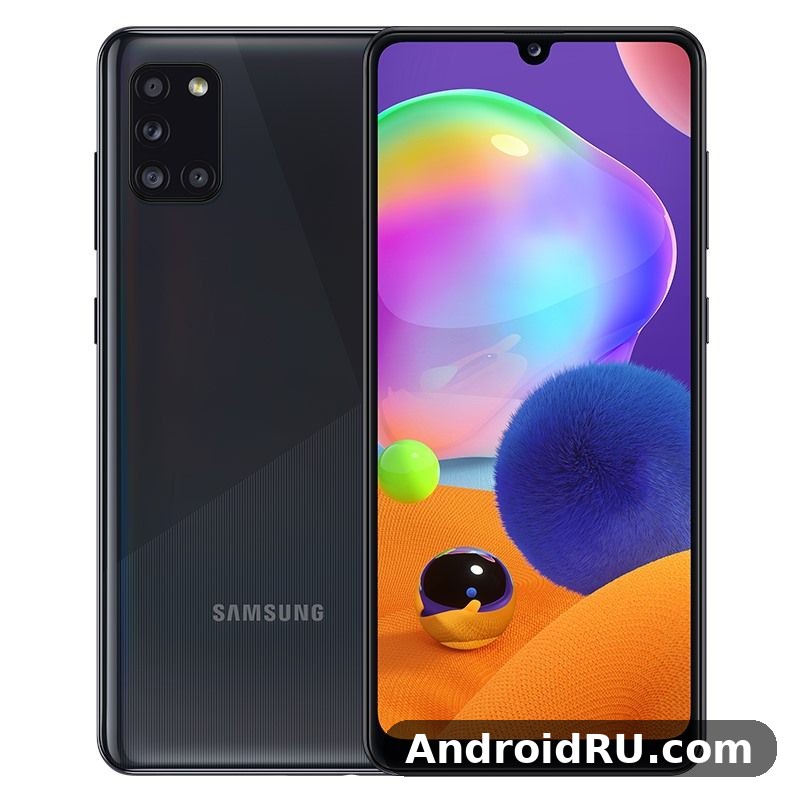
I spent time with the A31 as a daily phone, not as a benchmark chart. I used it for photos at family gatherings, for video on the train, for messaging, maps, and the usual mix of social apps. This merged review and specification guide looks at what the cameras actually produce, how the MediaTek Helio P65 chip handles ordinary days, and whether the big battery still delivers the two-day promise Samsung made at launch. It also folds in the complete hardware sheet, so every claim about the screen, the chip, or the charging speed can be checked against the exact figure in the same article. The Galaxy A31 battery life stretches to a full day for most people, with the 5000mAh cell and the efficient display doing most of the work.
If you are thinking about buying a used A31, or you already own one and wonder how much life it has left, the sections below should answer that. The short version is that the screen and the battery carry this phone, the main camera is genuinely good in daylight, and the slow charging and ended software support are the two limits you have to accept. Readers who want to see how Samsung’s newer affordable phones handle the same daily questions will find the Samsung Galaxy A26 5G Review: Build Quality, Software and Daily Speed a useful contrast, because it shows how much the budget line has changed since 2020.
Samsung Galaxy A31 48MP Quad Camera System in Everyday Use
The rear camera setup is the first thing most buyers asked about in 2020, and it still shapes how the phone feels today. The main camera uses a 48MP sensor with an f/2.0 lens, joined by an 8MP ultrawide camera, a 5MP macro camera, and a 5MP depth sensor. On paper that is a flexible kit for the price. In practice, the main camera does most of the work, the ultrawide earns its place on holidays and in tight rooms, and the macro and depth cameras are pleasant extras rather than reasons to buy the phone. The Galaxy A31 night mode camera work is strongest on the main sensor, where multi-frame processing brightens shadows without turning night scenes into daylight.
Daylight photos from the main camera look clean and friendly. Colours lean slightly warm and vivid, which suits food, portraits, and street scenes, and Samsung’s processing keeps skies blue without turning grass into plastic. Detail holds up well when you view photos on the phone itself, and it stays respectable when you crop a little or print a small photo. The camera app is quick to open from the lock screen, and the shutter responds fast enough that you rarely miss a moment with children or pets. That responsiveness matters more in daily use than any single specification. The Galaxy A31 selfie camera quality is solid in good light, with the 20MP front sensor capturing natural skin tones and enough detail for social photos and video calls.
Main 48MP camera and daylight photo quality
The 48MP quad camera bins pixels down to 12MP by default, which is the right call for a phone in this class. The binned shots have less noise, better dynamic range, and smaller file sizes than full-resolution shots, and most people will never need the full 48MP mode. I found the default mode handled mixed light well: bright windows behind a subject did not blow out completely, and shadows kept some detail instead of crushing to black. Samsung’s scene optimiser can be left on for landscapes and food, though I turned it off for portraits because it sometimes pushed skin tones too warm. The best camera settings for Galaxy A31 start with the main lens at full resolution for landscapes, night mode after dark, and the grid switched on for straighter horizons.
There is a limit to what the sensor can do, and it shows in fine detail. Distant tree branches and brick walls can look slightly smeared when you zoom in to 100 percent, which is normal for a mid-range sensor from 2020. The phone also takes a beat longer to process night shots than a modern flagship, so you need a steady hand. None of that ruins the camera. It means the A31 is a good daylight camera and a fair low-light camera, and you should judge it on that basis rather than expecting flagship night results. Does the Galaxy A31 record 4K video? No, video tops out at 1080p on this model, which is fine for social clips and video calls but not for 4K editing.
When to use the full 48MP mode
Full 48MP mode is available in the camera settings for scenes where you want maximum detail, such as a landscape you plan to crop later. Autofocus is phase-detection based, which locks onto subjects quickly in good light and more slowly in dim conditions. For everyday shots, the 12MP binned mode is better: the files are smaller, the noise is lower, and the dynamic range is wider. I switched to full resolution only a handful of times, and each time it was for a wide landscape on a bright day.
Low-light shots and Night mode on the Galaxy A31
Night mode on the A31 stacks several frames and brightens the result, and it genuinely helps in restaurants, at dusk, and on dim streets. Photos come out brighter and cleaner than a single auto shot, with less grain in the sky and more detail in faces. The trade-off is time: you have to hold still for a couple of seconds, and moving subjects blur. I got my best night results by bracing the phone against a wall or a table and letting the mode finish without rushing it. The A31 camera is built around its 48MP main sensor, and without optical stabilisation, steady hands matter more in low light.
The f/2.0 aperture lets in a reasonable amount of light for a mid-range sensor, and pixel binning combines four sensor pixels into one larger output pixel, which reduces noise and improves dynamic range. Even so, a phone from 2020 cannot match what newer sensors do after dark. If you shoot mostly at night, a newer model will serve you better. If your photos are mostly taken in daylight, at home, or outdoors, the A31 holds its own. The A31 selfie camera handles video calls and social photos well in good light, with portrait mode adding a soft background blur.
Video recording quality and stabilisation limits
Video tops out at 1080p at 30 frames per second on both the rear and front cameras, with no 4K option. That sounds modest now, but 1080p is still the format most people actually watch on a phone, and the footage looks steady and natural in good light. Electronic stabilisation smooths out small hand movements while walking, though it cannot rescue fast running or a bumpy road. Sound from the single microphone is clear enough for voice and ambient noise, but it picks up wind easily, so I shielded the phone with my hand on breezy days. The A31 portrait mode works best with a clear subject and some distance behind them, which keeps edge detection clean.
The camera app offers panorama, slow motion, hyperlapse, and a pro mode with manual control over ISO, white balance, and exposure on the main camera. Slow-motion video records at reduced resolution, which is fine for a quick playful clip. There is no optical stabilisation, so fast movement and low light both show their limits in video, and that is one of the clearest signs of the phone’s age.
8MP ultrawide camera for landscapes and tight spaces
The 8MP ultrawide camera covers a 123-degree field of view, which is wide enough to fit a whole building, a group of friends, or a mountain view into one frame. It is the camera I reached for on walks and on holiday, where stepping back was not an option. Colours stay close to the main camera, so switching between the two does not produce a jarring change in a photo album. Detail is softer at the edges, especially in low light, and straight lines near the frame edges can bend slightly. Those are fair compromises for an 8MP ultrawide, and the shots are still good for sharing online.
The ultrawide camera has no autofocus, which is normal for ultrawide lenses of this class, and its fixed focus suits distant scenes rather than close subjects. In bright light it is perfectly usable, and I used it often for architecture and group shots. In dim light it struggles, and the results get noisy quickly. That is worth knowing before you buy, because the ultrawide is at its best exactly where the light is good.
5MP macro and 5MP depth cameras as supporting lenses
The macro camera lets you focus from a few centimetres away, which is fun for flowers, insects, and small objects. Results are best in bright daylight with a steady hand, because the 5MP sensor needs plenty of light. The macro camera focuses from about 3 to 5 centimetres, and it needs bright light to produce sharp results, because its small sensor and f/2.4 aperture gather less light than the main camera.
The depth sensor has no photo output of its own; it helps the main camera judge distance for Live Focus portraits, where the background blurs behind the subject. Portraits with Live Focus look convincing when the subject is a person standing a metre or two away, with clean separation around hair most of the time. Busy backgrounds and thin objects can confuse the blur, so I checked the result before moving on.
20MP front camera for selfies and video calls
The 20MP front camera sits in a small waterdrop notch and takes bright, detailed selfies in daylight. Skin tones look natural with beauty mode turned down, and the camera handles backlit windows better than many rivals from the same year. Video calls look sharp on a laptop screen, and the front camera is more than good enough for the video meetings and family calls that became a daily habit after 2020. In dim rooms, selfies get softer and noisier, so I moved closer to a lamp or a window when I wanted a keeper. Does Galaxy A31 have a microSD card slot? Yes, the hybrid tray accepts cards up to 512GB, though the second SIM slot is shared with the card. The A31 NFC chip covers contactless payments and tap-to-pair accessories, though availability can vary by region.
The front camera records video at up to 1080p at 30 frames per second, the same limit as the rear cameras, and it supports Live Focus portraits and a range of beauty and filter options. For a phone of this era, the selfie camera is one of the stronger parts of the package, and it is one of the reasons the A31 still works fine as a second phone for calls and chats. Does Galaxy A31 support eSIM? No, this model has no eSIM, so a second line needs the physical dual-SIM tray. The A31 microSD slot accepts cards up to 512GB, which is the cheapest way to add room for photos and offline video.
6.4-inch Super AMOLED Display and Video Watching
The 6.4-inch Super AMOLED panel is the part of the A31 that still feels modern. It has a Full HD+ resolution of 1080 by 2400 pixels, deep blacks, and punchy colours that make videos and photos look alive. Watching a film or a football match on this screen is a genuine pleasure, and the always-on display shows the time and notifications without waking the whole panel. Brightness is strong enough for outdoor use on a sunny day, though direct sunlight at noon can still wash the screen out a little. The Galaxy A31 display quality is the first thing most owners notice, with punchy colours and deep blacks that suit video and reading.
The display runs at a standard 60Hz refresh rate, so scrolling is smooth in the normal sense rather than the silky way a 90Hz or 120Hz panel feels. I noticed the difference only when I switched back and forth with a faster phone; after a day with the A31 alone, the 60Hz screen felt completely normal. The waterdrop notch is small and easy to ignore, and the thin bezels keep the phone compact for a 6.4-inch device. For reading, browsing, and video, this is one of the best screens you could get at this price in 2020, and it remains pleasant today. The A31 display is a 6.4-inch Super AMOLED 60Hz panel, which is generous for video, reading and gaming at this price.
Screen brightness, colours and always-on display options
Samsung gives you two colour modes: Vivid, which boosts saturation, and Natural, which tones it down. I used Vivid for video and Natural for long reading sessions, and switching takes a few taps in Settings under Display. The always-on display can show a clock, the date, and notification icons, and you can set it to appear on tap or on a schedule. It uses very little power because only a few pixels light up. Eye comfort shield, which warms the screen colour at night, is worth turning on if you read in bed. The Galaxy A31 fingerprint sensor is quick and reliable once you register the same finger twice, which improves recognition when your hands are dry or slightly damp. An A31 unboxing is a quick job: the phone, a USB-C cable and the paperwork are inside, and you will need your own charger if one is not included in your region.
Full HD+ resolution is the sweet spot for a 6.4-inch phone: sharp enough for reading small text, light enough that the graphics chip does not work hard, which helps battery life. Pixel density near 411 ppi means web pages, ebooks, and photos all render cleanly. Brightness in everyday indoor use sits comfortably below maximum, and the automatic brightness sensor adjusts quickly when you step outside. The Galaxy A31 headphone jack is still here, so wired earphones work without an adapter. The A31 fingerprint sensor sits under the display and unlocks quickly once your finger is registered well.
Super AMOLED panel technology and burn-in checks
Super AMOLED integrates the touch layer into the display itself, which keeps the panel thin and improves outdoor visibility slightly. Because only the lit pixels draw power, the always-on display costs very little battery overnight. Burn-in is a known risk with any AMOLED panel after years of static images, so check a used A31 for faint ghosts of the status bar or keyboard before you buy. Open a plain grey image at full brightness and look closely at the top and bottom edges, where static icons sit longest.
Resolution, pixel density and screen brightness
The display is a 6.4-inch Super AMOLED panel with a resolution of 1080 by 2400 pixels, which works out to roughly 411 pixels per inch. That density is high enough that text looks sharp and individual pixels are invisible at normal viewing distance. The 20:9 aspect ratio makes the phone tall and narrow, which suits scrolling through feeds and reading long articles, and the waterdrop notch at the top holds the front camera without taking much space. A fresh A31 wallpaper is the quickest way to make the home screen feel new, and the bright display makes colourful images look their best.
Brightness is rated in the region of 400 to 420 nits in typical use, with higher peaks in bright conditions, and in practice the screen stays readable outdoors on a sunny day. Compared with the current flagship line, the panel on newer Samsung phones is brighter, sharper, and faster, but the A31 screen was among the best in its price class in 2020 and it still looks good today. If you compare it with the screen on the Samsung Galaxy A32 5G Review: Display, Audio and Overall Experience, you will see the same Super AMOLED strengths carried forward, with a faster refresh rate added on the newer model.
MediaTek Helio P65 Performance for Daily Apps and Light Gaming
The Helio P65 is a 12nm octa-core chip with two fast Cortex-A75 cores and six efficient Cortex-A55 cores, paired with a Mali-G52 graphics processor. It was a solid mid-range chip in 2020, built for efficiency rather than raw speed. In daily use, that design works well: messaging, email, maps, banking apps, and the browser all open quickly and stay responsive. The phone comes with 4GB or 6GB of RAM, and the 6GB version keeps more apps in memory, so switching back to a browser tab or a chat feels snappier. I used the 6GB model, and it handled a normal day of ten or so apps without constant reloading. The Galaxy A31 gaming performance is good for popular titles at medium settings, though demanding games need lower graphics settings to hold a steady frame rate.
There are limits, and they show up when you push the phone. Heavy multitasking with a dozen apps, or editing a long video, makes the A31 pause and think. App installs and large updates take longer than on a newer chip. That said, the phone rarely stutters in the tasks most people actually do. The Helio P65 octa-core chip is not a speed demon, but it is honest about what it is: a chip that trades peak power for steady battery life, and for a phone that cost what the A31 did, that trade was sensible. The Galaxy A31 processor speed is enough for daily apps, browsing and video, though heavy games are where its limits show.
Everyday multitasking and app loading on 4GB and 6GB RAM
On the 6GB model, I could keep a maps app, a music app, a browser with several tabs, and a chat app open at once without the phone dropping them from memory. The 4GB model will reload apps more often, especially the browser, which is worth knowing if you are choosing between used units. Both versions benefit from a quick tidy-up now and then: closing apps you have not used in days and clearing the cache of heavy social apps keeps things moving. One UI also has a device care section that frees memory and storage in a couple of taps, and running it once a week is enough. Does Galaxy A31 overheat while gaming? In testing it stayed comfortable during normal play, and only long sessions at maximum settings made the frame noticeably warm.
RAM is the short-term memory the phone uses to keep apps open, and the difference between 4GB and 6GB is noticeable in daily use: the 6GB model reloads apps less often and keeps more browser tabs alive. Heavy users who run a dozen apps a day will feel the difference, while light users who use five or six apps may not notice it at all. If you are choosing between two used units and the 6GB model costs only a little more, it is worth the premium for the smoother multitasking alone. Choosing between the A31 64GB vs 128GB options comes down to photos and offline video: heavy shooters should take the larger size, while light users can save money and add a microSD card later.
Light gaming, heat and sustained speed
Casual games such as puzzle games, card games, and light arcade titles run smoothly on the A31. Demanding 3D games run too, but you should expect medium graphics settings and occasional frame drops in busy scenes. I played a few rounds of a popular battle royale at medium settings and the game stayed playable, with the phone warming up gently rather than getting hot. Long sessions of an hour or more can trigger a small drop in speed as the chip protects itself from heat, which is normal and keeps the phone safe. If gaming is your main hobby, a newer phone will serve you better; if games are a way to pass twenty minutes on the bus, the A31 is fine. The A31 performance is smooth for everyday apps, messaging, browsing and video, with heavier games being the only place it shows its mid-range roots.
The Mali-G52 MC2 graphics unit supports the common graphics APIs of its generation and handles 1080p video decoding in hardware, which keeps video smooth and power use low. Casual games run at full speed, and popular 3D titles run at medium settings with playable frame rates. High graphics settings in demanding games can cause frame drops, so medium is the sensible choice on this phone. If you play mostly puzzle, card, and arcade games, the GPU will never feel like a limit. For A31 gaming, lighter titles run smoothly, while demanding games need lower graphics settings to hold a steady frame rate.
CPU cores, clock speeds and the 12nm process
The 12nm manufacturing process was a reasonable balance of cost and efficiency in 2020. Smaller processes use less power and produce less heat, and 12nm was a step ahead of the 14nm and 16nm chips in older budget phones. The two fast cores run at up to 2.0GHz and give the phone its snappy feel when you tap an app, while the six efficient cores run at up to 1.7GHz and keep the phone cool and long-lived during idle time and light use. Thermal throttling exists, as on every phone: after sustained heavy load, the chip lowers its speed to stay within safe temperatures, so frame rates in long gaming sessions can dip slightly. The A31 storage starts at 64GB in the base model, and buyers who shoot a lot of video should consider the larger version, though a microSD card can add room later.
Heat and sustained performance during long sessions
After thirty minutes of continuous gaming or video recording, the back of the phone feels warm around the camera area but never uncomfortable to hold. The chip throttles gradually, so you notice slightly lower frame rates rather than a sudden freeze. I never saw the phone shut down or warn about heat in normal use, including on a warm afternoon outdoors. Keeping the phone out of direct sun while gaming and closing background apps first both help it hold its speed longer. If A31 overheating shows up during long gaming sessions, a short break and lower graphics settings bring temperatures back down.
5000mAh Battery Life and 15W Charging in Real Use
The 5000mAh battery is the A31’s strongest card. On a normal day of messaging, browsing, an hour of video, and some photos, I ended the evening with 40 to 50 percent left. On lighter days, the phone comfortably reached a second day without charging. Heavy days with navigation, hotspot use, and gaming still got me through to bedtime, which is more than many phones from 2020 could claim. The efficient chip, the 60Hz screen, and the large cell work together here, and the result is battery life you can rely on rather than manage. The Galaxy A31 charging time depends on the charger you use: with a 15W charger it tops up far faster than with an old 5W brick, and a full charge takes around an hour or more.
Charging is the weak side of the deal. The phone supports 15W wired charging over USB-C, and a full charge from empty takes around two hours, sometimes a little more. There is no wireless charging. In practice, I charged the phone overnight and never worried about it, but if you need a quick top-up before leaving the house, fifteen minutes on the charger adds only a modest amount of power. A 15W charger in the box was standard for the time, and the slow speed is the price of the big battery. If you buy a used A31, check the battery health in a service menu or ask the seller how long it lasts now, because a five-year-old cell will not match a new one. Does Galaxy A31 support wireless charging? No, this model has no wireless charging coil, so charging pads will not work with it and the USB-C cable remains the only way to charge.
Two-day battery use and power saving modes
Samsung’s power saving modes stretch the battery further when you need it. Medium power saving limits background data and lowers brightness, while maximum power saving turns the screen monochrome and restricts apps to a chosen few. I used medium mode on long travel days and it added several hours without making the phone feel broken. Adaptive battery in Settings learns which apps you use and limits the rest, and it works quietly in the background once it has had a week to learn your habits. For an A31 battery drain overnight fix, check battery usage in Settings, turn off always-on display, and restrict background activity for apps that drain power while idle.
Capacity alone does not decide battery life; the efficient chip, the 60Hz screen, and the AMOLED panel all help the large cell last. Video streaming over Wi-Fi is one of the gentlest uses, while navigation with the screen on and mobile data active is one of the heaviest. If you compare battery claims between phones, look for screen-on time in real reviews rather than the milliamp-hour number alone, because two phones with the same capacity can last very different lengths of time. The A31 charging tops out at 15W wired, and there is no wireless charging on this model.
15W wired charging over USB-C
The 15W charger fills the battery at a steady, unhurried pace: roughly half a charge in the first hour and a full charge in about two hours. Fast charging at 25W, which arrived on later Samsung mid-range phones, is not supported, and no charger or cable can make the A31 charge faster than its 15W limit. Charging overnight is the practical routine for this phone, and avoiding very hot conditions while charging helps the battery age more slowly. Some A31 heating during charging is normal, especially with fast charging, and the phone cools down once the battery passes 80 percent.
Typical screen-on time with a new battery is in the region of seven to nine hours of mixed use, depending on brightness, signal strength, and which apps dominate the day. A used A31 will have a battery that has lost some capacity after years of charging, so real endurance depends on the condition of the individual unit, and a battery replacement at a repair shop can bring back most of the original performance. Readers weighing a newer Samsung against this older model can check how battery life and charging have improved in the Samsung Galaxy A25 5G Review: Design, Software and Camera Quality, which covers a later A-series phone with faster charging and a newer chip.
One UI Software and Android Updates up to Android 12
The A31 launched with Android 10 and One UI 2, and Samsung later updated it through Android 11 and Android 12 with One UI 4.1. That is a respectable run of updates for a mid-range phone from 2020, and it means a used A31 today should be running a modern-looking interface with the privacy controls and notification features of Android 12. One UI is one of the friendlier Android skins: large touch targets, a clean settings layout, and useful extras such as secure folder, edge panels, and a proper one-handed mode that pulls the screen down within reach. The Galaxy A31 software update schedule follows Samsung’s promise for this model, with major Android upgrades and security patches arriving over several years. Each A31 update arrives through Settings, then Software update, and installing it promptly keeps security patches current.
Software support has now ended, so no new Android version is coming, and security patches stopped some time ago. That matters if you use the phone for banking or keep sensitive information on it, because older software can carry unpatched flaws. For a second phone, a media device, or a handset for a child, the risk is smaller, but it is still worth knowing. On the A31 itself, the software still feels polished, and most apps in common use continue to work on Android 12. Among the Galaxy A31 hidden features and tips worth knowing are the double-press shortcut for the camera, the edge panel and the one-handed mode in Settings. The A31 features worth learning first are the fingerprint sensor, the quick settings layout and the camera modes tucked behind the More tab.
One UI features worth using on the Galaxy A31
Secure folder gives you a locked space for private photos and apps, protected by the fingerprint sensor or a PIN. Digital Wellbeing shows how much time each app takes and lets you set timers, which is genuinely useful if you want to cut down on late-night scrolling. The built-in screen recorder captures gameplay or a how-to video without a third-party app, and Samsung’s gallery app has a capable editor for cropping and light adjustments. These features are easy to miss, so it is worth spending ten minutes exploring Settings after you set the phone up. The Galaxy A31 price in India varies by storage and by seller, so check a few large retailers before buying rather than trusting the first listing you see.
One UI adds its own features on top of Android, including secure folder, edge panels, one-handed mode, a built-in screen recorder, and Samsung’s gallery editor. The update path brought the privacy dashboard, approximate location sharing, microphone and camera indicators, and the refreshed One UI design with larger controls and a cleaner notification shade. With support ended, some newer apps may eventually drop Android 12, though most common apps still support it today, and the phone remains usable as a second device, a media player, or a handset for lighter use. Is Galaxy A31 worth buying? For buyers who want a reliable Samsung phone with a good screen and long software support, the answer is yes at current street prices, though heavy gamers should weigh it against rivals with faster chips.
RAM and storage options, microSD expansion
The A31 shipped in two main memory configurations: 4GB of RAM with 64GB of storage, and 6GB of RAM with 128GB of storage, with some regions also selling 4GB with 128GB. Storage is the long-term space for apps, photos, and videos, and 128GB is the safer choice if you keep a large photo library or download films for travel. The microSD card slot accepts cards up to 512GB, and it uses a dedicated slot, so you do not have to give up a SIM card to expand storage. The A31 RAM is 4GB in the base model, which is enough for everyday multitasking without constant app reloads.
With 64GB of storage, the operating system and preinstalled apps take a share of the space, leaving roughly 50GB or so for your own apps and files, and that fills up faster than it sounds once photos and offline maps accumulate. The 128GB model gives roughly double the usable room and is the better long-term choice. Either way, the microSD slot is the safety valve: a 128GB or 256GB card holds thousands of photos and hours of video, and moving the camera app’s storage location to the card keeps internal storage free for apps that need it. The A31 processor handles daily apps and multitasking without fuss, though heavy games are where its limits show.
Design, In-Display Fingerprint Sensor and Headphone Jack
The A31 uses a plastic body with a glossy, prism-like back that catches the light in a pattern of soft reflections. It looks more expensive than it is, though the glossy finish picks up fingerprints quickly and benefits from a case. At around 185 grams and 8.6 millimetres thick, the phone feels balanced in the hand, neither too heavy nor too thin, and the curved edges help it sit comfortably during long calls. There is no official water resistance rating, so keep it away from the pool and heavy rain; a splash is usually survivable, but Samsung never promised it. The best screen protector for Galaxy A31 is a tempered glass one that covers the display fully and still lets touch input feel direct. The A31 durability is decent for everyday knocks, though a case is still wise for drops onto hard floors.
The optical in-display fingerprint sensor sits near the bottom of the screen. It works well with a clean, dry finger, unlocking the phone in under a second most of the time. Wet fingers and screen protectors can slow it down, so I registered the same thumb twice, once straight and once at a slight angle, which improved recognition noticeably. Face unlock is also available and is fast, but it is less secure than the fingerprint sensor and can struggle in the dark. The 3.5mm headphone jack on the bottom edge is a real plus: wired earphones just work, with no adapter and no charging worries, and the single bottom speaker is loud enough for podcasts in a quiet room. The best back cover for Galaxy A31 is a slim one with raised edges around the cameras, which protects the lenses without adding much bulk. A good A31 case is worth buying on day one, because the back panel shows scratches and smudges quickly.
Sensors, security and build dimensions
Security centres on the optical in-display fingerprint sensor, which reads a fingerprint through the screen and unlocks the phone in under a second with a clean, dry finger. Face unlock is also available as a faster but less secure option. The sensor set includes an accelerometer, a gyroscope, a proximity sensor, and a compass, plus a virtual light sensor that adjusts screen brightness. There is no barometer and no dedicated heart-rate sensor, which were features Samsung reserved for higher models at the time. Is the Galaxy A31 waterproof? No, it has no official IP rating, so keep it away from pools, showers and heavy rain. A tempered glass A31 protector is cheap insurance against drops and pocket scratches, and it fits the display without getting in the way of touch input.
The body measures about 159.3 by 73.1 by 8.6 millimetres and weighs about 185 grams. The frame and back are plastic with a glossy prism finish, while the front is glass. The 3.5mm headphone jack sits on the bottom edge beside the USB-C port and the single loudspeaker, and the volume and power buttons sit on the right edge within easy thumb reach. Colours were Prism Crush Black, Prism Crush Blue, Prism Crush White, and Prism Crush Red, with availability varying by region. The A31 colours are Prism Crush Black, Prism Crush White, Prism Crush Blue and Prism Crush Red, with the darker shades hiding fingerprints best. The A31 speakers are loud enough for video calls and podcasts, though headphones still win for music and films.
Connectivity, networks and SIM options
The A31 is a 4G LTE phone with no 5G support. It supports LTE on the common bands used across Europe, Asia, and other regions, with the exact band list depending on the regional model, so travellers should check the bands for their destination before relying on the phone abroad. Most markets sold a dual-SIM version with two Nano-SIM slots plus a dedicated microSD slot, which means you can use two numbers and a memory card at the same time. Does Galaxy A31 support dual SIM? Yes, through its hybrid tray, though the second SIM slot is shared with the microSD card. The A31 VoLTE support keeps calls on the 4G network, so voice quality stays clear without dropping to 2G or 3G.
Wi-Fi is dual-band 802.11 a/b/g/n/ac with Wi-Fi Direct and hotspot support, Bluetooth is version 5.0 with low-energy support, and NFC is present in some regions for contactless payments and pairing, though not in all of them. Positioning uses GPS, GLONASS, GALILEO, and BeiDou, which together give fast and accurate location fixes for maps and navigation. The phone also has an FM radio with recording, which needs wired earphones as an antenna, and a USB-C 2.0 port for charging and data. Does Galaxy A31 support call recording? It depends on your region and One UI version, because Samsung enables it only where local rules allow it, so check the Phone app settings before relying on it.
Full Specifications of the Galaxy A31
The table below gathers every key specification in one place, so you can check a number quickly or compare the A31 with another phone side by side. Where a specification varies by model or market, the table shows the range. The figures come from the launch specifications and the usual retail configurations; regional versions can differ slightly in RAM, storage, or network bands, so it is worth checking the exact model number on the box before you buy. The Galaxy A31 full specifications are listed in the specs section below, covering display, processor, cameras, battery and connectivity in one place.
| Specification | Samsung Galaxy A31 |
|---|---|
| Display | 6.4-inch Super AMOLED, 1080 x 2400 (FHD+), 20:9, 60Hz, waterdrop notch |
| Processor | MediaTek Helio P65, octa-core (2x Cortex-A75 at 2.0GHz + 6x Cortex-A55 at 1.7GHz), 12nm |
| Graphics | ARM Mali-G52 MC2 |
| RAM | 4GB or 6GB, depending on region and configuration |
| Storage | 64GB or 128GB internal, microSD slot up to 512GB |
| Rear cameras | 48MP main f/2.0, 8MP ultrawide f/2.2 (123 degrees), 5MP macro f/2.4, 5MP depth f/2.4 |
| Front camera | 20MP, f/2.2, waterdrop notch |
| Video | 1080p at 30fps, rear and front |
| Battery | 5000mAh, 15W wired charging over USB-C, no wireless charging |
| Operating system | Android 10 with One UI 2 at launch, updatable to Android 12 with One UI 4.1 |
| Networks | 4G LTE, dual SIM (Nano-SIM, dual stand-by) in most markets, no 5G |
| Connectivity | Wi-Fi 802.11 a/b/g/n/ac dual-band, Bluetooth 5.0, NFC (region dependent), GPS, GLONASS, GALILEO, BeiDou, FM radio, USB-C 2.0 |
| Sensors | In-display optical fingerprint sensor, accelerometer, gyro, proximity, compass, virtual light sensor |
| Audio | 3.5mm headphone jack, single loudspeaker, Dolby Atmos support |
| Dimensions | About 159.3 x 73.1 x 8.6 mm |
| Weight | About 185 grams |
| Build | Plastic frame and plastic back, glass front, no official water resistance rating |
| Colours | Prism Crush Black, Prism Crush Blue, Prism Crush White, Prism Crush Red (availability varies by region) |
Read as a whole, the specification sheet describes a phone that was well balanced for 2020 and remains usable for lighter duties today. The 128GB storage option, the 5000mAh battery, and the Super AMOLED display are the numbers that still matter, because they decide how the phone feels every day. The Helio P65 chip, the 15W charging, and the 1080p video limit are the numbers that show the phone’s age, and they are the reason a demanding user should look at a newer model instead. The A31 specs are summarised in the specifications section below, with the display, chipset, cameras and battery listed together.
How the Galaxy A31 specifications hold up today
If you buy an A31, buy the 6GB RAM and 128GB storage version if you can, check that it runs Android 12, confirm the battery still holds a charge through a full day, and pay a price that reflects a phone with no further software support. On those terms, the specifications add up to a fair deal for a second phone, a first phone, or a reliable backup. The screen, the battery, and the main camera are the three reasons the phone still earns its place, and the missing 5G, the slow charging, and the ended updates are the three reasons to keep the price low.
Galaxy A31 Versus Galaxy A32 4G and Galaxy A51
Two natural rivals help place the A31. The Galaxy A32 4G succeeded it with a 90Hz screen, a Helio G80 chip, and a 64MP main camera, while the Galaxy A51 sat a step higher in 2020 with a larger 6.5-inch screen and a slimmer design. All three share the big-battery idea in spirit, though the A51 used a smaller 4000mAh cell. The table below compares the three mid-range phones on the points buyers actually ask about.
| Feature | Galaxy A31 | Galaxy A32 4G | Galaxy A51 |
|---|---|---|---|
| Display | 6.4-inch Super AMOLED, 1080×2400, 60Hz | 6.4-inch Super AMOLED, 1080×2400, 90Hz | 6.5-inch Super AMOLED, 1080×2400, 60Hz |
| Processor | MediaTek Helio P65 | MediaTek Helio G80 | Exynos 9611 |
| Main camera | 48MP, f/2.0 | 64MP, f/1.8 | 48MP, f/2.0 |
| Battery | 5000mAh, 15W charging | 5000mAh, 15W charging | 4000mAh, 15W charging |
| RAM and storage | 4GB or 6GB RAM, 64GB or 128GB storage | 4GB, 6GB or 8GB RAM, 64GB or 128GB storage | 4GB, 6GB or 8GB RAM, 128GB storage |
| Fingerprint sensor | In-display, optical | In-display, optical | In-display, optical |
| Headphone jack | Yes, 3.5mm | Yes, 3.5mm | Yes, 3.5mm |
| Launch software | Android 10, One UI 2 | Android 11, One UI 3 | Android 10, One UI 2 |
Read the table as a story of small steps rather than a revolution. The A32 4G is the better phone for smooth scrolling and slightly better photos, while the A51 offers a bigger screen in a slimmer body but gives up battery capacity. The A31 still wins on battery life against the A51 and on price against both, which is why it remains a sensible used buy. If you find an A32 4G for only a little more money, take it; if the A31 is much cheaper, the A31 is the smarter spend.
Pros and cons of the Galaxy A31
After weeks of daily use, the balance of the A31 is clear. It is a phone that gets the fundamentals right and asks you to accept a few honest compromises in return. The list below is the short version of everything above, and it is the part I would want if I were choosing between a used A31 and another budget phone. A direct Galaxy A31 vs Galaxy A21s comparison shows the newer phone’s faster chip and brighter display, while the older model remains good value at discounted prices.
Pros: the 5000mAh battery genuinely lasts two days on light use and a full heavy day without anxiety; the Super AMOLED screen is bright, colourful, and still pleasant beside newer panels; the 48MP main camera takes good daylight photos and the ultrawide adds real flexibility; the headphone jack and microSD slot keep wired audio and cheap storage expansion available; the design is light and comfortable for one-handed use. The Galaxy A31 pros and cons come down to this: a good screen, dependable cameras and long software support on the plus side, against no wireless charging and performance that stays mid-range rather than flagship.
Cons: 15W charging is slow, with a full charge taking around two hours; the Helio P65 chip feels sluggish with heavy multitasking and demanding games; software support has ended at Android 12, so no new features or security patches are coming; the macro and depth cameras add little beyond the main and ultrawide lenses; there is no water resistance rating and no 5G option, which limits the phone on newer networks. The A31 price varies by retailer and storage, so compare a few listings before you buy.
Where the A31 sits against newer A-series phones
Newer A-series phones add faster screens, 5G, and far longer software support, and the gap is widest in exactly those three areas. The Samsung Galaxy A33 5G Review: Gaming, Multitasking and Battery Life shows the next step up the line, with 5G and a smoother display, while the A31 keeps its edge only on price and on the headphone jack that later models dropped. That trade is the whole decision in one sentence: pay less and accept 2020 limits, or pay more for a phone that will stay supported longer.
Frequently Asked Questions About the Galaxy A31
Is the Galaxy A31 still worth buying in 2026?
It depends on the price and the job. As a cheap second phone, a first phone for a teenager, or a media and messaging device, a good-condition A31 at a low price is still worth it, thanks to the screen and the battery. As a main phone for someone who games heavily, shoots a lot of video, or needs the latest security patches, a newer budget phone is a better buy. Check the battery health and the Android version before you pay, and prefer the 6GB RAM model if the price gap is small.
Does the Galaxy A31 support 5G networks?
No, the A31 is a 4G LTE phone only. It supports the common LTE bands used in most regions, along with dual SIM in most markets, but it cannot connect to 5G networks. That is fine for calls, messaging, streaming, and browsing, because 4G LTE is fast enough for all of those. It only matters if you bought a 5G plan expecting 5G speeds, or if your carrier plans to switch off older networks in your area, so check with your carrier before you commit. The A31 eSIM option is not available on this model, so a second line needs the physical dual-SIM tray.
How long does the Galaxy A31 battery last in daily use?
With a healthy battery, most people get a full day of heavy use and up to two days of light use from the 5000mAh cell. Screen-on time is typically around seven to nine hours of mixed use when the battery is new, and somewhat less after years of charging cycles. If your used A31 dies before dinner on a normal day, the battery is likely worn and worth replacing at a repair shop, because a fresh cell brings back most of the original endurance.
Can the Galaxy A31 record 4K video?
No, video recording tops out at 1080p at 30 frames per second on both the rear and front cameras. The footage is clean and steady in good light, and 1080p is still the most widely watched format on phones and social apps. If 4K recording matters to you, look at a newer Samsung model instead, because no software update can add it to the A31 hardware.
Who should buy the Galaxy A31 in 2026?
The A31 fits a particular buyer: someone who wants a big screen, a battery that lasts, and a decent camera for a small amount of money, and who does not need 5G, 4K video, or the latest Android version. It suits a second phone, a travel phone, a first smartphone, or a backup that lives in a drawer until the main phone breaks. The Super AMOLED display and the two-day battery are the reasons to pick it over other used phones from 2020, and they are the features you will notice every day. For a broader look at the affordable end of Samsung’s range, the Samsung Galaxy A24 Review: Daily Performance and Key Features is worth reading next, because it covers a later budget model with a similar focus on everyday use. Either way, go into the purchase with open eyes: check the battery, check the screen for burn-in, and pay a price that matches a phone whose software days are behind it.

