

Samsung Galaxy Z Fold3 5G Review: Folding Design, Cameras and Daily Use
When Samsung launched the Galaxy Z Fold3 5G in August 2021, folding phones stopped being a curiosity and started being a tool you could actually live with. This was the first Fold with water resistance, the first with an under-display camera, and the first with S Pen support. I spent weeks using one as my only phone, folding it open on the train, propping it half-open on a desk, and carrying it in a jeans pocket to see where the idea held up and where it still felt like a compromise. A Galaxy Z Fold3 5G water resistance test confirms the rating covers splashes and brief submersion, not every kind of water damage. The Galaxy Z Fold3 5G best camera settings for everyday shooting are simple: keep the main lens clean, let the phone pick the mode, and save the manual controls for tricky light.
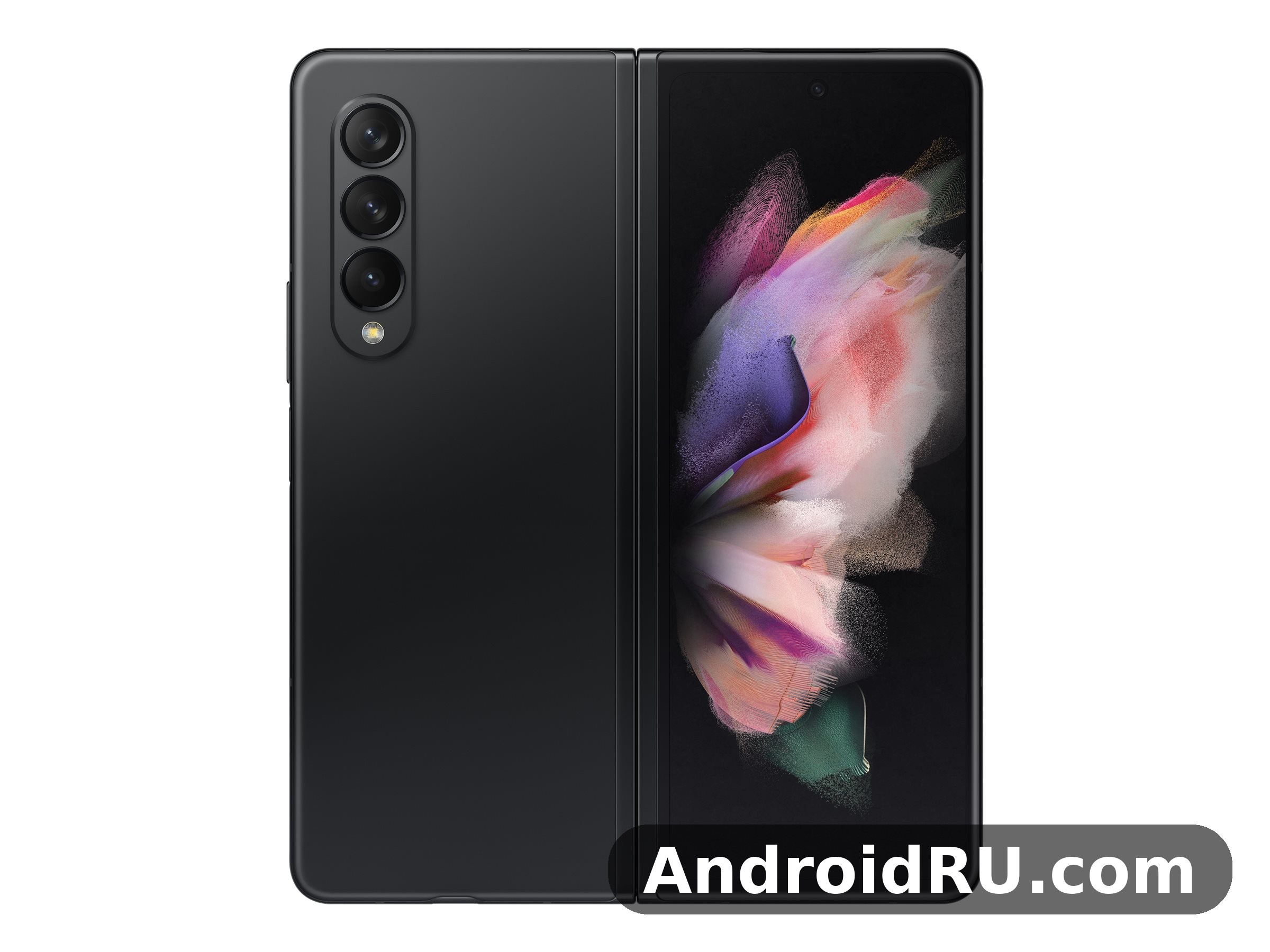
Three years of newer foldables have arrived since, yet the Z Fold3 still tells a useful story. It shows what a folding phone does well when the hardware is mature, and it shows the trade-offs that every book-style foldable still wrestles with: weight, battery life, and a camera system that sits a step behind the flat flagships of its year. This review looks at the folding design, the two screens, the cameras, the Snapdragon 888 performance, and the day-to-day reality of living with a phone that opens into a small tablet. In a Galaxy Z Fold3 5G camera test, daylight shots look clean and detailed, while low light is where the processing has to work hardest. A Galaxy Z Fold3 5G drop test is best left to reviewers, but the glass and frame are built to survive everyday knocks.
If you are shopping for a used Z Fold3 in 2026, or you simply want to know whether the third-generation Fold was the turning point people claimed, this review is for you. I will give you the honest picture, including the crease, the 271 gram weight, and the battery that asks you to plan your day. The hands-on notes below come from daily use, while the numbers behind them, the exact display resolutions, the chipset cores, the camera apertures, and the charging speeds, are gathered in the full specifications section near the end of this article.
Samsung Galaxy Z Fold3 5G folding design and hinge in everyday life
The first thing you notice is the shape. Folded shut, the Z Fold3 is a tall, narrow slab, 67.1 mm wide and 16 mm thick at the hinge side. It slips into a pocket easily enough, but it feels dense, like a small brick with rounded corners. Open it up and it becomes a 7.6-inch tablet that is only 6.4 mm thick, a transformation that still draws a small reaction from people who see it for the first time. The hinge is the star of the show. Samsung rebuilt it for this generation with sweeper brushes that push dust out of the mechanism, and the hinge holds its position at almost any angle between about 75 and 115 degrees, which is what makes Flex mode work.
In practice, the hinge feels firm and deliberate. It does not flop open, and it does not snap shut on its own. After months of use, the action stays consistent, with a satisfying resistance that tells your fingers exactly where the phone is in its travel. The Armor Aluminum frame, a stronger alloy Samsung introduced with this phone, shrugs off the small knocks of pocket life, and the IPX8 water resistance rating means rain and an accidental splash are no longer emergencies. That rating was a first for a folding phone, and it removed the biggest practical worry of the earlier Folds.
The clamshell cousin of this phone takes the opposite approach to folding, shrinking a normal phone in half instead of opening one into a tablet. Readers torn between the two shapes should compare this review with the Samsung Galaxy Z Flip4 Review: Cover Screen, Software and Cameras, which covers the pocket-sized Flip and its cover screen, before deciding which folding style fits their daily routine.
How the book-style fold changes the way you hold a phone
Open the phone and your thumbs have farther to travel. The inner display is wide, so two-handed use becomes the default for reading, browsing, and typing. One-handed use belongs to the cover screen, and Samsung tuned the 6.2-inch outer display to be a complete phone in its own right, with the same apps, the same notifications, and the same keyboard, just narrower. I found myself checking messages and skipping music tracks on the cover screen, then opening the phone when a task deserved more room. That rhythm, quick checks closed and real work open, is the whole point of the design.
The crease is there. You can see it when light catches the inner display at an angle, and you can feel it when a fingertip slides across the centre of the screen. Here is the catch, though: after a day or two, your brain edits it out. When you are reading an article or watching a video, your eyes follow the content, not the faint line down the middle. The ultra-thin glass layer under the plastic screen protector makes the inner display feel more solid than the original Fold, and the factory-fitted protector is something you should leave alone, since peeling it off can damage the panel.
Flex mode and the hinge angles that make it useful
Flex mode is the hinge doing real work. Open the phone halfway and set it on a table, and the top half becomes a screen while the bottom half becomes a control surface. Video calls sit upright without a stand, the camera app puts its controls on the lower half, and YouTube keeps the video on top with comments below. I used it most for video calls from a hotel desk and for hands-free video while cooking. It is a small thing, but it is the kind of small thing that makes the folding design feel like a feature instead of a trick.
Cover screen versus inner screen: when to use each one
The cover screen is a 6.2-inch Dynamic AMOLED 2X panel with a 120Hz refresh rate, and it is genuinely good, not a token display. Text is sharp, colours are vivid, and scrolling is smooth. Its narrow 25:9 shape makes typing a little cramped, and long articles feel like reading through a letterbox, but for calls, maps, music, and quick replies, it is all you need. The inner screen is where the phone earns its keep: a 7.6-inch QXGA+ panel, also 120Hz, with room for two apps side by side and a third in a floating window. Reading a PDF next to an email, or watching a video while keeping a chat open, is the daily win that no flat phone can match at this size. A Galaxy Z Fold3 5G screen brightness test shows the display staying readable outdoors, even in bright sunlight. The Galaxy Z Fold3 5G outdoor visibility holds up well, with the display staying readable even in bright sunlight.
Battery life shapes how you use the two screens. The big inner display drinks power faster, so a day of heavy tablet-style use will send you looking for a charger by the evening. Lighter days, mostly on the cover screen, stretch comfortably further. That trade-off is honest and predictable, and it is worth knowing before you buy. For the Galaxy Z Fold3 5G how to screenshot shortcut, press the power and volume-down buttons together, and the captured image lands straight in your gallery.
Galaxy Z Fold3 5G inner display and cover display quality
Both screens on the Z Fold3 are Dynamic AMOLED 2X panels with adaptive refresh rates up to 120Hz, and both look excellent in normal use. The inner display measures 7.6 inches with a QXGA+ resolution of 2208 by 1768 pixels, which works out to around 374 pixels per inch. Colours are rich without being cartoonish, and the Vivid mode can be toned down to Natural if you prefer accuracy over punch. Brightness is strong enough for outdoor use, though direct sunlight still washes the panel out a little, as it does on most phones of this era. The 120Hz refresh rate makes scrolling through long pages feel fluid, and the adaptive system drops the rate when the screen is static to save power.
The cover display runs at 2268 by 832 pixels, which is HD+ on paper but looks sharp at this size, and it also gets the 120Hz treatment, a big step up from the 60Hz cover screen on the Fold2. That matters more than the spec sheet suggests, because the cover screen is the display you touch first dozens of times a day. Animations feel quick, and the whole phone feels responsive before you ever open it. Samsung also made the cover screen taller and a little wider than the Fold2, so typing and reading are less cramped than they were on the previous generation.
Reading, video and multitasking on the 7.6-inch folding screen
The inner display is at its best when you give it two jobs at once. App Pair lets you save a two-app split as a single shortcut on the Edge panel, so one tap opens your browser and notes app side by side, or your email and calendar together. Drag and drop works between supported apps, so you can pull a photo from the gallery straight into a message. I used the split screen most for research: an article on one side, notes on the other, with the S Pen for underlining and scribbling in the margins. It is the closest a phone has come to a small laptop workflow without a keyboard.
Video is good, with one honest caveat. The inner display has a squarish 22.5:18 aspect ratio, so a 16:9 video leaves black bars at the top and bottom. The picture itself is bright and detailed, and the stereo speakers are loud and clear, but the effective video size is closer to a large phone than a tablet. The cover screen, with its tall narrow shape, is actually the better video shape for vertical clips. Neither is a problem, but it is worth knowing that the big screen shines most for reading, documents, and multitasking, not for cinema.
Under-display camera and the small dot in the middle of the screen
The inner selfie camera hides under the display, a first for Samsung. In normal use you barely notice it. There is a faint cluster of pixels where the 4MP sensor sits, visible only if you look for it against a plain white background. Photos from it are soft, with a slight haze, because light has to pass through the display. Samsung clearly made a trade: a cleaner screen in exchange for a weaker inner selfie camera. The fix is simple, and it is the cover camera. For video calls that matter, use the 10MP cover selfie camera or the rear cameras with the cover screen as a viewfinder, and the quality jumps up immediately.
Display protection, crease and screen protector facts
The inner display is protected by ultra-thin glass and a factory-fitted screen protector, while the cover display uses Gorilla Glass Victus. The hinge is rated for 200,000 folds by Samsung, which works out to about 100 folds a day for more than five years. In practice, the hinge stays firm and the sweeper brushes inside it push dust out of the mechanism. If you buy used, open and close the phone several times and look at the inner display on a white background to check for dead pixels, discolouration along the crease, or a lifting protector.
Galaxy Z Fold3 5G cameras: triple 12MP rear system tested
The rear camera system is a triple 12MP camera setup: a 12MP wide camera with optical image stabilisation and Dual Pixel autofocus, a 12MP ultrawide with a 123-degree field of view, and a 12MP telephoto with 2x optical zoom and stabilisation. On paper it matches the Galaxy S21, and in daylight it performs like it. Photos are bright, detailed, and full of the saturated Samsung colour that looks great on the phone screen and on social media. The main camera focuses fast, handles mixed light well, and produces reliable shots without fuss. The ultrawide is fun for landscapes and tight interiors, with the usual softness at the edges that comes with a very wide lens.
Night mode is where the system earns its keep. Samsung’s processing pulls surprising detail out of dim restaurants and evening streets, and the main camera keeps noise under control at the cost of some fine texture. The 2x telephoto is handy for portraits and for pulling a distant subject closer, but it is only 2x, so do not expect the long reach of a modern flagship with a periscope zoom. Video reaches 4K at 60 frames per second on the rear cameras, with stabilisation that smooths out walking shots nicely, and the phone can record 8K at 24 frames per second if you want the extra resolution and can live with the large file sizes.
The cameras are good, honest, and reliable, but they are not the best Samsung made in 2021. The Galaxy S21 Ultra, with its 108MP main sensor and 10x zoom, sits clearly above this phone for photography. The Z Fold3 trades camera ambition for the folding screen, and most buyers will accept that trade once they have used the big display. Readers who rank photo quality above the folding screen should also look at the Samsung Galaxy A57 5G Review: Photo Quality, Video and Performance, which puts camera quality first and shows what a newer Samsung phone does when photography leads the design.
Galaxy Z Fold3 5G photo quality in daylight, low light and portrait mode
Daylight photos are the strong suit. The main camera captures clean detail, natural skin tones with a slight warm push, and skies that stay blue rather than blowing out to white. HDR works quietly in the background, lifting shadows in backlit scenes without making the image look processed. Portraits from the telephoto lens have pleasing background blur, and edge detection around hair is good in decent light, though it can struggle against busy backgrounds. The ultrawide is best kept for scenes that genuinely need the width, since its smaller aperture and fixed focus make it the weakest of the three in low light.
In low light, the phone leans on Night mode, which takes a few seconds and rewards a steady hand. Results are bright and usable, with street signs readable and faces recognisable, but fine detail turns waxy if you zoom in. That is normal for computational night photography of this generation, and the Z Fold3 is competitive with its peers. Selfies from the 10MP cover camera are sharp and well exposed, while the 4MP under-display camera is best kept for video calls, where its softness is far less noticeable than in a still photo.
Galaxy Z Fold3 5G video recording, Flex mode camera tricks and selfie options
Video is a genuine strength. 4K at 60 frames per second looks smooth and detailed, and the stabilisation keeps handheld footage watchable even while walking. Flex mode turns the phone into its own tripod: fold it halfway, set it down, and record a time-lapse or a hands-free clip without any extra gear. Director’s View records from the front and rear cameras at the same time, which is handy for vlog-style clips where you want your reaction and the scene together. Single Take fires all the cameras at once and returns a set of stills and short clips, a fun mode for birthdays and holidays when you do not want to choose a single shot.
Galaxy Z Fold3 5G video recording also reaches 8K at 24 frames per second, 1080p at up to 240 frames per second for slow motion, and 720p at up to 960 frames per second for super slow motion. HDR10+ video is supported, and the rear cameras can be used for selfies with the cover display as a viewfinder, which gives the best selfie quality of all three options.
Snapdragon 888 performance and 12GB RAM in daily use
The Snapdragon 888 chipset, paired with 12GB of RAM and 256GB or 512GB of UFS 3.1 storage, was flagship hardware in 2021, and it still handles everyday work without complaint. Apps open quickly, split-screen multitasking stays smooth, and switching between three apps does not force reloads. Gaming is strong too: demanding titles run at high settings, and the large inner display gives you a wider view of the game than any flat phone. The phone does get warm during long gaming sessions, and the Snapdragon 888 has a reputation for running hot under sustained load, so frame rates can dip after twenty or thirty minutes of heavy play. For normal use, calls, browsing, email, maps, and streaming, heat is simply not an issue. For a Galaxy Z Fold3 5G gaming test, the phone stays smooth in popular titles at sensible settings, though long sessions will warm it up.
Software is One UI, which on this phone is tuned for the fold. The taskbar-style Edge panel, App Pair shortcuts, and the ability to open a third app in a floating window make the big screen feel organised rather than just large. The phone launched with Android 11 and One UI 3.1.1, and Samsung updated it through Android 12 and Android 13, a long support run for a 2021 device. If you buy one used, check that it is on the latest available software, since the later updates improved battery management and fixed early Flex mode quirks.
Compared with the newest Samsung flagships, the gap is real but narrow for ordinary tasks. A modern flagship loads heavy games faster and handles AI features the Z Fold3 never received, yet for browsing, messaging, and media, the difference is measured in fractions of a second. The chipset layout explains the design: one Cortex-X1 prime core at 2.84 GHz, three Cortex-A78 performance cores at 2.42 GHz, and four Cortex-A55 efficiency cores at 1.8 GHz, with an Adreno 660 GPU and a Snapdragon X60 modem for 5G.
Gaming, heat and sustained performance on the folding phone
For gaming, the inner display is both a joy and a compromise. The wide view helps in strategy games and racers, and the 120Hz refresh rate keeps motion smooth. The compromise is the aspect ratio: some games letterbox, and the crease can catch light during dark scenes. Heat builds up near the hinge side during long sessions, and the phone will throttle to protect itself. In my testing, casual games never triggered this, and even demanding games stayed playable, just with slightly lower frame rates after sustained play. A phone cooler helps if you game for hours, but most owners will never need one.
Geekbench 5 scores for the Snapdragon 888 sit around 1100 single-core and 3500 multi-core, and AnTuTu scores sit near 800,000, figures that still beat most mid-range phones in 2026. Gaming at high settings is smooth in short sessions, and the large inner display gives a wider field of view in many titles. Under sustained load, the phone warms near the hinge and trims performance to protect itself, so competitive players will notice a small drop in frame rates after twenty or thirty minutes.
Galaxy Z Fold3 5G storage options, 5G connectivity and software updates
Storage comes in 256GB and 512GB versions, with no microSD slot, so choose the larger size if you record a lot of 4K video. A minute of 4K 60fps footage takes roughly 400 MB, so video fills storage fast. The phone supports 5G on sub-6GHz and mmWave networks where available, Wi-Fi 6E, Bluetooth 5.2, NFC, and USB-C 3.2. The side-mounted fingerprint sensor is fast and reliable, and face recognition works well enough as a backup, though it is less secure than the fingerprint reader. Samsung promised three generations of Android updates plus security patches, and it delivered, which is one reason a used Z Fold3 in 2026 can still be a sensible buy if the price is right and the battery health is decent. The Galaxy Z Fold3 5G common problems and fixes are listed in the tips section, with the quick checks first and the deeper resets last. The Galaxy Z Fold3 5G release date and price question is covered in the verdict section, but the short version is that it launched in August 2021 and its price has fallen since.
Galaxy Z Fold3 5G battery life and 25W charging reality
The 4400 mAh battery is the weakest part of this phone, and it is worth being direct about it. Two screens, one of them very large, plus a flagship chipset, ask a lot of a battery that is smaller than the one in many flat phones of the same year. On a day of mixed use, mostly on the cover screen with some inner screen time, I finished the day with roughly 15 to 20 percent left. On a heavy day, with hours of inner screen reading, navigation, and video, the phone asked for a top-up before dinner. Power saving mode and the adaptive refresh rate help, but they cannot change the arithmetic: a big screen uses big power. How long does Galaxy Z Fold3 5G battery last? On a normal day it gets through to bedtime for most people, while heavy gaming or long video sessions will drain it faster. Is Galaxy Z Fold3 5G still worth buying? It comes down to the price you can find and whether its cameras, battery and software still cover your daily use.
Charging is 25W wired, which fills the battery in about an hour and a half, and 11W wireless charging, which is slower but convenient on a nightstand pad. There is also 4.5W reverse wireless charging, handy for topping up earbuds. The charger is not in the box, so you will need your own 25W USB-C charger to get the full speed. Compared with the fast charging on newer phones, 25W feels unhurried, and an overnight charge or a midday top-up becomes part of the routine. If battery life is your top priority, a flat flagship with a 5000 mAh battery will serve you better. If the folding screen is the priority, the battery is the price you pay, and most owners learn to live with it by charging during the day. The Galaxy Z Fold3 5G battery saving tips that matter most are adaptive battery, a lower refresh rate and taming background apps. The Galaxy Z Fold3 5G battery drain fix is simple in most cases: check background apps and adaptive battery settings before blaming the cell itself.
The battery is split into two smaller cells, one in each half of the phone, which is how Samsung fits a battery around the hinge. The older clamshell Flip of the same era faced a similar squeeze in a smaller body, and the Samsung Galaxy Z Flip3 5G Review: Foldable Design and Everyday Performance shows how the compact foldable balanced its even smaller cell against daily use. The next book-style Fold improved the balance, and the Samsung Galaxy Z Fold4 Review: Screens, Hinge and Battery Life covers how the successor handled battery life on a newer chip.
How to stretch the Galaxy Z Fold3 5G battery through a long day
A few habits make a real difference. Keep the adaptive refresh rate on, since it drops to lower rates when the screen is still. Use the cover screen for quick tasks and save the inner display for work that needs the space. Turn off 5G in areas where the signal is weak, since the phone burns power hunting for a signal. Dark mode helps a little on an AMOLED panel, and limiting background activity for apps you rarely open adds up over a day. With those habits, the phone comfortably survives a normal working day, even if it will not survive a heavy travel day without a power bank. The Galaxy Z Fold3 5G slow charging fix is usually a cable or adapter problem, so try a certified 25W charger before anything else. Is Galaxy Z Fold3 5G worth buying? It comes down to the price you can find and whether its cameras, battery and software still cover your daily use.
Screen-on time is the honest measure. Light days, mostly cover screen, calls, and messages, deliver around six to seven hours of screen-on time. Mixed days with an hour or two of inner screen reading and video deliver around five hours. Heavy days with navigation, video, and gaming deliver closer to four hours, and the phone will ask for a charger before the evening. These figures come from typical use, and your own results will vary with signal strength, brightness, and how often the inner display is open. The Galaxy Z Fold3 5G tips and tricks in this review are the ones worth turning on first, because they change daily use the most. The Galaxy Z Fold3 5G hidden features worth finding first live in the settings menus most owners never open.
S Pen Fold Edition support and what it adds to the big screen
The Z Fold3 was the first Fold to support the S Pen, and on the inner display it feels natural in a way it never quite does on a flat phone. The S Pen Fold Edition is a shorter, retractable-tip stylus designed for the softer folding screen, and it is sold separately, with an optional case that holds it on the side of the phone. Note-taking is the obvious win: open Samsung Notes, write in the margins of a PDF, sketch a diagram, or sign a document without ever touching a keyboard. The screen recognises 4096 levels of pressure, so handwriting feels responsive, and palm rejection works well enough that you can rest your hand on the display while you write. The Galaxy Z Fold3 5G price in India varies by storage, condition and seller, so compare a few listings in that market before you decide. The Galaxy Z Fold3 5G best settings for daily use are the ones that save taps: edge panels, quick settings and a sensible refresh rate.
There are limits. The S Pen does not work on the cover screen, only the inner one, and there is no slot in the phone to store it, so you need the case or a pocket. The regular S Pen from a Galaxy Note will not work properly here and can damage the folding display, so only the Fold Edition or the S Pen Pro should be used. For students, annotators, and anyone who marks up documents, the pen is a genuine reason to choose this phone. For everyone else, it is a nice extra rather than a deciding factor. A Galaxy Z Fold3 5G factory reset is the last resort for stubborn software trouble, so back up first and try a restart before it. A Galaxy Z Fold3 5G battery test puts the phone through a normal mix of browsing, video and calls, and it holds up for a full day for most people.
Note-taking, drawing and signing documents on the inner display
Samsung Notes is the centrepiece. It converts handwriting to text, syncs across devices, and lets you import PDFs and annotate them directly. I used it to mark up contracts, sketch room layouts, and take meeting notes that stayed legible because the page is wide enough for real handwriting. Drawing apps benefit from the large canvas too, and the pen latency is low enough that lines follow the tip without a visible lag. Air Actions, the gesture controls from the S Pen Pro, let you change slides or control media with a wave of the pen, a party trick that occasionally becomes genuinely useful during a presentation. The Galaxy Z Fold3 5G where to buy question comes down to trusted sellers and warranty, not just the lowest number on a listing. This Galaxy Z Fold3 5G full review covers cameras, performance, battery and software as one daily device, not as separate launch figures.
Galaxy Z Fold3 5G S Pen support turns the inner display into a notebook, and it is the feature that separates this Fold from every flat phone of its year. The pen works only on the inner display, with 4096 levels of pressure, and it pairs with Samsung Notes, PDF annotation, and drawing apps that support pressure-sensitive input. The Galaxy Z Fold3 5G price in US varies by storage, condition and seller, so compare a few listings in that market before you decide. The Galaxy Z Fold3 5G user manual is available from Samsung’s support pages if you want the official steps for any feature.
Galaxy Z Fold3 5G full specifications: screens, cameras, chipset and battery
The specification sheet tells a clear story. This is a flagship phone of 2021 in every respect except the battery, which at 4400 mAh is smaller than the 5000 mAh cell in the Galaxy S21 Ultra of the same year. The reason is simple physics: the folding mechanism and the two displays leave less room for a battery. Everything else, the chipset, the RAM, the screens, and the cameras, matches the flagship standard of its launch year. Compared with the Fold2, the Z Fold3 added three important things: IPX8 water resistance, S Pen support, and a 120Hz cover display. The chipset moved from the Snapdragon 865+ to the Snapdragon 888, the frame switched to the stronger Armor Aluminum alloy, and the price at launch dropped to 1799 US dollars, 200 dollars less than the Fold2. The Galaxy Z Fold3 5G best price question comes down to trusted sellers and warranty, not just the lowest number on a listing.
| Specification | Galaxy Z Fold3 5G |
|---|---|
| Launch | August 2021 |
| Chipset | Qualcomm Snapdragon 888, 5 nm |
| RAM | 12GB LPDDR5 |
| Storage | 256GB or 512GB UFS 3.1, no microSD slot |
| Inner display | 7.6-inch Dynamic AMOLED 2X, 2208 x 1768, 120Hz |
| Cover display | 6.2-inch Dynamic AMOLED 2X, 2268 x 832, 120Hz |
| Rear cameras | 12MP wide OIS + 12MP ultrawide + 12MP telephoto 2x |
| Front cameras | 4MP under-display + 10MP cover camera |
| Battery | 4400 mAh, 25W wired, 11W wireless, 4.5W reverse wireless |
| Water resistance | IPX8 |
| Weight | 271 g |
| Dimensions unfolded | 158.2 x 128.1 x 6.4 mm |
| Dimensions folded | 158.2 x 67.1 x 14.4 to 16.0 mm |
| S Pen | S Pen Fold Edition and S Pen Pro supported, inner display only |
| Operating system at launch | Android 11 with One UI 3.1.1 |
| Colours | Phantom Black, Phantom Green, Phantom Silver |
Model numbers are worth knowing when you buy used. The international model is the SM-F926B, while the US model is the SM-F926U1, and carrier versions carry their own suffixes. The core specifications are the same across regions, with the main differences in 5G band support and pre-installed software. When you buy a used phone, check the model number in the settings and confirm that it supports the 5G bands your carrier uses, since an imported model may miss a band that matters in your area.
Galaxy Z Fold3 5G screen specifications: 7.6-inch inner and 6.2-inch cover display
The two displays are the heart of this phone, and both are Dynamic AMOLED 2X panels with adaptive refresh rates from 10Hz up to 120Hz. The inner display measures 7.6 inches diagonally, with a QXGA+ resolution of 2208 by 1768 pixels, a pixel density of about 374 pixels per inch, and an aspect ratio of 22.5:18. The cover display measures 6.2 inches, with a resolution of 2268 by 832 pixels, a pixel density of about 387 pixels per inch, and a tall 25:9 aspect ratio. Both support HDR10+, and both reach high brightness outdoors, though the inner panel is the brighter of the two.
The inner display uses ultra-thin glass with a protective plastic layer on top, and Samsung fits a screen protector at the factory. That protector is part of the display assembly, not an accessory, and removing it can damage the panel, so it should stay in place. The 120Hz adaptive refresh rate is the specification that changes how the phone feels. Scrolling is smooth, animations are fluid, and the system drops the rate when the screen is static, which saves battery.
Galaxy Z Fold3 5G camera specifications: full triple 12MP system
The rear camera system has three 12MP sensors with optical image stabilisation, and the front of the phone carries two more cameras: a 4MP sensor under the inner display and a 10MP sensor in the cover display. The wide camera is 12MP, f/1.8, 26 mm, with Dual Pixel autofocus, optical image stabilisation, and 1.8 micrometre pixels. The ultrawide is 12MP, f/2.2, 13 mm, with a 123-degree field of view and fixed focus. The telephoto is 12MP, f/2.4, 52 mm, with 2x optical zoom, optical image stabilisation, and phase detection autofocus. The inner selfie camera is 4MP, f/1.8, under the display, and the cover selfie camera is 10MP, f/2.2, 26 mm.
The wide camera is the workhorse. Its f/1.8 aperture and large pixels gather enough light for clean daylight shots and capable night photos, and Dual Pixel autofocus locks on quickly even in mixed light. The ultrawide, at f/2.2 with a 123-degree field of view, is the weakest of the three in low light, since it has a smaller aperture and no stabilisation, but it is excellent for architecture and group shots in daylight. The telephoto offers 2x optical zoom, 10x digital zoom, and stabilisation, which keeps portrait shots sharp. Space Zoom beyond 10x is digital only and loses detail quickly, so treat 2x as the real zoom and anything beyond that as a convenience.
Galaxy Z Fold3 5G chipset, RAM and storage specifications
The Galaxy Z Fold3 5G runs on the Qualcomm Snapdragon 888 chipset, a 5 nm octa-core chipset with one Cortex-X1 prime core at 2.84 GHz, three Cortex-A78 performance cores at 2.42 GHz, and four Cortex-A55 efficiency cores at 1.8 GHz. The graphics processor is the Adreno 660, and the modem is the Snapdragon X60, which supports 5G on sub-6GHz and mmWave bands. The chipset is paired with 12GB of LPDDR5 RAM and either 256GB or 512GB of UFS 3.1 storage, and there is no microSD card slot, so the storage size you buy is the storage you keep.
There is only one RAM option, 12GB, which is generous even by 2026 standards, and it is the reason split-screen multitasking stays smooth with two or three apps open. Storage comes in 256GB and 512GB versions, both using UFS 3.1, which reads and writes fast enough that app installs and large file transfers feel quick. The missing microSD slot is the one storage compromise, and it matters most for people who record a lot of 4K video.
Galaxy Z Fold3 5G battery and charging specifications
The battery is a 4400 mAh lithium-ion cell, split into two smaller cells, one in each half of the phone. The wired charging specification is 25W over USB-C with Power Delivery, and a full charge from empty takes about ninety minutes with a compatible 25W charger. Wireless charging runs at 11W on a Qi pad, and reverse wireless charging, called Wireless PowerShare, runs at 4.5W and can top up earbuds or a watch from the back of the phone. The charger is not included in the box, so you need your own 25W USB-C charger to reach the fastest wired speed.
Wired charging at 25W fills roughly half the battery in about thirty minutes and reaches a full charge in around ninety minutes. Wireless charging at 11W is slower, taking well over two hours for a full charge, but it is convenient on a desk or nightstand. Wireless PowerShare at 4.5W is slow by design, since it exists for emergencies and small accessories rather than for charging another phone. The phone uses a USB-C 3.2 port, which also handles data transfer and video output over DisplayPort, so it can drive an external monitor with Samsung DeX.
Galaxy Z Fold3 5G 5G bands, Wi-Fi 6E, Bluetooth 5.2 and USB-C 3.2
The Snapdragon X60 modem supports both sub-6GHz and mmWave 5G, though the exact bands depend on the regional model, so check the model number against your carrier’s bands before buying an imported unit. Wi-Fi 6E adds the 6 GHz band for faster and less congested wireless connections where a compatible router is available, and Bluetooth 5.2 supports high-quality audio codecs and dual audio output to two sets of headphones at once. The USB-C 3.2 port transfers data faster than the USB 2.0 ports on many mid-range phones and supports video output, which is what makes DeX possible.
Galaxy Z Fold3 5G security updates and software support lifespan
Samsung promised three generations of Android updates for this phone and delivered Android 12 and Android 13, plus security patches into 2025. That is a long support run for a 2021 device, and it means a used Z Fold3 in 2026 runs modern software with most of the features that matter. It will not receive the newest Android versions or the latest AI features, so buyers who care about having the newest software should weigh that against the lower used price.
Galaxy Z Fold3 5G design, hinge, IPX8 rating and durability
The phone weighs 271 grams and measures 158.2 by 128.1 by 6.4 mm when open, and 158.2 by 67.1 by 14.4 to 16.0 mm when folded, the thickness varying because the hinge side is thicker than the outer edge. The frame is Armor Aluminum, an alloy Samsung introduced with this generation that is stronger than the aluminium used in the Fold2, and the outer panels use Gorilla Glass Victus. The hinge is rated for 200,000 folds, holds its position between roughly 75 and 115 degrees for Flex mode, and contains sweeper brushes that clear dust from the mechanism as it moves.
The IPX8 rating is a milestone specification. It means the phone can survive immersion in fresh water beyond one metre for a limited time under lab conditions, and it was the first water resistance rating ever given to a folding phone. The X means there is no official dust resistance rating, so fine dust and sand remain a risk. The S Pen Fold Edition and the S Pen Pro work on the inner display, with 4096 levels of pressure, but the pen is sold separately, there is no slot in the phone, and the regular Galaxy Note S Pen must not be used because its harder tip can damage the folding screen.
Galaxy Z Fold3 5G dimensions, weight and materials compared with flat flagships
At 271 grams, the Z Fold3 is about 40 grams heavier than the Galaxy S21 Ultra, and the difference is noticeable in a pocket and in one-handed use. The weight is the price of two displays, a hinge, and two battery cells, and most owners adapt within a week, though it remains a real consideration for anyone with small hands or a preference for light phones. The folded thickness of 14.4 to 16.0 mm makes it feel dense, like a small book, while the open thickness of 6.4 mm is impressively thin for a device with this much screen.
Connectivity covers 5G on sub-6GHz and mmWave bands, LTE, Wi-Fi 6E, Bluetooth 5.2 with aptX, NFC, and USB-C 3.2 with DisplayPort output. The phone has stereo speakers tuned by AKG, a side-mounted capacitive fingerprint sensor, and face recognition as a secondary way to open the phone. Sensors include an accelerometer, gyroscope, proximity sensor, compass, barometer, and ambient light sensor, plus a hall sensor that detects the fold state. Samsung DeX is supported over USB-C, so the phone can drive a desktop-style interface on an external monitor.
Flex mode hinge angles and the 200,000-fold rating
Flex mode works because the hinge holds its angle. Open the phone halfway and the top half stays upright while the bottom half acts as a stand, which is useful for video calls, time-lapse recording, and hands-free video. Samsung rates the hinge for 200,000 folds, and the sweeper technology inside the hinge uses short bristles to push dust and debris out with every movement. In practice, the hinge action stays consistent for years, and the most common wear sign is a slightly looser feel after very heavy use, not a failure.
Galaxy Z Fold3 5G pros and cons and who should buy it
Every folding phone is a set of trade-offs, and the Z Fold3 is no exception. The table below sums up the honest picture after weeks of daily use, so you can weigh the folding screen against the battery and the cameras before you spend money.
| Area | Strength | Weakness |
|---|---|---|
| Folding design | IPX8 water resistance, strong hinge, Flex mode | 271 g weight, visible crease, thick when folded |
| Inner display | 7.6-inch 120Hz AMOLED, great for multitasking | Power hungry, video letterboxes on the square screen |
| Cover display | 6.2-inch 120Hz panel, a full phone on its own | Narrow shape makes typing cramped |
| Cameras | Reliable triple 12MP system, good night mode, 4K 60fps video | No long zoom, under-display selfie camera is soft |
| Performance | Snapdragon 888 and 12GB RAM still fast for daily work | Heats up under sustained gaming load |
| Battery | 25W wired and wireless charging, reverse wireless for earbuds | 4400 mAh is small for two screens, heavy days need a top-up |
| S Pen | First Fold with pen support, great for notes and PDFs | Pen sold separately, no slot in the phone, inner screen only |
The big screen is the reason this foldable still makes sense. Multitasking on a 7.6-inch display, Flex mode video calls, and a cover screen that works as a complete phone add up to a device that does things no flat phone can. The IPX8 rating and the strong hinge make it feel durable in a way the first two Folds did not, and the S Pen support turns the inner display into a notebook. For readers, multitaskers, and note-takers, those strengths are real and daily.
The battery is the main weakness, followed by the weight and the camera system, which is good but not class-leading. The under-display camera is a compromise you will notice in selfies, and the price at launch was high, though used prices in 2026 are far more reasonable. If you want the best cameras, the longest battery life, or the lightest phone, a flat flagship is the better buy. If you want the folding screen, you accept these trade-offs, and most owners find the exchange worthwhile.
Buyers who want the folding idea in a lighter, more pocketable body should compare this phone with the Samsung Galaxy Z Flip5 Review: Portability, Performance and Battery, which covers the compact Flip line and its focus on portability and battery, before choosing between the book-style Fold and the clamshell Flip.
Who the Z Fold3 is for in 2026
This phone suits people who read, multitask, and annotate documents, and who are comfortable charging during the day. It suits travellers who want a tablet and a phone in one pocket, and professionals who present from their phone. It does not suit heavy gamers who play for hours, photographers who want the longest zoom, or anyone who wants two days of battery life. A used Z Fold3 at a fair price is a smart way to try folding phones without paying flagship money, provided the hinge is smooth, the inner screen has no dead pixels, and the battery health is acceptable.
Is the Samsung Galaxy Z Fold3 5G still worth buying in 2026?
Yes, at the right used price. The folding display, the 120Hz screens, and the Snapdragon 888 still handle daily work well, and the IPX8 rating means it survives rain and splashes. The case for buying one is strongest if you want to try a folding phone cheaply and you accept the 4400 mAh battery and the older cameras. Check the hinge action, the inner screen for dead pixels or a lifting protector, and the battery health before you pay, and buy from a seller who accepts returns.
Frequently asked questions about the Galaxy Z Fold3 5G
Does the Galaxy Z Fold3 5G support the S Pen?
Yes, it supports the S Pen Fold Edition and the S Pen Pro on the inner display only. The regular S Pen from a Galaxy Note phone should not be used, because its harder tip can damage the folding screen. The pen is sold separately, and there is no slot inside the phone, so most owners carry it in a case with a pen holder or in a bag.
How good is the Galaxy Z Fold3 5G battery life?
Mixed. With light use, mostly on the cover screen, it lasts a full day. With heavy inner screen use, video, and navigation, it usually needs a charge before the evening. The 4400 mAh battery is small for a phone with two screens, and 25W wired charging takes about ninety minutes for a full charge. A power bank is a wise companion on travel days.
Can the Galaxy Z Fold3 5G survive water and dust?
It is rated IPX8, which means it can survive immersion in fresh water beyond one metre for a limited time under lab conditions. That covers rain, splashes, and an accidental drop in a sink. The X in the rating means it has no official dust resistance rating, so sand and fine dust are still a risk, and the hinge should be kept clean. Salt water and soapy water are not covered by the rating.
Does the Galaxy Z Fold3 5G have a microSD card slot?
No. The phone comes with 256GB or 512GB of internal UFS 3.1 storage and no microSD slot, so the storage size you buy is fixed. If you record a lot of 4K video or keep large offline media libraries, choose the 512GB version, since 4K video at 60 frames per second uses roughly 400 MB per minute.
The Z Fold3 was the moment the folding phone grew up. The hinge is strong, the water resistance is real, the screens are excellent, and the S Pen turns the big display into a working notebook. The cameras are reliable rather than remarkable, the battery asks for planning, and the phone is heavy, but none of those flaws cancel out what the folding design gives you. For readers, multitaskers, and note-takers, it remains a compelling device, and at used prices in 2026 it is the cheapest honest way into Samsung’s folding world.
If you decide to buy one, test it in person: open and close it a dozen times, check both screens, take a photo with each camera, and ask about the battery. If it passes those checks, you are getting a phone that still feels special every time it unfolds. That feeling, years after launch, is the best evidence that Samsung got the fundamentals right with this generation.

