

Download APK Solar System Scope What’s New, Troubleshooting Basics & Review
I pointed my phone at the sky once and felt like a kid again. This app feeds that same curiosity without needing a telescope in the garden.
I spent a week poking around Solar System Scope in short daily sessions. Some parts clicked at once and a couple took a second try. What follows is what actually held up in normal use.
You can find Solar System Scope on AndroidRU and start with the basics first. The page puts the app and its guide in one place. That makes it easy to check before you install anything.
The job Solar System Scope sets out to do
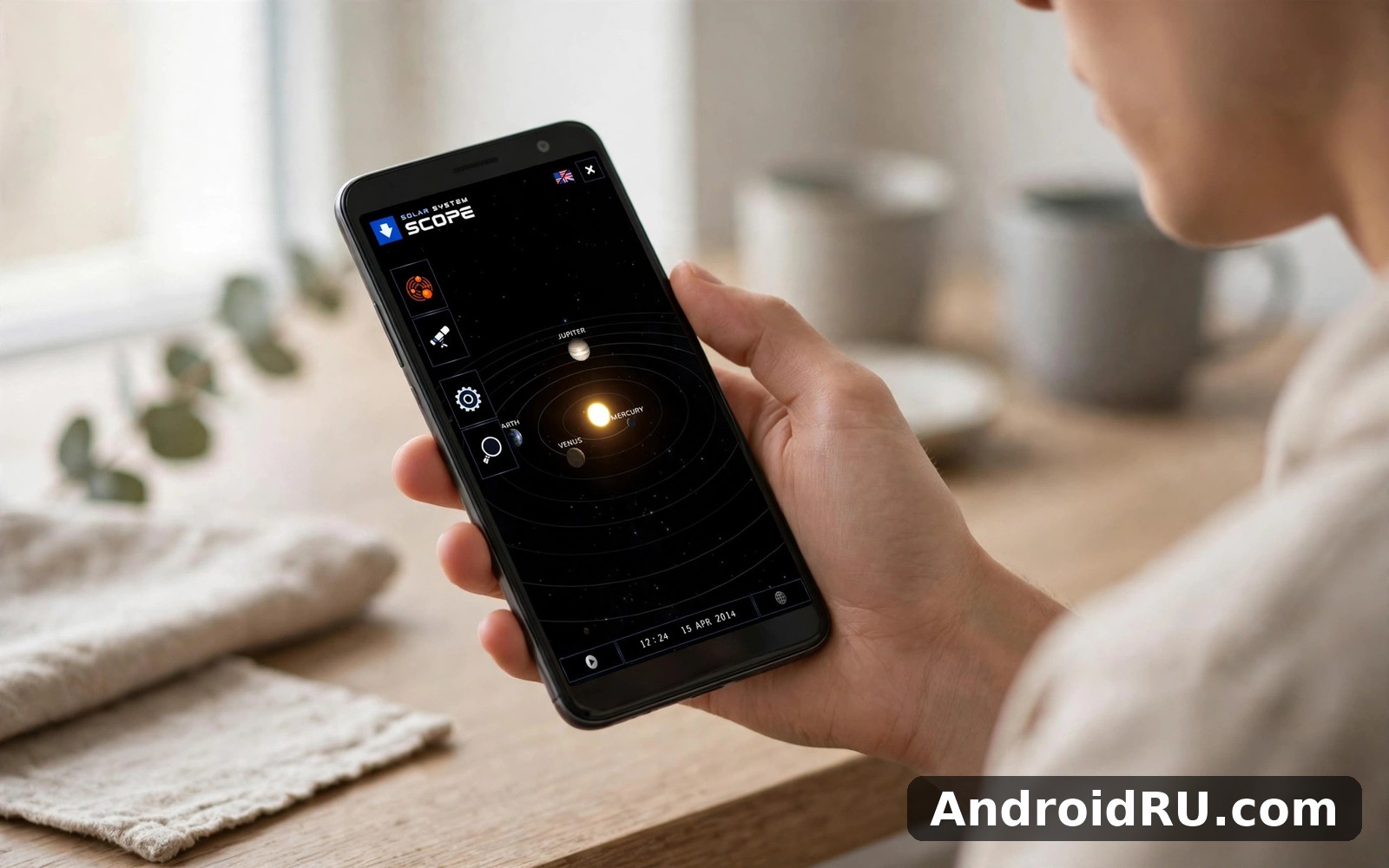
In plain terms Solar System Scope is a space app that lets you explore the solar system and learn about planets and moons from your phone. The home screen puts the most useful tools first. That keeps the app friendly for new users and fast for returning ones.
Many people keep Solar System Scope because it fits into a daily routine. You can open it for a few minutes and still make progress. That short session design is one reason the app feels welcoming.
The people who get most from Solar System Scope
Solar System Scope suits curious minds and students and anyone who looks up at night and wonders what is out there. Beginners can start with the basic features and learn as they go. Experienced users can still find depth in the advanced options.
If you want a tool that does one job well then Solar System Scope is worth a look. If you want many unrelated tools in one place you may prefer a different app. For its main job the app stays focused and easy to follow.
What Solar System Scope can do day to day
The features below focus on everyday use rather than on gimmicks. Each one is a general capability in the current form of the app. This guide makes no claim about a new version number or a release date.
A quieter strength is exploring planets and moons with clear visuals and simple facts. Try it early so you know whether it suits your routine. I would put it near the top of the list for new users.
And finally there is zooming from the whole solar system down to a single world. It rounds the app out nicely without complicating the main job. It never got in the way of the main job and that matters.
The first thing worth trying is learning key facts about each planet in plain language. It fits naturally into a first session and you can judge it for yourself at once. That small detail made daily use smoother for me.
Then there is finding objects in the night sky with guided views. It takes a minute to grasp and then it stays useful every day. It is the kind of feature you notice most when it is missing.
Another part I kept using was comparing planet sizes and distances in a way that finally clicks. I came back to it more than I expected once I knew where it lived. Once it clicked I stopped thinking about it and just used it.
For longer sessions I liked revisiting favourite worlds whenever a space story hits the news. It rewards a little patience and then it feels second nature. It works best when you use it a little and often.
Daily use of Solar System Scope without the hype
On a mid-range phone Solar System Scope opened quickly and the main actions stayed easy to find. Menus stayed short even after I explored deeper options. That matters most when you open an app while busy with something else.
I tried Solar System Scope in the gaps of a normal day while waiting for a bus and a kettle. Those short tests showed me more than a single long session ever could. The app either fits those gaps or it does not and this one did.
My first session with Solar System Scope was not flawless. I tapped the wrong option once and had to back out and start again. After that the layout clicked and I stopped getting lost.
Battery use stayed modest during my short daily sessions with Solar System Scope. I never noticed the app draining power in the background. Longer sessions will use more battery as any app does. Closing it fully after use kept things tidy on my phone.
If you enjoy exploring space and the sky, Moon Phase Calendar Moonx is a natural next app to try. People who like exploring space and the sky also tend to enjoy Weather Radar Meteored News. Both sit happily beside Solar System Scope on a phone without fighting for your attention.
First setup steps for Solar System Scope
I usually install new apps over Wi-Fi and with a charger nearby. It sounds fussy but it removes two common causes of interrupted installs. Give the app a minute after first launch before you judge its speed.
Start with the default settings and change one thing at a time. That way you always know which change caused a difference you notice. You can explore deeper options later once the basics feel familiar.
Compatibility notes for Solar System Scope
Screen size changes how Solar System Scope feels more than anything else. A larger screen gives detail work more room while a phone screen still works well. Test it on your own device before you decide how fast it feels.
Performance in real use for Solar System Scope
Saved work inside Solar System Scope grows over time and storage use grows with it. Delete old projects or exports you no longer need every few weeks. That small habit keeps the app feeling fast for months.
Use Wi-Fi for large downloads inside Solar System Scope when you can. It saves mobile data and it often speeds the download up too. Check data use in your phone settings if your plan is small.
What Solar System Scope asks for and why
Check the privacy settings in Solar System Scope during your first week. Turn off sharing options you do not want to use. That review takes a few minutes and it gives you more control.
Think twice before granting contacts or location access to Solar System Scope. Many features work fine without those permissions. You can grant extra access later if a feature asks for it clearly.
Reviewing Solar System Scope honestly
The main tools stayed clear and the app rarely wasted my time. Starting a useful session took seconds rather than a tutorial. That low barrier is why I would mention it to friends without hesitating.
Over a longer stretch the steady progress mattered most. Small wins added up across weeks without any pressure to do more. That gentle rhythm suits busy people better than a demanding daily grind.
This review comes from everyday use rather than from store comments. I judged Solar System Scope on how it felt after a week of normal sessions. The strongest impression was how easy it felt to return to each day.
Why Solar System Scope earns repeat visits
People who use Solar System Scope every day often mention its reliability first. The core tools behave the same way from one session to the next. Predictability like that builds trust quietly over time.
Balancing the case for Solar System Scope
One honest limitation is that advanced options take a little learning. New users should expect a short learning curve there. That curve fades with practice and it never blocked the basics for me.
Results from Solar System Scope depend on how often you actually use it. Occasional use still helps but regular use shows clearer progress. Set a realistic routine rather than an ambitious one you will drop.
The main strength of Solar System Scope is its focus on one job done well. It avoids stuffing unrelated tools into every corner. That focus helps busy users get value fast.
Settling in with Solar System Scope
I kept a tiny note of what I used Solar System Scope for each day. The list stayed short and honest and it showed a clear pattern. Most days I used one core feature and ignored the rest. That pattern told me the app was doing its main job well. Extras are nice to have but they rarely decide whether an app stays installed.
Friends asked me whether Solar System Scope was worth installing after they saw it on my phone. I told them to try the core feature for three days first. Three days is long enough to feel the rhythm and short enough to quit without guilt. That advice worked better than any feature list I could recite.
After a week with Solar System Scope the novelty fades and the real test begins. Does the app still earn its place on your home screen. For me the answer depended on whether I reached for it without thinking. That unconscious reach is the best sign an app fits your life.
One simple configuration for Solar System Scope
The example below is only a starting point for settings you might adjust. It is not a claim about the internal code of Solar System Scope. Change one setting at a time and test the result before you change another.
view = solar_system
labels = on
facts = simple
night_mode = on
Keep a note of settings that work well for you. That note saves time when you set the app up on a new phone. Small careful changes beat a big reset every time.
One settings habit for Solar System Scope
Most settings in Solar System Scope sit together in one settings screen. Open that screen once and read each option slowly. Change only the options that match how you actually use the app.
A small tip that paid off in Solar System Scope
Keep your first routine simple and repeat it for a week. That week gives you real evidence about the app. Then adjust the routine with confidence rather than guesswork.
Troubleshooting Solar System Scope calmly
If a feature seems missing check the settings screen first. Some features hide behind a toggle you can switch on. Reinstalling may restore the default layout if nothing else works.
If Solar System Scope feels slow close other apps and free some storage. Heavy background apps steal memory from everything else. A quick tidy often restores normal speed at once.
Where to look next after Solar System Scope
Organic Maps offline Map GPS covers similar ground from a different angle. If Solar System Scope leaves you wanting a little more variety it is a sensible place to look next. Comparing two apps briefly often clarifies what you actually value most.
The bottom line on Solar System Scope
Space can feel distant on a textbook page. On a phone screen with the planets turning it feels close enough to touch.
If you try Solar System Scope give it a full week before you judge it. A week of short sessions shows the real rhythm of an app. A single rushed evening rarely tells the whole story.
Start with the core feature and add extra features slowly. Use the app for a short time each day and review your progress weekly. That routine will show you whether the app fits your needs.
You should skip Solar System Scope if you only need its main job once in a blue moon. A single use rarely justifies a new app on your home screen. A web search or a built-in tool may serve that one moment better. That honesty saves you a download you will delete within days.
You should keep Solar System Scope if its main job shows up in your week again and again. Repeated small needs add up to real value over months. The app earns its keep through those repeats rather than through one dramatic feature. Judge it on your calendar rather than on a first impression.
When you are ready you can open Click here to download the Solar System Scope app and give it a proper try.
If you want to try a similar tool, Click here to download the Moon Phase Calendar Moonx app. You can also Click here to download the Weather Radar Meteored News app when you are ready to compare it with this one.

