

Google Pixel 8 Review: Cameras, Performance and Battery Life
The Google Pixel 8 landed in October 2023 as the smaller, cheaper half of Google’s flagship pair, and two years on it still has a clear identity: a compact phone with a superb camera, clean Android, and software support that runs longer than almost anything else at its price. It does not try to be the biggest or the most powerful phone on the shelf. It tries to be the phone you stop thinking about, because the camera gets the shot, the battery gets through the day, and the software keeps improving without you asking.
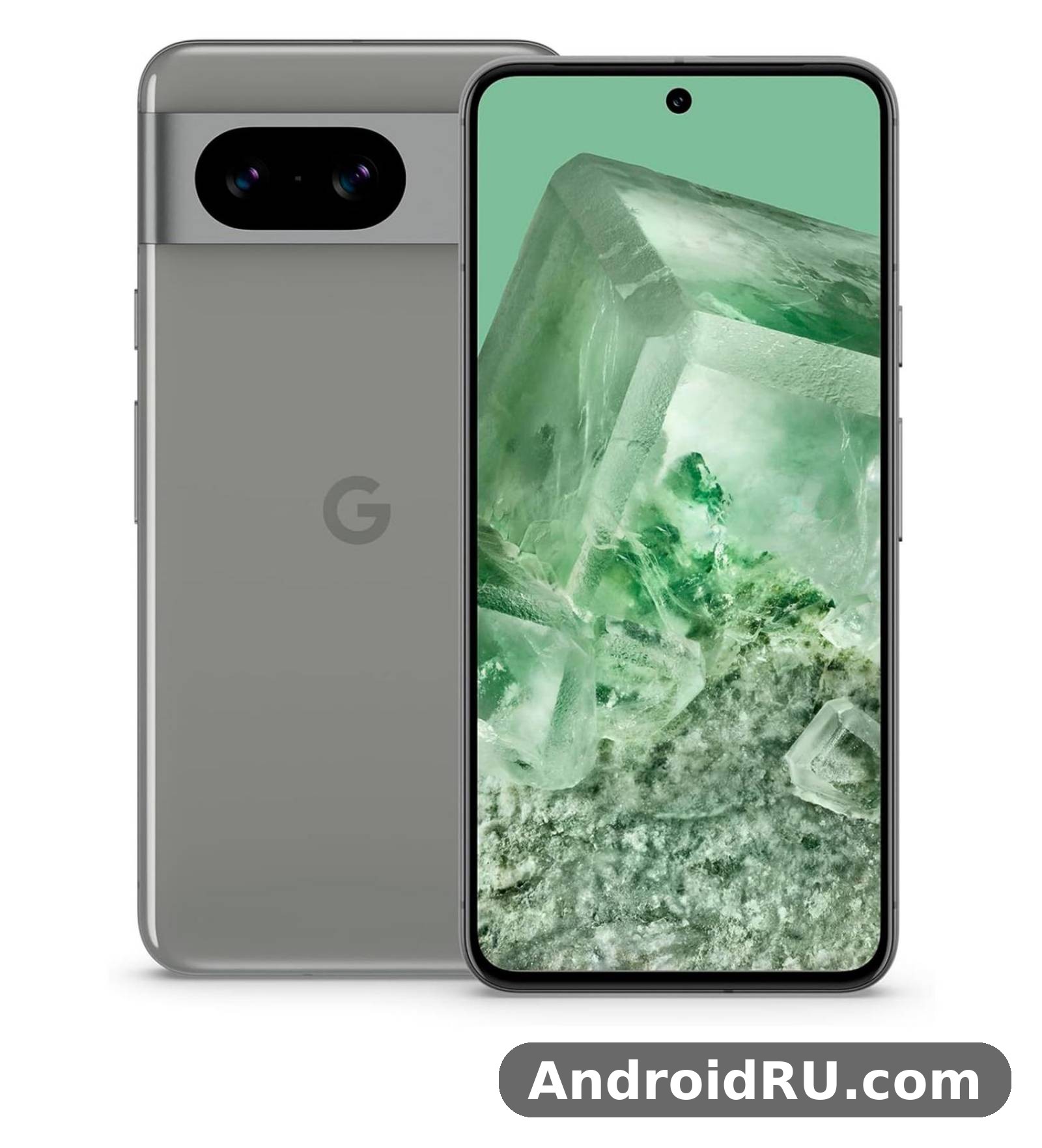
I spent weeks with the Pixel 8 as a daily phone, carrying it next to larger flagships and older Pixels, and the thing that kept standing out was how little friction it added to ordinary days. Photos came out right the first time. Calls were screened before they reached me. The phone stayed comfortable in one hand on crowded trains and long walks. It is not perfect — charging is merely decent, the chip runs warm under sustained load, and the zoom range is limited — but the balance of camera, size, and support is hard to beat.
This review covers the design and the 6.2-inch OLED display, Tensor G3 daily performance, the dual rear camera, battery life and 27W charging, Android 14 software and the seven-year update promise, a head-to-head look at the Pixel 8 Pro, Pixel 7 and Pixel 9, and the full specifications, so you can decide whether this compact Google phone still deserves a place in your pocket.
Google Pixel 8 Design and 6.2-Inch OLED Display
The Pixel 8 is a deliberately small flagship. At 150.5 mm tall, 70.8 mm wide, and 8.9 mm thick, weighing 187 grams, it is noticeably easier to hold and pocket than the Pixel 8 Pro and most rival flagships. The rounded corners and the matte glass back make it sit calmly in the hand, and the polished aluminium frame gives it a solid edge without the sharp feel some metal phones have. Google kept the signature camera bar across the back, a design cue that has become the Pixel look, and it stops the phone rocking on a table.
Build quality is flagship grade through and through. The front and back are Gorilla Glass Victus, the frame is aluminium, and the phone carries an IP68 rating for dust and water resistance, so a splash or a drop in a shallow puddle is not a crisis. The USB-C port, the speaker grille, and the SIM tray are all neatly finished, and the phone supports a physical nano-SIM plus eSIM for dual SIM use. There is no headphone jack and no microSD slot, which is the same story as every recent Pixel, so your storage choice at purchase time matters.
A Smaller Phone That Still Feels Premium
Compact phones often feel like a compromise, but the Pixel 8 does not. The 6.2-inch screen is big enough for video, maps, and reading, yet the narrow body lets most people reach the top of the display with one thumb. I could type one-handed while holding a coffee, pull the phone out of a jeans pocket without a fight, and use it on a packed bus without elbowing anyone. That everyday comfort is the main reason to pick this phone over its bigger brother.
The matte finish on the back is a quiet win. It resists fingerprints far better than glossy glass, it gives a soft grip, and it looks understated in all three launch colours: Hazel, Obsidian, and Rose. Hazel is the most interesting of the three, a muted green-grey that changes character under different light. Obsidian is the safe black, and Rose is a warm, pale pink that stands out without shouting. The camera bar is metal, and the two lenses sit flush inside it, so the phone lies flat and the lenses are less likely to catch on a pocket seam.
Pixel 8 Display Brightness and 120Hz Smoothness
The 6.2-inch Actua OLED display is one of the biggest upgrades over the Pixel 7. Resolution is 1080 x 2400, the refresh rate runs from 60Hz to 120Hz, and peak brightness reaches 2,000 nits, with 1,400 nits in HDR content. In practice that means the screen stays readable in bright sunlight, scrolling feels fluid, and HDR photos and video have real punch. I used the phone outdoors on a sunny afternoon and never had to shade the screen to read a message.
Colour is vivid without being cartoonish, and the always-on display shows the time, notifications, and the Now Playing song identification without waking the phone fully. The 120Hz refresh rate adapts to what you are doing, dropping down when you are reading a static page to save battery, then ramping up when you scroll. The screen supports HDR10+, and video from streaming apps looks rich, with deep blacks that only OLED can deliver. The in-display fingerprint sensor sits near the bottom edge and works reliably once you register the same finger twice, and face unlock is available as a quicker option for everyday unlocking.
Pixel 8 Colours and Finish
Hazel, Obsidian, and Rose each use the same matte glass and polished frame, so the choice is purely personal. Hazel suits people who want something different without going loud. Obsidian disappears into a pocket and a boardroom alike. Rose is the lightest of the three and shows the least dust. Whichever colour you pick, a thin case is still worth it, because the polished frame can pick up small scuffs over time.
IP68 Water Resistance and Gorilla Glass Victus
IP68 means the Pixel 8 is rated to survive immersion in fresh water up to 1.5 metres for up to 30 minutes, and it is sealed against dust. That is a safety net, not an invitation to take it swimming, and salt water and soapy water are not covered. Gorilla Glass Victus on both faces adds scratch and drop resistance, but glass is still glass, so a screen protector and a case remain sensible insurance for a phone you plan to keep for years.
Tensor G3 Performance and Everyday Speed
The Tensor G3 chip is the heart of the Pixel 8, and it is built for a different job than the chips in most rival flagships. Where others chase raw benchmark numbers, Google tuned the Tensor G3 for AI work on the device: photo processing, voice recognition, live translation, and call screening. It is a 4 nm chip with nine cores, paired with 8GB of LPDDR5X RAM and 128GB or 256GB of UFS 3.1 storage, and in daily use it feels fast, calm, and consistent.
Apps open quickly, switching between a browser, maps, a camera, and a messaging app is smooth, and the phone rarely stutters. I ran it through weeks of normal life — email, social apps, navigation, music, video calls, and a browser with far too many tabs — and it kept up without the little pauses that make a phone feel old. The 8GB of RAM is enough for the way most people multitask, and Android 14 manages background apps sensibly so the phone you pick up in the morning feels as quick as the one you put down at night.
Tensor G3 in Daily Use: Apps, Multitasking and 8GB RAM
Daily speed is where the Pixel 8 earns its keep. The Tensor G3 handles the Pixel’s signature tricks without breaking a sweat: Magic Eraser cleans up a photo in seconds, Live Translate captions a conversation in real time, and the Recorder app transcribes speech on the device with impressive accuracy. These are not party tricks. They are the features you end up using every week, and they run locally, so they work without a network connection and without sending your voice or photos to a server first.
Multitasking with 8GB of RAM is comfortable for real-world use. I could keep a navigation app running, switch to a messaging app to reply, jump to the camera for a quick photo, and come back to navigation without anything reloading. Heavy users who keep dozens of apps open and edit large videos on the phone may notice the 8GB limit sooner than a 12GB phone, but for the way most people use a phone, it is the right amount. Storage is UFS 3.1, which is fast for app installs and photo saves, and the 256GB option is worth the extra money if you shoot a lot of 4K video or keep offline maps and music.
Pixel 8 Gaming Performance and Heat
Gaming on the Pixel 8 is good, not chart-topping. Popular titles like casual games, racing games, and battle royale games at sensible settings run smoothly, and the 120Hz display makes motion feel responsive. The Tensor G3 is not the fastest gaming chip you can buy, and in long, demanding sessions the phone warms up and eases performance back to keep temperatures in check. That is normal behaviour for this chip, and it means frame rates stay steady rather than spiking and crashing.
The trade-off is honest: you get a phone that plays games well and stays comfortable to hold, rather than a phone that chases peak frame rates and gets hot in your hands. If gaming is your main hobby and you play competitive titles for hours at maximum settings, a phone with a different chip will serve you better. If gaming is one of several things you do on your phone, the Pixel 8 handles it without complaint, and the stereo speakers are loud and clear enough for a quick session without headphones.
Tensor G3 vs Tensor G2: What Changed
Compared with the Tensor G2 in the Pixel 7, the Tensor G3 brings a newer CPU layout, a faster GPU, and a much stronger AI engine, the Tensor Processing Unit that powers the on-device features. Photo processing is quicker, voice features are more accurate, and the phone handles the newer AI editing tools that the Pixel 7 cannot run as smoothly. Battery efficiency is a little better too, though the difference is modest in real use. The jump from G2 to G3 is a real step forward, even if it does not show up as a dramatic benchmark gap.
Storage Speed and 128GB vs 256GB Choice
Choosing between 128GB and 256GB comes down to how you use the camera. A 128GB Pixel 8 holds plenty of apps and a few thousand photos, but 4K video eats space fast, and there is no microSD slot to add more later. If you record video often, keep offline playlists, or plan to keep the phone for five or more years, the 256GB model is the safer buy. If you back up photos to the cloud and stream most of your music and video, 128GB is fine, and the money saved can go toward a case and a charger.
Pixel 8 Camera Review: 50MP Main and 12MP Ultrawide
The camera is the reason most people buy a Pixel, and the Pixel 8 does not disappoint. The rear setup is a 50MP main camera with an f/1.68 aperture and optical image stabilisation, plus a 12MP ultrawide camera with a 126-degree field of view and an f/2.2 aperture. There is no dedicated telephoto lens — that is reserved for the Pro — but the main sensor crops in cleanly to 2x, and Super Res Zoom reaches 8x digitally. The front camera is a 10.5MP unit with a wide 95-degree view, good for selfies and group shots.
What makes the Pixel 8 camera special is not the hardware alone. It is the computational photography behind it: the Tensor G3 processes every shot the moment you take it, balancing exposure, sharpening detail, and lifting shadows so the photo you see is usually the photo you wanted. The camera app is simple to use — point, tap, and the phone does the thinking — yet it rewards people who explore the modes, from Night Sight to long exposure and astrophotography.
Pixel 8 Daylight Photo Quality
In daylight, the Pixel 8 takes photos that are sharp, natural, and ready to share without editing. Colours are true to life, with greens and skin tones rendered honestly rather than oversaturated. Detail from the 50MP sensor is excellent: brickwork, leaves, fabric, and text all hold up when you zoom in, and the dynamic range keeps both bright skies and dark shadows in the same frame. Portrait mode separates the subject from the background cleanly, with a natural blur that rarely cuts into hair or glasses.
The 12MP ultrawide camera is a genuine tool, not a filler lens. It captures wide landscapes, tight interiors, and group photos that the main lens cannot fit, and its colours match the main camera closely, so switching between lenses does not change the look of a set of photos. The 2x crop from the main sensor is the sweet spot for portraits and street photography, and it keeps more detail than you would expect from a digital zoom. At 8x, Super Res Zoom is usable for reading a sign or capturing a distant subject, but it is no substitute for a real telephoto lens, and that is the one clear camera gap versus the Pro.
Night Sight and Low-Light Photos
Night Sight remains one of the Pixel’s strongest features. In dim restaurants, evening streets, and candlelit rooms, the Pixel 8 gathers light for a few seconds and produces a bright, clean photo where other phones show noise and muddy colours. Faces stay natural, neon signs keep their colour, and the photo looks like the scene you remember rather than a washed-out guess. Astrophotography mode, which needs a tripod or a steady surface and a dark sky, captures stars and the Milky Way with surprising clarity for a phone.
Low-light video is solid too, with stabilisation keeping footage smooth when you walk, and Night Sight video helping in very dark scenes. The front camera handles low light better than most, so video calls and selfies at night are usable rather than grainy. If you take a lot of photos after sunset, this is where the Pixel 8 pulls ahead of phones that cost the same but lean on hardware alone.
Pixel 8 Video Quality and Stabilisation
Video on the Pixel 8 reaches 4K at 60 frames per second from the rear camera, and 4K at 30 frames per second from the front. Footage is stable, colours are consistent with the stills, and the microphone picks up voices clearly. The phone’s stabilisation smooths out walking footage without the wobbly, artificial look some phones produce, and slow motion at 1080p and 240 frames per second is fun for action shots.
Audio Magic Eraser is the standout video feature: it separates voices, music, wind, and crowd noise in a clip and lets you turn down the sounds you do not want. I used it on a windy beach video and the difference was immediate — the voice came forward and the wind faded back. The Pixel 8 does not get Video Boost, the cloud-enhanced video mode that belongs to the Pro, but the on-device video quality is already strong, and most people will never miss the feature they do not have.
Magic Editor, Best Take and Magic Eraser
Magic Editor lets you move, resize, or remove objects in a photo, and even change the sky or the lighting, with the Tensor G3 doing the heavy work on the device. Best Take is the feature I used most: it takes a burst of group photos and lets you swap in the best expression for each person, so nobody is left blinking in the final shot. Magic Eraser removes unwanted people or objects from the background, and Photo Unblur sharpens old, blurry photos from your library, even ones taken on other phones. These tools are genuinely useful, not gimmicks, and they are the reason the Pixel 8 camera feels smarter than the competition.
10.5MP Front Camera and Selfies
The 10.5MP front camera has a wide 95-degree field of view, so group selfies fit without a stick, and it records 4K video at 30 frames per second. Selfies are sharp, skin tones are natural, and portrait mode on the front camera blurs the background convincingly. Video calls look crisp, and the wide angle means you can hold the phone at a comfortable distance and still fit two or three people in the frame. For a phone at this size and price, the front camera is a real strength.
Pixel 8 Battery Life and 27W Charging
The Pixel 8 packs a 4,575 mAh battery into its compact body, and for most people it lasts a full day with room to spare. A typical day of mine — messaging, maps, an hour of video, some photos, and a couple of hours of browsing — ended with 25 to 35 percent left in the evening. Heavier days with lots of navigation, video recording, or 5G use will drain it faster, and you may reach for a charger before bed, but the phone rarely dies before dinner. That is the honest picture: all-day battery for normal use, not two-day battery.
Battery life depends heavily on how you use the phone. The adaptive battery learns your habits and limits power for apps you rarely open, and the 60Hz to 120Hz display drops its refresh rate when you are reading to save energy. Screen brightness is the biggest drain, so the 2,000-nit peak brightness is a double-edged sword outdoors: it keeps the screen readable, but it costs battery. With moderate brightness and a mix of Wi-Fi and mobile data, the Pixel 8 is a reliable all-day phone.
How Long the 4,575 mAh Battery Lasts
In real terms, expect around 6 to 7 hours of screen-on time on a mixed day, which covers a workday plus an evening out for most people. Video streaming over Wi-Fi is efficient, and the phone sips power during standby, losing only a few percent overnight. If you are a light user — mostly calls, messages, and a bit of browsing — you may stretch it into a second morning. If you are a heavy user who games, records 4K video, and navigates all day, carry a small power bank or top up in the afternoon.
Over months of use, battery health holds up well. Android’s adaptive charging learns when you usually wake up and slows the overnight charge so the battery spends less time at 100 percent, which helps long-term health. That matters for a phone you might keep for five or seven years, because a battery that still holds its charge is what makes a long update promise actually usable.
Pixel 8 Charging Speeds: Wired, Wireless and Reverse
Wired charging runs at up to 27W over USB-C with a compatible Power Delivery charger, and Google says it reaches around 50 percent in about 30 minutes. A full charge takes roughly an hour and a quarter from empty, which is decent but not class-leading — some rivals charge twice as fast. Wireless charging reaches 18W with the Pixel Stand (2nd gen) and 12W with standard Qi chargers, and Battery Share lets you charge earbuds or a watch from the back of the phone, which is handy on a trip.
One practical note: there is no charger in the box, only a USB-C cable, so you will need your own Power Delivery charger to reach the full 27W. A good 30W USB-C charger is inexpensive and worth buying if you do not already own one. Charging is slower than the fastest phones on the market, but it is fast enough that a 30-minute top-up while you get ready in the morning adds a meaningful chunk of battery.
Battery Health and Adaptive Charging
Adaptive charging is on by default and works quietly in the background: plug in at night and the phone charges slowly, reaching full just before your alarm. You can also turn on battery saver at 20 percent or set it to switch on automatically, which limits background activity and extends the last stretch of the day. If you plan to keep the Pixel 8 for years, these small habits — charging overnight with adaptive charging, avoiding constant 0 to 100 percent cycles — will keep the battery healthier for longer.
Android 14 Software, AI Features and Seven Years of Updates
The Pixel 8 launched with Android 14 and the cleanest version of Android you can buy: no duplicate apps, no heavy skin, no advertising in the system. The interface is simple, the settings are where you expect them, and the phone gets new features through quarterly Feature Drops as well as monthly security patches. It is the software experience other Android phones are measured against, and it stays that way because Google controls both the hardware and the software.
The AI features are the heart of the Pixel 8 software story. Call Screen answers unknown numbers and transcribes the caller’s reason before you pick up. Hold for Me waits on hold for you and alerts you when a human answers. Direct My Call shows a menu of options when you call a business. Live Translate works in messages and calls, and the Recorder app transcribes and summarises conversations on the device. Circle to Search arrived in an early 2024 update, letting you circle anything on screen to search for it without switching apps.
Call Screen, Live Translate and Recorder
Call Screen is the feature that changes daily life most. Spam calls are filtered before they reach you, and genuine callers leave a short spoken message you can read on screen and decide whether to answer. In a week of use it cut the number of unwanted calls I had to deal with to almost zero. Live Translate is equally practical for travellers: it translates messages in real time and can interpret a spoken conversation, with the translation happening on the device. The Recorder app is a favourite of students and journalists — it records, transcribes, and lets you search the transcript for a word, all without uploading your audio anywhere.
Seven Years of Updates Explained
Google promises seven years of updates for the Pixel 8: operating system upgrades, security patches, and Feature Drops, running through to 2030. That is the longest support promise in the Android world, and it changes the maths of buying a phone. A Pixel 8 bought today will still be getting new Android versions and security fixes years after most rivals have been abandoned, which makes it a smart buy for anyone who keeps a phone for a long time and for anyone buying second-hand later.
The promise is only as good as the hardware underneath it, and that is where the battery and the Tensor G3 matter. Seven years of software is useful only if the battery still holds a charge and the chip still runs new features acceptably, so treat the battery kindly and expect the phone to feel slower in its later years than it does today. Even so, no other phone at this price offers this length of support, and it is the strongest argument for choosing the Pixel 8 over a phone with a faster chip and a shorter life.
Pixel 8 vs Pixel 8 Pro, Pixel 7 and Pixel 9: Which One Fits You
The Pixel 8 sits in the middle of Google’s line-up, and the right choice depends on what you value most. The Pixel 8 Pro is bigger, adds a 48MP telephoto camera with 5x optical zoom, a temperature sensor, more RAM, and Video Boost, but it costs more and is harder to hold one-handed. The Pixel 7 is cheaper now, but it has the older Tensor G2, a dimmer 90Hz display, and a shorter remaining support window. The Pixel 9 is newer, with the Tensor G4, 12GB of RAM, a brighter screen, and a bigger battery, but it launched at a higher price than the Pixel 8.
If you want the best Pixel camera and the biggest screen, read the Google Pixel 8 Pro Review: Photo Quality, Video and Performance before you decide — the Pro is the right pick for photographers who need real zoom. If you are weighing the older flagship instead, the Google Pixel 7 Pro Review: Build Quality, Software and Daily Speed shows what the previous Pro still does well and where it falls behind. For the newest model, the Google Pixel 9 Review: Daily Performance and Key Features explains how the Tensor G4 and the bigger battery change daily use. Coming from the standard Pixel 7, the Google Pixel 7 Review: Design, Software and Camera Quality is the fairest comparison for an upgrade decision, and the Google Pixel 9 Pro Review: Design, Software and Camera Quality covers the top of the current range if your budget stretches that far.
| Feature | Pixel 8 | Pixel 8 Pro | Pixel 7 | Pixel 9 |
|---|---|---|---|---|
| Chipset | Tensor G3 | Tensor G3 | Tensor G2 | Tensor G4 |
| Display | 6.2-inch OLED, 120Hz, 2,000 nits | 6.7-inch OLED, 120Hz, 2,400 nits | 6.3-inch OLED, 90Hz, 1,400 nits | 6.3-inch OLED, 120Hz, 2,700 nits |
| RAM | 8GB | 12GB | 8GB | 12GB |
| Rear cameras | 50MP + 12MP ultrawide | 50MP + 48MP ultrawide + 48MP telephoto 5x | 50MP + 12MP ultrawide | 50MP + 48MP ultrawide |
| Battery | 4,575 mAh, 27W wired | 5,050 mAh, 30W wired | 4,355 mAh, 20W wired | 4,700 mAh, 27W wired |
| Updates | 7 years | 7 years | 5 years (to 2027) | 7 years |
| Launch price | $699 | $999 | $599 | $799 |
The verdict per use case is simple. Pick the Pixel 8 if you want a compact phone with a great camera and the longest support at a fair price. Pick the Pixel 8 Pro if you photograph distant subjects, want the biggest screen, and do not mind the size and the price. Pick the Pixel 7 only if the discount is large and you plan to replace the phone within two or three years. Pick the Pixel 9 if you want the newest chip, more RAM, and a brighter display, and you are happy to pay the premium over the Pixel 8. For most people reading this review, the Pixel 8 is the sweet spot: it gives up the telephoto lens and a little screen size, and keeps almost everything else that makes a Pixel a Pixel.
Full Specifications
Here are the complete specifications of the Google Pixel 8, covering the display, chipset, memory, cameras, battery, connectivity, and software. These are the official specifications for the model as released in October 2023, and they are the numbers to check against when you compare it with another phone.
Pixel 8 Full Specifications Table
| Specification | Google Pixel 8 |
|---|---|
| Launch | October 2023, Android 14 |
| Dimensions | 150.5 x 70.8 x 8.9 mm |
| Weight | 187 g |
| Build | Gorilla Glass Victus front and back, aluminium frame, IP68 dust and water resistance |
| Display | 6.2-inch Actua OLED, 1080 x 2400, 20:9, 60-120Hz, HDR10+, 1,400 nits HDR, 2,000 nits peak |
| Chipset | Google Tensor G3 (4 nm), Titan M2 security coprocessor |
| RAM | 8GB LPDDR5X |
| Storage | 128GB or 256GB UFS 3.1, no microSD slot |
| Rear camera | 50MP wide, f/1.68, OIS, 82-degree field of view; 12MP ultrawide, f/2.2, 126-degree field of view; 8x Super Res Zoom; 4K video at 60 fps |
| Front camera | 10.5MP, f/2.2, 95-degree field of view, 4K video at 30 fps |
| Battery | 4,575 mAh, 27W wired charging, 18W wireless charging, Battery Share reverse wireless charging |
| Connectivity | 5G, Wi-Fi 7, Bluetooth 5.3, NFC, USB-C 3.2, GPS, nano-SIM + eSIM |
| Security | Under-display fingerprint sensor, face unlock, Titan M2 |
| Audio | Stereo speakers, no 3.5 mm headphone jack |
| Software | Android 14 at launch, 7 years of OS, security, and Feature Drop updates (to 2030) |
| Colours | Hazel, Obsidian, Rose |
| Launch price | $699 (128GB) |
What the Specs Mean in Daily Use
On paper, the Pixel 8 is a balanced mid-flagship: a compact 6.2-inch screen, a capable Tensor G3, 8GB of RAM, and a 4,575 mAh battery. In daily use, the numbers that matter most are the 2,000-nit display, which keeps the screen readable outdoors; the 50MP camera, which delivers the photos people actually keep; and the seven-year update promise, which keeps the phone current long after the hardware feels familiar. The numbers that ask for compromise are the 27W charging, which is slower than the fastest rivals, and the lack of a telephoto lens, which limits zoom. Everything else — Wi-Fi 7, Bluetooth 5.3, IP68, and USB-C 3.2 — is current and will not feel outdated for years.
One more practical point from the spec sheet: the Pixel 8 has no microSD slot and no charger in the box, so buy the storage size you need and a 30W USB-C Power Delivery charger at the same time. The phone also has no temperature sensor and no macro focus mode, both of which belong to the Pro model, so if close-up photography or temperature readings matter to you, check the Pro before you buy.
Pixel 8 Pros and Cons, Price and Final Verdict
After weeks of daily use, the Pixel 8 comes down to a short list of strengths and a short list of compromises, and the strengths win for most people. It is a phone that is easy to live with, easy to photograph with, and easy to keep for years.
Pixel 8 Pros
- Excellent 50MP camera with Night Sight, Magic Editor, and Best Take — photos come out right the first time, day or night.
- Compact, comfortable design with a bright 6.2-inch 120Hz OLED display that stays readable in sunlight.
- Seven years of OS and security updates, the longest support of any Android phone at this price.
- Clean Android 14 with genuinely useful AI features: Call Screen, Live Translate, Recorder, and Circle to Search.
- IP68 water resistance, Gorilla Glass Victus, and a solid aluminium frame at a fair launch price of $699.
Pixel 8 Cons
- No telephoto lens, so zoom beyond 2x relies on digital cropping and loses detail.
- Charging is slow next to rivals: 27W wired and 18W wireless, with no charger in the box.
- Tensor G3 warms up and eases back under long, demanding gaming sessions.
- Battery life is all-day, not two-day, and heavy users will need an afternoon top-up.
- No microSD slot and no headphone jack, so storage and audio choices are fixed at purchase.
Who the Pixel 8 Is For
The Pixel 8 is for people who want a great camera and clean software in a phone that fits in one hand, and who plan to keep it for years. It suits photographers who shoot mostly in daylight and at night, travellers who rely on Live Translate and Call Screen, and anyone who is tired of phones that stop getting updates after two or three years. It is less suited to competitive gamers, to people who photograph distant wildlife or sports, and to anyone who needs the fastest charging available. For those users, the Pro or a gaming-focused phone is a better fit.
The final verdict is straightforward. Google Pixel 8 Review: Cameras, Performance and Battery Life comes down to this: the cameras are superb, the performance is smooth for daily life, and the battery lasts a full day. The phone is not the fastest, the longest-lasting, or the best-zooming device you can buy, but it is the most balanced compact flagship Google has made, and the seven-year update promise makes it the smartest long-term buy in its class. If you can find it at a discount now that the Pixel 9 is out, it is one of the best-value phones on the market.
More About the Pixel 8: Price, Specs and Everyday Questions
These extra answers cover the questions readers ask most about the Pixel 8, from price and specifications to the camera, battery life and everyday use.
Pixel 8 Price, Release Date and Specifications
The Pixel 8 price at launch was $699 for the base model, and it has since fallen at many retailers during sale events. The Pixel 8 specs cover a Tensor G3 chipset, 8GB of RAM and a 4,575 mAh battery, which we cover in detail in the specifications section above. Questions about the Pixel 8 release date come up often, because this model launched alongside the rest of its Pixel generation. The Pixel 8 storage starts at 128GB, with larger options available for buyers who keep a lot of photos and video on the phone. The Pixel 8 RAM is 8GB, which is enough for smooth multitasking and keeping apps open in the background.
The Pixel 8 storage options are 128GB and 256GB. A Pixel 8 trade in can cut the cost of your next phone, and the value depends on the phone’s condition and storage size. The Pixel 8 price and specifications together make the value case: you pay for the camera, the clean software and the long update window. The Pixel 8 specifications and price are both covered above, so compare them with the previous Pixel before deciding. The Pixel 8 price in India varies by retailer and storage option, so check local listings for the current street price.
Pixel 8 Camera, Display and Performance
The Pixel 8 night mode, known as Night Sight, brightens low-light photos without a flash and keeps detail in the shadows. The Pixel 8 video recording reaches 4K, with stabilization that keeps handheld clips smooth. A Pixel 8 camera test in low light shows the Night Sight processing keeping detail without harsh noise. The Pixel 8 display quality is strong for its class, with good brightness outdoors and accurate colours. This Pixel 8 performance review finds everyday speed smooth, with the chipset only showing its limits in long gaming sessions.
The Pixel 8 camera quality stands out in low light, where Night Sight keeps photos bright without a flash. The Pixel 8 astrophotography mode works best on a tripod, capturing stars and the night sky over several minutes. The Pixel 8 night sight photos keep detail in dark scenes without a flash, which is where this phone beats many rivals. The Pixel 8 magic eraser how to use guide is simple: open the photo in Google Photos, tap Edit, then remove the unwanted object. The Pixel 8 call screen feature screens unknown callers for you and shows a live transcript before you answer.
Pixel 8 Battery Life and Charging
The Pixel 8 wireless charging works with Qi chargers, so you can top up by placing the phone on a pad. The Pixel 8 overheating reports mostly involve long gaming sessions or hot weather, and the phone slows down to protect itself. In a Pixel 8 battery life test with mixed use, browsing, video and messaging, the phone gets through a full day with charge to spare. This Pixel 8 battery review finds a full day of use realistic, with heavier days needing an evening top-up. The Pixel 8 wireless charging speed is slower than wired charging, so use a pad overnight and a cable when you are in a hurry. A Pixel 8 battery drain overnight fix starts with checking battery use in Settings, then turning off background data for the worst apps. A Pixel 8 overheating problem fix starts with closing heavy apps and moving out of direct sun, then checking for a software update. Does Pixel 8 have wireless charging? Yes, it works with standard Qi chargers and pads.
Pixel 8 SIM, Security and Everyday Use
The Pixel 8 eSIM support lets you add a second line without a physical SIM card, which is handy for travel. The Pixel 8 IP68 rating means the phone is protected against dust and immersion in water up to 1.5 metres for 30 minutes. The Pixel 8 software update support runs for 7 years from launch, covering security patches and feature drops. The Pixel 8 face unlock is a quick way to unlock the phone without reaching for the fingerprint sensor. The Pixel 8 fingerprint sensor sits under the display and unlocks the phone quickly once your finger is registered. The Pixel 8 dual SIM setup pairs a physical nano-SIM with an eSIM, so you can keep two numbers on one phone.
To learn how to take a screenshot on Pixel 8, press the power and volume-down buttons together, then find the image in Photos. The Pixel 8 fingerprint sensor not working usually means a dirty sensor or a poorly registered finger, so clean the area and re-register your finger. The Pixel 8 eSIM setup runs through Settings, then Network and internet, then SIMs, where you can add a plan by scanning a QR code. The Pixel 8 dual SIM support combines a nano-SIM with an eSIM, so two numbers can share one phone. Does Pixel 8 support 5G? Yes, on most carriers, using sub-6GHz and mmWave bands where they are available. Is Pixel 8 waterproof? Not fully, no phone is truly waterproof, but the IP68 rating covers rain, splashes and brief immersion.
Pixel 8 Accessories, Repairs and Buying Advice
A Pixel 8 screen protector is worth fitting, because it guards the display against scratches and small drops. A Pixel 8 case adds grip and drop protection, and clear cases show off the phone’s colour. The Pixel 8 accessories worth considering are a case, a screen protector and a USB-C charger, since the box has no charger. Is Pixel 8 worth buying? For most buyers the answer is yes at the right price, because the camera and clean software still hold up. This Pixel 8 full review covers the camera, display, performance, battery and software, so you can judge the whole phone. The Pixel 8 screen replacement cost varies by repair shop and region, so get a quote before booking a repair.
Google Pixel 8 FAQ: Questions Readers Ask Most
Is the Google Pixel 8 still worth buying in 2026?
Yes, for most buyers. The Pixel 8 still gets Android updates and security patches through 2030, its 50MP camera remains one of the best at its price, and the Tensor G3 handles daily apps, photos, and AI features smoothly. It is especially good value at a discount, since the Pixel 9 costs more for a newer chip and a slightly bigger battery. Buy it if you want a compact phone with a great camera and long support; skip it if you need a telephoto lens or the fastest charging.
How good is the Pixel 8 camera in low light?
Very good. Night Sight brightens dim scenes while keeping colours natural, and the 50MP main sensor with optical stabilisation captures clean, detailed photos in restaurants, streets, and evening gatherings. The ultrawide camera is weaker in the dark than the main lens, so switch to the main camera for your most important night shots. Astrophotography mode works well on a tripod under a dark sky, and the front camera handles low-light selfies better than most rivals.
How long does the Pixel 8 battery last on a normal day?
Most people get a full day from the 4,575 mAh battery, with 25 to 35 percent left in the evening on a typical mix of messaging, browsing, photos, and video. Expect around 6 to 7 hours of screen-on time. Heavy use — long navigation, 4K video recording, or hours of gaming — will drain it faster, so plan a top-up or carry a power bank on those days. Adaptive charging helps the battery stay healthy over the years you will own the phone.
Does the Pixel 8 have a telephoto lens or macro mode?
No. The Pixel 8 has two rear cameras: a 50MP main camera and a 12MP ultrawide. Zoom is digital, with a clean 2x crop and Super Res Zoom up to 8x, but there is no optical telephoto lens — that belongs to the Pixel 8 Pro. The ultrawide camera also lacks autofocus, so there is no dedicated macro focus mode on the Pixel 8. If close-up or long-distance photography is a priority, the Pro is the better choice.
How many years of updates does the Pixel 8 get?
Seven years from launch: operating system upgrades, monthly security patches, and quarterly Feature Drops, running through to 2030. That covers Android versions well beyond Android 14, and it is the longest support promise Google has made for a Pixel. To make the most of it, look after the battery with adaptive charging and keep at least a little free storage, so updates install smoothly.
If you are ready to decide, the next step takes five minutes: check the current price of the 256GB model, hold a Pixel 8 in a shop to feel the size in your hand, and take two test photos — one in daylight and one in a dim corner — then compare them with the phone you use now. The camera, the size, and the update promise are the three things that will decide it for you, and on all three the Pixel 8 still makes a strong case.

