

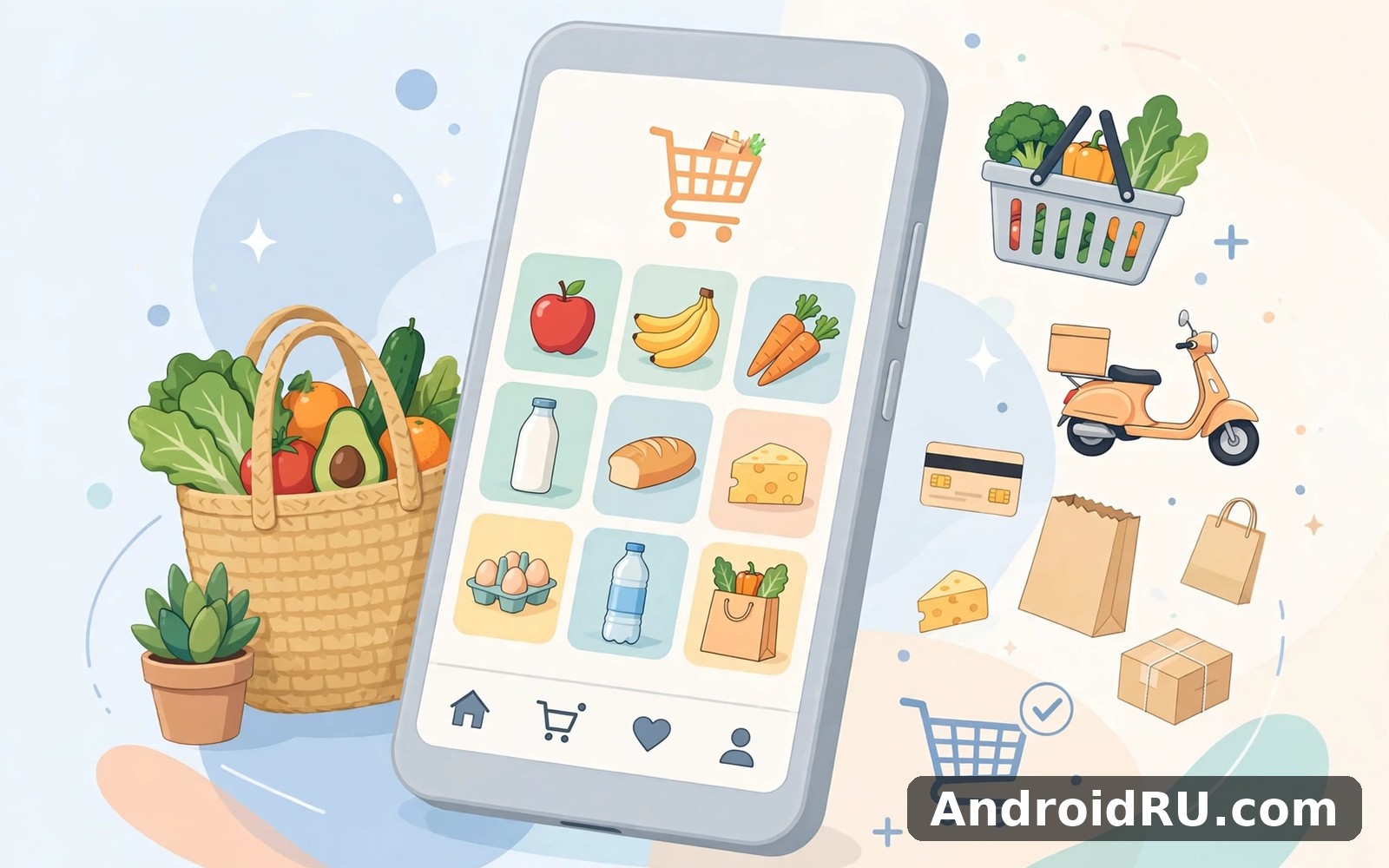
Download APK Easy Shopping Latest Features, Best-Fit Use Cases & Review
I tried Easy Shopping on my older phone first, because that is the real test for me. New apps often struggle on older hardware, and a shopping app that stutters while you are comparing prices is worse than no app at all. This one loaded in a reasonable time, the layout stayed clear, and the buttons were large enough that I rarely tapped the wrong thing by accident. That gave me confidence to keep it installed and to use it for real shopping, not just a quick tour.
Over two weeks I used it for a weekly grocery run, a birthday gift hunt, a household restock, and a trawl through a seasonal sale. Some days I only had five minutes, and that still felt useful: a short session gave me a clear result and a sense of progress. This review covers what the app actually does today, where it fits best, where it falls short, and who should try it first.
If you want the short version, here it is: Easy Shopping is a simple, fast tool for everyday buying, and it shines brightest when you shop with a list and a budget. It is not the biggest catalogue on your phone, and it does not try to be. It tries to make ordinary shopping quicker and cheaper, and for the use cases in this article, it succeeds.
What Easy Shopping Is and How It Works
Easy Shopping is a shopping app built around everyday buying: groceries, household goods, personal care, gifts, and the small items that fill a weekly basket. You search for a product or browse a category, compare options side by side, add what you need to a list or a cart, and check out when you are ready. Order tracking follows the parcel after you buy, so you are not left guessing when it will arrive.
The design stays deliberately plain. Categories sit on the home screen, the search bar stays at the top, and the cart is always one tap away. I never felt overwhelmed by the menu, and extra options sit one tap away when I need them rather than crowding the first screen. That restraint is the app’s defining choice: it gives up spectacle in exchange for speed.
Search, Browse and Compare in One Place
Search is the fastest way in. Type a product name and you get matching items with prices, ratings, and delivery notes, so you can compare without opening five product pages. Filters narrow the list by price range, rating, and delivery speed, which matters when you need something by the weekend rather than next month. I used price sorting most often, because the cheapest option is rarely the best one, but the second or third cheapest usually is.
Browsing suits days when you do not know exactly what you want. Categories cover the weekly shop, home goods, beauty, electronics accessories, and gifts, and each one opens into subcategories that keep the list manageable. Product pages show the essentials: price, key details, customer ratings, and delivery information, without burying them under banners and pop-ups. It is not the deepest catalogue I have used, but for everyday items the coverage is solid.
Lists, Carts and Wishlists That Stay in Sync
Lists are where the app earns its keep. A grocery list, a gift list, and a household restock list can live side by side, and items move from list to cart with one tap when you are ready to buy. Ticking off items as you find them turns a vague weekly shop into a checklist, and the app remembers lists between sessions, so a list started on Monday is still there on Saturday.
The wishlist works as a waiting room for things you want but do not need today. Park an item there, watch its price, and buy it when a deal appears. That small habit saved me real money during the seasonal sale, because two items on my wishlist dropped in price while I waited, and the app flagged both.
Setting Up Your First List in Under a Minute
Open the lists section, tap to create a list, give it a name such as weekly groceries, and add items by searching or by typing them in. There is no long setup and no account form standing between you and the first item. I had my first list running before my coffee cooled, and the whole point is that the list should take less time to make than the shopping it organises.
Keeping Grocery Lists and Gift Lists Apart
Give each list a clear name and a clear job, and do not mix them. A grocery list is for repeating essentials with quantities, while a gift list is for one-off items with a budget ceiling and a deadline. When the two mix, you end up buying birthday candles with the milk and forgetting the milk. Separate lists keep separate kinds of shopping honest, and the app makes switching between them a single tap.
Easy Shopping Latest Features Worth Knowing About
The current version of Easy Shopping adds the features that matter most to repeat buyers: better price awareness, a faster checkout, and clearer order tracking. None of them are flashy, and none of them change the basic idea of the app. They remove friction from the parts of shopping that used to waste time, and that is exactly what a utility app should do.
I noticed the new features most in the second week, once the novelty had faded and I was using the app the way a regular user would: same lists, same categories, same checkout, several times a week. That is when small improvements show up, because you feel them in every session rather than once in a tour.
Price Tracking and Deal Alerts
Price tracking lets you watch an item and get a nudge when its price drops. Add the item to your wishlist, turn on tracking, and the app watches the price for you instead of asking you to check back every day. The alerts are quiet and specific: the item, the old price, the new price, and nothing else. I set tracking on a pair of headphones and a kitchen gadget, and the gadget alert arrived within a week with a genuine drop, not a fake sale price.
Deal alerts work the other way round: they tell you when a category you care about goes on sale, so a seasonal promotion reaches you before it ends rather than after. The trick is to keep alerts narrow. I turned on alerts for two categories I actually buy from and left the rest off, because an alert for everything is the same as an alert for nothing. Used that way, deal alerts turn waiting into a strategy instead of a chore.
Faster Checkout and Saved Details
Checkout is where shopping apps usually waste your time, and Easy Shopping keeps it short. Saved delivery details mean you are not typing the same address for the tenth time, and the payment step shows a clear summary before you confirm, so there are no surprises after the order is placed. The whole flow takes under a minute once your details are saved, which matters when you are buying on a lunch break.
That said, saved details deserve a quick review the first time you use them. Check the delivery address, check the payment method, and make sure the quantities in the cart match the list you started from. I caught a doubled quantity once because I had added the same item from both a list and a search result. A thirty-second review before confirming saves a return later.
Order Tracking After You Buy
After checkout, order tracking shows the status of each parcel: confirmed, packed, shipped, and out for delivery, with an estimated arrival window. The information is plain and honest, and when an order went quiet for a day, the tracking page told me it was still in transit rather than lost. That clarity matters more than a fancy map, because what you actually want to know is whether to wait or to ask for help.
Tracking also keeps a history of past orders, which turns out to be useful for repeat buying. When I needed the same cleaning supplies a month later, the order history told me exactly which size and brand I had bought, and reordering took seconds. That memory is one of the quiet strengths of the app, and it grows more valuable the longer you use it.
Easy Shopping Best-Fit Use Cases: Where It Works Hardest
Every shopping app claims to be for everyone, and that claim is rarely useful. Easy Shopping is not for everyone. It is for people who shop often, in small amounts, with a list and a budget, and who value speed over endless choice. The four use cases below are where I found it genuinely better than the alternatives on my phone, and they are the reason it stayed installed after the first week.
Each use case is concrete: a real situation, a real way of using the app, and a real result. If one of them matches your week, the app will probably fit you. If none of them do, the comparison section later in this article will point you to better options.
The Weekly Grocery Run and Household Restocking
This is the app’s strongest use case, and it is the one I used most. A weekly grocery run starts with a saved list from last week: milk, bread, eggs, cleaning supplies, and the few items that ran out since. You tick off what you still have, add what you need, and the list becomes the order. The whole process takes minutes because the list does the remembering for you.
Household restocking works the same way on a longer cycle. Cleaning products, toilet paper, light bulbs, and pantry staples run out on different schedules, and a restock list catches them before they become an emergency trip. I keep a standing restock list that I add to whenever I notice something running low, then I order it when the list reaches a sensible size. That habit cut my unplanned shop trips in half over two weeks.
Gift Hunting on a Deadline
Gift hunting is stressful because it combines a deadline with uncertainty about what to buy. Easy Shopping helps in three small ways: the wishlist holds gift ideas as you find them, price tracking waits for a drop, and category browsing suggests options when you are stuck. I used it for a birthday gift with four days to go, and the combination of a saved idea plus a delivery estimate told me on day one whether the plan would work.
The honest limit here is range. If the perfect gift is a niche item from a specialist seller, a bigger marketplace will have more choice. Easy Shopping suits gifts where the category matters more than the exact brand: a kitchen gadget, a skincare set, a book light, a toy. For those, the shortlist it builds is genuinely useful, and the deadline filter keeps you from ordering something that arrives a day late.
Bargain Hunting During Seasonal Sales
Seasonal sales reward patience and punish impulse, and the app’s tools line up well with that. Before a sale, park the items you want on the wishlist and turn on price tracking. During the sale, the alerts tell you which ones actually dropped and which ones only look cheaper. After the sale, the order history tells you what you paid, so the next sale has a baseline to compare against.
I tested this during a seasonal promotion and the result was instructive. Two of my five wishlist items dropped by a real margin, one dropped by a token amount that was not worth chasing, and two did not move at all. Without tracking I would have bought all five in the excitement of the sale. With tracking I bought two, saved the rest of the budget, and felt better about the whole event.
Shopping on an Older or Low-End Phone
Heavy shopping apps can feel sluggish on older phones, with large images, animated banners, and background refresh eating memory and battery. Easy Shopping stays light: screens load quickly, images are modest, and the app does not demand much from the device. On my older spare phone it opened in a reasonable time and stayed responsive through a full grocery order, which is more than I can say for two bigger apps I tested on the same device.
This use case matters because the people who benefit most from careful shopping are often the same people using older phones. A light app that works well on modest hardware is not a compromise, it is a feature. If your phone is more than three years old, test Easy Shopping on it before you judge it: the speed on your actual device is the review that counts.
Easy Shopping vs Bigger Shopping Apps: A Quick Comparison
Easy Shopping does not compete with the biggest marketplaces on range, and pretending otherwise would be dishonest. It competes on speed, simplicity, and fit for everyday buying. The table below compares it with the two alternatives most readers will know: a large general marketplace app and a single brand’s own app. Use it to decide which tool fits which job, because the honest answer is that different jobs need different apps.
| Feature | Easy Shopping | Large marketplace app | Brand’s own app |
|---|---|---|---|
| Range of products | Good for everyday items, thinner on niche goods | Widest range, including rare and specialist items | Only that brand’s products |
| Price comparison | Built-in search sorting and price tracking | Strong, with many sellers per item | No comparison, single price per item |
| Deal alerts | Yes, per item and per category | Yes, often noisy and broad | Occasional brand promotions only |
| Lists and reordering | Strong, lists stay in sync and reorder is quick | Good, but buried under other features | Basic, repeat orders only |
| Checkout speed | Fast, under a minute with saved details | Variable, often several steps and upsells | Fast for that brand only |
| Performance on older phones | Light and responsive | Heavy, can stutter on old hardware | Usually light, but limited in scope |
| Best for | Weekly shopping, gifts, budget buying | Hard-to-find items, wide choice | Loyal customers of one brand |
The practical takeaway is simple: keep Easy Shopping for the weekly shop and the gift list, keep a big marketplace app for the rare item you cannot find anywhere else, and use a brand app only when you are buying from that brand anyway. No single app wins every job, and the readers who are happiest are usually the ones who stopped expecting one app to do everything.
Easy Shopping Pros and Cons From Two Weeks of Daily Use
Two weeks of daily use is long enough to see past the first-day charm. The app earns its keep through speed, lists, and honest prices, and it loses points through a thinner catalogue and a few rough edges in search. Here is the balance as I found it, with no side hidden.
- Fast and light on modest phones: screens load quickly, the layout stays clear, and the app never made my older phone feel old.
- Lists that actually save time: saved grocery and restock lists turn a weekly order into a few minutes of ticking boxes.
- Useful price tracking and deal alerts: wishlist tracking caught two genuine price drops during a seasonal sale, and the alerts stayed quiet and specific.
- Clear checkout and order tracking: saved details keep checkout under a minute, and tracking shows plain, honest delivery status.
- Thinner catalogue than big marketplaces: niche and specialist items are often missing, so a rare purchase still needs a bigger app.
- Search sometimes misses synonyms: a product listed under a different name can hide from a search, and browsing the category is the workaround.
- Delivery options vary by item: not every product offers the fastest delivery, so check the estimate before you assume it arrives by the weekend.
The pros list is longer than the cons list, and that matches my verdict: this is a good everyday tool with honest limits, not a flawed app pretending to be a marketplace. The thin catalogue is the price of the simplicity, and the search quirks are the price of a smaller index. Both are fair trades if you know about them before you rely on the app for a deadline.
Who Easy Shopping Is For and Who Should Look Elsewhere
Easy Shopping fits people who shop often in small amounts with a list and a budget: households doing a weekly shop, parents restocking supplies, gift buyers working to a deadline, and anyone on an older phone who is tired of heavy apps. It also fits beginners, because the rules are visible on the screen and a first order takes minutes rather than a tutorial. My friend who is nervous with phones managed a grocery list without my help, and that tells me more than any feature list could.
It fits less well if you hunt for rare, specialist, or imported items, because the catalogue is thinner than a big marketplace and search can miss alternate names. It also fits poorly if you are loyal to one brand and want its full range with brand-only perks, because a brand’s own app serves that job better. Knowing which group you are in saves you a week of testing the wrong tool.
If you enjoy shopping and everyday buying then Fashion Nova Trendy Shopping is a natural next app to try. It offers a different angle on the same kind of activity. When you want a change of pace then Shopping Light covers that need neatly. And for a third option Mini Shopping Mall Simulator is worth a look as well. I still came back to Easy Shopping for my daily routine, because the simple loop I built here suited me best, but the other apps are useful when you want a different kind of shopping day.
A Strong Fit for Budget-First Households
If your household shops to a budget, the combination of lists, price tracking, and deal alerts is genuinely useful. A list stops impulse extras, tracking waits for real drops instead of fake sales, and order history shows what you actually paid last time. Over two weeks those three habits saved me more than any single discount code, because they changed how I shopped rather than what I bought.
A Weaker Fit for Brand-Loyal Fashion Shoppers
If you buy mostly from one fashion brand and you care about its full range, new drops, and member perks, a brand app or a big marketplace with that brand’s shop will serve you better. Easy Shopping covers fashion as a category, but it is not a fashion destination, and its strength is everyday essentials rather than the latest collection. Use it for the weekly shop and keep a specialist app for the wardrobe.
Practical Tips and Troubleshooting for Easy Shopping
Most problems in this app have small causes. A slow session is usually a weak connection or a phone running low on free memory rather than a fault in the app itself. A price that looks wrong is usually an old listing or a different size of the same product. An order that goes quiet is usually still in transit rather than lost. Check the simple causes first and you will fix most issues in a minute.
One habit worth building in week one is a quick checkout review. Before you confirm any order, check the delivery address, the payment method, the quantities, and the delivery estimate. That thirty-second review caught a doubled quantity for me once, and it is the cheapest insurance in the whole app.
If Prices Look Wrong, Check These Three Things First
First, check the size or variant, because the same product name often covers several sizes at different prices. Second, check whether the price includes a limited-time discount that has already ended, since sale prices can linger in search results. Third, refresh the product page, because a price cached from yesterday may not match today’s listing. If the price still looks wrong after those checks, compare it with one other seller before you buy.
When an Order Goes Quiet: What to Check First
Open order tracking and read the status line before anything else. A parcel marked in transit with an arrival window is normal, even if it has not moved for a day. If the window has passed with no delivery, use the help or contact option on the order page and quote the order number shown there. Do not reorder the same item until the first order is resolved, or you may end up paying twice for one delivery.
Easy Shopping FAQ
Is Easy Shopping free to use?
Yes, the app is free to install and free to use for browsing, lists, price tracking, and ordering. You pay only for the items you buy, plus any delivery fee shown at checkout. There are no charges for creating lists, setting deal alerts, or tracking an order, and the features described in this review do not require a paid upgrade.
What is Easy Shopping best used for?
It is best used for the weekly grocery run, household restocking, gift hunting with a deadline, and bargain hunting during sales, all on a list and a budget. Those are the use cases where its lists, price tracking, and light performance make the biggest difference. It is a weaker choice for rare or specialist items, where a larger marketplace has a wider catalogue.
Does Easy Shopping work well on older phones?
Yes, that is one of its strengths. The app stays light, screens load quickly, and it ran well on my older spare phone through a full grocery order. If your phone is more than three years old, it is worth testing the app on that device directly, because performance on your own phone is the test that matters most.
Can I track prices and get alerted when they drop?
Yes, add an item to your wishlist, turn on price tracking, and the app will notify you when the price falls. You can also turn on deal alerts for categories you buy from often. Keep alerts narrow, two categories at most, so the notifications stay useful instead of becoming noise you learn to ignore.
Final Verdict on Easy Shopping
Easy Shopping is a fast, honest tool for everyday buying that does a small number of jobs well: weekly groceries, household restocks, gift hunting, and bargain waiting, all on a list and a budget. The latest features add price awareness and faster checkout without breaking the simple design, and the app runs well on older phones where heavier apps struggle. The thinner catalogue and occasional search miss are real limits, and shoppers hunting rare items should keep a big marketplace app alongside it.
Try it for one real week, not one quick tour. Build your grocery list, set price tracking on two items you want, and place one ordinary order. If the list saves you time and the tracking saves you money, the app has earned its place. If it does not, you will know exactly why, and you will have lost nothing but a week of ordinary shopping.
Get Easy Shopping on AndroidRU
When you are ready to give it a proper try, use the link below. It takes you straight to the Easy Shopping page on AndroidRU, where you can find the app details and the install link.
Click here to download the Easy Shopping app
Before you decide, it helps to compare one more app. Click here to download the Fashion Nova Trendy Shopping app. You can also Click here to download the Shopping Light app and see which one fits your day better.

