

Download APK Tnbank Smart Card Language Support, Feature Highlights & Review
I opened Tnbank Smart Card on a rainy weekend with no deadline and no rush, and I gave myself time to explore it slowly instead of tapping through every menu in five minutes. My first job was simple: check a balance, look at recent activity, and see whether the language setting actually changed the labels I read every day. By Sunday evening the layout felt familiar rather than new, and that mattered more than any single feature on a list.
The app belongs to the world of smart cards and everyday banking, so the test that counts is not how pretty the home screen looks. It is whether you can find the right card, read the amount in plain language, move money without second-guessing yourself, and lock things down quickly when something looks wrong. I kept that test in mind for a full week, using the app at home, on the move, and once on a slower connection when I was away from Wi-Fi.
This review covers language support first, because that is the part many readers ask about, then the feature highlights, the setup steps, the honest pros and cons, and the people this app suits best. Where I was unsure about a bank-specific detail, I say so plainly and point you back to the screen inside the app, because guessing about account rules would be worse than admitting a limit.
What Tnbank Smart Card Is and How Language Support Works
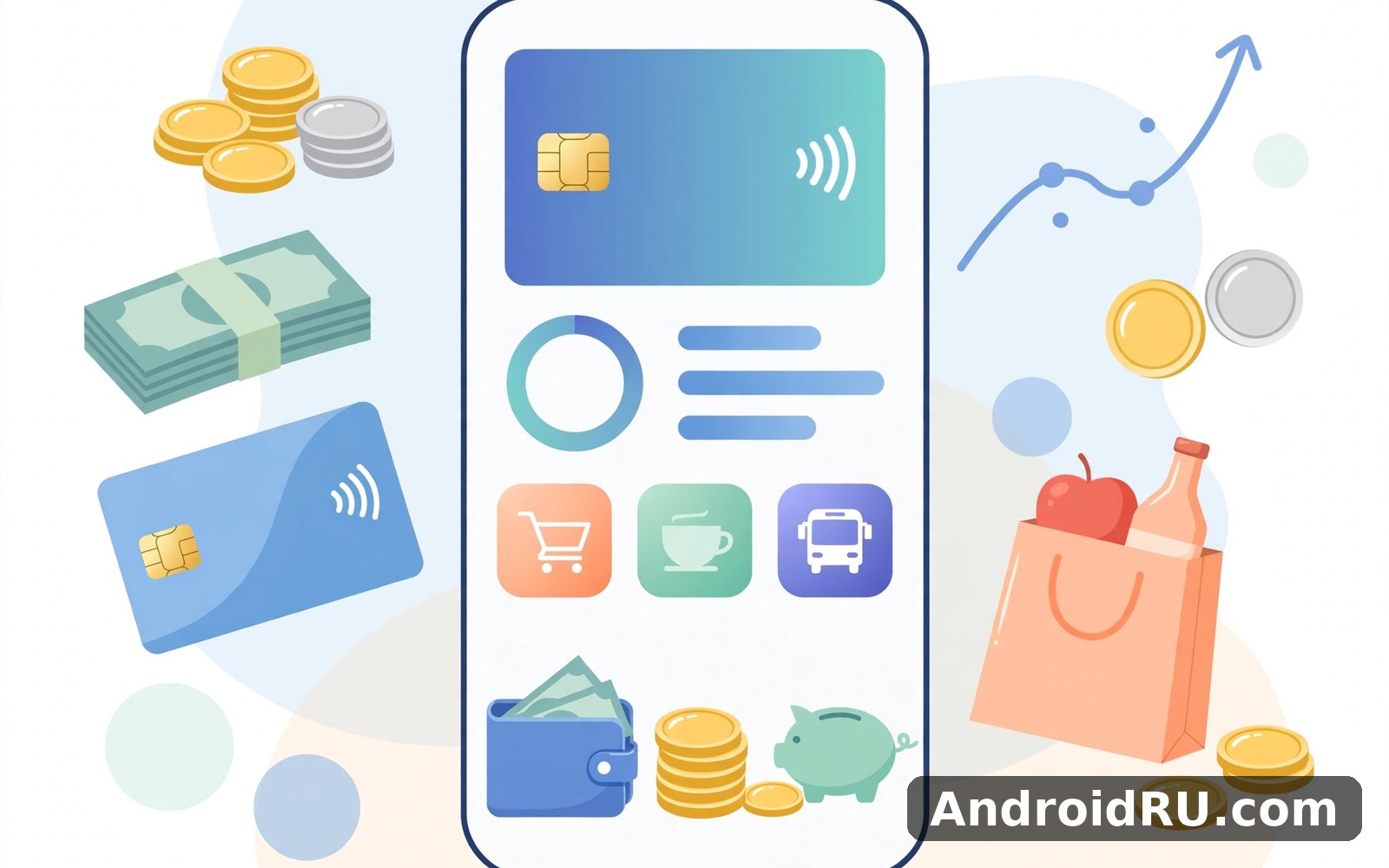
Tnbank Smart Card is a banking companion built around a smart card, which in practice means the app links your card and account to your phone so you can check, move, and manage money without visiting a branch. The home screen puts the card front and centre, with the balance, recent transactions, and the main actions a short scroll away. I liked that the first screen answered the three questions I ask most often: how much is there, what went out recently, and where do I tap to send money.
Language support is the feature that decides whether the rest of the app feels usable or tiring. A banking app in a language you read slowly is a banking app you will avoid, and avoidance leads to missed payments and unnoticed charges. Here the language setting changes menus, button labels, and most help text, so the daily flow reads in the language you chose rather than mixing two languages on the same screen. That said, some bank terms, card network labels, and merchant names may stay in their original form, which is normal for banking apps and worth knowing before you switch.
In practice, I changed the language twice during my first week to see how complete the change was. The main navigation, the balance screen, the transfer flow, and the settings pages all followed the new choice. A few system messages tied to the card itself kept their original wording, and I treated those as exceptions rather than a failure of the setting. If you share a phone with family or you read banking terms better in one language than another, test the switch on the home screen first and look at the transfer screen before you commit to it for daily use.
How the language setting changes the daily screens
The home screen is where the change feels biggest, because balance labels, card status, and the names of the main actions all sit there. When I switched languages, the balance area, the send and receive actions, and the history heading all changed together, which made the app feel consistent instead of half-translated. The transaction list was the one place where merchant names stayed as the merchant supplied them, so a shop name in another language will still appear that way. That is not a bug; it is how merchant data arrives from the payment network.
Settings pages followed the same pattern. Security options, notification choices, and card controls all appeared in the chosen language, and the short explanations under each toggle changed too. I found that helpful when I was deciding whether to leave a notification on or off, because a one-line explanation in my own language beat a guess. The help and support area was less complete, with a few longer articles keeping their original text, so I would not rely on the in-app help alone for a complicated question.
What stays in the original language
Merchant names, some card network messages, and a few legal or terms screens may keep their original wording even after you switch languages. I noticed this on a transaction from a small shop and on one card status message, and neither one blocked me from understanding the amount or the date. If a message you cannot read appears during a payment, stop, take a screenshot, and check it against the help area or ask the bank through the in-app contact route before you repeat the payment.
Language, region, and date formats
Changing the language can also change how dates and amounts are shown, depending on the region tied to that language. A date that reads day-first in one setting may read month-first in another, and a balance may group digits differently. I checked a recent transaction date after each switch and compared it with the date on my receipt, which took ten seconds and removed any doubt. Make that check part of your first day with a new language setting.
Who benefits most from the language options
The clearest winners are people who read banking terms more slowly in a second language, older relatives who share a family account, and anyone who opened the app once, felt lost, and never came back. A familiar language lowers the fear of tapping the wrong button, and that confidence is the difference between checking a balance weekly and ignoring it for a month. I tried the app with a friend who is less confident with phones, and they managed the balance check and the history view without my help once the language matched theirs.
Tnbank Smart Card Feature Highlights: Balance, Transfers and Card Controls
The feature list is short on purpose, and that is a strength for a banking tool. The app does not try to be a budgeting course, a shopping mall, and a bank at the same time. It focuses on the card, the balance, and the movement of money, and it does those jobs in a calm order. Here is the catch, though: if you want deep budgeting charts or investment tools, you will need another app alongside this one, because this one stays close to its core job.
Balance checking is the feature I used most, and it is fast when the connection is decent. The home screen shows the available balance for the linked card, and a tap opens recent activity with amounts, dates, and merchant names. I checked my balance in the morning before a trip to the market, and the figure matched what I expected from the previous day. A slow connection made the refresh take a few seconds longer, but it did not freeze or lose my place, which I count as a quiet win.
Transfers are the second pillar. The flow asks for the destination, the amount, and a confirmation step, and it shows a summary before you confirm so you can catch a wrong digit. I sent a small test amount to a familiar contact first, waited for the confirmation screen, and then checked the history to confirm it had landed in the list. That slow first transfer taught me the rhythm of the flow, and later transfers felt quicker because I knew where each confirmation sat.
| Feature | What it does | Where to find it | How it felt in daily use |
|---|---|---|---|
| Balance check | Shows the available balance for the linked smart card | Home screen, card area | Fast on a good connection, a few seconds slower on weak signal |
| Transaction history | Lists recent payments with amount, date, and merchant | Home screen, history or activity | Clear and easy to scan, merchant names stay as supplied |
| Transfers | Sends money to a saved contact or account | Send or transfer action | Summary screen before confirming helps catch typing errors |
| Card controls | Lock and manage card use | Card settings or card management | Quick to reach, worth testing once before you need it in a hurry |
| Language support | Changes menus and labels to the chosen language | Settings, language | Main screens change fully, a few system messages stay original |
| Notifications | Alerts for payments, transfers, and card activity | Settings, notifications | Useful when kept to payment alerts only |
| Security settings | PIN, biometric sign-in, and session controls where offered | Settings, security | Check what your device and account support before relying on it |
Balance checks and transaction history in detail
The history view is where the app earns its keep between paydays. Each entry shows the amount, the date, and the merchant or contact, and the list loads newest first so the latest payment is the first thing you see. I used it to spot a small recurring charge I had forgotten about, and seeing it in a plain list made the decision to cancel it easy. If you check history once a week, even for two minutes, you will catch duplicates and surprises far earlier than if you wait for a monthly statement.
One limit is that the history view is a list, not a full budgeting report. You can see what left the account, but you will not get a neat chart that splits spending into food, transport, and fun without doing that work yourself. I kept a simple note on my phone for the first month, grouping the bigger payments by hand, and that gave me the picture the app itself did not draw. That is a fair trade for a focused app, but it is a trade you should know about.
Transfers, payments, and confirming before you send
The transfer screen follows a pattern that rewards slow typing: destination first, amount second, then a summary screen that asks you to confirm. I read that summary out loud on my first few transfers, checking the name and the amount digit by digit, and I suggest you do the same until the flow feels automatic. A wrong digit in an amount is easy to make and hard to undo, and the summary screen is the last cheap place to catch it.
For a first transfer to a new contact, send a small amount, confirm it arrived, and only then send the larger sum. That habit cost me an extra minute and saved me a week of worry on one occasion when I had typed a name from memory. The app does not promise instant reversal of a completed transfer, so treat the confirm button as final and act accordingly.
Card controls, locking, and security basics
Card controls are the feature I hope you never need in a panic, which is exactly why you should test them on a calm day. The card area includes options to lock the card and manage its use, and the lock action is meant to stop further card payments quickly if the card is lost or you spot a payment you did not make. I opened the card settings, found the lock control, and read what it said before I ever needed it, so I would not be hunting through menus during a stressful moment.
Security in the app sits alongside the security on your phone. Use a strong device lock, keep the app updated, and check what sign-in options your account offers, such as a PIN or a fingerprint or face check where your device supports it. Do not share one-time codes with anyone, even if a message claims to be from the bank, and check the exact wording of any security alert inside the app itself rather than trusting a text message alone.
A quick card safety check to do today
Open the card settings, confirm you can see the lock control, check that notifications for card payments are on, and look at the last five transactions. That four-step check takes about three minutes and it tells you whether the app is ready for a real problem. I do it after every app update, because an update can move a setting and I would rather find that out on a quiet afternoon than during a lost-card scare.
How to Set Up Tnbank Smart Card and Change the Language
Setup is a short job if you prepare two things before you start: the smart card details the app asks for, and access to the phone number or email tied to the account for verification. I set the app up at home on Wi-Fi with my card in hand, and the whole flow took less time than making coffee. Doing it at home matters, because a verification code that arrives while you are out can expire before you type it.
The first run asks you to sign in or register, link the card, and confirm your identity through the step the bank offers, which may be a code sent to your phone or another check inside the app. Read each screen before you tap next, because the order matters: linking the card before you finish verification can leave you halfway through with a card that looks linked but is not yet active. If a step fails, go back one screen and try again rather than starting over from the beginning, since a fresh start can create a duplicate attempt.
- Install the app, open it, and choose sign in or register with the account details you already use for the bank.
- Link the smart card by entering the card details exactly as they appear on the card, then check each digit before you continue.
- Complete the verification step the app shows, such as a code sent to your phone, and enter it promptly before it expires.
- Open the home screen, confirm the balance and the card name match what you expect, and look at the last few transactions.
- Go to Settings, open Language, pick the language you read most comfortably, and check the home screen and the transfer screen in that language.
- Open Settings, then Notifications, and keep payment alerts on while switching off the alerts you do not need.
- Open Card settings, find the lock control, and note where it is so you can reach it quickly later.
- Send a small test transfer to a familiar contact, confirm the summary screen, and check the history entry after it completes.
Changing the language step by step
Changing the language is a separate job from setup, and it is worth doing on its own so you can see the result clearly. Open Settings, look for Language, and pick the language from the list the app offers. The app should apply the change at once or after a short reload, and the home screen should show the new labels without a restart. If the change does not appear, close the app fully and reopen it, then check the home screen again before you assume the setting failed.
After the switch, walk through three screens: the home screen, the transfer screen, and the card settings. Those three cover the actions you will use most, and if all three read clearly in the new language, the setting has done its job for daily use. I also checked a transaction date after switching, because date order can change with the language region, and a quick look at a receipt removed any doubt about which date I was seeing.
Setting up notifications without the noise
Notifications are useful only when they are rare enough to notice. I kept payment and transfer alerts on, because those are the messages that tell me money moved, and I switched off the general news and offer alerts in the first week. That balance made the app feel helpful rather than noisy, and a quieter phone made each remaining alert more useful. Check the notification list again after an update, because an update can add a new alert type that defaults to on.
What to do if verification fails
If a verification code does not arrive, check the signal, check that the phone number shown on screen is correct, and wait a full minute before you ask for a new code. Asking for three codes in a row can leave you with three messages and no idea which one is current. If the code still fails, use the help or contact route inside the app and describe the exact screen where it stopped, because that detail helps support far more than a general complaint that the app does not work.
Tnbank Smart Card Language Support Compared Across Settings
Language support is not one switch; it is a set of screens that change together, and some change more completely than others. The table below is my honest record after switching languages twice and walking through the main screens each time. Use it to set your expectations, not as a promise from the bank, because a later update can improve a screen that was only partly translated when I tested it.
| Screen or area | Changes with language | What I saw | Tip |
|---|---|---|---|
| Home and balance | Yes, fully | Labels, balance heading, and main actions all changed | Check this screen first after a switch |
| Transfer flow | Yes, fully | Destination, amount, and summary labels all changed | Read the summary screen in the new language once |
| Transaction history | Mostly | Headings changed, merchant names stayed as supplied | Merchant names are data, not a translation gap |
| Card settings | Yes, fully | Lock and management labels changed | Find the lock control in the new language today |
| Security settings | Yes | Option names and short explanations changed | Read the explanation under each toggle |
| Help and support | Partly | Short help changed, some longer articles stayed original | Use in-app contact for a complex question |
| System messages | Partly | Some card and network messages kept original wording | Screenshot any message you cannot read |
The pattern is clear: the screens you use every day translate well, while the long help articles and a few system messages lag behind. That is a fair trade for most users, because the daily flow is what decides whether you open the app at all. If you need help with a complicated issue, do not struggle through a partly translated article; use the contact route in the app and write your question in the language you are most comfortable with.
One more comparison worth making is between the language setting in the app and the language of your phone. The app setting should win inside the app, but a phone set to a different language can still affect system dialogs, such as permission prompts from the phone itself. I set my phone and the app to the same language during testing to keep the result clean, and I suggest you do the same for the first week if you can.
Language support for families and shared accounts
A shared account is where language support stops being a nice extra and becomes a practical need. If one person reads banking terms in one language and another person reads them better in a different one, the app can only show one language at a time, so agree on the language that the person who checks the balance most often reads best. I watched a family member who had avoided the app for months start checking the balance weekly once the language matched theirs, and that single change did more than any feature list could.
Pros and Cons of Tnbank Smart Card After Daily Use
A fair review gives both sides room to breathe, so here is what held up after a week of real use and what still strained. The strengths are about focus, clarity, and calm design. The weaknesses are about depth, help content, and the limits of what a focused banking app can do on its own. Neither side should surprise you if you read the feature section first.
Pros of Tnbank Smart Card
The first pro is focus. The app does one job, which is managing a smart card and the money tied to it, and it does not fill the home screen with unrelated offers. That focus keeps the daily flow short: open, check, act, close. The second pro is the language change on the main screens, which is complete enough to make daily banking feel natural. The third pro is the confirmation step before a transfer, which is a small piece of design that prevents expensive typing errors. The fourth pro is reliability on ordinary days; the app worked on a slower connection without freezing, and a return visit after a few days away simply showed me where I left off.
- Clear daily flow for balance checks and transfers — the home screen answers the main questions without a hunt through menus, and the transfer summary gives you a last look before money moves.
- Language support that covers the screens you use most — home, transfers, card settings, and security options all follow the chosen language, which lowers the fear of tapping the wrong button.
- Card controls that are easy to find before an emergency — the lock control sits in card settings where you can learn its location on a calm day instead of searching for it in a panic.
- Steady performance on ordinary connections — the app stayed usable on a slower signal, which matters more than speed on perfect Wi-Fi.
Cons of Tnbank Smart Card
The first con is depth. There is no real budgeting view, no spending chart, and no investment area, so anyone who wants one app for all money questions will need a second tool. The second con is help content: some longer help articles and a few system messages stay in their original language, which can leave you guessing at the worst moment. The third con is that the app assumes you already know basic banking terms, so a complete beginner may still need a family member or a bank visit for the first setup. None of these are fatal, but together they set a clear ceiling on what the app can do alone.
- Limited depth beyond card and balance tasks — no full budgeting report or spending chart, so deeper money planning needs another tool or a hand-kept note.
- Help and system messages are only partly translated — a few articles and card messages keep their original wording, which can confuse a reader at a stressful moment.
- Setup assumes some banking confidence — linking a card and finishing verification is simple if you have done it before, but a first-timer may want help nearby for the first run.
My honest verdict after a week
After a week I kept the app on my home screen, and I kept opening it for the same two jobs: checking the balance and scanning recent activity. It did not change how I think about money, and it did not need to. It made the small, repeated jobs easier, and that is the job of a banking companion. If you want a focused card app with language support that works on the screens you touch daily, this one earns its place. If you want a full money manager, pair it with another tool and judge it only on the card job it was built for.
If you enjoy card apps with a different flavour, Triple Fantasy Card RPG is a natural next app to try. It offers a different angle on card play. When you want a change of pace, Solitaire Offline Card Games covers that need neatly. And for a third option, Card Merge Master is worth a look as well. I still came back to Tnbank Smart Card for my daily banking routine, because the simple loop I built here suited me best.
Who Tnbank Smart Card Is For and Who Should Skip It
This app suits people who want a calm, focused way to watch one card and move money without learning a new system every month. It suits busy users who check a balance in short bursts, older relatives who need clear labels in a familiar language, and anyone who shares a family account and wants the balance check to feel safe rather than stressful. It also suits travellers who want to check a balance on a slower connection, because the app stayed usable when the signal dipped during my testing.
It suits less well the person who wants deep budgeting, spending charts, and investment tracking in one place. That reader will open the app, find the balance, and then ask where the rest of the tools are, and the honest answer is that they live elsewhere. It also suits less well someone who needs full help content in their language for complex questions, since some help articles stay partly translated. If either of those describes you, keep this app for the card job and add a second tool for the planning job, rather than expecting one app to do both.
A good fit for everyday banking habits
The best habit I built with this app was a two-minute morning check: balance, last three transactions, and any alert I had not seen. That tiny routine caught a forgotten recurring charge in my first month and it cost me almost no time. If you can tie that check to a moment you already have, such as morning coffee, the habit will carry itself after week two. The app rewards that steady pattern with visible clarity, and clarity is what keeps a banking habit alive.
When a different tool makes more sense
If you run a small business with many cards, many currencies, or many people moving money, a focused single-card app will feel small quickly. The same is true if you need detailed reports for tax time or a full picture of spending across several accounts. In those cases, use this app for the card it serves and keep a separate ledger or planning tool for the bigger picture. That split is not a failure; it is how focused tools are meant to be used.
For first-time banking app users
If this is your first banking app, ask a trusted family member to sit with you for the first setup, and do the first transfer together for a small amount. That shared first run removes most of the fear, and after that the app feels far less daunting. Keep the language set to the one you read best, keep payment alerts on, and check the balance once a week until the routine feels natural.
For experienced users who want speed
Experienced users will find the flow fast once they know where the transfer summary and the card lock sit. The speed comes from familiarity, not from skipping steps, so do not rush the confirmation screen even when the flow feels automatic. A calm tap on the summary screen is still the cheapest insurance against a typing error.
Troubleshooting Tnbank Smart Card: Login, Language and Payment Problems
Most problems I met were small and had a small fix, and the pattern was usually the same: check the connection, check the setting, then check the exact screen. A banking app that looks broken is often a banking app waiting for a code, a permission, or a clearer signal. Work through the list below in order and stop as soon as the problem clears, rather than changing five settings at once and losing track of what helped.
Login and verification problems
If sign-in fails, check the account details first, then the verification code, then the connection. A code that arrives late may already be expired, so ask for a fresh one and enter it promptly. If the app says the card is already linked but the balance does not appear, close the app fully, reopen it, and check the home screen again; a half-finished link can look complete until the app reloads. If the problem stays after two careful tries, use the in-app contact route and note the exact message on screen.
Language setting not changing
If the language does not change, open Settings, open Language, and confirm your choice actually saved by leaving the settings screen and coming back. If the home screen still shows the old language, close the app fully and reopen it. If only the help articles stay in the old language, that is the partly translated help area I described earlier, not a failed setting. Check the home screen and the transfer screen as your test, because those are the screens the setting is meant to change.
Transfer or payment not appearing
If a transfer does not appear in history, wait a short while and refresh the history view, because a payment can take time to appear even after the confirmation screen. Check the amount and the destination on the confirmation or receipt screen if the app shows one, and do not send the same transfer a second time until you are sure the first one failed. A duplicate send is a common result of impatience, and it is far harder to fix than a slow history update. If the money left the account but the recipient cannot see it, keep the transaction details and contact the bank through the in-app route.
When to contact the bank instead of retrying
Contact the bank, rather than retrying, when money has left your account and you cannot see where it went, when a card payment you did not make appears, or when the app locks you out after repeated verification failures. In those cases a retry can make the record harder to read. Write down the date, the amount, and the exact message on screen before you call or message, because those three facts are what support will ask for first.
Frequently Asked Questions About Tnbank Smart Card Language Support
Does Tnbank Smart Card support more than one language?
Yes, the app offers a language choice in Settings, and the main screens, including home, transfers, card settings, and security options, follow the language you pick. A few help articles and some system messages tied to the card or the payment network may stay in their original wording, so the change is complete for daily use but not complete for every long help page. Test the home screen and the transfer screen after you switch, and pick the language you read most comfortably for banking terms.
How do I change the language in Tnbank Smart Card?
Open Settings, tap Language, choose the language from the list, and then check the home screen to confirm the labels changed. If the change does not appear at once, close the app fully and reopen it, then check the home screen and the transfer screen again. After the switch, also check a transaction date against a receipt, because date order can change with the language region, and a ten-second check removes any doubt.
Can I lock my smart card from inside the app?
Yes, the card settings area includes a lock control meant to stop further card use quickly if the card is lost or you spot a payment you did not make. Find that control on a calm day, read what it says, and note where it sits so you can reach it without hunting through menus during a stressful moment. After locking a card, check the card status screen and contact the bank through the in-app route if you need the card replaced or opened again.
Is Tnbank Smart Card safe for checking a balance on public Wi-Fi?
Checking a balance on public Wi-Fi carries more risk than checking it on your own connection, so I avoid it when I can and use mobile data instead for banking tasks. Keep a strong device lock, keep the app updated, keep payment alerts on, and never share a one-time code with anyone who contacts you by message or call. If you must use a shared connection, sign out or close the app fully when you finish, and check the last few transactions when you are back on a trusted connection.
What should I do if a transfer does not show in my history?
Wait a short while, refresh the history view, and check the confirmation or receipt details the app showed after you confirmed the transfer. Do not send the same transfer again until you are sure the first one failed, because a duplicate send is harder to fix than a slow update. If the money has left your account but the recipient cannot see it, note the date, amount, and destination, and contact the bank through the in-app route with those details.
Final Verdict on Tnbank Smart Card Language Support and Features
Tnbank Smart Card is a focused banking companion that does its core job well: it shows the balance clearly, lists recent activity in a readable order, guides transfers through a confirmation screen, and puts card controls where you can find them before an emergency. The language support is the feature that makes the rest usable for many readers, because the main screens follow the chosen language and the daily flow reads naturally. The limits are honest ones: no deep budgeting view, help content that is only partly translated, and a setup that assumes some banking confidence.
My next step for you is a small one you can do today. Open the app, set the language to the one you read best, find the card lock control, and run the two-minute check of balance and last three transactions. If those four actions feel calm and clear, the app has earned a place on your home screen. If you are ready to give it a proper try, Click here to download the Tnbank Smart Card app. For a similar app, Click here to download the Triple Fantasy Card RPG app. For a second option, Click here to download the Solitaire Offline Card Games app.

