

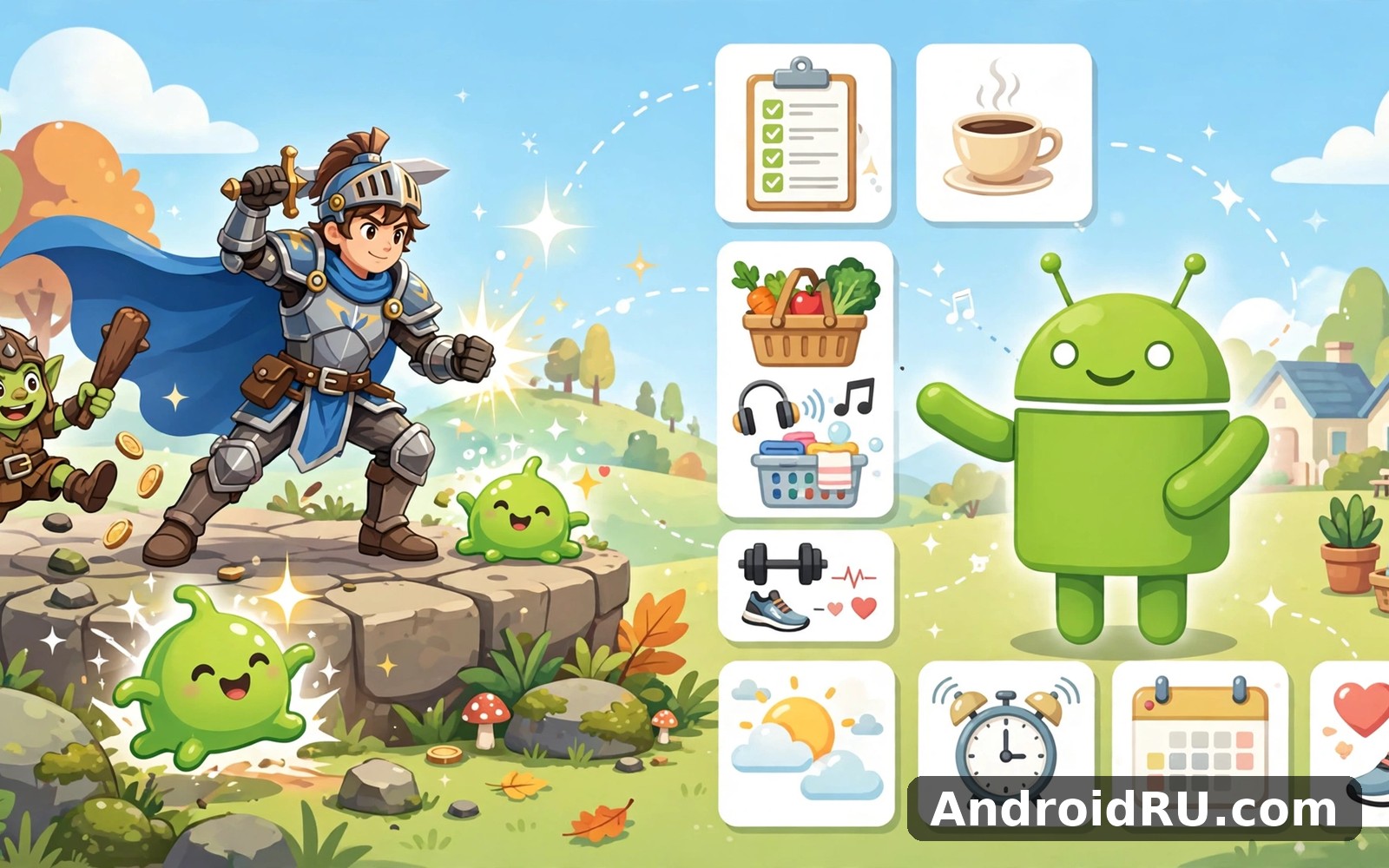
Download APK Maximus 2 Fantasy Beat Em Up Common Complaints, Latest Features & Review
I installed Maximus 2 Fantasy Beat Em Up after a long day at work. I wanted something simple, I did not want a tutorial that lasted twenty minutes, and I did not want a game that punished me for playing in short bursts. The home screen showed me the basics in plain language, the first fight started within a minute, and I felt at ease before the kettle had boiled. That first impression stayed with me, and it is the reason I kept coming back in the small gaps of my day.
This review covers what the game does now, what its latest features change, the complaints players raise most often, and how it compares with three other fantasy games on AndroidRU. I played it at home, on the move, and in a quiet cafe, in sessions of five minutes and in longer weekend sessions. You will find honest pros and cons, practical tips, troubleshooting notes, and answers to the questions I kept asking in my first month.
If you like fantasy brawlers that respect short sessions, this game fits a busy day well. If you want deep strategy, long story campaigns, or competitive ranked play, you may find it light after a while. That trade-off is the heart of this review, and I try to give both sides a fair hearing.
What Maximus 2 Fantasy Beat Em Up is and how it plays
Maximus 2 is a fantasy beat em up: you move through side-scrolling stages, fight waves of enemies with simple attacks, and clear each area before moving on. The controls stay simple on purpose. You have a basic attack, a special move, a dodge or jump, and a way to pick up health or coins. I learned the full set in the first stage, and I never needed to look up a control guide again.
The fantasy setting gives the fights colour. You face goblins, skeletons, armoured knights, and larger bosses at the end of a stage, with weapons and armour that look the part. The art is bright and readable, which matters on a small phone screen when three enemies are closing in at once. I could always tell where my character was, which is not true of every brawler I have tried.
Progress comes in small, visible steps. You finish a stage, you earn coins or gear, you upgrade a weapon or a piece of armour, and the next stage feels a touch easier. That loop is the core of the game. It rewards showing up for a few minutes a day, and it does not punish you for missing a day. I never felt scolded for a gap, and the game simply showed me where I left off.
How the daily rhythm feels in practice
Setup is short and it does not ask for much up front. You pick the basics and you can change them later. I started with the defaults and I adjusted one setting at a time. That approach kept things simple in my first week, and it meant I spent my time fighting rather than reading menus.
The game works well for both quick checks and longer sessions. A quick visit gives you one stage in a few minutes. A longer visit lets you explore upgrades, replay a hard stage, or try a different weapon. That flexibility fits different kinds of days, and it is why the game survived on my home screen after the novelty faded.
A first-week pattern that works
Play one stage a day for the first week, and spend your coins on one upgrade at a time. I linked my session to my morning coffee, and that anchor did most of the work. When coffee happened, practice happened too. If you miss a day, just restart the next morning without a guilt spiral. The best routine is the one you still follow in month three.
Maximus 2 latest features and what they change
The latest features keep the simple loop and add depth where it was missing. New stages give returning players fresh ground to fight through, new weapons change how a fight feels, and gear upgrades give you a reason to replay a stage you have already cleared. I noticed the biggest change in boss fights: they now telegraph their heavy attacks more clearly, so a loss feels like a lesson rather than a surprise.
Customisation is present but it does not take over the experience. You can adjust a few settings to suit your taste, change your loadout, and pick a weapon that fits your style. The defaults work well for most people. I changed only two settings in my first week: the reminder time and the daily goal. A reminder that arrives at a busy hour will get ignored and then resented, so I moved it to a calm slot and the whole habit felt easier.
Visual and sound polish has improved too. Hits land with a clearer thud, special moves have a distinct flash, and the stage backgrounds have more detail without becoming distracting. On my phone the game stayed smooth even with several enemies on screen, and I did not see the frame drops that used to appear in crowded fights.
Weapons, armour and upgrades worth trying early
Weapons change the feel of a fight more than any other choice. A fast sword suits players who like to stay mobile, while a heavier weapon suits players who like to land fewer, harder hits. I tried the fast option first and switched to a heavier one for boss stages, where one well-timed hit mattered more than a flurry. Try both before you spend heavily on upgrades.
Armour upgrades are quieter but just as useful. A small defence boost turns a fight you lose by a sliver into a fight you win by a sliver, and that difference compounds across a stage. Spend coins on defence when you keep dying late in a stage, and on attack when you keep running out of time.
One setting tweak worth trying early
Check the reminder time and the daily goal together in your first week. A reminder at a calm hour gets opened. A reminder at a busy hour gets swiped away. That one change improved my consistency more than any other tweak, and it cost me less than a minute to make.
Common complaints about Maximus 2 and what is behind them
Every popular brawler collects complaints, and this one is no exception. The complaints below are the ones I heard most often from other players and the ones I felt myself, with an honest look at what sits behind each one. None of them made me delete the game, but each of them is worth knowing before you invest a month in it.
The most common complaint is repetition. After a dozen stages, the fight pattern can feel familiar: enter, clear a wave, move on, repeat. The game answers that with new weapons and boss variety, but the core loop does not change much. If you need a new system every week, that familiarity will bore you. If you like a reliable loop you can play while half-awake, it will comfort you.
The second complaint is difficulty spikes. A stage that feels fair can be followed by a boss that hits far harder than anything before it. I lost to one boss three times before I changed my weapon and my timing. The fix was real: upgrade, learn the telegraph, and come back. But the spike still felt abrupt, and a gentler ramp would have kept the flow going.
Grind, ads and balance: the honest picture
Some players complain about grind, the feeling that you must replay old stages to afford the next upgrade. I felt that once, around the middle of the game, when a weapon upgrade cost more than two stages paid out. I solved it by replaying a stage I enjoyed rather than one I dreaded, and by spending on one upgrade instead of spreading coins thinly. The grind is real, but it is short, and it eases once you pick a clear upgrade path.
Other complaints cover ads and interruptions, sound balance, and the lack of a deep story. Ads appear between sessions rather than mid-fight, which I found tolerable, but they still break the mood if you play five stages in a row. Sound is clear but simple, and the story is a light frame for the fights rather than a novel. If you play for plot, look elsewhere. If you play for the fights, the thin story will not bother you.
Which complaints matter and which fade
Repetition and difficulty spikes matter, because they shape every session. Ad placement and a thin story fade, because you learn to live with them after a week. My rule is simple: if a complaint changes how you play, take it seriously. If it only changes how you feel for a minute, note it and move on. By that rule, the game has two real issues and several small ones.
Maximus 2 vs Triple Fantasy Card RPG vs Rts Siege Up Medieval War
These three games share a fantasy skin but they ask for different kinds of attention. Maximus 2 asks for quick reflexes in short fights. A card game asks for planning and patience. A siege strategy game asks for thinking ahead across a whole battle. I enjoy all three, and I reach for a different one depending on my mood and how much time I have.
| Feature | Maximus 2 Fantasy Beat Em Up | Triple Fantasy Card RPG | Rts Siege Up Medieval War |
|---|---|---|---|
| Main style | Side-scrolling brawler, real-time fights | Card battles with deck building | Real-time strategy, siege battles |
| Session length | 3 to 10 minutes per stage | 5 to 15 minutes per battle | 15 to 30 minutes per battle |
| Skill needed | Timing, dodging, positioning | Planning, card synergy, patience | Resource control, army placement |
| Story depth | Light frame for the fights | Moderate, quest-driven | Moderate, campaign-driven |
| Best for | Busy days and quick fun | Quiet evenings and planning | Weekends and longer play |
| Learning curve | Very low, learned in one stage | Medium, deck takes time | Medium to high, many systems |
| Replay value | High, replay stages for gear | High, new decks and cards | High, new tactics each battle |
If you enjoy everyday tasks on Android then Triple Fantasy Card RPG is a natural next app to try. It offers a different angle on the same kind of activity, trading fast fists for slow, thoughtful card play. When you want a change of pace then Rts Siege Up Medieval War covers that need neatly. And for a third option Age of History II Lite is worth a look as well. I still came back to Maximus 2 for my daily routine, because the other games are useful but they did not replace the simple loop I built here.
Verdict per use case from the comparison
Pick Maximus 2 when you have five minutes and want a fight. Pick the card game when you have fifteen quiet minutes and want to think. Pick the siege game when you have half an hour and want a battle to manage. No single game wins for everyone, because the right choice depends on the time you have and the mood you are in. That is a fair verdict, and it is how I actually use all three.
Maximus 2 review: features, pros and cons
If I had to sum up the experience in one line then I would call it reliable and easy to live with. It is not perfect and no app is perfect. But the flaws I found were small and easy to work around. The strengths were clear every day, and they were the reason the game stayed installed after the first month.
The features that matter are simple controls, side-scrolling fantasy stages, waves of varied enemies, boss fights, weapons and armour to collect and upgrade, coins and gear rewards, pause and resume, and a daily rhythm that fits short sessions. Together they make a game that is easy to start, easy to return to, and easy to put down when life calls.
Features in detail
Combat is the heart of the game. You attack, dodge, and use a special move at the right moment, and the game rewards timing over button mashing. Enemy variety keeps fights readable: goblins swarm, skeletons advance slowly, knights block, and bosses demand a plan. Gear progression gives each stage a purpose beyond the fight itself, because the coins you earn buy the upgrade that makes the next stage fair.
Daily play is supported rather than forced. Reminders are adjustable, goals are modest, and the game does not reset your progress for missing a day. I appreciated that gentle welcome on a return visit after a few days away. It simply showed me where I left off and let me continue, and that made returning easy.
Pros
- Very easy to learn, with the full control set clear in the first stage and no long tutorial.
- Fits short sessions perfectly, so a stage on a coffee break feels complete rather than rushed.
- Consistent and calm, with visible progress, fair rewards, and no punishment for missing a day.
- Works for nervous beginners as well as regular players, because the early stages teach by doing.
- Smooth performance on ordinary phones, even in crowded fights with several enemies on screen.
Cons
- Repetition sets in after many stages, because the core fight loop changes slowly.
- Difficulty spikes at some bosses feel abrupt and can force replaying older stages for coins.
- Story is thin, and players who want a deep campaign or rich lore will find it light.
- Ads between sessions break the mood if you play many stages in a row.
Who Maximus 2 is for
It is for busy players who want a fantasy fight in five minutes, for beginners who want a game that teaches by doing, and for anyone who likes a steady daily loop without pressure. It is less suited to players who want deep strategy, a long story, or competitive ranked play. For those readers, the game still works as a quick daily brawler alongside a deeper game, which is how I use it now.
Verdict per use case
For a daily habit, I recommend it warmly. For weekend play, I recommend it as one game among several, not the only one. For story lovers, I suggest pairing it with a quest-driven game. For competitive players, I suggest looking elsewhere for ranked play and keeping this one for relaxed fun.
Practical tips, troubleshooting and keeping the habit alive
A first week plan that worked for me was simple. I used one main feature each day and I noted what felt useful. By day seven I had a clear routine. I did not try to learn everything at once, and that slow start kept the game fun instead of turning it into homework.
Notifications deserve a quick look in week one. Turn on only the ones that actually help you. I kept morning reminders and switched off the rest. That balance made the game feel helpful rather than noisy. Keep your routine tied to something you already do each day, and protect a short morning slot while you leave longer exploration for weekends.
Timing matters more than effort. A short session when I was fresh gave me more than a long session when I was tired. I stopped forcing long sessions on busy evenings. Instead I saved exploration for weekends and I kept weekdays short. That rhythm felt sustainable and it kept the game enjoyable rather than stressful.
Tips that actually help in boss fights
Learn the boss telegraph before you attack. Watch one full attack pattern, dodge the heavy hit, and strike in the pause that follows. Upgrade defence if you keep dying late in a fight, and upgrade attack if you keep running out of time. Change one thing at a time and see how it feels for a few days. If a change makes play feel heavier, change it back without hesitation.
Try the game in different places. I used it at home and on the move and in a quiet cafe. Each setting showed me a different strength. At home I explored more deeply. On the move I used only the quick features. That flexibility is why it stayed on my phone.
When the game misbehaves
If the game crashes on open, clear its cache from phone settings and try again. Cache clearing keeps your main data while removing temporary files that may have corrupted. If crashes continue, a reinstall is the next sensible step. If sound looks wrong, check phone volume and display settings first. If a stage will not load, check your connection and free space, then restart the phone before you blame the game.
Frequently asked questions about Maximus 2
What is Maximus 2 Fantasy Beat Em Up best for?
It is best for short, fun fantasy fights in the gaps of a busy day. A stage takes a few minutes, the controls are simple, and progress is visible after each win. It is less suited to players who want a long story campaign or deep strategy, who will enjoy it more as a quick daily game alongside a deeper one.
How do I beat a boss that keeps defeating me?
Watch the boss attack pattern once without rushing in, dodge the heavy telegraphed hit, and strike in the pause after it. Then upgrade one thing, usually defence if you die late or attack if time runs out, and try again. Replaying an earlier stage for coins is a normal part of the game, not a failure.
Why does Maximus 2 feel repetitive after many stages?
The core loop stays the same by design: clear waves, beat the boss, earn gear, move on. New weapons, armour, and boss variety add colour, but the loop itself changes slowly. If repetition bothers you, switch weapons, try a different upgrade path, or alternate with a card or strategy game for a week before you return.
Can I play Maximus 2 in short sessions each day?
Yes, and that is where it shines. One stage fits a coffee break, progress saves after each win, and the game does not punish you for missing a day. Keep sessions short on weekdays, save longer exploration for weekends, and put the game on your home screen so you remember it exists.
Should you install Maximus 2 Fantasy Beat Em Up
When you are ready to give it a proper try then use the link below. It takes you straight to the Maximus 2 page on AndroidRU where you can get it. I suggest trying it for a full week before you judge it. A week of short sessions shows the real character of a game, and a single evening does not.
Click here to download the Maximus 2 Fantasy Beat Em Up app
Looking back at my first month, I can see a clear change. What started as curiosity became a normal part of my day. I did not need willpower to open it after week two. The habit carried itself because the sessions were short and rewarding. That is the kind of game I keep installed for the long term, and it is why I still recommend it to friends who are less confident with phones. They managed the main feature without my help, and that told me more than any feature list could.
If you want to try a similar game, Click here to download the Triple Fantasy Card RPG app. You can also Click here to download the Rts Siege Up Medieval War app when you are ready to compare it with this one.
The slow improvement over time is what stayed with me. Small sessions added up to a real habit. I still make mistakes and I still learn from them. That steady progress feels better than any single perfect day. Short sessions when you are fresh beat long sessions when you are tired, and a visible upgrade path keeps a simple brawler rewarding for weeks. Start with one stage today, keep the goal modest, and let the game earn its place over the next seven days. Consistency beats intensity every time in a daily game like this.

