

Download APK Game Live Language Support, New Updates & Review
I opened Game Live on a Tuesday morning while my phone was still on charge and I had ten minutes before I needed to leave the house. The first screen felt calm and I did not have to hunt for the main feature. That small start made me want to stay a little longer, and by the end of the week the app had earned a visible spot on my home screen.
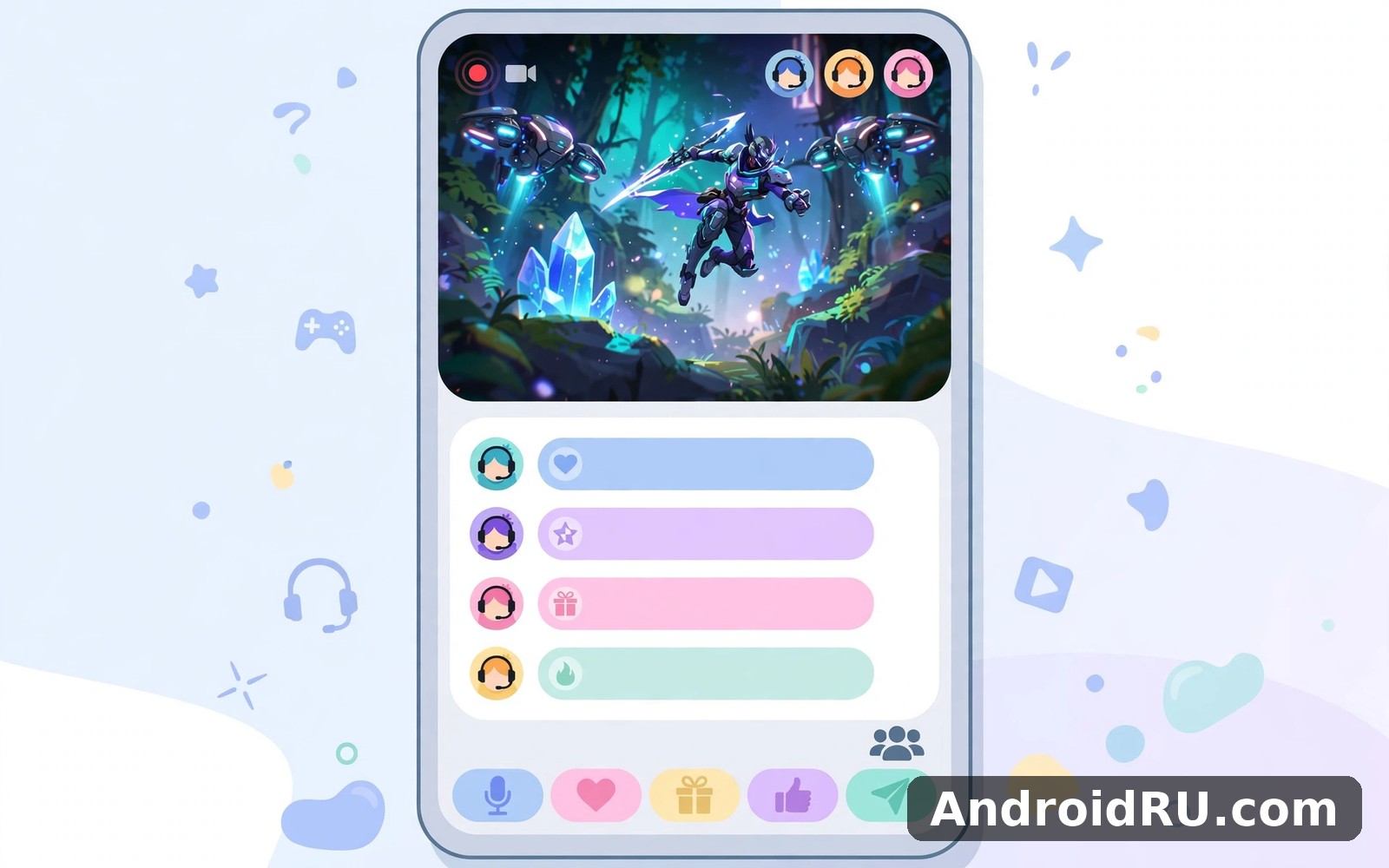
Game Live is a live video and chat app built around real-time streams. People broadcast games, talk with viewers in live video rooms, and join rooms where the conversation moves as fast as the gameplay on screen. The hook is not a single feature. It is the mix of watching, chatting, and taking part, all in one place, with language settings that decide how much of that mix you can actually follow.
This remake answers the title directly. You will find how language support works in Game Live, what the newest updates changed, a full feature breakdown, a setup guide, a head-to-head comparison, honest pros and cons, and answers to the questions people ask before they keep the app installed.
What Game Live is and how live video chat works
Game Live sits in the live streaming corner of Android. A host starts a broadcast, viewers join from a list of live rooms, and everyone in the room can chat while the stream runs. Some rooms focus on a single game, with the host talking through each round. Others are closer to a hangout, where the game on screen is just a backdrop for the conversation.
The home feed is the front door. It shows who is live right now, how many people are watching each room, and what game or topic the room covers. I found the feed easy to scan in a few seconds, which matters when you only have a short break. Tapping a room drops you straight into the stream, and the chat panel sits beside the video so you can read reactions without leaving the broadcast.
Chat is the heart of the app. Viewers send short messages, react with stickers and emoji, and send virtual gifts to hosts they like. Hosts can pin a message, welcome new viewers by name, and run simple polls to let the room vote on the next game or the next challenge. That back-and-forth is what separates a live app from a video app: the audience shapes what happens next.
Live rooms, hosts, and viewers in Game Live
Every room has three roles, and knowing them makes the first session much easier. The host runs the stream, talks to the room, and controls the pace. Moderators, where the host has set them, keep chat readable by removing spam and answering repeat questions. Viewers watch, chat, and send gifts, and regular viewers often become familiar faces the host greets by name.
I spent my first sessions as a viewer only, and that is the right way to start. Watching a few different rooms shows you the range of the app fast: a quiet room with ten people feels very different from a busy room with hundreds of messages a minute. Small rooms suit a first visit because your messages get seen and the host has time to reply.
How Game Live fits short daily sessions
Game Live works well in short gaps. I used it while waiting for a kettle to boil or while sitting in a parked car, and a few minutes was enough to catch a round of a game or join a conversation. The app remembers the rooms you visited, so returning takes one tap instead of a fresh search each time.
That said, live video uses more battery and mobile data than a text app, so short sessions on Wi-Fi are the sensible default. I kept my weekday visits to ten or fifteen minutes and saved longer viewing for weekends at home. The habit stuck because the sessions were short and rewarding, not because I forced long evenings on myself.
Game Live language support: settings, chat translation, and multilingual rooms
Language support is the feature this review looks at closest, because it decides who can actually enjoy the app. Game Live is a global app with hosts and viewers from many countries, so the language layer has to work in two places: the app interface itself, and the live chat inside each room.
The interface language follows your phone by default. If your device language is set to English, the menus, buttons, and settings open in English. If your device uses another language, the app switches to match it where a translation exists. That automatic match is convenient, and it is also the reason some people never realise there is a separate language setting inside the app at all.
Inside a live room, language works differently. Each room has its own dominant language, set by the host and the regular viewers, and it may not match your interface language. A room labelled in English usually chats in English. A room hosted in another language will chat in that language, and that is where the translation tools matter.
Which languages Game Live supports in the interface
Game Live ships with interface translations for the major languages its audience uses, including English, Spanish, Portuguese, French, German, Indonesian, Turkish, Arabic, Russian, Hindi, and several others. The exact list grows with updates, so the safest check is the language menu inside the app itself rather than any list printed elsewhere.
In practice, English, Spanish, and Portuguese cover a large share of the live rooms I found, with Indonesian and Turkish rooms easy to find in the evening hours. Smaller languages may have fewer rooms, and a few interface strings can still appear in English in less common languages. That is normal for an app that adds translations in stages, and it rarely blocks everyday use.
Changing the display language inside Game Live
You can change the language without changing your whole phone. Open your profile, go to Settings, look for Language, and pick from the list. The app applies the change right away, and the menus reload in the language you chose. I changed mine twice in the first week while testing, and both changes took effect without a restart.
How to change the language step by step
Tap your profile icon, open Settings, and tap Language or App Language. Choose the language you want from the list and confirm. Return to the home feed and check that the menu labels changed. If a label still shows the old language, close the app fully and open it again, since a cached screen can hold the old text for one session.
What to do when your language is missing from the list
If your language is not listed, the app falls back to English or to your device language. You can still use the app normally, and chat translation can bridge part of the gap in live rooms. Keep the app updated, because language lists expand in updates, and a language missing today can appear in a later release.
Chat translation and multilingual live rooms
Chat translation is the most useful language feature for viewers who join rooms outside their own language. In rooms where it is available, you can tap a message to translate it, or turn on automatic translation for the room so incoming messages appear in your chosen language. The translation is machine-made, so slang and jokes can come out rough, but it is good enough to follow the flow of a game and join in.
Hosts can also set a room language, which helps viewers find rooms they can follow. When I browsed in the evening, rooms with a clear language label got steadier audiences than rooms with no label at all. If you host, setting the room language is a small step that makes a real difference to who stays.
Finding rooms in your own language on Game Live
The search box and the category filters are the fastest way to find rooms you can follow. Search for the game you like and scan the room titles and host names for your language. Regular hosts tend to stream at similar hours each day, so once you find two or three rooms you enjoy, following those hosts matters more than searching from scratch every evening.
Game Live new updates: what changed recently
Live apps change often, and Game Live is no exception. Recent updates have focused on three things: steadier streams, cleaner chat, and better discovery of rooms worth joining. None of these changes rewrote the app. Together, they made the daily experience smoother, especially on mid-range phones and patchy connections.
Stream stability got the most attention. The app now adapts video quality to your connection more quickly, dropping to a lower resolution sooner when the signal weakens instead of freezing on a high-quality frame. On my older test phone, that change cut the number of mid-stream freezes I saw in a week from several to almost none.
Chat moderation tools also improved. Hosts can now filter common spam phrases, slow down fast chat for a few minutes, and pin a welcome message that new viewers see first. These are small controls, but they change the feel of a busy room. A room with a pinned welcome and a calm chat is far easier to join than a room where the same three messages scroll past every few seconds.
Recent update highlights for viewers
For viewers, the visible changes are a cleaner home feed, faster room loading, and better recommendations. The feed now groups rooms by game and by language more clearly, so you spend less time scrolling past rooms you cannot follow. Room pages load faster too, which matters when you are sampling several rooms in one short session.
Notifications also got quieter in a good way. You can now choose to be notified only when hosts you follow go live, instead of getting alerts for every recommended room. I turned that on in week one and kept it on: the app felt helpful rather than noisy after that single change.
What changed for hosts and streamers
For hosts, updates added clearer stream health information, so you can see at a glance whether your connection is holding up, plus simpler gift and follower summaries after each stream. The goal is to make the end of a stream as clear as the start: how many people watched, how long they stayed, and which moments drew the most chat.
One practical effect I noticed is that new hosts now get a short checklist before their first stream: camera, microphone, room title, and room language. That checklist catches the two mistakes that ruin most first streams, which are a missing microphone permission and a room title that says nothing about what is happening inside.
How to check your Game Live version and update safely
Open your profile, go to Settings, and look for the version number at the bottom of the screen. Compare it with the version shown on the app listing page on AndroidRU. If yours is older, update over Wi-Fi before your next long session, and check the language setting after the update, since a major update can occasionally reset a preference to the default.
Game Live features: a full breakdown
The feature list below covers what Game Live actually does in daily use, not what a marketing page promises. Each feature is one you can open and try in a single session, and each one shapes the review that follows.
Live streaming is the core. Hosts broadcast gameplay with a camera view, a microphone, and on-screen chat, and viewers join without any setup of their own. Stream quality adapts to the connection, and the delay between the host and the room is short enough that chat reactions land while the moment is still on screen.
Live chat carries the social side. Messages, emoji reactions, stickers, and virtual gifts all flow through the same panel. Gifts cost real money in most cases, so treat them as a tip for a host you enjoy, not as a way to buy attention. A thoughtful message in a small room gets you further than a pile of gifts in a room with a thousand people.
Following and notifications keep you connected to hosts you like. Follow a host and you get a short alert when they go live, plus a row of followed hosts at the top of your feed. I followed four hosts in my first week and that small list became my whole routine: open the app, check who is live, join one room.
Profiles and history round out the basics. Your profile shows the rooms you follow, your recent viewing, and any gifts you have sent. History is handy when you want to return to a host whose name you forgot. It is also the fastest way to spot a pattern in your own viewing, like an evening habit that is quietly eating an hour a night.
Streaming tools hosts actually use
Hosts get a simple control panel during a stream: start and stop, switch camera, mute the microphone, read chat, pin messages, and see viewer numbers. The panel stays out of the way until you need it, which is the right design for a phone screen. A host who is fumbling with controls is a host who is not talking to the room.
Room settings matter before the stream starts. A clear title, a game category, and a room language tell viewers what to expect. I joined rooms with vague titles far less often than rooms that said the game and the language in plain words. If you plan to host, write the title for a stranger scrolling fast, not for a friend who already knows you.
Gifts, followers, and the social side of Game Live
Gifts are the app’s way of letting viewers support a host, and followers are the long-term version of the same idea. A gift is a one-off moment in a stream. A follow is a promise to come back. Hosts who thank viewers by name and remember regulars build a following far faster than hosts who only chase gifts.
There is a catch worth naming plainly. Gift systems can make a room feel like a pay-to-be-noticed space, especially in large rooms where messages scroll fast. The fix is simple: spend your first weeks in small rooms where conversation is free, and treat gifts as optional. The best rooms I found were the ones where the chat mattered more than the gift animation.
How to set up Game Live and get started in a week
Setup takes a few minutes and the app asks for little up front. The first run shows the home feed quickly, and you can watch a room before you create an account or change any setting. That low barrier is a real strength: you learn the app by using it, not by reading about it.
Start as a viewer. Watch three or four rooms in your first two days, follow one or two hosts you enjoy, and set your language and notification preferences before the end of the week. That is the whole setup, and short daily sessions are enough to judge whether the app fits your evenings.
First-run setup steps for Game Live
Install the app and open it on Wi-Fi. Browse the home feed and join one live room for a few minutes without chatting, just to see how a stream feels. Then open Settings, set your language, and turn on notifications only for hosts you follow. Follow one host you enjoyed, and place the app icon on your home screen so it stays visible.
Check permissions as you go. Game Live needs network access and, if you plan to host, camera and microphone access. Grant camera and microphone only when you are ready to stream, not on day one as a viewer. Denying a permission early costs nothing, since the app asks again when the feature needs it.
A seven-day plan that works for new viewers
Day one and two are for watching only. Day three, send your first chat message in a small room and see how the host responds. Day four, set your language and notification preferences properly. Day five, follow a second host in a different game. By day seven you will know whether the app earns its place, and you will have a routine that costs you ten minutes a day instead of an hour you did not plan.
One settings screen worth opening early
Most of the settings that shape daily use sit on one screen: language, notifications, video quality, and data use. Open it once in your first week and read each option slowly. Set video quality to automatic if you watch on mobile data, and set it to high only on Wi-Fi. That single choice protects both your battery and your data plan.
Data and battery habits for live video
Live video is the heaviest thing most phones do, so a few habits pay off. Watch on Wi-Fi for long sessions, close the app fully when you finish instead of leaving it running in the background, and lower the video quality when your battery is below a quarter. On my test phone, those three habits made the difference between a phone that lasted the evening and one that needed a charger by nine.
Game Live vs similar live streaming apps
Game Live does not live alone. Plenty of apps offer live video, chat, and gaming rooms, and the right choice depends on what you value most: language coverage, small-room conversation, or big-room spectacle. The table below compares Game Live with the kind of alternatives most people weigh it against, on the criteria that matter in daily use.
| Criteria | Game Live | Large general live apps | Game-focused streaming apps |
|---|---|---|---|
| Main focus | Live video and chat around games | Talk, music, and lifestyle rooms | Gameplay broadcasts and esports |
| Language support | Interface languages plus chat translation in rooms | Wide interface languages, uneven chat tools | Strong in English, thinner elsewhere |
| Room size feel | Mix of small and mid-size rooms | Often very large, fast chat | Mid-size to large, game-centred |
| Starting as a viewer | Watch first, no account needed to browse | Browse first, account for chat | Browse first, account for chat |
| Hosting tools | Simple phone controls, room language setting | Rich tools, steeper learning curve | Strong overlays, needs more setup |
| Data and battery use | Heavy, like all live video | Heavy, varies by stream quality | Heavy, often highest quality |
| Best for | Short daily sessions and multilingual rooms | Big audiences and variety | Serious gameplay and tournaments |
If you enjoy live video and chat then Ride Master Car Builder Game is a natural next app to try. It offers a different angle on the same kind of activity. When you want a change of pace then Knife Hit Master Arcade Game covers that need neatly. And for a third option Ahq Go Strongest Go Game AI is worth a look as well. I still came back to Game Live for my daily routine, because the simple loop I built here suited me best.
The comparison cuts both ways. A big general live app gives you more rooms and more variety, but your messages vanish faster in a crowd. A game-focused streaming app gives you sharper gameplay and better production, but it asks more of your connection and your attention. Game Live sits between the two, and that middle ground is exactly why it fits a ten-minute break.
Game Live pros and cons: an honest balance
After a month of daily use, I can say the app earns its place on my phone, and I can also name where it strains. Both sides matter, because a review that only praises is not a review at all.
Pros of Game Live
- Multilingual rooms and chat translation make it possible to follow streams outside your own language, which is rare in live apps of this size.
- Short sessions feel rewarding because rooms load fast and the home feed shows who is live right now.
- Small and mid-size rooms give real conversation, and hosts often reply to viewers by name.
- Setup is light: you can watch before you register, and the language and notification settings take a minute to set.
- Recent updates improved stream stability on mid-range phones and quieted noisy notifications.
Cons of Game Live
- Live video drains battery and mobile data quickly, so long sessions need Wi-Fi and a charger nearby.
- Chat translation is machine-made and can garble slang, jokes, and fast game talk.
- Some interface strings still appear in English in less common languages, and smaller languages have fewer live rooms.
- Gift prompts can make large rooms feel like a pay-to-be-noticed space if you let them.
- Depth for advanced users is limited: the app is a strong daily base, not a full school for streaming or competitive play.
Who Game Live is for
Game Live fits people who like live games and conversation in short daily bursts, viewers who want rooms in their own language, and casual hosts who want to stream from a phone without a studio setup. It fits less well for viewers who want long, high-production broadcasts, for competitive players who need detailed stats and overlays, and for anyone on a tight data plan who cannot watch on Wi-Fi most days.
Game Live troubleshooting: fixes for the problems people actually hit
Most problems with Game Live are connection or settings problems, not app problems, and the fixes are short. Work through them in order before you reinstall anything, since a reinstall costs you your follows and your settings.
If a stream freezes or buffers, drop the video quality to automatic or low, move closer to your Wi-Fi router, and close other apps that use the network. If the problem follows you onto mobile data, wait for a stronger signal rather than blaming the app: a weak signal makes any live video app feel sluggish.
If chat will not send, check that you are signed in, since some rooms need an account for chat even though viewing is open. If messages appear in the wrong language, check the room language setting and the translation toggle, and remember that translation covers chat text, not the host’s spoken words.
When notifications or sound misbehave
If you get no notifications for hosts you follow, open the app settings and the phone settings together: the app toggle and the system toggle must both be on. If sound is missing, check the in-stream volume slider first, then the phone media volume, then the mute switch on the stream itself. I fixed a silent stream twice this way before I learned to check the slider first.
When the app feels slow on an older phone
Older phones run Game Live best with fewer apps open and video quality set to automatic. Clear the app cache from the phone settings if rooms load slowly after an update, and restart the phone once a week if you stream daily. Those habits kept my older test phone usable for a full month without a reinstall.
Game Live language support and review FAQ
What languages does Game Live support in the app interface?
Game Live supports the major languages its audience uses, including English, Spanish, Portuguese, French, German, Indonesian, Turkish, Arabic, Russian, and Hindi, with more added in updates. The exact list lives in Settings under Language, so check there for the current version on your phone rather than trusting any printed list.
How do I change the language in Game Live?
Open your profile, go to Settings, tap Language, and choose the language you want. The change applies right away and the menus reload in the new language. If a label still shows the old language, close the app fully and open it again to clear the cached screen.
Does Game Live translate live chat into my language?
In rooms where translation is available, you can translate individual messages or turn on automatic translation for the room, and incoming chat appears in your chosen language. The translation is machine-made, so slang and jokes can come out rough, but it is good enough to follow a game and join the conversation.
Can I watch Game Live without an account?
You can browse the home feed and watch live rooms without an account, which is the best way to try the app for a few days. You need an account to chat, follow hosts, send gifts, or start a stream of your own, so sign up once you find rooms you want to return to.
Is Game Live heavy on battery and mobile data?
Yes, like all live video apps. A long session on mobile data can use a large amount of data and drain the battery noticeably, so watch on Wi-Fi when you can, set video quality to automatic, and close the app fully when you finish. Short daily sessions are the habit that keeps the cost down.
Final verdict: who should try Game Live
Game Live earns a warm recommendation for a specific kind of viewer: someone who wants live games and conversation in short daily sessions, in a language they can follow, without a heavy setup. Its strengths are real and everyday: fast rooms, a calm home feed, small rooms where chat matters, and language tools that open up streams you could not follow otherwise.
The trade-off is just as real. It is heavy on battery and data, translation is imperfect, and it will not satisfy a viewer who wants long, high-production broadcasts. Weigh those two sides against your own evenings. If the short-session picture fits, try it for a full week before you judge it: a week of short sessions shows the real character of an app, and this one passed that test for me.
When you are ready to give it a proper try then use the link below. It takes you straight to the Game Live page on AndroidRU where you can get it.
Click here to download the Game Live app
A similar app is worth a quick look too. Click here to download the Ride Master Car Builder Game app. For a second option, Click here to download the Knife Hit Master Arcade Game app.

