

Download APK Party in My Dorm Campus Life Post-Update Checks, Feature Highlights & Review
Campus life in a game sounded odd to me at first. I am not a student any more, and the idea of going back to class — even a virtual one — did not sound like a holiday. After one evening of poking around Party in My Dorm, though, I got the appeal. It is not really about class. It is about a dorm room you can shape yourself, a campus full of other players, and a social life that runs on short visits and small choices. I spent a week playing it in short daily sessions, and some parts clicked at once while a couple took a second try. What follows is what actually held up in normal use.
Party in My Dorm is a campus life game from A Thinking Ape, free to play with optional in-app purchases, and it has been around since the mid-2010s. That long life matters: the game has been updated many times, and each update can change small things — a menu moves, an event changes, a feature gets a new name. That is why this article starts where the title starts: with post-update checks. Before we get to features and verdicts, you will learn exactly what to verify after an update lands, so you never lose a dorm you decorated or a routine that worked.
By the end of this article you will know how the game works, which features are worth your time, how it compares with other social apps, and whether it fits your week. You will also know the honest limits: what it does well, where it feels thin, and who should skip it.
What Party in My Dorm Campus Life Actually Is
In plain terms, Party in My Dorm is a campus life game where you build a dorm room and a social life and join the daily buzz of student life. You create an avatar, move into a dorm, decorate the room, meet other players, chat, attend parties, take classes, work campus jobs, and join clubs. There is no single story to finish and no final boss. The game is a place, and your progress is measured in the room you build, the friends you make, and the campus life you put together one day at a time.
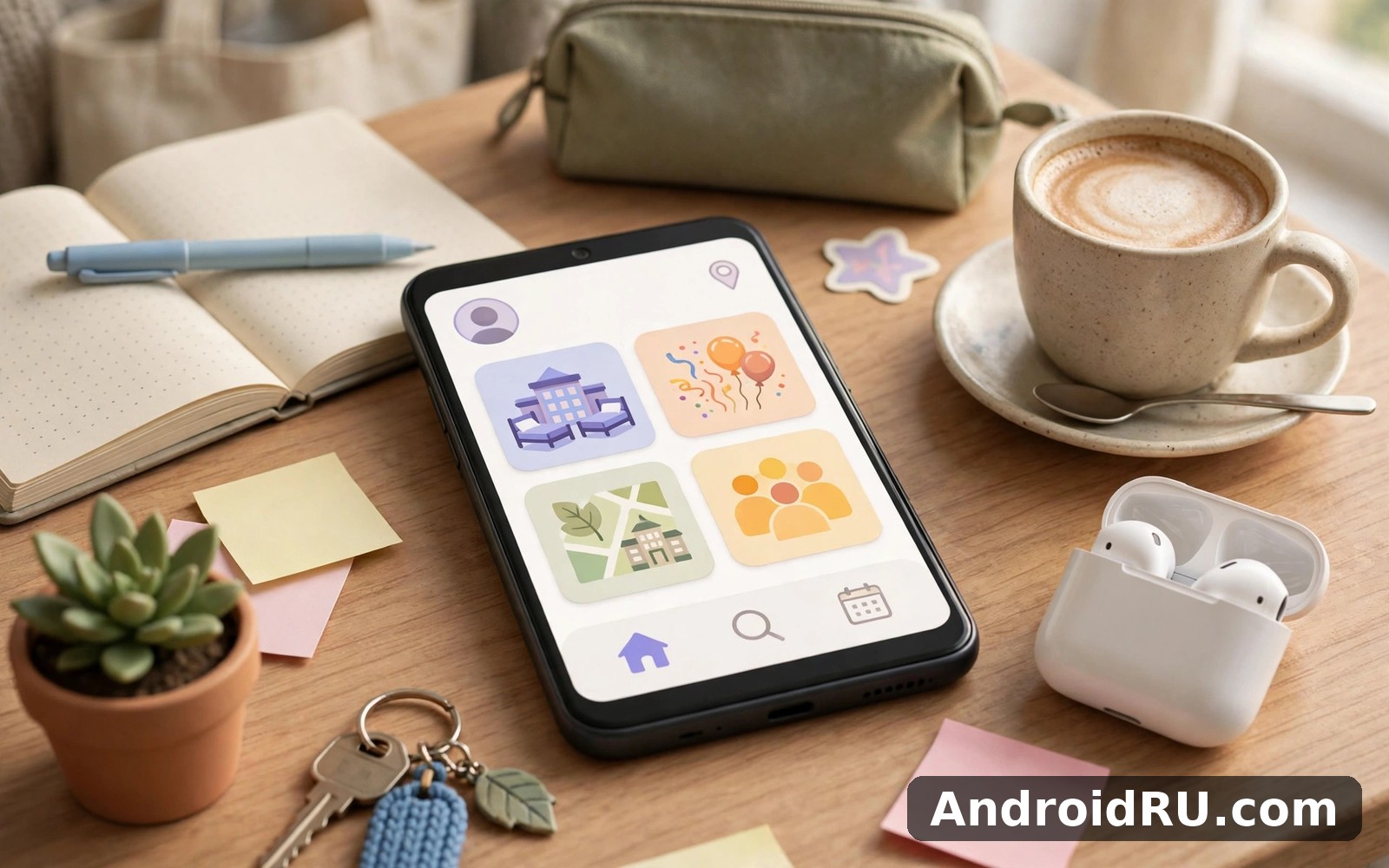
The home screen puts the most useful tools first, and that matters more than it sounds. A social game lives or dies on whether you can do something fun in two minutes, because most sessions are short. Party in My Dorm handles this well: your dorm, your daily tasks, your messages, and the campus map are all one tap away. The game rarely makes you dig through menus to find the thing you actually wanted to do.
A Campus You Shape Yourself
The campus is the shared world where the game happens. You walk around it at your own pace, visit classrooms, drop into parties, and bump into other players. Nothing rushes you. There is no timer pushing you from one activity to the next, and no penalty for spending a whole session just decorating your room or chatting with a friend. That relaxed pace is the game’s real personality. It is a light escape rather than a deep simulation, and for a few minutes after a long day, that is exactly the point.
Social Play First, Simulation Second
Some campus games try to simulate student life in detail: grades, schedules, exams, budgets. Party in My Dorm keeps the simulation light and puts the social side first. Classes and jobs exist, but they are short activities that earn you currency and open up new options, not spreadsheets to manage. The heart of the game is people: meeting other players, chatting, visiting their dorms, and showing up to the same parties. If you enjoy games where the other players are the content, this one will feel natural. If you want a deep management simulation, it will feel thin.
Your Dorm Room as Your Home Base
Your dorm room is the centre of the game. It is where you start each session, where you show off your style, and where friends come to visit. Decorating it is the most personal part of Party in My Dorm: you choose furniture, wall colours, posters, and the small details that make a room feel like yours. I came back to decorating more than I expected, because a room that looks right makes every return visit feel welcoming. Start simple — a bed, a desk, a lamp, a poster — and add one piece at a time as you earn currency.
Meeting Other Players Without Pressure
The game makes meeting people easy and low-pressure. You can visit public areas, join a party, or chat with players you meet on campus. There is no obligation to talk to anyone, and there is no penalty for playing quietly for a week. I spent my first two days mostly alone, learning the menus and decorating my room, and the game never pushed me into a conversation I did not want. When I did start chatting, the players I met were mostly other casual players doing the same thing: decorating, attending events, and passing time.
Post-Update Checks: What to Verify After Every Update
Party in My Dorm has received updates for years, and most of them are small: new furniture, new outfits, new events, balance tweaks. Occasionally an update moves a menu, changes how an event works, or resets a setting. A five-minute check after each update saves you from the two classic frustrations: losing track of where a feature moved, and discovering a problem days later when it is harder to fix. The checks below are the ones I run after every update, in order.
- Check that the update actually installed and note the version. Open the game, look at the version number on the loading screen or in settings, and confirm it matches the latest release. If the game still shows the old version, close it fully and reopen it, or check your app library for a pending update.
- Open your dorm room and confirm everything is still there. Updates rarely touch your room, but a quick look confirms your furniture, layout, and saved design survived. If anything looks wrong, take a screenshot before you change anything, so you have a record.
- Check your avatar and outfits. Outfits and customisation options sometimes move to a new menu after an update. Open the avatar screen, confirm your saved look is intact, and look for any new outfit pieces the update added.
- Test chat and friends. Send a message to a friend or open the chat screen and confirm your conversations and friend list are still there. If chat feels slow after an update, it is usually a server-side hiccup that clears within a day.
- Look at the event calendar and your daily tasks. Updates often add a limited-time event or change the daily task list. Check what is new, what has ended, and whether any task you were halfway through is still there.
- Review permissions and notifications. An update can reset a notification setting or ask for a permission again. Check that only the notifications you actually want are on, and that the game has not asked for contacts or location access it does not need.
The Five-Minute Check After an Update Lands
The six steps above sound like a lot, but they take about five minutes once you know them, and they become a habit fast. I run them while my first coffee brews on update day. The point is not paranoia. It is that a game you have invested weeks in deserves a quick look after it changes, and five minutes now is cheaper than rebuilding a dorm room later. Keep a short note on your phone — room layout, avatar name, current event — and compare it after each update. That note is your safety net.
Check Storage Before You Tap Update
Before any update, check that your phone has room for it. A phone with almost no free space behaves oddly with any new app version: updates stall, saves fail, and the game can crash on launch. Free up space first if your storage looks tight — delete an old download or two, clear the cache of an app you barely use, and then run the update. Party in My Dorm itself is not a huge game, but updates still need breathing room, and a cramped phone is the most common cause of update trouble I have seen.
Test Login and Your Saved Dorm on a Second Run
After an update, open the game once, close it fully, and open it again. The second launch is the real test: it confirms your login still works, your dorm still loads, and your saved progress is intact. If the first launch feels slow or odd, the second launch usually tells you whether it was a one-off loading hiccup or a real problem. If trouble continues after the second launch, restart your phone before you try anything more drastic — a restart fixes many temporary problems on Android phones.
Feature Highlights: Dorms, Avatars, Chat and Campus Events
The features below focus on everyday use rather than on gimmicks. Each one is a general capability in the current form of the game, and each one earns its place by being something you will actually do more than once. A feature you use daily matters more than a feature that looks good on a list, so I have ranked them by how often I reached for them in my test week.
Decorating Your Dorm Room Until It Feels Like Yours
Decorating is the feature I returned to most. The dorm decorating system gives you furniture, wall colours, flooring, posters, plants, and small decorations, and you place them freely in your room. There is no strict grid forcing you into a layout, and the room updates instantly as you move things around. The fun is in the details: a reading corner by the window, a poster wall that shows your taste, a rug that ties the room together. Earning new furniture through classes, jobs, and events gives you a reason to keep playing, and visiting other players’ rooms gives you ideas to steal — politely, by buying the same pieces yourself.
Avatars and Outfits That Show Your Mood
Your avatar is how other players see you, and the customisation options are generous: hairstyles, skin tones, outfits, shoes, and accessories. Changing your look is quick, and I changed mine more often than I expected — a casual outfit for a normal day on campus, something brighter for a party. Outfits are earned through play and events, with some premium options available for purchase. None of the premium outfits change how the game plays; they change how you look, and that is a fair place for optional purchases to live. A new player should not spend money on outfits in the first week. Play first, learn what you like, and then decide if an outfit is worth it to you.
Chat, Friends and Campus Parties
Chat is the social engine of the game. You can talk to players you meet on campus, keep a friend list, and visit friends’ dorms. Parties are the shared events where the social side comes alive: players gather in one place, music plays, avatars dance, and conversation flows. The campus parties are also the best place to meet new people, because everyone there is already in a social mood. My advice is to attend one party early in your first week, even if you just stand at the edge and watch. You will learn the social rhythm of the game faster from one party than from a week of solo play.
Classes, Jobs and Clubs: The Daily Loop
Classes and campus jobs are the short activities that earn you currency and keep your day structured. A class takes a few minutes and rewards you with coins and experience. A job does the same, with a different flavour. Clubs are groups you can join for shared activities and regular events. None of these are deep systems on their own, but together they form a daily loop: attend a class, work a shift, check your club, and spend the earnings on your room or your avatar. The loop is gentle, and it respects your time — a full daily round takes about fifteen minutes.
Daily Tasks That Keep Progress Moving
Daily tasks are small goals the game sets each day: attend a class, visit a friend, decorate one item, join an event. Completing them earns currency and keeps your progress moving without a big time commitment. I treat them as a checklist, not a chore. On a busy day I do two or three and stop. On a free evening I do the whole list. The game never punishes you for missing a day, and that is an important kindness: a daily task list that scolds you for skipping a day is a list that gets deleted.
Campus Events Worth Your Time
Events are limited-time activities — themed parties, seasonal decorations, special outfits, and campus-wide challenges. They are the game’s way of keeping long-term players interested, and they are worth checking each time you log in. Some events reward you simply for showing up. Others ask you to complete a small set of tasks over a few days. My rule is simple: join the events that sound fun, ignore the ones that do not, and never spend real money to finish an event faster. The event will come back around, or a similar one will, and your silver is better spent on your room.
Living With Party in My Dorm Day to Day
I tried Party in My Dorm in the gaps of a normal day — while waiting for a bus, while waiting for a kettle, during a quiet ten minutes before bed. Those short tests showed me more than a single long session ever could. The app either fits those gaps or it does not, and this one did. A few minutes each day taught me more than one long weekend binge, because small steady use builds familiarity without fatigue. The first day felt a little unfamiliar. The second day felt easier. By the third day I stopped thinking about the menus at all. That learning curve is short, and it is worth pushing through.
Battery use stayed modest during my short daily sessions. I never noticed the app draining power in the background, and longer sessions used more battery only in the way any app does. Closing the app fully after use kept things tidy on my phone. Data use is light too: this is a social game with small downloads, not a streaming app, so a few minutes on mobile data will not trouble a normal data plan. Use Wi-Fi for large updates inside the game when you can — it saves mobile data and it often speeds the update up too.
A Short Daily Routine That Works
My weekday routine settled into a shape I would recommend to any new player. Open the game, check your daily tasks, attend one class, collect any event reward, water or tend anything in your room that needs it, and visit one friend’s dorm. That takes about ten minutes, and it keeps your progress moving every day. The short daily sessions are the game’s real strength: it respects small pockets of time, and it never makes you feel behind for playing briefly. If you only have five minutes, do two tasks and stop. The game will be there tomorrow.
A Longer Weekend Session
Weekends are for the parts of the game that need more time: decorating a room properly, attending a party, exploring the campus, and trying a new outfit combination. A weekend session of thirty to forty minutes lets you do the creative work that weekdays do not have room for. I redecorated my whole room on a rainy Saturday, and it was the most satisfying session of my test week. Weekdays keep the loop alive; weekends make the loop yours.
Party in My Dorm vs Similar Social Apps: A Straight Comparison
Party in My Dorm is a game, but it sits next to social apps on most phones, and players often compare them. The table below lines up the four names that come up most often, on the points that decide which one you actually open: whether it is a game or a chat app, what you do there, how you meet people, and what it costs.
| Feature | Party in My Dorm | Townsq Community | Bluesky | Discord |
|---|---|---|---|---|
| What it is | Campus life social game | Neighbourhood community app | Open social network | Chat and community platform |
| Main activity | Decorating, parties, classes | Local posts and groups | Posting and following feeds | Servers, voice and text chat |
| Meeting people | On campus and at parties | Through local groups | Through posts and follows | Through servers and friends |
| Avatar and identity | Full avatar and dorm customisation | Profile-based | Profile-based | Profile and server roles |
| Cost to start | Free, with optional purchases | Free | Free | Free, with optional Nitro |
| Best for | Relaxed social play | Local community news | Public posting and discovery | Group chat and voice |
The table shows that these four apps do different jobs, and they sit happily beside each other on a phone without fighting for your attention. Party in My Dorm is the only one that is a game, and that is its charm: it gives you a place to be, not just a feed to scroll. The others are tools for talking and sharing. You do not have to choose one and delete the rest.
Party in My Dorm vs Townsq Community
If you enjoy campus social games, Townsq Community is a natural next app to try. Where Party in My Dorm gives you a virtual campus, Townsq gives you a real neighbourhood: local posts, community groups, and news from people near you. The two complement each other well. One is a playful escape you visit for fun, and the other is a practical tool for the place you actually live. People who like campus social games also tend to enjoy Bluesky, the open social network where you post, follow feeds, and discover people by what they share. Bluesky is a public square; Party in My Dorm is a private dorm. Both have their place, and neither replaces the other.
Where Discord Fits Next to a Campus Game
If this style of app clicks for you, try more like Party in My Dorm. Discord covers similar ground from a different angle: it is a chat and community platform built around servers, voice channels, and text groups. Many players use Discord alongside their games, to talk with friends while they play or to organise a party in advance. If Party in My Dorm leaves you wanting a little more variety in how you talk to people, Discord is a sensible place to look next. Comparing two apps briefly often clarifies what you actually value most: the game itself, or the conversation around it.
Pros, Cons and Who Party in My Dorm Is For
Over a longer stretch, the steady progress mattered most. Small wins added up across weeks without any pressure to do more, and that gentle rhythm suits busy people better than a demanding daily grind. This review comes from everyday use rather than from comments elsewhere. I judged Party in My Dorm on how it felt after a week of normal sessions, and the picture that emerged is warm with honest limits.
What Users Tend to Like About Party in My Dorm
- It is easy to return to each day. The main tools stay clear, the app rarely wastes your time, and starting a useful session takes seconds rather than a tutorial.
- Decorating your dorm is genuinely satisfying. A room that looks like yours makes every visit feel personal, and earning new furniture gives you a reason to keep playing.
- Short sessions count. Ten minutes a day keeps your progress moving, and the game never punishes you for missing a day.
- The social side is low-pressure. You can chat and attend parties when you want, and play quietly when you do not, with no penalty either way.
- It runs well on ordinary phones. Battery use is modest, data use is light, and the game does not demand the newest hardware to feel smooth.
Honest Limits to Know Before You Start
- The simulation is light. Players who want deep systems — detailed grades, budgets, schedules — will find the classes and jobs too simple after a few weeks.
- Progress can feel slow without regular play. Occasional use still helps, but the game rewards a steady routine, and a player who opens it once a month will see little change.
- Some outfits and items cost real money. The free options are generous, but the most eye-catching outfits sit behind purchases, and that can frustrate players who want everything free.
- Advanced options take a little learning. New users should expect a short learning curve in the first days, especially around events and clubs, though it fades with practice.
Who Party in My Dorm Is For
Party in My Dorm suits players who enjoy social games with avatars and chat and small daily goals. Beginners can start with the basic features and learn as they go, and experienced users can still find depth in the advanced options. It is for people who want a light escape for a few minutes after a long day, not a second job. You should skip it if you only need its main job once in a blue moon — a single use rarely justifies a new app on your home screen. And you should keep it if its main job shows up in your week again and again: repeated small needs add up to real value over months. Judge it on your calendar rather than on a first impression.
Speed, Battery and Privacy Basics in Party in My Dorm
Most Android versions from recent years handle Party in My Dorm without trouble. If something looks odd after an update, a restart often clears it, and keeping your phone software reasonably current gives you the smoothest experience. The game is not demanding, and that is part of its charm: it does not need a flagship phone to feel good.
Performance depends on your phone and on how you use the game day to day. Short sessions use less battery than long background sessions, so close the app fully when you finish if battery life matters to you. If the game feels slow, close other apps and free some storage first: heavy background apps steal memory from everything else, and a quick tidy often restores normal speed at once. If the game will not open, restart your phone and try again, and if trouble continues, check for an app update.
Data Use and Battery in Daily Play
Party in My Dorm is light on both data and battery compared with most online games. Short daily sessions use only a small amount of mobile data, and the game downloads most of its content during installation and updates. The exception is updates themselves, which can be large, so use Wi-Fi for those when you can. Check data use in your phone settings if your plan is small, and you will see the game sitting near the bottom of the list. That is a good place for a daily game to sit.
Privacy Settings Worth Checking in Week One
Think twice before granting contacts or location access to Party in My Dorm. Many features work fine without those permissions, and you can grant extra access later if a feature asks for it clearly. Share personal details in the game only when a feature truly needs them. Use a strong password for any account and keep it private, and sign out on shared devices after you finish. These are small habits, but they matter more in a social game than in a solo one, because a social game is where strangers can see you. Check the privacy settings once in your first week, and check them again after any big update.
Frequently Asked Questions About Party in My Dorm Campus Life
What should I check after a Party in My Dorm update?
Run a five-minute check: confirm the version number changed, open your dorm and make sure your furniture and layout are intact, check your avatar and outfits, test chat and your friend list, look at the event calendar and your daily tasks, and review your notification and permission settings. Do the check on a second launch too, because the second launch confirms your login and saved progress properly. If anything looks wrong, take a screenshot before you change anything.
Is Party in My Dorm free to play?
Yes, the game is free to play, with optional in-app purchases. You can decorate your dorm, attend classes, work jobs, chat, and join parties without spending anything. Purchases are mostly for outfits, furniture packs, and currency that speeds up progress. None of them are needed to enjoy the game, and a new player should play for at least a week before deciding whether any purchase is worth it. The free options are generous enough that the game never feels like a demo.
Can I play Party in My Dorm offline?
Party in My Dorm is an online social game, so most of its features need a connection: chat, parties, events, and visiting other players all happen live. Some parts, like viewing your own dorm, may work briefly without a connection, but the game is designed to be played online. If your connection drops, the game will usually reconnect on its own when the signal returns. For the best experience, play on Wi-Fi or a stable mobile connection, and avoid starting an event on a weak signal.
How do I decorate my dorm room in Party in My Dorm?
Open your dorm from the home screen, tap the decoration or edit option, and choose furniture, wall colours, flooring, and decorations from your collection. Place items freely and move them until the room looks right. New furniture comes from classes, jobs, events, and the in-game shop, where you spend currency you earn by playing. Start with the basics — a bed, a desk, a lamp, a poster — and add one piece at a time. Visiting other players’ dorms is the best way to get ideas for your own.
Who is Party in My Dorm best for?
It is best for players who enjoy social games with avatars, chat, and small daily goals, and who want a light, relaxing game they can open for a few minutes a day. It suits beginners, because the first week is gentle, and it suits busy people, because short sessions still count. It is less suited to players who want a deep simulation, fast competitive action, or a game they can finish. If you like decorating, chatting, and campus events, it will fit your week. If you want a challenge with a clear ending, look elsewhere.
Verdict: Should You Install Party in My Dorm Campus Life?
Party in My Dorm is a light escape rather than a deep simulation, and it should be judged on those terms. For a few minutes after a long day, a dorm you decorated yourself, a friend to chat with, and a party to drop into are exactly enough. It earns its place through small daily wins: a room that looks better than yesterday, a daily task finished, an event attended. It does not demand your evening, and it does not punish you for missing a day. That gentle rhythm is the reason it stayed on my phone after my test week, and it is the reason I would mention it to a friend without hesitating.
My verdict breaks down by use case. If you want a relaxing social game for short daily sessions, install it and give it a full week before you judge it — three short sessions a day for seven days will show you the real rhythm of the game. If you love decorating and customising, start with the dorm and the avatar, because those are the strongest features here. If you mainly want to talk with people, join a party early and see how the social side feels. And if you want deep systems or fast action, skip it honestly: a web search or a different game will serve that mood better, and there is no shame in knowing what you want.
When you are ready, you can open the link below and give it a proper try. Start with the core feature and add extra features slowly. Use the app for a short time each day and review your progress weekly. That routine will show you whether the app fits your needs far better than any review can.
Click here to download the Party in My Dorm Campus Life app
If you want to try a similar tool, Click here to download the Townsq Community app. You can also Click here to download the Bluesky app when you are ready to compare it with this one.

