

Download APK AutoZen Car Dashboard Launcher Update Steps, New Updates & Review
AutoZen Car Dashboard Launcher first appealed to me because my car screen looked cluttered and dated. Icons competed for attention, navigation hid behind menus, and changing music meant three taps and a glance away from the road. This launcher reshaped the dashboard into a calm driving hub. Navigation and music sat where my eyes expected them, and that clarity made every drive feel a little more modern. An old car gained a new personality overnight, without a single piece of hardware being replaced.
My car is older and its built-in screen felt like a relic. I did not want to replace the whole system for a cleaner layout, and a launcher offered a cheaper path to a better daily experience. Installation took less time than a coffee break, and the first drive with the new layout felt surprisingly fresh. That first drive is what this review is built on, along with months of commutes, night drives, and family road trips since.
This article covers the update steps you should follow, what the new updates actually changed, the features that matter while driving, a setup guide you can follow in one sitting, a comparison with two other car and launcher apps, and an honest list of pros and cons. If your car screen frustrates you, you will find a practical answer here, including the safety rules I follow and the mistakes I made so you do not have to repeat them.
What AutoZen Car Dashboard Launcher is and how it works
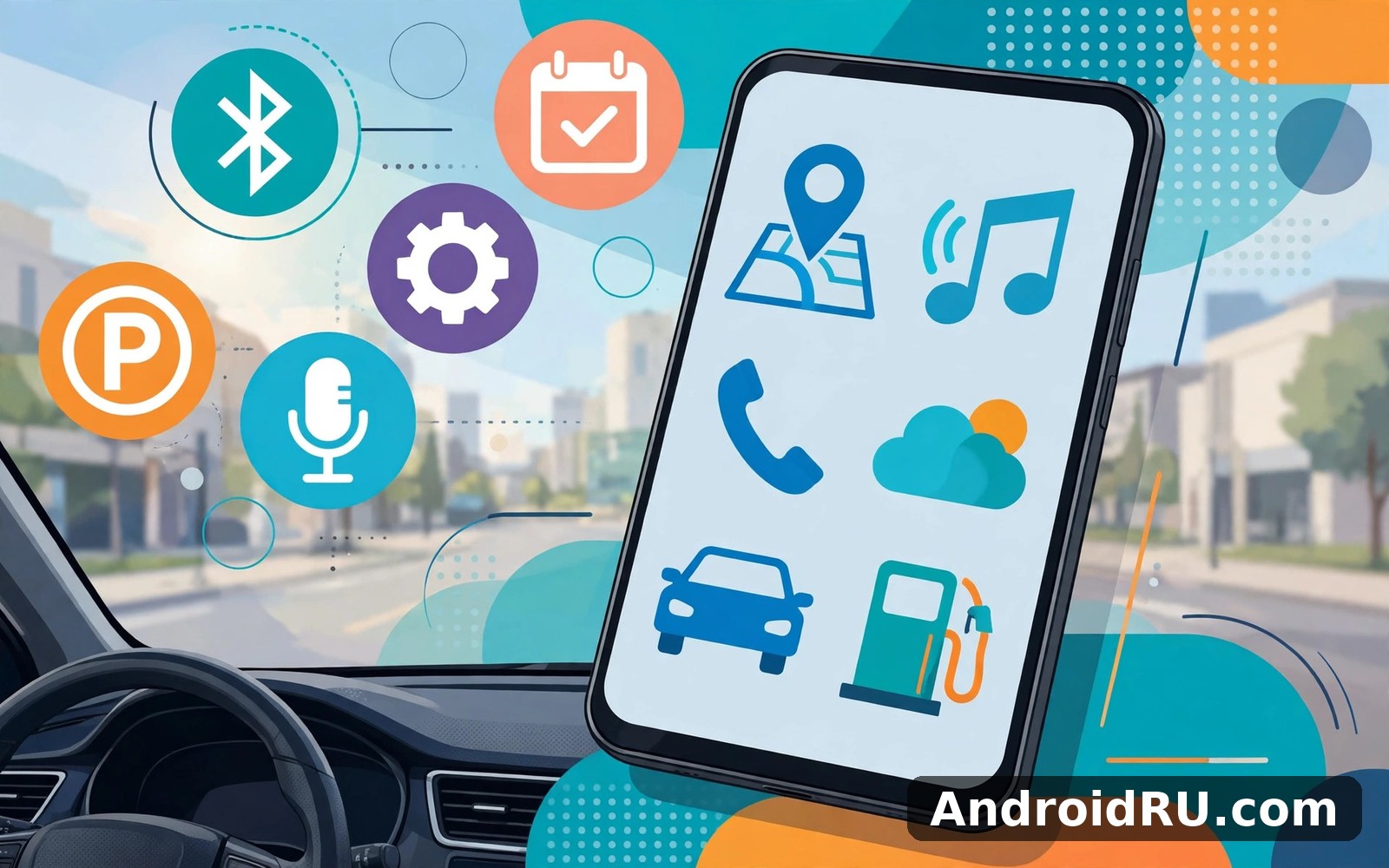
AutoZen Car Dashboard Launcher is a launcher app for Android that replaces your phone’s home screen with a driving-focused dashboard when you are in the car. Instead of a grid of small app icons, you get large buttons for navigation, music, calls, and messages, a speed display, and quick access to the tools you actually use while driving. It runs on your phone, and it works with a car mount, a Bluetooth connection, or a wired link to the car display, depending on your setup.
A dashboard launcher changes layout and priority rather than car hardware. It puts driving essentials front and centre where they belong, and less important apps move to a secondary screen. That hierarchy reduces glances away from the road, and safety improves when essentials are easy to find. On a mid-range phone connected to my car the launcher stayed responsive, and screen changes happened without lag during normal driving.
The launcher can start automatically when your phone connects to the car Bluetooth, so the dashboard is ready before you pull away from the kerb. That automatic launch is the feature that turns AutoZen from a novelty into a habit, because you never have to remember to open it.
How AutoZen changes your car screen layout
The layout is built around large touch targets and high-contrast text. Navigation sits at the top or in the largest tile, music controls sit beside it, and calls and messages get their own clear buttons. Widgets for weather or the clock can sit along the edge, but the design keeps them small so they never compete with the road. I placed navigation first, music second, and calls third, and that order matches my actual driving priorities perfectly.
AutoZen automatic launch with car Bluetooth
Automatic launch works through a simple rule: when the phone pairs with your car’s Bluetooth, AutoZen opens; when the connection drops, it closes. Setting this up takes a minute in the app’s automation settings, where you pick your car’s Bluetooth name from a list. I tested it across a week of commutes and it fired every time, which meant I stopped thinking about the launcher entirely and just drove.
AutoZen Car Dashboard Launcher update steps
Updating AutoZen is simple, but the timing matters more than the tapping. A changed layout on a Monday morning commute is a bad surprise, so I follow a fixed routine for every update, and it has saved me from relearning my dashboard in traffic more than once.
Step 1: Check what the update changes before you install it
Open the app page and read the “what’s new” notes before you tap update. Look for mentions of layout changes, removed features, or new permission requests. If the notes mention a redesigned home screen or a new widget system, that is your signal to update on a quiet evening rather than before a drive. A two-minute read prevents a ten-minute relearning session at a red light.
Step 2: Back up your AutoZen layout first
Backing up a layout you love is worth the minute it takes. A saved layout restores your personal order after any reset or unexpected change. Open the backup or export option in settings, save the layout, and note where the backup is kept. I save mine after any major customisation change, and that saved copy gives me confidence to experiment with new themes. Experimentation feels safe when a restore point exists.
Where AutoZen keeps your saved layout backup
Check the backup location in settings before you need it, because a backup you cannot find is no backup at all. Some versions save to the phone’s internal folders, others offer a share option so you can send the file to yourself. I keep a copy in my cloud notes as well, so a phone reset does not take my layout with it.
Step 3: Install the update on a quiet evening
A quiet evening is a better time for updates than a morning commute. Install the update at home, open the launcher, and check that your layout survived. Tap each main button once to confirm navigation, music, and calls still open the right apps. If anything moved, fix it while parked, not while driving. That caution prevents a changed layout surprising you in traffic.
Step 4: Verify permissions and test a short drive
Permission changes after updates can cause odd behaviour, so I check permissions after any major update as a habit. A missing permission often explains a feature that suddenly stops working, and restoring that permission fixes the issue without reinstalling. Then take a short test drive around the block. Check that navigation starts cleanly, music controls respond, and the automatic launch rule still fires. If the test drive feels right, the update is done.
AutoZen new updates and what changed
Recent AutoZen updates have focused on stability, speed, and small design refinements rather than dramatic redesigns, and that restraint is a good thing for a driving app. The most useful change is smoother performance on mid-range phones: screen changes and app switching feel quicker, and the brief pause I once noticed when many apps ran in the background now happens far less often. Closing unused apps still helps, but the launcher itself is less of a burden than it used to be.
Night driving also improved. The dark theme is deeper and more consistent across screens, which reduces glare and protects night vision on long drives. Large navigation text stays readable without the screen feeling like a torch in a dark cabin. I noticed my eyes felt less tired after switching to the updated dark mode on a two-hour night journey home, and that comfort matters more than any new widget.
Other recent changes include clearer widget controls, better handling of music apps that update their interfaces, and fixes for the occasional disappearing widget after a phone restart. None of these changes will make headlines, but together they make the dashboard feel more dependable. The honest limit remains the same: a launcher cannot fix slow car hardware or a tiny screen, and updates will not change that. What they can do is make the best of the hardware you have, and the recent updates do that well.
AutoZen update changelog highlights for drivers
The highlights worth knowing are faster screen transitions, a more consistent dark theme, steadier widget behaviour after restarts, and improved compatibility with popular navigation and music apps. If you use a less common music app, test it after updating, because music integrations are the area most likely to behave differently after a change. A quick parked test takes thirty seconds and saves a frustrating drive.
AutoZen Car Dashboard Launcher key features
AutoZen packs its features into a simple screen, and the best ones are the ones that reduce decisions while you drive. The list below covers what I actually used across months of driving, not a catalogue of every menu item. Each feature earns its place by making a drive calmer or safer.
Large navigation and music controls
Navigation appears large and music controls stay reachable, with buttons big enough to tap without looking closely. Music changes take one tap instead of three menu dives, and that simplicity reduces frustration in traffic enormously. Passengers also benefit: a passenger can change music without asking me for help, and that independence keeps me focused on driving.
AutoZen music controls for Spotify and local players
The music tile works with the major streaming apps and local players, showing the current track with large previous, play, and next buttons. I keep the controls minimal on purpose: a dashboard that tries to show playlists, queues, and recommendations becomes a distraction. One glance should tell you the song and let you skip it, and nothing more is needed at speed.
Speed display and driving information
AutoZen shows your current speed in large digits, which is useful in cars where the built-in speedometer sits low or is hard to read at a glance. The display uses the phone’s location data, so it needs a clear signal to stay accurate, and it can lag by a second or two in tunnels or dense city streets. Treat it as a helpful second opinion, not a replacement for your car’s own instruments.
Dark theme and night driving mode
A dark theme reduces glare during night driving significantly, and I switch to dark mode automatically in the evening. Bright screens destroy night vision and strain tired eyes, while a dark theme with large navigation keeps night driving safer. Theme choice is a safety choice as much as a style choice, and the automatic switch means I never forget to change it at dusk.
Custom layouts, themes and widgets
Customising a layout should start with your most used driving tools, and AutoZen lets you drag tiles into your own order, change colours, and add a small number of widgets. Visual themes affect driving comfort more than expected: a bright theme works better in daylight for clear reading, while a dark theme wins at night. I keep widgets minimal to protect responsiveness, because a minimal dashboard is also safer: it reduces distraction, and beauty should never cost responsiveness while driving.
AutoZen widget limits that keep the screen safe
My rule is three widgets at most: clock, weather, and one music or calendar widget. More than that and the screen starts to compete with the road for attention. Review your layout once a month and remove anything you have not used; unused widgets clutter the screen and slow the system slightly, and a monthly tidy keeps the dashboard fast and focused.
Setting up AutoZen Car Dashboard Launcher step by step
You can set up AutoZen in one sitting, parked safely, in about fifteen minutes. The steps below follow the order I used, and each one ends with something you can check before moving on. Never customise a dashboard while driving at speed; park safely before changing layouts or themes.
Step 1: Install AutoZen and grant the permissions it needs
Install the app, open it, and grant the permissions it asks for: overlay or display-over-other-apps permission so it can show the dashboard, Bluetooth access so it can detect your car, and notification access if you want it to read messages aloud or show call alerts. A missing permission often explains a feature that suddenly stops working later, so grant them now and check them again after any major update.
Step 2: Arrange navigation, music and calls by real use
Place your most used driving tools first. I placed navigation first and music second and calls third, because that order matches my actual driving priorities. Other drivers may prioritise podcasts or messages differently, and a personal order beats a generic layout every time. Take ten minutes to arrange tools by real use, and test the layout on a short drive before you call it done.
AutoZen first-drive checklist after setup
Before your first real trip, check four things while parked: navigation opens to the right app, music plays and pauses from the dashboard, the speed display shows a sensible number, and the dark theme switches on when you enable it. Then drive around the block and change one song, start one route, and glance at the speed display once. If all four feel natural, the setup is solid.
Step 3: Set up automatic launch on car Bluetooth
Open the automation settings and choose your car’s Bluetooth name from the list of paired devices. Save the rule, then test it: turn the car off, wait for the disconnect, and turn it on again. AutoZen should open by itself within a few seconds. If it does not fire, check that the app is allowed to run in the background and that battery optimisation is not putting it to sleep.
Step 4: Choose themes and save your layout
Pick a bright theme for daylight and a dark theme for night, and enable the automatic switch if your version offers it. Then save the layout as a backup. A saved layout restores your personal order after any reset, and that saved copy gives you confidence to experiment with new themes later. Experimentation feels safe when a restore point exists.
AutoZen vs Car Play Sync vs OLauncher comparison
AutoZen is a driving dashboard, but two nearby apps often come up in the same conversation: one that connects your phone to the car, and one that simplifies your phone itself. They solve different problems, and the table below shows where each one fits. I used all three across a month of driving and daily phone use.
| Feature | AutoZen Car Dashboard Launcher | Car Play Sync for Android Auto | OLauncher Minimal Af Launcher |
|---|---|---|---|
| Main job | Driving dashboard with large controls | Phone-to-car connection and sync | Minimal home screen for the phone |
| Navigation focus | Large navigation tile, one tap | Passes navigation to the car display | No navigation focus |
| Music controls | Large in-dash controls | Music through the car system | Basic, text-based app list |
| Automatic start | Opens on car Bluetooth | Connects when plugged or paired | Always on, replaces home screen |
| Best for | Drivers with older car screens | Drivers with Android Auto head units | People who want a calmer phone |
| Learning curve | Gentle, one setup session | Moderate, depends on car hardware | Very gentle, almost no setup |
Launchers pair naturally with connection and diagnostic tools. If you want a reliable phone to car connection then Car Play Sync for Android Auto is a natural next app to try. It bridges phone and dashboard smoothly for many drivers. For a minimal phone home screen then OLauncher Minimal Af Launcher strips your phone back to essentials. And for live vehicle health data then Car Scanner ELM OBD2 reads diagnostic information while you drive.
I use AutoZen as my driving face and the others as supporting tools. That clear role division keeps my car system understandable. A launcher should not try to diagnose your engine; it should present driving tools beautifully and get out of the way.
Car Play Sync for Android Auto strengths and limits
Car Play Sync focuses on the connection between phone and car, which is a different job from AutoZen’s dashboard layout. If your car has an Android Auto head unit, a solid connection matters more than a pretty launcher, because the car display itself becomes the interface. The trade-off is dependence on hardware: a car without a compatible head unit gets nothing from a connection app, while AutoZen works on any phone mount.
OLauncher Minimal Af Launcher strengths and limits
OLauncher takes the opposite approach to AutoZen: it strips your whole phone back to a text-based list of essentials, with no icons and no clutter. It is excellent for reducing distraction in daily life, and some drivers use it as their everyday home screen with AutoZen only in the car. Its limit is scope: it does not add driving features such as large music controls or a speed display, so it complements AutoZen rather than replacing it.
Which app fits which driver
Pick AutoZen if your car screen is old, small, or cluttered and you want a cleaner driving layout without replacing hardware. Pick Car Play Sync if your car already has an Android Auto head unit and the connection is your weak point. Pick OLauncher if your phone itself feels noisy and you want a calmer home screen everywhere, including outside the car. Many drivers end up using two of the three, with AutoZen in the car and OLauncher on the phone the rest of the day.
AutoZen Car Dashboard Launcher pros and cons
AutoZen earns its place by making an old car screen feel modern and calm, but it has honest limits. I kept this list to what I observed on my own drives, including the winter mornings and the night journeys where dashboard design matters most.
Pros of AutoZen Car Dashboard Launcher
- Large readable controls for navigation, music, and calls that reduce glances away from the road.
- Automatic launch on car Bluetooth means the dashboard is ready before you pull away, with no extra taps.
- Dark theme and night mode protect vision on long evening drives and reduce cabin glare.
- Custom layouts let you arrange tools by real use, and a saved backup restores your layout after any reset.
- Works on older cars and mid-range phones without new hardware, which makes an old car feel modern for very little cost.
Cons of AutoZen Car Dashboard Launcher
- Performance depends on phone power and car screen hardware together, and older hardware may lag with animated themes or many widgets.
- It cannot fix a slow car screen or a tiny display, and a small screen will remain small no matter how clean the layout.
- Some music apps behave differently after their own updates, so integrations occasionally need a re-check.
- Automatic launch depends on Bluetooth and background permissions, which battery optimisation can interrupt on some phones.
The balance tilts positive for drivers who want clarity without replacing hardware. The cons bite hardest on very old phones or cars with slow built-in screens, where expectations need to stay realistic. A cleaner layout on imperfect hardware is still a real win.
Who AutoZen Car Dashboard Launcher is for
AutoZen suits drivers who want clarity without replacing hardware, and commuters who rely on navigation and music daily. It suits families on road trips, because a clear dashboard lets a passenger handle music while the driver drives, and children in the back enjoy choosing songs from a simple screen. It also suits night drivers, who benefit most from the dark theme and large buttons.
It suits less well drivers whose cars already have a modern Android Auto head unit with a good built-in interface, because the car system already does this job. It also suits less well people who want engine diagnostics or vehicle health data, which is a job for a diagnostic app rather than a launcher. AutoZen is a layout improvement, and it is at its best when the problem is a cluttered screen rather than a missing feature.
AutoZen troubleshooting and driving safety
A launcher that misbehaves usually needs a simple restart before complex fixes. I restart the phone connection first and the launcher second, and that pair resolves most glitches in my experience. If a widget disappears, I re-add it rather than reinstalling everything, because small fixes beat dramatic resets almost every time. If the automatic launch stops firing, check battery optimisation settings first, then re-select the car Bluetooth name in the automation rule.
Winter driving brings low sun glare that challenges screen readability, and a dashboard with high contrast helps enormously in those conditions. I increase brightness slightly on bright winter mornings, and that adjustment keeps navigation readable without blinding glare. Night driving tests dashboard design more than daylight driving does, and large buttons let me change music with a quick glance instead of fumbling for small controls in darkness.
A note on distraction and safety
Never customise a dashboard while driving at speed. Park safely before changing layouts or themes. That rule sounds obvious, but temptation strikes in traffic, and a parked customisation session is safer and more thoughtful. Safety always outranks a pretty layout, and the best dashboard is the one you can read at a glance.
AutoZen Car Dashboard Launcher FAQ
Does AutoZen Car Dashboard Launcher work on any Android phone?
AutoZen works on most modern Android phones, and it runs best on a mid-range phone or better with a car mount or Bluetooth connection. Older hardware may lag with animated themes or many widgets, so keep widgets minimal on an older device. Check the current version requirements on the app page before installing if your phone is several years old.
Can AutoZen replace Android Auto in my car?
Not exactly. AutoZen is a dashboard launcher that runs on your phone, while Android Auto is a system that mirrors apps onto a compatible car display. If your car has an Android Auto head unit, use that system and let AutoZen handle the phone side, or use a connection app to keep the link stable. If your car has no compatible head unit, AutoZen is the practical alternative, and it works with any phone mount.
How do I update AutoZen without losing my layout?
Save your layout from the backup option in settings before you update, then install the update on a quiet evening rather than before a commute. After updating, open the launcher while parked and check that navigation, music, and calls still open the right apps. If anything moved, restore your saved layout or rearrange the tiles by hand. The full update routine is described in the update steps section above.
Does AutoZen drain battery or use a lot of mobile data?
Battery use is modest during a normal drive, because the launcher itself is mostly a layout over apps you already use. Navigation and music streaming use far more power and data than the launcher does, so keep the phone charged on long trips with a car charger. If you notice unusual drain, check that background permissions and widgets are set the way you want, and remove widgets you never use.
AutoZen Car Dashboard Launcher final verdict
My closing view is that AutoZen earns its place by making an old car screen feel modern and calm. It suits drivers who want clarity without replacing hardware, and commuters who rely on navigation and music daily. It will not fix slow hardware or a tiny screen completely, but as a layout improvement it delivers real daily value, and the recent updates made it smoother and kinder at night.
If your car screen frustrates you, try a cleaner layout on a quiet day. Arrange tools by real use, test the layout on a short drive, and let a calm screen make your next commute easier. You can begin from the link below, which takes you straight to the AutoZen Car Dashboard Launcher page on AndroidRU.
Click here to download the AutoZen Car Dashboard Launcher app
If you want to try a similar tool, Click here to download the Car Play Sync for Android Auto app. You can also Click here to download the OLauncher Minimal Af Launcher app when you are ready to compare it with this one.

